Top 20 Natural Monuments around Quatretonda
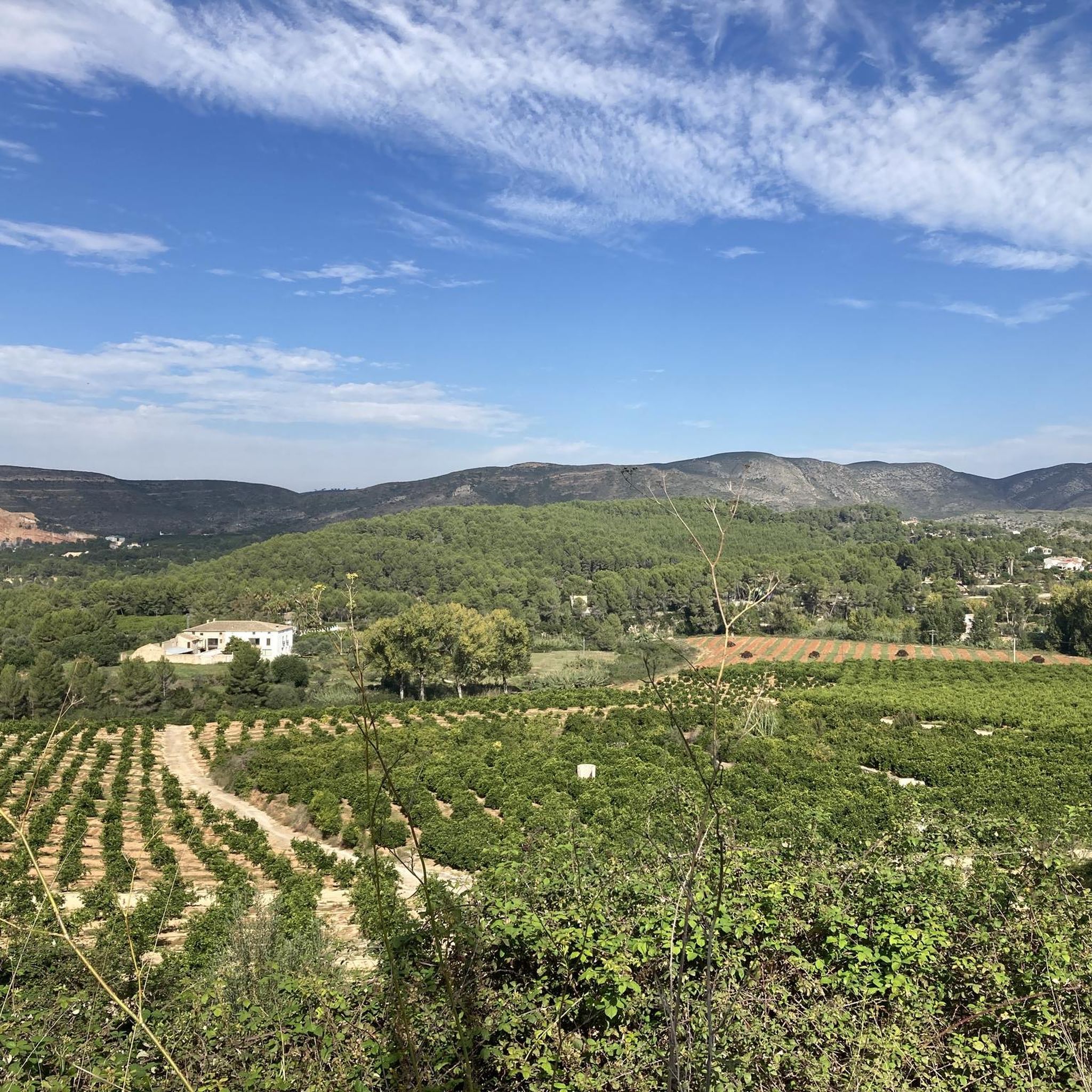
Best natural monuments around Quatretonda are characterized by a rugged topography featuring hills, cliffs, and ravines, creating a landscape of ecological value. The area is notable for its karstic formations, including caves, chasms, and springs. Mediterranean forests, primarily composed of pines and low scrub, define much of the natural scenery. Traditional dry stone constructions, such as "capelletes" and "sospedrades," add a cultural dimension to the natural experience.
Best natural monuments around Quatretonda
- The most popular natural monument is Cova Negra…
Last updated: October 4, 2026
Cova Negra
Highlight • Cave
Translated by Google •
Tip by

Clot de la Font
Highlight • Natural Monument
Translated by Google •
Tip by

Sign up now to discover places like this
Get recommendations on the best single tracks, peaks, & plenty of other exciting outdoor places.
Parpalló-Borrell Interpretation Centre
Highlight • Rest Area
Translated by Google •
Tip by
L'Esquellot on the Penyal de Ferragut
Highlight • Summit
Translated by Google •
Tip by

Barranco de Manessa
Highlight (Segment) • Gorge
Translated by Google •
Tip by

Sign up for free to discover even more natural monuments around Quatretonda.
Already have an account?
Start today with a free account
Your next adventure awaits.

Tips from the Community

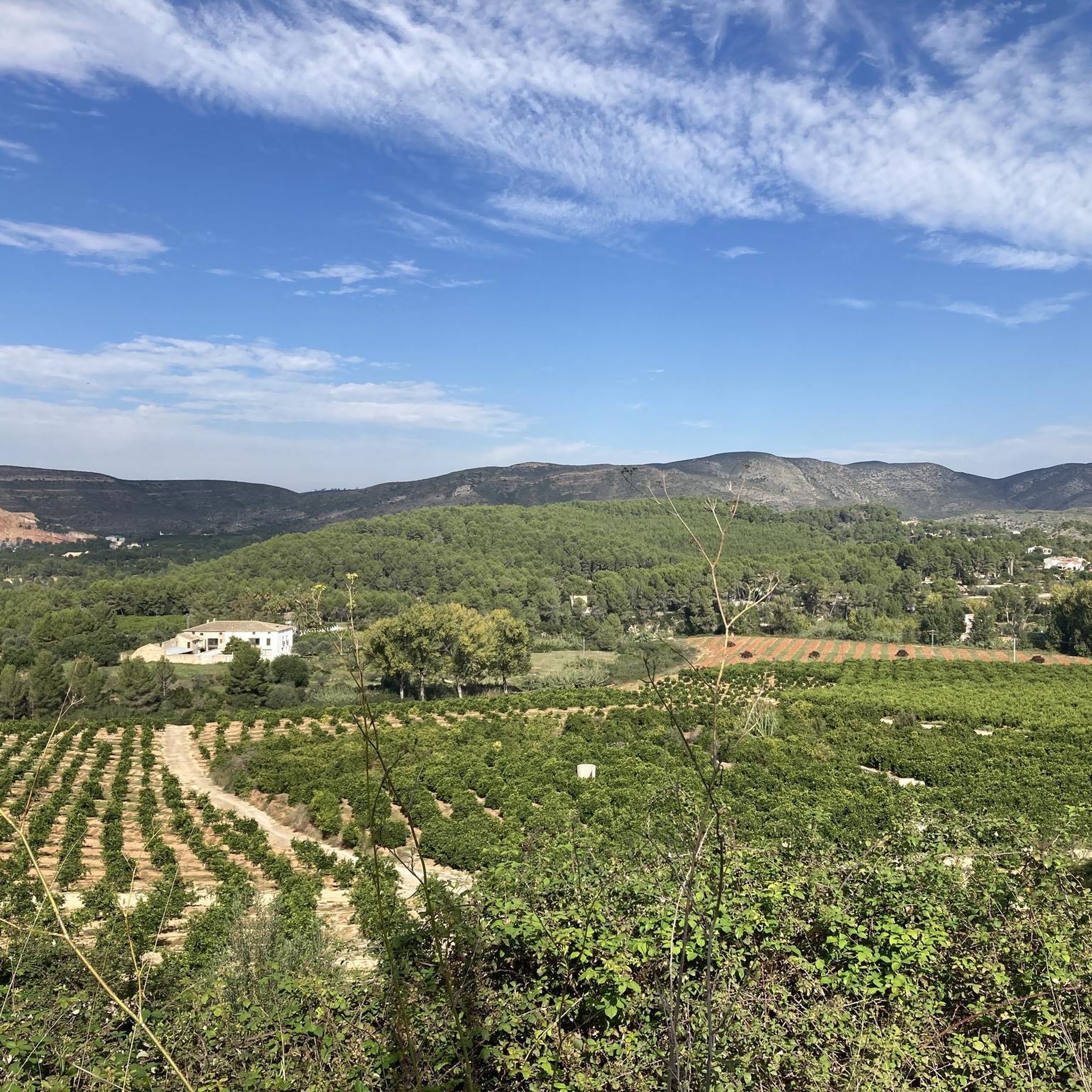
Between the shade of the Mondúver and the constant sound of water, the Clot de la Font is one of those places that invite you to slow down and enjoy cycling without looking at the clock. This natural spring, where the Badell—a tributary of the Vaca river—is born, is located a few kilometers from the urban center of Tavernes de la Valldigna and is a regular stop for cyclists, hikers, and runners. The access combines agricultural paths and stretches surrounded by pine forests and Mediterranean vegetation, perfect for a gravel, MTB, or even a quiet road route. The area is part of the Ruta dels Sentits and stands out for its fresh atmosphere, the shade of the Ombria, and a historic white fountain over 160 years old, next to a small waterfall that makes this place one of the most special points in the Valldigna. There's always a cycling vibe here: groups setting off at dawn, quick stops to fill water bottles, or simply a perfect place to rest before continuing towards the Cova del Bolomor, the Castell de Marinyén, or the routes of the Mondúver. The stone tables, potable water, and the tranquility of the surroundings make it a mandatory stop for any route through the Safor. A small oasis between mountain, water, and paths. Ideal for stopping, breathing, and keeping on rolling.
1
0

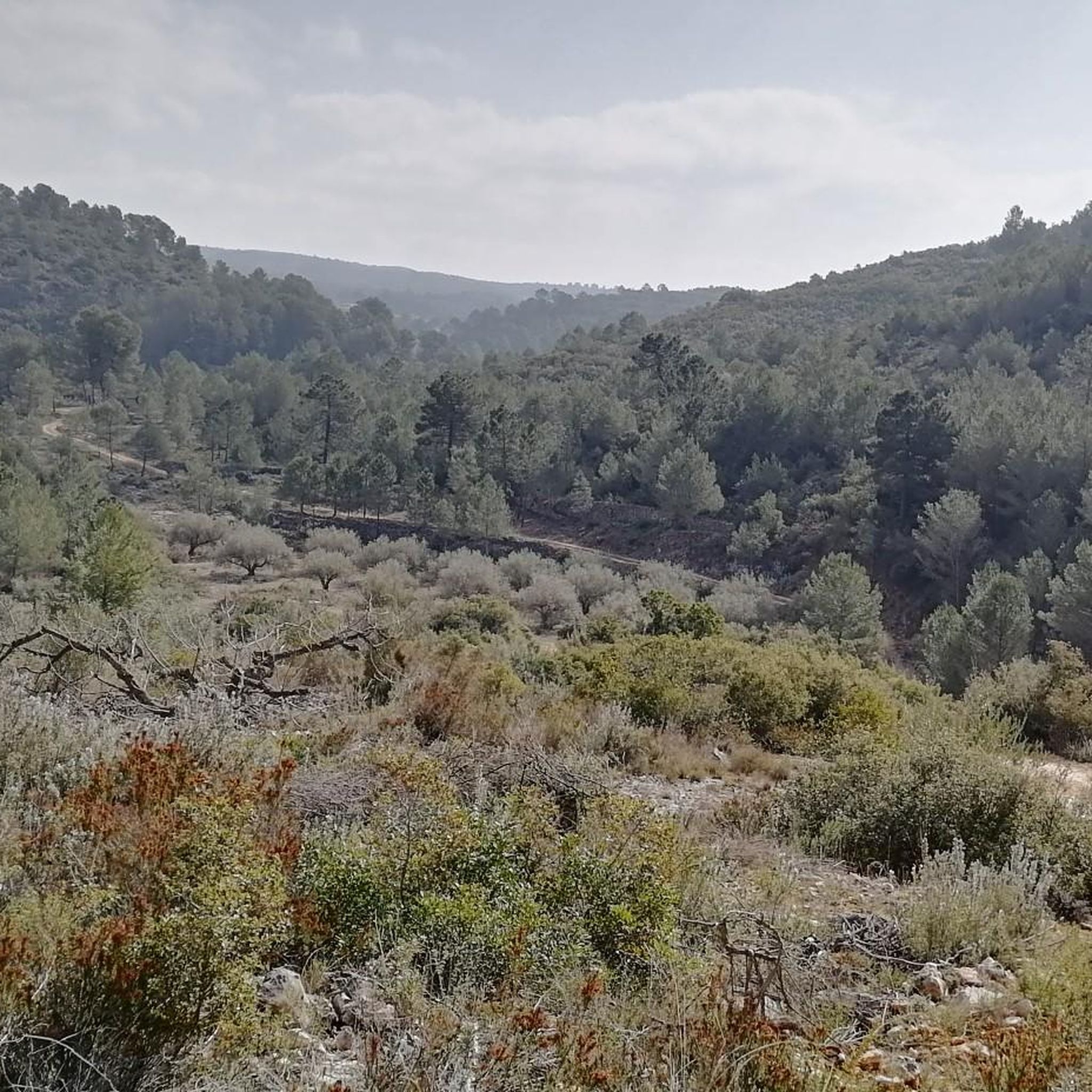
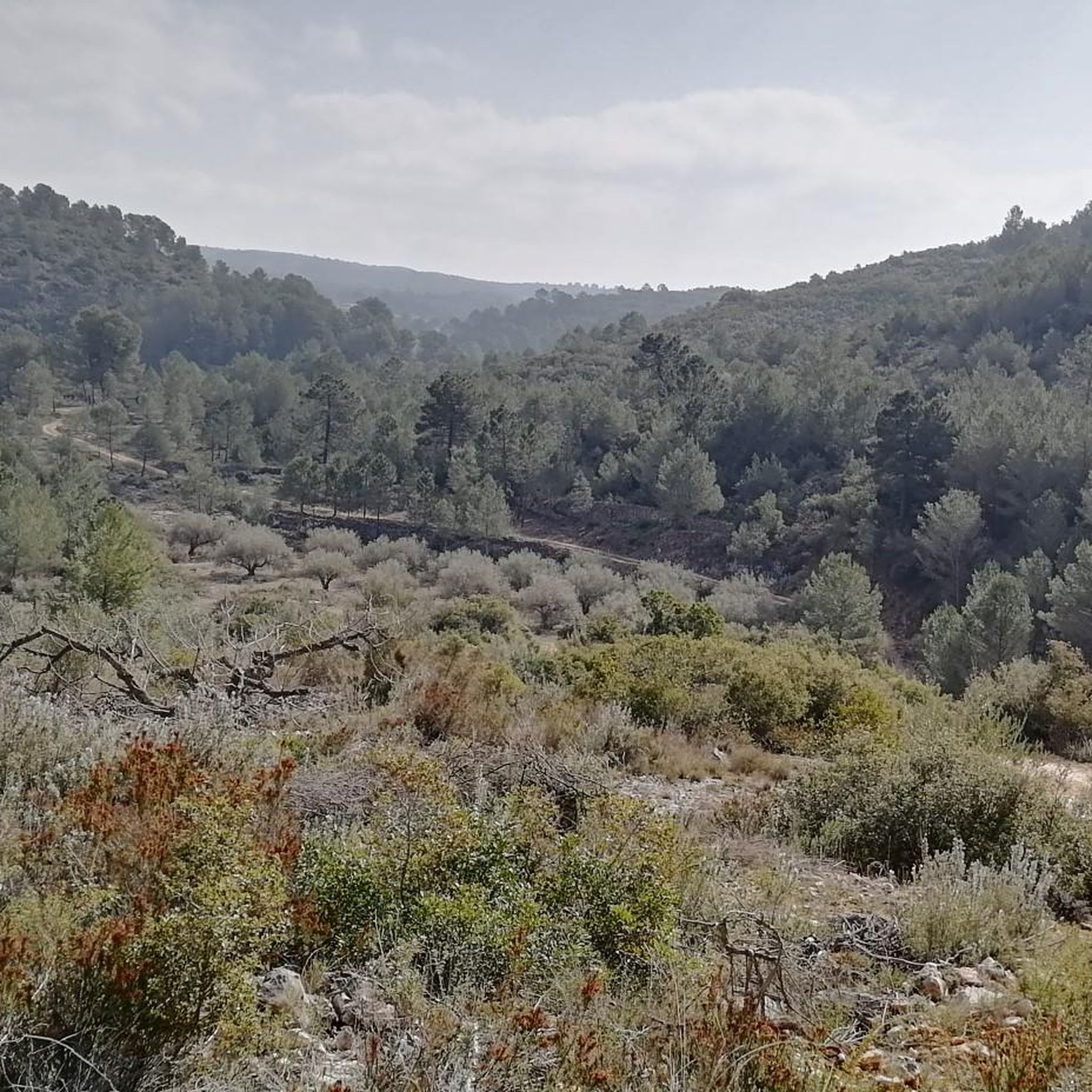
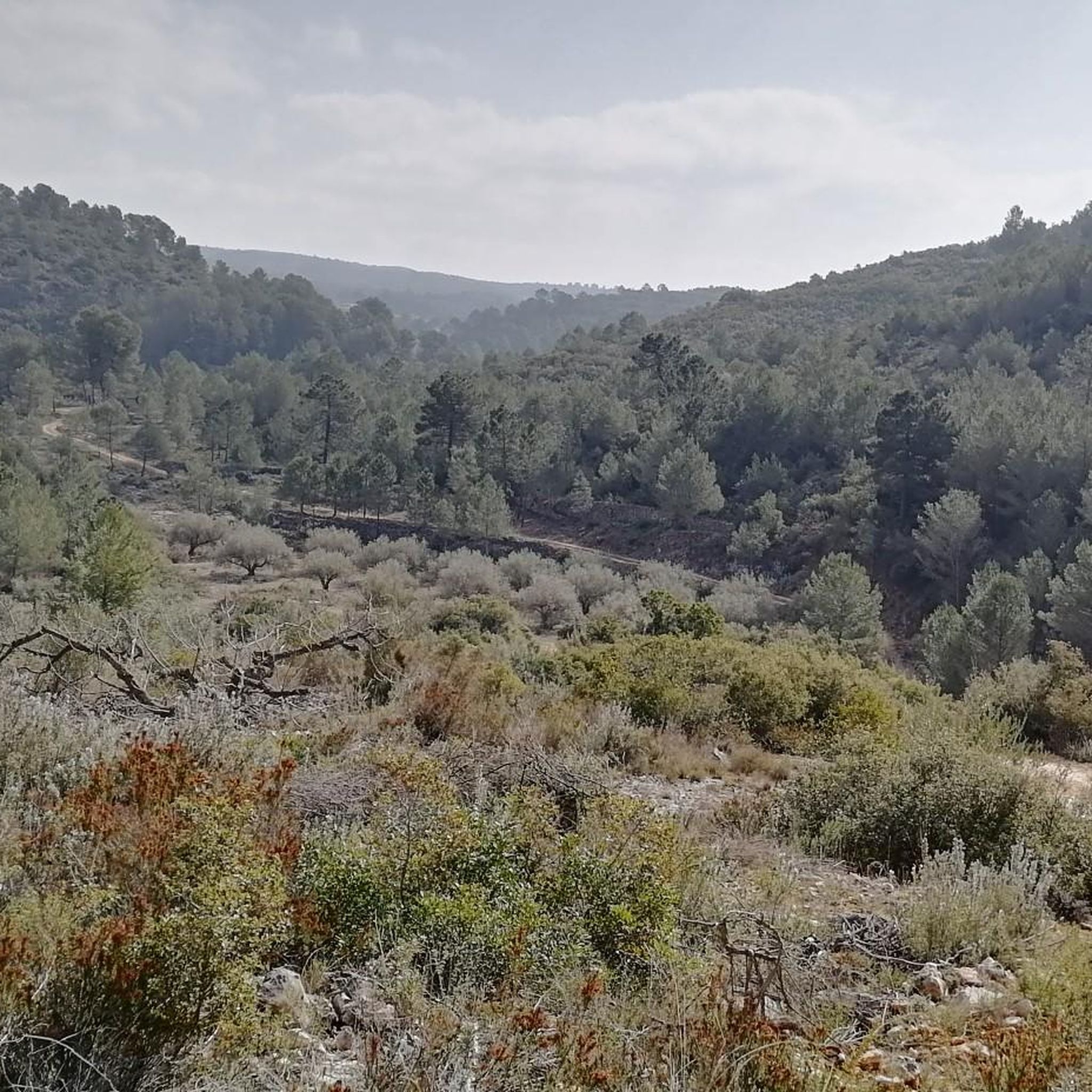
The Barranco de Manessa tour offers a hiking experience in the heart of nature, with varied landscapes and rich flora. It is ideal for those who enjoy shady walks and panoramic views. The route is known for its natural beauty and is an excellent option for a day trip. 🚶♂️😎🌄
7
1

There are few options to achieve TOP of the Maneuver mauntain. The easiest one is just follow road for the special vehicles. Even if you have selected this option - you will have many challenging alternatives sections during hiking up. Better to make a hike by the good weather (no clouds). 360 degree view from the top is spectacular and one is able to see Ibiza/Formentera islands.
1
0

The La Cova Negra municipal natural area is located in the municipality of Játiva, province of Valencia. In the Cova Negra is the Middle Paleolithic site in which remains of Homo Neanderthal have appeared. This natural area is located in the narrow valley formed by the Albaida River, as it crosses the reliefs of the Sierra Grossa, at the exit of the so-called Estret de les Aigües. In the widest meander formed by the Albaida River, at the height of Pico del Paller, you can see the Cova Negra, named for the blackish appearance of its walls.
2
1

Below the Umbria alta appears this fountain with a set of tables and shadows around it that offer a secluded and beautiful corner to stop if necessary, spend a good time.
1
0

L'Esquellot, in Spanish the cowbell, is located at the top of the Ferragut Rock. We can get there by two paths from behind the Safor service area, next to the BP gas station on the E-15 at the height of Xeraco. L'Esquellot is located there thanks to a challenge that the Xeraco mountain club (Club Muntanyer Xeraco) once placed, to encourage people to climb the mountain and ring the bell. From this point we have magnificent views of the sea, we can also see the town of Xeraco, the Vaca River that flows towards the sea, and the Guaita de Xeraco tower.
4
0
Path that runs parallel to the Manessa ravine, of great botanical interest, with abundant vegetation, including large ferns.
2
0

An ecological centre with a car park and visitor amenities. Also a good spot to start a hike from
0
0
Frequently Asked Questions
What kind of natural features can I expect to see in the Quatretonda area?
The natural monuments around Quatretonda are characterized by a rugged topography featuring hills, cliffs, and ravines. You'll find notable karstic formations, including a multitude of caves, chasms, springs, and sinkholes. The landscape is also rich in Mediterranean forests, primarily composed of pines and low scrub, offering diverse flora.
Are there any historical or cultural sites within the natural monuments of Quatretonda?
Yes, the region has significant historical and cultural elements. The Cova Negra is a cave known for archaeological remains from Neanderthal occupation. Additionally, within the landscape, you can encounter traditional dry stone constructions like "capelletes" (shelters) and "sospedrades" (walls), which are protected by UNESCO and add a cultural dimension to the natural experience. The Parpalló-Borrell Interpretation Centre is near the Parpalló cave, intensely inhabited during the Upper Paleolithic period.
What hiking opportunities are available in the Serra de Quatretonda?
The Serra de Quatretonda offers various local itineraries, such as the Barranc del Cossis, and marked trails like PR-CV-60 and PR-CV-172. These routes allow hikers to immerse themselves in the natural scenery. For more detailed hiking options, you can explore the Hiking around Quatretonda guide, which includes routes like the 'Natural Park of Serra Quatretonda — Circular via the Molló Path (PR-CV 172)'.
Are there family-friendly natural monuments or trails in Quatretonda?
Yes, the Parpalló-Borrell Interpretation Centre is considered family-friendly, offering an ecological center with visitor amenities. The Quintana Fountain is also accessible via a pleasant hiking trail and is noted as family-friendly, set in a quiet environment surrounded by trees and vegetation.
What are some unique viewpoints in the natural monuments around Quatretonda?
For magnificent panoramic views, consider visiting L'Esquellot on the Penyal de Ferragut, where you can see the sea, the town of Xeraco, and the Vaca River. The Parpalló-Borrell Interpretation Centre area also offers spectacular 360-degree views from the top of Montdúver on clear days. The Barranco de Manessa also provides panoramic views amidst its varied landscapes.
What is the best time of year to visit the natural monuments in Quatretonda?
The natural monuments in Quatretonda can be enjoyed throughout the year, but spring and autumn generally offer the most pleasant weather for hiking and exploring. These seasons provide milder temperatures and lush vegetation, making for a more comfortable experience.
Where can I find parking when visiting the natural monuments?
The Parpalló-Borrell Interpretation Centre is an ecological center that provides a car park and visitor amenities, making it a good starting point for exploring the area.
Can I explore caves in the Quatretonda region?
Yes, the region is known for its karstic formations, including caves. The most prominent is Cova Negra, a Municipal Natural Area located in a gorge, known for its unique black color and historical significance. The Parpalló cave, near the Parpalló-Borrell Interpretation Centre, is another significant site.
What other outdoor activities can I do near Quatretonda's natural monuments?
Beyond hiking, the area around Quatretonda is excellent for cycling. You can find various routes for road cycling and general cycling. Explore the Road Cycling Routes around Quatretonda guide or the Cycling around Quatretonda guide for options like the 'Serra de Quatretonda – Castell del Xiu loop'.
Are there any natural springs or water features to visit?
Yes, the region features natural springs as part of its karstic landscape. A notable spot is the Quintana Fountain, a non-drinkable water source located in a pleasant and quiet environment, accessible via a picturesque hiking trail.
What makes the Serra de Quatretonda ecologically significant?
The Serra de Quatretonda holds significant ecological value due to its diverse landscape and rich biodiversity. Its Mediterranean forests, primarily composed of pines and low scrub, support a variety of local wildlife. The area's rugged topography and karstic formations also contribute to unique microclimates and habitats.
What do visitors enjoy the most about the natural monuments around Quatretonda?
Visitors particularly enjoy the immersive hiking experiences through varied landscapes and rich flora, such as those found in Barranco de Manessa. The historical depth of sites like Cova Negra and the peaceful, picturesque environments like Quintana Fountain are also highly appreciated. The impressive views from viewpoints like L'Esquellot are also a major draw.
Most popular routes around Quatretonda
Most popular attractions around Quatretonda

Get inspired with the komoot mobile app


Explore more
Extend your search for the best caves by checking out these guides of the top ones around Quatretonda:
