Top 9 Natural Monuments around Villaespasa
Best natural monuments around Villaespasa are found within a region of natural beauty and historical significance in the province of Burgos, Spain. The area features diverse landscapes, from prominent peaks offering expansive views to ancient megalithic structures integrated into the natural setting. Visitors can explore unique geological formations and sites of historical importance. The municipality serves as a base for discovering these natural and cultural landmarks.
Best natural monuments around Villaespasa
- The most popular natural monuments is Pico Mencilla,…
Last updated: October 4, 2026
Pico Mencilla
Highlight • Summit
Translated by Google •
Tip by

Castillejo
Highlight • Summit
Translated by Google •
Tip by

Sign up now to discover places like this
Get recommendations on the best single tracks, peaks, & plenty of other exciting outdoor places.
Dolmen of Cubillejo de Lara
Highlight • Historical Site
Translated by Google •
Tip by
Campo de los Corros
Highlight • Viewpoint
Translated by Google •
Tip by

Peñalara
Highlight • Summit
Translated by Google •
Tip by

Sign up for free to discover even more natural monuments around Villaespasa.
Already have an account?
Start today with a free account
Your next adventure awaits.
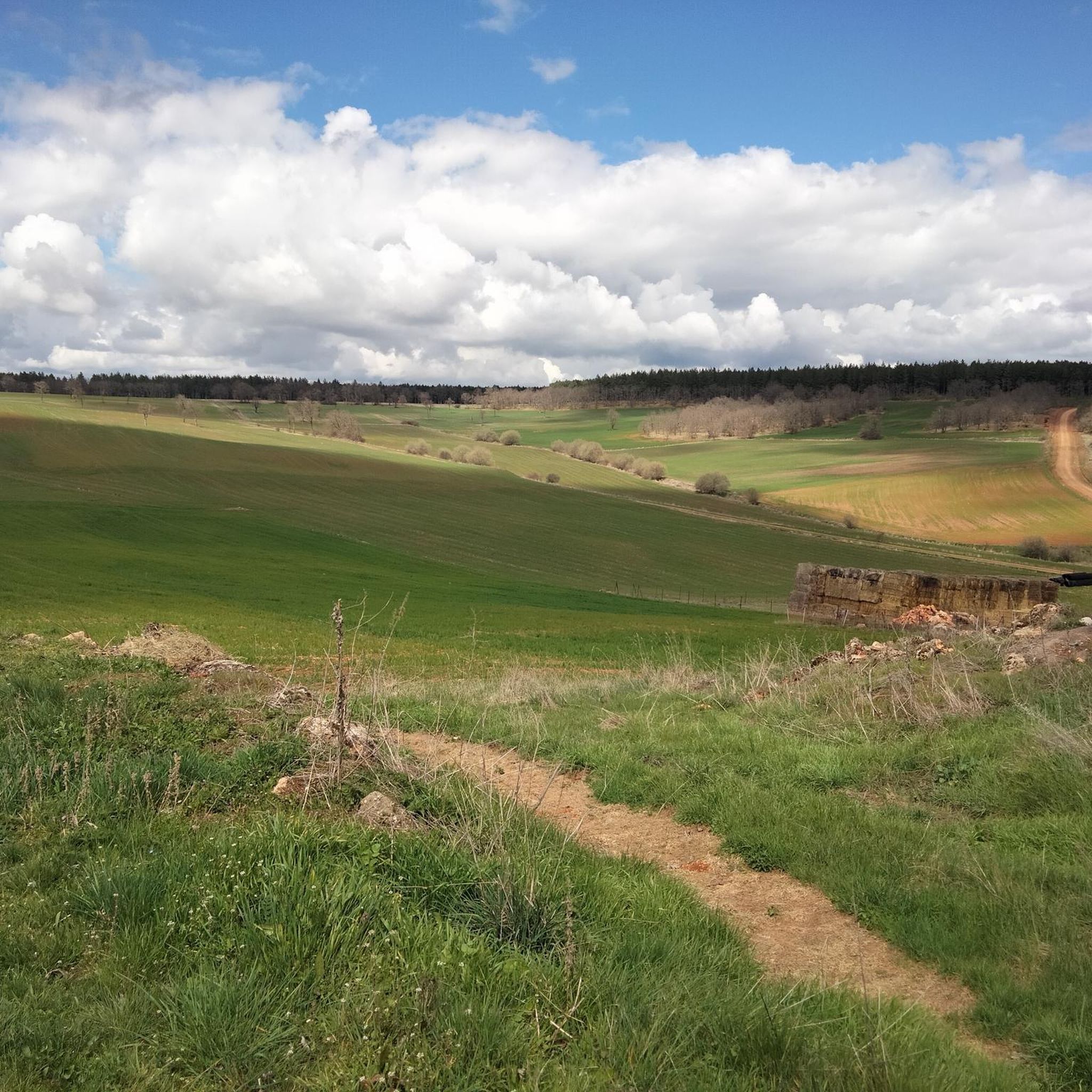

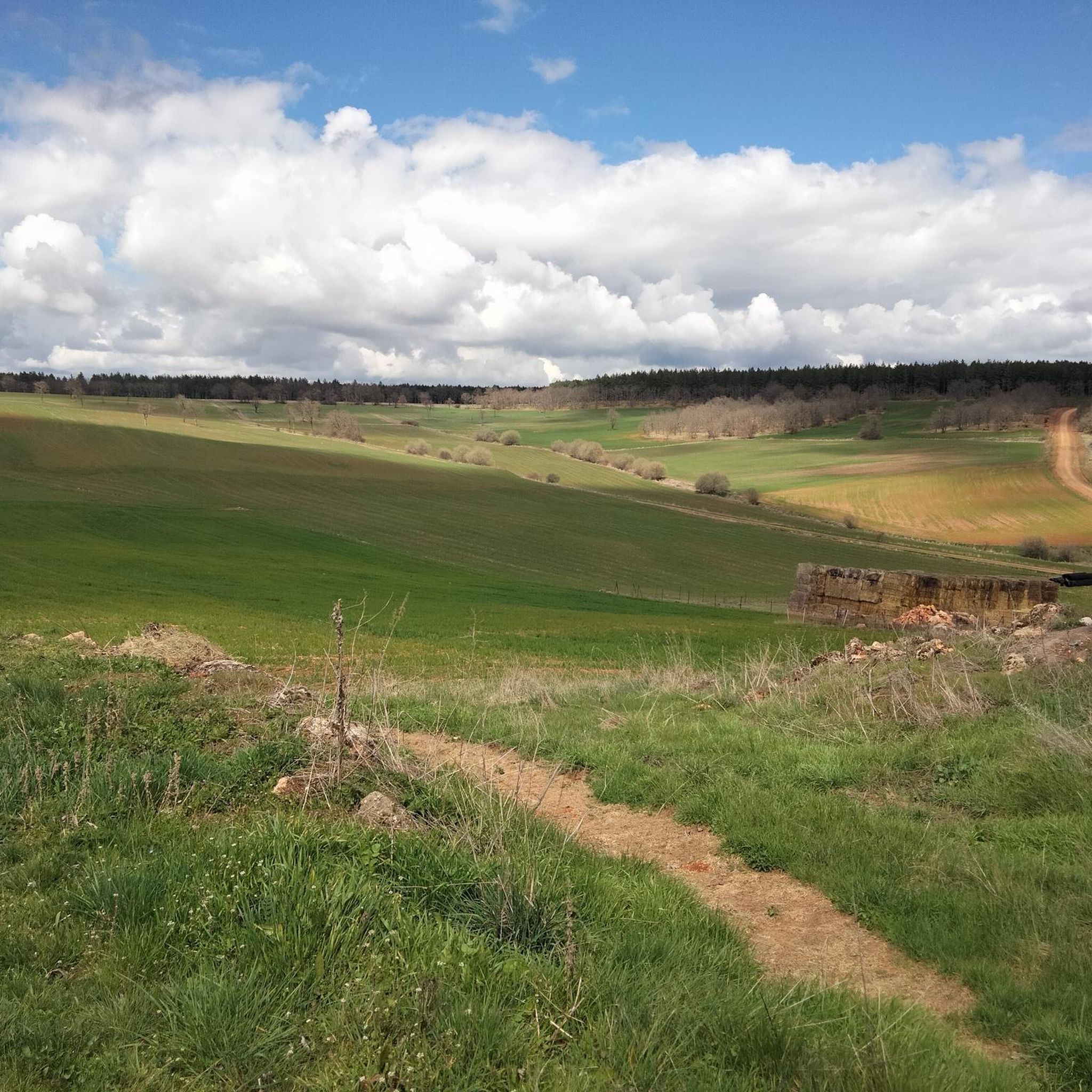

Tips from the Community

The summit of Peñalara in Burgos (also known as Peña Lara or Sierra de Lara) rises to 1,296 meters in altitude in the heart of the Sierra de la Demanda region, overlooking the historic valley of Tierra de Lara.
0
0
Peñalara is a rocky mountain range and an impressive natural viewpoint of 1,296 meters in altitude, located in the Sierra de Lara (Lara region / Sierra de la Demanda). The hike is worth it to enjoy the views from its summit.
0
0
Small mountain refuge at about 1800 meters altitude. It is in quite bad condition, but offers a place to stop and rest before undertaking the last stretch to crown the Mencilla.
0
0
El Mencilla is the highest summit of the Mencilla mountain range, which in turn is part of the Sierra de la Demanda within the Iberian system. With an altitude of 1932 meters above sea level and a prominence of 532 meters, it gives its name to the homonymous mountain range. It is located in the Sierra de la Demanda natural space and the municipal terms of Pineda de la Sierra and Tinieblas de la Sierra converge here, part of the Sierra de la Demanda region, in the province of Burgos.
0
0
El Castillejo (1,347 m) is a twin peak located in the Sierra de las Mamblas, 5 km north of the town of Covarrubias (Burgos). It owes its name to its natural defensive rock formations. On its summit, an artificial cavity is preserved that served as a strategic watchtower. The mountain offers a spectacular panoramic view of the Arlanza valley and the Sierra de la Demanda. At its foothills lies the Hermitage of Our Lady of Mamblas (Ermita de Nuestra Señora de Mamblas). The terrain features rocky barriers that served as a defensive settlement in antiquity.
0
0


The Cubillejo/Mazariegos dolmen is considered the prototype of the megalithic passage tomb and preserves, on one of the large stone blocks that form its structure, a series of interesting rock carvings.
0
0
Frequently Asked Questions
What unique natural features can I explore near Villaespasa?
Near Villaespasa, you can explore a variety of unique natural features. For instance, Castillejo is a peak known for its distinctive tower shape and offers spectacular panoramic views. Another notable site is Peñas del Tuero Viewpoint, which provides breathtaking views of the entire Arlanza Valley from atop cliffs.
Are there any significant historical natural monuments in the area?
Yes, the region boasts significant historical natural monuments. The Dolmen of Cubillejo de Lara is a funerary megalithic monument, approximately 5,000 years old, featuring a circular chamber and a long corridor. Further afield, but within the Burgos province, is Ojo Guareña, one of Europe's largest karst complexes with over 110 kilometers of caves, holding immense historical importance with archaeological finds from various eras.
What kind of views can I expect from the natural monuments around Villaespasa?
The natural monuments around Villaespasa offer diverse and spectacular views. From Castillejo, you can see the Sierra del Mencilla to the North and the Sierra de Cervera to the South. Pico Mencilla provides views of Pico Trigaza and San Millán. The Peñas del Tuero Viewpoint offers expansive vistas of the entire Arlanza Valley.
Are there opportunities for birdwatching at these natural sites?
Yes, the region is excellent for birdwatching. The Peñas del Tuero Viewpoint is a significant nesting area for griffon vultures, where you can observe them soaring. Additionally, the Cañón del Río Lobos Natural Park, located between Burgos and Soria, is a designated Special Protection Area for birds, particularly known for its large colony of griffon vultures.
What are the best hiking opportunities near Villaespasa's natural monuments?
The area around Villaespasa offers numerous hiking opportunities. You can find trails leading to summits like Pico Mencilla, which involves some rocky sections but is not considered difficult. For more general hiking and cycling routes, you can explore the various options available in the region. Check out the MTB Trails around Villaespasa, Road Cycling Routes around Villaespasa, and Cycling around Villaespasa guides for detailed information.
Are there specific hiking trails for natural monuments like Castillejo or CabezaPlantizo?
Yes, there are trails that lead to these specific natural monuments. For Castillejo, hikers can enjoy routes that lead to its summit, offering spectacular panoramic views. CabezaPlantizo, near Campo de los Corros, serves as a starting point for various descent and ascent trails, particularly towards Pineda de la Sierra, offering a more rugged experience.
Is the Dolmen of Cubillejo de Lara easily accessible?
The Dolmen of Cubillejo de Lara is integrated into the natural landscape and is generally accessible. It was declared an Asset of Cultural Interest, indicating its importance and preservation. While specific parking details aren't always highlighted, it's typically reachable by car with nearby areas for parking, allowing visitors to approach the monument on foot.
What is the best time of year to visit the natural monuments around Villaespasa?
The best time to visit the natural monuments around Villaespasa largely depends on your preferred activities. Spring and autumn generally offer pleasant weather for hiking and exploring, with milder temperatures and beautiful natural colors. Summer can be warm, ideal for early morning or late afternoon excursions, while winter might offer a different, more serene experience, especially in higher elevations, though some trails might be more challenging.
Are there family-friendly natural monuments or activities near Villaespasa?
Many of the natural monuments offer experiences suitable for families, depending on the children's ages and activity levels. Sites like the Dolmen of Cubillejo de Lara provide an engaging historical and natural setting without strenuous hiking. Shorter, less challenging trails to viewpoints can also be enjoyable for families. Always check specific trail difficulties before heading out with children.
Can I bring my dog to the natural monuments and trails in the Villaespasa area?
Generally, many outdoor areas and trails in the Villaespasa region are dog-friendly, but it's crucial to adhere to local regulations. Dogs should typically be kept on a leash, especially in natural parks, protected areas, or near wildlife nesting sites like the Peñas del Tuero Viewpoint. Always clean up after your pet to preserve the natural environment for everyone.
How can I reach the natural monuments around Villaespasa using public transport?
While Villaespasa itself is a smaller municipality, public transport options to reach the natural monuments directly might be limited. It's often more convenient to travel by car to access many of these sites. However, you can inquire with local tourism offices in larger nearby towns like Burgos for potential bus routes or organized tours that might connect to some of the more prominent natural attractions in the province.
Are there any permits required for hiking in the natural monuments area?
For general hiking on established trails to natural monuments around Villaespasa, permits are typically not required. However, for specific activities, access to certain protected areas, or large group excursions, it's always advisable to check with local authorities or the regional tourism office. For instance, within the Ojo Guareña complex, guided tours might require booking or specific entry procedures.
Where can I find accommodation or dining options near Villaespasa's natural monuments?
Villaespasa and its surrounding villages offer various accommodation options, including rural houses and small hotels, providing a local experience. For dining, you'll find traditional Spanish cuisine in local restaurants and cafes. Larger towns in the Burgos province will offer a wider selection of hotels, guesthouses, and eateries. It's recommended to book in advance, especially during peak seasons.
Most popular attractions around Villaespasa

Get inspired with the komoot mobile app


Explore more
Extend your search for the best caves by checking out these guides of the top ones around Villaespasa:
