Top 15 Natural Monuments around Nueva Carteya
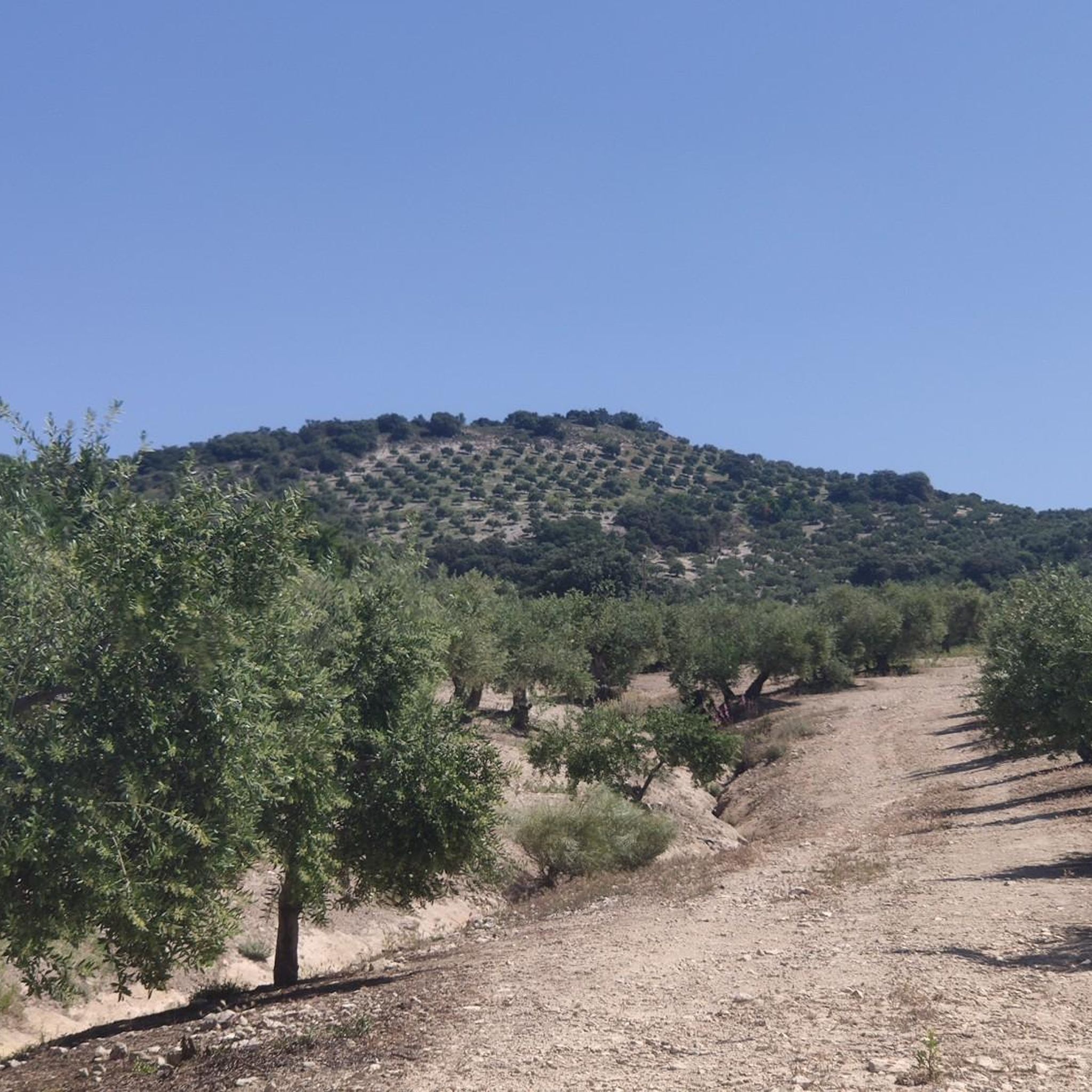
Best natural monuments around Nueva Carteya offer a blend of natural beauty and historical significance in the Cordoban countryside. The region features rolling hills, olive groves, and ancient fortified enclosures, providing diverse landscapes for exploration. While not all are officially designated, these natural attractions showcase significant geological features and scenic viewpoints. Visitors can explore areas that combine natural exploration with archaeological discovery.
Best natural monuments around Nueva Carteya
- The most popular natural monuments is Limestone formations and caves in the…
Last updated: June 4, 2026
Zuheros Castle
Highlight • Castle
Translated by Google •
Tip by

Fuente del Río
Highlight • Natural Monument
Sign up now to discover places like this
Get recommendations on the best single tracks, peaks, & plenty of other exciting outdoor places.
Sign up for free
Chorreras de la Fuenseca
Highlight • Waterfall
Translated by Google •
Tip by

Limestone formations and caves in the Bailón Canyon
Highlight • Canyon
Translated by Google •
Tip by
Poljé of the Nava de Cabra
Highlight (Segment) • Natural Monument
Translated by Google •
Tip by
Sign up for free to discover even more natural monuments around Nueva Carteya.
Sign up for free
Already have an account?
Start today with a free account
Your next adventure awaits.
Login or Signup

Tips from the Community

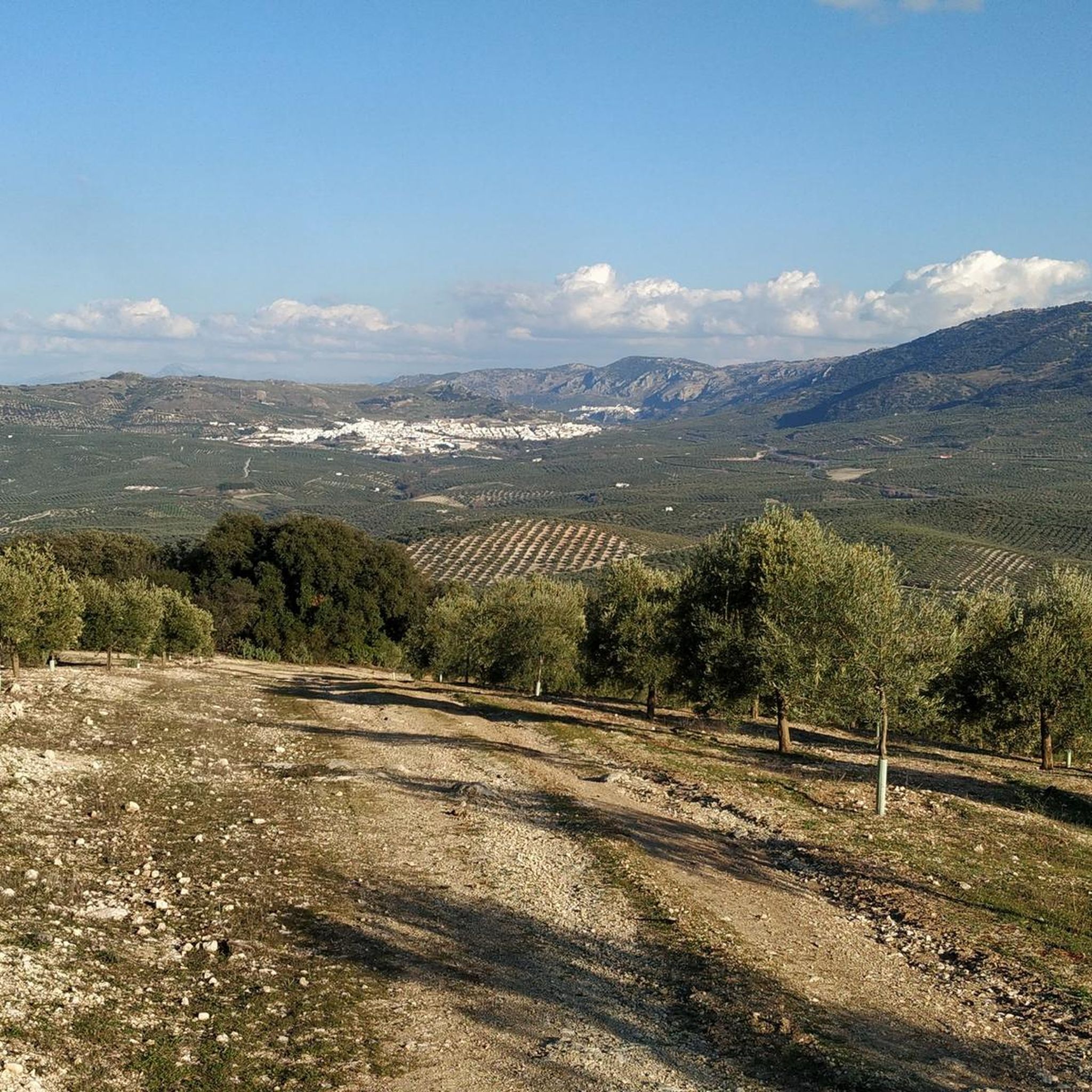
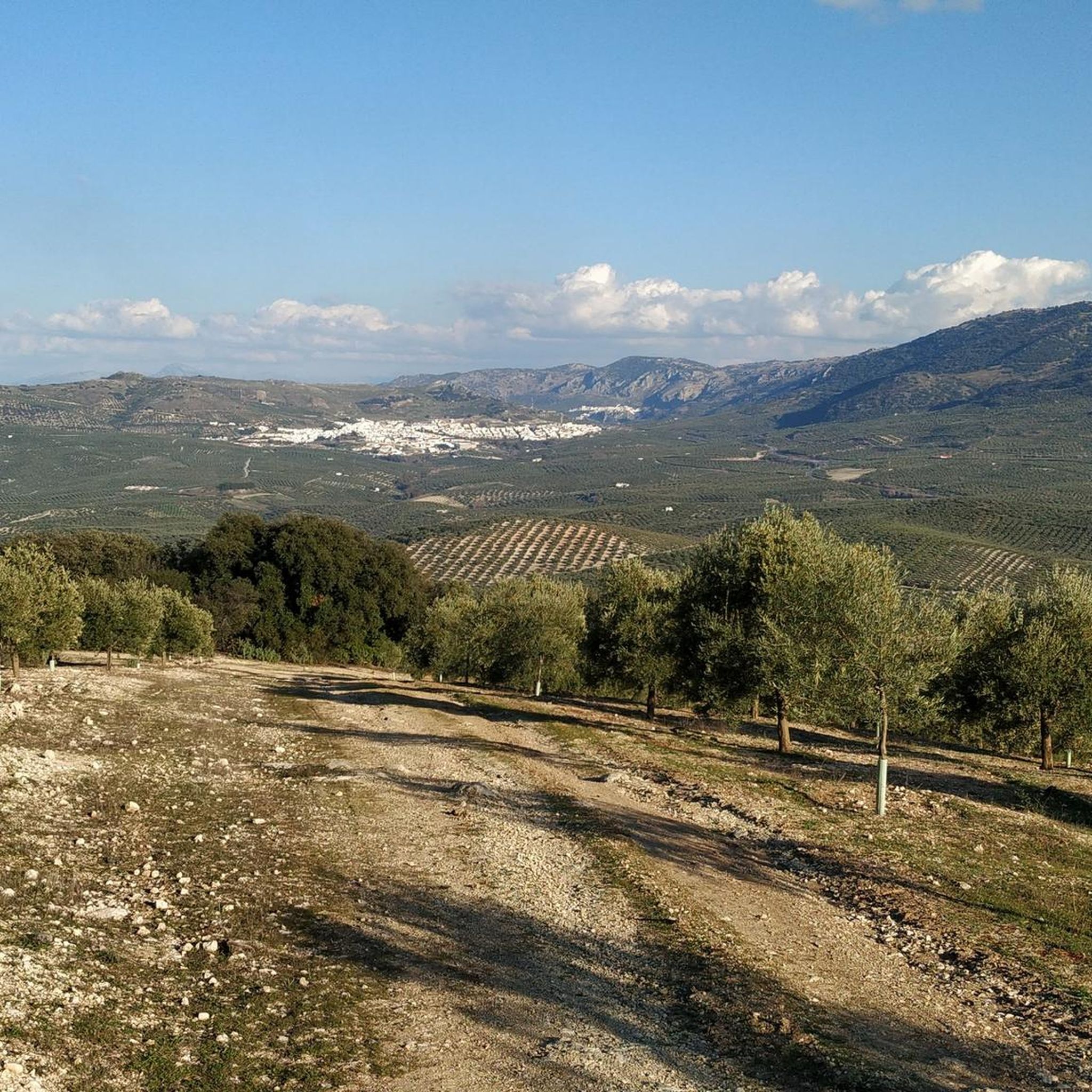
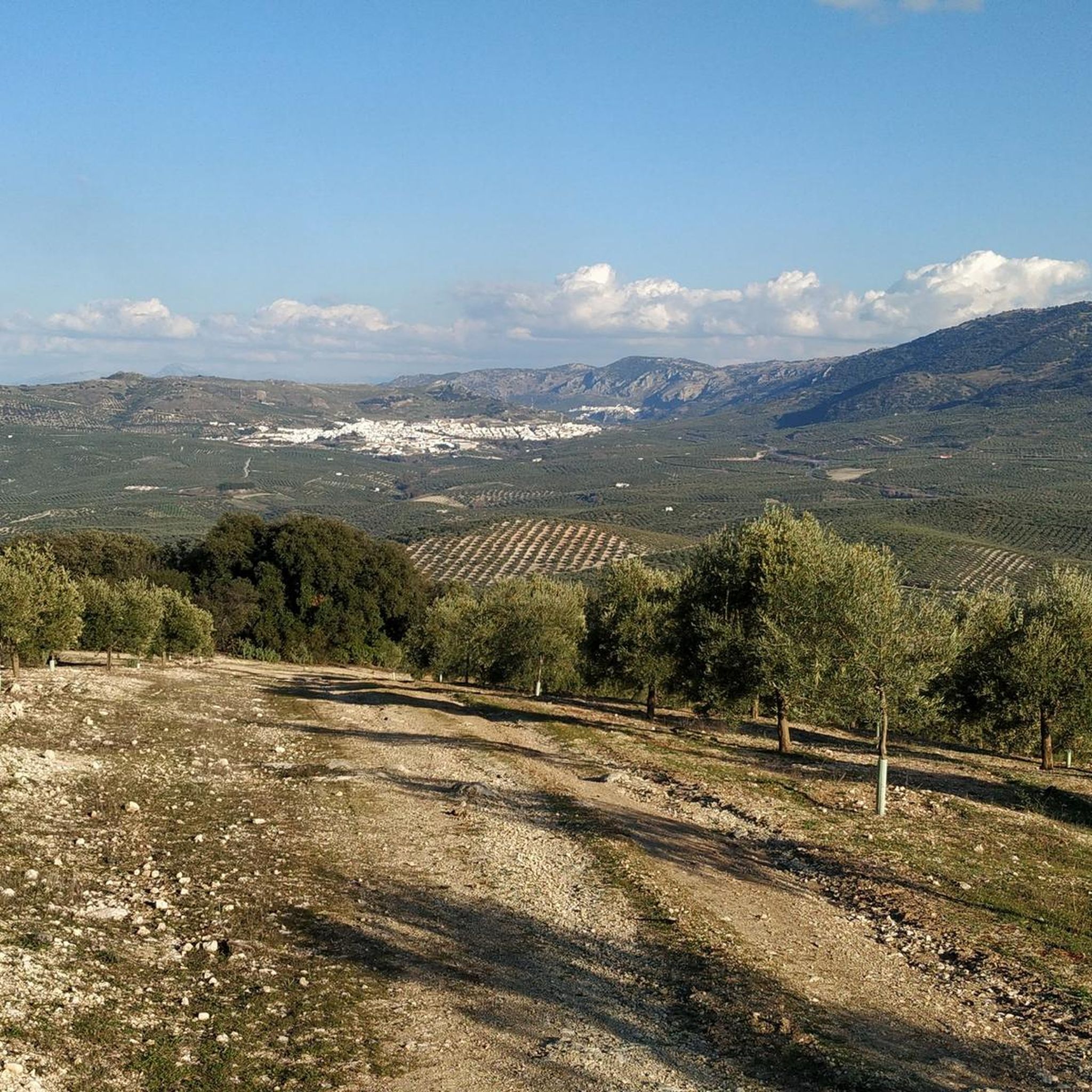
The remains date from two different periods. The massive, crenellated square tower is of Moorish origin, while the remains of the Renaissance palace date from the 16th century. At the same time, the Plaza de la Paz offers a natural viewpoint (622m), with shooting views** over the hills with their carpet of olive groves and Baena in the background.
11
0

Construction located in the highest rocky part of the town whose purpose was to protect against any external invasion, whose views are worth enjoying.
10
0

A natural area where the Cabra River is born. A natural spring surrounded by vegetation that transmits peace and tranquility. Highly recommended for a break on the route.
1
0

This trail is full of impressive limestone rock walls, with a multitude of vegetation sprouting between its numerous pores. They have been formed over time by the force of the Bailón River. From some angles you can see Zuheros and its castle peeking out between the walls.
2
0
On a cliff in the middle of the town stands this aesthetic castle that puts the icing on the cake of Zuheros. It is a medieval fortress of Muslim origin from the 9th century. The cistern is still preserved from that time, although the most distinguishable elements such as the prismatic tower and the walled enclosure are from the Almohad period.
2
0
A poljé is a large, elongated, flat valley-shaped depression in an area of karst rock. It is formed after a subsidence of the land in which water often stagnates seasonally. In this case, the Bailón river has produced a drainage of it, and in 2012 a pónor also arose through which the poljé drainage also occurs.
2
1
Seasonal waterfalls that appear after copious rains. Due to the porosity of the terrain, only when the amount of water is greater than what the terrain is capable of absorbing, do waterfalls form, sometimes even making it difficult to pass and not being able to make the route in a circular way. It is convenient to inquire at the Santa Rita Visitor Center about their status and check if an authorization is required to visit them, which is sometimes established to control the influx of people to this Zone A Reserve of the Protected Natural Area.
1
1

The Castle of Zuheros (Córdoba) is a fortified structure, located on top of a cliff as part of the urban development. It is believed that the construction was carried out during the Islamic rule in the 9th century, whose name would be Sujayra, which would be derived from the name Zuheros,1 although it is difficult to distinguish due to the successive reforms throughout history. The Crown of Castile captured the fortress after its conquest by Ferdinand III in 1240, so artistically it is a clear example of a mid-12th century medieval fortress, from which the tower, for example, dates. Since the Muslims were no longer a threat, in the 16th century the palace of the lords of Zuheros was built in the Renaissance style, modifying the entrance and structure of the building. The fortress passed in the 18th century to the Marquis of Algarinejo, who usually did not live in the castle, and it fell into disrepair and in the 18th century it became a quarry, using the materials for the construction of new houses. In 1760, the main tower became the bell tower, which was restored in 1960.
3
0
Frequently Asked Questions
What are some of the most impressive natural features to explore around Nueva Carteya?
The region around Nueva Carteya offers a blend of natural beauty and historical significance. You can visit the Limestone formations and caves in the Bailón Canyon, known for its dramatic rock walls shaped by the Bailón River. The Bat Cave is another significant natural monument, being the largest prehistoric cave in Córdoba province. For scenic views, the Mirador de Nueva Carteya provides expansive vistas of the Cordoban countryside.
Are there any waterfalls or unique water features in the area?
Yes, the Chorreras de la Fuenseca are seasonal waterfalls that appear after significant rainfall, offering a beautiful natural spectacle. Additionally, the Fuente del Río in Cabra is a picturesque natural park considered the origin of the Río Cabra, featuring a karst spring, waterfalls, and landscaped gardens.
What kind of hiking opportunities are available near Nueva Carteya's natural monuments?
The area is excellent for hiking. The Parque Periurbano Pozo Romero offers various trails through olive groves and rolling hills, serving as a starting point for the Sendero de los Recintos Fortificados. This route allows you to explore historical settlements amidst natural scenery. For more options, you can find numerous hiking routes around Nueva Carteya, including moderate trails like the 'View of Zuheros – View of Zuheros loop from Zuheros'.
Can I combine natural exploration with historical sites?
Absolutely. The Ruta de los Recintos Fortificados is a prime example, allowing visitors to explore stone remnants of Iberian redoubts from the 4th century BCE, with subsequent Roman and Visigothic presence, all while traversing beautiful natural landscapes. The Zuheros Castle, a medieval fortress, also offers historical insights and stunning views over the olive groves.
What is the best time of year to visit the natural monuments around Nueva Carteya?
The best time to visit is typically during spring (March to May) and autumn (September to November). During these seasons, the weather is milder and more pleasant for outdoor activities like hiking. Spring brings lush greenery and wildflowers, while autumn offers comfortable temperatures and beautiful light. Summer can be very hot, making strenuous activities less enjoyable.
Are there any family-friendly natural monuments or activities?
Yes, the Fuente del Río is particularly family-friendly, offering recreational areas and picnic spots within a beautiful natural park. The Parque Periurbano Pozo Romero also has trails suitable for families, providing an accessible way to enjoy the natural surroundings.
Are dogs allowed on the hiking trails and at natural sites?
Many outdoor areas and trails around Nueva Carteya are dog-friendly, especially those in the Parque Periurbano Pozo Romero and the Ruta de los Recintos Fortificados. However, it's always advisable to keep dogs on a leash and ensure you clean up after them. Specific rules might apply to protected areas or indoor attractions like the Bat Cave, so check local signage.
What kind of wildlife can I expect to see?
The broader surroundings of Nueva Carteya, including parts of the Sierra Subbética Natural Park, are home to diverse flora and fauna. You might spot various bird species, lizards, and different types of forests like holm oak woodlands. The Bat Cave, as its name suggests, is home to various species of bats.
Are there cycling routes near these natural monuments?
Yes, the region offers excellent cycling opportunities. You can find various cycling routes around Nueva Carteya, ranging from easy to difficult. There are also gravel biking routes that take you through the scenic olive groves and countryside, often passing by natural viewpoints and historical sites.
Do I need any permits or special authorization to visit these natural monuments?
Generally, no special permits are required for most natural areas and trails like the Mirador de Nueva Carteya, Parque Periurbano Pozo Romero, or the Ruta de los Recintos Fortificados. However, for specific sites like the Bat Cave, you must book an appointment to visit. For seasonal attractions like the Chorreras de la Fuenseca, it's advisable to inquire at the Santa Rita Visitor Center about their status, as authorization might sometimes be required to control visitor influx.
Where can I find parking when visiting these natural areas?
Parking is generally available near the main access points for many natural attractions. For instance, the Mirador de Nueva Carteya is accessible from the Parque de Salida, which likely has parking options. The Fuente del Río also offers parking facilities. For hiking trails, look for designated parking areas at trailheads or near villages like Zuheros.
What should I pack for a visit to the natural monuments?
For hiking and exploring, it's recommended to wear comfortable walking shoes, bring sufficient water, sun protection (hat, sunscreen), and appropriate clothing layers depending on the season. A camera is also a good idea to capture the panoramic views and natural beauty. If visiting the Bat Cave, be prepared for a descent of up to 65 meters deep.
Are there any cafes or restaurants near the natural monuments?
While the natural monuments themselves are often in rural settings, you'll find cafes, pubs, and restaurants in the nearby towns and villages such as Nueva Carteya, Zuheros, and Cabra. It's a good idea to plan your visit to coincide with a stop in one of these towns for refreshments or a meal.
Most popular routes around Nueva Carteya
Most popular attractions around Nueva Carteya

Get inspired with the komoot mobile app


Explore more
Extend your search for the best caves by checking out these guides of the top ones around Nueva Carteya:
