Sant Esteve De Palautordera
Sant Esteve De Palautordera
Top 20 Natural Monuments around Sant Esteve De Palautordera
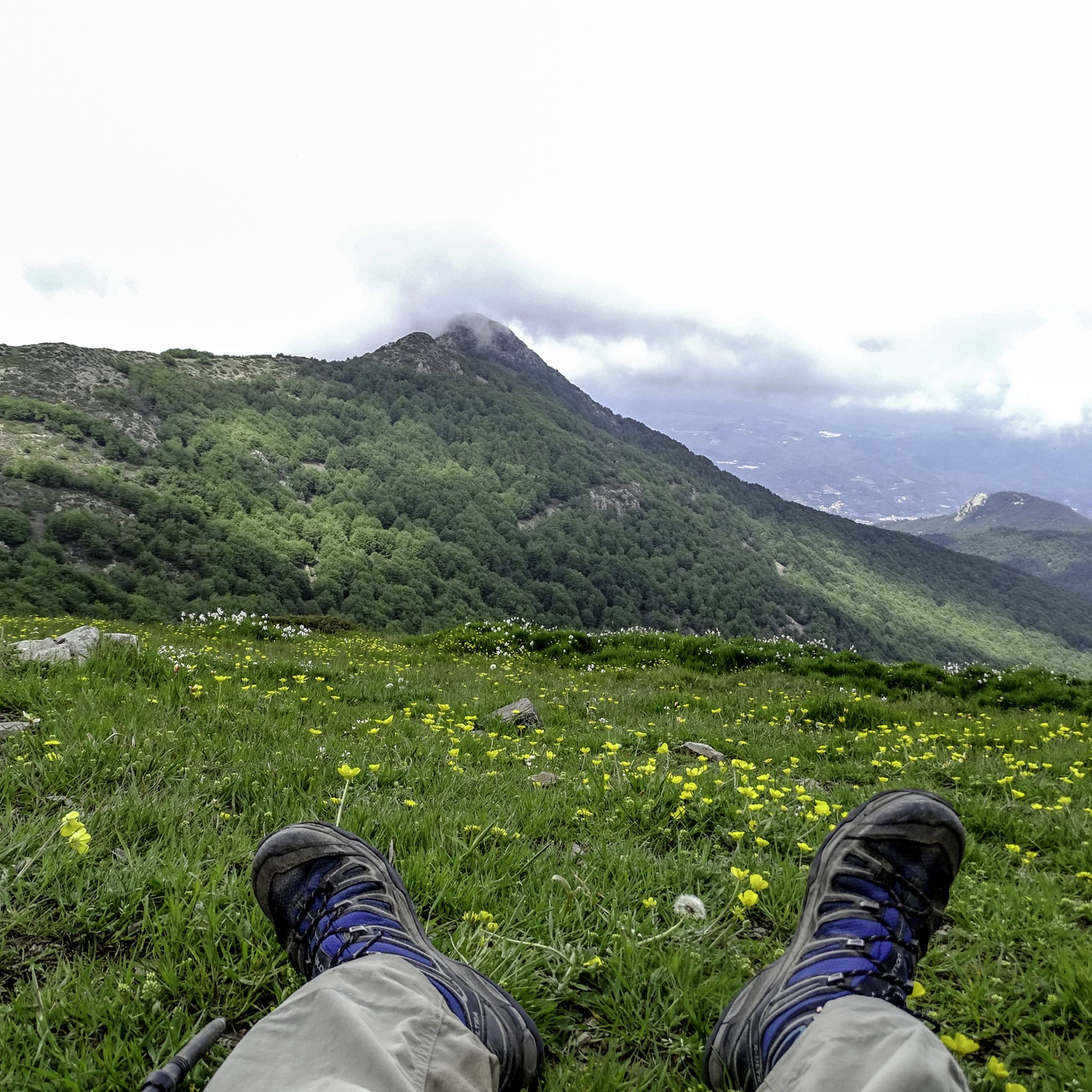
Best natural monuments around Sant Esteve De Palautordera are found within a landscape characterized by its position as a gateway to the Montseny Natural Park, a UNESCO Biosphere Reserve. The region features a diverse ecosystem, transitioning from Mediterranean to central European landscapes with dense forests and mountain peaks. Significant hydrological resources, including the Tordera River and its tributaries, contribute to a lush environment ideal for outdoor exploration.
Best natural monuments around Sant Esteve De Palautordera
- The most popular natural monuments…
Last updated: June 3, 2026
Matagalls (1697 m)
Highlight • Summit
Its summit can be reached by several routes, all with their own charm. The easy access of del …
Translated by Google •
Tip by

Vallforners Reservoir
Highlight • Lake
Translated by Google •
Tip by

Sign up now to discover places like this
Get recommendations on the best single tracks, peaks, & plenty of other exciting outdoor places.
Sign up for free
Turó de l'Home (Man's Hill)
Highlight • Summit
its spectacular views will fill your senses with an indescribable magic.
Translated by Google •
Tip by
Les Agudes
Highlight • Summit
Translated by Google •
Tip by

Dolmen de Pedra Gentil
Highlight • Historical Site
Sign up for free to discover even more natural monuments around Sant Esteve De Palautordera.
Sign up for free
Already have an account?
Start today with a free account
Your next adventure awaits.
Login or Signup
Popular around Sant Esteve De Palautordera

Tips from the Community


Easy to climb mountains near the mountain restaurant Turo del Home. The view is wonderful.
1
0

Ascent to one of the emblematic peaks of Montseny
1
1

It is formed by a belt of mountains, hills and serrados from the so-called Pla de la Calma to Cuch, among which we can highlight Roca Centella, Mojó, Turó Monner, Puig del Sui (with 1322 m. altitude), Turó de Cuch (where the termini of Cánoves, Tagamanent, Montseny and San Pedro de Vilamajor face each other), and the Sierra de los Vallestrins, in the center of which stands the farmhouse of Vallforners, half fortress, half forest house, on the way of the Pla de la Calma, built by Señor de Tagamanent and restored by his son, Dalmau de Rocabertí, from the family of the counts of Peralada, in 1610.
21
0
The reservoir is 1.1 km long, with a capacity of 2.3 hm³, capable of irrigating up to 500 hectares of crops and supplying water to the extraordinary consumption of Cánoves and Cardedeu. Nearby is the Can Cuc chestnut tree, a monumental tree with a diameter of 14 m and a height of 15 m. Inside it is said that a charcoal burner once lived. The reservoir can store 2,300,000 m³ of water, which allows it to irrigate 500 ha. of crops, and even, extraordinary consumption of the populations of Cánoves and Cardedeu. For this reason, the municipalities of the two towns are part of the Irrigation Community.
22
1
The Vallforners reservoir is a Spanish hydraulic infrastructure built in the Cánoves stream, within the municipality of Cánoves, in the Vallés Oriental region, in the province of Barcelona, Catalonia. It is located in the Montseny massif, between the Ombradors and Palestrins mountains. Downstream is the town of Cánoves. Upstream, the La Calma plain, in the Montseny natural park. The culminating point of the valley is the Puig de Sui, with 1322 m of altitude. The reservoir belongs to the municipality of Cánoves, in the Vallés Oriental region. It was built between 1985 and 1989 and its special feature is the fact that it was the first reservoir in Catalonia with a stone dam and compacted earth. It has a width of 10 m at the crest, with an impermeable clay core. The dam has been used to raise a small hill on which trees have been planted.
23
0


hydraulic infrastructure 10 meters wide in its highest part located in the municipality of Cànoves. It is located at the foot of the Montseny massif and controls the Cànoves stream. It was built between 1985 and 1989 and its special feature is the fact that it was the first reservoir in Catalonia with a stone dam and compacted earth.
0
0
Frequently Asked Questions
What natural features can I explore around Sant Esteve de Palautordera?
Sant Esteve de Palautordera serves as a gateway to the Montseny Natural Park, a UNESCO Biosphere Reserve. You can explore diverse ecosystems ranging from Mediterranean to central European landscapes, featuring dense forests, high mountain peaks, and significant hydrological resources like the Tordera River and its tributaries. Notable natural monuments include the iconic summits of Matagalls (1697 m) and Turó de l'Home (Man's Hill), as well as the tranquil Vallforners Reservoir.
Are there any significant historical or cultural sites among the natural monuments?
Yes, alongside the natural beauty, you can discover historical sites such as the Dolmen de Pedra Gentil. This megalithic structure, believed to have been built between 3500 B.C. and 2000 B.C., is formed by seven vertical megaliths supporting a large horizontal block. It has been associated with local legends of witches and covens.
What kind of views can I expect from the natural monuments in this area?
The natural monuments around Sant Esteve de Palautordera offer spectacular panoramic views, especially from the high mountain peaks. From the summit of Matagalls (1697 m), you'll experience a classic Catalonian hiking vista. Similarly, Turó de l'Home (Man's Hill), the highest peak in the Montseny massif, provides breathtaking views that can fill your senses with an indescribable magic.
What do visitors particularly enjoy about the natural monuments here?
Visitors appreciate the diverse natural beauty and the opportunities for outdoor exploration. The iconic summits like Matagalls are loved for their challenging routes and rewarding panoramic views. The tranquil setting of the Vallforners Reservoir is enjoyed for its peaceful atmosphere, while the historical intrigue of the Dolmen de Pedra Gentil adds a unique cultural dimension to the natural landscape.
Are there hiking trails suitable for different skill levels near these natural monuments?
Yes, the Montseny Natural Park, accessible from Sant Esteve de Palautordera, offers numerous trails for all levels. While summits like Turó de l'Home and Les Agudes offer challenging routes, areas around the Tordera River and its tributaries provide more leisurely walks. You can find a variety of hiking routes, including moderate and difficult options, in the Hiking around Sant Esteve De Palautordera guide.
What other outdoor activities are available around Sant Esteve de Palautordera's natural monuments?
Beyond hiking, the area around Sant Esteve de Palautordera offers a range of outdoor activities. You can explore various running trails, including challenging loops to summits or moderate routes around local basins. For cyclists, there are also gravel biking routes that take you through the Montseny forest roads and local villages.
Are there family-friendly natural monuments or activities in the area?
The Vallforners Reservoir is considered family-friendly, offering a tranquil setting surrounded by mountains. The areas around the Tordera River and its tributaries are also ideal for family excursions, providing shaded paths through riparian forests perfect for leisurely walks and birdwatching. These spots offer a peaceful escape into nature close to town.
What is the best time of year to visit the natural monuments around Sant Esteve de Palautordera?
The Montseny Natural Park, which encompasses these natural monuments, offers beauty throughout the year due to its diverse ecosystems. Spring brings lush greenery and blooming flora, while autumn showcases vibrant fall foliage, especially in the beech forests. Summer is ideal for higher altitude hikes, though popular spots can be busy. Winter offers a unique, tranquil experience, especially on snow-dusted peaks, but requires appropriate gear and caution.
How accessible are the natural monuments by public transport?
Sant Esteve de Palautordera itself is accessible by public transport. From there, access to the Montseny Natural Park and its natural monuments often involves local bus routes or a combination of train to nearby towns like Sant Celoni, followed by a bus. Specific routes and schedules should be checked with local transport providers for the most up-to-date information, especially for reaching trailheads within the park.
Are there any specific regulations or permits required for hiking in Montseny Natural Park?
Generally, no specific permits are required for hiking on established trails within Montseny Natural Park for day visits. However, it's always advisable to check the official Montseny Natural Park website for any current regulations, especially concerning fire restrictions, camping, or specific activities. Respecting local signage and environmental guidelines is crucial to preserve the natural environment.
Can I bring my dog to the natural monuments and trails?
Montseny Natural Park generally allows dogs on trails, but they must be kept on a leash to protect wildlife and ensure the safety of other visitors. Specific rules may apply in certain protected areas or during particular seasons (e.g., nesting periods). Always carry water for your dog and clean up after them. Check the park's official guidelines for the most current dog policy.
Where can I find parking facilities near the natural monuments?
Parking facilities are available at various access points and visitor centers within the Montseny Natural Park. For popular spots like the trailheads leading to Matagalls or Turó de l'Home, designated parking areas exist, though they can fill up quickly during peak seasons. For the Vallforners Reservoir, there are usually nearby parking options. It's recommended to arrive early, especially on weekends, to secure a spot.
Are there any hidden natural gems or less-known spots worth visiting?
While the major summits are well-known, exploring the less-trafficked paths along the Tordera River and its tributaries, such as the Reguissol and Vallmanya streams, can reveal hidden natural beauty. These areas are characterized by well-preserved riparian forests, offering peaceful walks and opportunities for birdwatching away from the crowds. The lush environment and numerous springs contribute to a serene and vibrant landscape.
Most popular routes around Sant Esteve De Palautordera
Most popular attractions around Sant Esteve De Palautordera

Get inspired with the komoot mobile app


Explore more
Extend your search for the best caves by checking out these guides of the top ones around Sant Esteve De Palautordera:
