Top 10 Natural Monuments around La Puebla Del Río
Best natural monuments around La Puebla Del Río are characterized by significant wetlands and diverse ecosystems. This region, nestled in the province of Seville, features unique natural areas such as the Brazo del Este Natural Park and the Dehesa de Abajo. These sites are crucial for their rich biodiversity, particularly their importance as habitats for numerous bird species. The landscape includes marsh vegetation, olive groves, and pine forests, offering varied natural experiences.
Best natural monuments around La Puebla Del Río
…Last updated: May 20, 2026
Doñana Marshes
Highlight (Segment) • Natural
Translated by Google •
Tip by

Dehesa de Abajo Visitor Center (Puebla del Río)
Highlight • Rest Area
Translated by Google •
Tip by

Sign up now to discover places like this
Get recommendations on the best single tracks, peaks, & plenty of other exciting outdoor places.
Sign up for free
Guadiamar Green Corridor Protected Landscape
Highlight • Trail
Translated by Google •
Tip by

Hut with views of the lagoon
Highlight • Viewpoint
Translated by Google •
Tip by
View of flamingos at Laguna de Fuente de Piedra
Highlight • Lake
Translated by Google •
Tip by

Sign up for free to discover even more natural monuments around La Puebla Del Río.
Sign up for free
Already have an account?
Start today with a free account
Your next adventure awaits.
Login or Signup

Tips from the Community

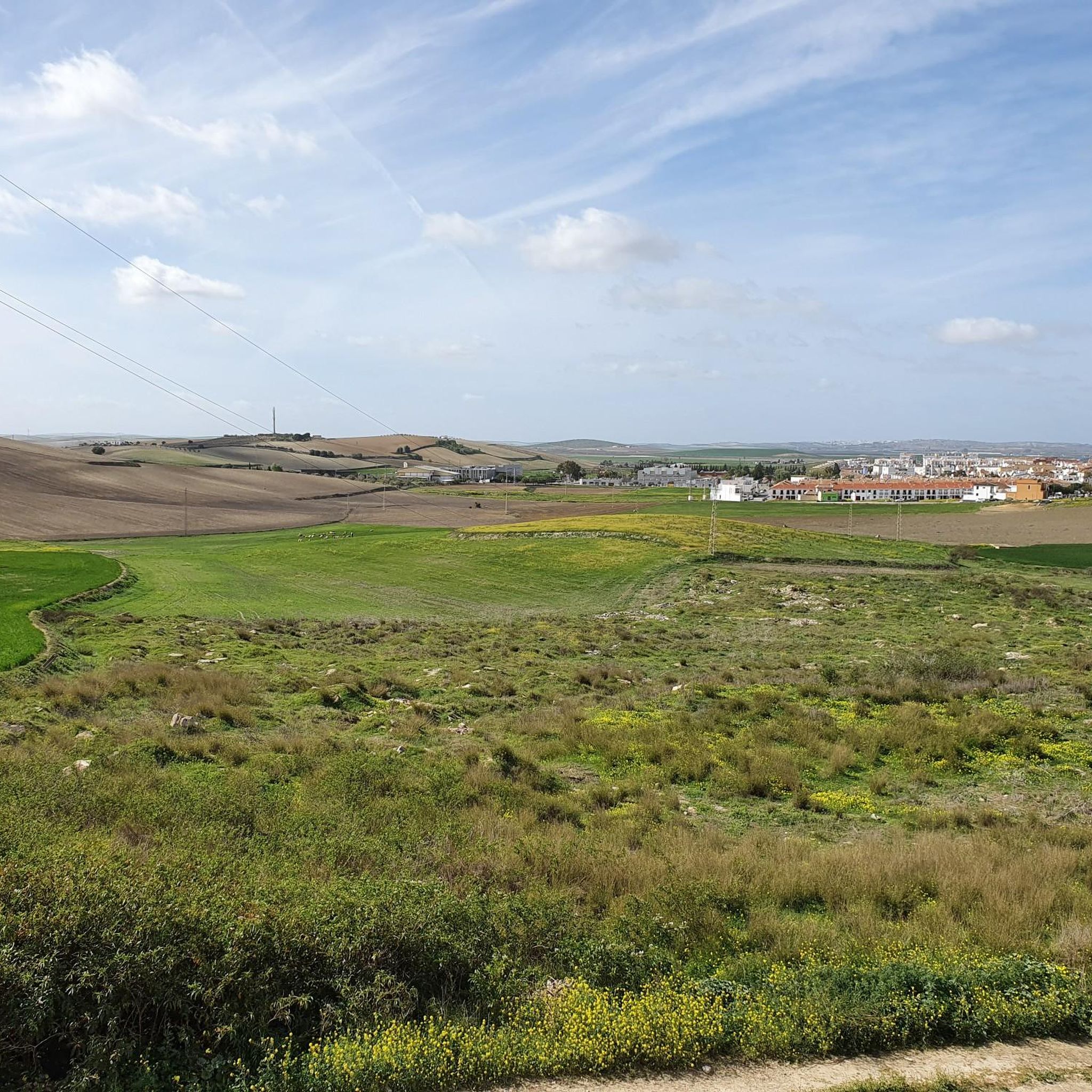
Utrera is located close to the Laguna de Fuente de Piedra, one of the largest salt lakes in Andalusia and an important breeding ground for flamingos. The best time to see flamingos is from March to July, when they breed and raise their young.
6
0

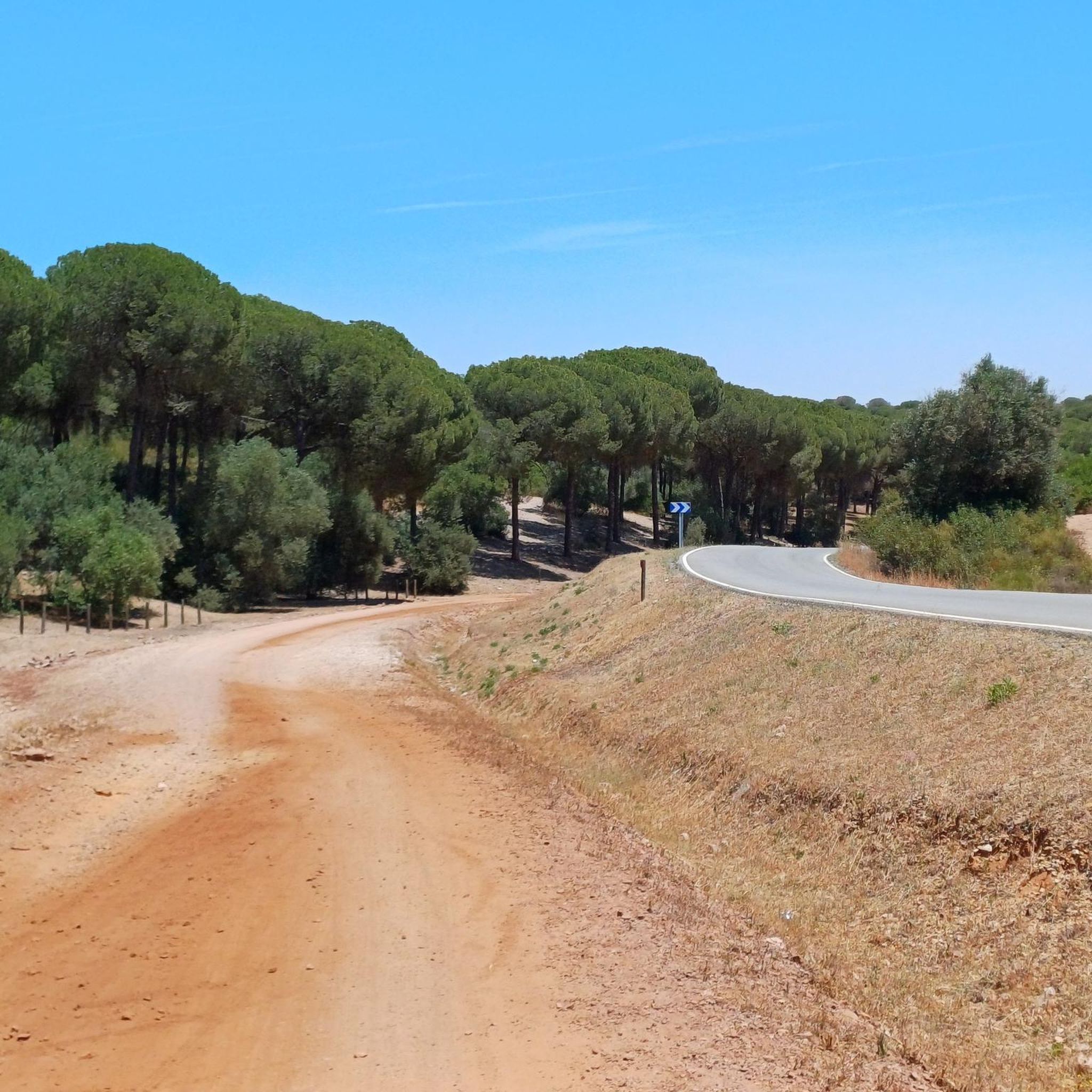
The route is partly impassable - deep ditches with water and mud - impossible to get through between points 8 and 9
0
0

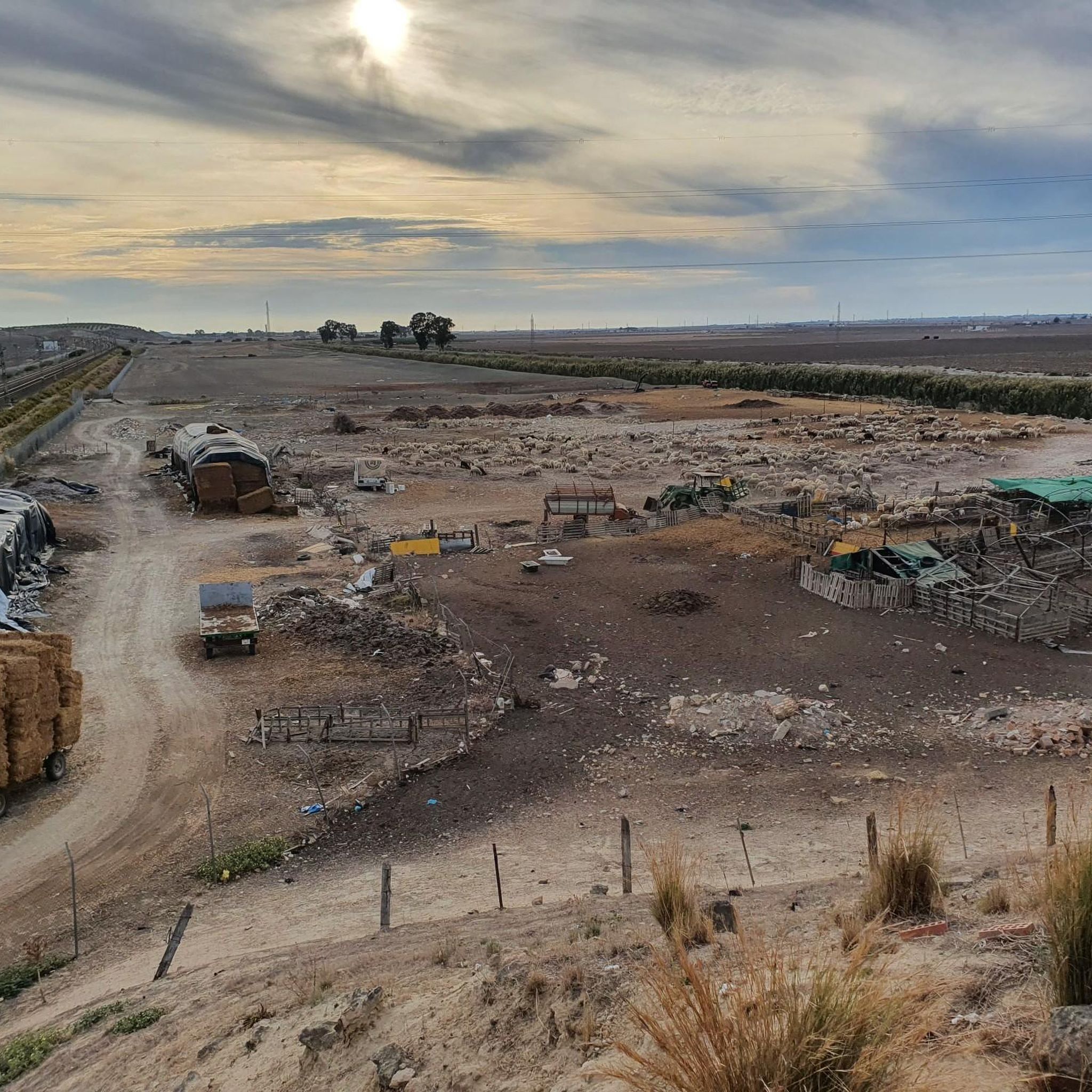
This is the visitor center for this area called Dehesa de Abajo. There is information and a bar/restaurant to stop at after or before going around the Laguna Dehesa de Abajo.
0
0
This is the visitor center for this area called Dehesa de Abajo. There is information and a bar/restaurant to make a stop after or before the walk!!
1
0
There are two small houses overlooking the Dehesa de Abajo Lagoon and from where you can see the lagoon from various points of view. To get there, you must take the path that leaves from the visitor center that bears the same name as the lagoon
1
0

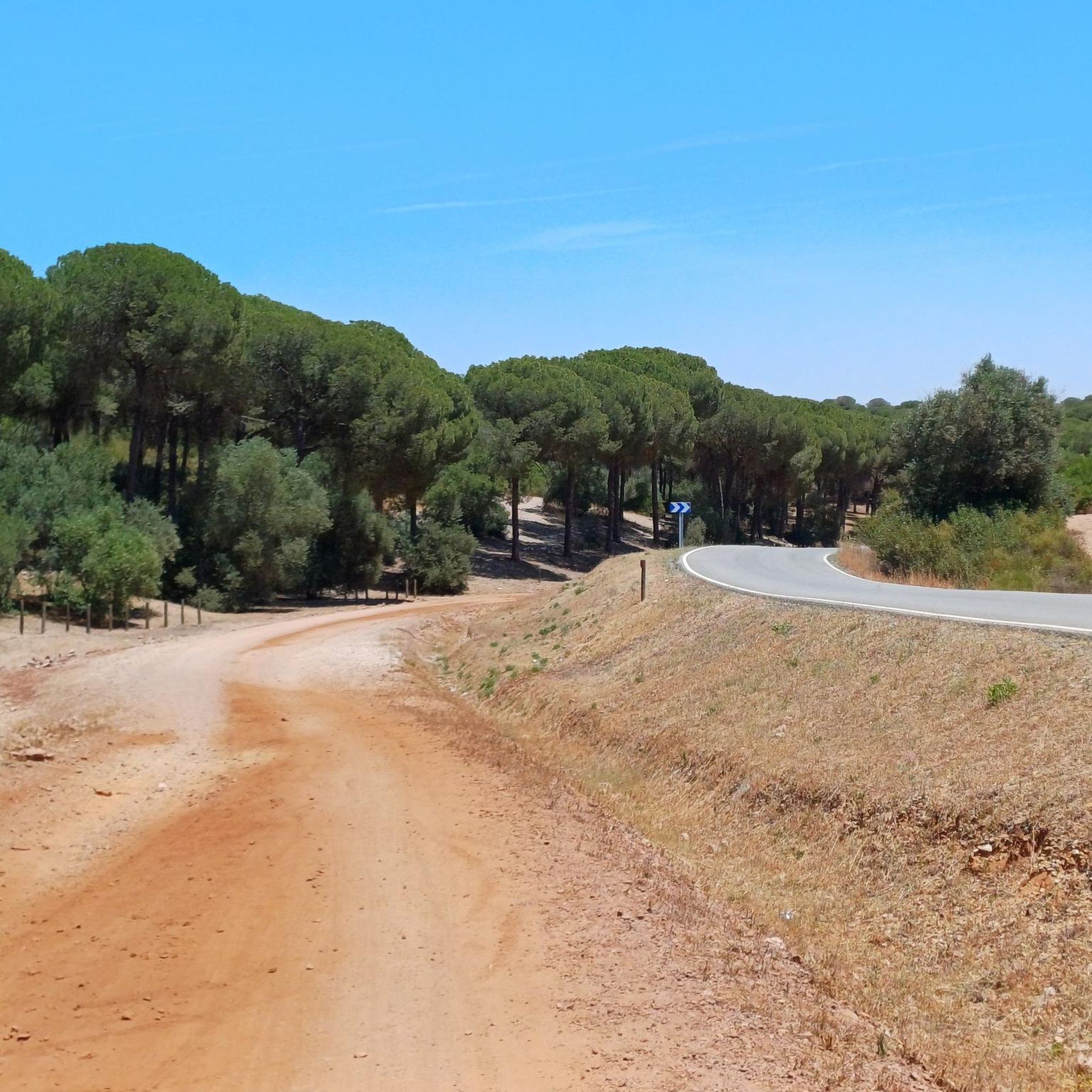
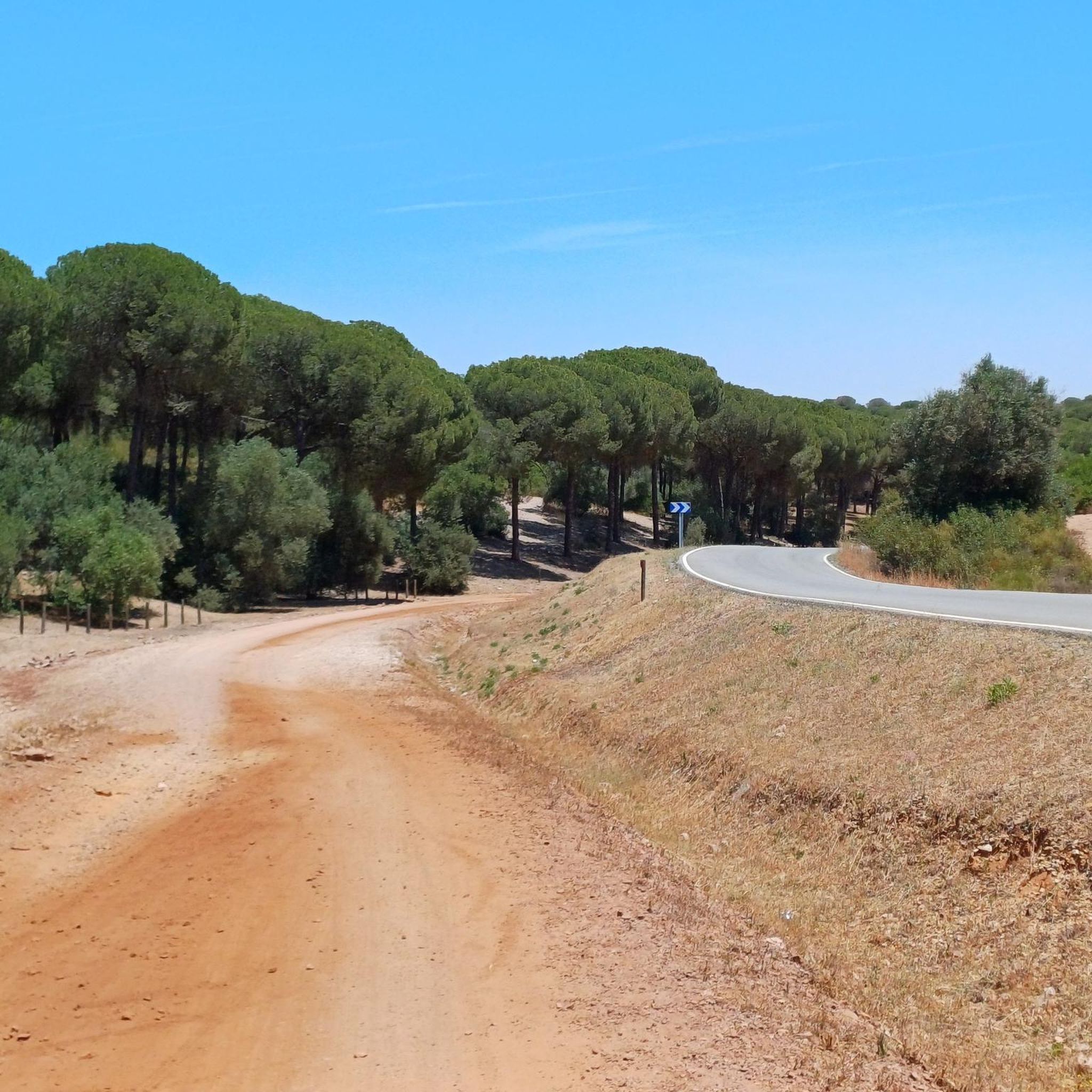
The marked Guadiamar trail is more than 60 km long, it is an ecological corridor that joins Sierra Morena and Doñana. But this site also reminds us of one of the biggest environmental disasters in Europe - when in 1998 the Aznalcóllar mining dam burst and caused a polluting spill in this area.
2
0

If you are lucky enough to be cycling here at the appropriate time, you will be able to stop to contemplate these peculiar beings, who stop "to refuel" at this stop on their migratory path.
3
0

If you go under the wall, the flamingos are not scared and can be photographed perfectly
0
0
Frequently Asked Questions
What unique natural features can I expect to see around La Puebla del Río?
The region is characterized by significant wetlands and diverse ecosystems. You'll find unique natural areas like the Brazo del Este Natural Park, known for its winding channels and abundant aquatic vegetation, and the Dehesa de Abajo, which features floodable marshland, olive groves, and pine forests. These areas are crucial for their rich biodiversity.
Where are the best places for birdwatching in La Puebla del Río?
Both the Brazo del Este Natural Park and the Dehesa de Abajo are exceptional for birdwatching. Brazo del Este is a Special Bird Protection Area, vital for waterfowl, including purple herons, glossy ibises, and various ducks. Dehesa de Abajo offers observatories to see flamingos, spoonbills, and the white-headed duck, and hosts Spain's largest white stork breeding colony in its 'Acebuchal' area.
Are there any family-friendly natural monuments in the area?
Yes, the Dehesa de Abajo Visitor Center (Puebla del Río) is a great starting point for families, offering information, a bar/restaurant, and organized activities. Nearby, the Hut with views of the lagoon provides various perspectives of the Dehesa de Abajo Lagoon, accessible via a path from the visitor center, making it suitable for families.
What kind of wildlife can I observe in the natural monuments?
The natural monuments are rich in wildlife, especially birds. In Brazo del Este, you can see over 230 bird species, including anatidae, birds of prey, and migratory birds like purple herons and white storks. Dehesa de Abajo is home to flamingos, spoonbills, white-headed ducks, and raptors like the black kite. There's even a possibility of encountering the Iberian lynx in the Dehesa de Abajo area.
What outdoor activities can I do near the natural monuments?
The area around La Puebla del Río offers various outdoor activities. You can find numerous running trails, such as the 'Dehesa de Abajo Circular Trail' or the 'Cañada de Arrayanes – Eucalyptus Trail loop'. For hiking, options include the 'Pinares de Aznalcázar Loop' and the 'Dehesa de Abajo Loop'. Road cycling routes are also popular, like the 'From La Puebla del Río to La Isla Mayor – circular via the Dehesa de Abajo Nature Reserve'. You can explore more options on the Running Trails, Hiking, and Road Cycling Routes guides.
Are there hiking trails suitable for different skill levels?
Yes, there are hiking trails for various skill levels. For an easy walk, consider the 'Laguna Dehesa de Abajo Viewpoint loop from Centro de Visitantes Dehesa de Abajo'. Moderate options include the 'Pinares de Aznalcázar Loop' and the 'Dehesa de Abajo Loop'. You can find more details and routes in the Hiking around La Puebla Del Río guide.
Can I find places to eat or rest near the natural monuments?
Yes, the Dehesa de Abajo Visitor Center (Puebla del Río) offers a bar/restaurant where you can stop before or after your walk. It's a convenient spot for refreshments and a break.
What is the best time of year to visit for wildlife observation?
For birdwatching, the Brazo del Este is particularly important in summer when water levels in Doñana may be insufficient, providing a vital refuge. For flamingos, the best time to see them, especially breeding and raising their young, is typically from March to July. Winter can also be excellent for observing migratory birds.
What makes Dehesa de Abajo a significant natural monument?
Dehesa de Abajo is a Concerted Natural Reserve recognized for its significant natural values. It uniquely combines three distinct environments: floodable marshland, an olive grove forest, and a pine forest. It's a critical site for birdwatching, hosting observatories and Spain's largest white stork breeding colony, and offers the rare possibility of spotting the Iberian lynx.
Can I see flamingos in the natural monuments around La Puebla del Río?
Yes, you can observe flamingos in the natural monuments. The Doñana Marshes are known for opportunities to see flamingos. Additionally, the Dehesa de Abajo is an excellent location for birdwatching, featuring observatories where flamingos can be seen. For a specific viewpoint, consider the View of flamingos at Laguna de Fuente de Piedra, which is an important breeding ground for these birds.
Are there any protected landscapes besides the main parks?
Yes, the Guadiamar Green Corridor Protected Landscape is a significant natural monument in the area. It features a marked trail extending over 60 km, forming an ecological corridor that connects Sierra Morena and Doñana, offering a unique landscape to explore.
What do visitors particularly enjoy about the natural monuments here?
Visitors appreciate the rich biodiversity and the unique wetland landscapes. Many enjoy the exceptional birdwatching opportunities, with numerous species to observe. The varied environments, from marshes to olive groves and pine forests, provide diverse natural experiences. The presence of visitor centers and well-maintained trails also enhances the overall experience.
Most popular routes around La Puebla Del Río
Most popular attractions around La Puebla Del Río

Get inspired with the komoot mobile app


Explore more
Extend your search for the best caves by checking out these guides of the top ones around La Puebla Del Río:
