Top 10 Natural Monuments around Constantí
Best natural monuments around Constantí are found in the province of Tarragona, Spain, offering diverse natural attractions. While Constantí itself does not have officially designated natural monuments, the surrounding region provides accessible sites for outdoor exploration. The area is characterized by prominent hills, secluded coves, and extensive natural protected areas. These include the Prades Mountains, Montsant Natural Park, and Serres de Llaberia Natural Park, which feature varied landscapes and opportunities for outdoor activities.
Best natural monuments around Constantí
- The most…
Last updated: October 4, 2026
Salou Lighthouse
Highlight • Monument
Translated by Google •
Tip by

Puig d'en Cama (717 m)
Highlight • Summit
Translated by Google •
Tip by

Sign up now to discover places like this
Get recommendations on the best single tracks, peaks, & plenty of other exciting outdoor places.
Boca de la Mina Fountain
Highlight • Natural Monument
Translated by Google •
Tip by

Centenary Pine of l'Aleixar
Highlight • Natural Monument
Information extracted from the Wiki.
The tree, a Pinus Pinea of 19.5 meters high, and a trunk of 4.55 meters …
Translated by Google •
Tip by

The Mèdol Roman Quarry
Highlight • Historical Site
A circular route with several viewing platforms and informative boards leads around the alley.
Further information: tarragonaturisme.cat/de/denkmal/der-steinbruch-von-medol
Translated by Google •
Tip by

Sign up for free to discover even more natural monuments around Constantí.
Already have an account?
Start today with a free account
Your next adventure awaits.
Tips from the Community

It was opened in April 1858 and has a red central tower that still illuminates the Gulf of Sant Jordi on the Costa Daurada today. It had a white light powered by olive oil and can be seen from 14 miles away. https://www.visitsalou.eu/de/entdecken-sie-salou/was-finden-sie/der-leuchtturm-von-salou
0
0

Lloc que forma part de l'història de Reus. Punt de pas per multitud de rutes en BTT i Running. Ha estat i és un important espai d’esbarjo per als reusencs i les reusenques, un espai emblemàtic estretament vinculat al calendari festiu de la ciutat i als costums tradicionals de lleure familiar i de festeig. Anar-hi d’excursió, a menjar la mona per Pasqua, a veure sortir el sol per Sant Joan o en dies de festa assenyalada forma part de la memòria col·lectiva de la gent de Reus. També era costum anar a la font del Lleó, coneguda antigament com dels Capellans, i a la Bassa Nova.
0
0


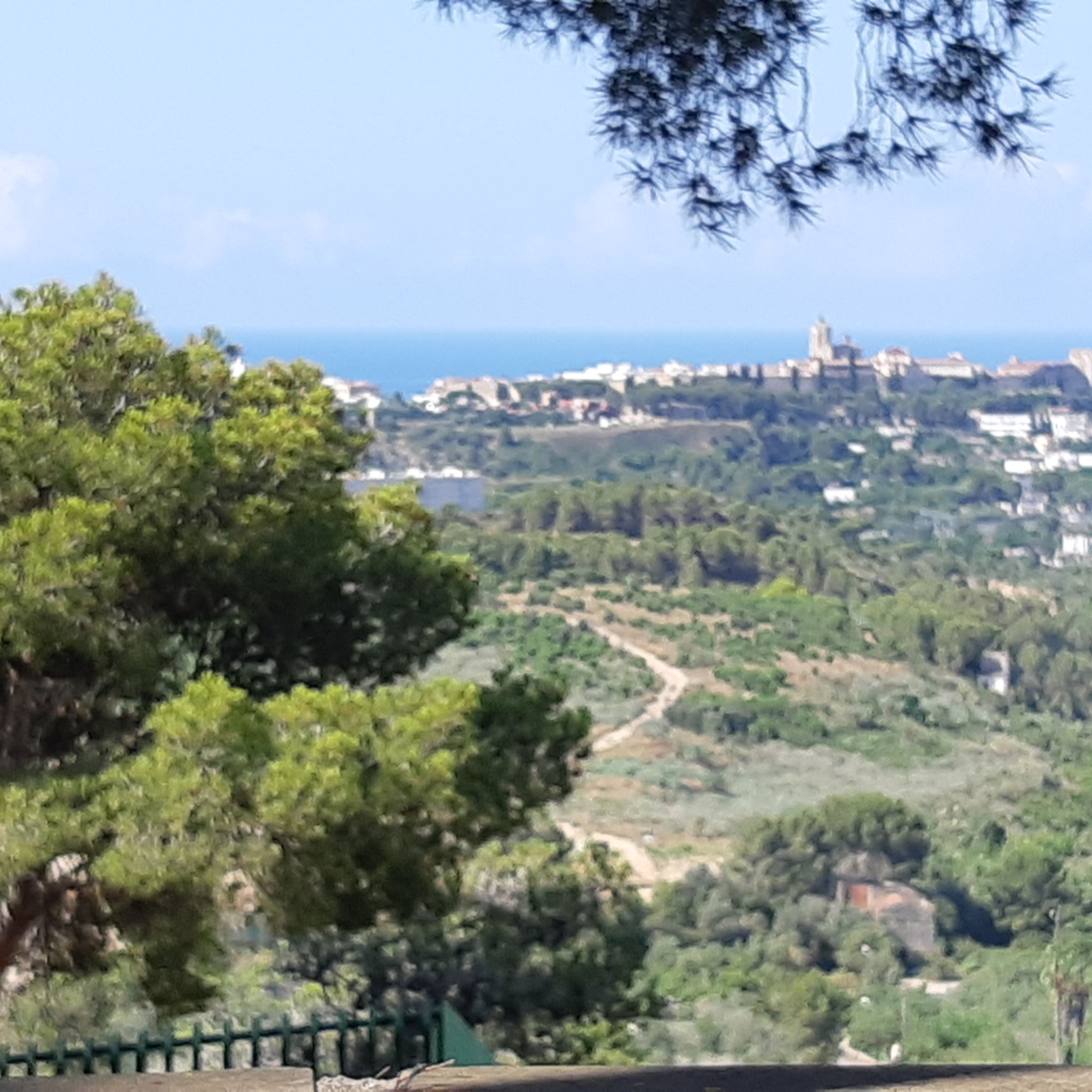
El Puig d'en Cama is a hill located in the Selva del Camp area, the entire summit is above Almoster, Baix Camp region, approximately north of Reus, Castellvell del Camp and Almoster, west of the Selva del Camp and east of Aleixar. It is part of the first stirrups of the Prades mountains. It is 717 meters high. At the top we can find a geodesic vertex (reference 263134001). This peak is included in the Challenge of 100 peaks of the Federation of Excursionist Organizations of Catalonia. Until recently there was a watchtower, now gone.
0
0

Unfortunately, the museum was closed..... Very nice to hike along the cliffs
3
1

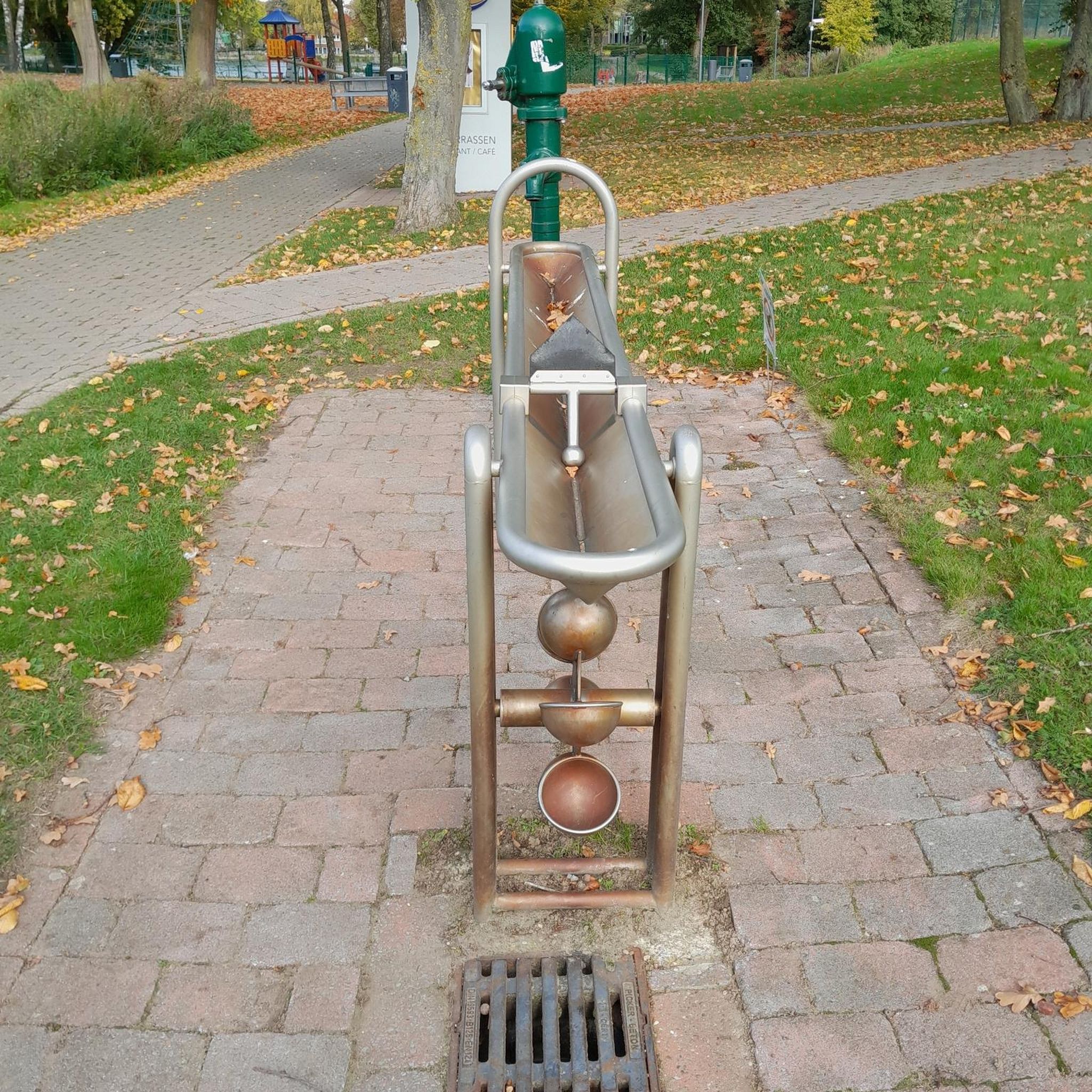
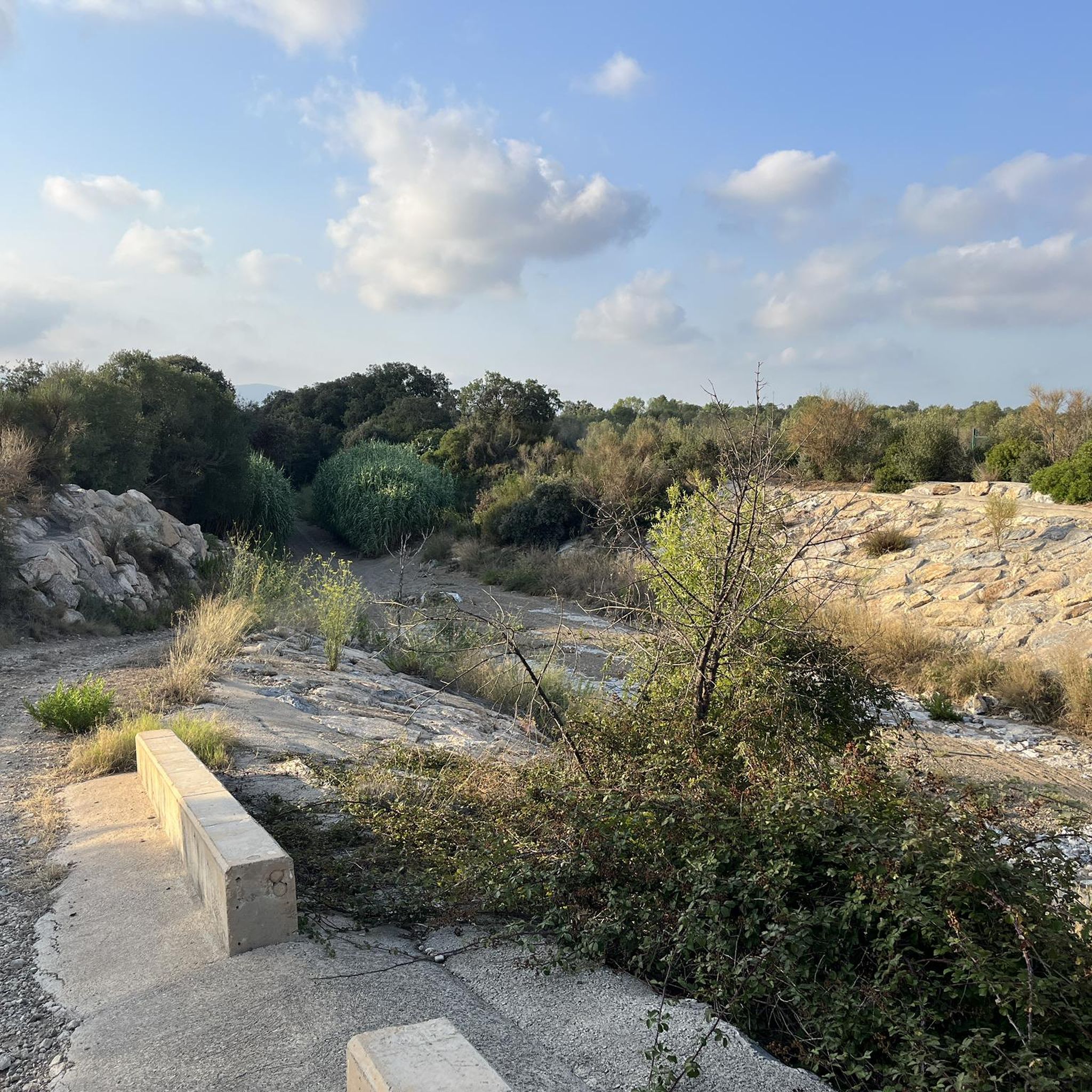
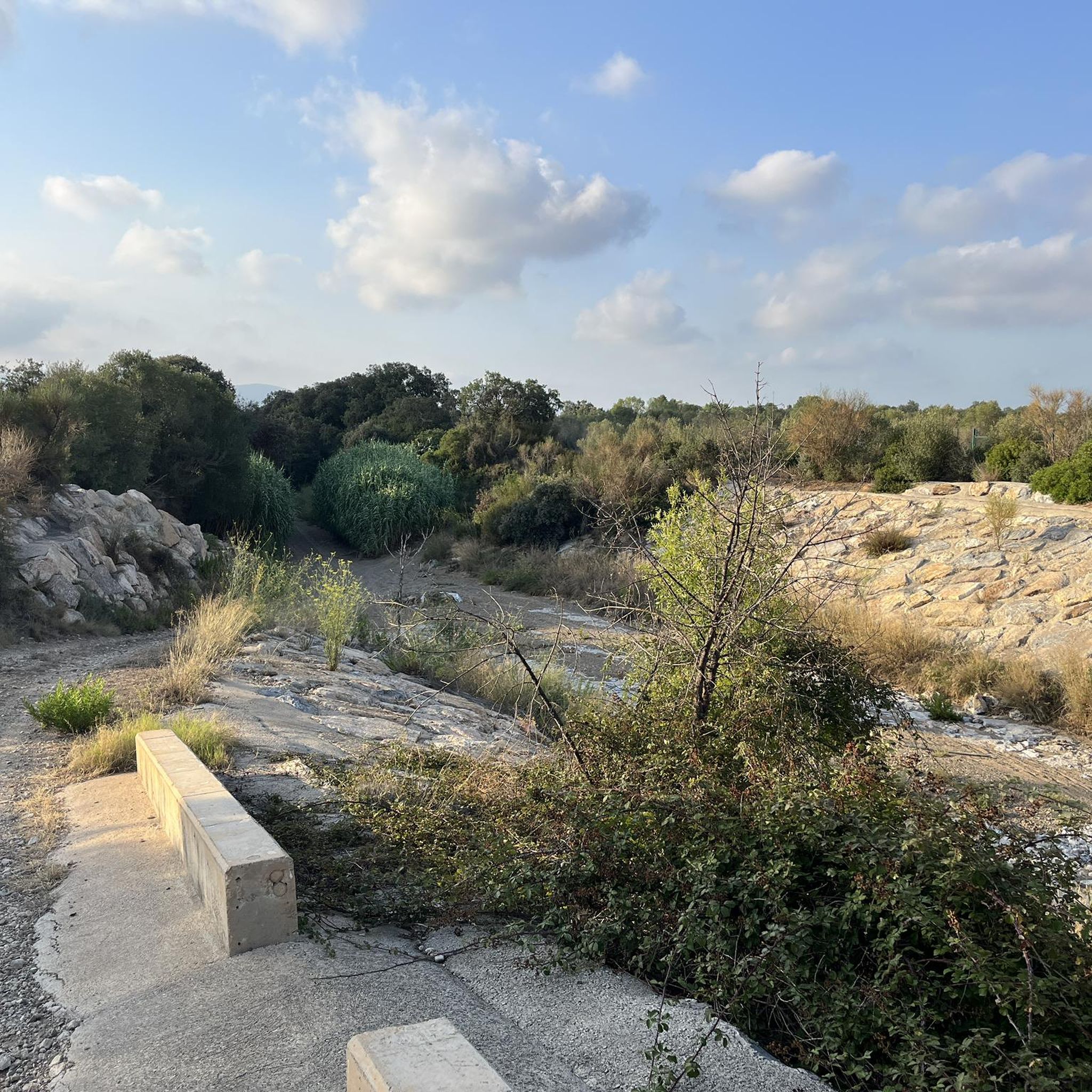
An old mouth from which water emerges and which is located in the north of the city of Reus itself, a few kilometers from the center of the town.
0
0


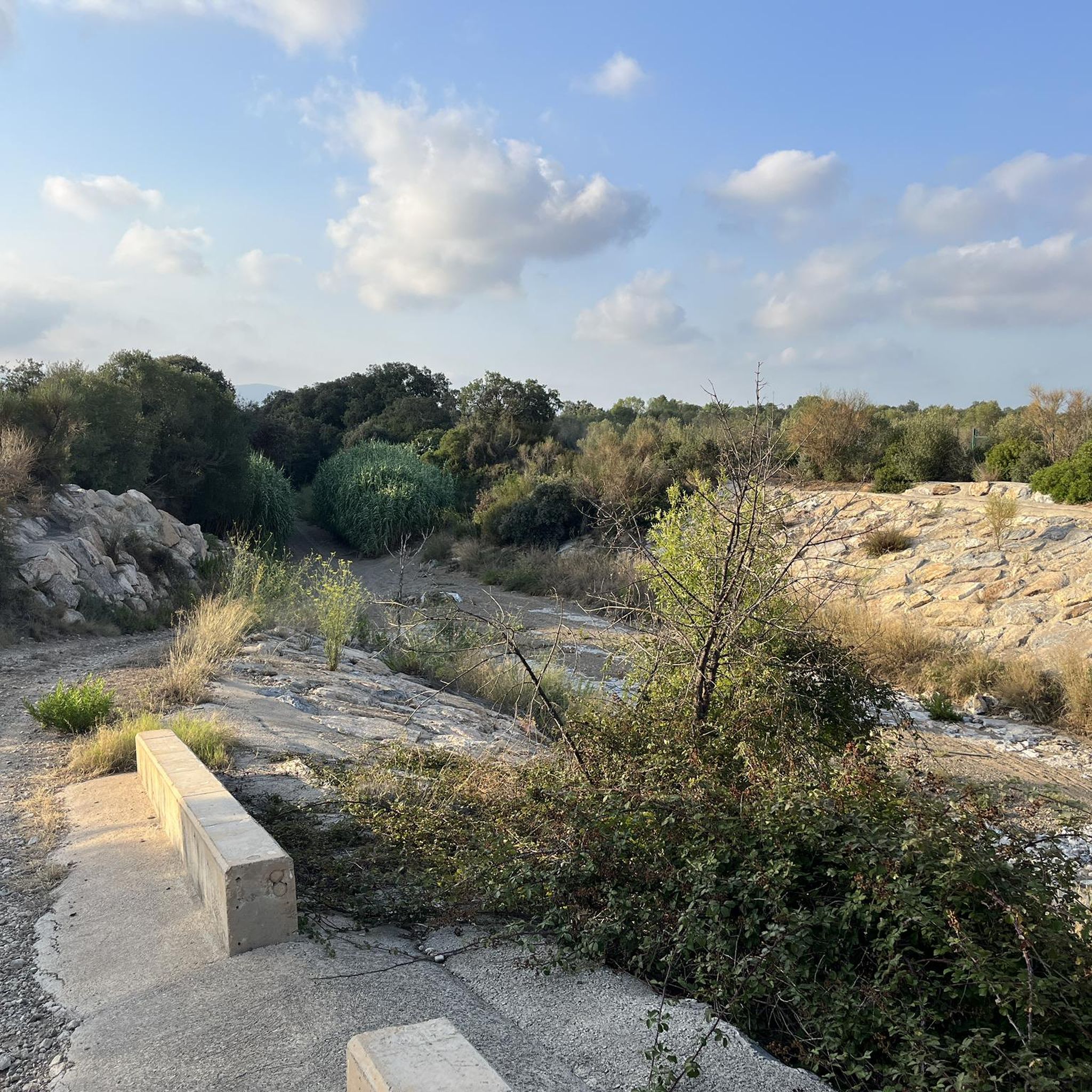
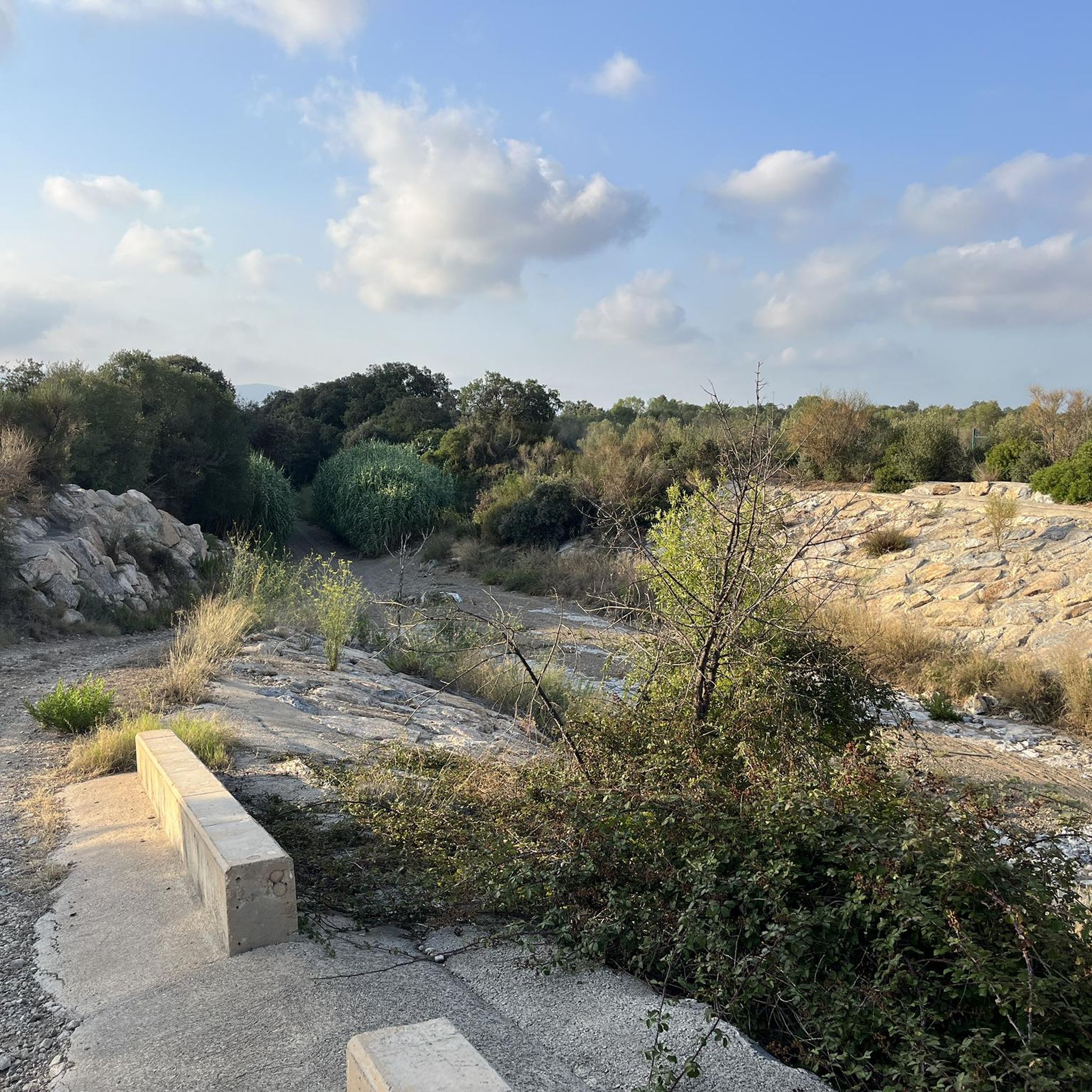
Nice views but I did it with my gravel bike and the road is not suitable for this type of bike, I had to walk 2 km with the bike on my back. Even in MTB trail or enduro it is complicated, so it is better to walk
0
1
Frequently Asked Questions
What are the most prominent natural monuments to visit near Constantí?
While Constantí itself doesn't have officially designated natural monuments, the surrounding Tarragona province offers several notable sites. Key attractions include Puig d'en Cama (717 m), known for its panoramic views, and the unique Centenary Pine of l'Aleixar. You can also explore the historical Boca de la Mina Fountain.
Are there any natural areas near Constantí that are good for hiking?
Yes, the region around Constantí is excellent for hiking. Beyond individual monuments, you can explore the broader natural protected areas such as the Prades Mountains, Montsant Natural Park, and Serres de Llaberia Natural Park. These areas offer diverse landscapes and extensive trail networks. For specific routes, check out the Hiking around Constantí guide.
What kind of views can I expect from Puig d'en Cama?
Puig d'en Cama, standing at 717 meters, offers spectacular 360-degree panoramic views. From its summit, you can see both the sea and surrounding mountains, including distant sights of Tarragona, La Mussara, and La Mola de Colldejou on clear days. It's a rewarding destination for those seeking expansive vistas.
Is Cala Roca Plana suitable for swimming and relaxation?
Yes, Cala Roca Plana (also known as Becs Beach) is a secluded cove near La Mora, perfect for swimming and relaxation. It features clear, calm, and warm green waters with a gradual depth increase, making it ideal for a tranquil dip. The cove's natural setting, surrounded by Mediterranean forests and hidden by cliffs, provides a serene ambiance.
Are there family-friendly natural monuments or activities around Constantí?
Several natural sites near Constantí are suitable for families. The Centenary Pine of l'Aleixar and Boca de la Mina Fountain are both considered family-friendly. Additionally, The Mèdol Roman Quarry offers an interesting historical and natural experience with viewing platforms, which can be engaging for all ages.
What is the best time to visit the natural monuments and areas around Constantí?
The best time to visit the natural monuments and areas around Constantí is generally during the spring (April-June) and autumn (September-October) months. During these periods, the weather is pleasant for hiking and outdoor activities, avoiding the intense heat of summer and the cooler, potentially wetter days of winter. This allows for comfortable exploration of sites like Puig d'en Cama and Cala Roca Plana.
Can I find any historical natural sites in the area?
Yes, the region combines natural beauty with historical significance. The Mèdol Roman Quarry is a prime example, showcasing an impressive ancient quarry. The Boca de la Mina Fountain is another historical natural site, featuring a wooded area with an old water source built during the modernist era.
Are there opportunities for cycling near Constantí's natural attractions?
Absolutely. The natural areas around Constantí, including the Prades Mountains and Montsant Natural Park, are popular for various outdoor sports, including cycling. You can find numerous routes for both road cycling and gravel biking. For detailed routes, explore the Road Cycling Routes around Constantí and Gravel biking around Constantí guides.
What makes the Centenary Pine of l'Aleixar a significant natural monument?
The Centenary Pine of l'Aleixar is significant due to its impressive size and age. This Pinus Pinea stands at 19.5 meters high with a trunk circumference of 4.55 meters, making it one of the thickest trunk pines in Catalonia. It is officially included in the List of monumental trees of Catalonia, highlighting its natural heritage value.
How accessible is Cala Roca Plana, and what should I expect when visiting?
Cala Roca Plana is relatively secluded, typically requiring a half-hour hike to access. You can reach it via pine forests or the Cami de Ronda coastal path. This remote access helps preserve its unspoiled natural beauty, offering a rustic and tranquil experience. It's also known as an Area of Natural Interest and is popular with nudists.
What other natural parks are easily accessible from Constantí?
Beyond specific sites, Constantí is conveniently located near several significant natural parks. These include the Prades Mountains, Montsant Natural Park, and Serres de Llaberia Natural Park. These parks offer diverse landscapes, rich flora and fauna, and extensive opportunities for outdoor activities like hiking, cycling, and caving.
Are there any dog-friendly trails or areas among the natural monuments?
While specific rules for each natural monument vary, many natural areas and trails around Constantí are generally dog-friendly, especially in the broader natural parks like the Prades Mountains. When visiting specific highlights or beaches, it's always advisable to check local regulations regarding dogs, especially during peak seasons or in protected areas, to ensure a pleasant visit for everyone.
Most popular routes around Constantí
Most popular attractions around Constantí

Get inspired with the komoot mobile app


Explore more
Extend your search for the best caves by checking out these guides of the top ones around Constantí:
