Top 3 Natural Monuments around Alfara Del Patriarca
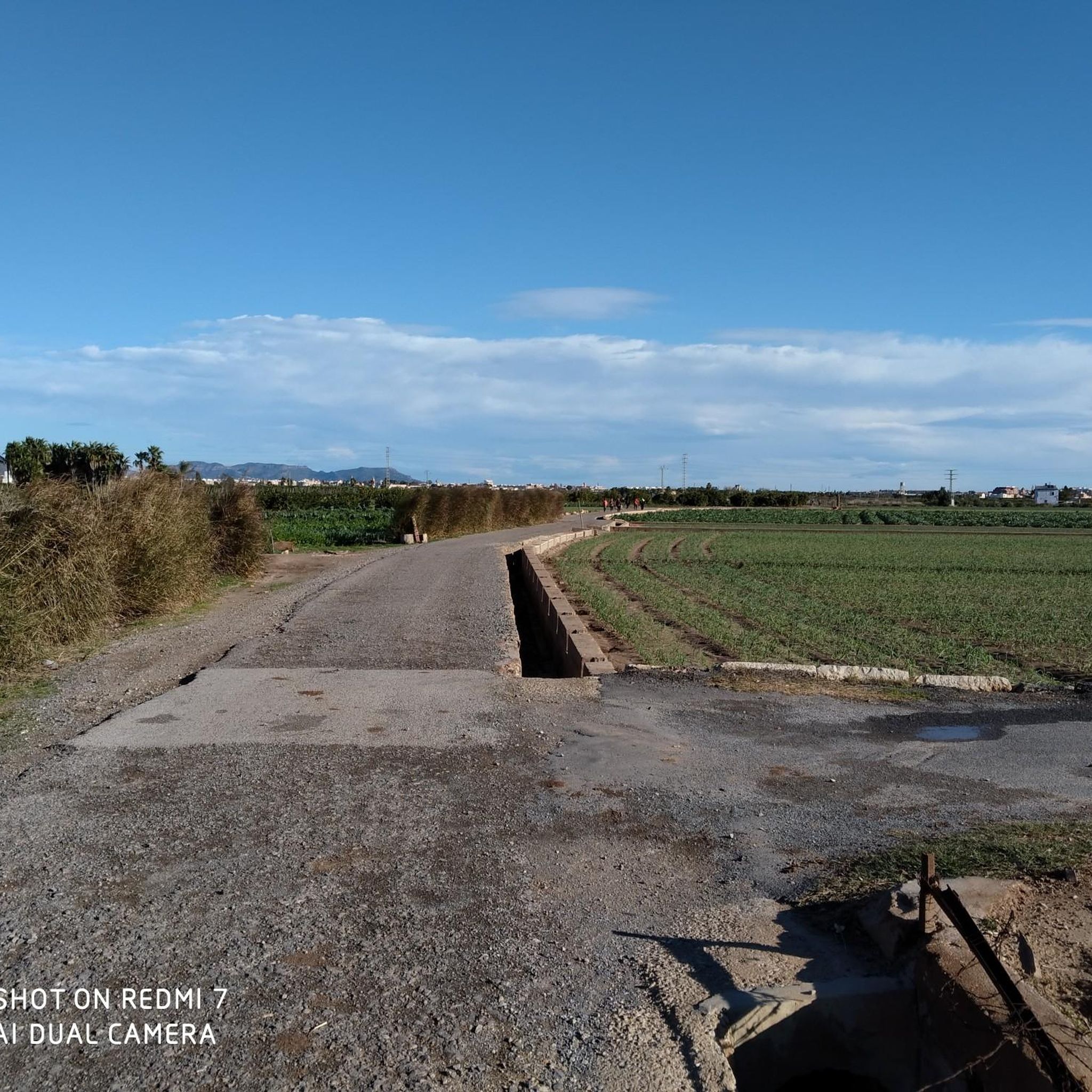
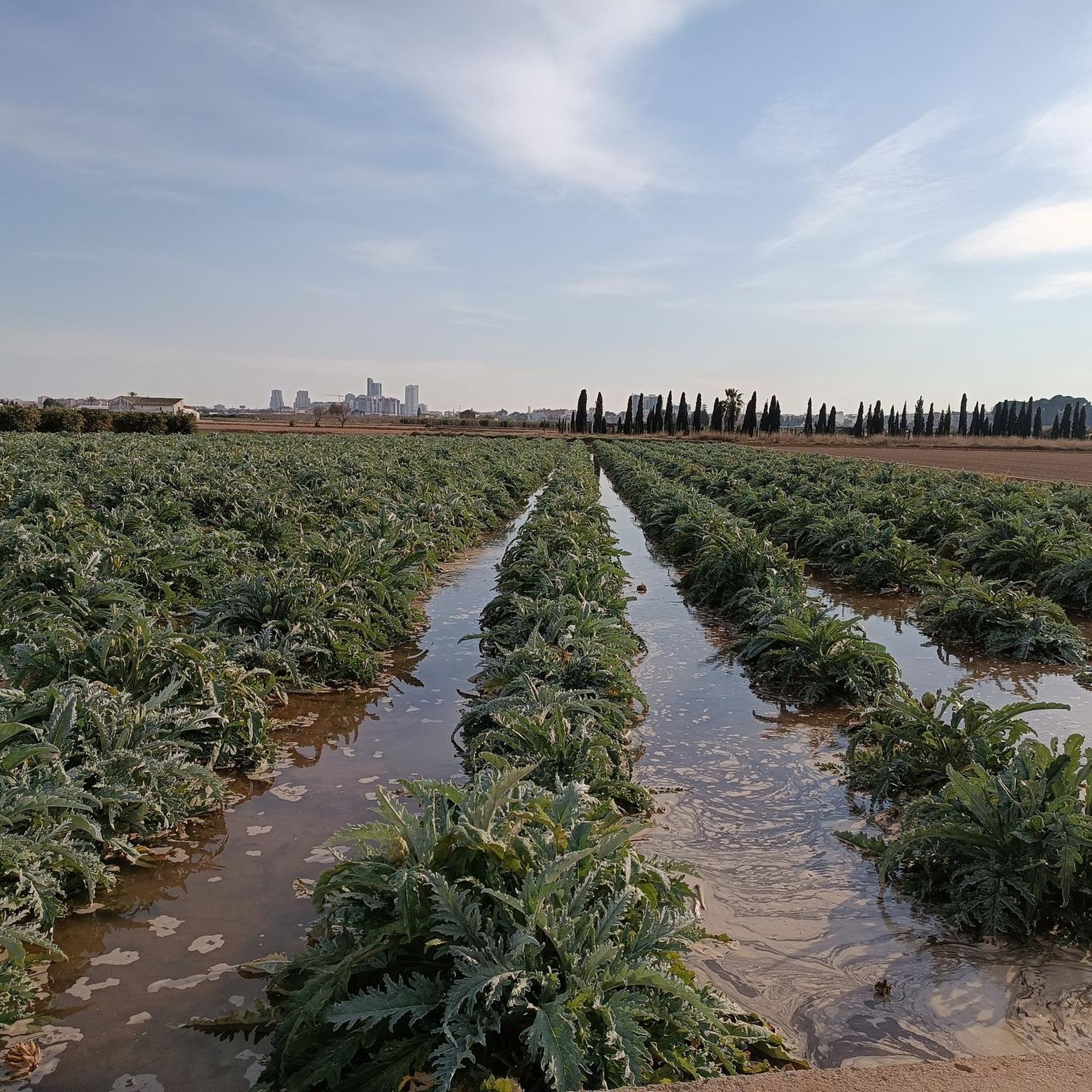
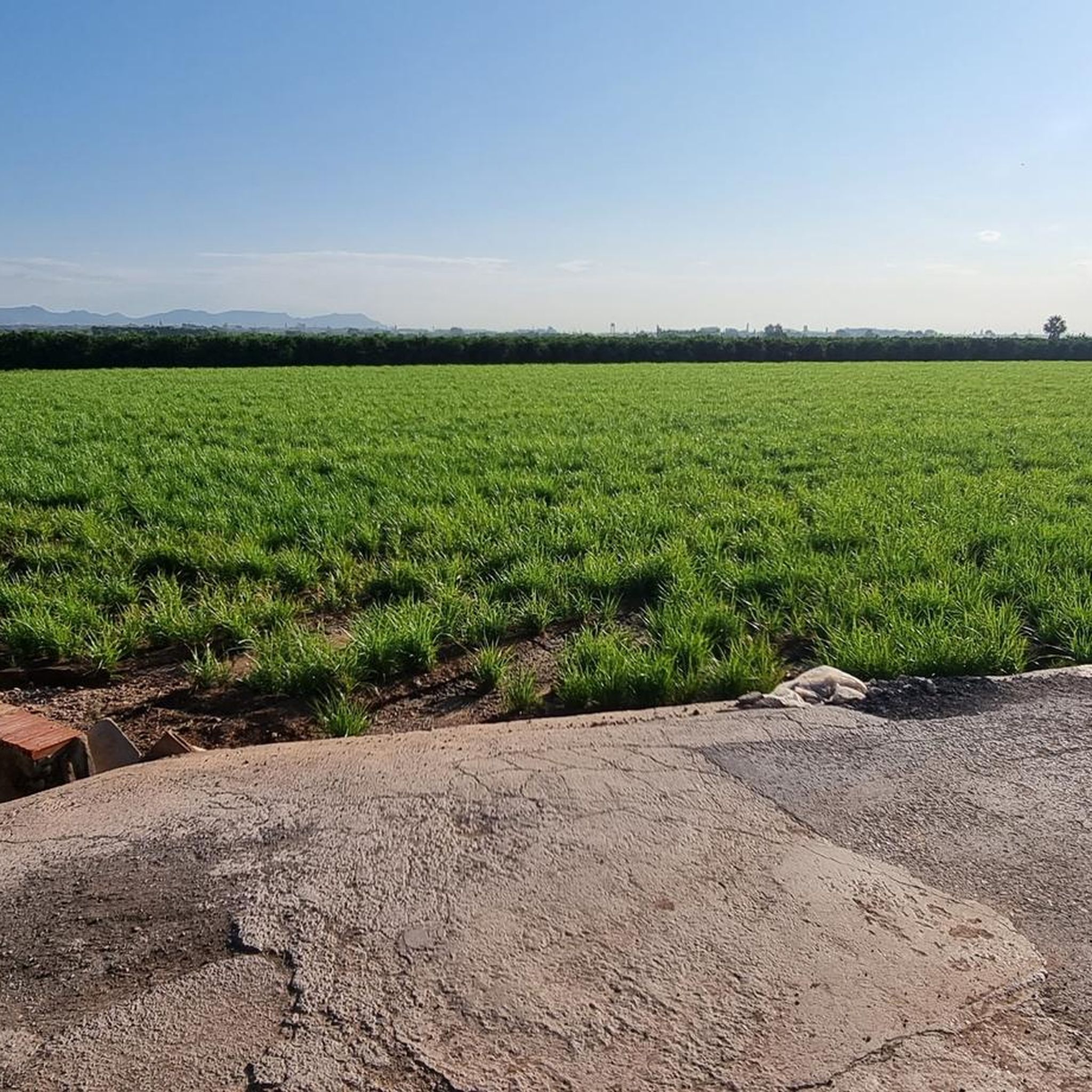
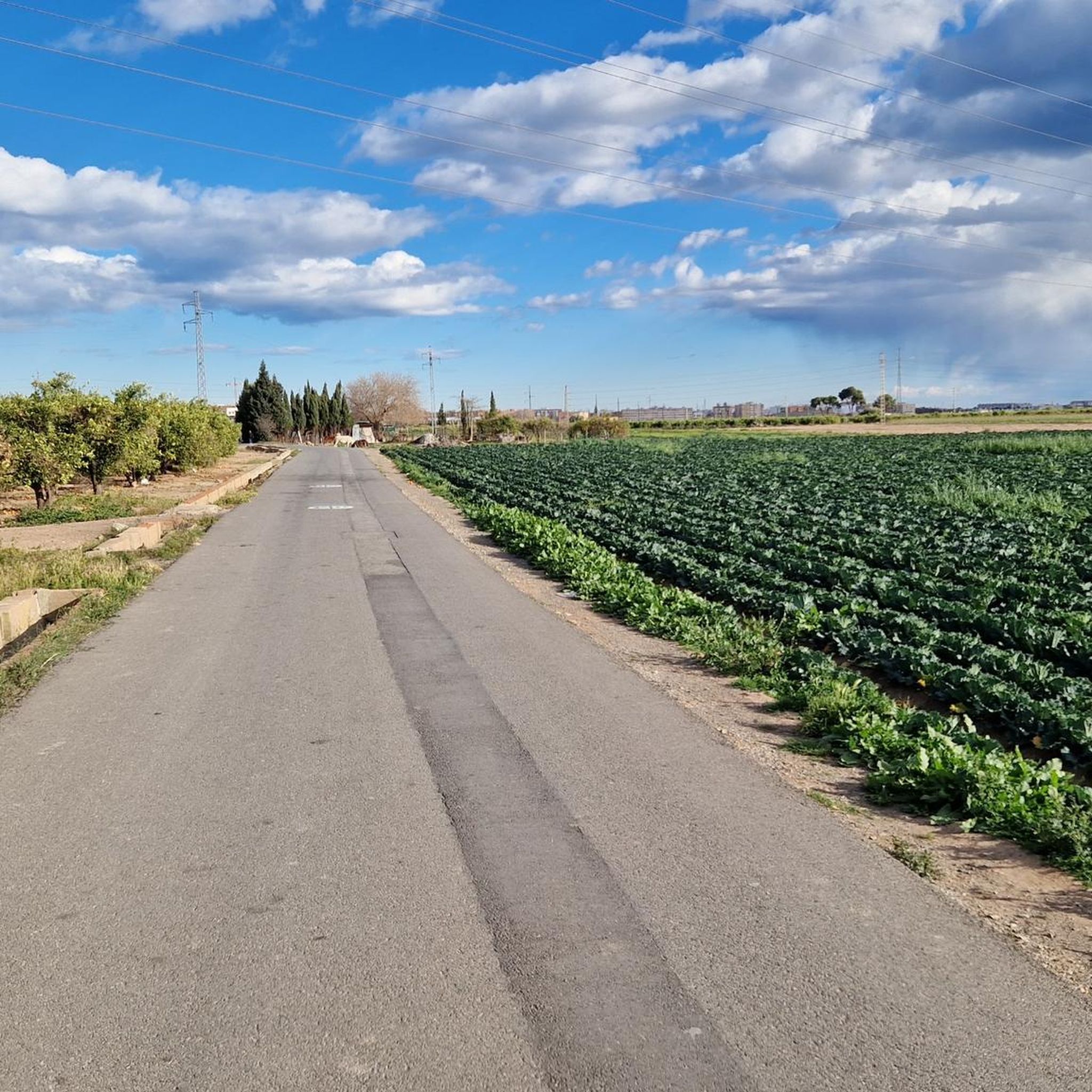
Best natural monuments around Alfara Del Patriarca include features within its agricultural landscape, known as the Huerta Valenciana. This region is characterized by its fertile plains, traditional irrigation systems like the Royal Moncada Irrigation Canal, and natural corridors such as the Carraixet Ravine. These elements offer insights into the area's historical agricultural practices and provide settings for outdoor exploration. The natural appeal lies in its preserved heritage and subtle natural elements.
Best natural monuments around Alfara Del Patriarca
- The most…
Last updated: August 11, 2026
Montforte Gardens
Highlight • Structure
Translated by Google •
Tip by

Australian ficus
Highlight • Natural Monument
Translated by Google •
Tip by

Sign up now to discover places like this
Get recommendations on the best single tracks, peaks, & plenty of other exciting outdoor places.
Sign up for free
Ficus Trees in Jardines de la Glorieta
Highlight • Natural Monument
Showing Translation
Tip by

The Pine of Bonrepòs i Mirambell
Highlight • Natural Monument
Translated by Google •
Tip by

Parc de Mirambell
Highlight • Natural Monument
Translated by Google •
Tip by

Start today with a free account
Your next adventure awaits.
Login or Signup

Tips from the Community

Fast 20 meters high
3
0

Extremely mighty, beautiful giant trees
0
0


Gigantic tree in one of the most emblematic gardens of the city
0
0

The “El Parterre” garden, also called Plaça d'Alfons el Magnànim, was created in 1850 on the site of the old Plaça de la Duana. The park has hardly been changed to this day. The monument in honor of King Jaume I was erected there in 1891 and, in addition to the ancient, magnificent trees, is still a real eye-catcher today. Worth seeing!
10
0


Small garden for a short break. It's nice and quiet and shady there. No entry.
0
0

Australian redwood trees in the middle of Valencia
0
0
Frequently Asked Questions
What kind of natural features can I expect to see around Alfara Del Patriarca?
Alfara Del Patriarca is nestled within the historic 'huerta valenciana,' a fertile agricultural plain characterized by traditional irrigation farming. You'll find expansive green spaces, cultivated plots, and ancient irrigation channels like the Royal Moncada Irrigation Canal. The Carraixet Ravine also offers a natural corridor through the landscape. While not dramatic mountain ranges, the area's natural appeal lies in its well-preserved agricultural heritage and subtle natural elements.
Are there specific natural monuments or significant trees to visit?
Yes, you can explore several notable natural features. Consider visiting the impressive Australian ficus, a magnificent ancient tree located in the 'El Parterre' garden. Another significant natural monument is The Pine of Bonrepòs i Mirambell, a solitary pine with historical ties to an old farmhouse. Additionally, Parc de Mirambell features a beautiful monumental tree within its garden setting.
What is the historical significance of the natural landscape in Alfara Del Patriarca?
The natural landscape, particularly the 'huerta valenciana' and the Royal Moncada Irrigation Canal, holds immense historical significance. The huerta represents centuries of agricultural heritage and traditional farming practices. The Royal Moncada Irrigation Canal is an ancient engineering marvel, part of a sophisticated irrigation system overseen by the Tribunal de las Aguas, one of Europe's oldest justice institutions. These features offer a glimpse into the region's past and its vital connection to water resources.
Are there family-friendly natural areas or monuments?
Absolutely. Many of the natural spots around Alfara Del Patriarca are suitable for families. Montforte Gardens, though primarily a garden, is a beautiful and tranquil spot. The area around the Australian ficus and The Pine of Bonrepòs i Mirambell are also considered family-friendly. Parc de Mirambell even includes a children's area, benches, and smaller trees, making it ideal for families.
What outdoor activities can I do near these natural monuments?
The surrounding agricultural landscape and the Carraixet Ravine offer excellent opportunities for outdoor activities. You can enjoy various routes for hiking, cycling, and running. For instance, there are numerous hiking routes, including easy and moderate loops through the huerta and along the Carraixet Ravine. If you prefer cycling, explore the traffic-free bike rides that take you through the Valencian farmland. Runners can also find dedicated running trails, often following the Carraixet Greenway.
Are there easy walks or trails suitable for all fitness levels?
Yes, the area offers many easy walks, particularly through the 'huerta valenciana' and along the irrigation canals. These paths are generally flat and provide a serene environment for a leisurely stroll. The hiking guide for Alfara Del Patriarca lists several easy routes, such as the 'Horchatería Vida – Puente de los Patos loop from Meliana' and the 'Carraixet Ravine loop from Montcada,' which are perfect for all fitness levels.
What is the best time of year to visit the natural areas around Alfara Del Patriarca?
The best time to visit is typically during the spring (March to May) and autumn (September to November) months. During these seasons, the weather is mild and pleasant, making it ideal for walking, cycling, and exploring the huerta. The agricultural landscape is vibrant in spring, and the autumn offers comfortable temperatures for outdoor activities. Summers can be very hot, and winters are generally mild but can be damp.
Can I find cafes or places to eat near the natural monuments?
While specific cafes might not be directly adjacent to every natural monument, Alfara Del Patriarca and its surrounding towns within the Horta Nord region offer various local establishments. You'll find traditional horchaterías, cafes, and restaurants where you can enjoy local gastronomy and refreshments after your explorations. The huerta itself is known for fresh produce, so look for places that highlight local ingredients.
Is public transport available to reach these natural areas?
Alfara Del Patriarca is well-connected within the Valencia metropolitan area. Public transport options, including bus services, can take you to the town center or nearby villages, from where many of the natural features like the huerta and parts of the Carraixet Ravine are accessible on foot or by bike. For specific routes and schedules, it's advisable to check local transport information for the Horta Nord region.
Are there any opportunities for wildlife spotting?
While Alfara Del Patriarca is not a designated wildlife reserve, the agricultural landscape of the huerta and the Carraixet Ravine can offer opportunities for observing local fauna. You might spot various bird species, especially those adapted to agricultural environments and wetland areas around the irrigation canals. The ravines can also host unique flora and smaller wildlife adapted to their specific microclimates.
What do visitors enjoy most about the natural monuments and areas here?
Visitors often appreciate the tranquility and unique cultural landscape of the 'huerta valenciana.' The blend of natural beauty with centuries of agricultural heritage, the impressive ancient trees like the Australian ficus, and the peaceful pathways along the irrigation canals are frequently highlighted. The opportunity to experience a traditional way of life close to urban areas is a significant draw, offering a serene escape and a glimpse into the region's history.
Most popular routes around Alfara Del Patriarca
Most popular attractions around Alfara Del Patriarca

Get inspired with the komoot mobile app


Explore more
Extend your search for the best caves by checking out these guides of the top ones around Alfara Del Patriarca:
