Top 4 Natural Monuments around Puertollano
Best natural monuments around Puertollano include geological formations and historical sites. Puertollano, a city with a mining heritage, is situated in a region known for its diverse natural landscapes. The area features ancient geological sites, volcanic terrain, and unique natural springs. These locations offer insights into Earth's past and provide opportunities for outdoor exploration.
Best natural monuments around Puertollano
- The most popular natural monuments is Castle of Calatrava la Nueva and Sacred Convent, a castle that is a large fortress built in the 13th century on top of a hill. It served as the headquarters of the Order of Calatrava and is one of the most important defensive fortresses in Castile.
- Another must-see spot is Fuente Agria, a natural monument. This fountain is known for its water with a high iron content, which gives it a characteristic flavor.
- Visitors also love Maar and Strombolian volcano of Almodóvar del Campo, a volcano formed by a Strombolian volcanic cone and an attached maar. Its internal structure is exposed due to a quarry, offering volcanological and geomorphological interest.
- Puertollano is known for its geological formations, historical sites, and natural springs. The region offers a variety of natural monuments to see and explore, from ancient fortresses to volcanic landscapes.
- The natural monuments around Puertollano are appreciated by the komoot community, with 12 upvotes and 50 photos shared by visitors.
Last updated: October 4, 2026
Castle of Calatrava la Nueva and Sacred Convent
Highlight • Castle
It was built by the Order of Calatrava after the battle of Las Navas de Tolosa, becoming the headquarters of the order and one of the most important defensive fortresses in Castile.
More than a simple fortress, it is a complex that included a church, a convent, a hostel, a town and an external enclosure, all protected by an extensive wall.
Translated by Google •
Tip by

Laguna de Almodóvar
Highlight • Lake
It is a lagoon formed in the crater of a volcano after a phreatomagmatic eruption (interaction between magma and groundwater). This type of lagoon is called a maar.
Translated by Google •
Tip by

Sign up now to discover places like this
Get recommendations on the best single tracks, peaks, & plenty of other exciting outdoor places.
Maar and Strombolian volcano of Almodóvar del Campo
Highlight • Volcano
Translated by Google •
Tip by
Fuente Agria
Highlight • Natural Monument
Translated by Google •
Tip by
Laguna Blanca
Highlight • Lake
It is an excellent place for bird watching, as many species choose it as a stopover, resting or nesting point. In addition, the area around the lagoon has archaeological remains dating back to the Paleolithic, which adds historical value to the place.
Translated by Google •
Tip by
Start today with a free account
Your next adventure awaits.

Tips from the Community

The Almodóvar del Campo Lagoon is a unique natural and geological feature located in the province of Ciudad Real, within the Campo de Calatrava region, famous for its volcanic landscapes. It is a lagoon formed in the crater of a volcano after a phreatomagmatic eruption (interaction between magma and groundwater). This type of lagoon is called a maar.
4
0
This castle stands on the impressive Alacranejo hill and, despite its original defensive character, it underwent various modifications. Opposite it there is another hill with the ruins of the Salvatierra Castle, in the lands of Calzada de Calatrava. It probably has Arab origins, but it was deeply remodeled with the transfer of the knights of the Order from the Castle of Calatrava La Vieja (Carrión de Calatrava) in 1217, after the battle of Las Navas de Tolosa with the aim of consolidating the defensive line of Sierra Morena. In turn, it is made up of three walled enclosures and is accessed by the original road that was built on the occasion of the visit of Philip II through the Iron Gate, in red volcanic stone. Afterwards, we can find the Gate of the Arches, which allows entry into the parlatorio or courtyard of the convent, the courtyards, the church, the rooms and the refectory. Really, when you walk through it, you can imagine what happened in
3
0
The Laguna Blanca in Argamasilla de Calatrava is an interesting natural formation. It was created by volcanic explosions that created depressions filled with rainwater1. This lagoon is known for the whitish colour of its waters, a result of the minerals present in the soil, such as bicarbonate and sodium sulphate. It is an excellent place for bird watching, as many species choose it as a stopover, resting or nesting point. In addition, the area around the lagoon has archaeological remains dating back to the Paleolithic, which adds historical value to the place.
22
0
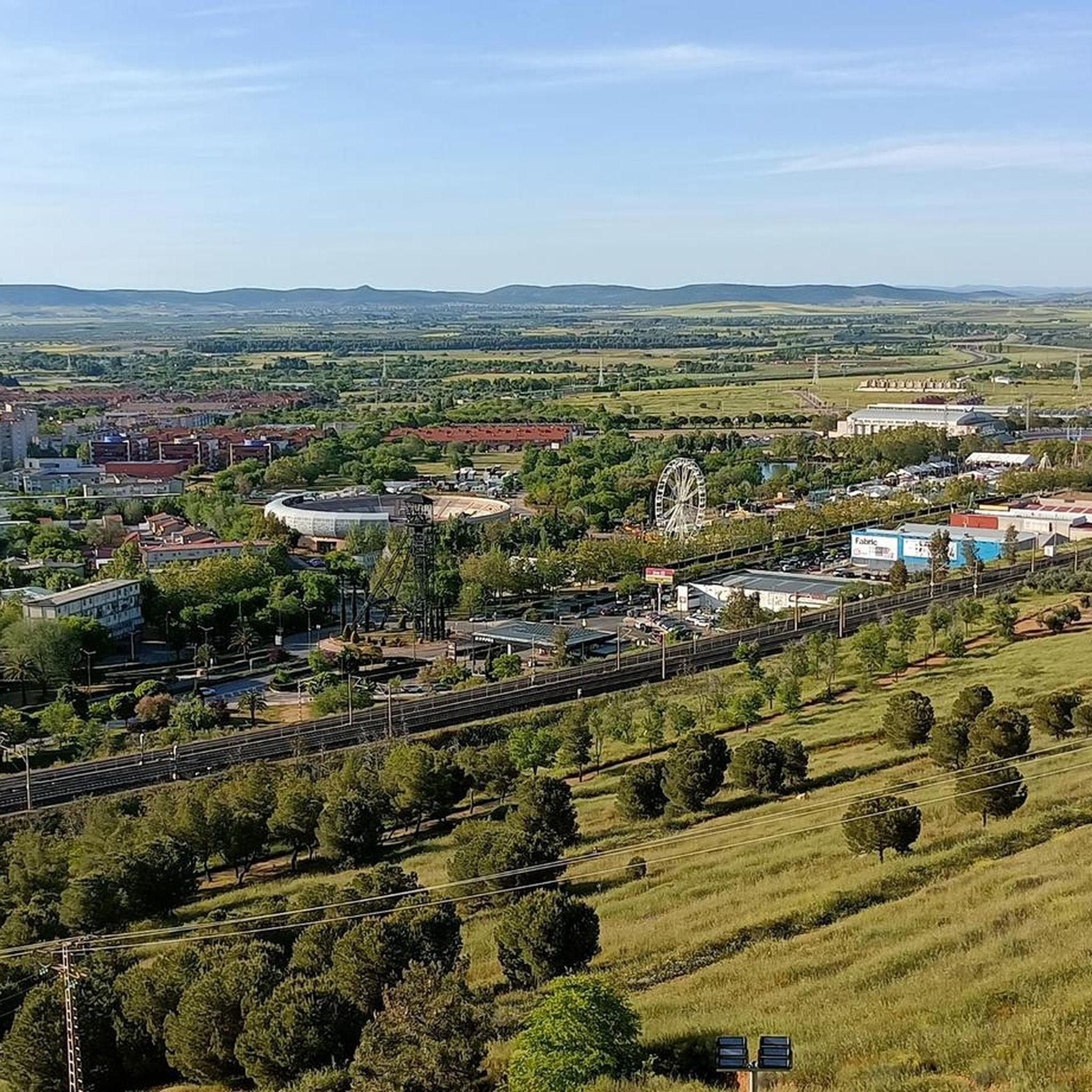
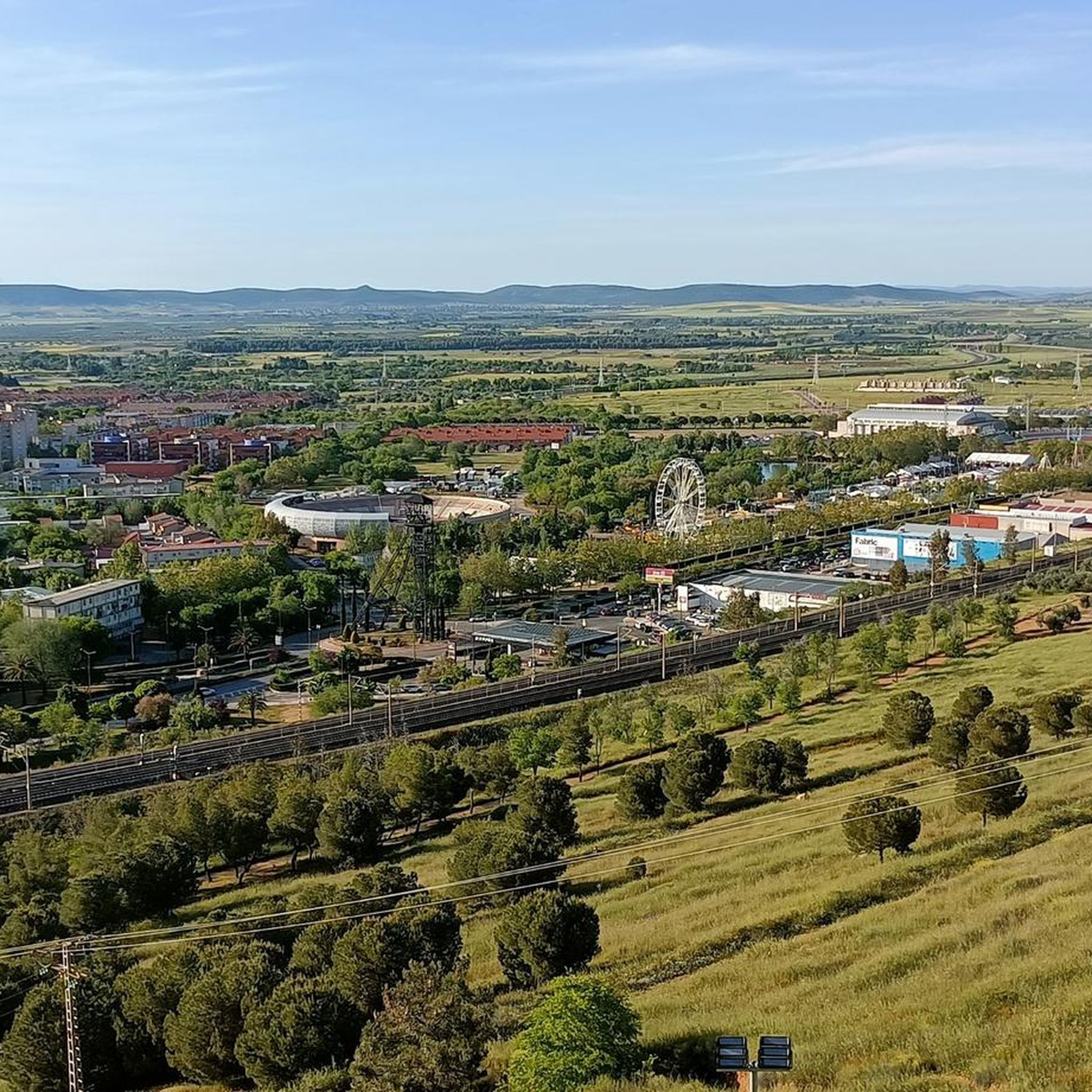
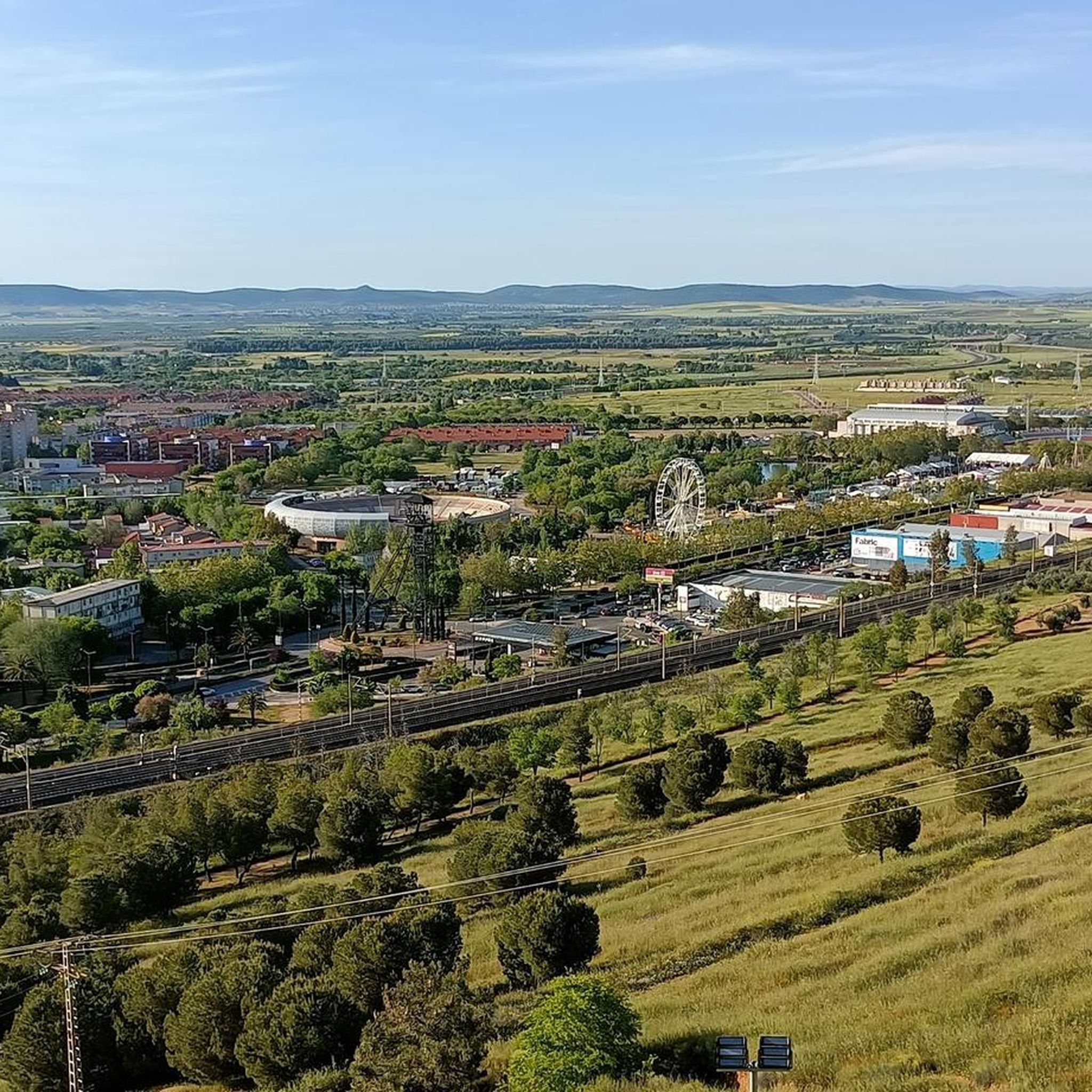
The Fuente Agria is one of the most emblematic icons of Puertollano. Located on the Paseo de San Gregorio, this fountain is known for its water with a high iron content, which gives it a characteristic flavor and health benefits.
25
0
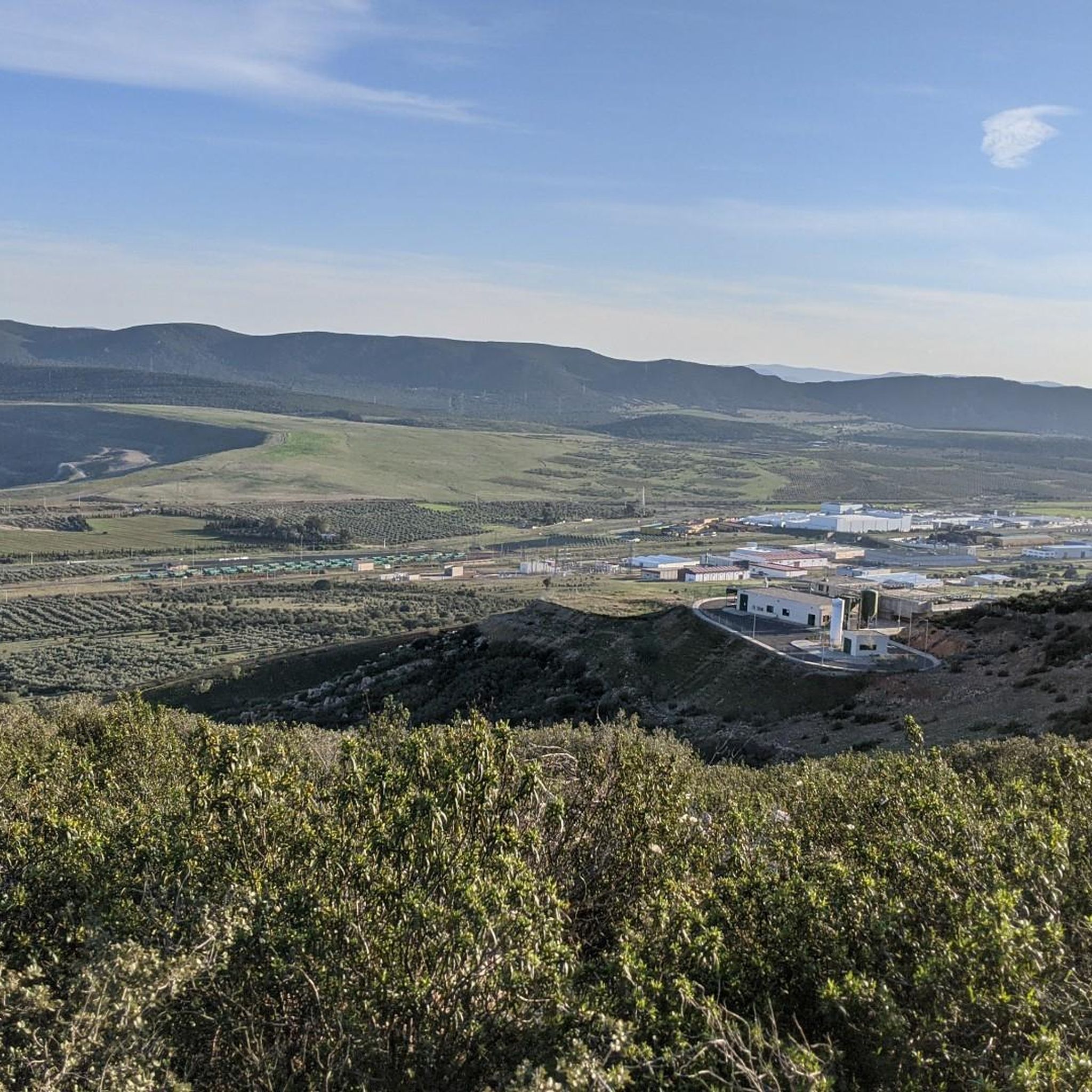
It is formed by a Strombolian volcanic cone of pyroclasts, and due to the quarry in it, its internal structure is exposed. Attached to the foot of this volcano is the Almodóvar maar, which is a phreatomagmatic explosion crater that erupted at the edge of the Paleozoic series, cutting a substrate of hard lithology and destroying part of the previous volcano. The maar crater is funnel-type (hard-type substrate) and houses an ephemeral lagoon inside. In its southern and eastern contour the maar has a ring of tuffs, with pyroclastic facies. The phreatomagmatic deposits of the maar ring are located on a Cenozoic red colluvium. The main interest is of a volcanological (petrological) type and as a secondary interest the geomorphological interest stands out.
2
0
It is formed by a Strombolian volcanic cone of pyroclasts, and due to the quarry in it, its internal structure is exposed. Attached to the foot of this volcano is the Almodóvar maar, which is a phreatomagmatic explosion crater that erupted at the edge of the Paleozoic series, cutting a substrate of hard lithology and destroying part of the previous volcano. The maar crater is funnel-type (hard-type substrate) and houses an ephemeral lagoon inside. In its southern and eastern contour the maar has a ring of tuffs, with pyroclastic facies. The phreatomagmatic deposits of the maar ring are located on a Cenozoic red colluvium. The main interest is of a volcanological (petrological) type and as a secondary interest the geomorphological interest stands out.
28
0
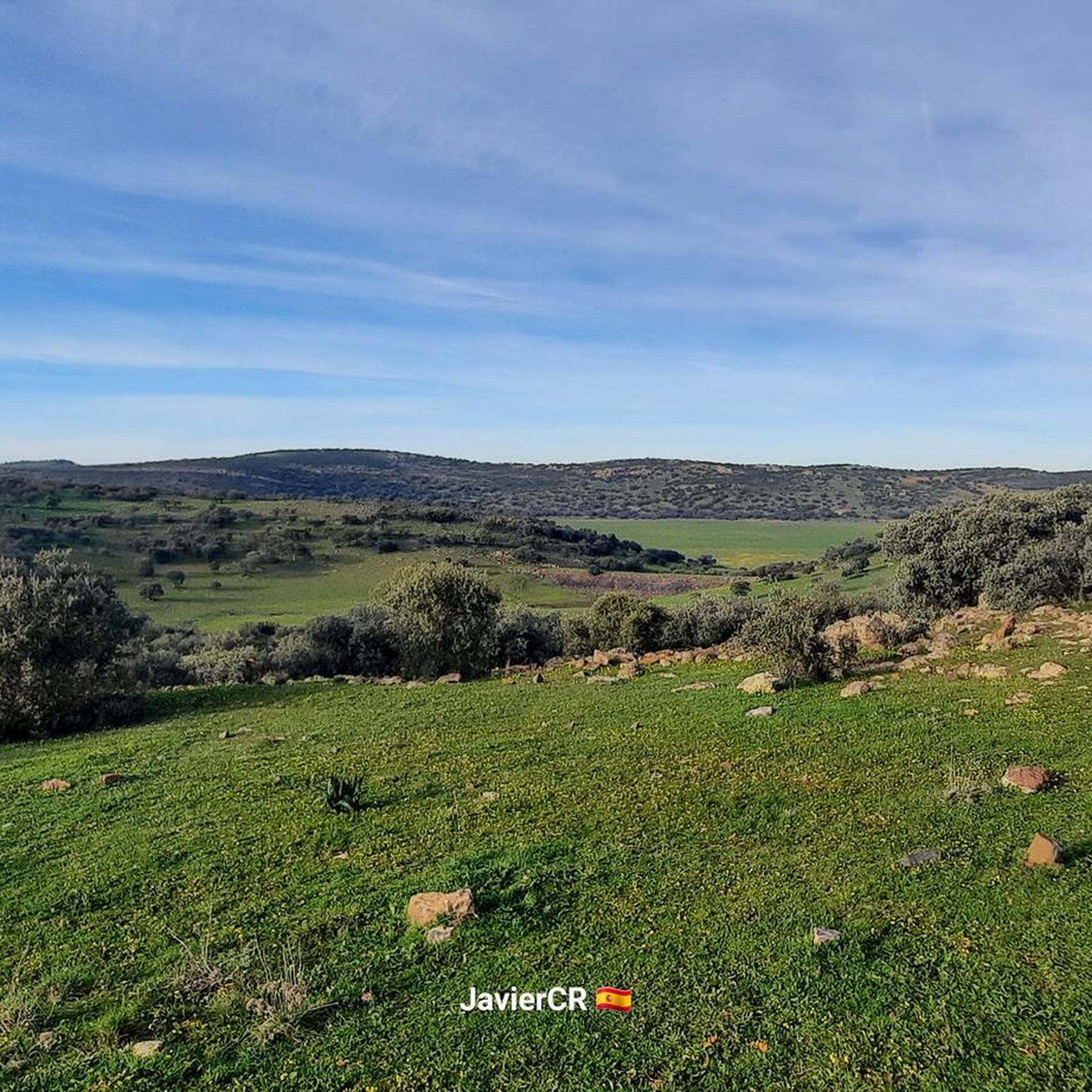
It is a volcanic formation made up of a crater and the Cerro de los Molinos. The crater gives rise to the lagoon and the hill is composed of solid lava. It is located near Almodóvar del Campo, in an easterly direction and, according to historians, it gave origin and name to the settlement of the population.
1
0

Impressive castle and church which is located on top of a hill and which can also be seen from afar. The views of both the castle and the panorama it offers are brutal!
1
0
Frequently Asked Questions
What unique geological formations can I explore near Puertollano?
The Puertollano area offers several fascinating geological formations. You can visit the Monumento Natural Carbonífero de Puertollano, renowned for its exceptionally preserved Carboniferous-era plant and animal fossils, often called a 'vegetal Pompeii'. Another notable site is the Maar and Strombolian volcano of Almodóvar del Campo, which showcases a volcanic cone and a phreatomagmatic explosion crater with an exposed internal structure.
Are there any natural monuments with historical significance in the region?
Yes, the Castle of Calatrava la Nueva and Sacred Convent is a significant historical natural monument. This large 13th-century fortress, built on Bronze Age and Visigothic remains, served as the headquarters of the Order of Calatrava and is one of Castile's most important defensive structures. It offers a glimpse into medieval history and impressive architecture.
What makes the Carboniferous Natural Monument of Puertollano a special place to visit?
The Monumento Natural Carbonífero de Puertollano is special due to its extraordinary fossil record. It preserves over 40 species of ancient plants, including large ferns and giant horsetails, from the Carboniferous period. It's often referred to as a 'vegetal Pompeii' because the vegetation was preserved exactly as it was buried, offering an unparalleled window into prehistoric life. The site also contains traces of ancient animals, making it a unique location for paleontological study.
Are there family-friendly natural monuments around Puertollano?
Yes, several natural monuments are suitable for families. Fuente Agria, with its unique iron-rich water, is located on the Paseo de San Gregorio and is easily accessible. Laguna Blanca is another family-friendly option, offering opportunities for bird watching and exploring archaeological remains.
What outdoor activities can I do near these natural monuments?
The region around Puertollano offers various outdoor activities. You can find numerous routes for hiking, cycling, and gravel biking. For example, there are several hiking trails around Puertollano, including the 'Cerro de la Cruz de Hinojosas Trail'. You can explore more options and detailed routes on the Hiking around Puertollano guide or the Gravel biking around Puertollano guide.
Are there hiking trails within the Carboniferous Natural Monument of Puertollano?
Yes, there is a circular hiking route, PR-CR 56 'Monumento Natural 'Carbonífero de Puertollano'. Puertollano-Dehesa Boyal,' that starts at the Mining Museum in Pozo Norte Park. This trail leads through the natural monument, crossing the Ojailén river and passing through areas of significant environmental and geological interest, allowing you to experience the site's unique features firsthand.
What is the best time of year to visit the natural monuments around Puertollano?
While there isn't a single 'best' time, spring and autumn generally offer pleasant weather for exploring the natural monuments and engaging in outdoor activities like hiking. The mild temperatures during these seasons make for comfortable visits to sites like the Carboniferous Natural Monument and the volcanic formations.
What can I expect to see at Fuente Agria?
Fuente Agria is a natural spring known for its water with a high iron content, which gives it a distinctive flavor. It's an emblematic icon of Puertollano, located on the Paseo de San Gregorio, and is appreciated for both its unique taste and traditional health benefits.
What kind of wildlife can be observed in the natural areas near Puertollano?
While specific wildlife details for all monuments are not available, Laguna Blanca is an excellent spot for bird watching, as many species use it as a stopover, resting, or nesting point. The broader Valle de Alcudia and Sierra Madrona Natural Park is also noted for its rich biodiversity, attracting nature enthusiasts.
How long should I plan for a visit to the natural monuments?
The duration of your visit can vary depending on the monument. For sites like Fuente Agria, a short stop might suffice. For the Castle of Calatrava la Nueva or the Monumento Natural Carbonífero de Puertollano, especially if you plan to hike the circular route, you might want to allocate a few hours to half a day to fully explore and appreciate their historical and geological significance.
Are the natural monuments around Puertollano accessible for visitors with limited mobility?
Accessibility varies by site. Fuente Agria, located on a promenade, is generally accessible. However, sites like the Castle of Calatrava la Nueva, situated on a hill, or the rugged terrain of the Carboniferous Natural Monument, may present challenges. It's advisable to check specific accessibility details for each location prior to your visit.
Can I bring my dog to the natural monuments in the Puertollano area?
Policies regarding dogs can differ between natural monuments and protected areas. While many outdoor trails are dog-friendly, it's always best to check specific regulations for each site, especially for designated natural monuments or historical sites, to ensure compliance and a pleasant visit for everyone.
Most popular routes around Puertollano
Most popular attractions around Puertollano

Get inspired with the komoot mobile app


Explore more
Extend your search for the best caves by checking out these guides of the top ones around Puertollano:
