Top 6 Natural Monuments around Valle De Bardají
Best natural monuments around Valle De Bardají are found within the Aragonese Pyrenees, a region characterized by dramatic mountains, ancient geological formations, and diverse ecosystems. The area features striking natural landscapes, including deep gorges carved by rivers and unique geological formations. Visitors can explore a variety of natural attractions, from prominent mountain massifs to waterfalls and river canyons. The region offers numerous marked trails for hiking and mountain biking, providing access to its natural beauty.
Best natural monuments around Valle…
Last updated: May 20, 2026
Obarra Gorge (Isábena River Gorge)
Highlight (Segment) • Gorge
Translated by Google •
Tip by

Peñaladona
Highlight • Natural Monument
Translated by Google •
Tip by

Sign up now to discover places like this
Get recommendations on the best single tracks, peaks, & plenty of other exciting outdoor places.
Sign up for free
Giant's Bed
Highlight • Natural Monument
Translated by Google •
Tip by

Waterfall of the Barranco de Liri
Highlight • Waterfall
Translated by Google •
Tip by

Congosto de Ventamillo
Highlight (Segment) • Gorge
Translated by Google •
Tip by

Sign up for free to discover even more natural monuments around Valle De Bardají.
Sign up for free
Already have an account?
Start today with a free account
Your next adventure awaits.
Login or Signup
Tips from the Community

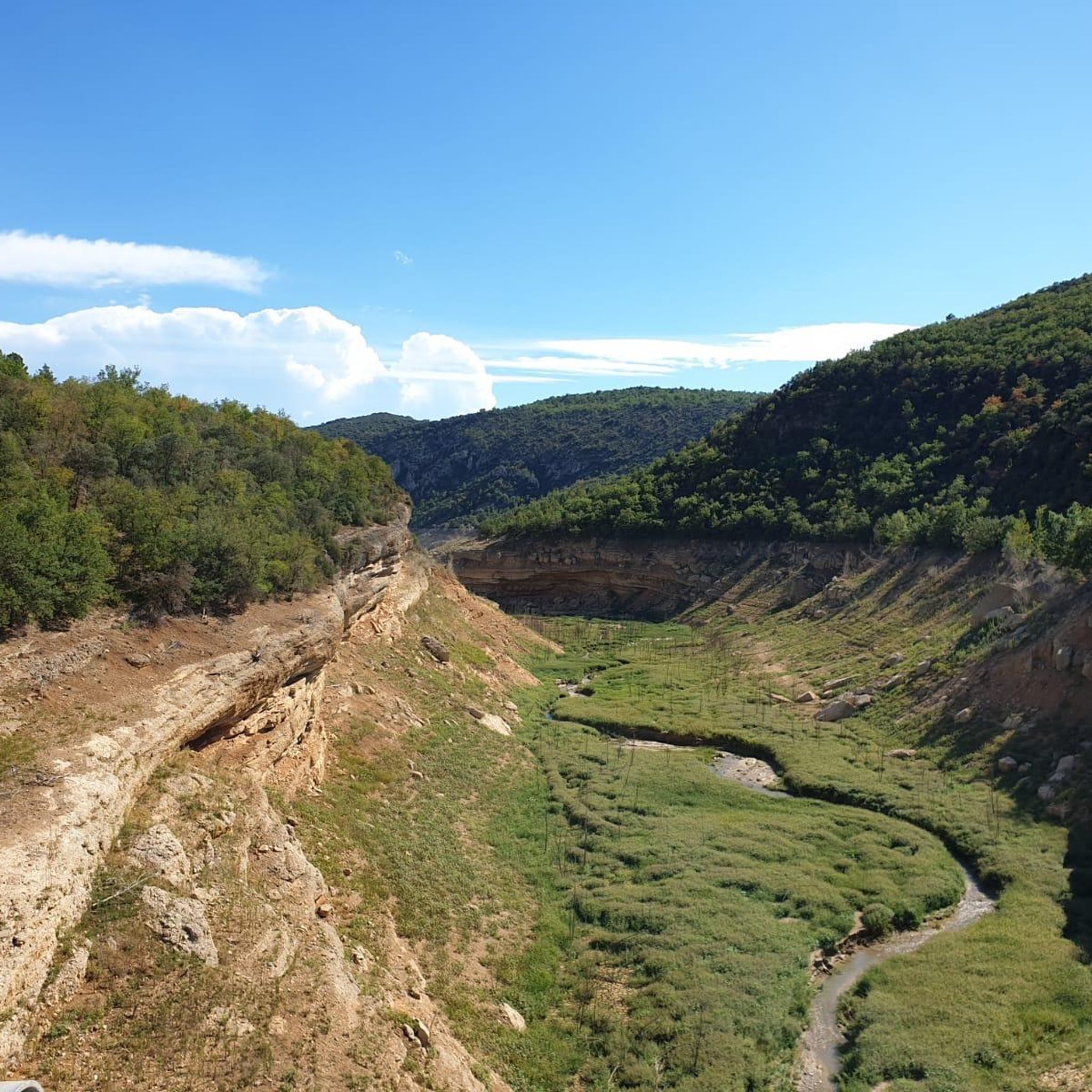
The Ventamillo Gorge is a beautiful and imposing ravine traced by the Ésera River. 40,000 years ago, the gigantic glacier of the same name was located here; the melting and erosion of the limestone rock outlined the magnificent landscape seen today.
1
0

By a short path from the road you can easily reach one of the main waterfalls of the Barranco de Liri, also known as Barranco de las Doce Cascadas.
1
0

Its completely red area in the middle of the downhill. Its cool for the pictures and you can invent a little bit your line, a bit of a freeride. Its also the most enjoyable part of the trail, since the others are very broke and full of rocks.
0
0

Segment that is part of what is known as INTEGRAL GALLINERO, but skipping the last piece that goes from Bisaurri to Castejón. It is one of the most beautiful trial descents that can be done in the entire Pyrenees. The ascent is hard since you do the entire unevenness of the route in one go and you have to take it easy, but all the descent more than compensates for the effort of the ascent.
0
0

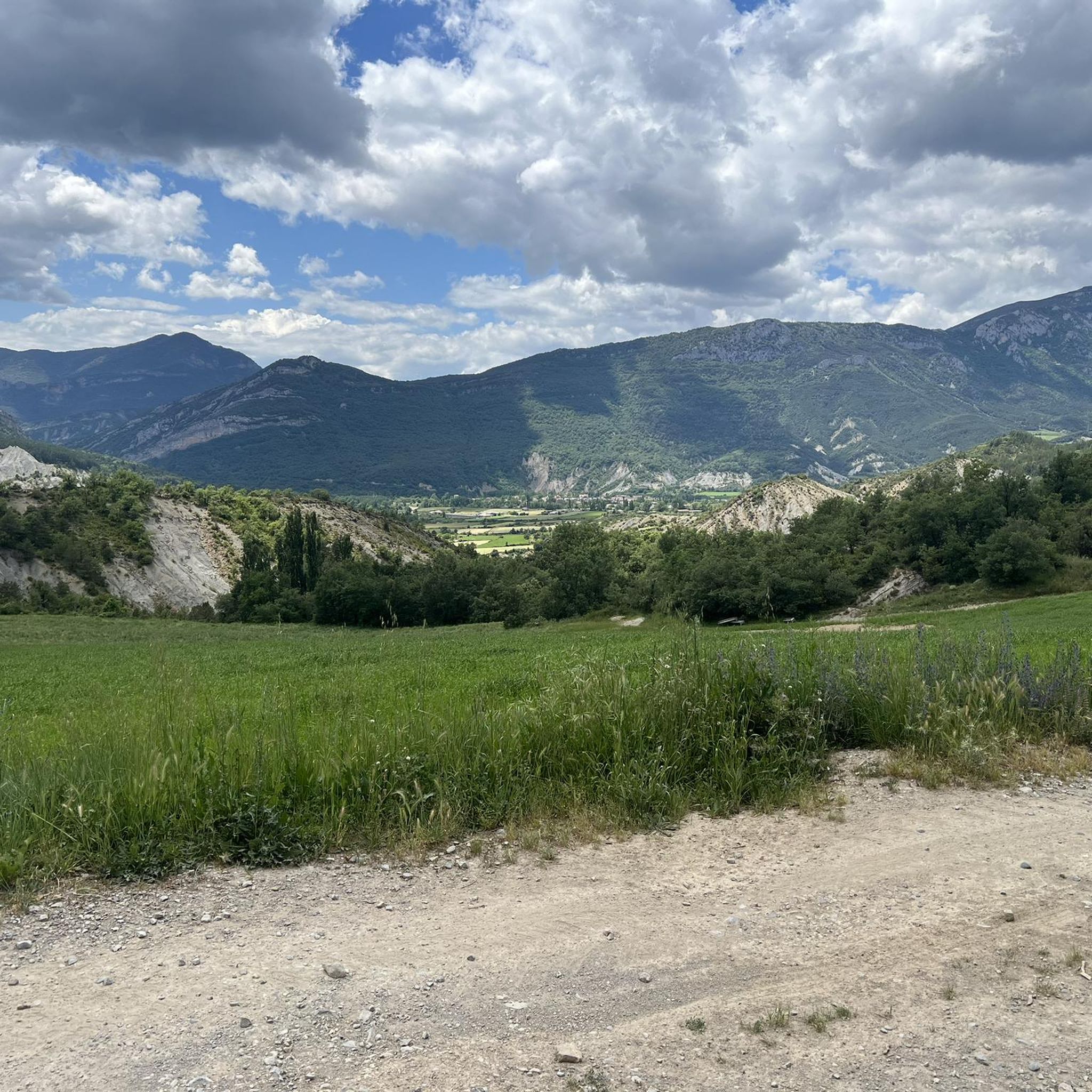
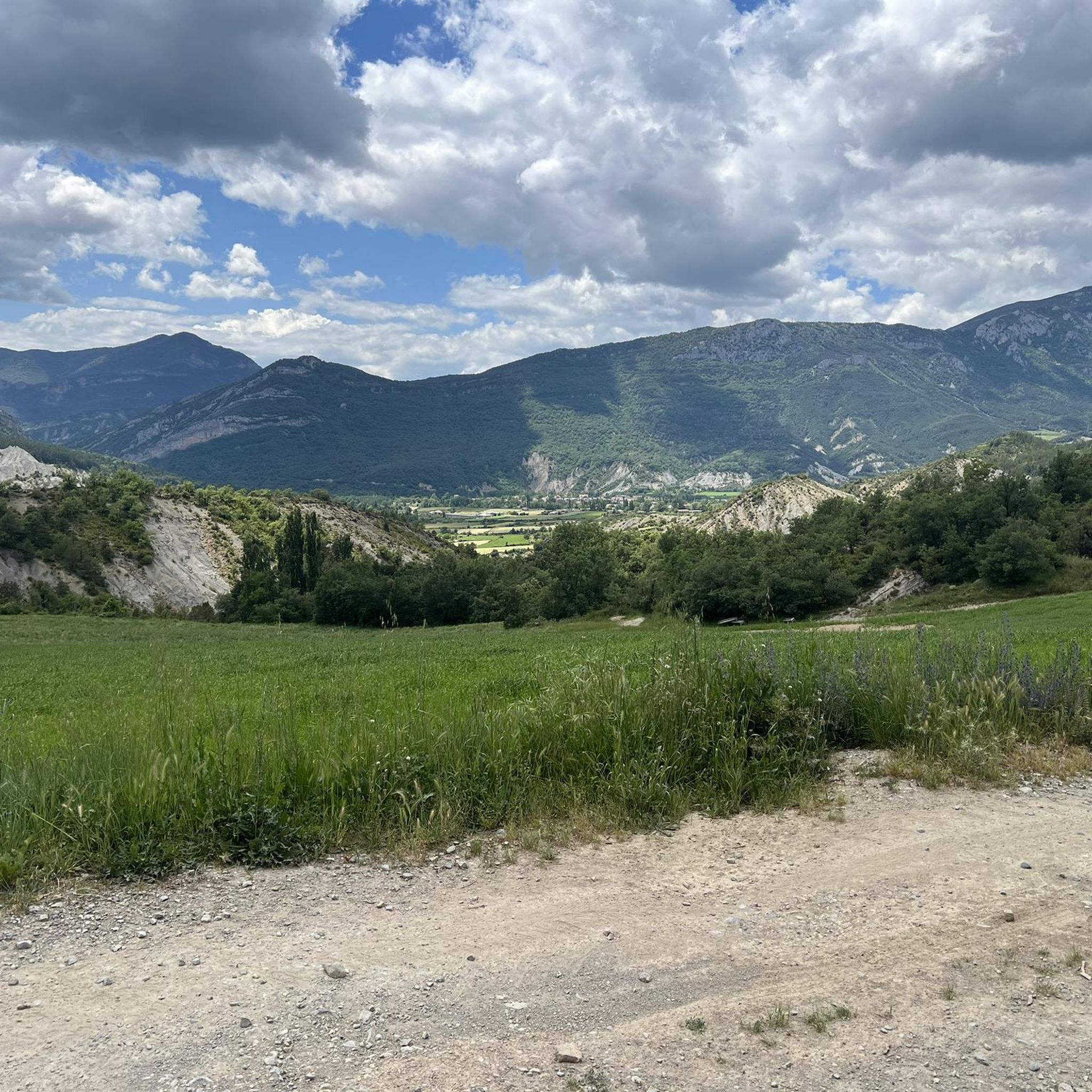
...there is a saying....that this Prat is called the giant's bed because the people of the area said that there was a giant who slept there....we assume that because the Prat is very wide
6
0

Also known as the Congosto de Obarra. It is a much safer and more beautiful option than the neighboring Congosto del Ventamillo.
2
0

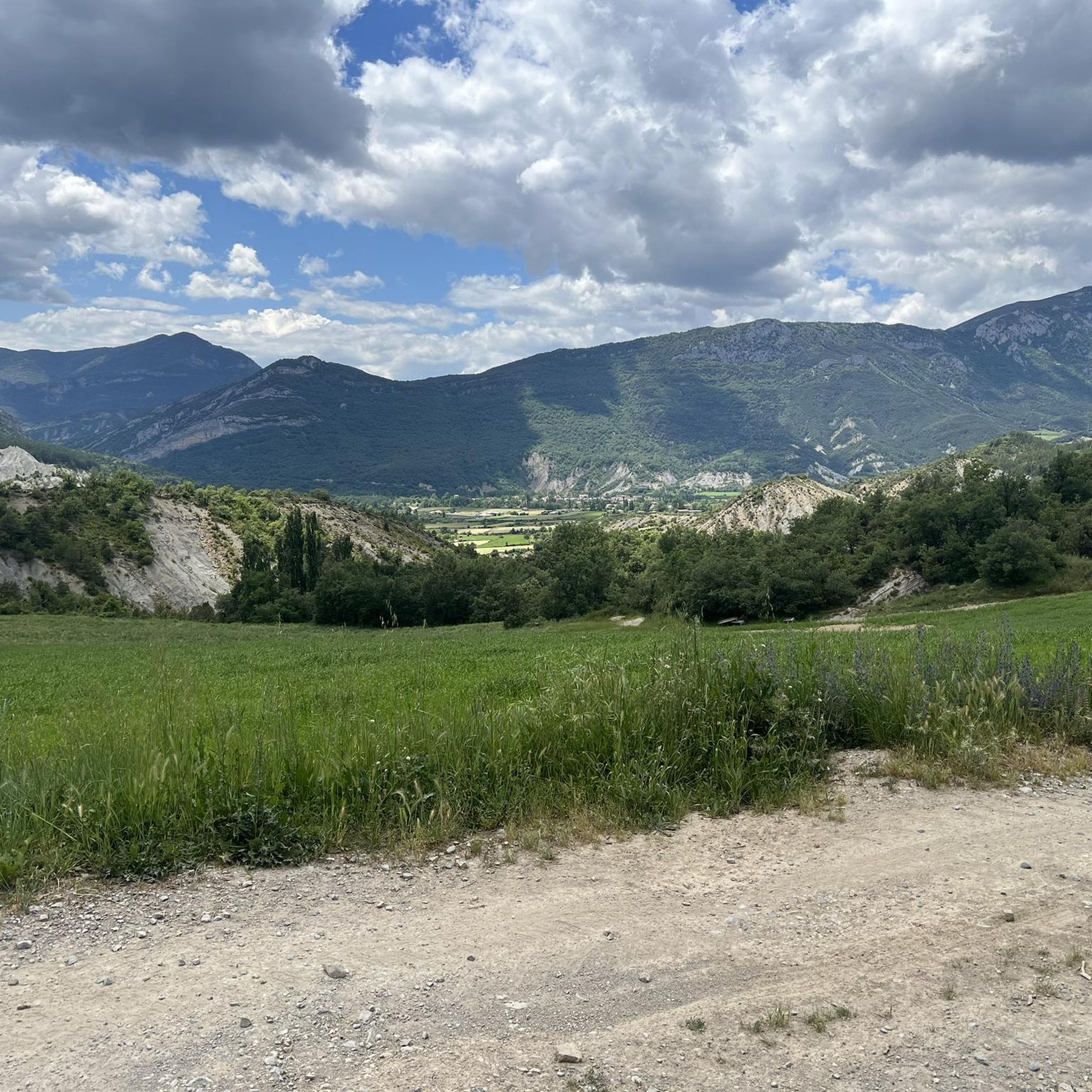
Getting to the pink loam and going through it without setting foot on the ground gave me an incredible level boost. Although it is also inevitable to stop to contemplate the views of the Benasque valley and to take a photo of this place that seems from another world. Marls are sedimentary rock formations mainly clay and the most common are gray or ocher in color. The high concentration of clay in the Peñaladona marl gives it a special rusty reddish color, as well as an unexpected grip. The route is well marked and if you are skilled with the bike, going through it completely without putting your foot on the ground is an unforgettable leap of confidence.
2
0
Frequently Asked Questions
What are some prominent natural monuments to visit around Valle De Bardají?
The region boasts several striking natural monuments. You can explore the dramatic Obarra Gorge (Isábena River Gorge), known for its scenic and accessible route. Another must-see is the Congosto de Ventamillo, an imposing ravine carved by the Ésera River, showcasing magnificent landscapes formed by glacial erosion. Don't miss Peñaladona, a unique natural monument characterized by its special rusty reddish color due to a high concentration of clay.
Are there any waterfalls to visit in the Valle De Bardají area?
Yes, the Waterfall of the Barranco de Liri is a notable natural monument in the area. It's easily accessible via a short path from the road, making it a convenient stop to enjoy the natural beauty.
What unique geological features can I find among the natural monuments?
The region is rich in geological wonders. The Congosto de Ventamillo, for instance, was formed by glacial erosion approximately 40,000 years ago, creating impressive vertical limestone walls. Peñaladona stands out with its unique pink loam, a rusty reddish color caused by a high concentration of clay in its marl, offering an unexpected grip on its trails.
What kind of wildlife can be observed near these natural monuments?
The natural monuments around Valle De Bardají are home to diverse wildlife. The Congosto del Ventamillo, for example, provides a refuge for protected animal species, including raptors like griffon vultures and bearded vultures. The Macizo del Turbón is known for its diverse fauna, such as bearded vultures, golden eagles, chamois, and marmots.
Are there family-friendly natural monuments or activities in the area?
Yes, the Waterfall of the Barranco de Liri is considered family-friendly, with a short and easy path from the road. The general area of Valle de Bardají also offers numerous marked trails suitable for various skill levels, making it possible to find walks enjoyable for families.
What outdoor activities can I do near the natural monuments around Valle De Bardají?
The region offers a wide range of outdoor activities. You can find numerous hiking trails, such as the challenging "Turbón Loop from La Muria" or the "Congosto de Ventamillo – Gabás - El Run Green Tunnel loop." For mountain biking, routes like the "Castejón de Sos – Peñaladona loop" are popular. You can explore more options on the hiking guide, MTB trails guide, and road cycling routes guide for Valle De Bardají.
Are there any challenging trails or viewpoints for experienced hikers?
Absolutely. The Macizo del Turbón offers spectacular panoramic views of the Ribagorza region and the Pyrenees, with challenging hiking routes like the "Turbón Loop from La Muria." The Peñaladona area also features challenging trails with incredible views of the Benasque valley, particularly for mountain bikers seeking an "incredible level boost" on its unique terrain.
What is the best time to visit the natural monuments around Valle De Bardají for hiking?
The Aragonese Pyrenees, where Valle de Bardají is located, generally offer excellent conditions for hiking from late spring through early autumn (May to October). During these months, the weather is typically mild, and trails are more accessible. Winter can bring snow, making some higher-altitude routes challenging or requiring specialized equipment.
What do visitors enjoy most about the natural monuments in this region?
Visitors frequently praise the breathtaking views and the unique geological formations. For instance, the Peñaladona is loved for its completely red area, which is great for photos and offers an enjoyable, almost freeride-like experience on bikes. The Obarra Gorge is appreciated for being a scenic and safe option compared to other gorges.
Is the Macizo del Turbón considered a natural monument, and what makes it special?
While not always formally designated as a 'natural monument' in the strictest sense, the Macizo del Turbón is undoubtedly monumental in its beauty and ecological significance. Rising to 2,492 meters, it's a prominent mountain massif with ancient geological formations dating back over 400 million years. It's considered a "magical mountain" in Aragón, steeped in local legends, and offers spectacular panoramic views and diverse fauna.
Are there any historical or cultural aspects associated with the natural monuments?
The Macizo del Turbón, a significant natural landmark in the region, is deeply embedded in local folklore and is considered a "magical mountain" in Aragón, with legends about witches. While the natural monuments themselves are primarily geological and ecological, the surrounding area of Valle de Bardají and the Pyrenees has a rich history and cultural heritage that can be explored alongside your nature visits.
Can I find any hidden gems or less-known natural spots in the Valle De Bardají area?
While the main highlights are well-known, the broader Valle de Bardají region, with its mountainous surroundings like Pico Cervín, offers countless opportunities for discovery. Exploring the numerous marked trails for hiking and mountain biking can lead you to tranquil spots, interesting ravines formed by erosion, and unique viewpoints away from the more frequented areas. The Giant's Bed is one such spot, known for its wide prat and local folklore.
Most popular routes around Valle De Bardají
Most popular attractions around Valle De Bardají

Get inspired with the komoot mobile app


Explore more
Extend your search for the best caves by checking out these guides of the top ones around Valle De Bardají:
