The best road cycling routes around Valle De Bardají
4.6
(9)
500
riders
21
rides
Road cycling routes around Valle De Bardají traverse a landscape characterized by mountain valleys, challenging climbs, and scenic rural roads. The region features varied terrain, including ascents to high points like Coll de Fadas and routes through areas such as Valle de Benasque. These routes often connect villages and offer views of the surrounding natural environment.
Best road cycling routes around Valle De Bardají
- The most popular road cycling route is Valle de Benasque – integral of Castejón de Sos…
Last updated: July 31, 2026
3.0
(1)
131
riders
46.6km
02:30
790m
790m
Moderate road ride. Good fitness required. Some segments of this route may be unpaved and difficult to ride.
5.0
(1)
85
riders
99.1km
05:56
2,410m
2,410m
Hard road ride. Very good fitness required. Mostly well-paved surfaces and easy to ride.

Sign up for free
43
riders
78.1km
04:21
1,620m
1,620m
Hard road ride. Very good fitness required. Mostly well-paved surfaces and easy to ride.
41
riders
73.1km
04:37
1,900m
1,900m
Hard road ride. Very good fitness required. Mostly well-paved surfaces and easy to ride.
16
riders
199km
10:55
4,090m
4,090m
Hard road ride. Very good fitness required. Mostly well-paved surfaces and easy to ride.
Get access to more routes and recommendations from other explorers.
Sign up for free
Already have an account?
Our route recommendations are based on thousands of hikes, rides, and runs completed by other people on komoot.
Start today with a free account
Your next adventure awaits.
Login or Signup
Tips from the Community

A table-bench combination in the shade of the forest.
1
0

From here you can see the Buddhist Center Dag Shang Kagyu.
0
0

This port connects the Noguera Ribagorzana river basin with the Sis valley and the Isábena basin, right on the border between Catalonia and Aragon. From Bonansa, the pass is a little over six kilometers long, with a fairly constant average drop of around 7%. Its other slope, the one that follows the Obarra gorge until it crowns the port, is much longer. It is 15 kilometers long, but it is very flat, with percentages around 3%, until it practically reaches the top, where the last two kilometers present considerable unevenness, with ramps of more than 15%.
0
0

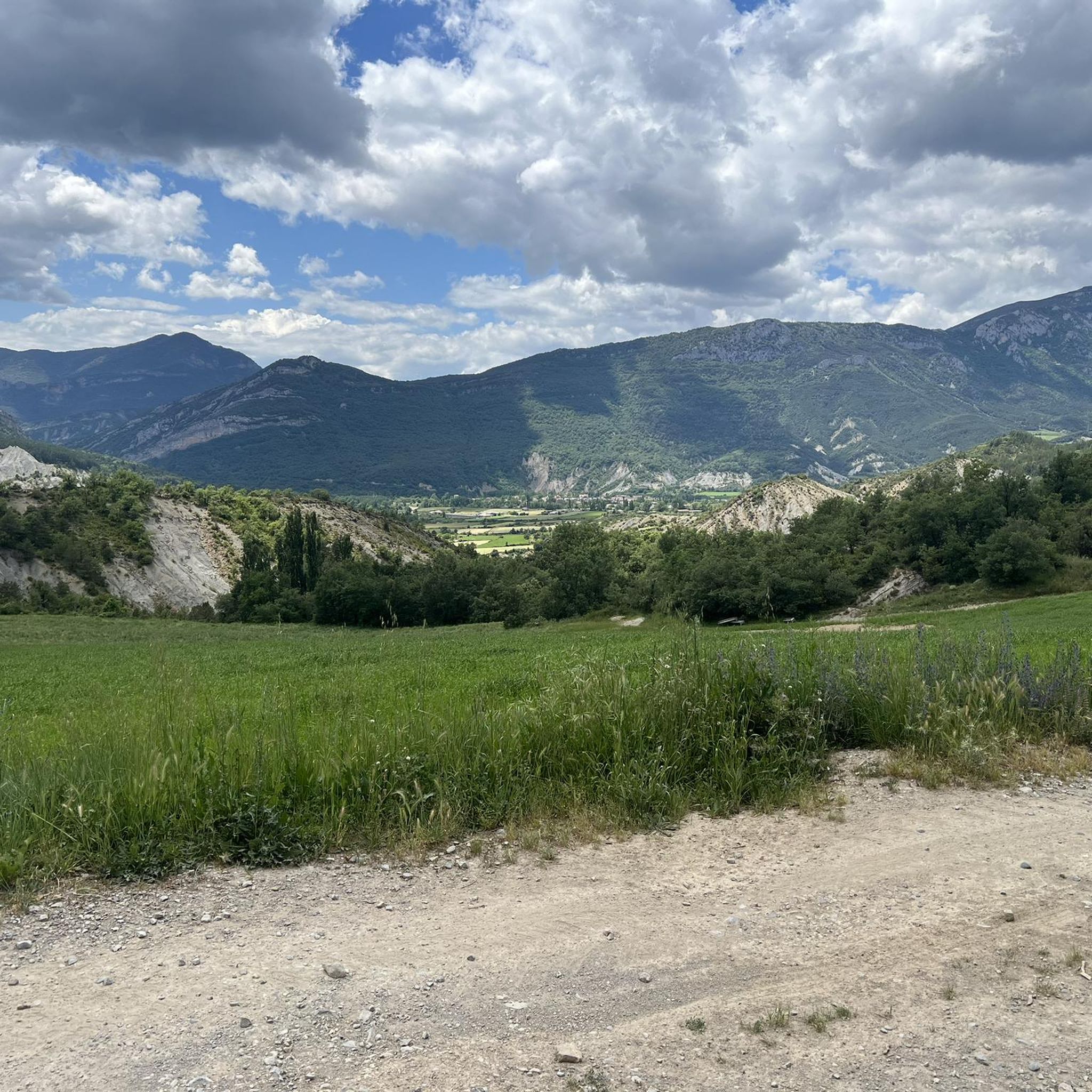
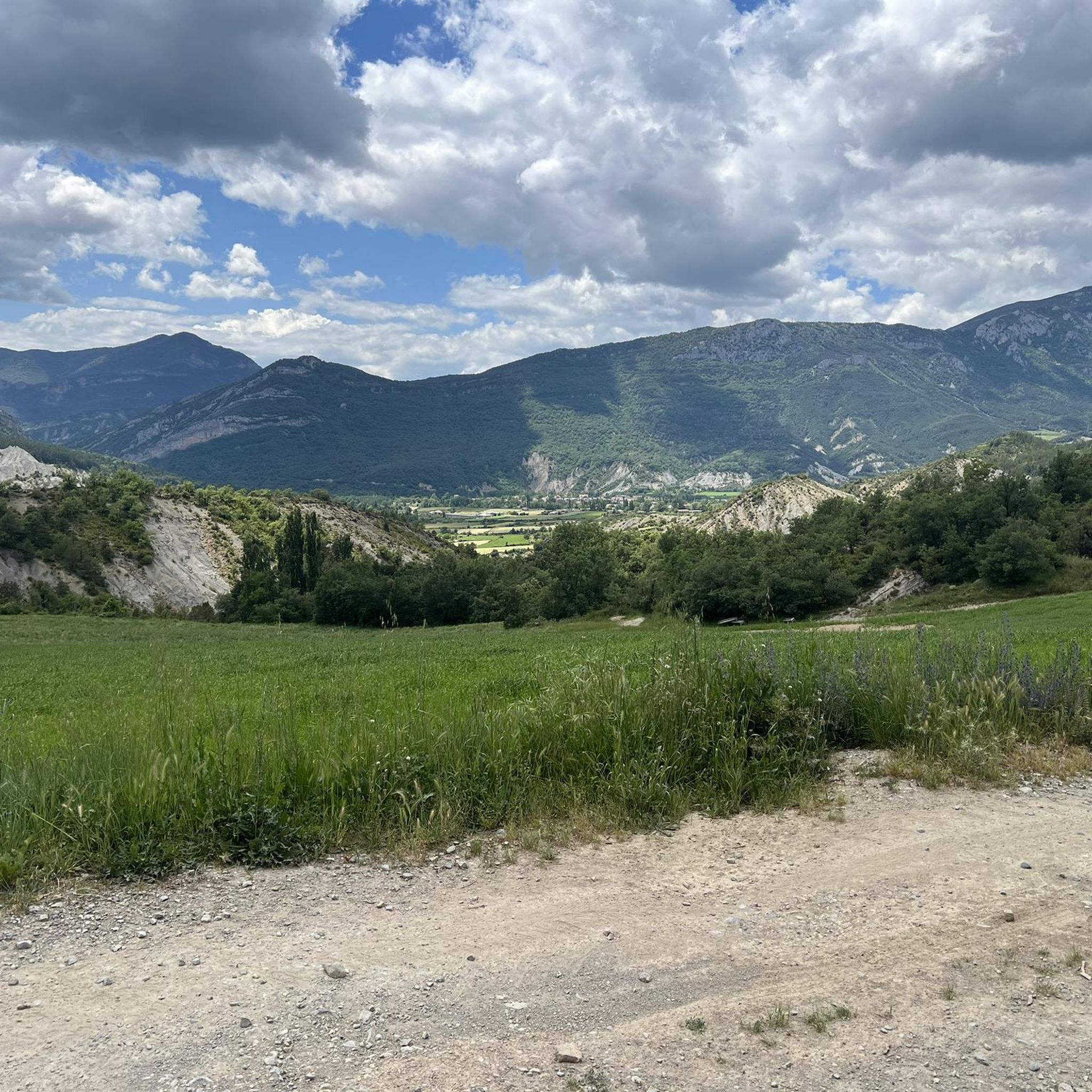
The port of Bonansa is located at an altitude of 1,380 meters, in an open area from which you can see the panorama of the surrounding mountains. The climb is demanding, but worth it.
1
0

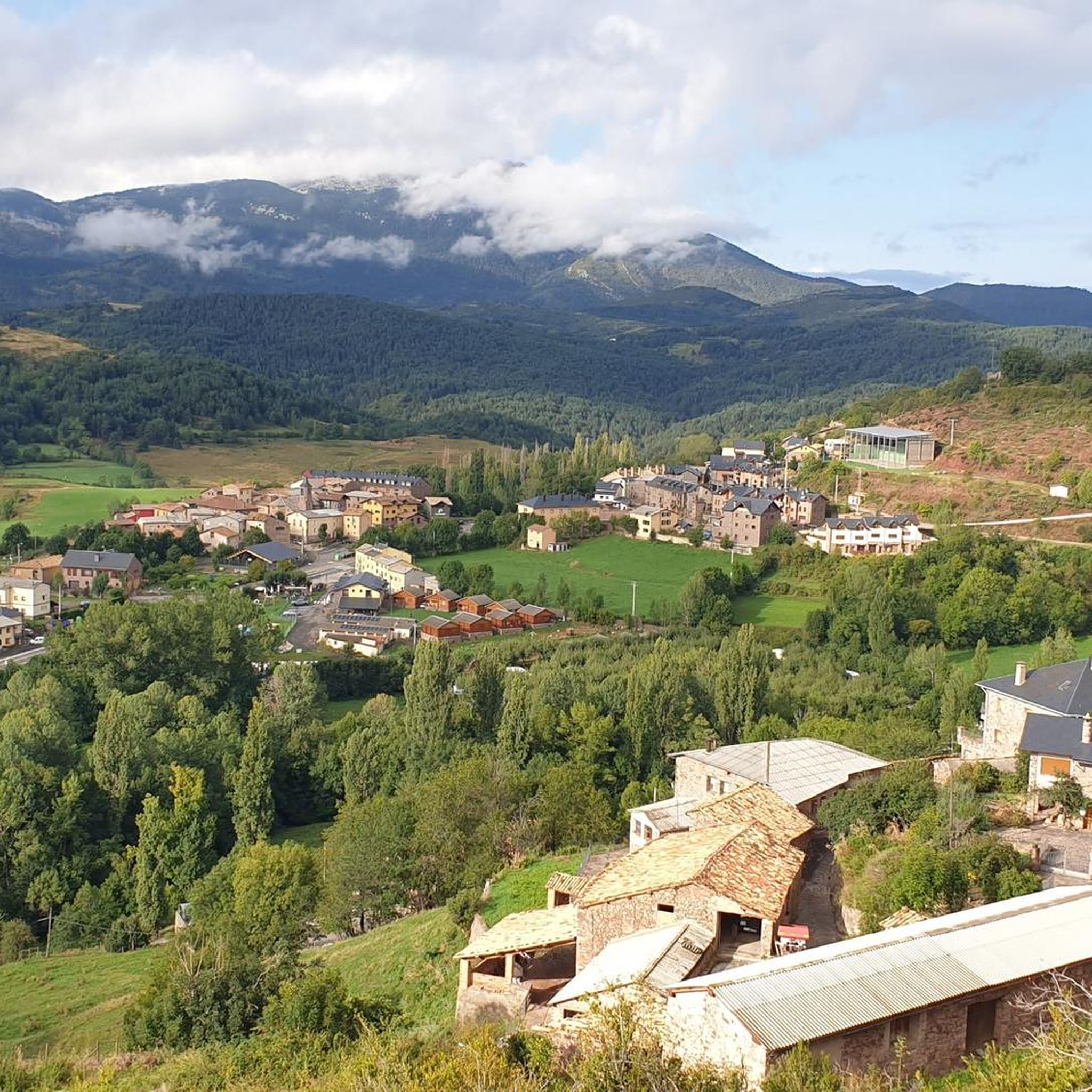
Castejón de Sos is a fairly large Ribagorza municipality, compared to the small population centers that exist in the surroundings. It has hotels, supermarkets, restaurants and a pharmacy. It is very close to the Ventamillo Gorge, an imposing canyon crossed by the Ésera River.
1
0

The port of Bonansa is located at an altitude of 1,380 meters. On one side of the pass is the town of Bonansa, and on the other, an extensive pine forest that marks the beginning of the descent to the Obarra gorge.
0
0
Formigales is a small town belonging to the municipality of La Fueva. It is located in the Campanué mountain range and very close to the Formigales ravine. The town stands out for preserving a large stone mansion, the Palace of the Murs, a turreted house from the 15th century where the Baron de Formigales lived.
0
0

The Aínsa bridge that connects the two parts of the city and that are crossed by the Cinca river, is a space from where you can see Peña Montañesa to the west, and a little further to the east, the summit from Tuca Both are part of the Ferrera mountain range.
0
0
Frequently Asked Questions
What kind of road cycling terrain can I expect in Valle De Bardají?
Valle De Bardají offers a diverse road cycling experience, characterized by mountain valleys, challenging climbs, and scenic rural roads. You'll find varied terrain, including significant ascents to high points like Coll de Fadas and routes that traverse areas such as the Valle de Benasque.
How many road cycling routes are available in Valle De Bardají?
There are over 15 road cycling routes documented in Valle De Bardají, catering to various skill levels from moderate loops to difficult ascents.
Are there any easy road cycling routes for beginners in Valle De Bardají?
While Valle De Bardají is known for its challenging terrain, there is at least one easy road cycling route available. The majority of routes are moderate to difficult, so beginners should look for routes specifically marked as easy or moderate with lower elevation gains.
What are some challenging road bike climbs in the region?
Valle De Bardají features several challenging climbs. Routes like the Castejón de Sos - Coll de Fadas - Bisaurri Loop include significant mountain passes, and the Valle de Benasque – integral of Castejón de Sos to Llanos del Hospital offers over 1,100 meters of elevation gain.
Are there circular road cycling routes in Valle De Bardají?
Yes, there are several circular road cycling routes. A popular moderate option is the Camino del Solano – circular from Castejón de Sos, which provides a balanced ride through the local area. Another is the Castejón de Sos - Coll de Fadas - Bisaurri Loop.
What can I see along the road cycling routes in Valle De Bardají?
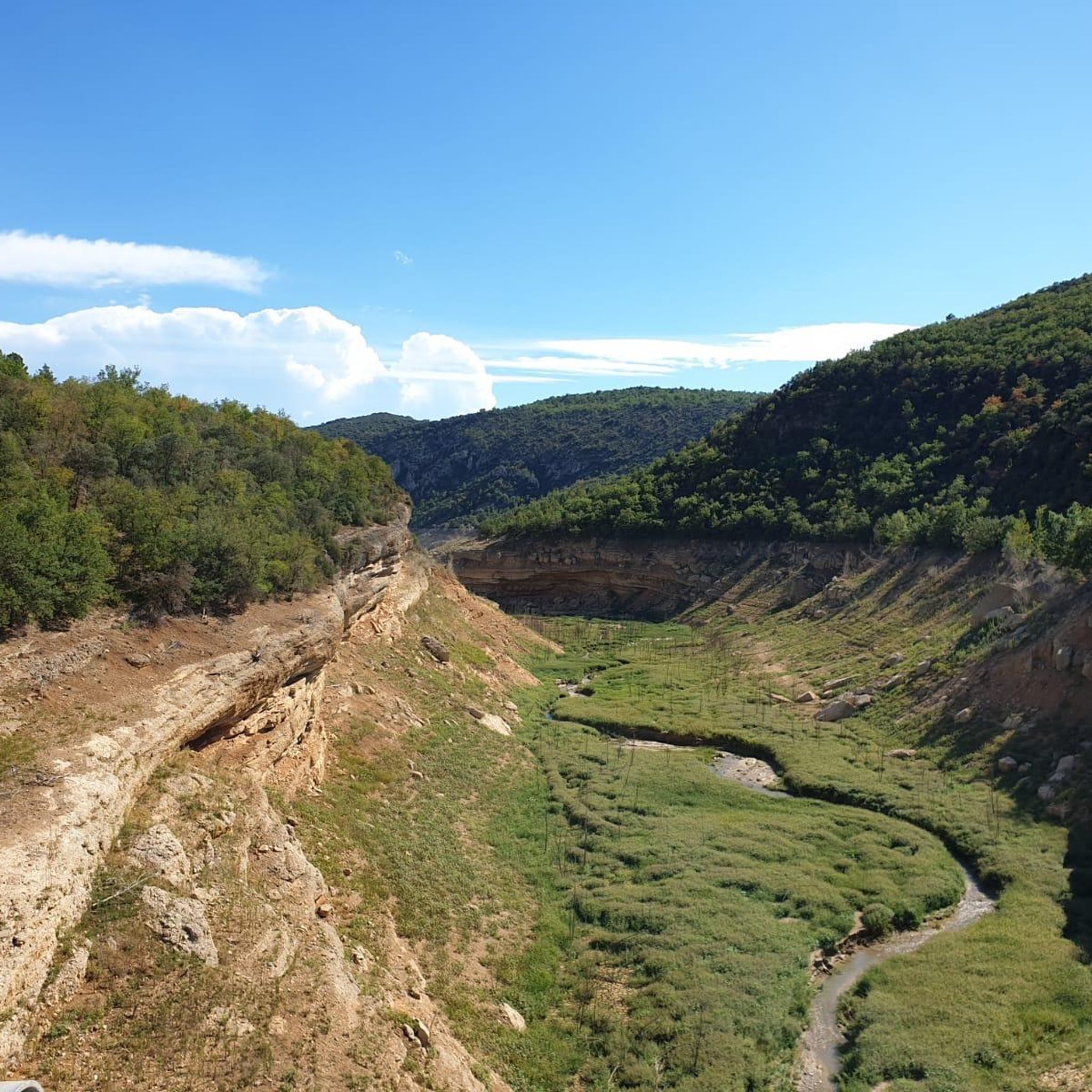
Many routes offer scenic viewpoints and pass by natural attractions. You might encounter impressive geological formations like the Obarra Gorge or the Congosto de Ventamillo. Some routes also lead past natural monuments such as Peñaladona or the Giant's Bed, and even waterfalls like the Waterfall of the Barranco de Liri.
What do other road cyclists think about the routes in Valle De Bardají?
The road cycling routes in Valle De Bardají are highly regarded by the komoot community, with an average score of 4.6 stars from over 8 reviews. Cyclists often praise the challenging climbs, stunning mountain scenery, and the variety of terrain.
Are there any long-distance road cycling options in Valle De Bardají?
For those seeking longer rides, routes like the Panillo Climb – Troncedo Castle and Village loop from Campo cover approximately 78 kilometers with significant elevation gain, offering an extended challenge through the region.
What is the best time of year for road cycling in Valle De Bardají?
Given its mountainous character, the best time for road cycling in Valle De Bardají is typically from late spring through early autumn (May to October). During these months, the weather is generally more stable, and mountain passes are clear of snow, offering optimal conditions for exploring the region's challenging routes.
Are there any routes that connect villages or historic centers?
Yes, many routes are designed to connect local villages and points of interest. For example, the Castejón de Sos – Historic Center of Benasque loop from Castejón de Sos allows you to explore the historic center of Benasque while enjoying a scenic ride.
What are the typical elevation gains on road cycling routes in Valle De Bardají?
Road cycling in Valle De Bardají often involves significant elevation gains due to the mountainous terrain. Moderate routes can see climbs of around 600-800 meters, while difficult routes frequently feature over 1,000 meters of ascent, with some exceeding 1,400 meters on longer rides.
Most popular attractions around Valle De Bardají

Get inspired with the komoot mobile app


Explore more
Browse the best Road cycling routes in other regions.
