Top 20 Natural Monuments around Sopley
Best natural monuments around Sopley are situated within the New Forest National Park, offering a variety of natural attractions. The area features diverse landscapes, including heathland, woodlands, and river systems. These natural features provide opportunities for exploring varied ecosystems and observing local wildlife. Sopley serves as a starting point for discovering the broader natural environment of the New Forest.
Best natural monuments around Sopley
- The most popular natural monuments is Hengistbury Head, an other natural site designated as a…
Last updated: November 13, 2026
Bolderwood Deer Sanctuary
Highlight • Forest
Tip by

Hengistbury Head Visitor Centre
Highlight • Natural Monument
Tip by

Sign up now to discover places like this
Get recommendations on the best single tracks, peaks, & plenty of other exciting outdoor places.
The Site of 'The Naked Man'
Highlight • Historical Site
Tip by

Mudeford Sandspit Lagoon and Holloway's Dock
Highlight • Natural Monument
Tip by

Shagbark Hickory (Carya Ovata) Planting Site
Highlight • Natural Monument
Tip by
Sign up for free to discover even more natural monuments around Sopley.
Already have an account?
Start today with a free account
Your next adventure awaits.
Tips from the Community


Phantom Apparitions Though the original oak tree eventually rotted away and fell, the site remains a hotbed for paranormal encounters: The Spectral Smuggler: Drivers on the nearby road report seeing a pale, shivering figure standing by the roadside in the dead of night, vanishing into thin air when headlights hit him. The Shadow Coven: Walkers lingering at dusk describe hearing rhythmic, disembodied chanting drifting on the wind, accompanied by the fleeting sight of hooded shadows moving between the heather. The Phantom Rider: A spectral highwayman on horseback is said to patrol the crossroads, forever guarding the approaches to the old gallows tree.
0
0
Operation Cone of Power (1940) Fast forward to Lammas Eve in August 1940: Britain stood alone against the threat of Nazi invasion. According to occult lore, Gerald Gardner (the father of modern Wicca) gathered the New Forest Coven near the Naked Man tree. Under the cover of night, Gardner and seventeen witches performed a dramatic ritual known as Operation Cone of Power: They danced skyclad (naked) around a ceremonial fire. They focused their collective magical energy across the English Channel toward Berlin. They projected a mental barrier into Hitler's mind, chanting: "You cannot cross the sea, you cannot come, you cannot come." Local legend holds that the intense psychic strain of the ritual was so severe that several elderly witches in the coven fell ill and died shortly afterward, believing their life force had successfully repelled the invasion.
0
0
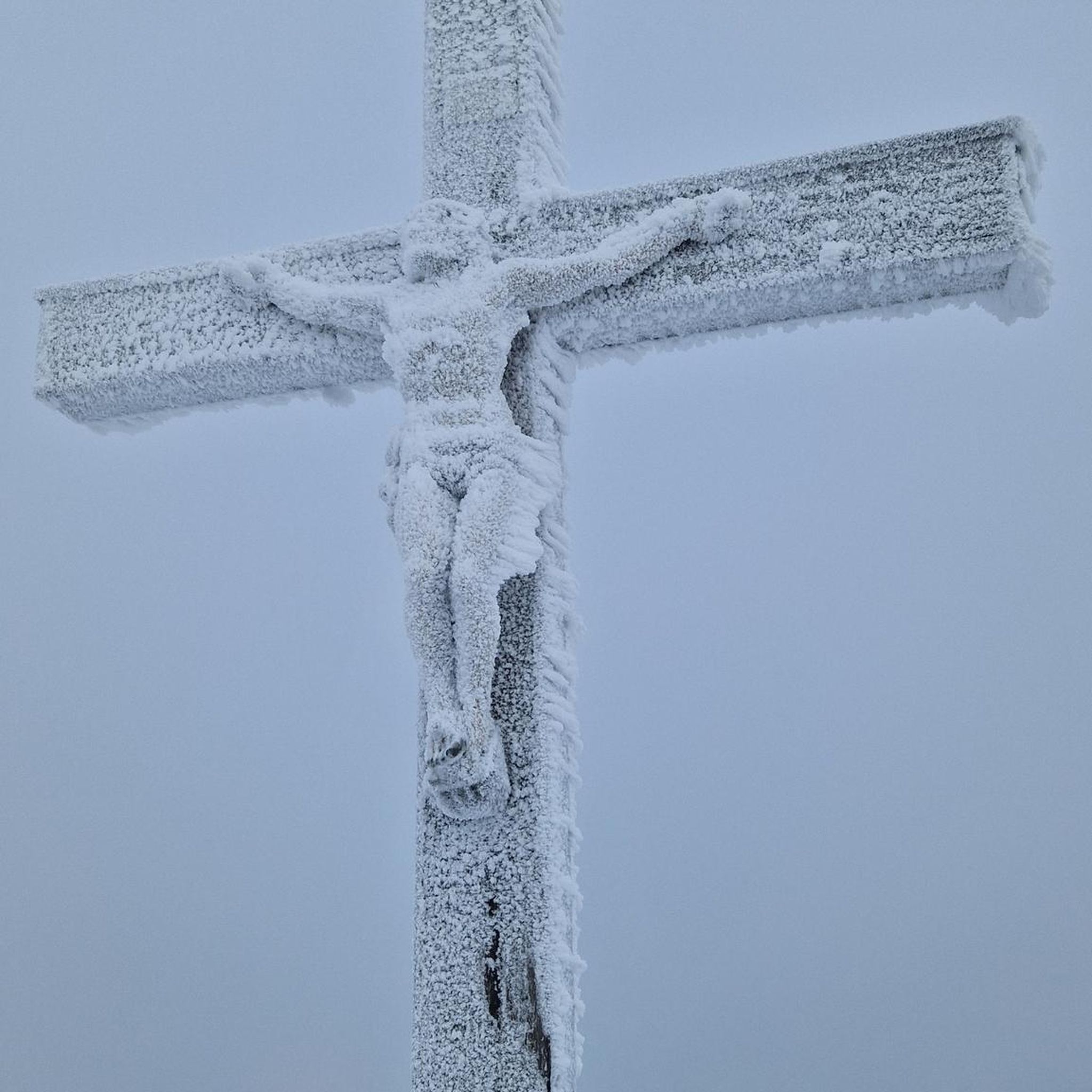
Standing at a windswept crossroads near Wilverley, the site known as The Naked Man carries one of the dark, multi-layered folklore traditions in the New Forest. Its history spans brutal medieval justice, wartime occult rituals, and modern ghost sightings. The Smugglers & The Gallows Tree In local legend, the spot gets its eerie name from an ancient oak that once served as a forest gallows. During the height of 18th-century smuggling along the Hampshire coast, highwaymen and captured Free Traders were dragged to this lonely ridge. As a grim warning to other lawbreakers, convicted smugglers were stripped entirely naked, bound in iron cages or gibbets, and left suspended from the oak's sturdy boughs to die of exposure. The brutal practice earned the tree its haunting moniker—The Naked Man.
0
0
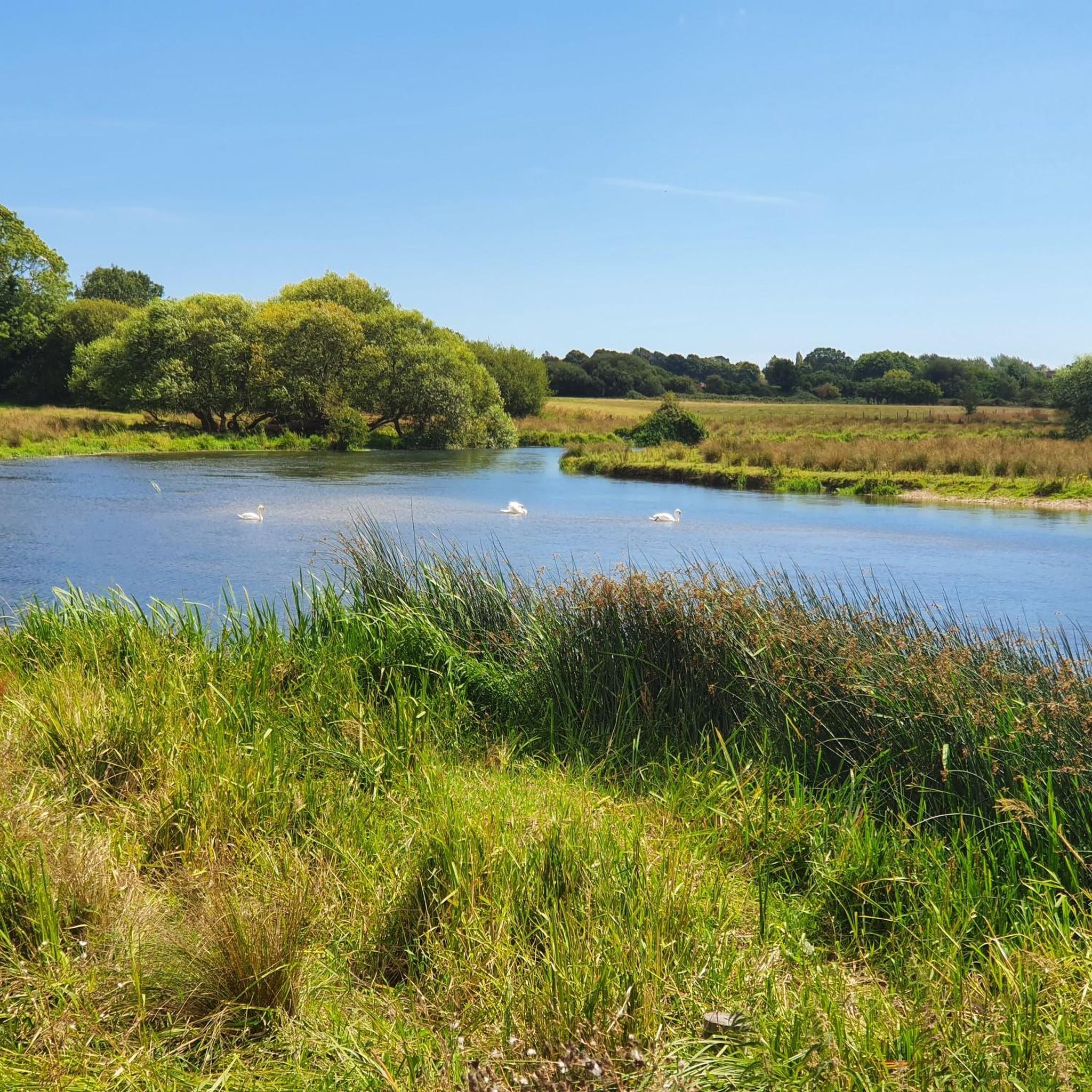
Hengistbury Head is a dramatic headland located in Dorset, England, jutting into the English Channel between Bournemouth and Mudeford. It's a place of international importance due to its rich archaeology, diverse wildlife, and unique geology. Declared a Local Nature Reserve in 1990, it forms part of the Christchurch Harbour Site of Special Scientific Interest (SSSI). It also holds various other designations like Special Area of Conservation and Special Protection Area, highlighting its importance for wildlife.
0
0

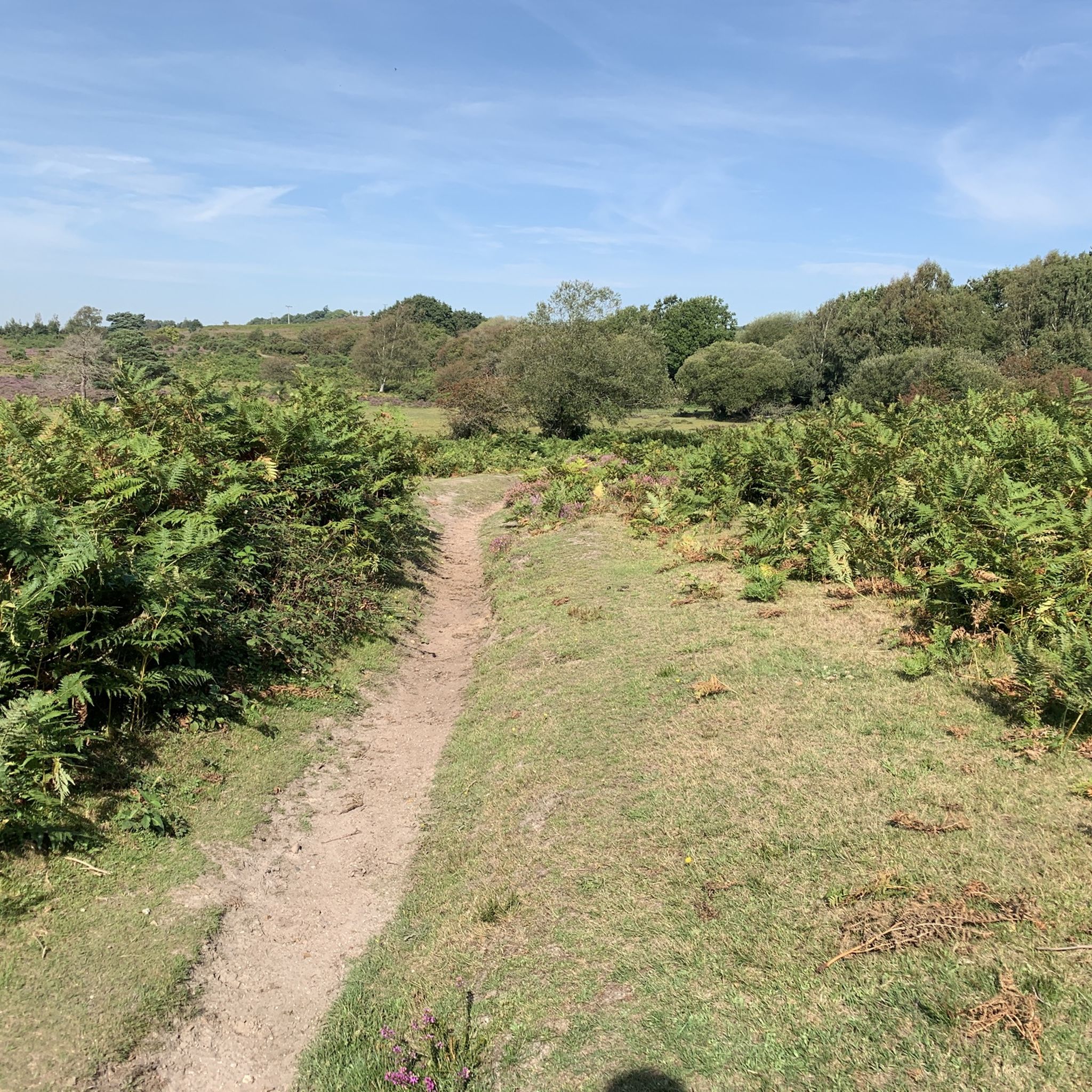
Bolderwood in the New Forest has seen the planting of new trees in recent years, after many were lost in storms in 1987 and 1991. More trees are planned to be planted in the future. Here are some of the trees to see at Bolderwood: Knightwood Oak The largest oak in the New Forest, this tree is thought to be over 500 years old and has a girth of 7.38 meters. It's a great place for a picnic and is an example of pollarding, an ancient technique for harvesting wood without killing the tree. Douglas fir trees Some of the oldest Douglas fir trees in the New Forest are located at Bolderwood, with some dating back to 1860. Sweet chestnut, oak, and beech trees These trees can be found on the Radnor Trail, which passes through them from the 1860s. Norway spruce trees These trees are located in a moist valley bottom and thrive in the area. some trees are dated when planted. 2016 Carya Ovata have been planted. Which are North American Shagbark Hickory
1
0
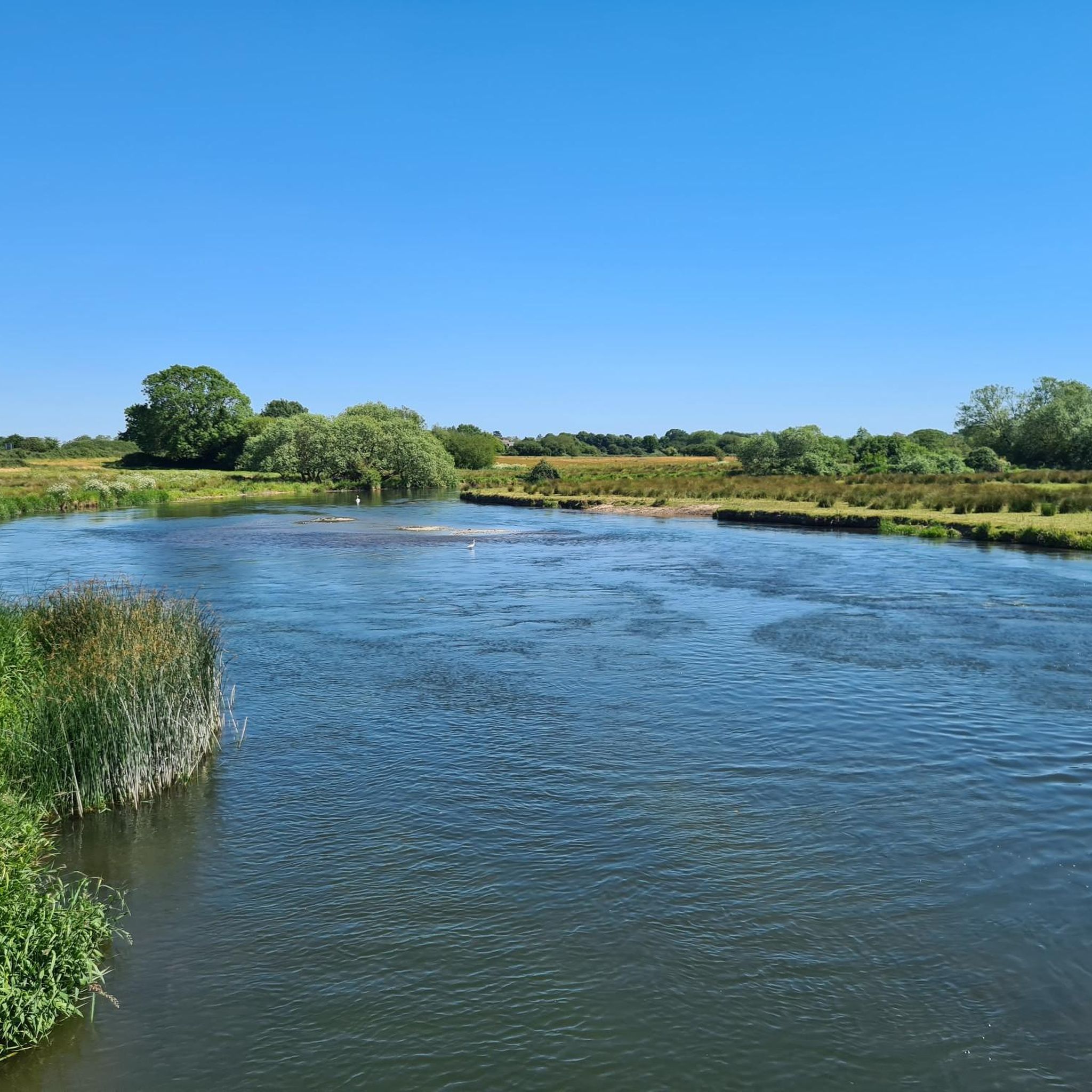
there is a purpose built platform which overlooks a large meadow. The platform is just a short walk from the car park. This is a great place if you're looking to get some great photo opportunities of the natural surroundings of the New Forest as well as the wildlife that surrounds the area. There is also information panels giving you more information about the deer found in the New Forest.
0
0
Frequently Asked Questions
What unique natural features can I explore around Sopley?
Sopley is nestled within the New Forest National Park, offering diverse natural features. You can explore the internationally important Hengistbury Head, a Site of Special Scientific Interest known for its varied ecosystems, ancient history, and views towards the Isle of Wight. Additionally, the area features the tranquil River Avon and Sopley Brook, and the extensive Sopley Common with its wet and dry heathland, bog pools, and woodland.
Are there family-friendly natural monuments to visit near Sopley?
Yes, several natural monuments around Sopley are ideal for families. Bolderwood Deer Sanctuary is a great choice, offering leisurely trails and a purpose-built platform for observing free-roaming deer and ponies. Blackwater Arboretum also provides well-maintained paths suitable for leisurely walks among a collection of trees from around the world, complete with wooden sculptures.
Where can I observe wildlife near Sopley's natural monuments?
For wildlife observation, Bolderwood Deer Sanctuary is excellent, where you can see deer and ponies roaming freely, often from a dedicated viewing platform. Sopley Common is also renowned for its diverse and rare wildlife, including sand lizards, smooth snakes, various beetles, and bird species like the Dartford warbler. Dragonflies are often seen around its bog pools.
What kind of walking and hiking trails are available near Sopley's natural monuments?
The area around Sopley offers a variety of walking and hiking trails. Sopley Common features sandy tracks, moderate slopes, and boardwalks suitable for walks. For more structured routes, you can find numerous options in the New Forest. For example, the 'Whitten Pond – Pond loop from Cross Ways' is an easy 5 km hike, while the 'River Avon Water Meadows – The Woolpack, Sopley loop' offers a more challenging 26 km experience. You can find more details on these and other routes in the Hiking around Sopley guide.
Can I go cycling near the natural monuments in Sopley?
Yes, Sopley is a great starting point for cycling. The New Forest offers varied terrain for both road cycling and gravel biking. You can explore routes like the 'Sandbanks Ferry loop from Christchurch' for an easy road cycling experience or try the 'Holmsley Passage – Castleman's Corkscrew Trailway loop from Burley' for a moderate gravel biking adventure. Discover more cycling options in the Gravel biking around Sopley guide and the Road Cycling Routes around Sopley guide.
What historical significance do the natural monuments around Sopley hold?
Hengistbury Head is particularly rich in history, with evidence of Stone Age activity and human presence from almost every era since. It's not just a natural wonder but also a significant historical site, making it a fascinating place for those interested in the past.
What is the best time of year to visit Sopley's natural areas?
The natural areas around Sopley, particularly within the New Forest National Park, offer different experiences throughout the year. Spring and summer are ideal for observing diverse wildlife and enjoying the vibrant heathland and bog pools. Autumn brings beautiful seasonal changes to the woodlands, while winter offers tranquil, crisp walks. The presence of free-roaming New Forest ponies makes any time of year special.
Are there any coastal or beach natural monuments near Sopley?
Yes, Hengistbury Head features a wonderful sandy beach with far-reaching views towards the Isle of Wight. Adjacent to it is Mudeford Sandspit Lagoon and Holloway's Dock, a unique sand spit forming a natural barrier between Christchurch Harbour and the open sea, also designated a Site of Nature Conservation Interest.
What facilities are available at natural monuments like Mudeford Sandspit?
At Mudeford Sandspit, you'll find five public toilet blocks, one with hot showers, and additional outside cold showers. Access is possible by foot, bike, land train from Hengistbury Head car park, or by passenger ferry from Mudeford Quay and Christchurch Quay. Note that BBQs and open fires are not permitted due to the proximity to sensitive habitats.
What do visitors enjoy most about the natural monuments around Sopley?
Visitors frequently highlight the stunning landscapes, diverse ecosystems, and the chance to observe rare wildlife. The varied paths, particularly in Sopley Common, cater to different fitness levels, making these natural wonders enjoyable for a wide range of visitors. The picturesque scenery, leisurely trails, and the opportunity to see free-roaming animals like deer and ponies are often mentioned as favorites.
Are there any specific trees or arboretums to visit?
Yes, Blackwater Arboretum is a notable natural monument housing a nationally important collection of trees from around the world. Within the arboretum, you can find striking trees like the Western Red Cedar, known for its curious shape and impressive size.
Is there parking available for visiting these natural monuments?
Parking is generally available at popular sites. For instance, Blackwater Arboretum has a nearby car park, though it can get busy. It's often advisable to check specific location details for parking availability and potential fees before your visit.
Most popular routes around Sopley
Most popular attractions around Sopley

Get inspired with the komoot mobile app


Explore more
Extend your search for the best caves by checking out these guides of the top ones around Sopley:
