The best road cycling routes around Sopley
4.4
(559)
15,684
riders
340
rides
Road cycling around Sopley offers access to a network of routes blending tranquil countryside with diverse natural features. The region is situated near the New Forest National Park, characterized by heathlands, woodlands, and picturesque villages. The River Avon flows through Sopley, contributing to scenic water meadows. This area provides varied terrain suitable for different road cycling preferences.
Best road cycling routes around Sopley
- The most popular road cycling route is Sandbanks Ferry – Sandbanks Ferry loop from Christchurch, an…
Last updated: November 18, 2026
4.8
(8)
257
riders
48.0km
01:59
290m
290m
Easy road ride. Mostly well-paved surfaces and easy to ride.
5.0
(4)
51
riders
28.3km
01:09
120m
120m
Easy road ride. Mostly well-paved surfaces and easy to ride.

5.0
(3)
22
riders
Moderate road ride. Some segments of this route may be unpaved and difficult to ride.
4.0
(1)
13
riders
66.4km
03:31
440m
440m
Moderate road ride. Good fitness required. Some segments of this route may be unpaved and difficult to ride.
9
riders
13.6km
00:38
80m
80m
Easy road ride. Mostly well-paved surfaces and easy to ride.
Get access to more routes and recommendations from other explorers.
Already have an account?
Our route recommendations are based on thousands of hikes, rides, and runs completed by other people on komoot.
Start today with a free account
Your next adventure awaits.

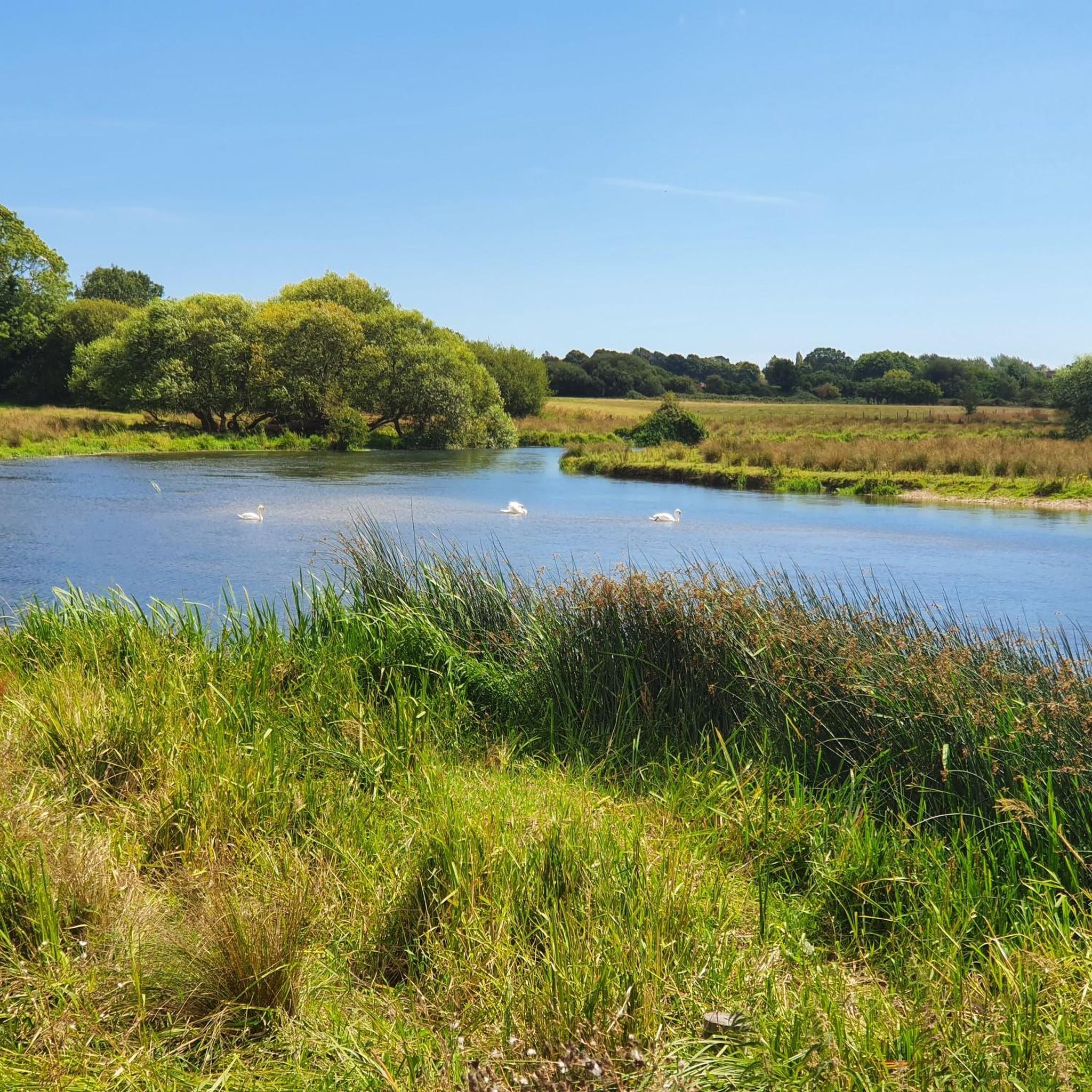
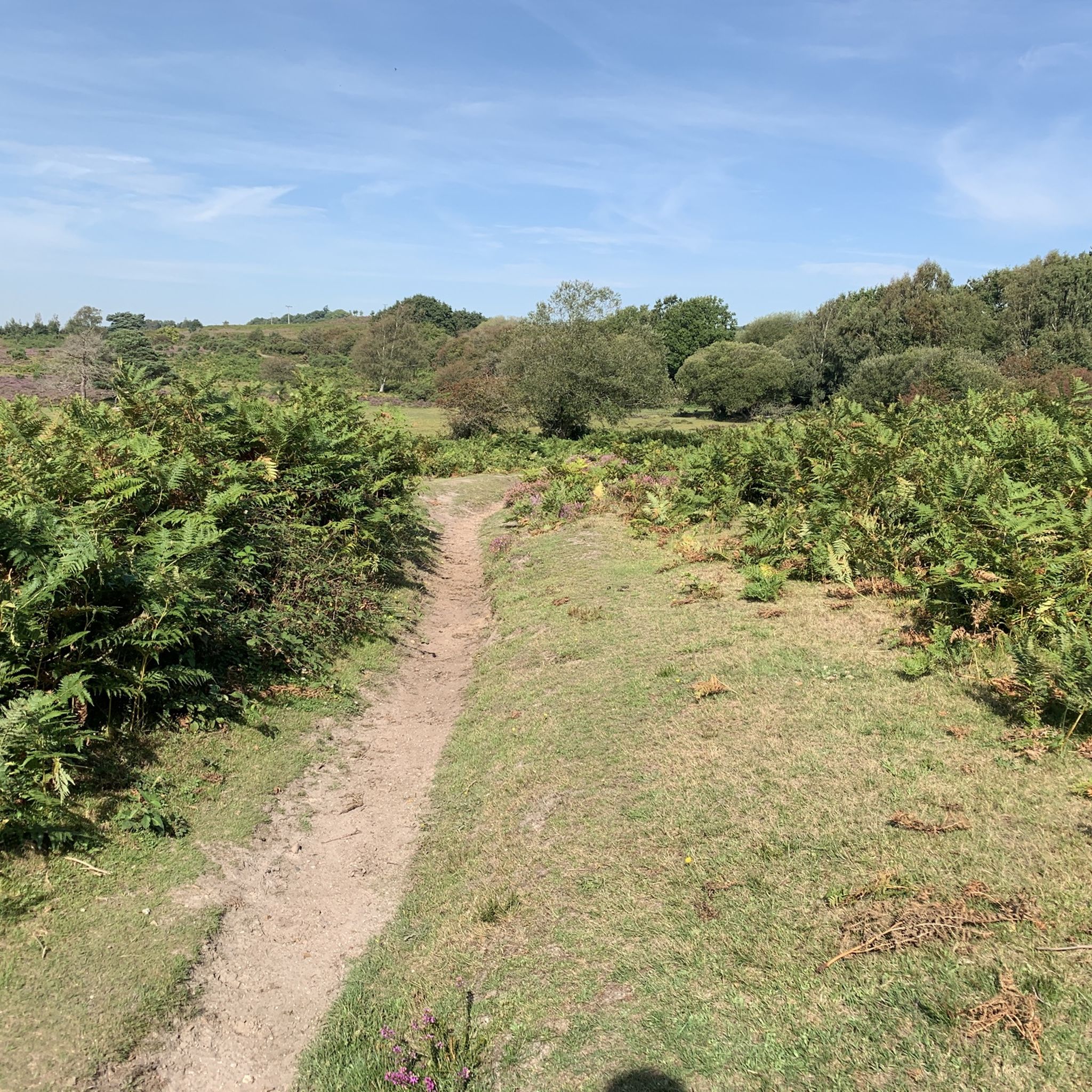
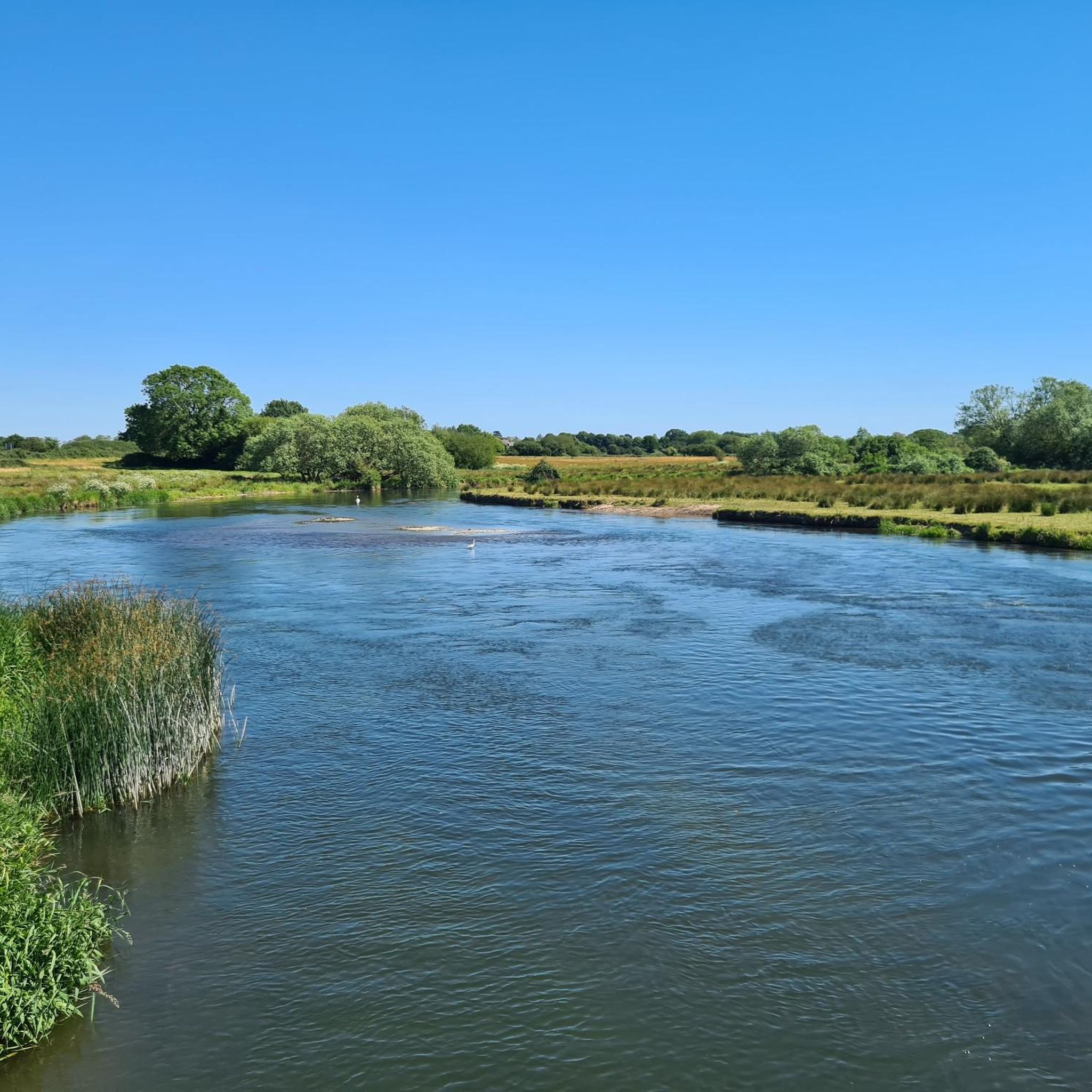
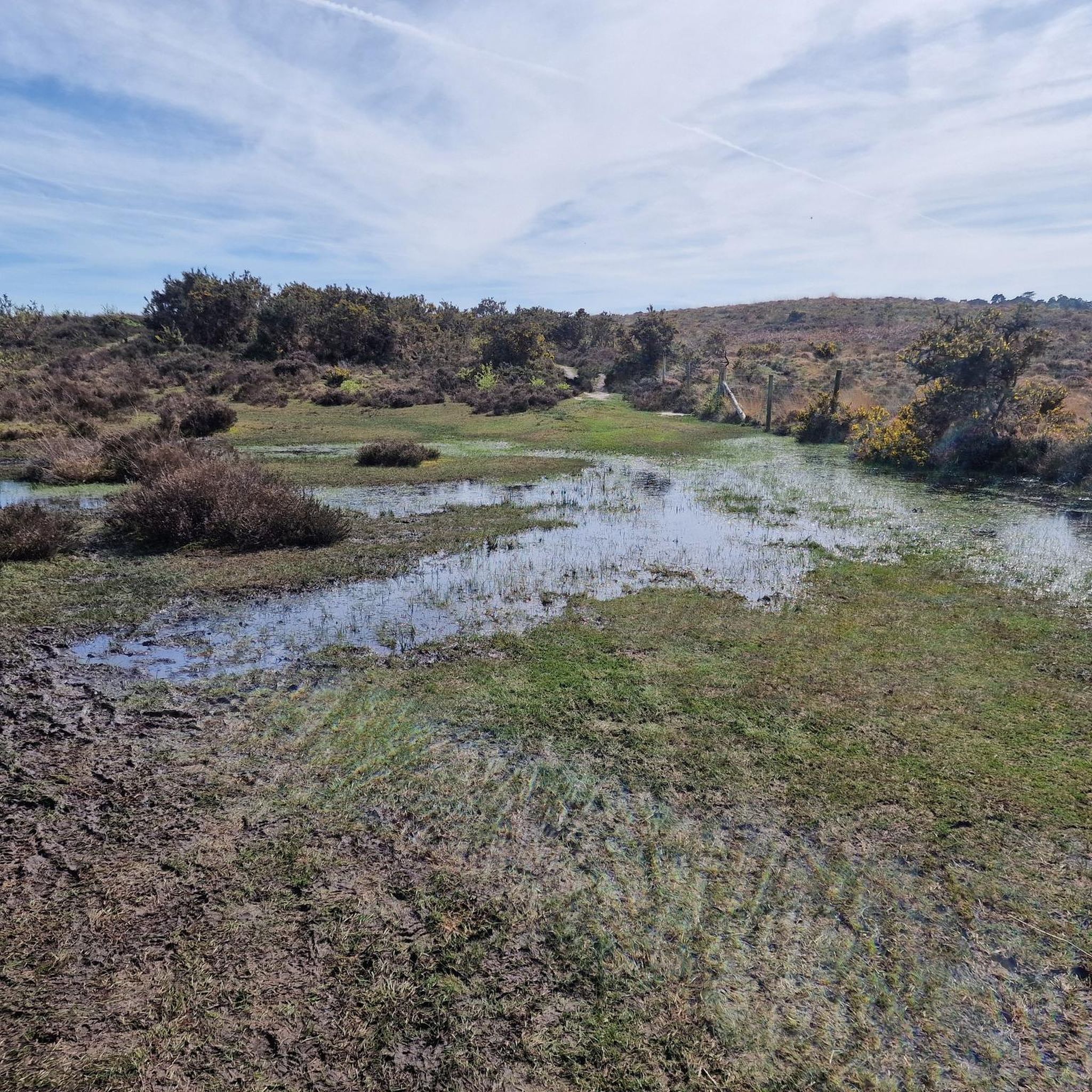
Tips from the Community

Mudeford Sandbank is a sandy spit lined with famous colorful beach huts. Bordering Christchurch Harbour and the Solent, it offers calm waters, fine sand, and stunning views toward the Isle of Wight and Hengistbury Head.
0
0

The footpath from behind the land train stop is currently closed. Instead, follow the road back to the visitor centre.
0
0

Coming down this road (east to west), is stunning.
0
0
Burley is the New Forest’s ultimate hotspot for all things mystical and wild! Famed for its real-life 1950s "white witch" Sybil Leek, this charming Hampshire village is packed with witch shops, magic potions, and free-roaming ponies. Grab a local cider, dodge a wild donkey, and soak up the enchanting vibes!
0
0
Despite being dug up by bored Victorians, stepped on by New Forest ponies for centuries, and nearly absorbed by the surrounding shrubbery, the mound is still officially protected by law. The outer 3-metre ditch has mostly filled in with centuries of rotting leaves and grass, but it still shows up as a dark ring on modern aerial cropmark photography, proving that nature never truly lets you hide your prehistoric home-improvement projects.
0
0
To the untrained modern eye, this "ancient burial bowl" doesn’t look like a majestic final resting place for a legendary prehistoric chieftain. It looks like a 1-metre-high lump of grass that a municipal lawnmower would aggressively try to avoid. Around 3,500 to 4,000 years ago, the local New Forest Bronze Age community decided that when an important VIP passed away, digging a standard hole simply lacked flair. Instead, they opted for the "Bowl Barrow" design—which is archaeology-speak for an inverted cereal bowl made entirely of dirt, gravel, and rubble.The Thorney Hill barrow is roughly 11 metres in diameter. The entire community spent days digging a massive 3-metre-wide circular ditch, piling all that loose earth into the center to create a giant "Look at me!" hillock. It was the ultimate prehistoric neighborhood flex, designed to ensure that absolutely everyone traveling across the Forest knew exactly where the local bigwig was buried. If you walk up to it today, you will notice a suspicious, sad little dip right in the dead center of the mound.That crater is the calling card of enthusiastic 19th-century amateur antiquarians—which is a polite historical term for Victorian gentlemen who got bored on weekends, grabbed shovels, and went hunting for "pagan gold". Unfortunately for those Victorian treasure hunters (but luckily for science), the intensely acidic soil of the New Forest is notoriously brutal. It eats organic matter for breakfast. Any grand wooden coffins, fancy clothes, or skeletons dissolved into nothingness millennia ago, leaving the tomb-raiders with nothing but a giant pile of damp Hampshire mud.
0
0

Lovely road down towards Brockenhurst but was quite a bit of traffic on the summer midweek I rode it. Tarmac pretty good. Cattle grids as to be expected to rattle the fillings loose.
0
0

Another great lane to ride in the New Forest. It may be flat in the forest but if the wind is in your face, things can get tough.
0
0
Frequently Asked Questions
How many road cycling routes are available around Sopley?
There are over 350 road cycling routes available around Sopley, catering to various skill levels. This includes more than 140 easy routes and nearly 190 moderate routes, with a smaller selection of challenging options for experienced cyclists.
What kind of terrain can I expect when road cycling near Sopley?
Road cycling near Sopley offers a diverse landscape, primarily characterized by the New Forest's heathlands and ancient woodlands. You'll also find routes along the tranquil River Avon water meadows. The terrain generally features low elevations, making many routes accessible, often utilizing paved surfaces and quiet village lanes.
Are there road cycling routes suitable for beginners or families in Sopley?
Yes, Sopley is well-suited for beginners and families, with over 140 easy road cycling routes. Many routes utilize disused railway lines and quiet country roads, providing a safe and enjoyable experience. An example of an easy route is the Matchams Lane Forest Trail – Hurn Court Lane loop from Christchurch, which is 28.3 km long.
Can I find longer road cycling routes for more experienced cyclists?
Absolutely. For more experienced cyclists looking for longer distances and moderate challenges, Sopley offers nearly 190 moderate routes and 20 difficult routes. A popular moderate option is the Burley Village – Bolderwood Deer Sanctuary loop from Cross Ways, which covers 66.4 km and takes you through the New Forest National Park.
Are there any circular road cycling routes around Sopley?
Yes, many of the road cycling routes around Sopley are designed as circular loops, allowing you to start and finish at the same point. Examples include the popular Sandbanks Ferry – Sandbanks Ferry loop from Christchurch and the Braggers Lane – New Forest Airfields Memorial loop from Bransgore.
What natural features or landmarks can I see along the road cycling routes?
Along the road cycling routes, you can encounter a mix of natural beauty and historical landmarks. You might pass through the New Forest's heathlands and woodlands, or cycle alongside the scenic River Avon. Notable points of interest include historic Sopley Mill, St Michael & All Saints Church, and natural features like Whitten Pond. The wider New Forest National Park is also home to free-roaming ponies and cattle.
Are there any specific points of interest for nature lovers?
Nature lovers will appreciate the diverse habitats. The New Forest is known for its internationally important wet and dry heathland and ancient woodlands, rich in flora and fauna. The Avon Valley, which the River Avon flows through, is ecologically significant for its birds. You can also visit Whitten Pond or explore the Blashford Lakes Nature Reserve.
Is parking available for road cyclists in Sopley?
While specific parking facilities directly in Sopley for cyclists are not detailed, many routes originate from nearby towns like Christchurch or Cross Ways, which typically offer public parking options. It's advisable to check local parking availability in these starting locations.
Can I reach the road cycling routes around Sopley using public transport?
Public transport options to Sopley and its surrounding areas are available, though they might require some planning. Local bus services connect Sopley to larger towns like Christchurch and Ringwood, from where many cycling routes begin. Always check current timetables and bike carriage policies with the public transport provider.
What do other road cyclists enjoy the most about road cycling in Sopley?
The road cycling experience around Sopley is highly rated by the komoot community, with an average score of 4.5 stars from over 480 reviews. Cyclists often praise the blend of tranquil countryside, the diverse natural features of the New Forest, and the well-maintained network of routes that cater to all abilities.
What is the best time of year for road cycling in Sopley?
The spring and summer months generally offer the most pleasant conditions for road cycling in Sopley, with warmer weather and longer daylight hours. However, the New Forest's landscapes are beautiful year-round. If cycling near Whitten Pond, be mindful of endangered birds during nesting season from April to August.
Most popular routes around Sopley
Most popular attractions around Sopley

Get inspired with the komoot mobile app


Explore more
Browse the best Road cycling routes in other regions.
