Top 20 Natural Monuments around Aubel
Best natural monuments around Aubel are found in a region characterized by its green and peaceful countryside, including orchards and flowery fields. The area features diverse natural sites, from river valleys to historic parks. These locations offer serene environments and unique ecological features for exploration. The landscape provides a rich natural tapestry for outdoor activities.
Best natural monuments around Aubel
- The most popular natural monuments is Meanders of the Geul, a river that flows quietly through the landscape. It…
Last updated: June 1, 2026
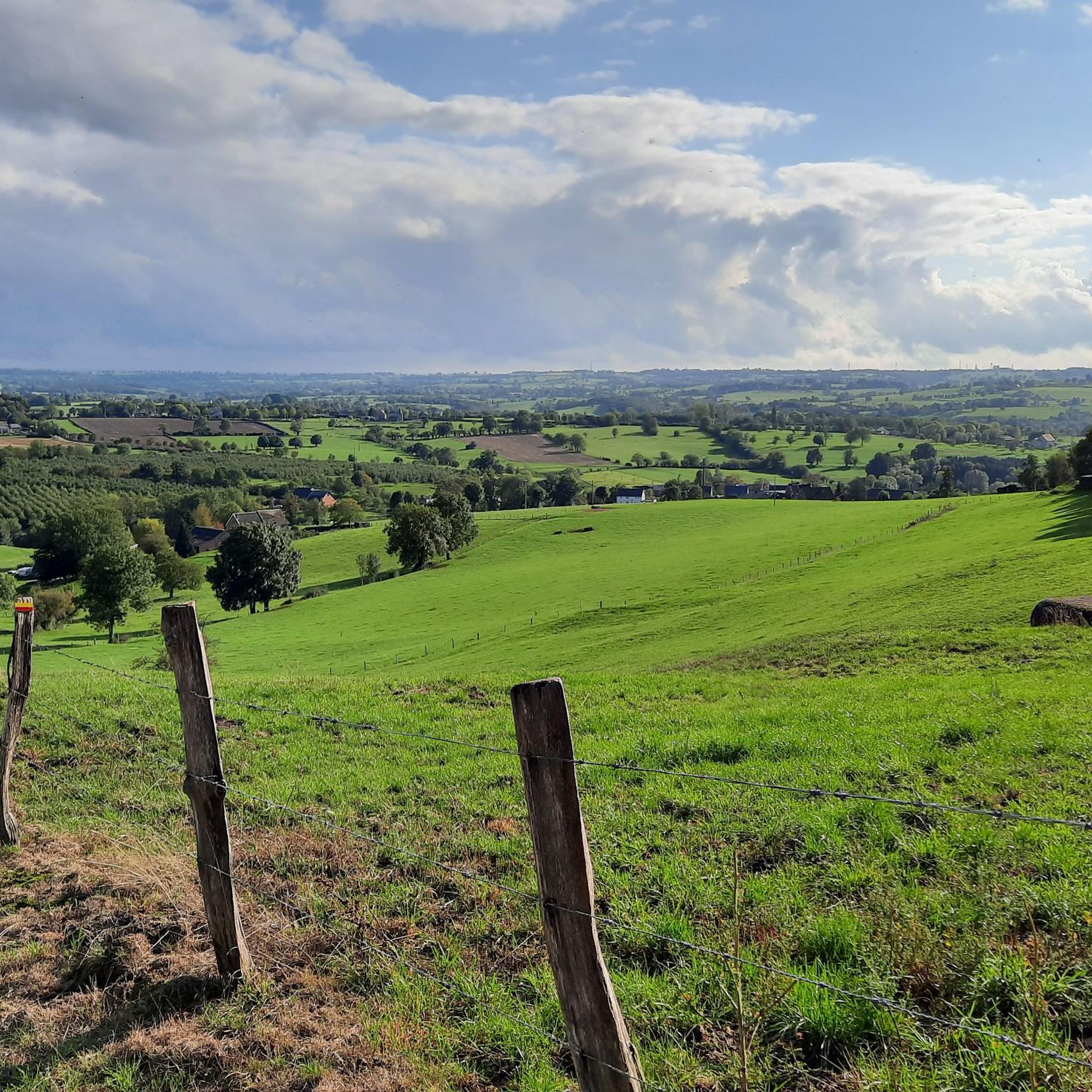
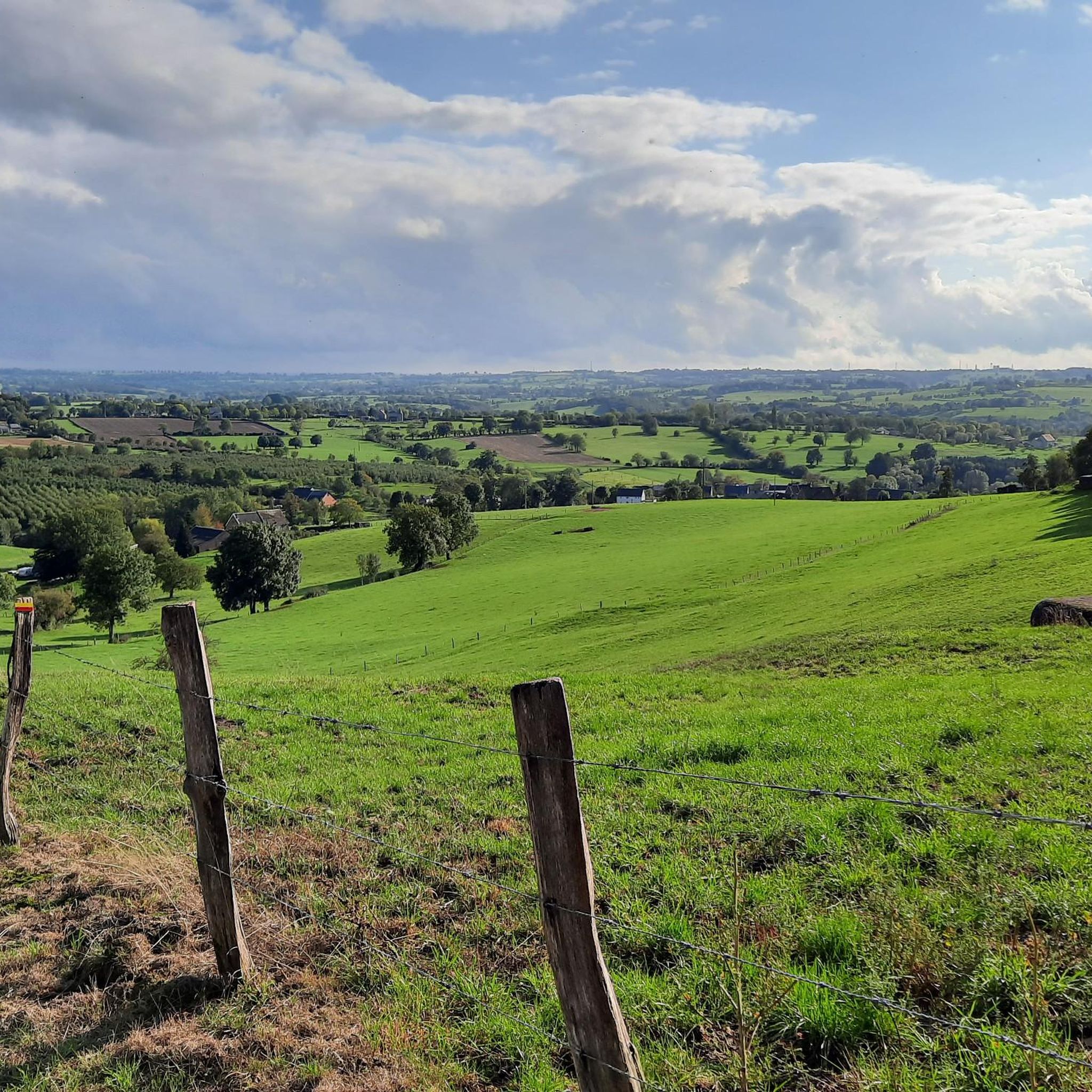
Hohnbach Valley
Highlight (Segment) • River
Meanders of the Geul
Highlight (Segment) • River
Translated by Google •
Tip by

Sign up now to discover places like this
Get recommendations on the best single tracks, peaks, & plenty of other exciting outdoor places.
Sign up for free
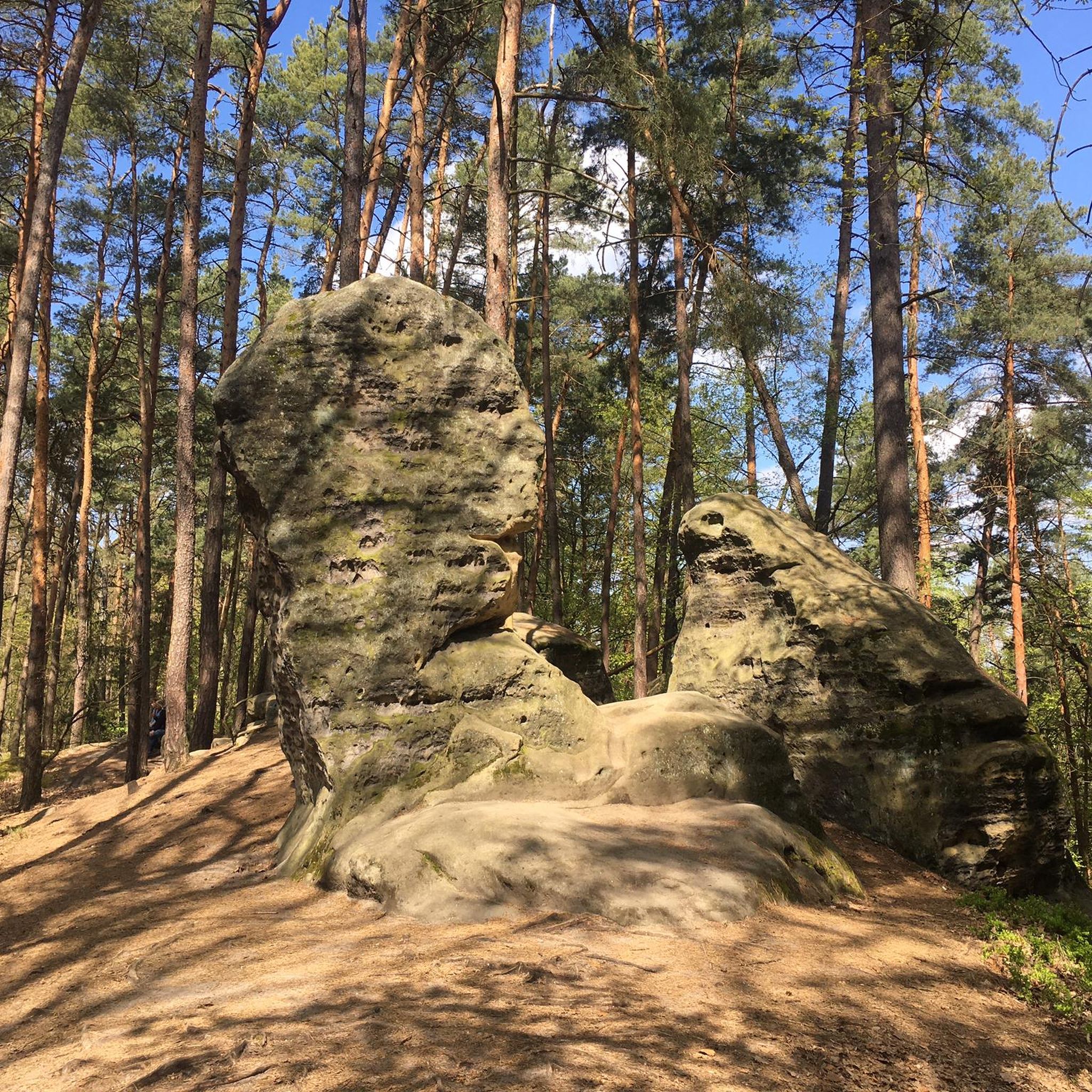
Rocher du Casino Climbing Crag and Rest Area
Highlight • Climb
Translated by Google •
Tip by

Casino Pond
Highlight • Lake
Translated by Google •
Tip by

Mine entrance and Geul sinkhole — Plombières Nature Reserve
Highlight • Cave
Translated by Google •
Tip by

Sign up for free to discover even more natural monuments around Aubel.
Sign up for free
Already have an account?
Start today with a free account
Your next adventure awaits.
Login or Signup

Other adventures around Aubel

Tips from the Community


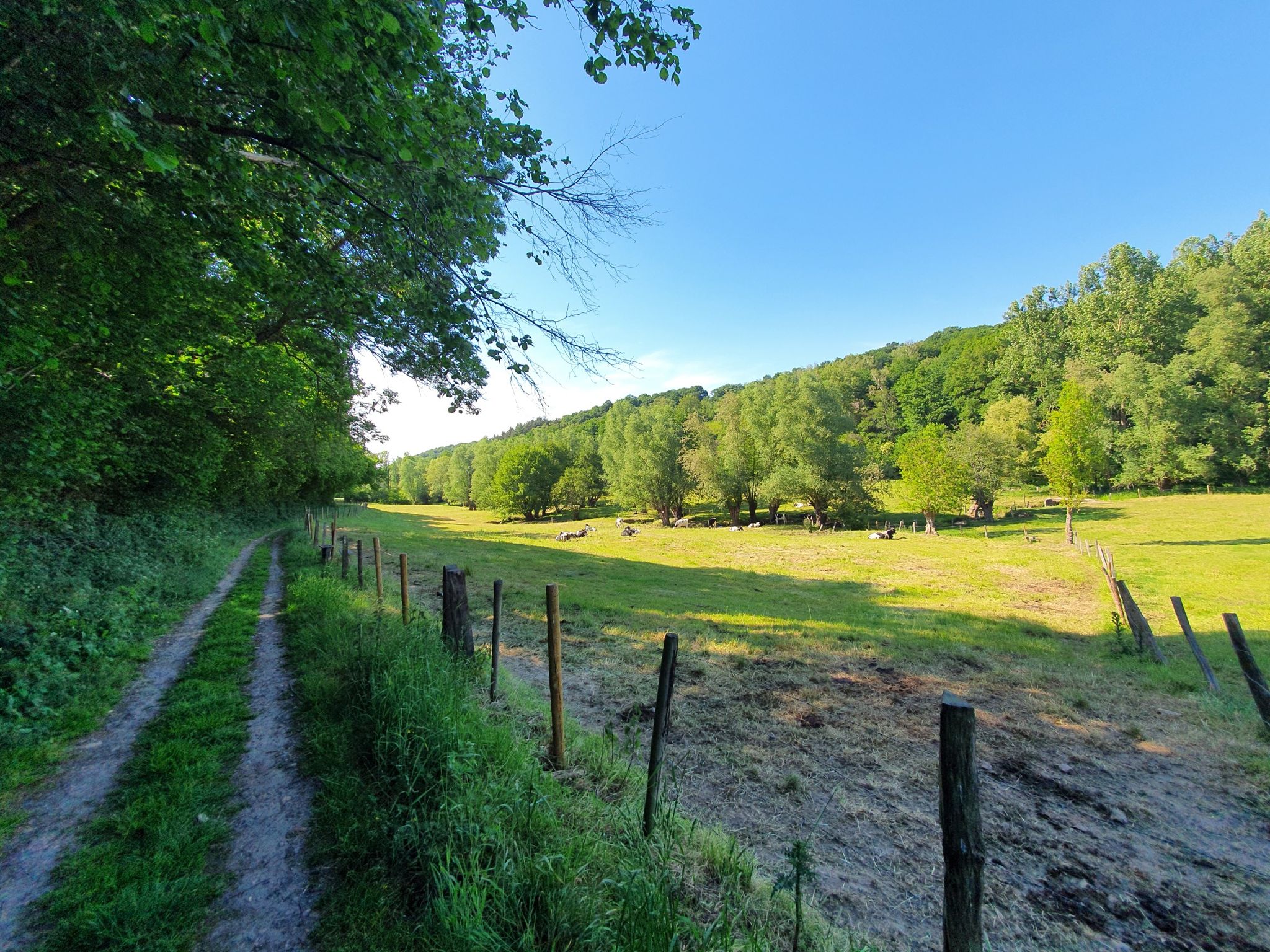
The Geul is an idyllic stream that meanders considerably, or winds through the landscape. Because the Geul flows fast on this part, the water erodes the bank in the outer bends. In the inner bends, the water flows less fast and the sand and mud that has been carried along remains there. In the outer bends, there is a steep bank and in the inner bends a flat bank.
4
0

The site of the former Plombières mine is home to species-rich calcareous grassland meadows, now protected as a nature reserve. The exceptional flora and fauna of this area are due to the heavy metal-rich soils, particularly the presence of zinc in the subsurface. Among the natural meadow relics, visible traces of the former metal industry can still be found: – Walls from former foundry floors – Remains of old smelting furnaces – Stones from former industrial buildings A small stream meandering through the area further enriches the ecological diversity of this special place. The "Gueule" viewpoint, which offers a glimpse into a cave opening, is particularly impressive and worth a visit.
53
0

Very nice place that invites you to take a little rest.
7
1

Great resting place to watch the climbing friends.
5
0

Very nice climbing wall. You can also take a break there.
8
0
A nice resting place on a climbing rock.
67
0

Casino Pond The pond was created in the 19th century by the mining company “Vieille-Montagne”. It served as a water reservoir for washing zinc ore. The accumulated residues that lay on the dike of the Casino pond come from the deposits from washing the ore. This is where specific plants have settled, such as the calamine pansy, which only grows on soils containing heavy metals. The name “Weiher” is most likely inspired by the Casino company. Around 1860, a new building was built on what is now Rue du Casino, a club that welcomed employees of the “Vieille-Montage” company. After the pond was enlarged, a jetty for rowing boats was built here as well as public baths, intended for casino customers, on the shore of the lake.
6
0
Frequently Asked Questions
What unique natural features can I discover around Aubel?
The Aubel region is known for its diverse natural landscapes. You can explore the unique flora of the Hohnbach Valley, particularly the rare yellow calamine violet, which thrives in specific soil conditions. The Meanders of the Geul offer picturesque views of a quietly flowing river, while the Mine entrance and Geul sinkhole — Plombières Nature Reserve combines historical mining traces with rich ecological diversity, including more calamine violets.
Are there any historical natural sites near Aubel?
Yes, the region features natural sites with historical significance. The Casino Pond, for instance, was dammed in 1861 as a water reservoir for mining activities, serving as a beautiful relic of the area's industrial past. Similarly, the Mine entrance and Geul sinkhole — Plombières Nature Reserve is a former mining site now protected for its unique flora and fauna, showcasing the interaction between human activity and nature.
What kind of landscapes can I expect in the Aubel region?
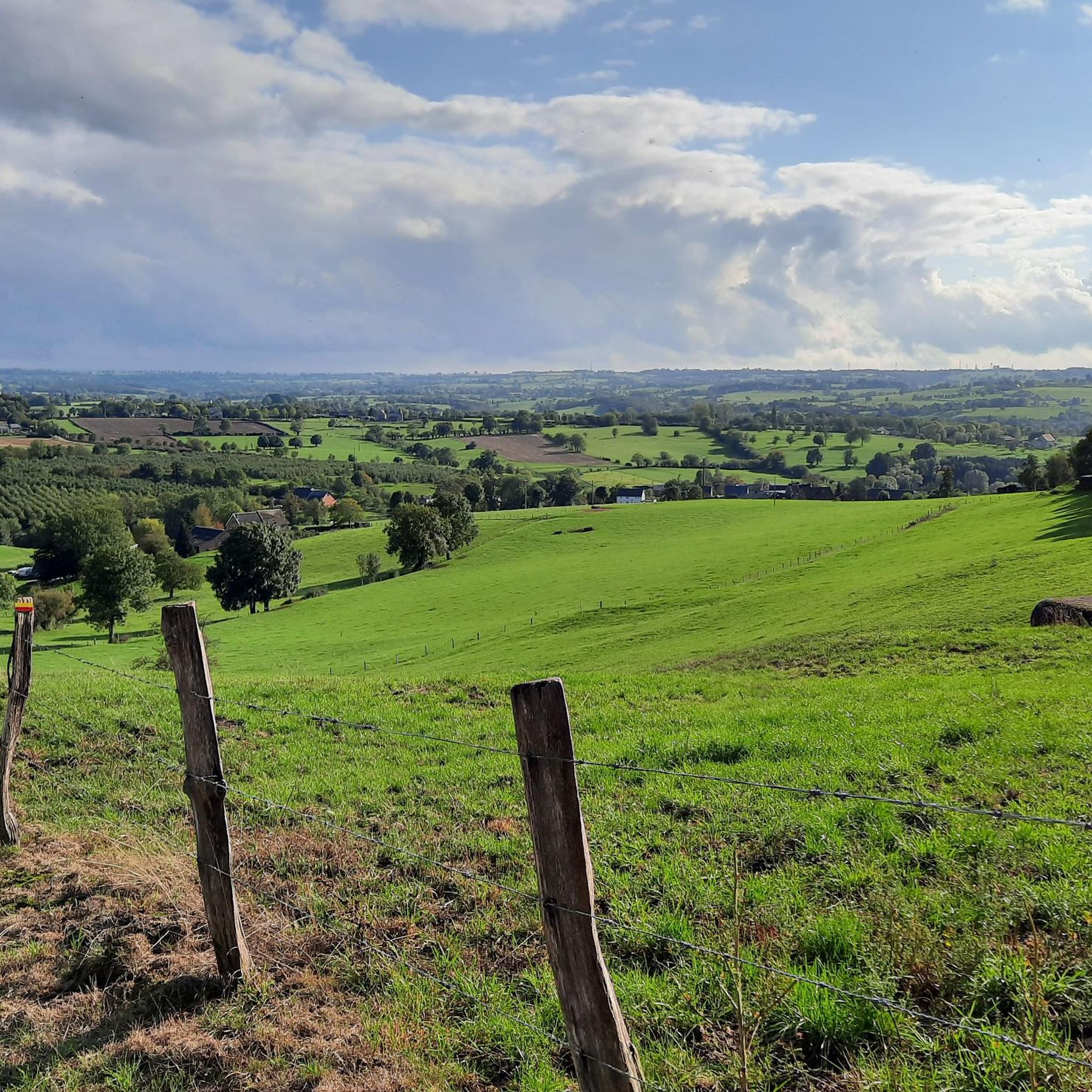
The Aubel region is characterized by a green and peaceful countryside, featuring extensive orchards and flowery fields. You'll find picturesque river valleys like the Geuldal and Hohnbach, serene forests, and diverse biotopes within areas such as the Park of Val-Dieu Abbey, which includes a vast pond, a winding river, and wooded areas.
What hiking opportunities are available near Aubel's natural monuments?
There are numerous hiking opportunities around Aubel, allowing you to explore the natural monuments. You can find routes that take you through the Val-Dieu countryside, along the Bel Stream, or offer views of the bocage landscape. For detailed hiking routes, you can explore the Hiking around Aubel guide.
Are there cycling routes that pass by natural monuments in the Aubel area?
Yes, the region offers various cycling routes that allow you to discover its natural beauty. You can find tours that explore the wide countryside, pass by historical sites, or lead through scenic valleys. For specific cycling routes, check out the Cycling around Aubel guide or the Gravel biking around Aubel guide.
Are there easy or family-friendly walks among the natural monuments?
Absolutely. Several natural monuments are considered family-friendly. The Hohnbach Valley offers pleasant walking paths, including boardwalks. The Meanders of the Geul provide tranquil walks along the river, and the Casino Pond is a nice spot for a break and a starting point for easy tours. The Park of Val-Dieu Abbey is also freely accessible and ideal for leisurely family strolls.
When is the best time to visit the natural monuments around Aubel?
The Aubel region is beautiful throughout the year, but spring is particularly recommended for its flowery fields and daffodil meadows, especially in areas like the Hohnbach Valley. The mild weather from spring to early autumn is generally ideal for outdoor activities like hiking and cycling, allowing you to fully enjoy the green countryside.
Are there any viewpoints to enjoy the scenery around Aubel?
Yes, there are several spots offering great views. The Rocher du Casino Climbing Crag and Rest Area provides a nice vantage point. You can also enjoy the surroundings from the bridges over the Geul River at the Meanders of the Geul, or from the "Gueule" viewpoint at the Mine entrance and Geul sinkhole — Plombières Nature Reserve, which offers a glimpse into a cave opening.
What makes the Hohnbach Valley ecologically significant?
The Hohnbach Valley is ecologically significant due to the presence of the unique yellow calamine violet. This rare plant species is found in only a few locations in the Aachen three-country corner because it requires specific soil conditions, particularly those containing heavy metals. This makes the valley a special point of interest for botanists and nature enthusiasts.
Can I visit the Park of Val-Dieu Abbey?
Yes, the magnificent 7-hectare park surrounding the historic Val-Dieu Abbey is freely accessible to the public daily. It is open from 8:00 AM to 8:00 PM (or 6:30 PM in winter). The park features remarkable trees, diverse biotopes including a pond and a winding river, and offers a peaceful setting for leisurely walks.
What are the difficulty levels of trails near Aubel's natural monuments?
The trails around Aubel's natural monuments offer a range of difficulty levels. You can find easy walks, such as those around the Casino Pond or along the Bel Stream. Moderate trails are common, for example, in the Val-Dieu countryside. More challenging routes can be found, such as those leading to the Mine entrance and Geul sinkhole — Plombières Nature Reserve, which is rated as intermediate to challenging.
Are there any hidden natural gems in the Aubel area?
While not strictly 'hidden,' the ecological distinctiveness of the Hohnbach Valley with its rare yellow calamine violet, and the serene, meandering beauty of the Meanders of the Geul, offer unique and less commonly highlighted natural experiences beyond the more prominent historical sites. The Val-Dieu Abbey Park also provides a tranquil escape with its diverse biotopes.
Most popular routes around Aubel
Most popular attractions around Aubel

Get inspired with the komoot mobile app


Explore more
Extend your search for the best caves by checking out these guides of the top ones around Aubel:
