The best traffic-free bike rides around Aubel
4.5
(105)
964
riders
24
rides
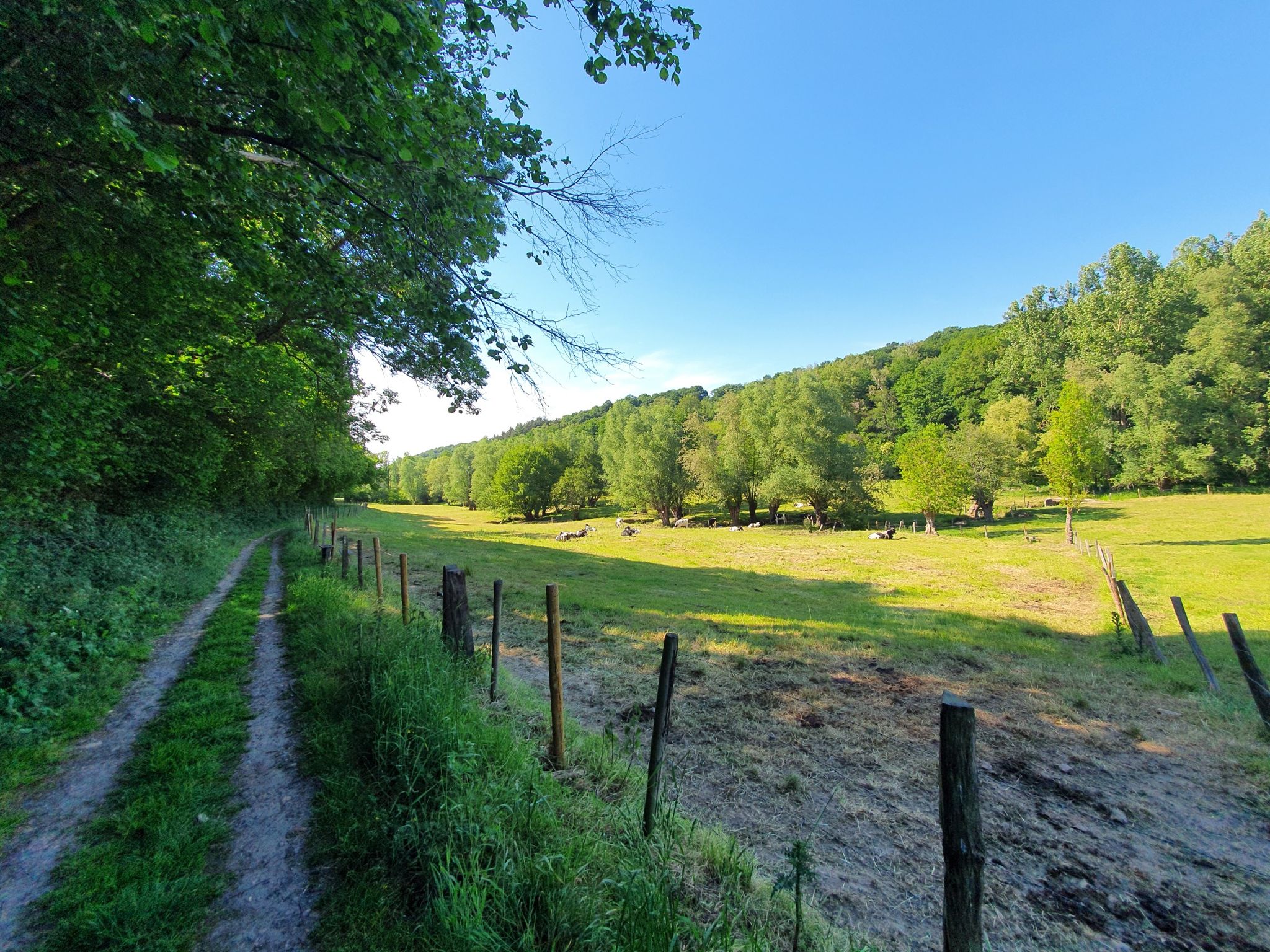
No traffic touring cycling routes around Aubel traverse the scenic Pays de Herve region, characterized by its distinctive bocage landscapes of fields, hedgerows, and scattered trees. The terrain offers a mix of predominantly paved surfaces, with some routes including unpaved sections, providing varied cycling experiences. Cyclists can expect wide countryside views and moderate rides, with certain routes featuring more challenging climbs and descents. This area provides a diverse backdrop for touring cyclists seeking routes away from vehicle traffic.
Best no traffic touring cycling routes around Aubel
- The most popular no traffic touring cycling route is Henri-Chapelle American Cemetery Loop, a 16.2 miles (26.2 km) trail that takes about 1 hour 40 minutes to complete. This route offers a historical point of interest as it loops around the Henri-Chapelle American Cemetery.
- Another top favourite among local touring cyclists is Laschet Tunnel cutting – Bahntrasseweg near Plombières loop from Aubel, a moderate 20.7 miles (33.3 km) path. This trail guides riders through a tunnel cutting and along a former railway path, offering unique scenic elements.
- Local touring cyclists also love the View over the wide countryside – Fort Battice loop from Aubel, a 27.9 miles (44.9 km) trail leading through wide countryside views and past Fort Battice, often completed in about 2 hours 35 minutes.
- Touring cycling around Aubel is defined by bocage landscapes, local vineyards, and historical sites like the Abbey of Val-Dieu and Fort Battice. The network offers options for different ability levels, from moderate rides to more challenging routes with significant elevation gain.
- The routes in Aubel are highly rated by the komoot community with an average score of 4.6 stars from over 150 reviews. More than 1000 touring cyclists have used komoot to explore Aubel's varied terrain.
Last updated: May 3, 2026
3.8
(14)
30
riders
26.2km
01:39
310m
310m
Moderate bike ride. Good fitness required. Mostly paved surfaces. Suitable for all skill levels.
4.6
(11)
67
riders
Moderate bike ride. Good fitness required. Mostly paved surfaces. Suitable for all skill levels.

Sign up for free
5.0
(1)
64
riders
47.9km
02:58
480m
480m
Hard bike ride. Very good fitness required. Mostly paved surfaces. Suitable for all skill levels.
4.9
(9)
146
riders
19.9km
01:12
170m
170m
Moderate bike ride. Good fitness required. Mostly paved surfaces. Suitable for all skill levels.
4.6
(5)
47
riders
14.0km
00:52
150m
150m
Moderate bike ride. Good fitness required. Mostly paved surfaces. Suitable for all skill levels.
Get access to more routes and recommendations from other explorers.
Sign up for free
Already have an account?
Our route recommendations are based on thousands of hikes, rides, and runs completed by other people on komoot.
Start today with a free account
Your next adventure awaits.
Login or Signup
Other adventures around Aubel

Tips from the Community


The small church overlooks the Commandery.
1
0

Place Antoine Ernst is a charming and historic square in the center of Aubel, a municipality in the Belgian province of Liège. Along with other central squares such as Place Nicolaï and Place Albert Ier, the square forms the geometric and social heart of the village, which is located in the Pays de Herve and is a short distance from the famous Val-Dieu Abbey. The square was named in 1898 in honor of Antoine Ernst (1796-1841), a prominent civil and political figure who was born in Aubel and later played an important role in the Belgian academic and political world. Antoine Ernst was a jurist, law professor, rector at the University of Liège, member of the Belgian Chamber of Representatives, and even Minister of Justice in the 1830s. In 1871, he was made a baron in recognition of his social contribution. Place Antoine Ernst was originally the Marché au Beurre, the village butter market square, a central location where merchants and farmers from the region sold their products. Later, the square served as a center for local festivities and market days. The buildings around Place Antoine Ernst bear witness to Aubel's rich history as a trading and meeting place. Several buildings around the square are listed as part of the Belgian Intangible Heritage Inventory, and together they offer a warm impression of local architecture from the 17th to the 19th centuries. Maison À l’Empereur (no. 29) – This building on the square is particularly historic, the birthplace of Antoine Ernst himself, and was built in the late 18th century in an architectural style reminiscent of the influential Louis XIV style. The name À l’Empereur refers to the old façade stone with the bust relief of an emperor (most likely Joseph II of the Holy Roman Empire) and symbolizes the region's connection with the Habsburg era. Maison Moreau (no. 9) – Another important building on the square is this stately bourgeois residence from around 1700, also in the Louis XIV style. The building has a brick and limestone façade, a bluestone plinth, and a marble sill and is officially listed as a heritage site. Hôtel du Nord (no. 16) – This former inn, built around 1775, is also a classical Louis XIV-style building with a beautiful symmetrical façade and decorative windows and doors. Later, the building served as an inn on the square under this name. Maison Hupperts (no. 32) – Slightly younger but architecturally interesting, this neoclassical house from 1885 was originally built as one of the first supermarkets outside larger towns, a sign of the economic dynamism of Aubel's town center. The square also features a memorial to the fallen of the First World War (Monument aux Morts), unveiled in 1921. It depicts a soldier with a bugle and commemorates the Aubelois soldiers who fought in that war. Place Antoine Ernst is not only a historical site but remains a lively meeting place in Aubel today. The square still hosts local festivities, such as the annual blessing of the animals during the Feast of Saint Hubert in early November, a tradition that brings together farmers, visitors, and families from the region.
0
0
The Saint-Hubert Church of Aubel, together with the surrounding cemetery, forms an important historical and spiritual anchor in the village. The church is dedicated to Saint Hubert, the patron saint of hunters and nature, and a saint deeply connected to this rural region. Even from a distance, the church building is recognizable in the village landscape and serves as a natural landmark as you walk into Aubel. The current church has a long history and has been modified and expanded several times over the centuries. The architectural style reflects this layering: robust and simple, with classical elements befitting a village church that has been the center of community life for generations. Inside, the church exudes tranquility, a place where time seems to slow down, far removed from the bustle of the market and the surrounding streets.
0
0

Unfortunately, it's still not open as of today, October 30, 2025!
0
0
Frequently Asked Questions
How many no traffic touring cycling routes are available around Aubel?
There are over 20 dedicated no traffic touring cycling routes around Aubel, offering a variety of experiences for different skill levels. You'll find 3 easy routes, 9 moderate routes, and 11 more challenging options.
What kind of landscapes can I expect on these routes?
The routes around Aubel showcase the distinctive bocage landscapes of the Pays de Herve, characterized by a patchwork of fields, hedgerows, and scattered trees. You'll also cycle past charming local vineyards and enjoy wide, tranquil countryside views. While predominantly paved, some routes may include unpaved sections.
Are there any family-friendly no traffic cycling routes in Aubel?
Yes, there are 3 easy-rated routes perfect for families or beginners looking for a relaxed ride. These routes typically feature gentler terrain and shorter distances, allowing everyone to enjoy the scenic countryside without significant traffic concerns.
What historical or cultural attractions can I visit along the no traffic touring cycling routes?
Many routes integrate significant cultural and historical sites. For example, the Henri-Chapelle American Cemetery Loop offers a point of historical interest. You might also encounter the Abbey of Val-Dieu or Fort Battice, as seen on routes like the View over the wide countryside – Fort Battice loop from Aubel.
Are there any circular no traffic touring cycling routes?
Yes, many of the no traffic touring cycling routes around Aubel are designed as loops, allowing you to start and end at the same point. Examples include the Laschet Tunnel cutting – Bahntrasseweg near Plombières loop from Aubel and the View of Aubel – Gulpener Hop Garden loop from Aubel.
What do other touring cyclists enjoy most about cycling in Aubel?
The area is highly rated by the komoot community, with an average score of 4.56 stars from over 150 ratings. Reviewers often praise the tranquility of the car-free paths, the beautiful bocage landscapes, and the varied terrain that offers both gentle rides and more challenging climbs.
Are there any challenging no traffic routes for experienced touring cyclists?
Yes, for experienced cyclists seeking a challenge, there are 11 difficult-rated routes. These often feature more significant elevation changes and longer distances. An example is the View of Aubel – Gulpener Hop Garden loop from Aubel, which includes notable climbs and descents.
What natural features or points of interest can I find near these routes?
Beyond the cycling routes themselves, the region boasts several natural highlights. You can explore the Hohnbach Valley or the Julienne Valley for picturesque gorges. There's also an unpaved trail through the Teuvenderberg forest reserve for a different kind of natural experience.
Are there any routes that offer views of the Abbey of Val-Dieu?
Yes, the Abbey of Val-Dieu is a prominent landmark often integrated into cycling trails. The View over the wide countryside – Fort Battice loop from Abbaye du Val-Dieu is one such route that starts near the Abbey, allowing you to experience both natural beauty and this historical site.
What is the best season for no traffic touring cycling around Aubel?
The Pays de Herve region is beautiful throughout the warmer months. Spring offers blooming landscapes, while summer provides pleasant temperatures for longer rides. Autumn transforms the countryside with vibrant colors, making it another excellent time to explore, though you should be prepared for cooler weather.
Are there any routes that pass through tunnels or unique historical infrastructure?
Yes, some routes incorporate interesting historical infrastructure. The Laschet Tunnel cutting – Bahntrasseweg near Plombières loop from Aubel is a notable example, offering a unique element to your touring experience by following an old railway line.
Most popular attractions around Aubel

Get inspired with the komoot mobile app


Explore more
Browse the best Cycling routes in other regions.
