Top 20 Natural Monuments around Heuvelland
Natural monuments around Heuvelland feature a landscape of rolling hills and diverse natural reserves, primarily located in West Flanders, Belgium. The region is characterized by its undulating terrain, offering a variety of natural features. Visitors can explore extensive networks of hiking and cycling routes amidst green slopes and vast plateaus. These areas provide opportunities for outdoor activities and connecting with nature.
Best natural monuments around Heuvelland
- The most popular natural monuments is Hill 60 preserved Battlefield (World War I),…
Last updated: June 1, 2026
The Bluff Memorial and Crater
Highlight • Historical Site
Translated by Google •
Tip by

Hill 60 preserved Battlefield (World War I)
Highlight • Historical Site
Translated by Google •
Tip by

Sign up now to discover places like this
Get recommendations on the best single tracks, peaks, & plenty of other exciting outdoor places.
Sign up for free
Caterpillar Crater
Highlight • Historical Site
Translated by Google •
Tip by

Coming World Remember Me Sculpture
Highlight • Monument
Zillebeke Pond
Highlight • Lake
Translated by Google •
Tip by

Sign up for free to discover even more natural monuments around Heuvelland.
Sign up for free
Already have an account?
Start today with a free account
Your next adventure awaits.
Login or Signup
Popular around Heuvelland
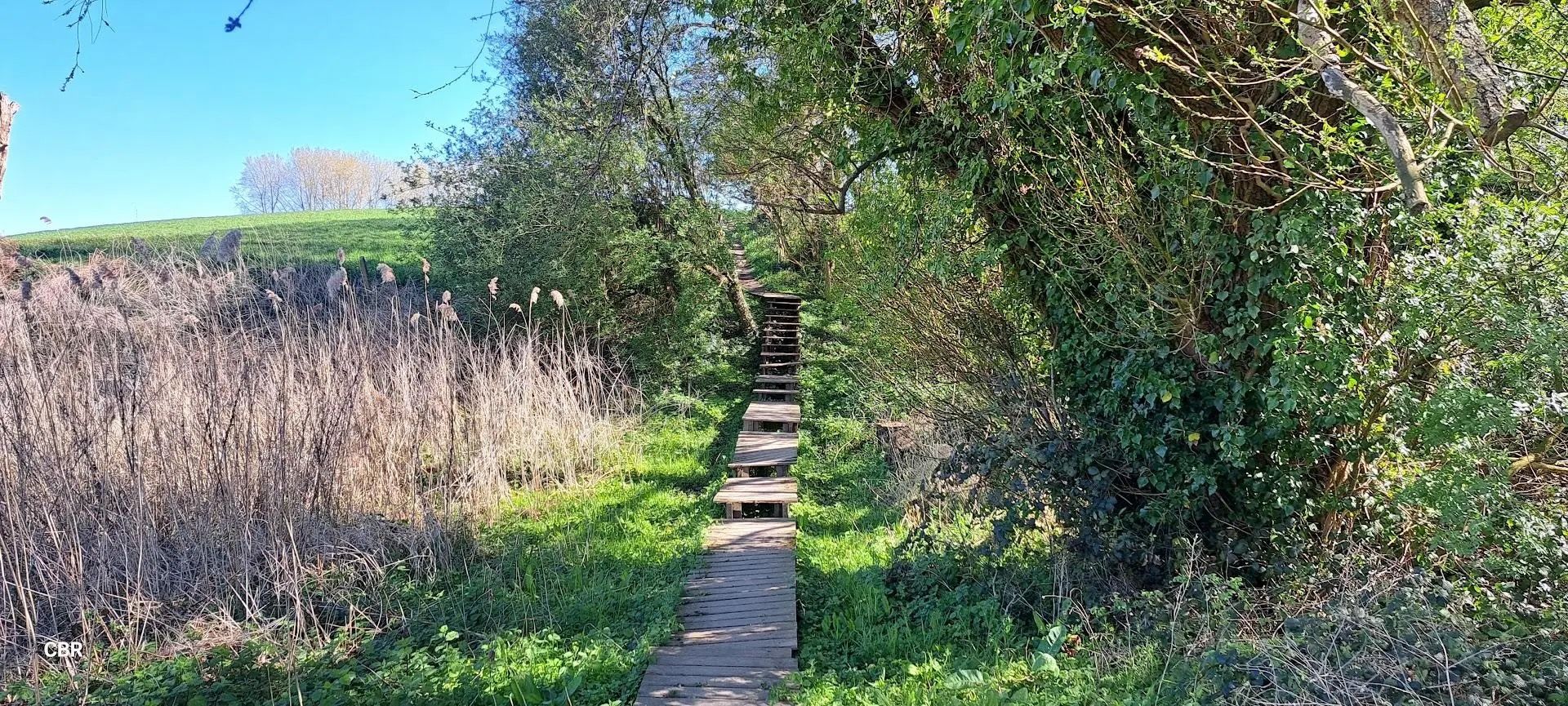
At the pace of the Westhoek - Streek-GR Heuvelland
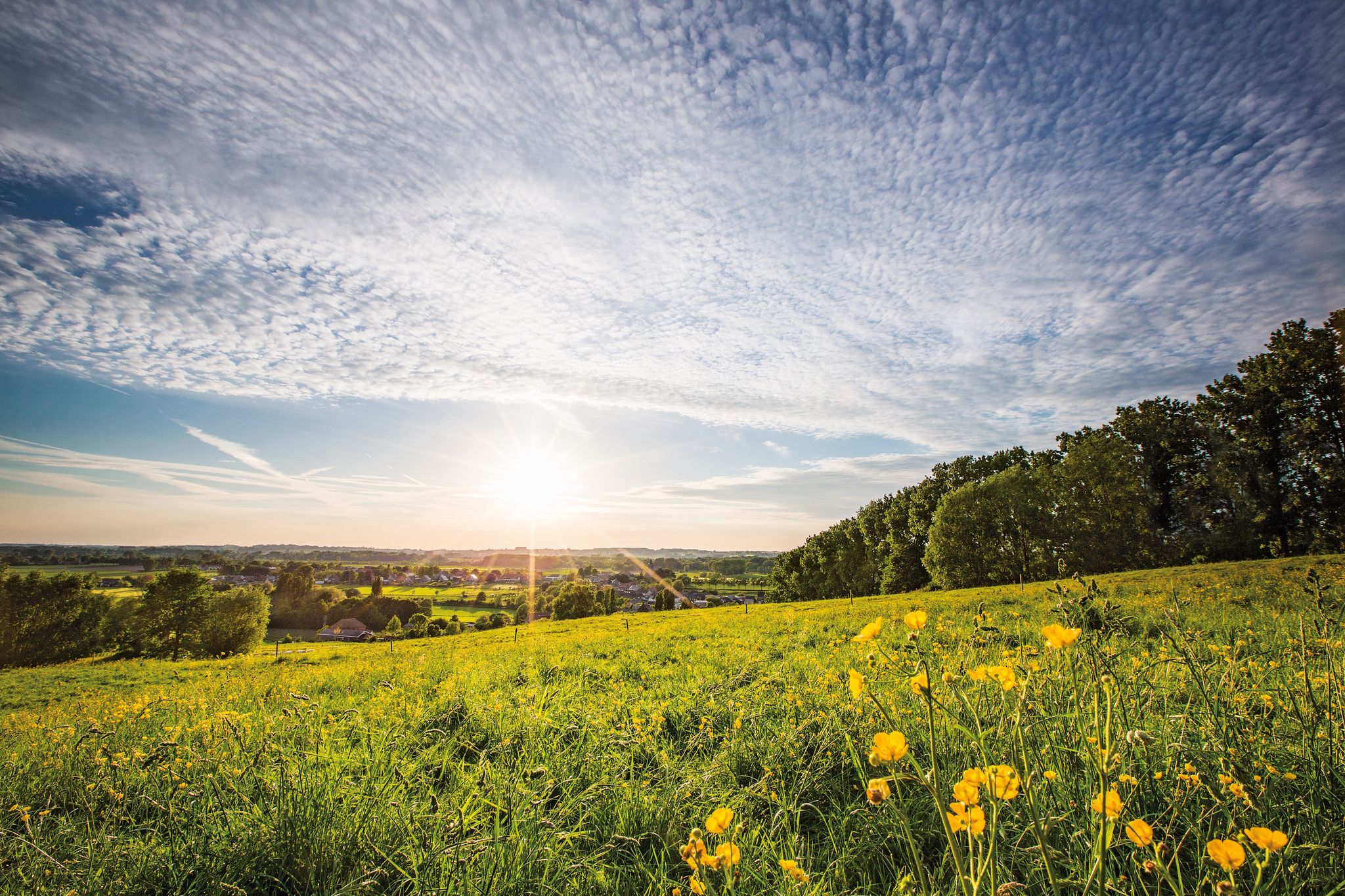
Belgium's best – the most beautiful hiking routes in Flanders
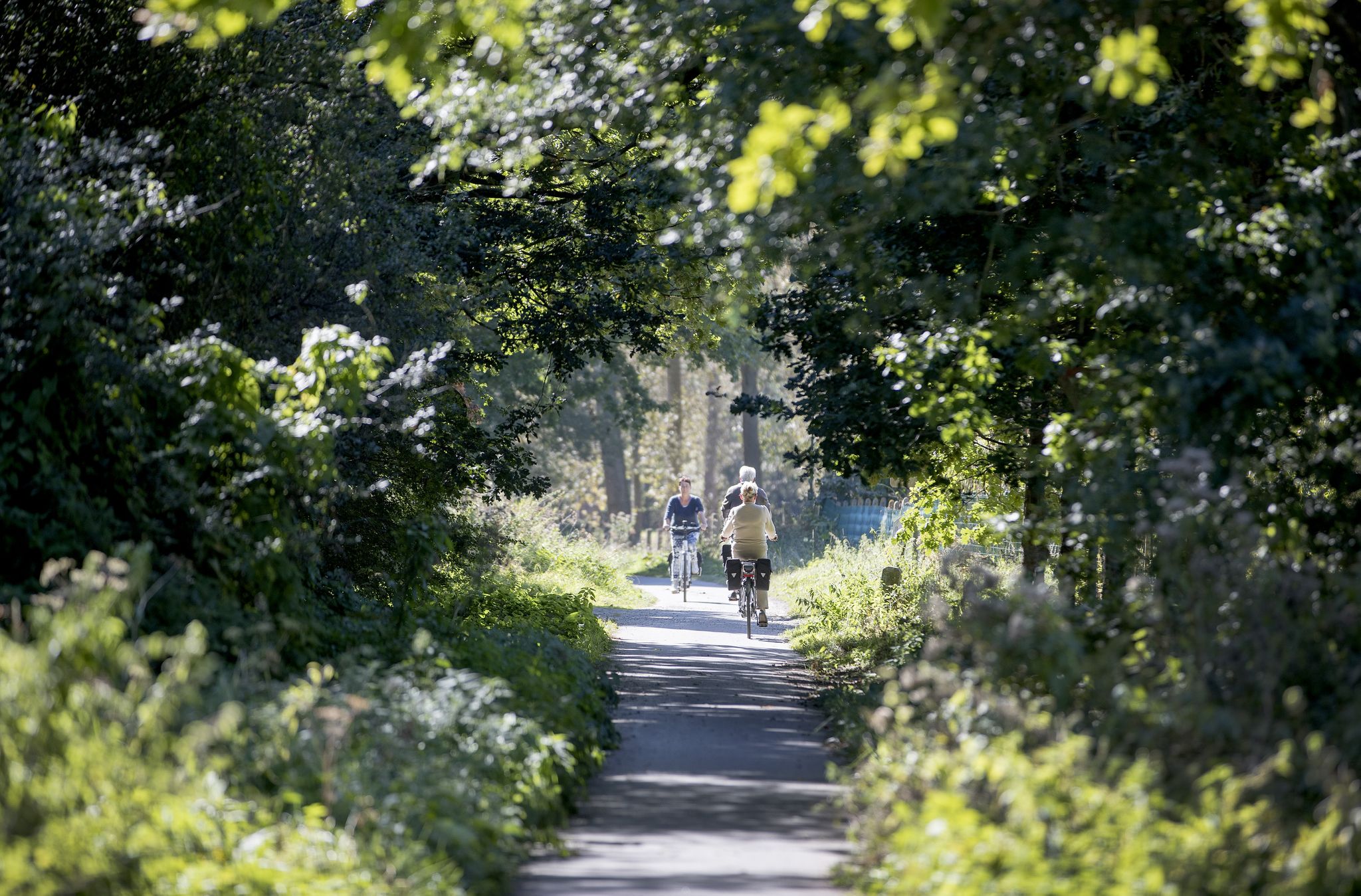
Discover the most beautiful corners of Flanders – Cycle Node Network
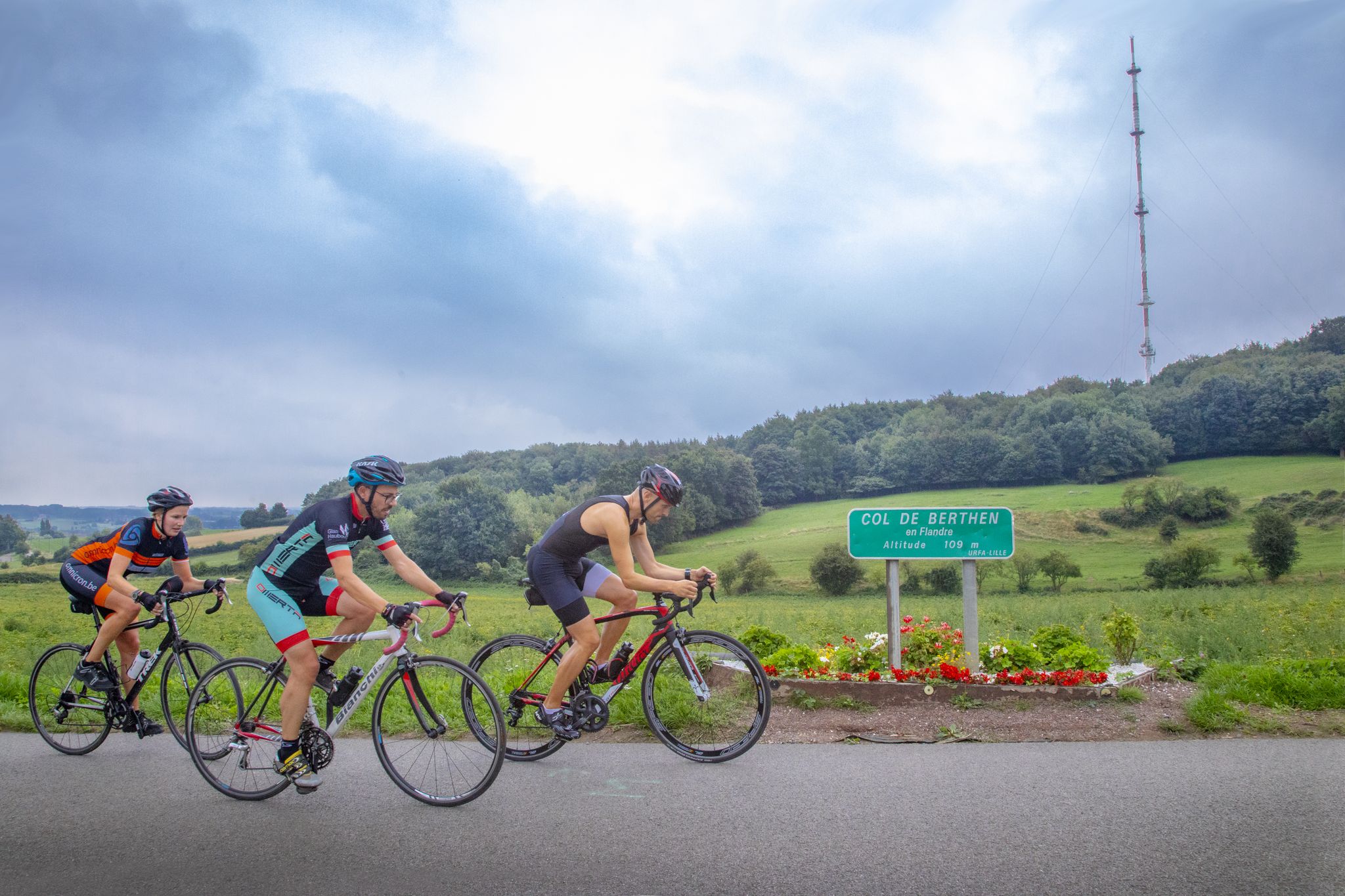
Famous climbs and hills – Flanders, France and Wallonia
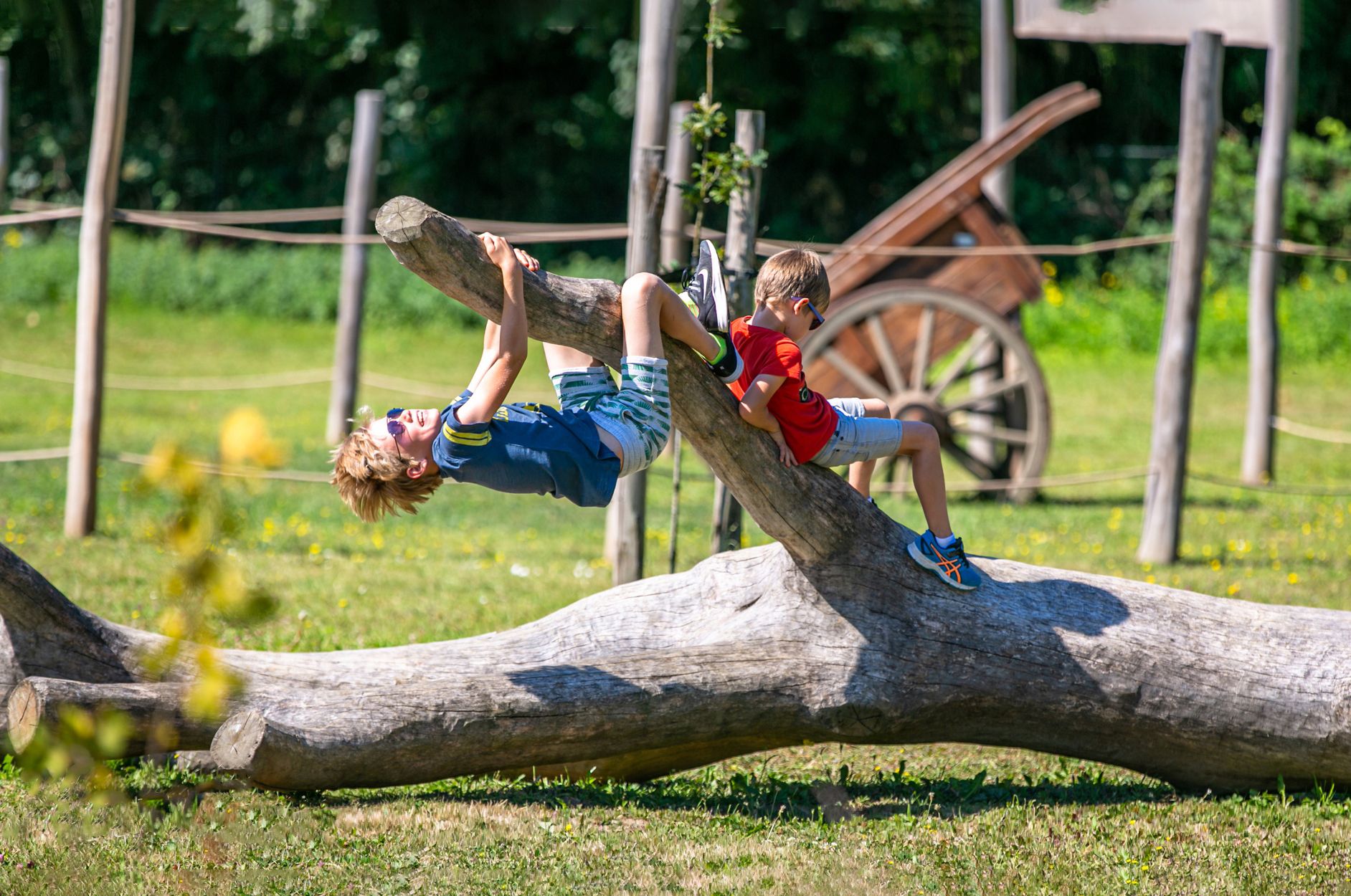
Tours for little adventurers and heroes in Flanders
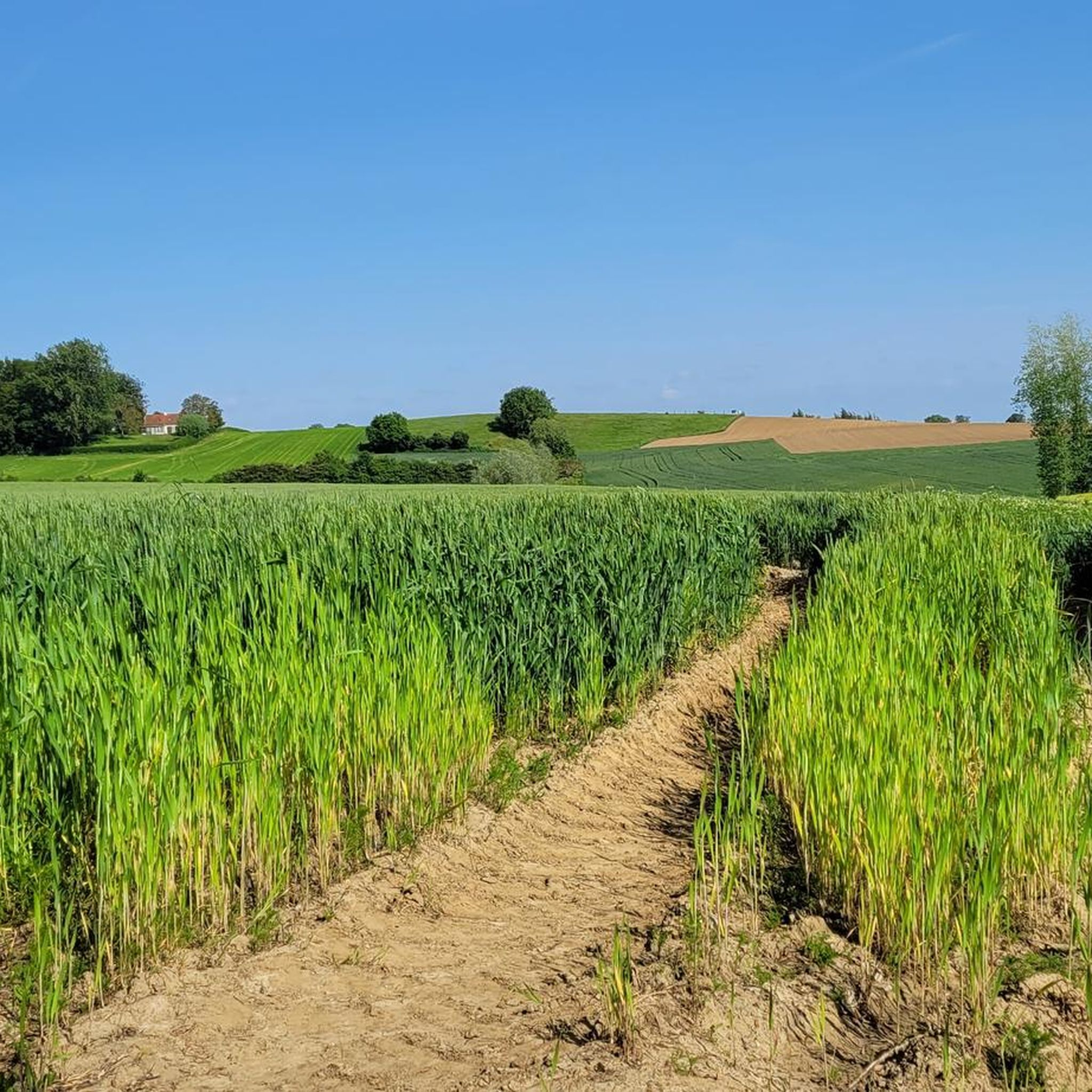
Hiking around Heuvelland
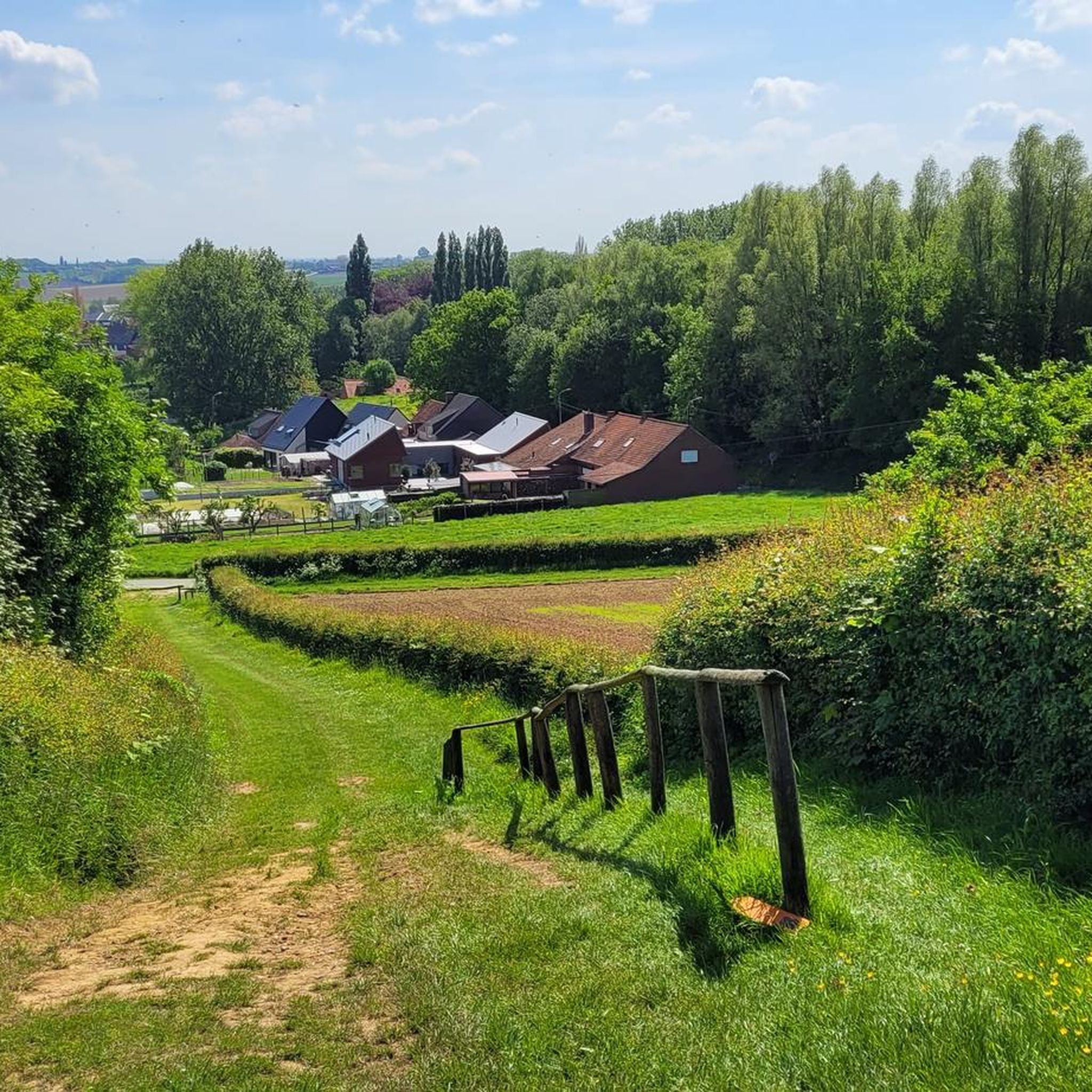
Cycling around Heuvelland
Running Trails around Heuvelland
MTB Trails around Heuvelland
Road Cycling Routes around Heuvelland
Other adventures around Heuvelland


Tips from the Community

An interesting anecdote concerns the battles around the pond during the war. Soldiers used the pond as a natural barrier and shelter. There are stories of soldiers wading through the water at night to reach enemy lines, which gave the pond strategic significance.
7
0

another very beautiful work
0
0
some very beautiful works on the route
0
0

Strategic hill called Hill 60 in the First World War.
1
0

At the beginning of the 14th century, Ypres was a very prosperous and densely populated city. Two ponds were constructed for water supply: one in Dikkebus and one in Zillebeke, and these ponds still provide Ypres with drinking water today. The 28-hectare Zillebeke Pond is fed by the Zillebeek stream. On the western bank lies the pumping and treatment plant, which produces approximately four to five thousand cubic meters of drinking water daily. The pond is surrounded by a beautiful double row of trees. Fishing is permitted with a special permit. The pond is a valuable natural feature. The large fields of water lilies are particularly picturesque. A colony of grebes breeds there, but grey herons, coots, moorhens, mallards, and sandpipers also call the pond home. During the migration season, the pond is frequently visited by numerous bird species. You can cycle and walk around the pond. Source: knooppunter.com/zillebekevijver
2
0
Old pond that supplies fresh water to the city of Ypres. Some explanation: The Dikkebus Pond is a pond near the village of Dikkebus, south of Ypres. On July 23, 1310, the City of Ypres received permission from the Count of Flanders to dig the pond, which, next to the Zillebeke Pond, was intended to ensure sufficient water in the city for fulling and dyeing cloth. The pond was created by damming the Kemmelbeek stream and was excavated on land belonging to the parishes of Vlamertinge, Dikkebus, and Voormezele. The expropriation of the necessary land was arranged by the city of Ypres and took about ten years. The thirty-six-hectare pond was not completed until around 1323. The pond supplied and still supplies Ypres with drinking water, initially via the Ypres canals and later via a system of oak pipes. Since 1926, this has been done via a modern pumping station. The Zillebeke Pond and Bellewaarde Pond were also created this way. Besides providing drinking water, the pond also serves a recreational purpose. Enjoy the shady banks at a moderate pace.
2
0
Old pond that supplies fresh water to the city of Ypres. Some explanation: The Dikkebusvijver is a pond near the village of Dikkebus, south of the city of Ypres. On July 23, 1310, the City of Ypres received permission from the Count of Flanders to dig the pond next to the Zillebeke pond to ensure that sufficient water was available in the city for fulling and dyeing sheets. The pond was created by damming the Kemmelbeek and was excavated on the grounds of the parishes of Vlamertinge, Dikkebus and Voormezele. The expropriation of the necessary land was arranged by the city of Ypres and took about ten years to complete. The pond of thirty-six hectares was not realized until around 1323. The pond provided and supplies Ypres with drinking water, formerly via the Ypres canals and then via a system of oak pipes. Since 1926 this has been done via a modern pumping station. The Zillebeke pond and Bellewaarde pond were also created in this way. In addition to the drinking water supply, the pond also has a recreational function. Enjoy the shaded banks at moderate speed.
4
0
Frequently Asked Questions
What are some prominent natural monuments in Heuvelland?
Heuvelland is known for its rolling hills and diverse natural features. Key natural monuments include Hill 60 preserved Battlefield (World War I), a historical site created by excavation work, and the impressive Caterpillar Crater, one of the largest mine explosion craters in the Ypres Salient. Additionally, The Bluff Memorial and Crater offers a preserved war landscape with mine craters and a memorial. Beyond these, the region features the highest peak in Flanders, Kemmelberg, and the scenic Hellegat Forest.
When is the best time to visit Heuvelland's natural monuments?
The spring months of April and May are particularly beautiful, as the flanks of Kemmelberg are carpeted with purple bluebell flowers, creating a spectacular natural display. Autumn also offers vibrant colors across the rolling landscapes. Generally, the region is pleasant for outdoor activities throughout the warmer months.
Are there family-friendly natural monuments in Heuvelland?
Yes, several natural monuments are suitable for families. The Caterpillar Crater is considered family-friendly, offering an impressive historical site. Coming World Remember Me Sculpture is also family-friendly, featuring a unique land art installation. Additionally, Zillebeke Pond is a great spot for families, offering walking, cycling, and fishing opportunities.
What kind of landscape and natural features can I expect to see in Heuvelland?
Heuvelland, aptly named 'Hill Country,' is characterized by picturesque, rolling landscapes. You'll find green slopes, vast plateaus, and diverse natural reserves. Features include prominent hills like Kemmelberg, dense forests such as Hellegat Forest and Mont Noir's black pine forests, and water bodies like Zillebeke Pond.
What outdoor activities can I do near these natural monuments?
Heuvelland offers extensive networks for various outdoor activities. You can explore numerous hiking trails, including those around Kemmelberg and Hellegat Forest. For cycling enthusiasts, there are many routes, including challenging gravel biking and MTB trails. Discover more about these activities on our guides for MTB Trails around Heuvelland, Gravel biking around Heuvelland, and Cycling around Heuvelland.
Are there hiking trails near Heuvelland's natural monuments?
Yes, Heuvelland is excellent for hiking. The provincial domain of Kemmelberg offers diverse hiking trails, including an 8 km signposted walk with panoramic views. Hellegat Forest is also highly recommended for a brisk walk. You can find more detailed hiking routes and options in our Natural Monuments around Heuvelland guide.
Are there historical sites among the natural monuments in Heuvelland?
Absolutely. Many natural monuments in Heuvelland are deeply intertwined with history, particularly World War I. Sites like Hill 60 preserved Battlefield (World War I), Caterpillar Crater, and The Bluff Memorial and Crater are preserved war landscapes, offering insights into significant historical events and the impact of war on the terrain.
What do visitors enjoy most about the natural monuments in Heuvelland?
Visitors frequently appreciate the profound historical significance combined with the natural beauty. For instance, at The Bluff Memorial and Crater, many find the preserved war landscape and the short film about the war impactful. At Hill 60, the preserved battlefield and impressive war history memorial are highlights. The sheer scale of the Caterpillar Crater also leaves a lasting impression.
Is parking available at Heuvelland's natural monuments?
Yes, parking is generally available. For example, at The Bluff Memorial and Crater, spacious parking is provided on Palingbeekstraat or a smaller lot at the visitor center in Vaartstraat 7 Zillebeke. For Caterpillar Crater and Hill 60, there is a large car park making the site very accessible.
Are there any specific natural phenomena or unique sights to look out for?
Beyond the general rolling hills, a notable natural phenomenon is the blooming of purple bluebell flowers on the flanks of Kemmelberg during April and May. This creates a spectacular and colorful display that lasts for several weeks each year. The dense black pine forests of Mont Noir also offer a unique landscape distinct from the surrounding areas.
Are the natural monuments in Heuvelland accessible for everyone?
While many areas involve unpaved paths and varied terrain typical of hilly regions, efforts are made to provide access. For instance, the Caterpillar Crater and Hill 60 sites are noted for being very accessible with large car parks. However, some trails, especially those exploring preserved battlefields, may require sturdy walking shoes due to uneven ground and craters.
Are there dog-friendly trails around Heuvelland's natural monuments?
Heuvelland is generally welcoming to dogs on trails, but it's always advisable to keep them on a leash, especially in nature reserves or areas with livestock. Specific rules may apply in certain protected areas, so look for local signage. Many of the hiking trails through forests and hills are suitable for walks with dogs.
Are there cafes or accommodation near the natural monuments?
Yes, the Heuvelland region features charming villages nestled among its hills, offering various cafes, pubs, restaurants, and accommodation options. Towns like Kemmel, Dranouter, and Westouter are good places to find amenities and are often starting points or stops for routes exploring the natural monuments.
Most popular routes around Heuvelland
Most popular attractions around Heuvelland

Get inspired with the komoot mobile app


Explore more
Extend your search for the best caves by checking out these guides of the top ones around Heuvelland:
