The best cycling routes around Heuvelland
4.5
(153)
6,066
riders
126
rides
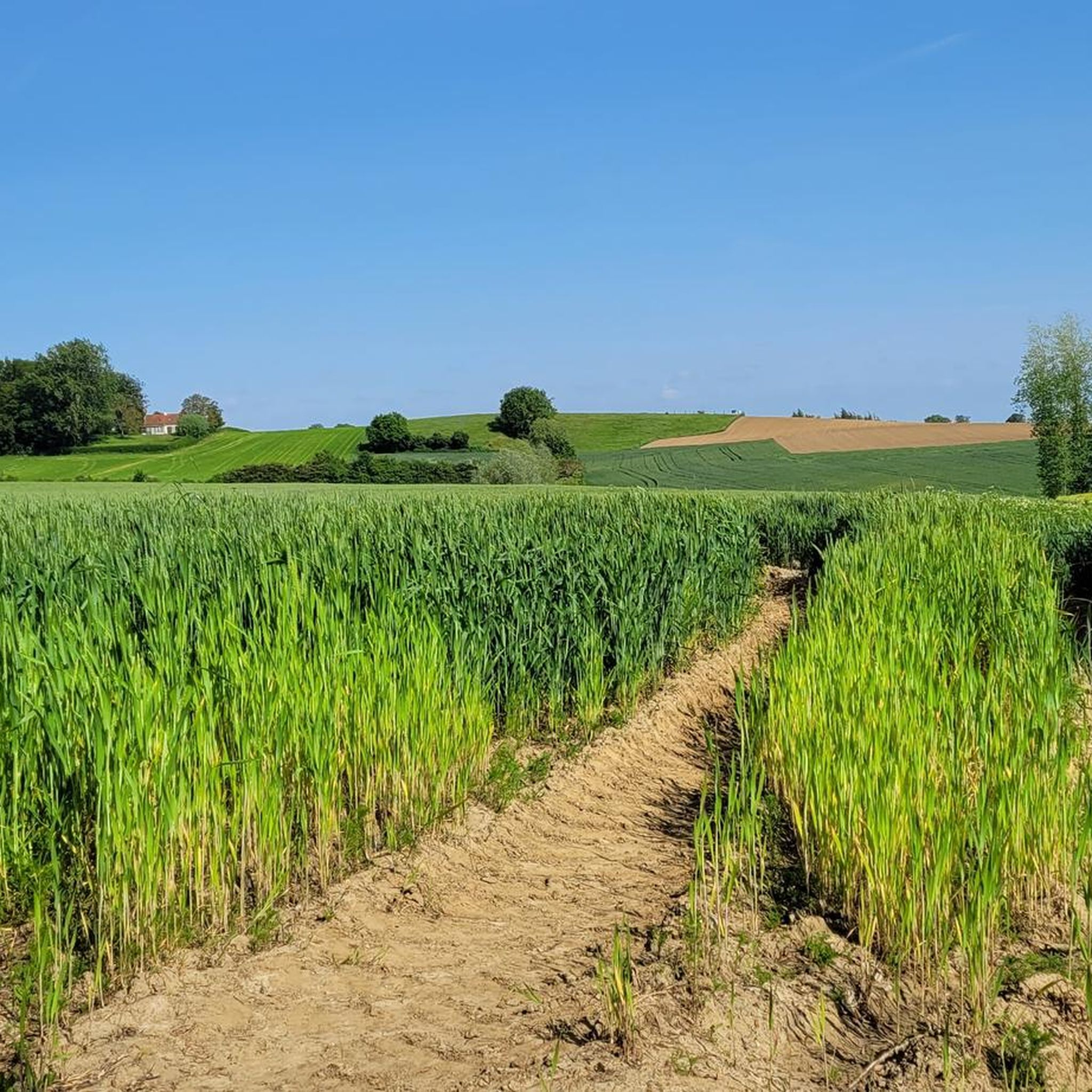
Touring cycling around Heuvelland is characterized by its distinctive hilly landscapes, offering varied terrain for cyclists. The region features rolling hills and steep gradients, with routes winding through green countryside and forests. Rivers like the Geul and Gulp have shaped parts of the landscape, adding to its natural composition. This area provides a network of routes suitable for different cycling preferences.
Best touring cycling routes around Heuvelland
- The most popular touring cycling route is Mine Battle Cycling Route 14-18, a 26.1 miles (41.9 km) trail that takes 2 hours 35 minutes to complete. This route explores historical sites related to the First World War.
- Another top favourite among local touring cyclists is Magnificent view – Katsberg loop from Westouter, a moderate 20.7 miles (33.4 km) path. This route offers scenic vistas across the landscape.
- Local touring cyclists also love the Kemmelberg Belvedere – Kemmelberg cobbled climb loop from Dranouter, an 18.1 miles (29.2 km) trail leading through challenging cobbled climbs, often completed in about 1 hour 48 minutes.
- Touring cycling around Heuvelland is defined by rolling hills, steep gradients, and green forests. The network offers options for easy, moderate, and difficult routes.
- The routes in Heuvelland are highly rated by the komoot community with an average score of 4.5 stars from over 150 reviews. More than 7,000 touring cyclists have used komoot to explore Heuvelland's varied terrain.
Last updated: May 10, 2026
4.4
(14)
68
riders
41.9km
02:36
330m
330m
Cycle through Heuvelland's rolling hills, vineyards, and historical sites on this moderate 26.1-mile touring bicycle route.
4.8
(16)
1,554
riders
31.3km
02:01
400m
400m
Moderate bike ride. Good fitness required. Mostly paved surfaces. Suitable for all skill levels.

Sign up for free
4.7
(14)
2,081
riders
29.2km
01:48
230m
230m
Hard bike ride. Good fitness required. You may need to push your bike for some segments of this route.
144
riders
25.1km
01:40
380m
380m
Moderate bike ride. Good fitness required. Mostly paved surfaces. Suitable for all skill levels.
4.6
(18)
54
riders
47.3km
02:56
460m
460m
Hard bike ride. Very good fitness required. Mostly paved surfaces. Suitable for all skill levels.
Get access to more routes and recommendations from other explorers.
Sign up for free
Already have an account?
Our route recommendations are based on thousands of hikes, rides, and runs completed by other people on komoot.
Start today with a free account
Your next adventure awaits.
Login or Signup
Popular around Heuvelland
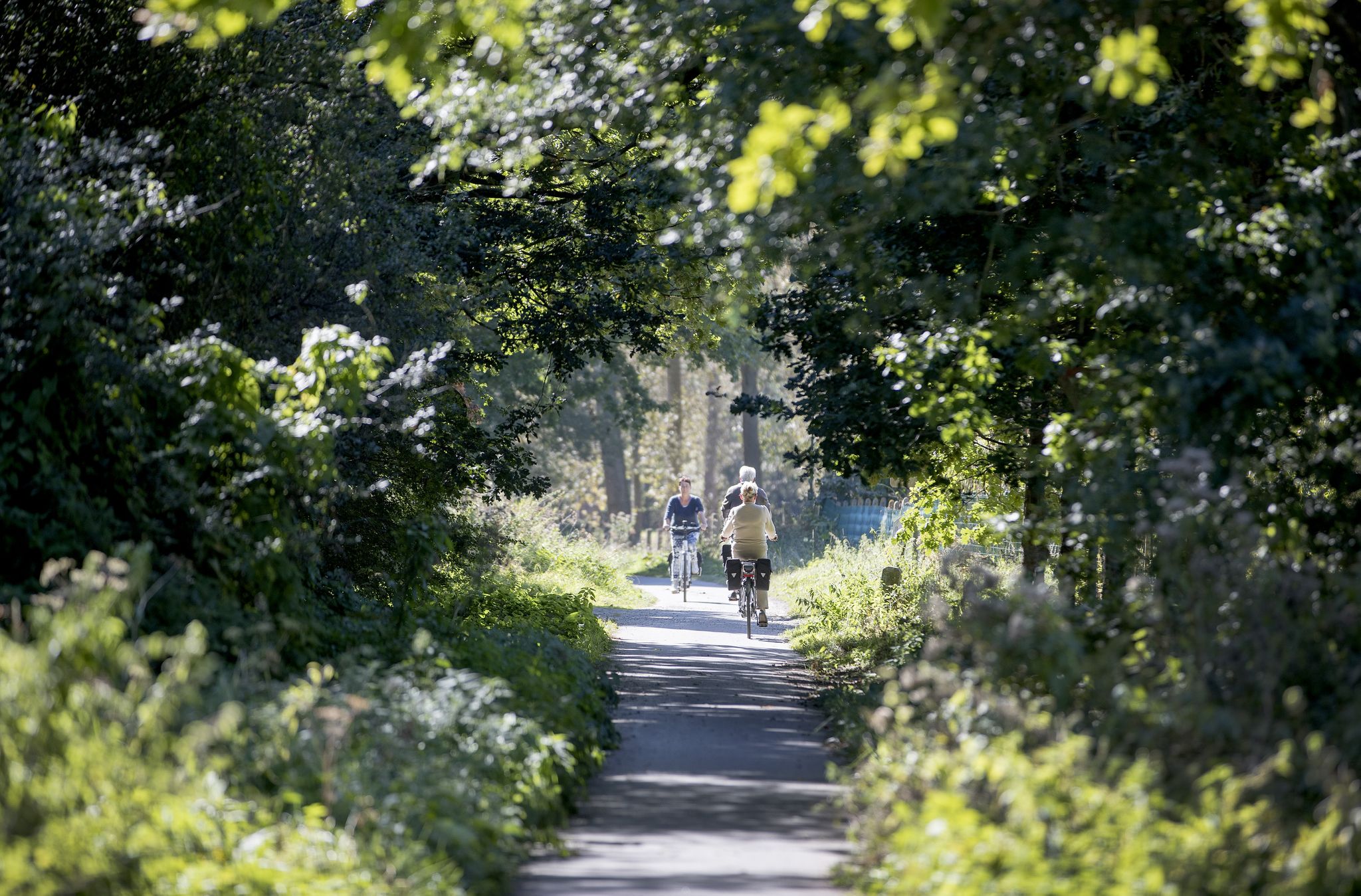
Discover the most beautiful corners of Flanders – Cycle Node Network
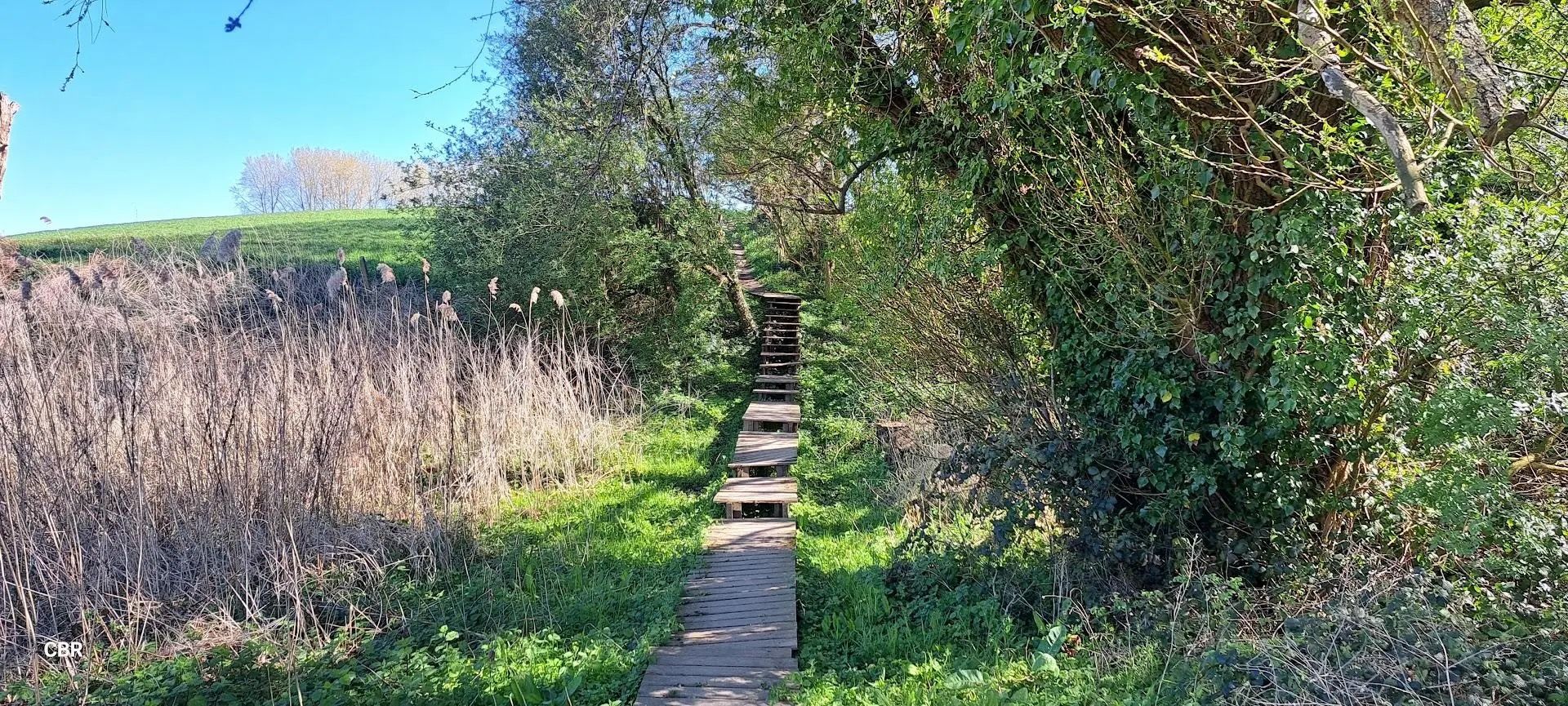
At the pace of the Westhoek - Streek-GR Heuvelland
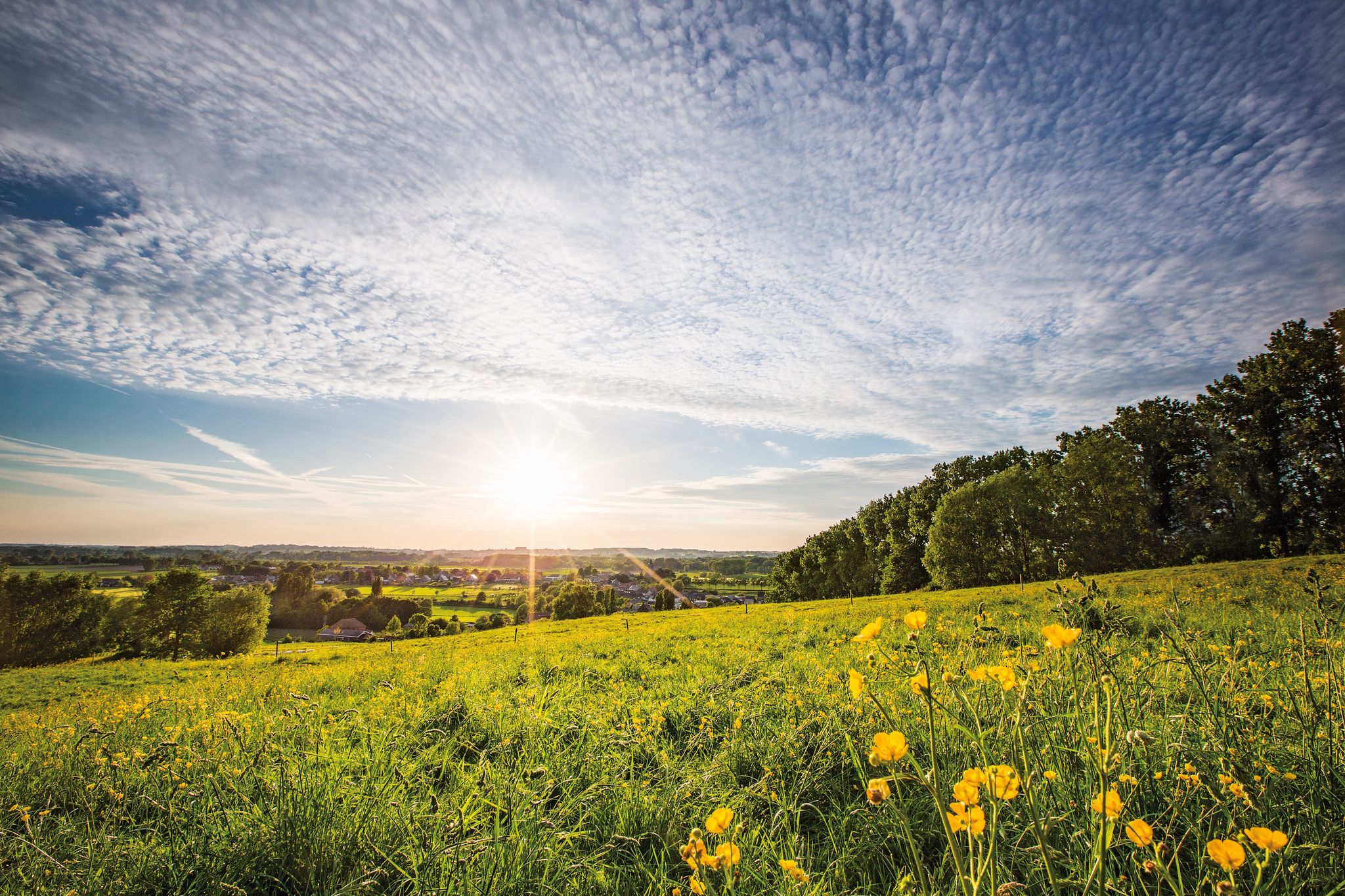
Belgium's best – the most beautiful hiking routes in Flanders
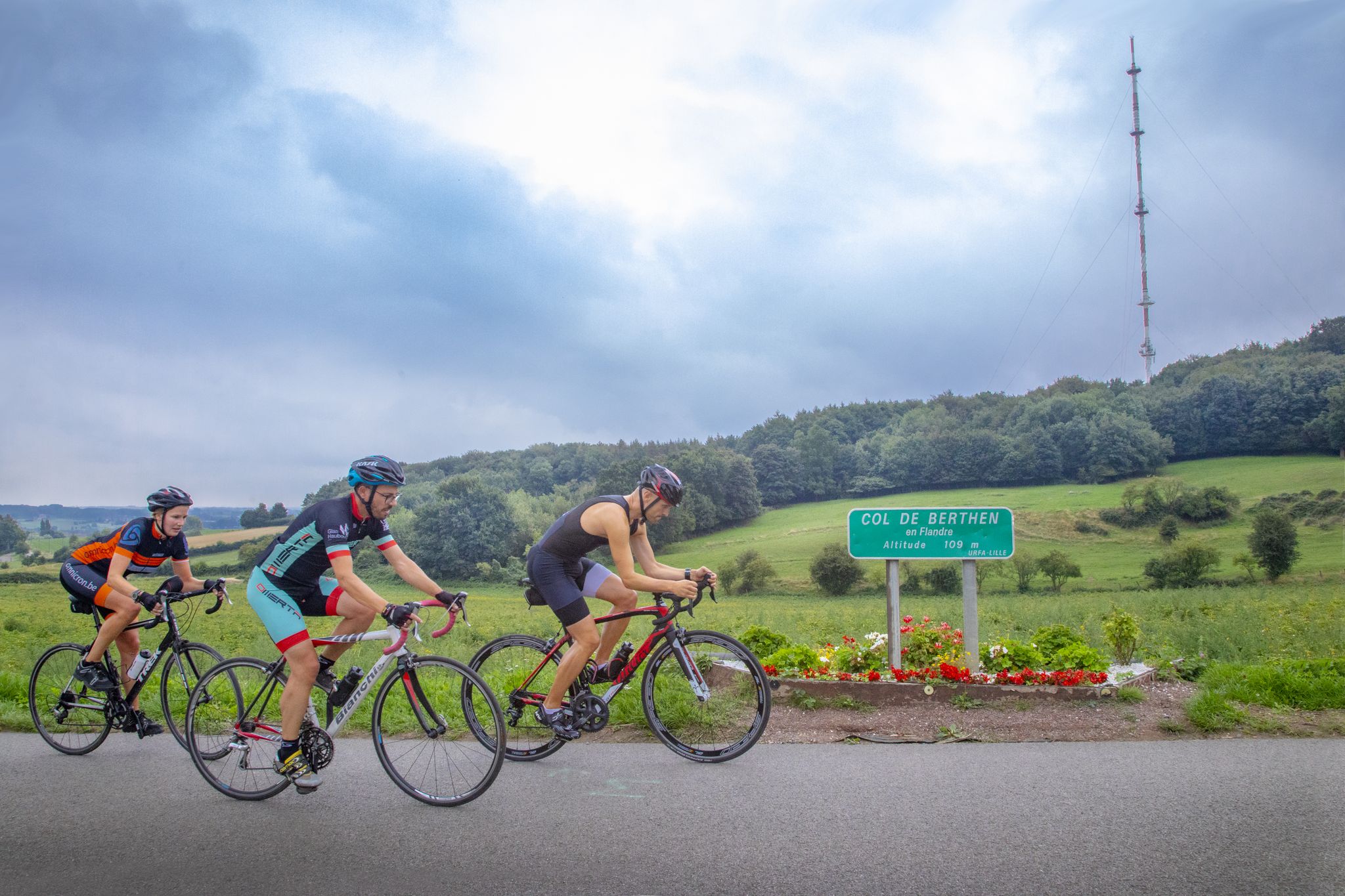
Famous climbs and hills – Flanders, France and Wallonia
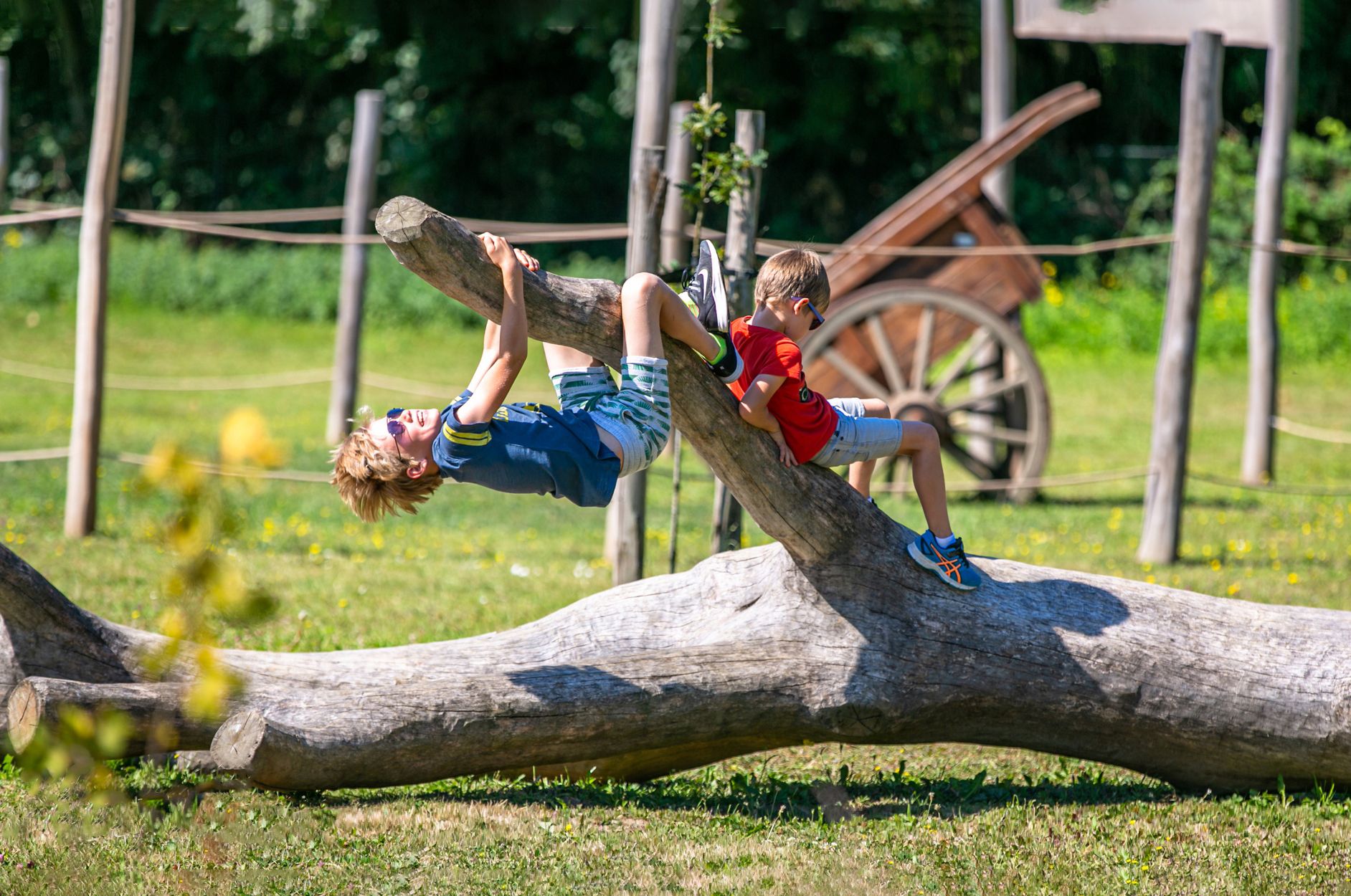
Tours for little adventurers and heroes in Flanders
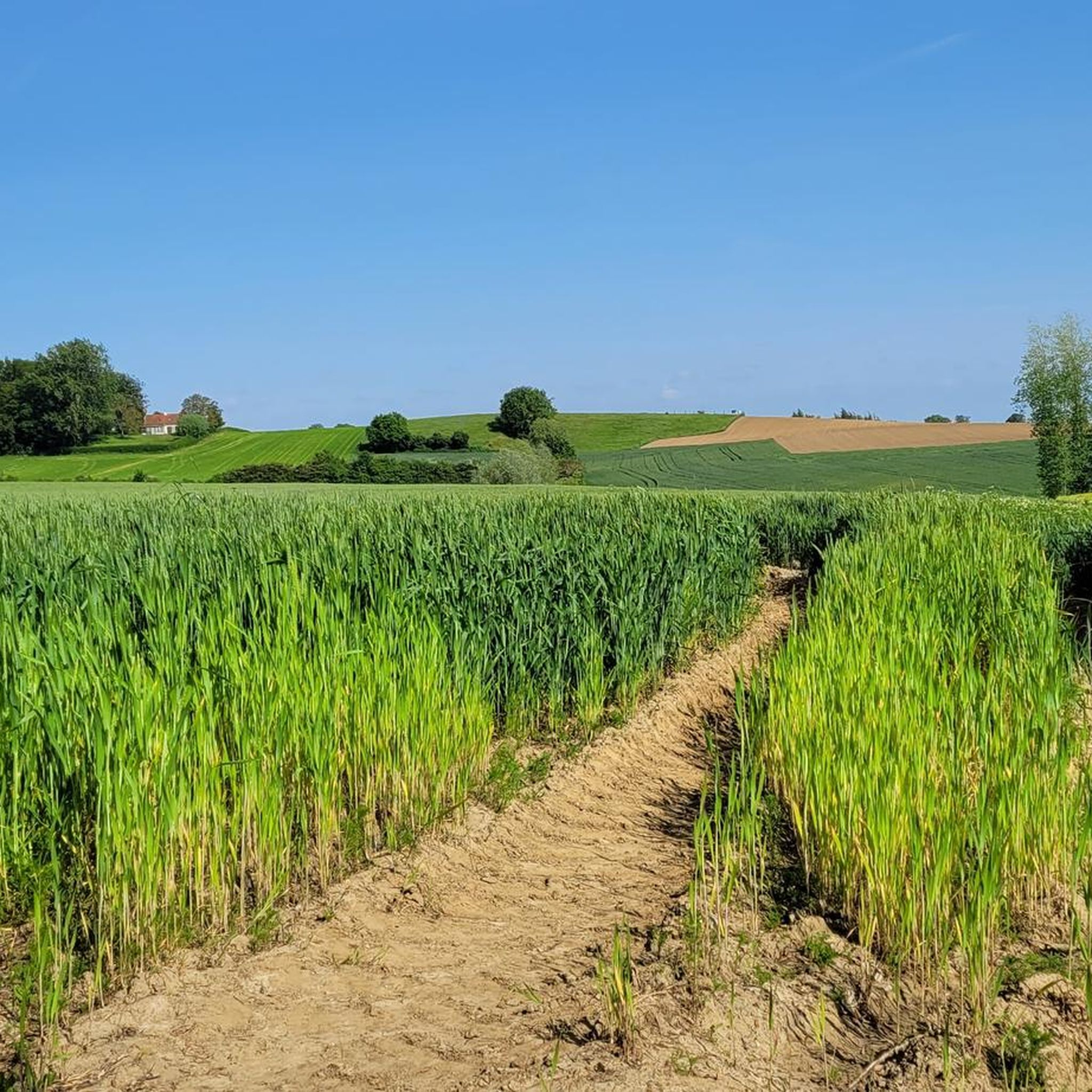
Hiking around Heuvelland
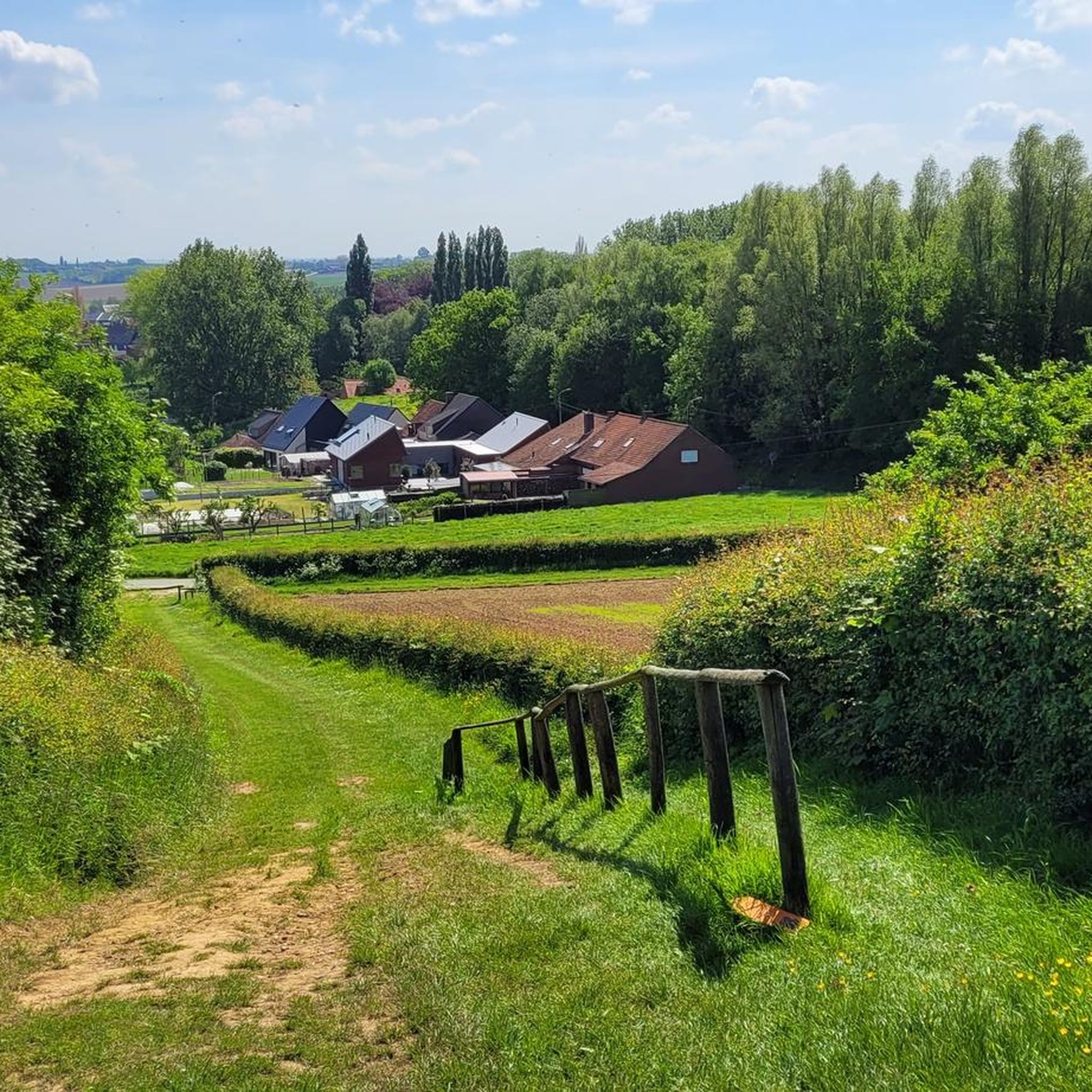
Running Trails around Heuvelland
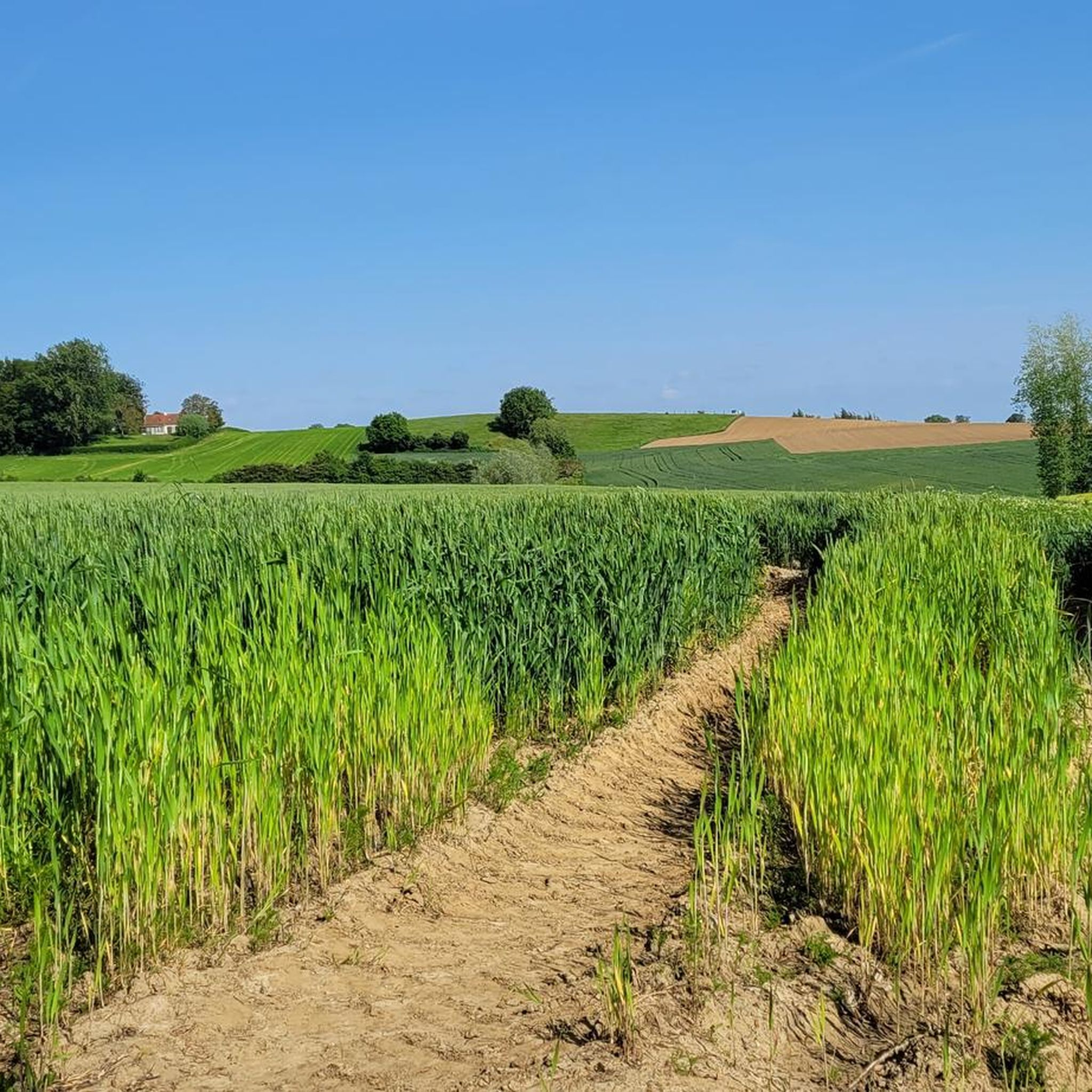
Road Cycling Routes around Heuvelland
MTB Trails around Heuvelland

Gravel biking around Heuvelland
Other adventures around Heuvelland


Tips from the Community


An interesting anecdote concerns the name of the cemetery. It refers to a chalet that stood in the hamlet before the war. This chalet served as a point of reference for the soldiers and gave the cemetery its name.
7
0
Lindenhoek Chalet Military Cemetery is a British military cemetery from the First World War, located in the hamlet of Lindenhoek, south of Kemmel. The cemetery was established in March 1915 by medical posts and combat units and remained in use until October 1917. After the war, approximately 130 more graves from the battlefields around Kemmel were added. The cemetery contains the graves of 317 soldiers, 69 of whom are unidentified. The cemetery has a rectangular plan and is slightly raised above street level, surrounded by a brick wall.
8
0
The Irish Peace Tower is the central monument in the Irish Peace Park in Mesen, West Flanders. The park and the tower were built in memory of the Irish soldiers who were killed, wounded or missing in action during the First World War. The tower, which has a height of 30.5 metres, is designed according to the traditional model of an Irish round tower. Since September 2023, the park has been on the UNESCO World Heritage List.
6
0
An interesting anecdote concerns the explosion of one of the mines on 17 July 1955 by lightning. This mine had not been detonated during the war and was still underground. The explosion created a new crater and reminded the local population of the lasting impact of the war.
6
0
The Spanbroekmolen crater, also known as the Pool of Peace, is an impressive mine crater in Wijtschate. This crater was formed on June 7, 1917, during the Second Battle of Messines, when British troops detonated 19 underground mines. The explosion created a crater 27 meters deep and 129 meters in diameter. After nearly 100 years of erosion, the crater is now a peaceful pool 12 meters deep and 76 meters in diameter.
9
0

The current hall church is a 16th century Gothic-style conversion of the original Romanesque church from the second half of the 12th century. The brick part of the nave and the lower part of the tower are remains of the old church. The pseudo-Romanesque gable with rose window and part of the octagonal crossing tower are 19th century. In the church you will find the mausoleums of the first counts of Watou, Karel van Ydeghem (+ 1630) and Maria van Cortewyle and of the mystic Karel Grimminck (1676-1728). The church has been a protected monument since 1939. https://nl.wikipedia.org/wiki/Sint-Bavokerk_(Watou)
3
0

the unmissable cobblestone climb
0
0
Frequently Asked Questions
How many touring cycling routes are available in Heuvelland?
Heuvelland offers a wide selection of touring cycling routes, with over 130 options available on komoot. These routes cater to various skill levels, including 40 easy, 70 moderate, and over 20 difficult trails.
What kind of terrain can I expect when touring cycling in Heuvelland?
Heuvelland is known for its distinctive hilly landscapes, featuring rolling hills and steep gradients. Routes often wind through lush green countryside, shady forests, and sometimes along rivers like the Geul and Gulp. You'll encounter a mix of surfaces, from paved roads to challenging cobbled climbs, especially around iconic hills like the Kemmelberg.
Are there any historical routes for touring cyclists in Heuvelland?
Yes, the region is rich in history, particularly related to the First World War. A notable route is the Mine Battle Cycling Route 14-18, which is 41.9 km long and explores significant historical sites.
What do other touring cyclists enjoy most about cycling in Heuvelland?
The area is highly rated by the komoot community, with an average score of 4.5 stars from over 150 reviews. Reviewers often praise the challenging yet rewarding hilly terrain, the scenic vistas, and the well-maintained paths that lead through charming villages and historical sites.
Are there any routes with particularly scenic views?
Absolutely. The Magnificent view – Katsberg loop from Westouter is a popular 33.4 km route specifically known for its scenic vistas across the landscape. Many other routes also offer picturesque views as they traverse the rolling hills.
Can I find challenging routes with steep climbs in Heuvelland?
Yes, Heuvelland is famous for its challenging climbs. The Kemmelberg Belvedere – Kemmelberg cobbled climb loop from Dranouter is an 29.2 km route that features challenging cobbled climbs, making it a favorite for those seeking a more difficult ride. Other iconic climbs include the Gildestraat and Baneberg.
What kind of landmarks or attractions can I see along the cycling routes?
Heuvelland offers a variety of landmarks and natural features. You can encounter historical sites like the Hill 60 preserved Battlefield (World War I) and the Pool of Peace (Spanbroekmolen Crater). There are also natural highlights such as the Zillebeke Pond and the Peace Forest, Ypres. For panoramic views, consider visiting the Mont Noir (West) or the French Soldiers' Memorial (1914–1918), Kemmelberg.
Are there any circular touring cycling routes in Heuvelland?
Many of the touring cycling routes in Heuvelland are designed as loops, allowing you to start and end at the same point. Examples include the Magnificent view – Katsberg loop from Westouter and the Kemmelberg cobbled climb – Kemmelberg Ossuary loop from Westouter, which are both popular circular options.
What is the best time of year for touring cycling in Heuvelland?
The spring and autumn months generally offer the most pleasant conditions for touring cycling in Heuvelland, with milder temperatures and beautiful scenery as the landscape changes. Summer can also be enjoyable, though it can be warmer. It's always advisable to check local weather forecasts before heading out.
Are there any routes that pass through charming villages or vineyards?
Yes, many touring cycling routes in Heuvelland are designed to take you through picturesque villages and alongside local vineyards, especially in the Belgian Heuvelland. These routes combine natural beauty with cultural charm, offering opportunities to stop and enjoy the local atmosphere.
Can I find routes that are suitable for a moderate level of fitness?
Heuvelland has a good selection of routes for moderate fitness levels. Out of over 130 routes, approximately 70 are classified as moderate. The Gildestraat – Kemmelberg Ossuary loop from Loker is a 25.1 km moderate route that offers a rewarding ride without being overly strenuous.
Is it possible to combine cycling with exploring historic cities?
While the immediate Heuvelland region is known for its natural beauty and smaller villages, its proximity to historic cities like Maastricht (in the Dutch Heuvelland) means you can often start or end your cycling adventure with a visit to these cultural hubs. Some routes, particularly in the Dutch Heuvelland, can even connect to larger Euregional cycling tours.
Most popular routes around Heuvelland
Most popular attractions around Heuvelland

Get inspired with the komoot mobile app


Explore more
Browse the best Cycling routes in other regions.
