Top 20 Natural Monuments around Langemark - Poelkapelle
Best natural monuments around Langemark - Poelkapelle offer a blend of historical significance and natural tranquility. This region, known for its First World War history, features landscapes shaped by both natural processes and past events. Visitors can explore preserved battlefields, craters, and wetland areas that provide ecological interest. These sites offer opportunities for quiet contemplation and observing local flora and fauna.
Best natural monuments around Langemark - Poelkapelle
- The most popular natural monuments is Hill 60 preserved Battlefield (World War…
Last updated: June 1, 2026
The Bluff Memorial and Crater
Highlight • Historical Site
Translated by Google •
Tip by

Hill 60 preserved Battlefield (World War I)
Highlight • Historical Site
Translated by Google •
Tip by

Sign up now to discover places like this
Get recommendations on the best single tracks, peaks, & plenty of other exciting outdoor places.
Sign up for free
Caterpillar Crater
Highlight • Historical Site
Translated by Google •
Tip by

The Blankaart Observation Tower
Highlight • Viewpoint
Translated by Google •
Tip by

Coming World Remember Me Sculpture
Highlight • Monument
Sign up for free to discover even more natural monuments around Langemark - Poelkapelle.
Sign up for free
Already have an account?
Start today with a free account
Your next adventure awaits.
Login or Signup
Popular around Langemark - Poelkapelle
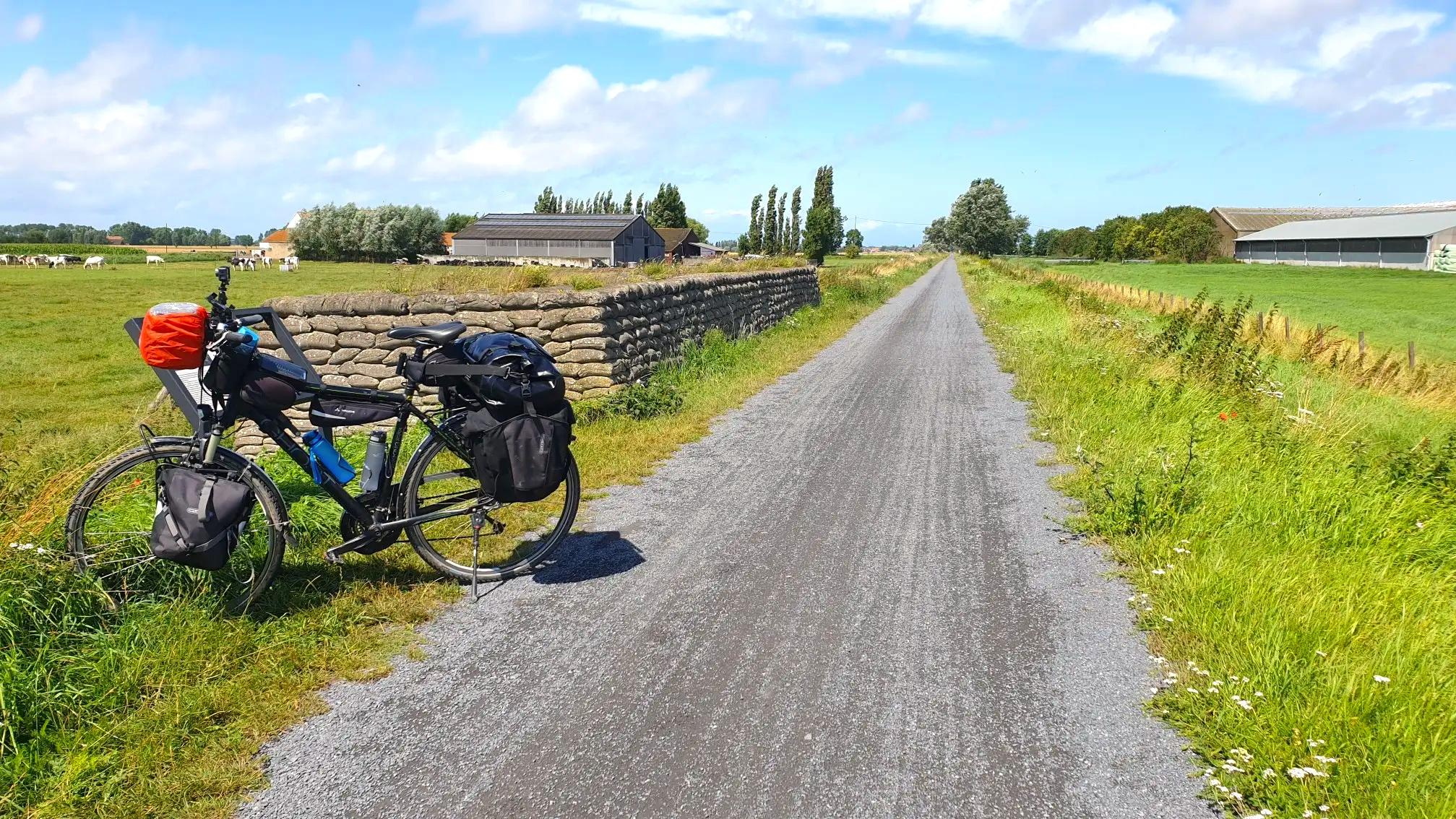
Cycling along the Belgian front - 14-18 Western Front Route
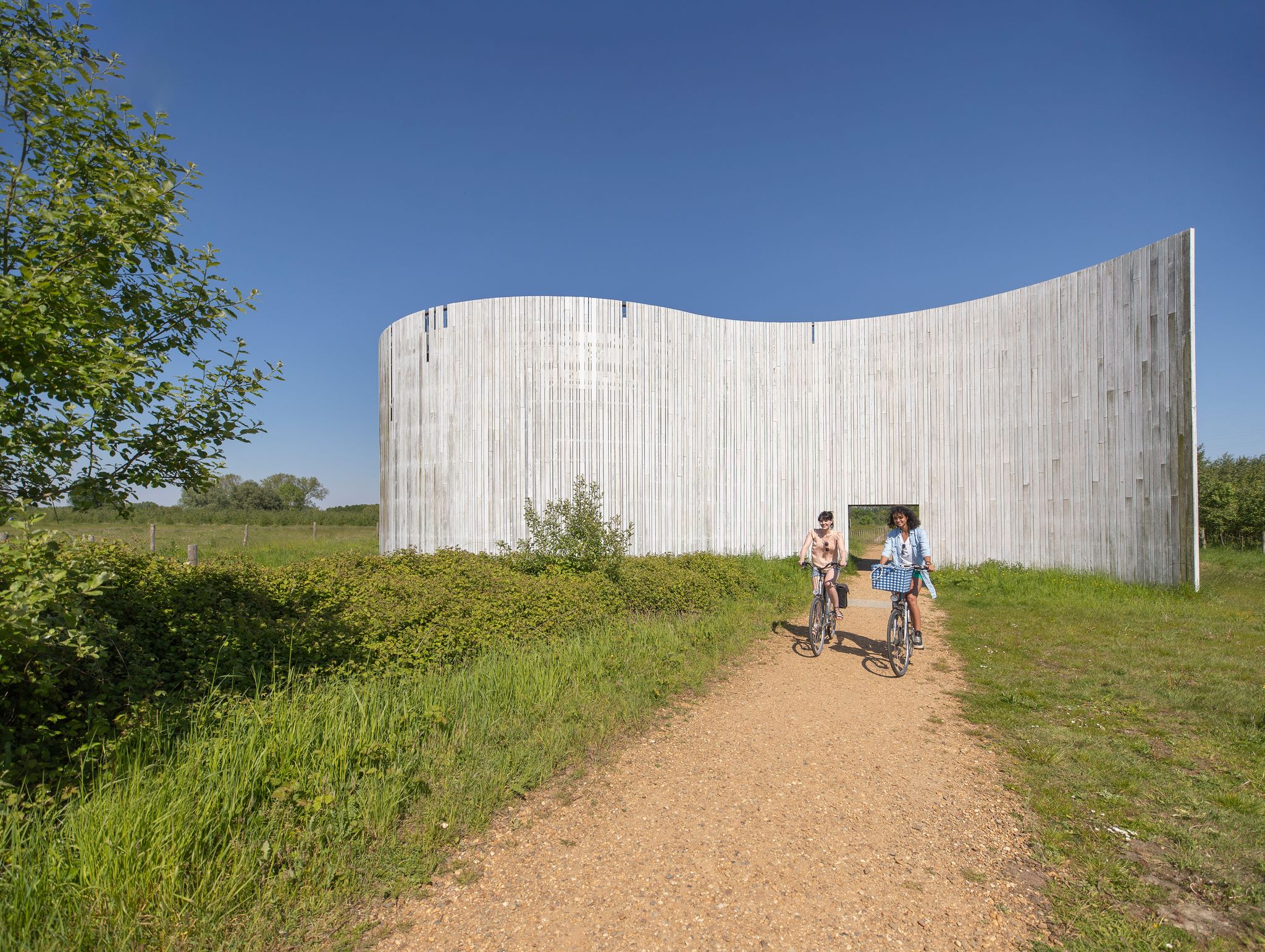
Flanders by bike – the Iconic Cultural Cycle Routes

Gravel biking around Langemark - Poelkapelle
MTB Trails around Langemark - Poelkapelle
Hiking around Langemark - Poelkapelle
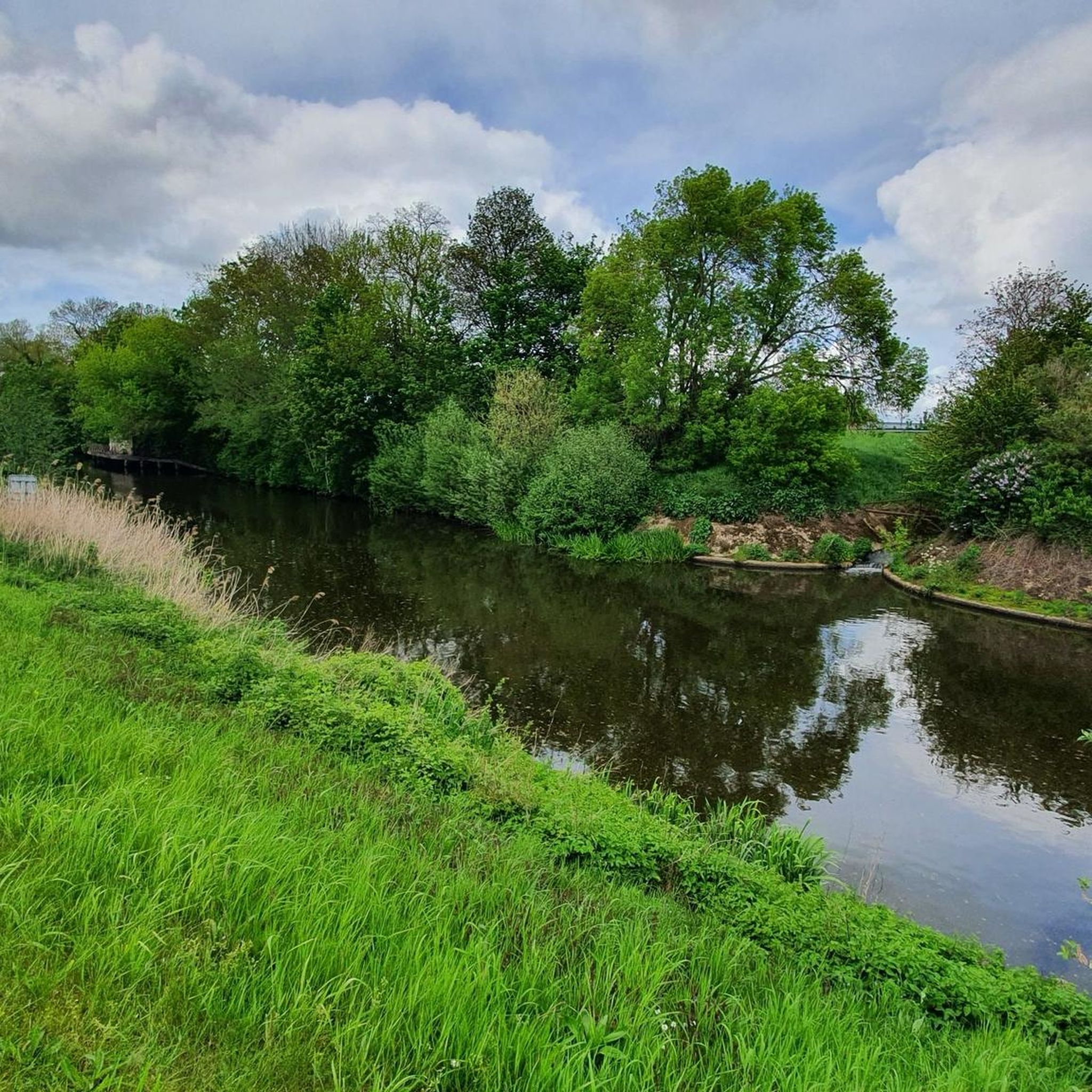
Cycling around Langemark - Poelkapelle
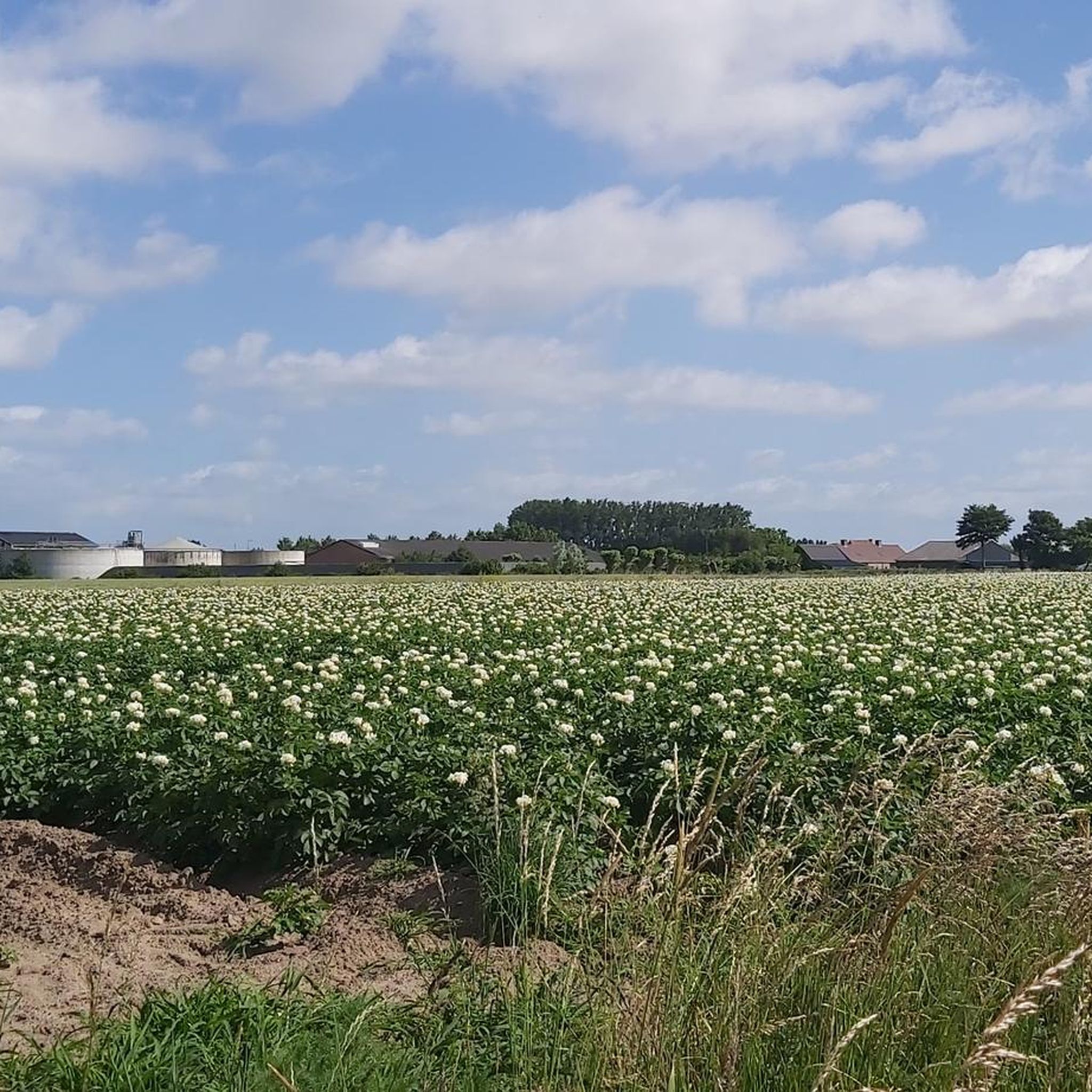
Road Cycling Routes around Langemark - Poelkapelle
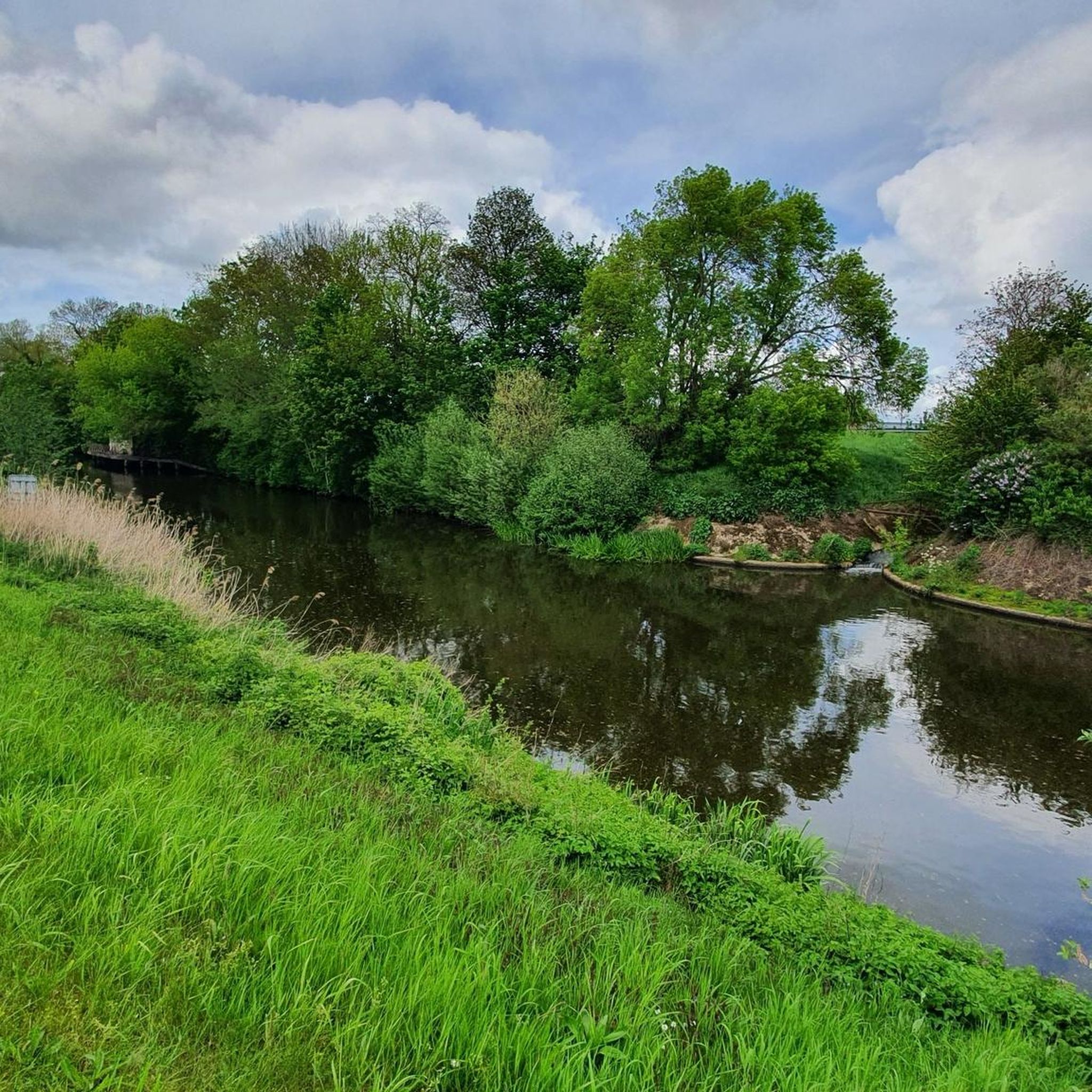
Running Trails around Langemark - Poelkapelle
Other adventures around Langemark - Poelkapelle


Tips from the Community

another very beautiful work
0
0
some very beautiful works on the route
0
0

Strategic hill called Hill 60 in the First World War.
1
0

There are a total of four lookout towers in the Blankaart. This one here is the highest: 10m. It overlooks the reed marshes and the wet hay fields. The inspiration for the design of the viewpoints comes from the reed marshes. Just as the bittern blends with its tall figure into the reeds, the towers blend into the open space of the Blankaart, while at the same time they are beacons in the landscape. The rising walls with sloping elements, openings and green plexiglass refer to the reed collars in which birds can hide and which still have a certain transparency. Source: https://pers.vlm.be/nieuwe-uitkijktorens-in-natuurgebied-de-blankaart
4
1

From this lookout tower you have a beautiful view of the De Blankaart nature reserve. When the weather is clear you can enjoy beautiful panoramas. Certainly do!
16
0

It's an "artist's" vision, the subject is important, the work, less to my taste, if the gesture is worth the memory, I can only validate!
0
1
Duty of memory, they lived through hell on earth so that we didn't walk in step!
1
1
Frequently Asked Questions
What unique natural features can I explore around Langemark - Poelkapelle?
Beyond the historical sites, you can discover diverse natural features. The Blankaart Observation Tower offers panoramic views over the De Blankaart nature reserve, a significant wetland area. You can also visit the Sint-Elooismote, a marshy meadow with an eight-shaped moat, acting as a crucial stepping stone for local flora and fauna, including the great crested newt. The Vijverpark features a historical pond and green spaces, ideal for relaxation.
Are there natural monuments with a strong historical connection in the region?
Yes, many natural monuments here are deeply intertwined with the region's First World War history. Sites like Hill 60 preserved Battlefield, Caterpillar Crater, and The Bluff Memorial and Crater are preserved battlefields and mine craters that bear witness to the past. The Hugot Bosseltje, a small nature reserve, was donated in memory of a WWI casualty, maintaining a peaceful, natural character as a subtle memorial.
What kind of wildlife can I observe at the natural monuments?
The region's natural monuments offer opportunities for wildlife observation. At Sint-Elooismote, a marshy area, you might spot migratory birds, egrets, or harriers, and it's an important habitat for the great crested newt. The De Blankaart nature reserve, visible from the Blankaart Observation Tower, is known for its rich birdlife, including spoonbills.
Are there family-friendly natural monuments suitable for children?
Absolutely! The Blankaart Observation Tower and the surrounding nature reserve are considered family-friendly, with boardwalks and bird-watching huts. The Caterpillar Crater is an impressive site that can spark curiosity. Additionally, the Vijverpark offers picnic areas and play equipment for children, making it a great spot for families to relax amidst nature.
What outdoor activities can I do near these natural monuments?
The area around Langemark - Poelkapelle is excellent for various outdoor activities. You can find numerous hiking trails, including routes like 'Tearoom Steenstraete' or 'Harry Patch Memorial – Langemark War Memorial loop'. For cycling enthusiasts, the railway line that once bisected the Vijverpark now serves as a cycling path, connecting to the Vrijbosroute. There are also dedicated MTB trails and gravel biking routes available in the wider region.
Are there specific walking routes that highlight the natural monuments?
Yes, there are several walking routes that allow you to explore the natural monuments. For instance, you can take a walk around the Sint-Elooismote to experience its wetland ecosystem. The historical sites like The Bluff Memorial and Crater often have walking paths that wind around mine craters and through preserved landscapes, offering a reflective experience. You can find more options for hiking around Langemark - Poelkapelle.
What do visitors enjoy most about the natural monuments in Langemark - Poelkapelle?
Visitors frequently appreciate the blend of natural tranquility and profound historical significance. Many find the preserved battlefields and craters, such as Hill 60 and Caterpillar Crater, to be very impressive and thought-provoking. The beautiful panoramas from viewpoints like the Blankaart Observation Tower and the peaceful, natural character of places like Hugot Bosseltje are also highly valued.
Are dogs allowed on trails around the natural monuments?
Yes, dogs are generally welcome in many natural areas, provided they are kept on a leash. For example, Sint-Elooismote explicitly states that dogs are welcome on a leash. When visiting historical sites or nature reserves, it's always best to keep your dog under control to protect wildlife and respect other visitors.
What is the best time of year to visit the natural monuments?
The natural monuments can be visited year-round, but spring and autumn often offer pleasant weather for walking and exploring. Spring brings new growth and bird activity, while autumn provides beautiful colors. For birdwatching at wetland areas like De Blankaart, certain seasons might be more active for migratory species. Always check local weather conditions before your visit.
Are there any art installations or sculptures among the natural monuments?
Yes, the Coming World Remember Me Sculpture is a notable art installation that serves as a permanent memorial. This land art installation, featuring numerous figurines, gives victims of the First World War a definitive place in history and is a powerful visual experience within the natural landscape.
What should I wear or bring when visiting these sites?
Given the varied terrain, especially at historical battlefield sites and wetland areas, sturdy shoes or boots are highly recommended. For places like Sint-Elooismote, which can be marshy, waterproof footwear would be beneficial. Binoculars are great for birdwatching at sites like the Blankaart Observation Tower. Always bring water and dress in layers suitable for the weather.
How long should I plan for a visit to these natural monuments?
The duration of your visit can vary. Smaller sites like Hugot Bosseltje or the Vijverpark might take an hour or two for a leisurely stroll. Larger historical sites such as The Bluff Memorial and Crater, which includes multiple cemeteries and an information pavilion, could easily occupy half a day. If you plan to combine several sites or undertake a longer hike, allocate a full day.
Most popular routes around Langemark - Poelkapelle
Most popular attractions around Langemark - Poelkapelle

Get inspired with the komoot mobile app


Explore more
Extend your search for the best caves by checking out these guides of the top ones around Langemark - Poelkapelle:
