Top 20 Natural Monuments around Limbourg
Best natural monuments around Limbourg feature a diverse landscape, characterized by vast forests, heathlands, and picturesque river valleys. This region, spanning parts of Belgium and the Netherlands, offers unique geological formations and varied ecosystems. Visitors can explore everything from rolling hills and ancient riverbeds to dense woodlands and rare limestone slopes. The area provides numerous opportunities to experience nature's dynamic beauty.
Best natural monuments around Limbourg
- The most popular natural monuments is Hoëgne River, a river known for its…
Last updated: July 26, 2026
Hohnbach Valley
Highlight (Segment) • River
Translated by Google •
Tip by

Hoëgne River
Highlight • River
Translated by Google •
Tip by

Sign up now to discover places like this
Get recommendations on the best single tracks, peaks, & plenty of other exciting outdoor places.
Sign up for free
Hoëgne Valley
Highlight • Gorge
Translated by Google •
Tip by

Bilisse Rock
Highlight • Natural Monument
Translated by Google •
Tip by

Nutons Waterfall
Highlight • Waterfall
Source: mini-ardenne.be/search.php
Translated by Google •
Tip by
Sign up for free to discover even more natural monuments around Limbourg.
Sign up for free
Already have an account?
Start today with a free account
Your next adventure awaits.
Login or Signup
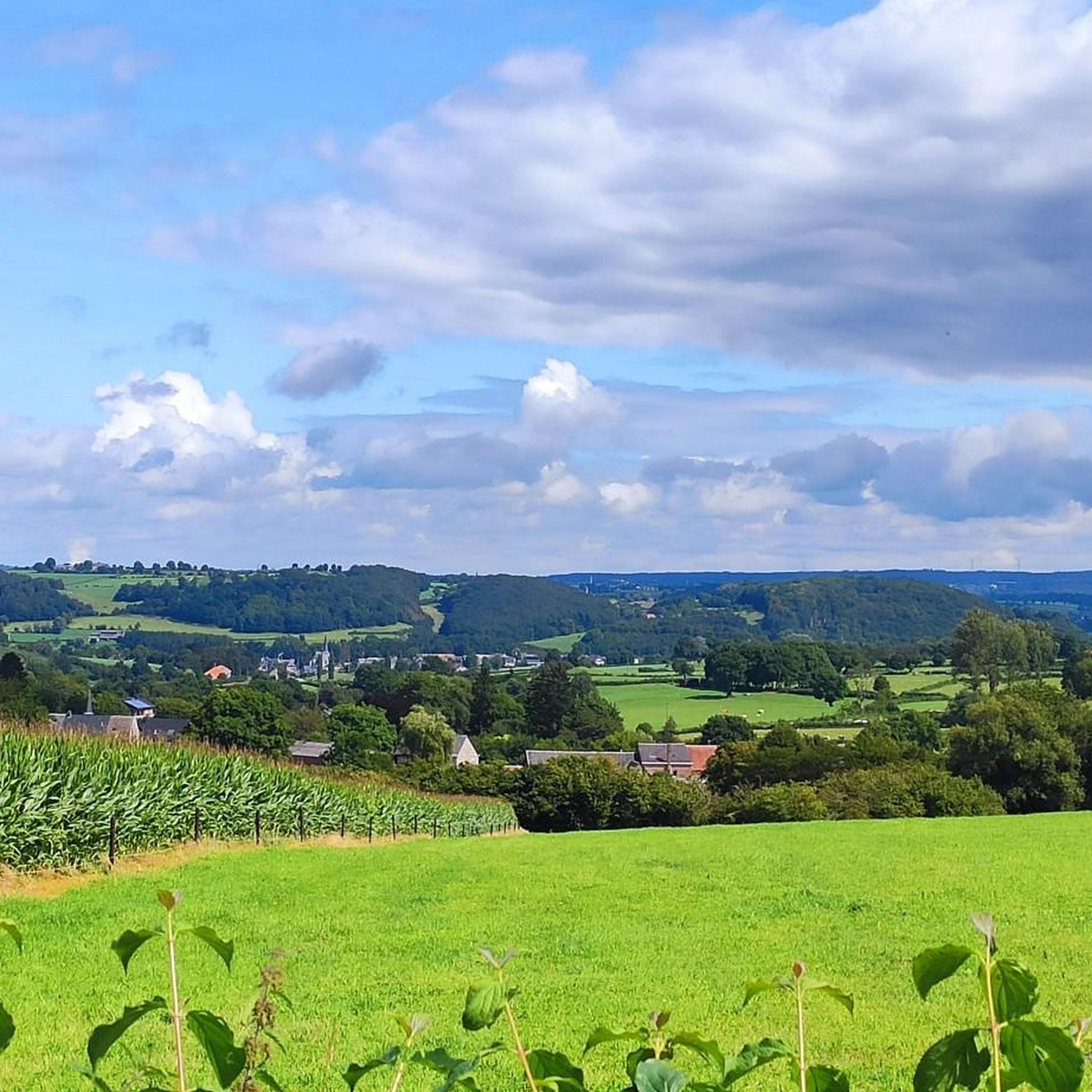
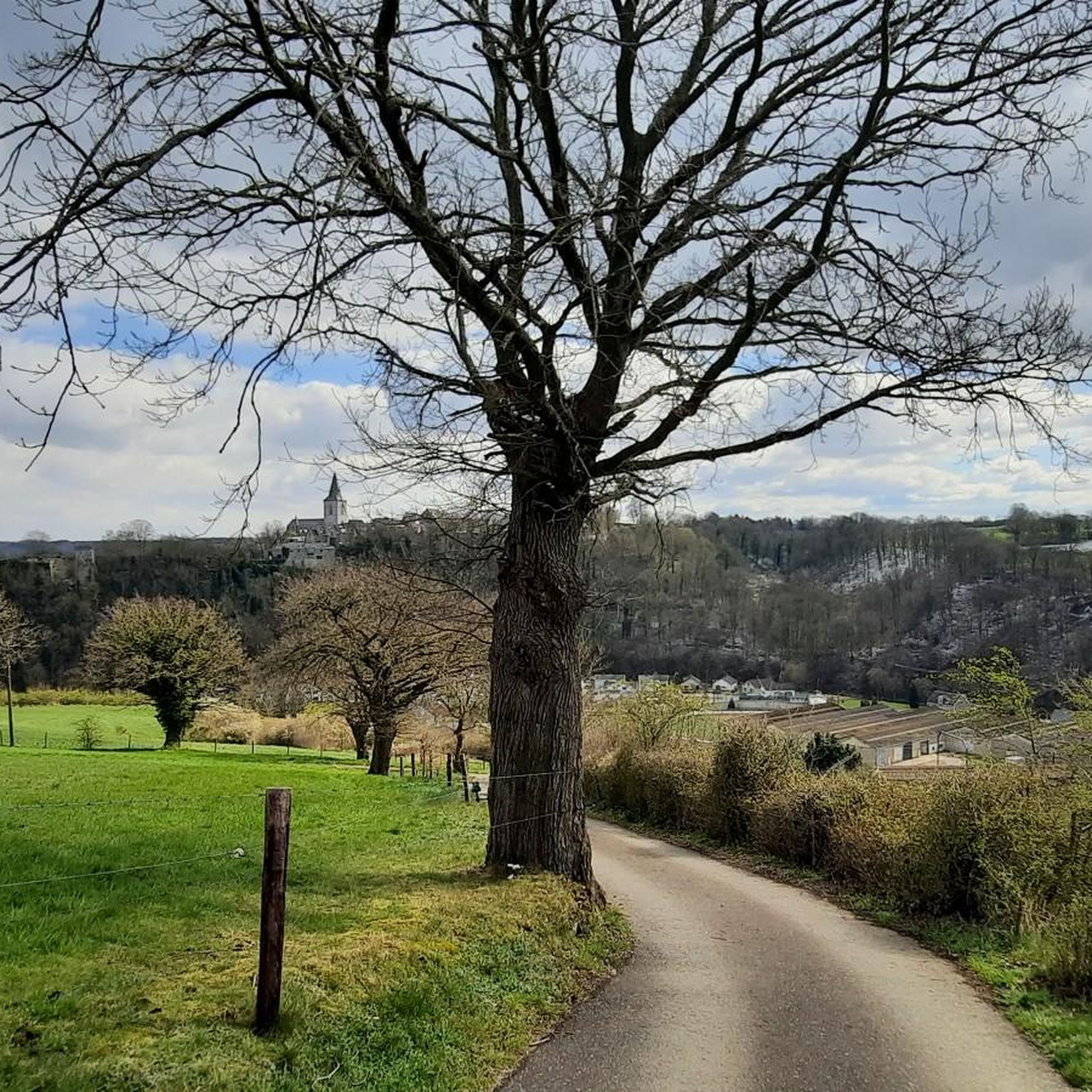
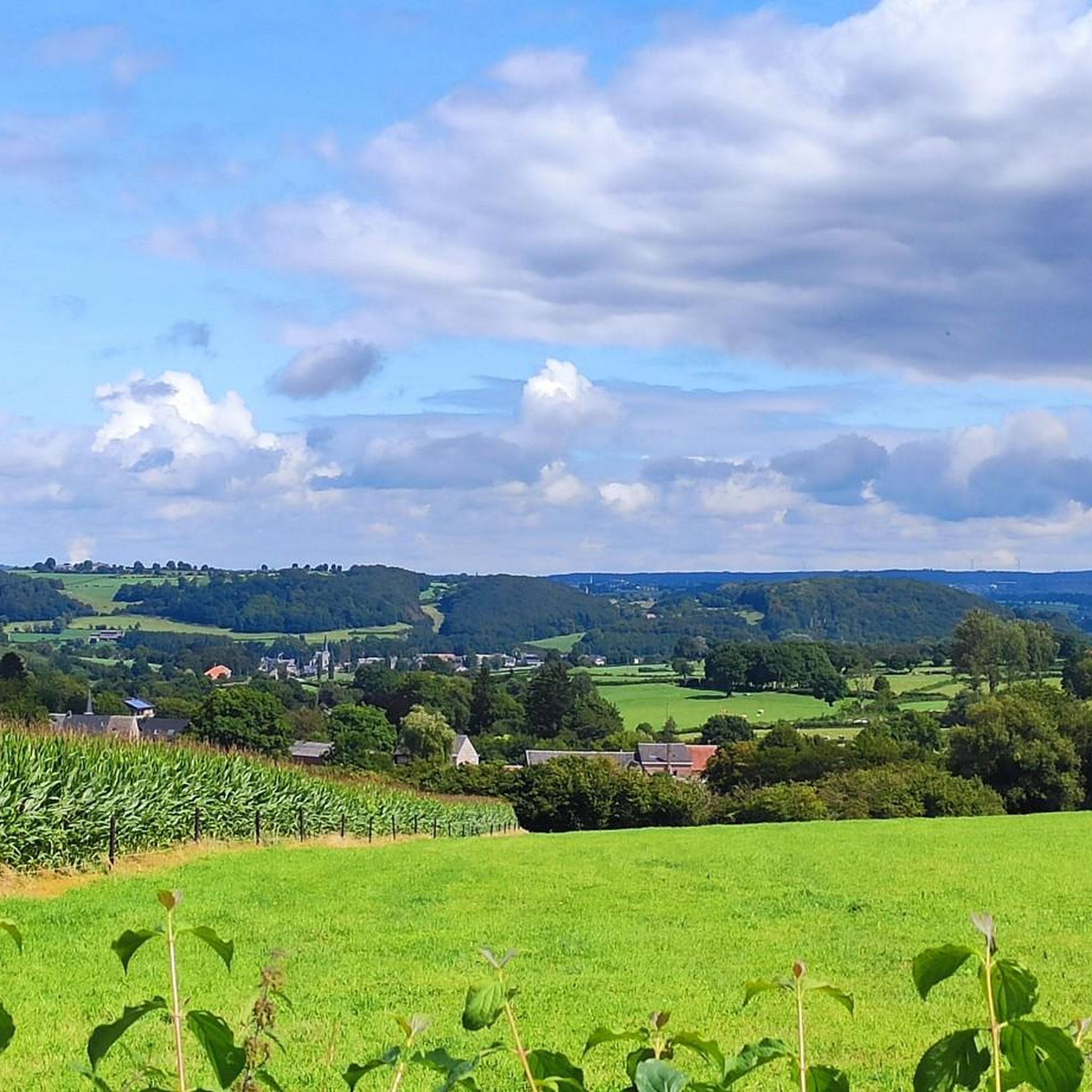
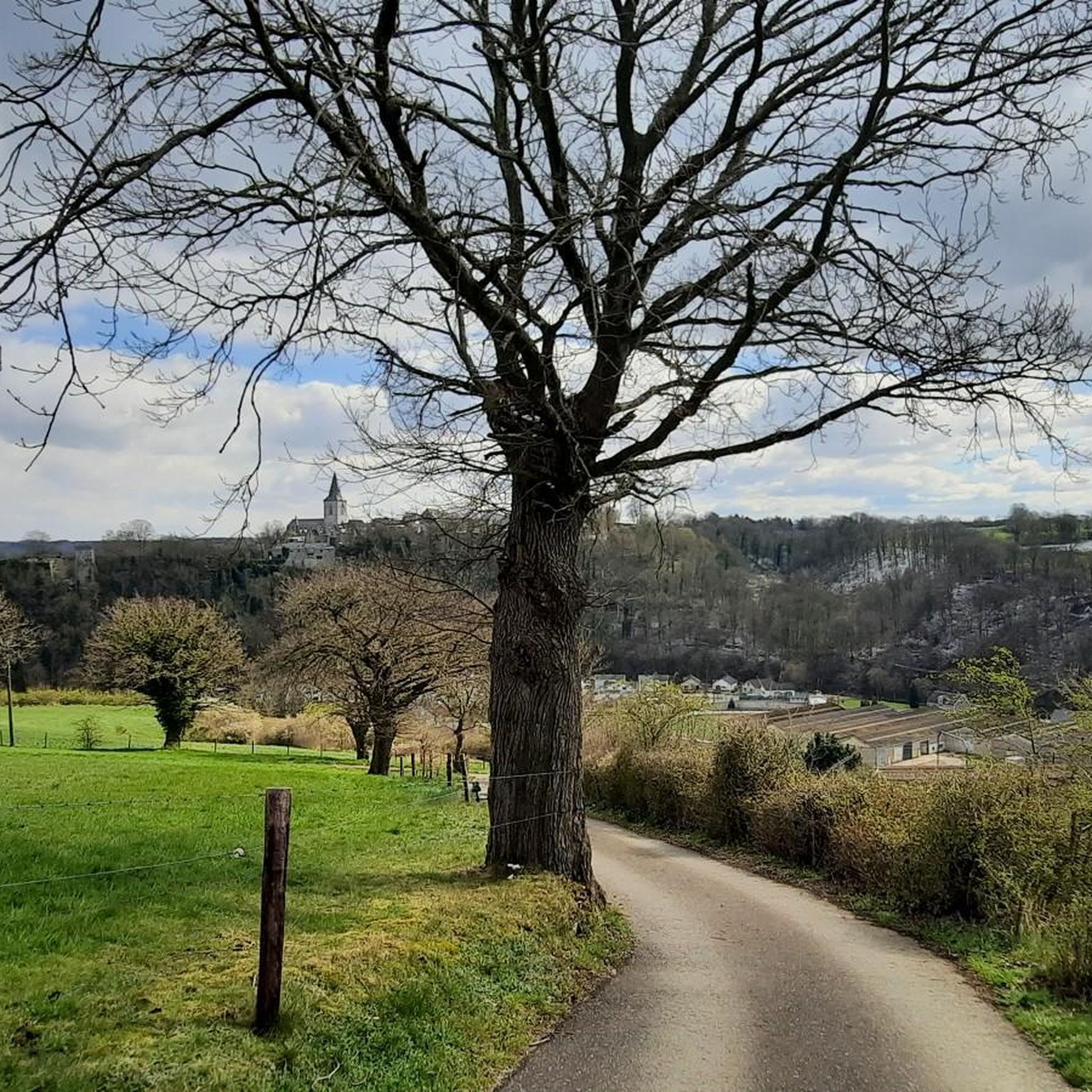


Tips from the Community

The name Bilisse is said to be of Celtic origin: bîl means distinctive and smooth or less and comes from Lech (stone). Hence bîllech = protruding rock! Source: https://www.sparealites.be/solwaster
36
0

Wonderfully wild water. 💕 Often enough I have hiked to "waterfalls" that ended up being just disappointing little streams that trickled over a small rocky step. You may know that too. 😉 But these waterfalls really deserve their name (especially now in spring). 👍 The water is wonderfully loud.
5
0

This valley is a wonderful walking adventure...
9
0
The wonderful sound of rippling water can always be heard...
11
0

Departed from Pont de Belleheid, (too) small parking, especially in busier periods, so leaving early is recommended. Reportedly, cars parked next to the road are sometimes towed away. The walk is definitely worth doing, but it can be quite busy. Lots of tree roots and stones, so good footwear is a must. Here and there you have to overcome a tough climb. Our experience was that the route marking could be a little better, but otherwise definitely recommended.
8
0

Done last week, paths perfectly accessible just a small detour just before you get to the Pont de Centenaire. The valley is super nice for walking.
10
0

Especially in autumn this walk along the Hoëgne is highly recommended. Unfortunately, during holiday periods, the place suffers from the disadvantages of mass tourism. We did the route in reverse, from the car park at the Pont du Centenaire. The message is to leave early so that you are ahead of the crowds. With its countless idyllic waterfalls, wooden bridges, forests and fields, the area is romantic and rugged at the same time.
10
1

An excellent alternative to the much busier, extremely popular valley of the Ninglispo! Slightly adventurous with narrow bridges, climbs and (in rain) slippery stones and rocks, but nevertheless also very suitable for walks with the whole family and/or a dog. Highly recommended!
11
1
Frequently Asked Questions
What unique natural features can I discover in Limbourg's natural monuments?
Limbourg offers a diverse range of natural features. You can explore the botanical richness of the Hoëgne River valley, known for its liverworts, mosses, and ferns. The Hohnbach Valley is notable for its rare yellow calamine violet and beautiful daffodil meadows in spring. You'll also find impressive quartzite rock formations like Bilisse Rock, and unique terraced landscapes in De Meinweg National Park.
Are there family-friendly natural monuments to visit in Limbourg?
Yes, several natural monuments in Limbourg are suitable for families. The Gileppe Dam Lion area offers tourist infrastructure and serves as a starting point for many family-friendly hiking trails. The Nutons Waterfall is also considered family-friendly, providing a pleasant sight and boulders for resting. Additionally, the Hoge Kempen National Park and Bosland National Park in Belgian Limburg offer experiences like 'Cycling through the Trees' which are great for all ages.
What kind of outdoor activities can I do near Limbourg's natural monuments?
The region around Limbourg's natural monuments is excellent for various outdoor activities. You can find numerous running trails, such as the 'Champs de Wooz – Nez de Napoléon loop' or the 'Gileppe Dam – Lake Gileppe loop'. For mountain hiking, explore routes like the 'Hoëgne Valley – Wooden Bridges of the Hoëgne Valley loop'. Mountain biking enthusiasts can enjoy trails like the 'Gileppe Dam – Lake Gileppe loop'. For more details, check out the Running Trails around Limbourg, Mountain Hikes around Limbourg, and MTB Trails around Limbourg guides.
When is the best time to visit the natural monuments in Limbourg?
The best time to visit Limbourg's natural monuments largely depends on what you wish to experience. Spring is ideal for seeing the daffodil meadows in the Hohnbach Valley. Late summer and early autumn are beautiful for the heathlands in bloom, particularly in areas like De Meinweg National Park. Birdwatching is excellent in De Groote Peel National Park during breeding season. Generally, spring through autumn offers pleasant weather for hiking and cycling.
What wildlife can I expect to see in Limbourg's natural monuments?
Limbourg's natural monuments are rich in biodiversity. In Hoge Kempen National Park, you can observe over 6,000 animal species. The Maas Valley River Park is excellent for birdwatching and spotting diverse plant and animal species, including some endangered ones. GrensPark Kempen~Broek is a haven for birdwatchers and offers chances to spot red deer and beavers. De Groote Peel National Park is known for its vibrant birdlife, with over ninety species during breeding season. Sint-Pietersberg is a paradise for butterflies, eagle owls, and bats.
Are there any natural monuments in Limbourg with historical significance?
Yes, some natural monuments in Limbourg have historical connections. The Hoëgne River trail was laid out in the late 19th century and inaugurated by Queen Marie-Henriette, featuring historical footbridges and waterfalls named after King Leopold II and his wife. The Gileppe Dam Lion, completed in 1878, was Europe's first concrete dam and is crowned by a significant sandstone lion emblem. Sint-Pietersberg near Maastricht also features the historical Fort Sint Pieter alongside its unique natural environment.
What are the unique geological formations found in Limbourg?
Limbourg is home to several unique geological formations. The Bilisse Rock is an imposing quartzite rock formation, remnants from 500 million years ago. De Meinweg National Park features a unique terraced landscape with three plateaus formed by river sediments and geological activity. Sint-Pietersberg is known for its rare limestone slopes and an impressive marl quarry. Additionally, the Marl Cliff along the Geul River showcases fascinating marlstone walls, bearing witness to Limburg's underground landscape.
Can I find viewpoints with panoramic vistas among Limbourg's natural monuments?
Absolutely. From the summit of Bilisse Rock, you can enjoy magnificent valley views. The Gileppe Dam Lion features a lookout tower with a restaurant, offering fantastic views. In Belgian Limburg, Terhills within Hoge Kempen National Park provides spectacular panoramas from its 'mountains and lakes' landscape. Vaalserberg, the highest point in the European Netherlands, also offers an observation tower with unobstructed views of three countries.
Are there any natural monuments in Limbourg that offer unique immersive experiences?
Yes, Limbourg offers some truly unique immersive experiences. In Bosland National Park and Hoge Kempen National Park, you can try the 'Cycling through the Trees' experience, allowing you to cycle through the forest canopy. De Wijers, known as 'the land of 1001 ponds,' features the 'Cycling through Water' path in Bokrijk, where you cycle directly through a pond, providing an intimate connection with the aquatic environment and its birdlife.
What are the characteristics of the river landscapes in Limbourg?
Limbourg's river landscapes are dynamic and diverse. The Hoëgne River is known for its primeval stream character and botanical interest. The Maas Valley River Park, along the Meuse River, features wild and unusual landscapes with an extensive network of river arms, gravel ponds, and floodplains, shaped by the river's erratic nature. The Marl Cliff along the Geul River presents impressive marlstone walls that form a natural boundary along the water, harboring small caves and unique flora.
What should I wear or bring for a hike in Limbourg's natural monuments?
When hiking in Limbourg's natural monuments, it's strongly recommended to wear sturdy shoes, especially on trails like those along the Hoëgne River, where root paths can be slippery in wet weather. Depending on the season, layers of clothing are advisable. For birdwatching areas like De Groote Peel, binoculars would enhance your experience. Always bring water and snacks, and consider a map or GPS device for navigation.
Are there any cross-border natural parks in the Limbourg region?
Yes, Limbourg features significant cross-border natural parks. The Maas Valley River Park runs along the Meuse River, forming a natural border with the Netherlands. GrensPark Kempen~Broek is a UNESCO Biosphere Reserve that spans parts of Belgian and Dutch Limburg, as well as North Brabant, offering a mosaic-like landscape of swamps, streams, forests, and heathland.
Most popular routes around Limbourg
Most popular attractions around Limbourg

Get inspired with the komoot mobile app


Explore more
Extend your search for the best caves by checking out these guides of the top ones around Limbourg:
