The best mountain hikes around Limbourg
5.0
(1)
8
hikers
2
hikes
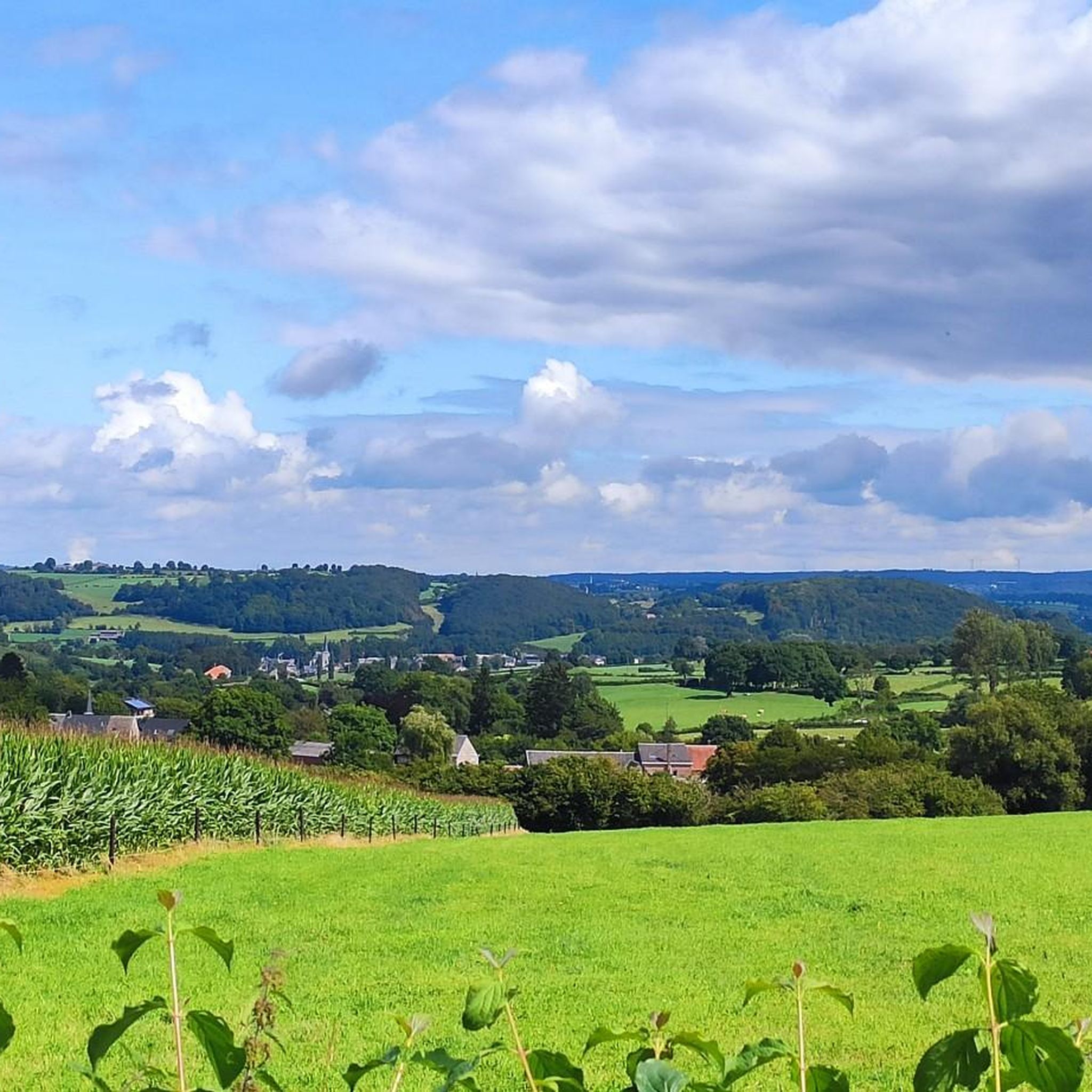
Mountaineering around Limbourg is characterized by its diverse, undulating terrain, offering a unique experience distinct from high-alpine environments. The region features rolling hills, river valleys, and elevated areas, particularly in its southern Dutch part and former mining sites in Belgian Limburg. Landscapes transition from flat sandy areas to more challenging hilly sections, encompassing forests, heathlands, and fens. This topography provides varied ascents and descents suitable for mountaineering.
Best mountaineering routes around Limbourg
- The most popular mountaineering route is Hoëgne Valley…
Last updated: July 25, 2026
5.0
(1)
6
hikers
7.56km
02:07
150m
150m
Moderate mountaineering route. Good fitness required. Easily-accessible paths. Suitable for all skill levels.
1
hikers
6.86km
01:53
120m
120m
Easy mountaineering route. Great for any fitness level. Easily-accessible paths. Suitable for all skill levels.

Sign up for free
1
hikers
4.16km
01:10
90m
90m
Easy mountaineering route. Great for any fitness level. Easily-accessible paths. Suitable for all skill levels.
Our route recommendations are based on thousands of hikes, rides, and runs completed by other people on komoot.
Start today with a free account
Your next adventure awaits.
Login or Signup
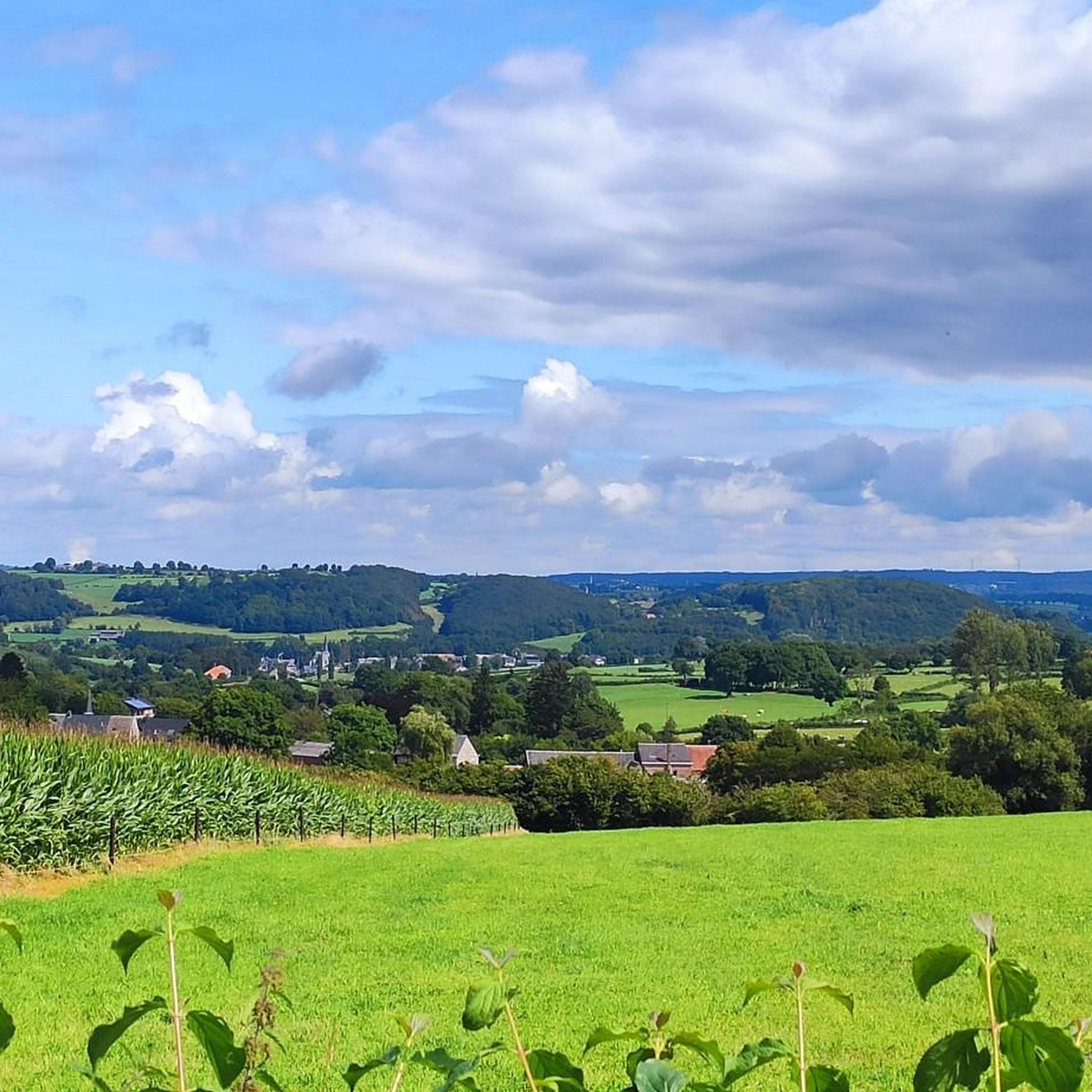
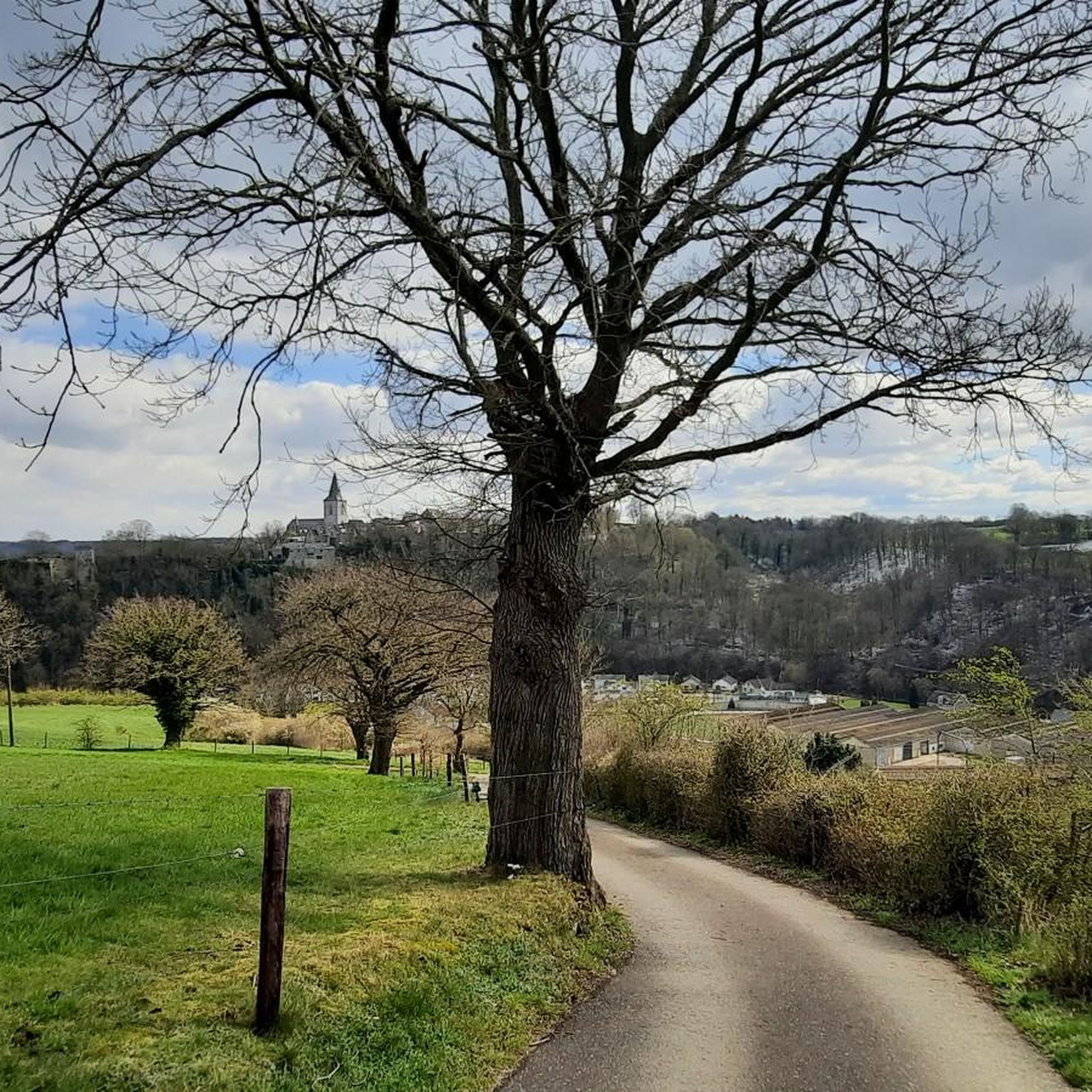
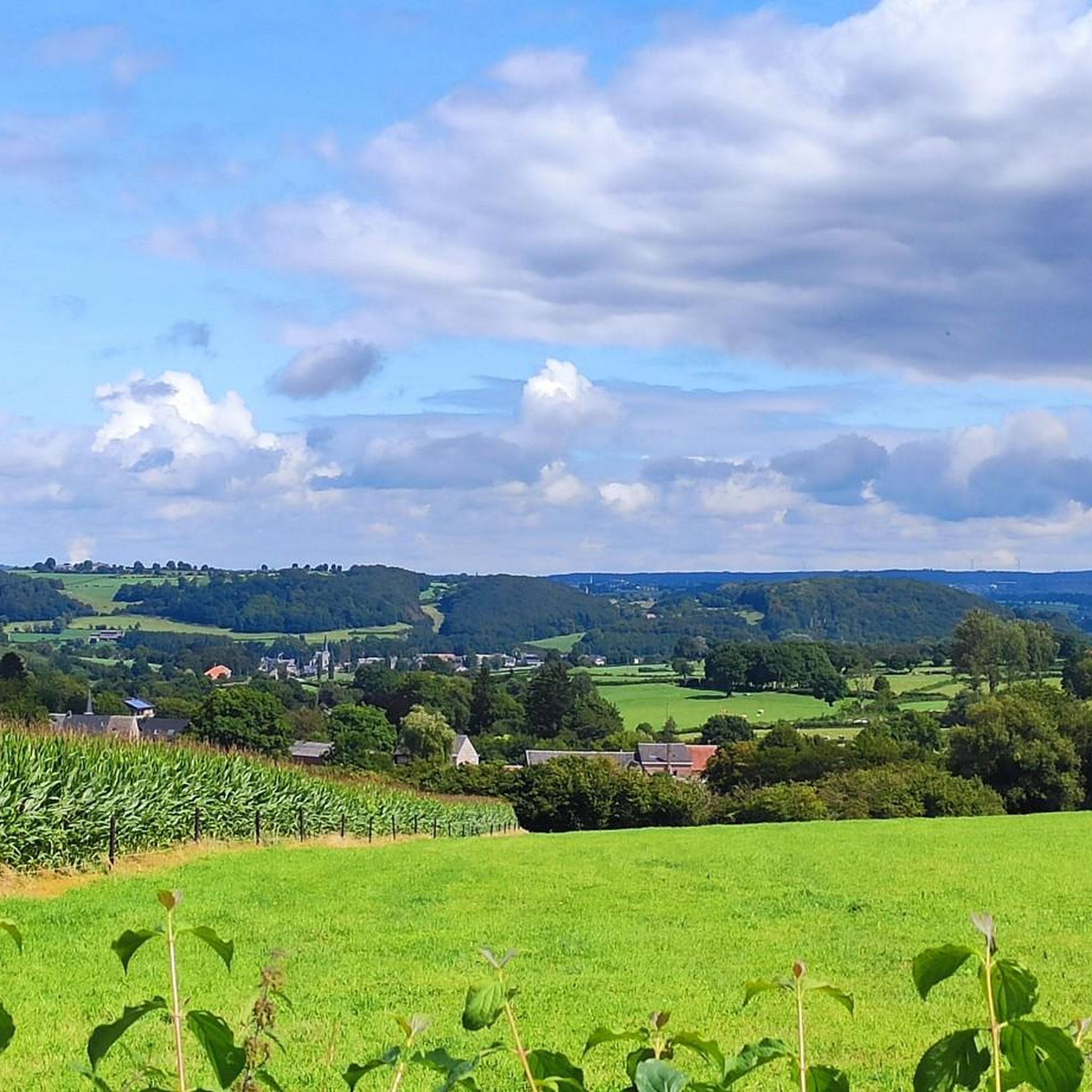
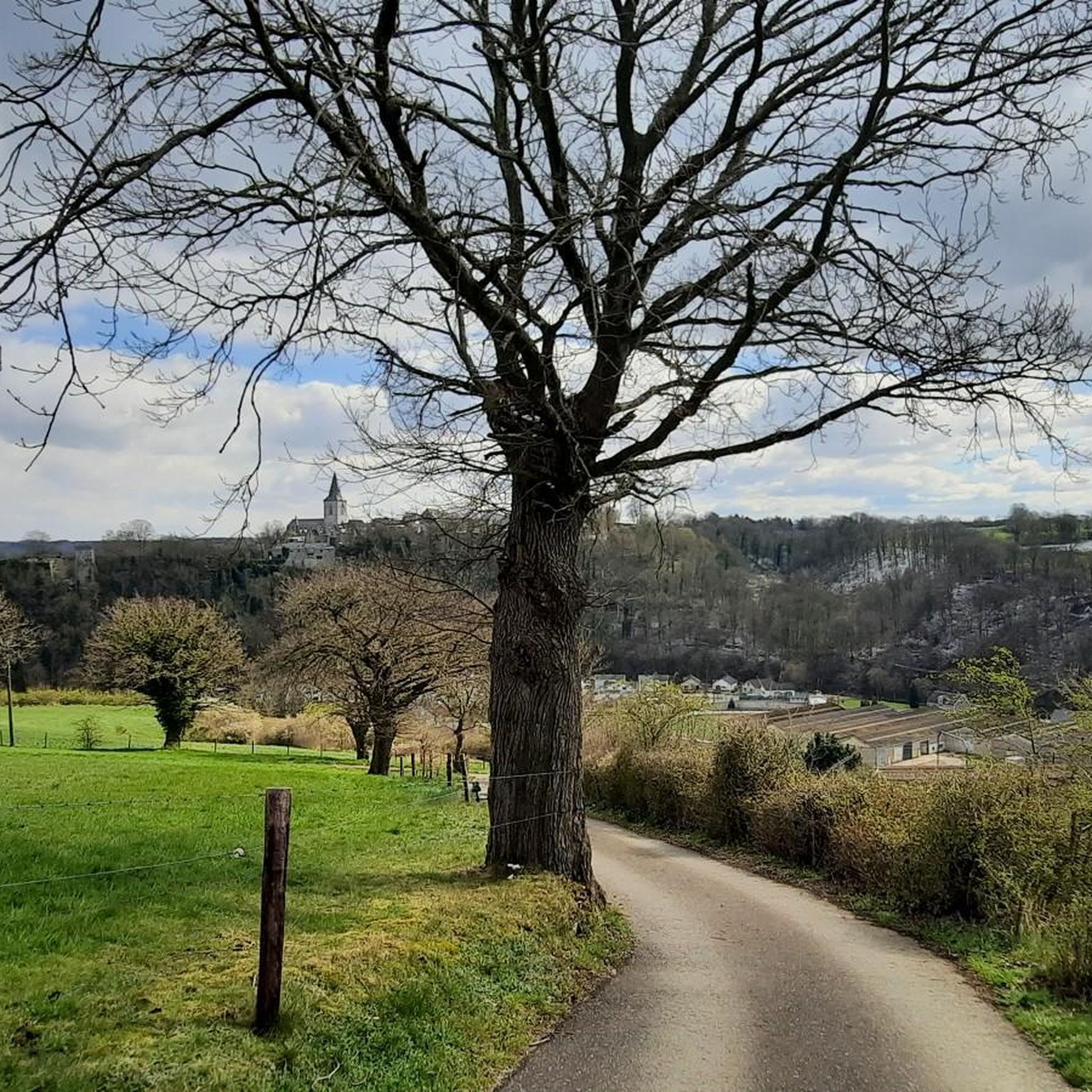

Tips from the Community

So cool to see this and to hike here.
1
0
Really very beautiful.
1
0

Covered and in a beautiful setting. 👌
5
0
It's wonderful to see the river in action. It can get a bit busier, but it's definitely worth it for anyone who enjoys riverside walks.
6
0

The valley of the Hoëgne is of remarkable botanical interest for the liverworts, moss and ferns that can be observed there. Its floristic wealth alone justifies a very special protection. At the end of the 19th century, at a time of high tourism in the region, it was necessary to offer the bourgeoisie and the working class a holiday resort where they could rest, such as the valley of the Hoëgne. This is what the members of the Sart-Attractions circle set themselves the goal of developing this exceptionally rich site in less than two months. Great efforts were made to offer the city dwellers a place where they could indulge in the pleasures of fishing, admire enchanting landscapes and recharge their batteries with the power of the torrents. Queen Marie-Henriette, who lived in Spa at the end of her life, inaugurated the new promenade on September 25, 1899. The two main waterfalls along the river are
3
0
The Hoëgne, the main tributary of the Weser, is undoubtedly the most famous of the rivers that have their origins on the plateau of the High Fens. Its first waters flow at an altitude of 660 m, near the Baraque Michel. After winding through the peat of the Fens, the slope becomes steeper from the Centenary Footbridge. The Hoëgne then becomes a raging torrent as far as Belleheid at an altitude of 380 m, offering some of its most beautiful views. In past centuries, this river was the scene of an important activity in iron ore mining, which made the reputation of the Marquis of Franchimont, to which the Sart territory was attached.
4
0

Sturdy shoes are necessary, it can be slippery and wet.
0
0

Streversdorp, also known as the 'Graaf' castle (indeed after the word 'graaf'), is a medieval castle from the 13th century (according to legend it dates from 915) located in the hollow of a valley, through which a stream flows with the name Streverstroperbach which feeds the Geul river. The name of the stream and castle come from the first known owner, Egidius de Triversdorp in 1275. The mansion is accessed through a yard bordered by two wings, one built of brick (18th century), the other of limestone rubble (1687). On the far right is a chapel, probably dating from the 15th century, but rebuilt in 1734 by Vincent de Belderbusch and his wife Marie-Claire de Westrem, whose coat of arms the castle bears. The Horrick family (1431-1530), the Belderbusch family (1530 -1810), the Thiriart family (1810-1908) and the Charles Janne Dothée family (1908-1986) are other families that owned the castle. The walls are 1.5 meters thick and the fortress is protected by a wide moat fed by two ponds. It is accessed from the south via a three-arched stone bridge leading (formerly the drawbridge) to the entrance gate, which is topped by an oval bull's eye dating from the 17th century. In the centre, the former 13th-century keep contains a beautiful vaulted room with a beautiful fresco that has now disappeared. In the 16th century two towers were added to the south-west and north-west corners. The north side is lit only by gun ports and the rest by three latrines. Source: https://www.plombieres.be/plombieres/information/chateau-de-streversdorp-graaf-montzen
5
0
Frequently Asked Questions
How many mountaineering routes are available in Limbourg?
Komoot currently features a selection of mountaineering routes in Limbourg, with more being added regularly by the community. You can explore a variety of trails, from easy to moderate, across the region's diverse landscapes.
What are some easy mountaineering routes in Limbourg?
For an easier experience, consider the Streversdorp Castle (Graaf) – View of Montzen loop from Henri-Chapelle, which is 4.3 miles (6.9 km) long and offers pleasant views. Another gentle option is the Clouseweiher loop from Dam of the Weser, a 2.6 miles (4.2 km) trail through varied terrain.
Are there any challenging mountaineering routes in Limbourg?
While Limbourg doesn't have high-alpine peaks, its 'mountaineering' is characterized by significant rolling hills and elevated areas, particularly in the southern Dutch part and former mining sites. Routes like the Hoëgne Valley – Wooden Bridges of the Hoëgne Valley loop from Hoëgne, at 4.7 miles (7.6 km) with notable elevation changes, offer a more demanding experience. The region's topography, including hills like Vaalserberg, Bemelerberg, and Cauberg, provides challenging ascents popular with hikers and cyclists alike.
Can I find circular mountaineering trails in Limbourg?
Yes, many of the mountaineering routes in Limbourg are designed as circular trails, allowing you to start and end at the same point. Examples include the Hoëgne Valley – Wooden Bridges of the Hoëgne Valley loop from Hoëgne and the Streversdorp Castle (Graaf) – View of Montzen loop from Henri-Chapelle.
What is the best time of year for mountaineering in Limbourg?
Limbourg's diverse landscapes are enjoyable year-round. Spring brings blooming nature, while autumn offers vibrant foliage. Summer is ideal for longer days, and even winter can be beautiful, though conditions may require appropriate gear, especially on higher or exposed sections. Always check local weather forecasts before heading out.
Are there family-friendly mountaineering options in Limbourg?
Absolutely. Many routes in Limbourg are suitable for families, especially those in the 'easy' category. The region's rolling hills and well-maintained paths through nature reserves like Hoge Kempen National Park or Leudal Nature Reserve offer accessible adventures for all ages. Look for shorter, less strenuous loops for younger children.
Are dogs allowed on mountaineering routes in Limbourg?
Many natural areas and trails in Limbourg are dog-friendly, but it's always best to check specific park regulations or route descriptions. Generally, dogs are welcome on a leash. Ensure you carry water for your pet and clean up after them to preserve the natural environment for everyone.
What kind of views or natural features can I expect on these routes?
Limbourg offers a rich tapestry of landscapes. You'll encounter rolling hills, picturesque river valleys like the Hoëgne, dense forests, open heathlands, and fens. Some routes provide panoramic views from elevated points such as Vaalserberg, the highest point in the Netherlands, or from former mining sites transformed into scenic 'mountains' like Terril Waterschei.
Are there any interesting landmarks or attractions near the mountaineering trails?
Yes, Limbourg is rich in points of interest. Near some routes, you might find attractions like the Weser Reservoir (Eupen Dam) or the Gileppe Dam Lion. The region also features charming half-timbered houses in Heuvelland and unique geological formations in National Park De Meinweg. Former mining sites, now recreational areas, offer a glimpse into the region's industrial past.
How long do mountaineering trails in Limbourg typically take to complete?
The duration varies significantly depending on the route's length and your pace. For example, the Clouseweiher loop from Dam of the Weser can be completed in about 1 hour 10 minutes, while the Hoëgne Valley – Wooden Bridges of the Hoëgne Valley loop from Hoëgne typically takes around 2 hours 7 minutes. You'll find options ranging from short strolls to half-day excursions.
Is public transport available to reach mountaineering trailheads in Limbourg?
Public transport options vary by specific trailhead. Many popular starting points, especially near towns or villages, are accessible by bus or train. However, for more remote trailheads, driving and parking might be more convenient. It's advisable to check local public transport schedules and routes for your chosen destination in advance.
What should I wear or bring for mountaineering in Limbourg?
Given Limbourg's varied terrain and often changeable weather, it's best to dress in layers. Sturdy hiking boots with good ankle support are recommended, especially for routes with ascents and descents. Always carry water, snacks, a map or GPS device (like komoot), and rain gear, regardless of the forecast. Sun protection is also essential.
Where can I find parking for mountaineering routes in Limbourg?
Many popular trailheads and nature reserves in Limbourg offer designated parking areas, often free or for a small fee. For routes starting in or near villages, you might find street parking or public car parks. Always check for signage and local regulations to ensure legal and safe parking.
Most popular routes around Limbourg
Most popular attractions around Limbourg

Get inspired with the komoot mobile app


Explore more
Browse the best Mountain Hikes & Routes in other regions.
