Top 3 Natural Monuments around Maratea
Best natural monuments around Maratea highlight a diverse landscape where mountains meet the Tyrrhenian Sea. The region's coastline, spanning over 30 kilometers, features a variety of natural formations including caves, islands, and distinctive beaches. These geological features offer varied environments for exploration and provide insights into the area's natural history. Maratea's natural areas are well-suited for outdoor activities.
Best natural monuments around Maratea
- The most popular natural monuments is Lake Sirino, a lake that is a remnant of an…
Last updated: June 1, 2026
Lake Sirino
Highlight • Lake
Translated by Google •
Tip by

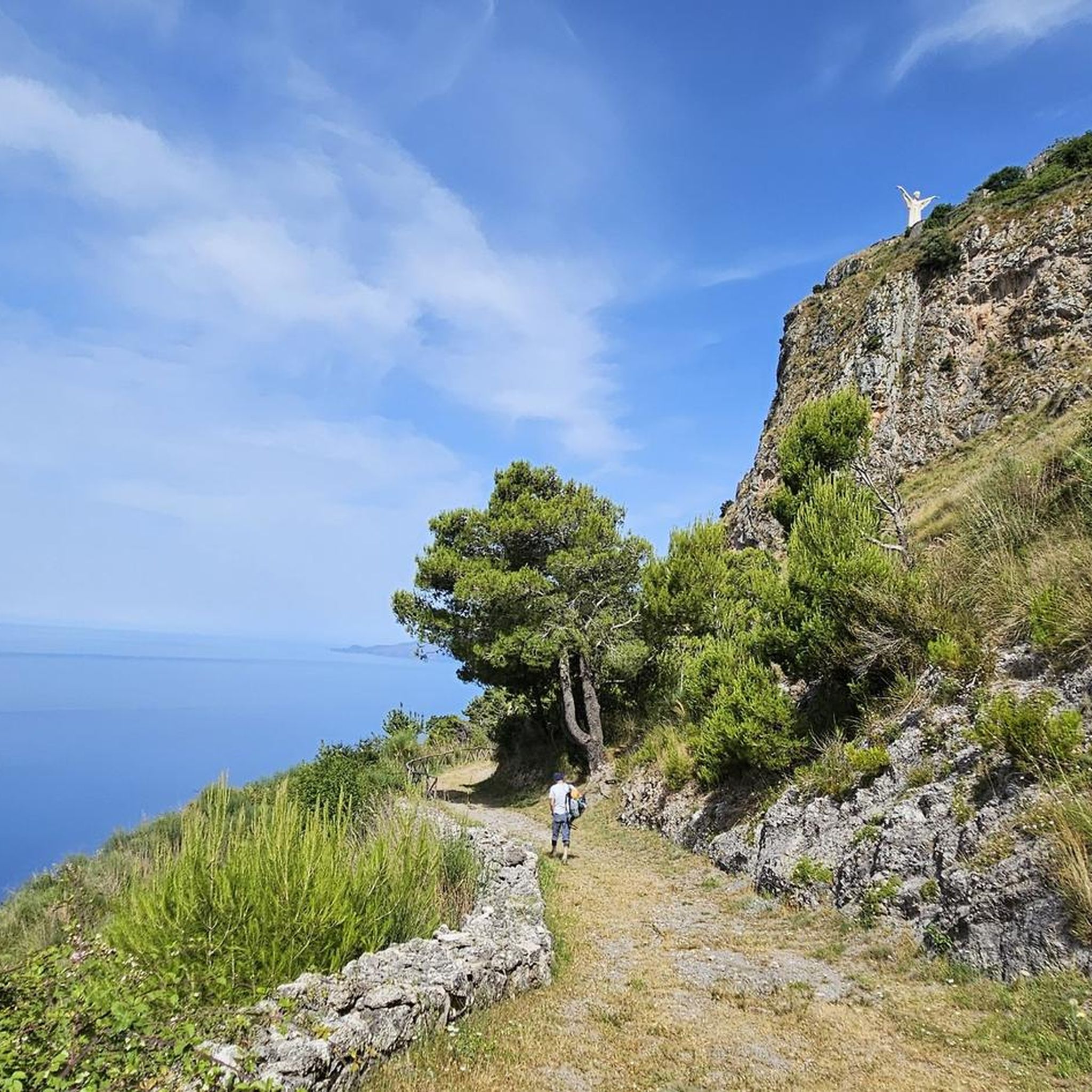
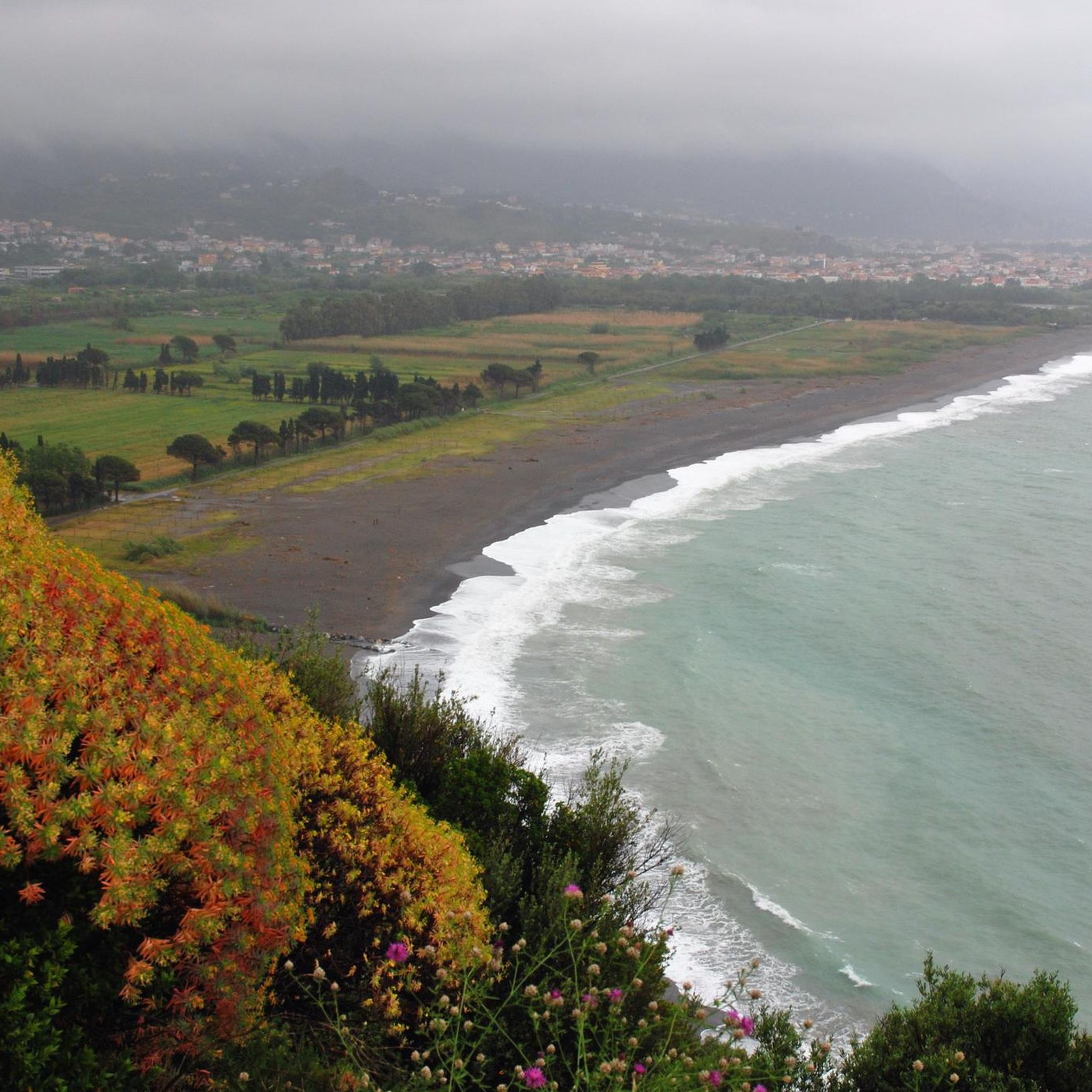
View of Scialandro Rock
Highlight • Viewpoint
The Scialandro Rock is linked to several legends of the Gulf of Policastro. During the eighth century BC, a Greek ship bound for Cumae sank …
Translated by Google •
Tip by

Sign up now to discover places like this
Get recommendations on the best single tracks, peaks, & plenty of other exciting outdoor places.
Sign up for free
Monte Ciagola
Highlight (Segment) • Summit
Translated by Google •
Tip by

Start today with a free account
Your next adventure awaits.
Login or Signup
Tips from the Community

View of the Scialandro Rock. The Scialandro Rock is linked to several legends of the Gulf of Policastro. During the eighth century BC, a Greek ship bound for Cumae sank near Punta Infreschi. Only one man survived, clinging to the rock, which later took his name: Scialandro. The man, adopted by the local population, became the village leader and defended the village from a sack by another Greek ship. During the battle, Scialandro died, and a wooden statue was erected on the Scialandro Rock. Source: https://www.ilcilentano.it/il-sentiero-apprezzami-lasino-di-sapri-tra-natura-e-leggende/
0
0

Small lake fed by the nearby Sirino springs. Great for a relaxing break.
0
0

Beautiful lake, suggestive place, you can find everything from the bike mechanic, to the restaurant, to the grove for a picnic. Very nice as a location, it feels good in the shade of the wood that surrounds the lake.
0
0

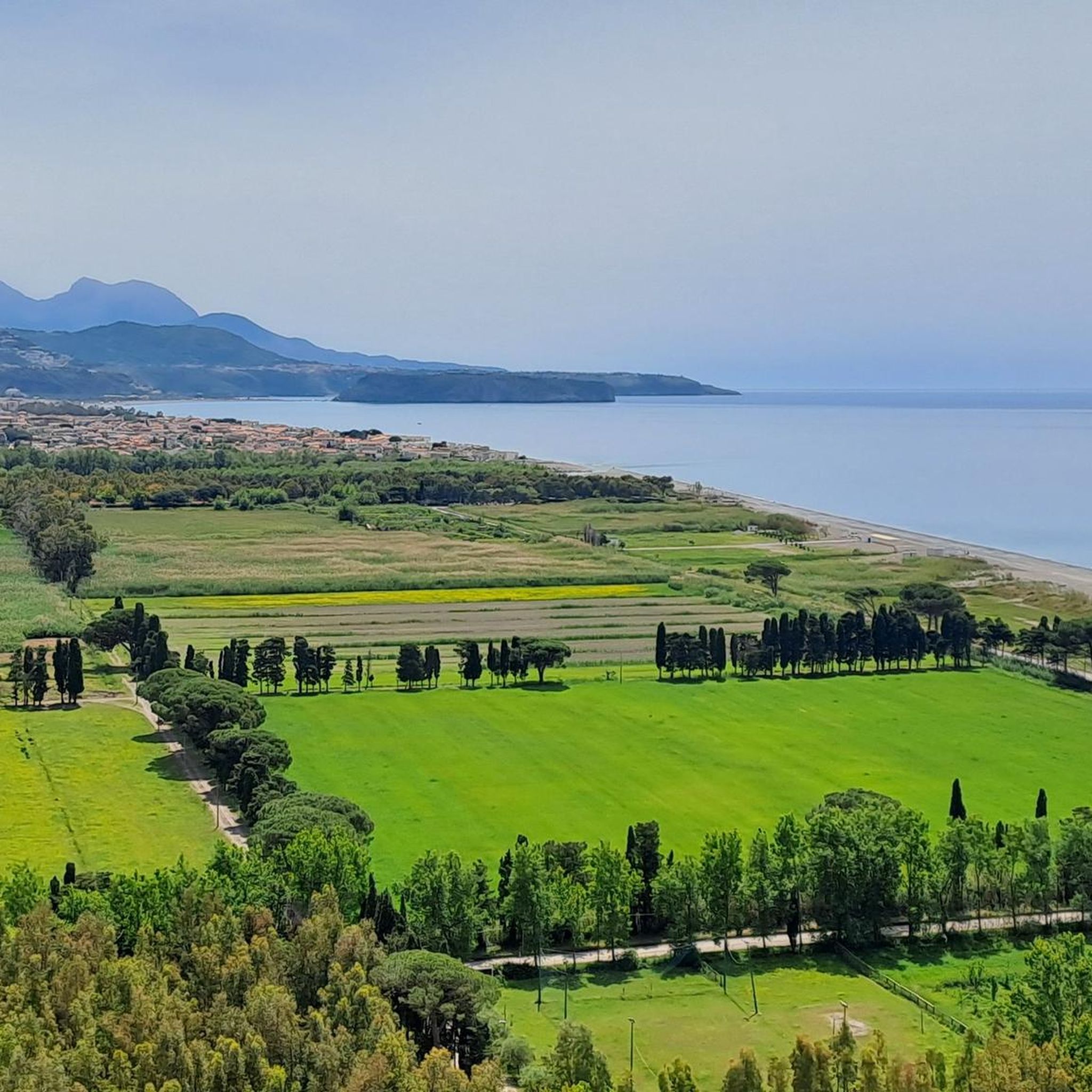
Lake Sirino is not artificial, but a souvenir of an ancient lake in the Valle del Noce. The waters are enclosed in a sinkhole. A very suggestive place!
0
0

Lake Sirino is not artificial, but a souvenir of an ancient lake in the Valle del Noce. The waters are enclosed in a sinkhole. A very suggestive place!
1
0

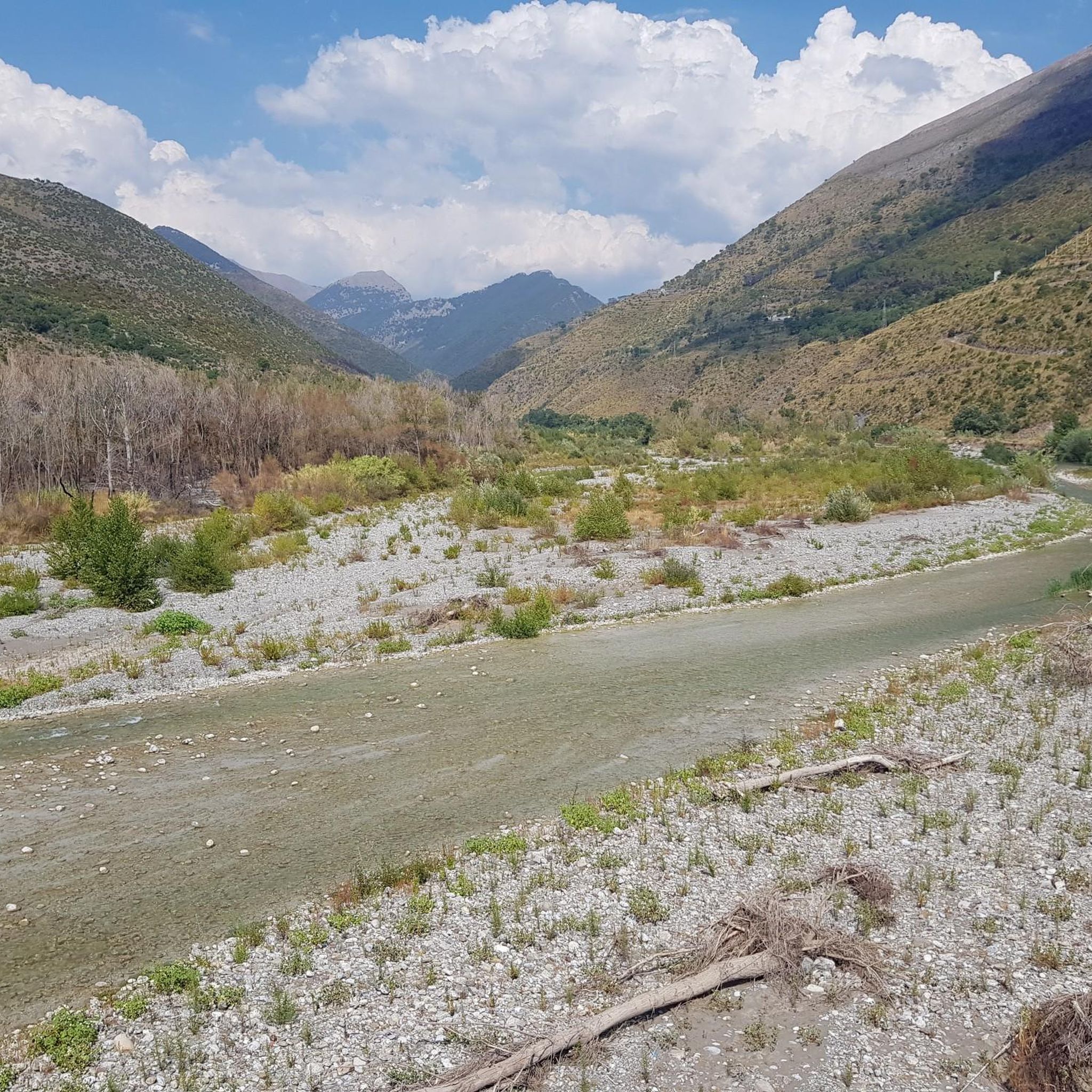
Monte Ciagola is 1463 meters high and is part of the Pollino National Park. From the top you can see Aieta and the Gulf of Policastro.
2
0
Frequently Asked Questions
What unique natural features can I explore in Maratea?
Maratea's coastline and inland areas offer a diverse range of natural features. You can discover fascinating geological formations like the natural stone arch at Arcomagno Beach, or explore the unique underground world of the Grotta delle Meraviglie. Inland, you'll find serene spots like Lake Sirino, a beautiful sinkhole lake, and panoramic viewpoints from summits like Monte Ciagola.
Are there any caves or grottoes to visit in Maratea?
Yes, Maratea is known for its captivating caves and grottoes. The Grotta delle Meraviglie is the only tourist-accessible cave, famous for its stalactites and stalagmites. Additionally, the 30-kilometer coastline is dotted with numerous sea-carved grottoes, many accessible only by boat, such as the mysterious Grotta della Sciabella and Turtle Cave.
Can I visit any islands or coastal formations near Maratea?
Absolutely. Just off Maratea's southern coast lies Isola di Santo Janni, a small island important for its biodiversity and archaeological remains. The coastline also features dramatic rock formations, including the legendary Scialandro Rock, which offers stunning views.
Where can I find unique beaches in Maratea?
Maratea boasts several unique beaches. Arcomagno Beach is famous for its natural stone arch and secluded cove. You can also find distinctive black sand beaches, such as Cala Jannita (also known as the Black Beach) and Mao Beach, which offer a striking contrast with the clear Tyrrhenian Sea.
Are there natural monuments suitable for families with children?
Yes, several natural monuments are family-friendly. The Grotta delle Meraviglie offers an accessible and safe underground experience. Lake Sirino is also a great spot for families, with amenities and shaded areas for picnics. Many of the beaches, like Cala Jannita, are ideal for swimming and relaxation.
What kind of outdoor activities can I do near Maratea's natural monuments?
The region around Maratea's natural monuments is perfect for various outdoor activities. You can enjoy hiking, road cycling, and mountain biking. For specific routes, explore the hiking routes around Maratea, road cycling routes, or MTB trails. Coastal areas offer excellent opportunities for swimming and snorkeling, especially around the sea caves and secluded beaches.
Are there hiking trails around Maratea's natural monuments?
Yes, there are numerous hiking trails that allow you to explore the natural beauty surrounding Maratea's monuments. Trails like the 'Path of San Biagio' offer easy walks, while others lead to viewpoints such as View of Scialandro Rock or summits like Monte Ciagola. You can find more details on hiking routes around Maratea.
What historical or archaeological significance do Maratea's natural monuments hold?
Some natural monuments in Maratea have historical ties. Isola di Santo Janni, for instance, contains archaeological remains of a Roman-era facility, with numerous Roman amphorae found on its seabed. The Scialandro Rock is also linked to ancient legends of the Gulf of Policastro.
What is the best time of year to visit Maratea's natural monuments?
The best time to visit Maratea's natural monuments is generally from spring to early autumn (April to October). During these months, the weather is pleasant for outdoor activities like hiking, swimming, and boat tours to the sea caves. Summer offers warm temperatures ideal for beach activities, while spring and autumn provide milder conditions perfect for exploring trails.
What do visitors enjoy most about Maratea's natural monuments?
Visitors frequently praise the breathtaking scenery where mountains meet the sea. They particularly enjoy the crystal-clear waters for swimming and snorkeling, the unique geological formations like the natural arch at Arcomagno Beach, and the serene beauty of places like Lake Sirino. The blend of natural beauty with opportunities for exploration, from underground caves to coastal grottoes, is a major draw.
Are there opportunities for wildlife spotting near Maratea's natural monuments?
Yes, particularly on Isola di Santo Janni, which is home to the rare Santo Janni dragon (Podarcis siculus paulae), an endemic lizard species. The surrounding marine areas also offer chances to observe diverse marine life, especially when snorkeling or diving near the islands and sea caves.
Most popular attractions around Maratea

Get inspired with the komoot mobile app


Explore more
Extend your search for the best caves by checking out these guides of the top ones around Maratea:
