Top 18 Natural Monuments around Druento
Best natural monuments around Druento are found within a landscape characterized by its proximity to the expansive Parco Regionale La Mandria. This area, situated in the Metropolitan City of Turin, Italy, offers a blend of natural landscapes and historical elements. The region features a hilly-flat territory, providing diverse natural features for exploration. Visitors can find a variety of natural and man-made monuments that highlight the area's unique geology and cultural history.
Best natural monuments around Druento
- The most popular natural…
Last updated: May 16, 2026
Po Fountain and Dora Fountain
Highlight • Monument
Translated by Google •
Tip by

Monte Musinè Magnesite Quarries
Highlight • Structure
The area of the Magnesite Quarries within the ZSC, located on the north-eastern slopes of Monte Musinè and near Moncalvo, had historical importance in the industrial sector. …
Translated by Google •
Tip by

Sign up now to discover places like this
Get recommendations on the best single tracks, peaks, & plenty of other exciting outdoor places.
Sign up for free
Forest of the Three Saints
Highlight • Forest
Translated by Google •
Tip by

Lake Fontaneij
Highlight • Lake
Translated by Google •
Tip by

The Wet Meadow of Monte Musinè
Highlight • Natural Monument
This wet meadow, located in a xerothermic area, i.e. a dry microclimate, is of great ecological and biological importance: a small jewel to be protected.
Important for …
Translated by Google •
Tip by
Sign up for free to discover even more natural monuments around Druento.
Sign up for free
Already have an account?
Start today with a free account
Your next adventure awaits.
Login or Signup

Tips from the Community

It was decided that the statues, which play an important scenographic role, should represent the city's two major rivers, the Po and the Dora. Therefore, a competition was held, open to all young artists of the time, which resulted in the examination of 56 sketches. The winner was the sculptor Umberto Baglioni [Scalea 1893 - Turin 1965], who chose to represent the two waterways in the form of human figures: a bearded man and a strikingly shapely woman, both reclining on a marble base.
9
0

The Fontana del Po and the Fontana della Dora were built in 1936, along with Piazza CLN, in the center of Turin. They are located behind the churches of San Carlo Borromeo and Santa Cristina and depict the two rivers as monumental allegorical figures.
2
0

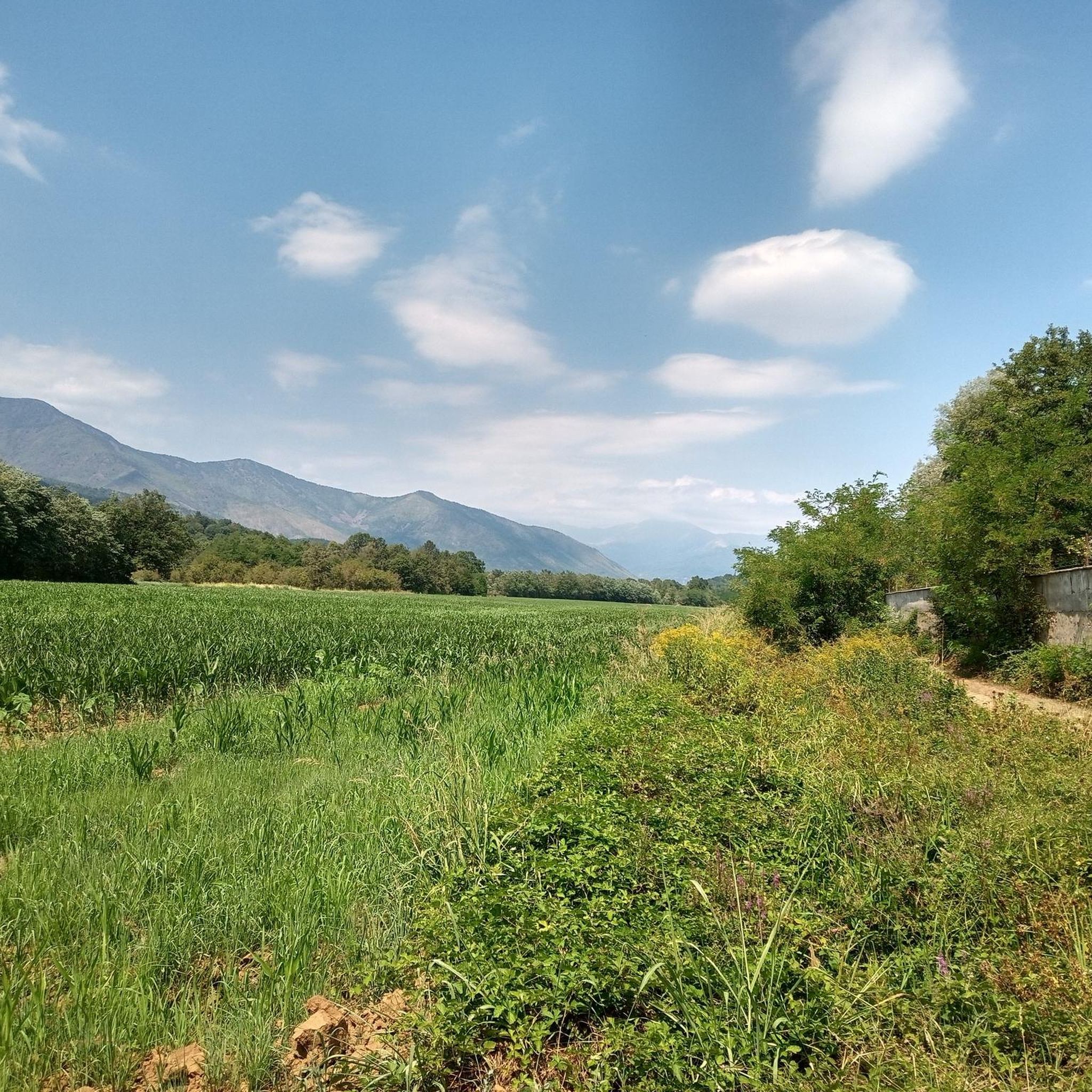
Beautiful lake surrounded by greenery, a paradise for fishermen.
0
0

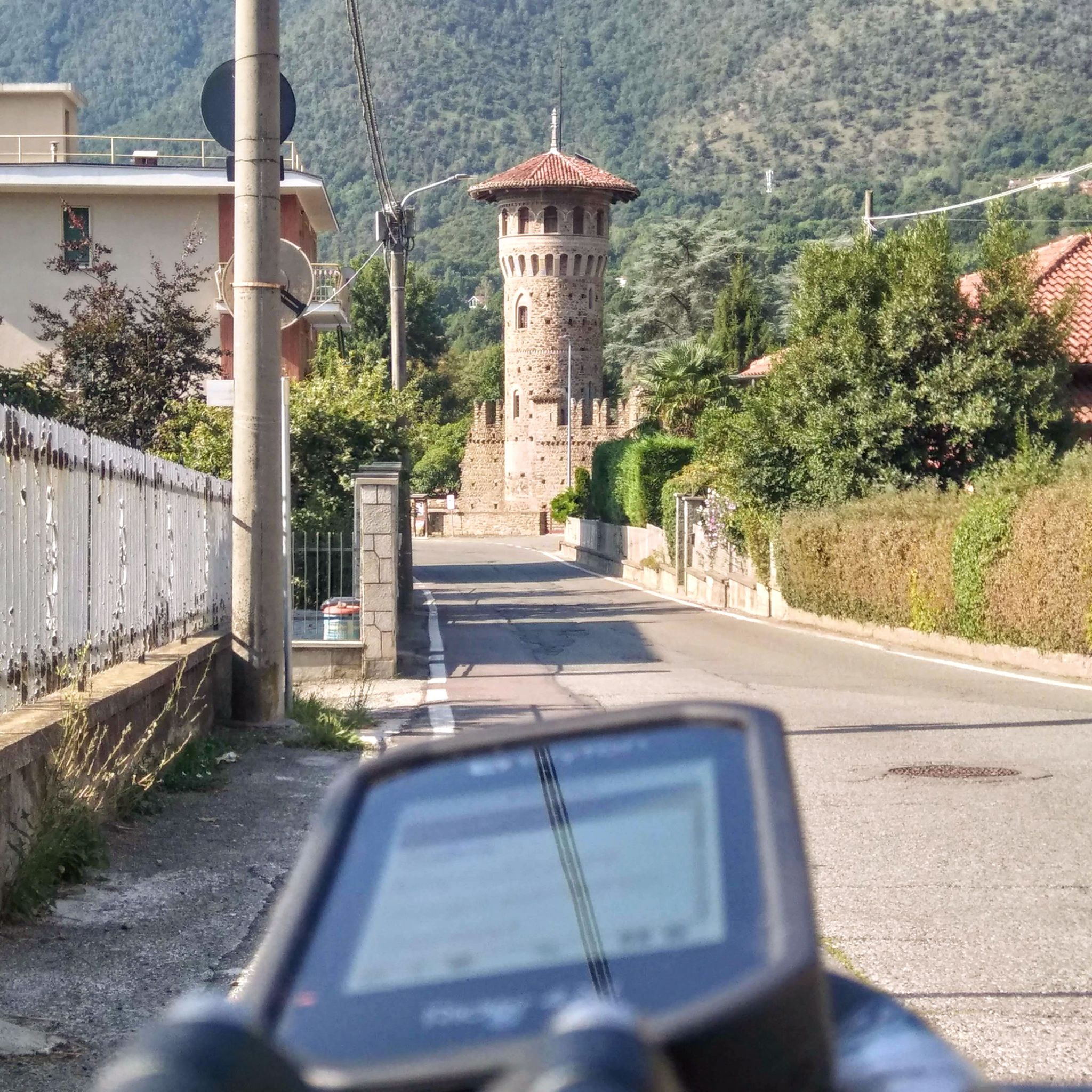
A very beautiful work can be seen along the Corona Verde path in the Ceretta di Ciriè area.
0
0

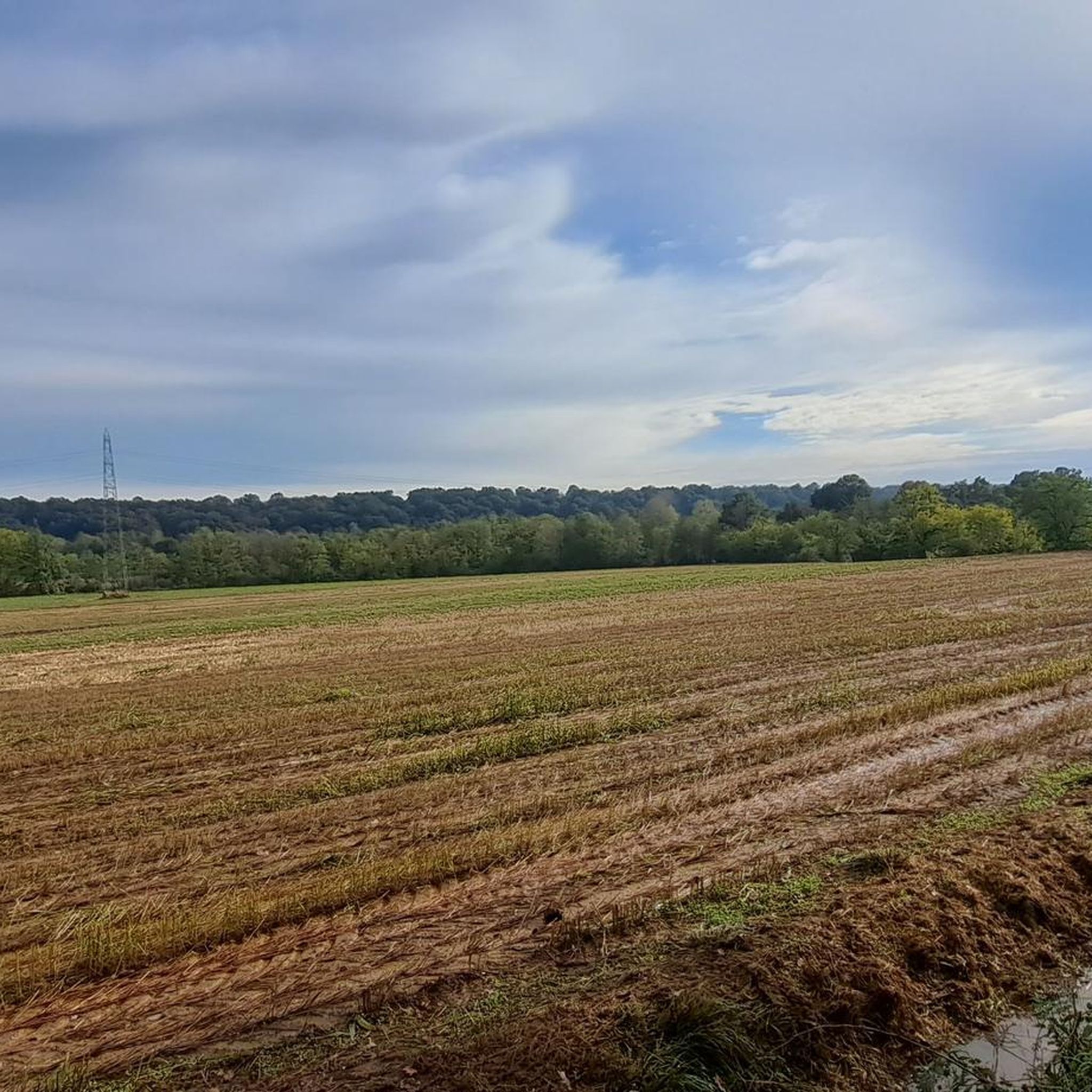
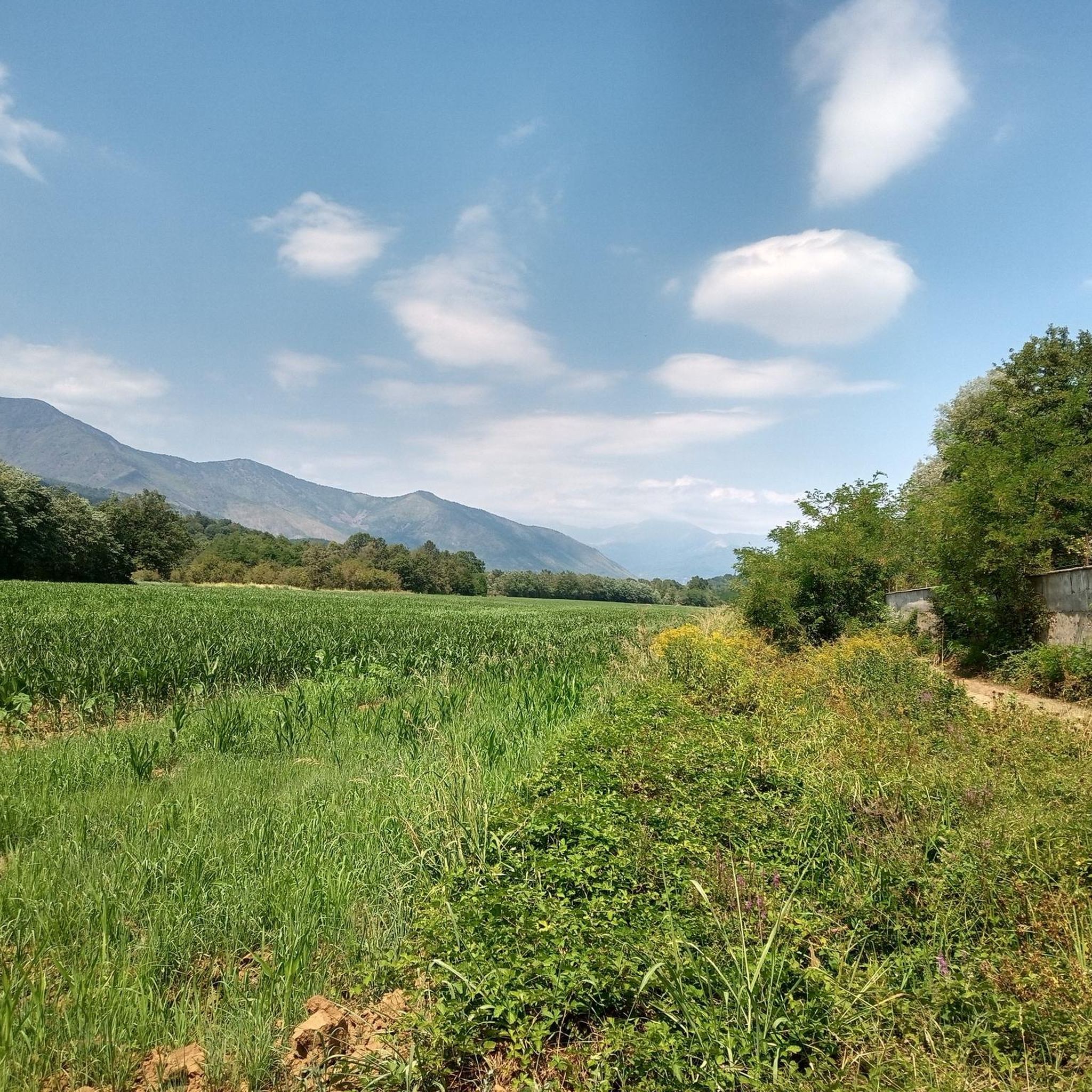
Fantastic gravel track in the Saints' forest
0
0

The Magnesite Quarries The area of the Magnesite Quarries within the ZSC, located on the north-eastern slopes of Monte Musinè and near Moncalvo, had historical importance in the industrial sector. The extraction of magnesite, a crystalline mineral obtained by the modification of ultramafic rocks by water, took on the characteristics of an industrial activity from the mid-19th century. In more ancient times, the mineral was used for the construction of the floors of the Villa Rustica (Roman Villa) of the Pian. In 1875, two entrepreneurs from Pinerolo intervened and started a stable work activity in the quarries, which gave them a sufficient income. The excavation area was expanded in 1880 to make the most of the increased demand for minerals. In particular, magnesite was used in the production of common porcelain and as a refractory material in furnace linings. The activity remained profitable until the outbreak of the Second World War, which led to the abandonment of the mine. Currently, the area is important from a hiking point of view. In fact, it offers a route of scenic and historical interest and is visited by geologists and hikers.
0
0
The wet meadow This wet meadow, located in a xerothermic area, i.e. a dry microclimate, is of great ecological and biological importance: a small jewel to be protected. Important for Lepidoptera (butterflies), for birds, including the characteristic nightjar, a nocturnal insectivore, and for mammals. But it is of particular value for the numerous ponds present in it, a perfect example of non-anthropic wetlands in Piedmont. The ponds are used for the reproduction of 8 species of amphibians, 3 of which are covered by the Habitats Directive. Remarkable and rare is the simultaneous presence of the three Piedmontese newt species, the fascinating great crested newt, the lesser spotted newt and the colourful alpine water newt. The reproductive presence of the Dalmatian frog and the tree frog is also important. The aim of the Natura Invisibile association is to protect this biotope of great naturalistic value and increase its potential through the creation of numerous ponds and pools, transforming the meadow into one of the most important wetlands in the region. We invite users to also enjoy the extraordinary landscape power of the place, a perfect example of the fusion of Mediterranean and Alpine micro-habitats.
1
0

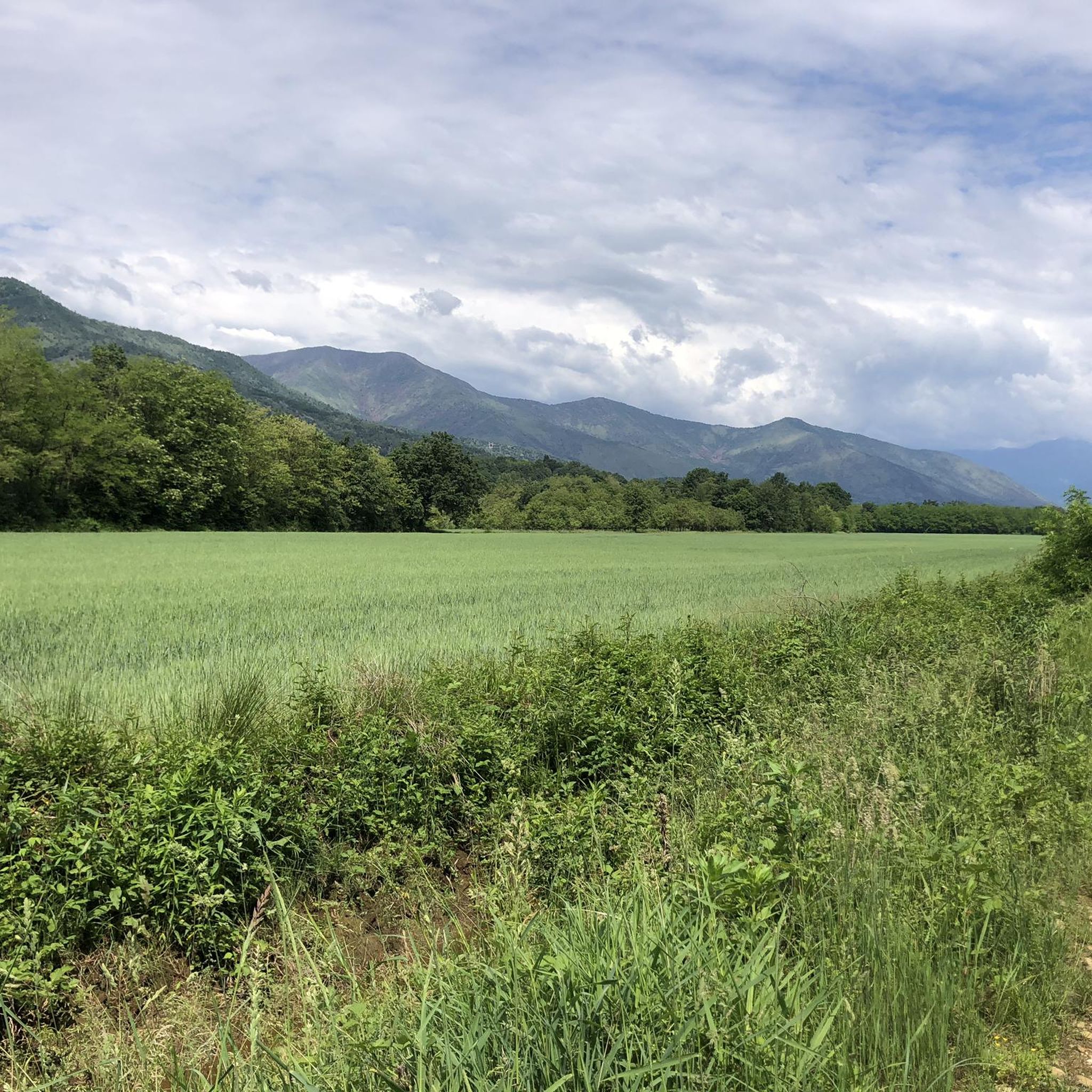
Immediately outside Pianezza, equipped area and playground
1
0
Frequently Asked Questions
What unique natural features can I explore around Druento?
The Druento area offers a diverse landscape, primarily centered around the expansive Parco Regionale La Mandria. You can explore significant natural features like Forest of the Three Saints, known for its picturesque cycle path, and Lake Fontaneij, a geological formation dating back 400,000 years. The region also features historical quarries and the serene Ceronda stream.
Are there family-friendly natural monuments in the Druento area?
Yes, several natural monuments around Druento are suitable for families. Lake Fontaneij, for instance, has an equipped area and playground just outside Pianezza. The Forest of the Three Saints is also considered family-friendly, offering pleasant routes for walks and cycling. Additionally, the Fountain of Regione Basso di La Cassa provides a refreshing stop along a path parallel to La Mandria Park.
What historical natural monuments can I visit near Druento?
The region blends natural beauty with historical significance. The Fountain of Regione Basso di La Cassa is a 17th-century fountain integrated into the natural landscape. The Monte Musinè Magnesite Quarries offer a historical insight into the area's industrial past, with mining activity dating back to the mid-19th century. Within Parco Regionale La Mandria, historical residences like La Bizzarria, once a resting place for Savoy monarchs, add a cultural layer to the natural setting.
Can I go hiking near the natural monuments around Druento?
Absolutely. The area around Druento, particularly near Monte Musinè, offers popular hiking destinations. You can find various trails, including those leading to the Monte Musinè summit cross, which provides panoramic views. For more detailed routes and options, explore the Mountain Hikes around Druento guide.
Are there cycling opportunities near Druento's natural monuments?
Yes, cycling is a very popular activity in the area, especially within the vast Parco Regionale La Mandria. The Forest of the Three Saints features a picturesque passage along the Corona Verde cycle path, suitable for gravel routes and mountain biking. For a comprehensive list of cycling routes, refer to the Road Cycling Routes around Druento and MTB Trails around Druento guides.
What is the best time of year to visit the natural monuments around Druento?
The natural monuments around Druento are enjoyable throughout much of the year. Spring and autumn offer pleasant temperatures for outdoor activities like hiking and cycling, with vibrant foliage or blooming nature. Summer can be busy, especially for cycling in Parco Regionale La Mandria, but still offers great opportunities to enjoy the natural landscapes. Winter provides a different, serene experience, though some paths might be less accessible.
Are there any accessible natural monuments for visitors with mobility needs?
The Po Fountain and Dora Fountain are noted as wheelchair accessible, offering an opportunity to appreciate these artistic and natural representations. While the vast Parco Regionale La Mandria has many paths, specific accessibility details for all trails should be checked locally.
Where can I find parking when visiting natural monuments near Druento?
Parking facilities are generally available at the main entrances to Parco Regionale La Mandria and near popular natural sites. For specific highlights like Lake Fontaneij, there are equipped areas that often include parking. It's advisable to check local signage or park information for the specific monument you plan to visit.
What do visitors enjoy most about the natural monuments around Druento?
Visitors frequently appreciate the blend of natural beauty and historical elements. The extensive natural landscapes of Parco Regionale La Mandria are highly valued for walking, cycling, and enjoying nature. Highlights like the Forest of the Three Saints are praised for their picturesque routes, while the historical context of sites like the Fountain of Regione Basso di La Cassa adds to the appeal. The panoramic views from spots like Monte Musinè are also a major draw.
Are there any natural monuments that offer viewpoints or scenic vistas?
Yes, the region offers several spots with rewarding views. The summit cross of Monte Musinè, though slightly outside Druento, is a popular destination for hikers seeking panoramic vistas of the surrounding landscape. Within Parco Regionale La Mandria, its hilly-flat territory provides suggestive panoramic views, especially towards the Givoletto mountains and the Turin plain. Lake Fontaneij is also noted as a viewpoint.
Can I find cafes or restaurants near the natural monuments?
While specific cafes directly adjacent to every natural monument are not detailed, the Parco Regionale La Mandria, being a well-served park, often has facilities or nearby options. Druento itself, and surrounding towns like Pianezza (near Lake Fontaneij), offer various dining choices. It's recommended to check local listings for establishments near your chosen destination.
What kind of terrain can I expect on trails near Druento's natural monuments?
The terrain around Druento is characterized as a hilly-flat territory. Within Parco Regionale La Mandria, you'll find extensive natural landscapes with paths suitable for walking and cycling, including gravel routes. Trails leading to Monte Musinè, such as those around the Magnesite Quarries, can be more challenging and of historical interest, appealing to hikers and geologists.
Most popular routes around Druento
Most popular attractions around Druento

Get inspired with the komoot mobile app


Explore more
Extend your search for the best caves by checking out these guides of the top ones around Druento:
