Top 16 Natural Monuments around Marsala
Best natural monuments around Marsala are concentrated along the western coast of Sicily, featuring a unique blend of natural beauty and historical significance. The region is characterized by the shallow waters of the Stagnone Lagoon and the Marsala Salt Pans, which are part of a protected nature reserve. This area includes an archipelago of four islands and is known for its centuries-old salt production traditions. The landscape supports diverse flora and fauna, including migratory birds and specific marine life.
Best…
Last updated: August 8, 2026
Trapani and Paceco Salt Pans
Highlight • Natural Monument
Translated by Google •
Tip by

Red Cove
Highlight • Beach
Translated by Google •
Tip by

Sign up now to discover places like this
Get recommendations on the best single tracks, peaks, & plenty of other exciting outdoor places.
Sign up for free
Stagnone Salt Pans of Marsala
Highlight • Structure
Translated by Google •
Tip by

Salt Pans and Windmills of Marsala
Highlight • Natural Monument
Along …
Translated by Google •
Tip by

Saline Ettore e Infersa
Highlight • Natural Monument
Translated by Google •
Tip by

Sign up for free to discover even more natural monuments around Marsala.
Sign up for free
Already have an account?
Start today with a free account
Your next adventure awaits.
Login or Signup
Other adventures around Marsala

Tips from the Community

An important natural product is extracted from the sea's saltwater here. Only through the power of the elements, sun and wind, which evaporate the water in the saltworks' shallow basins, does pure salt remain. Even today, you won't find a kitchen without salt to season dishes. But in earlier times, it had an additional significance: It was important for preserving food—making it so precious that salt was called "white gold."
1
1
An important natural product is extracted from the sea's saltwater here. Only through the power of the elements, sun and wind, which evaporate the water in the saltworks' shallow basins, does pure salt remain. Even today, you won't find a kitchen without salt to season dishes. But in earlier times, it had an additional significance: It was important for preserving food and was therefore so precious that salt was called "white gold."
0
0

The crystalline seabed of fine gravel mixed with sand is typical of this cove
0
0

A road bike tour through the salt pans of Trapani and Paceco offers a fascinating insight into the millennia-old tradition of salt production. The flat and well-paved roads lead directly through the quiet basin landscapes, past old windmills that are still used today to regulate water. The vast, open landscape and the shimmering salt create an impressive backdrop that makes every ride an unforgettable experience. In addition to the rich history, the region is also an important resting place for migratory birds such as flamingos, which can be observed during the ride. A special highlight on the route is the Calendula maritima, a rare plant that grows exclusively in this region and is a symbol of local nature conservation. A short stop at the salt museum in one of the windmills is worthwhile to learn more about the importance of salt and the people who have worked with it for thousands of years. This route offers a perfect mix of exercise, cultural experience and enjoyment of nature—ideal for road cyclists who are looking for something special off the beaten track.
0
0

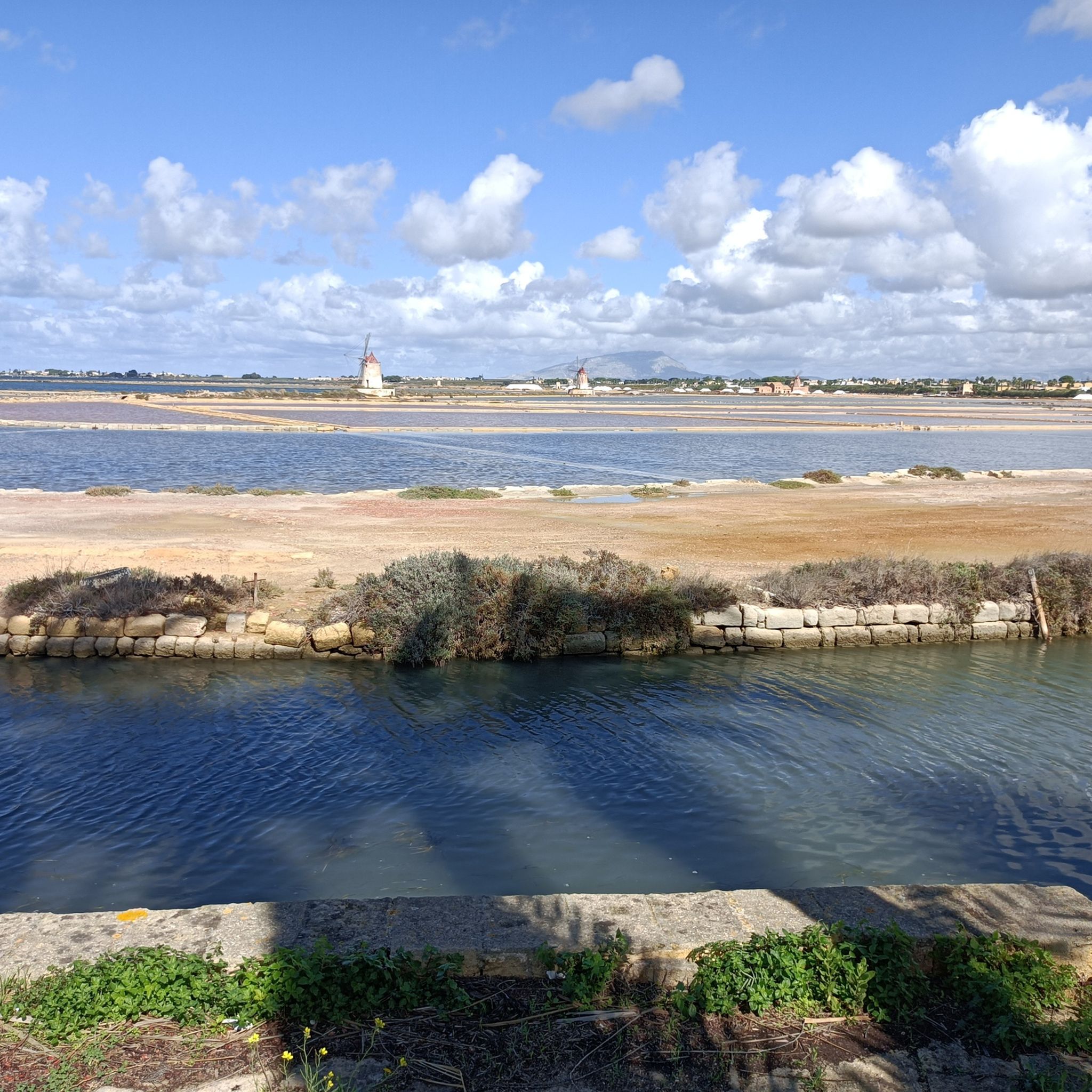
The Ettore and Infersa salt pans are part of the Stagnone Nature Reserve. Opposite are the islands of Mozia, Grande and Santa Maria.
0
0

Unmissable show on the salt pans of Trapani and Paceco at sunset is a real spectacle.
17
0

The salt pans of Trapani and Paceco are custodians of a great natural heritage of biodiversity.
4
0

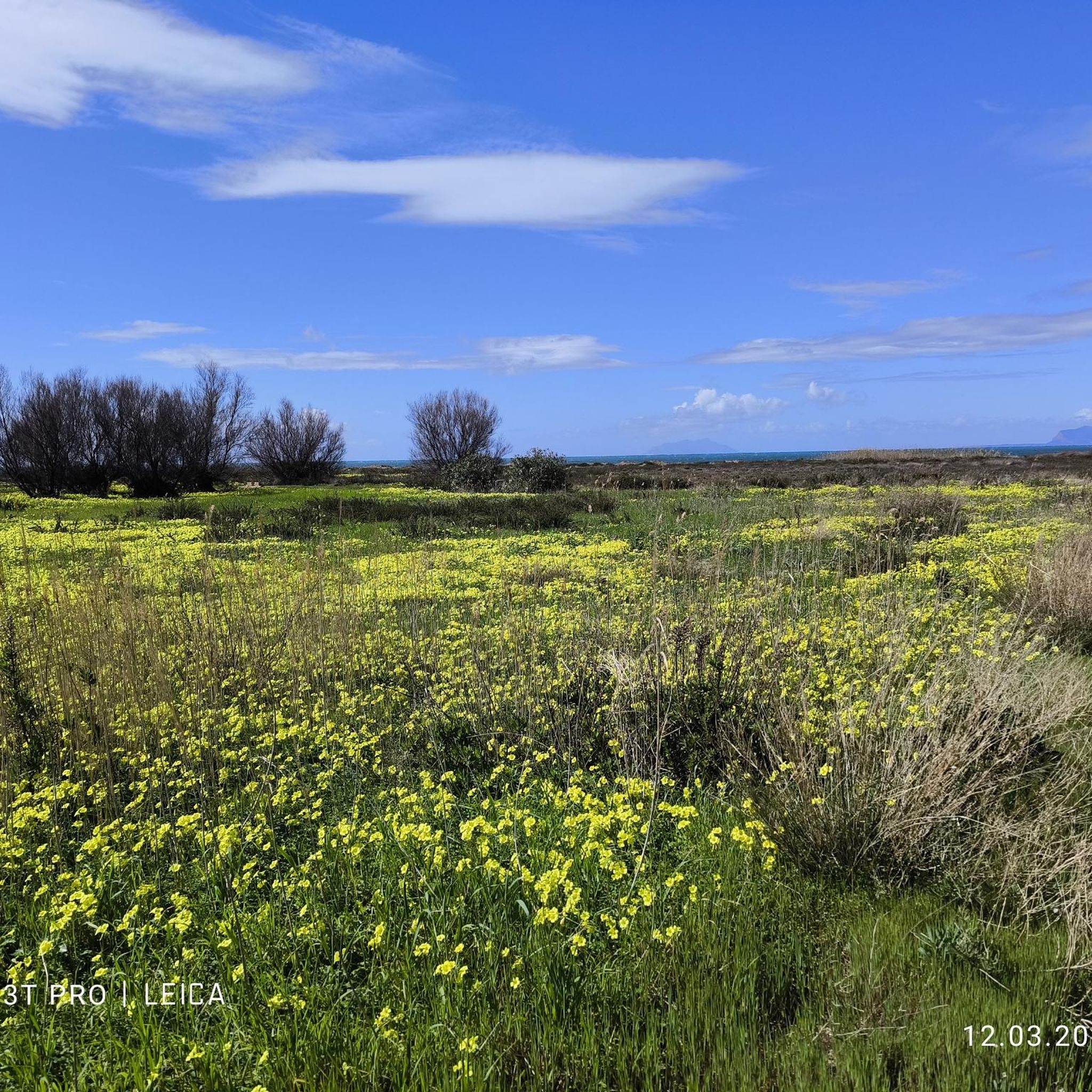
Cala Rossa is truly beautiful, from above you can admire the color of the sea. Entering the water from the rocks and then sand.
1
0
Frequently Asked Questions
What are the main natural monuments to explore around Marsala?
The primary natural monuments around Marsala are centered on the Riserva Naturale Orientata Isole dello Stagnone di Marsala. This protected area includes the shallow Stagnone Lagoon, the historic Marsala Salt Pans, and an archipelago of four islands. Key highlights within or near this area include the Trapani and Paceco Salt Pans, the scenic Red Cove, and the iconic Salt Pans and Windmills of Marsala.
What makes the natural monuments around Marsala unique?
The natural monuments around Marsala are unique due to the Stagnone Lagoon's exceptionally shallow, saline waters, which create a distinct ecosystem. This area is also characterized by centuries-old salt production traditions, featuring historic windmills and salt pans that transform into vibrant colors, especially at sunset. The blend of natural beauty, rich biodiversity, and historical significance, including the ancient Phoenician island of Mozia, sets this region apart.
What kind of wildlife can I expect to see in the natural monuments near Marsala?
The Riserva Naturale Orientata Isole dello Stagnone di Marsala is a haven for wildlife, particularly migratory birds. You can often spot herons, pink flamingos, storks, ducks, curlews, and snipes. The lagoon also boasts exceptional marine biodiversity, including Posidonia oceanica meadows, various fish species like sea bream and mullet, and unique plant life such as the rare Calendula maritima, which is the official symbol of Trapani province.
Are there any historical or cultural aspects to the natural monuments in Marsala?
Yes, the natural monuments around Marsala are deeply intertwined with history and culture. The salt pans represent an ancient tradition of salt production, with some windmills still in use today. The island of Mozia (San Pantaleo) within the Stagnone Lagoon was an important Phoenician trading center. Additionally, Red Cove is historically significant as the site of a major naval battle during the First Punic War.
What are the best times to visit the natural monuments around Marsala?
The natural monuments around Marsala offer breathtaking views, especially at sunset, when the salt pans reflect a palette of oranges, reds, and pinks. For birdwatching, spring and autumn are ideal as the reserve is a crucial stopover for migratory birds. The warm, shallow waters also make it pleasant for water sports during warmer months.
Are the natural monuments around Marsala suitable for families?
Many natural monuments around Marsala are family-friendly. The Trapani and Paceco Salt Pans, Stagnone Salt Pans of Marsala, and Salt Pans of the Trapani and Paceco Nature Reserve are all categorized as family-friendly. The shallow waters of the Stagnone Lagoon and the visual spectacle of the salt pans and windmills offer engaging experiences for all ages.
What outdoor activities can I do near the natural monuments in Marsala?
The region around Marsala's natural monuments is excellent for various outdoor activities. The shallow waters of the Stagnone Lagoon are particularly popular for kitesurfing and windsurfing. You can also explore the area by bicycle or on horseback. For more structured activities, there are numerous hiking trails, road cycling routes, and running trails available, offering different difficulty levels.
Can I go hiking or cycling near the Marsala natural monuments?
Yes, the area offers several opportunities for hiking and cycling. For hiking, you can find routes like the 'Historic pier to Mozia Island – Saline Ettore e Infersa loop' or the 'Saline di Marsala – Wooden Pier loop'. Cyclists can enjoy routes such as the 'Stagnone Cycle Path – Trapani Coast loop' or the 'Salt Pans of Trapani – Saline di Trapani loop'. You can find more details on these and other routes in the hiking guide and road cycling guide for Marsala.
How can I experience the Stagnone Lagoon and its islands?
You can experience the Stagnone Lagoon and its islands through various means. Boat trips are available to explore the lagoon's beauty and reach the islands, including Mozia. You can also cycle along the Stagnone Cycle Path, which offers scenic views of the lagoon and salt pans. Some areas, like Isola Grande, feature hiking trails amidst Mediterranean herbs.
What is special about <a href="https://www.komoot.com/highlight/968077" target="_blank" rel="noopener">Red Cove</a>?
Red Cove, or Cala Rossa, is renowned for its crystal-clear and clean water, making it one of Italy's most beautiful beaches. Its name comes from a bloody naval battle during the First Punic War two millennia ago. While access to the sea for swimming can be challenging, it's worth taking time to walk around the area to discover amazing and solitary spots.
What do visitors enjoy most about the natural monuments in Marsala?
Visitors consistently highlight the breathtaking sunsets over the salt pans as a major draw, transforming the landscape into a masterpiece of colors. The unique ecosystem of the Stagnone Lagoon, the rich history of salt production and ancient sites like Mozia, and the opportunities for recreational activities like kitesurfing and photography are also highly appreciated.
Tell me more about the salt pans near Marsala.
The salt pans near Marsala, including the Salt Pans and Windmills of Marsala and the Trapani and Paceco Salt Pans, are an integral part of the region's natural and cultural heritage. They represent centuries-old traditions of sea salt production, with traditional windmills dotting the landscape. These areas are not only visually stunning, especially at sunset, but also serve as vital habitats for migratory birds and unique plant species adapted to high salinity. Some saltworks, like Genna, still harvest salt manually.
Most popular attractions around Marsala

Get inspired with the komoot mobile app


Explore more
Extend your search for the best caves by checking out these guides of the top ones around Marsala:
