Top 5 Natural Monuments around Pasiano Di Pordenone
Best natural monuments around Pasiano Di Pordenone include a mix of agricultural landscapes and historical villas, characteristic of the region. The surrounding Friuli Venezia Giulia area offers access to significant natural features, including the dramatic mountain scenery of the Friulian Dolomites Natural Park and the unique wetland environment of the Foci dello Stella Regional Nature Reserve. The local landscape is shaped by several rivers, contributing to diverse natural settings. These areas provide opportunities to explore varied ecosystems and geological formations.
…Last updated: October 29, 2026
Palù del Bandiziol
Highlight • Lake
Showing Translation
Tip by

Prà dei Gai
Highlight • Natural
Translated by Google •
Tip by

Sign up now to discover places like this
Get recommendations on the best single tracks, peaks, & plenty of other exciting outdoor places.
Confluence of the Lia and Monticano Rivers
Highlight • River
Translated by Google •
Tip by

Confluence of the Monticano and Livenza Rivers
Highlight • River
Translated by Google •
Tip by

Risorgive Park
Highlight • Natural Monument
Translated by Google •
Tip by
Sign up for free to discover even more natural monuments around Pasiano Di Pordenone.
Already have an account?
Start today with a free account
Your next adventure awaits.

Tips from the Community

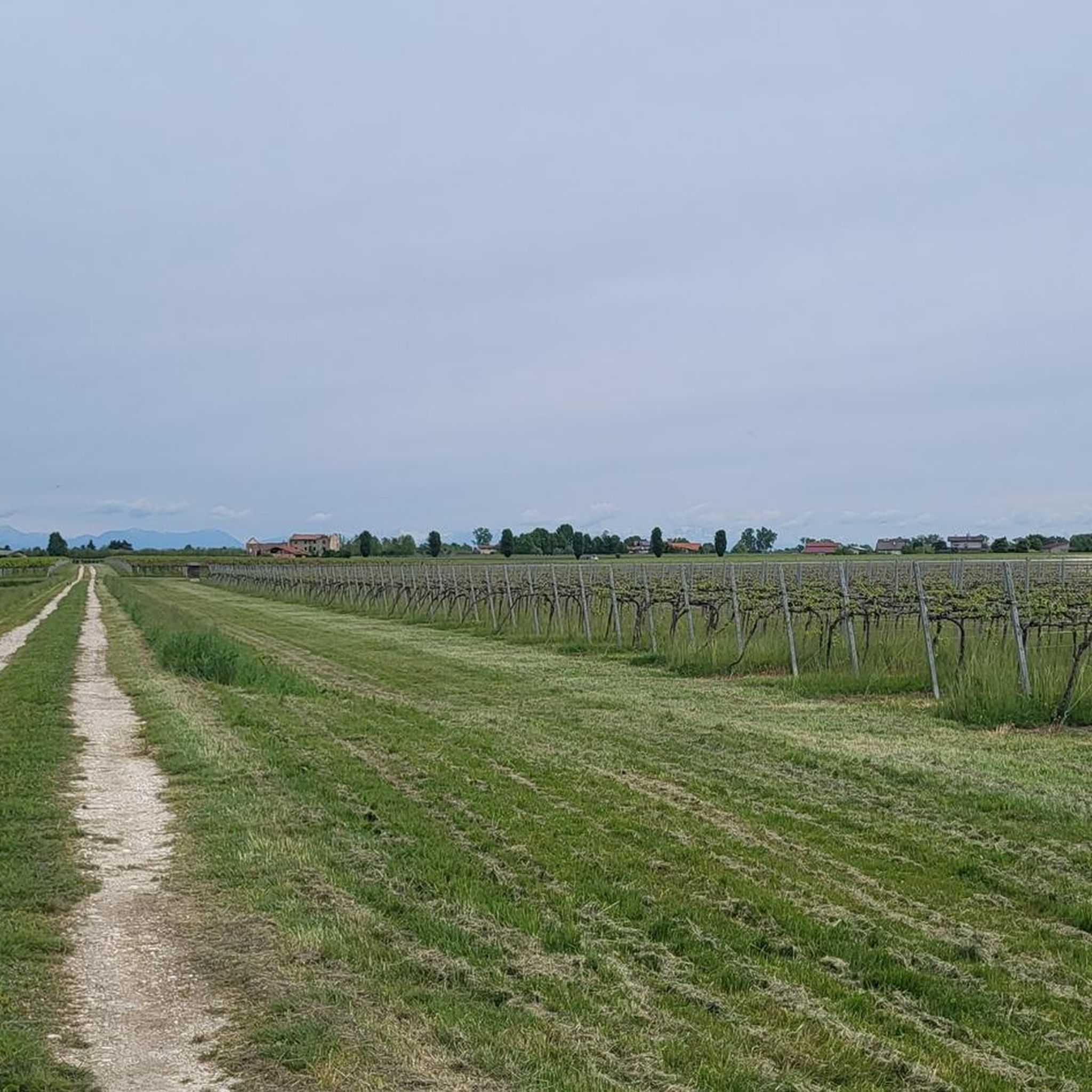
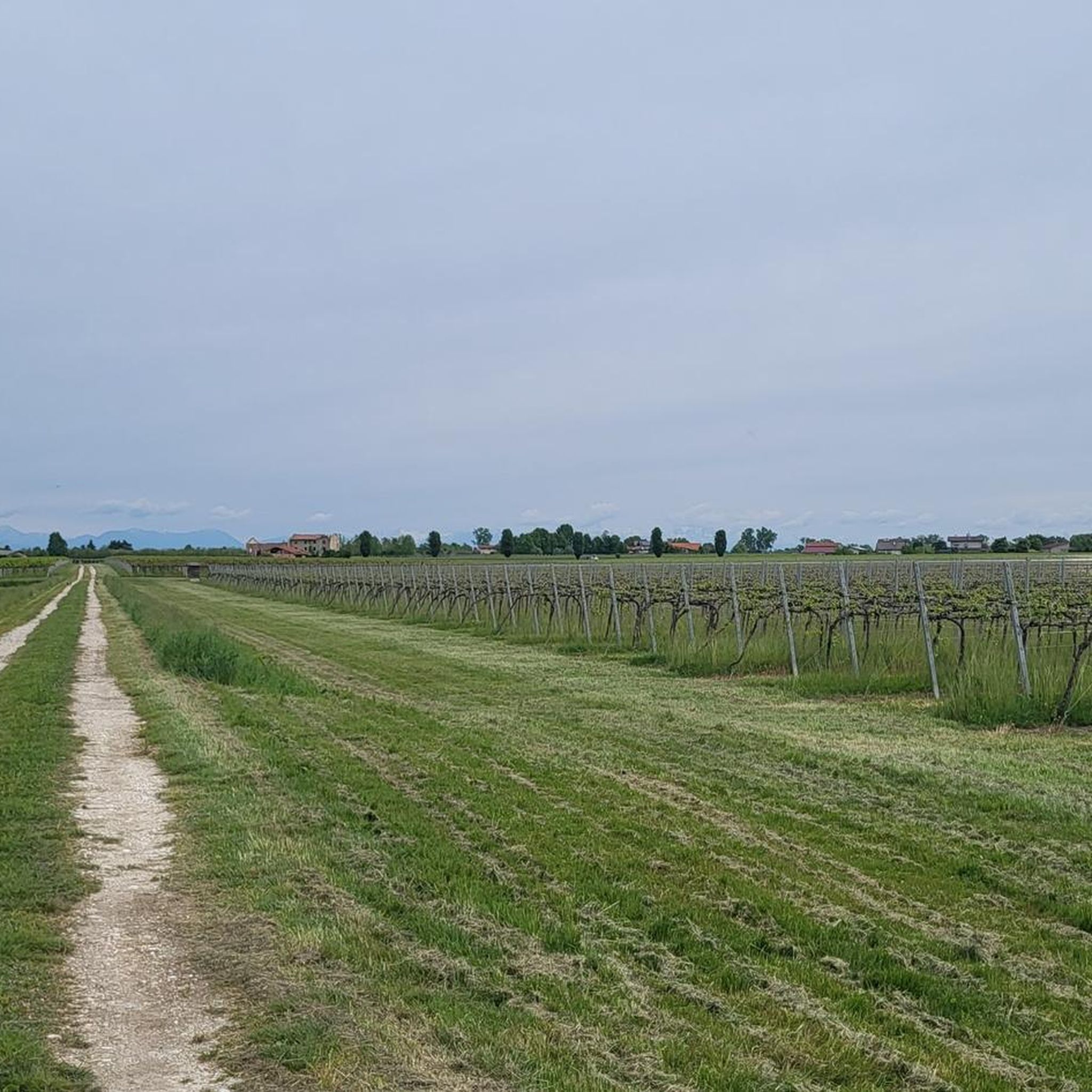
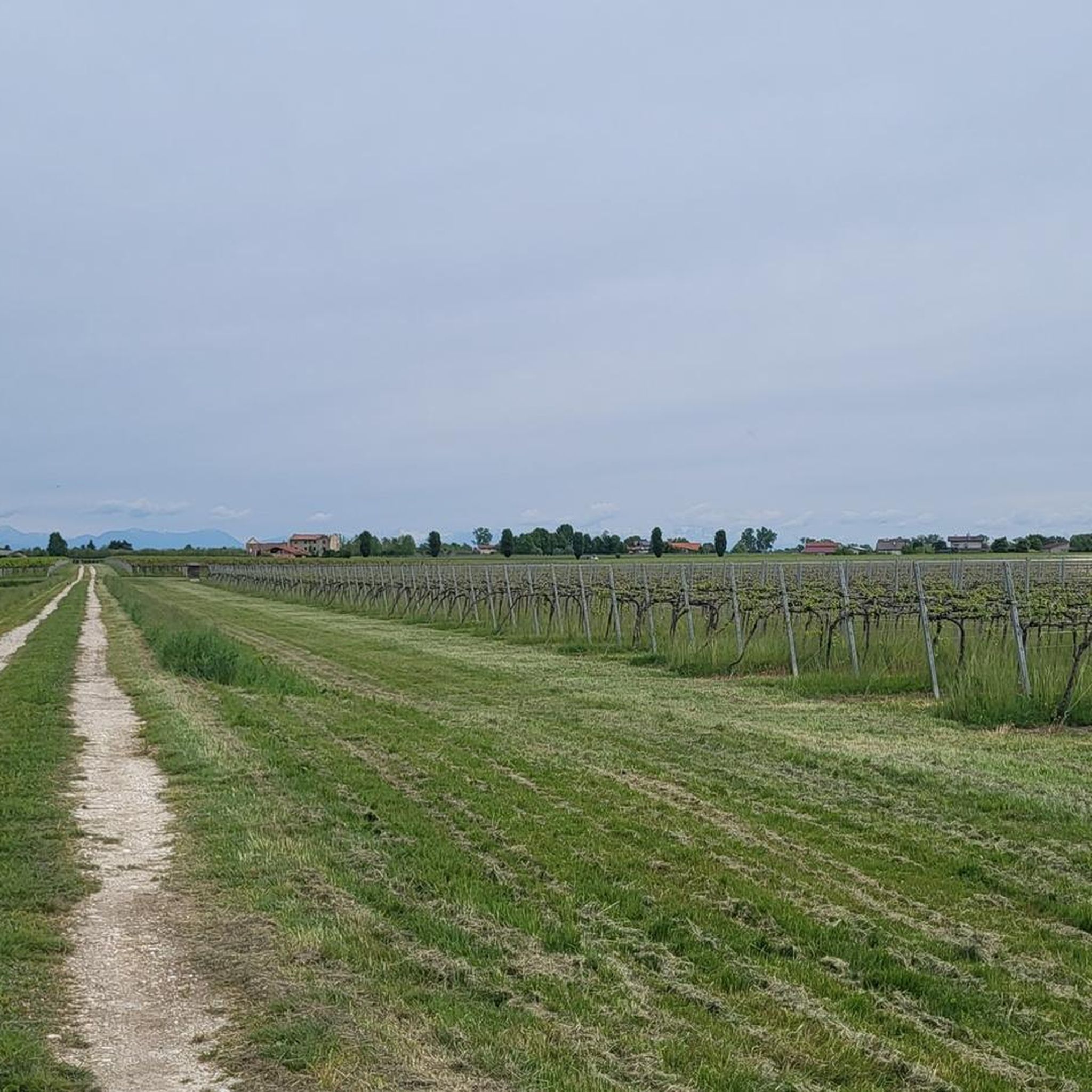
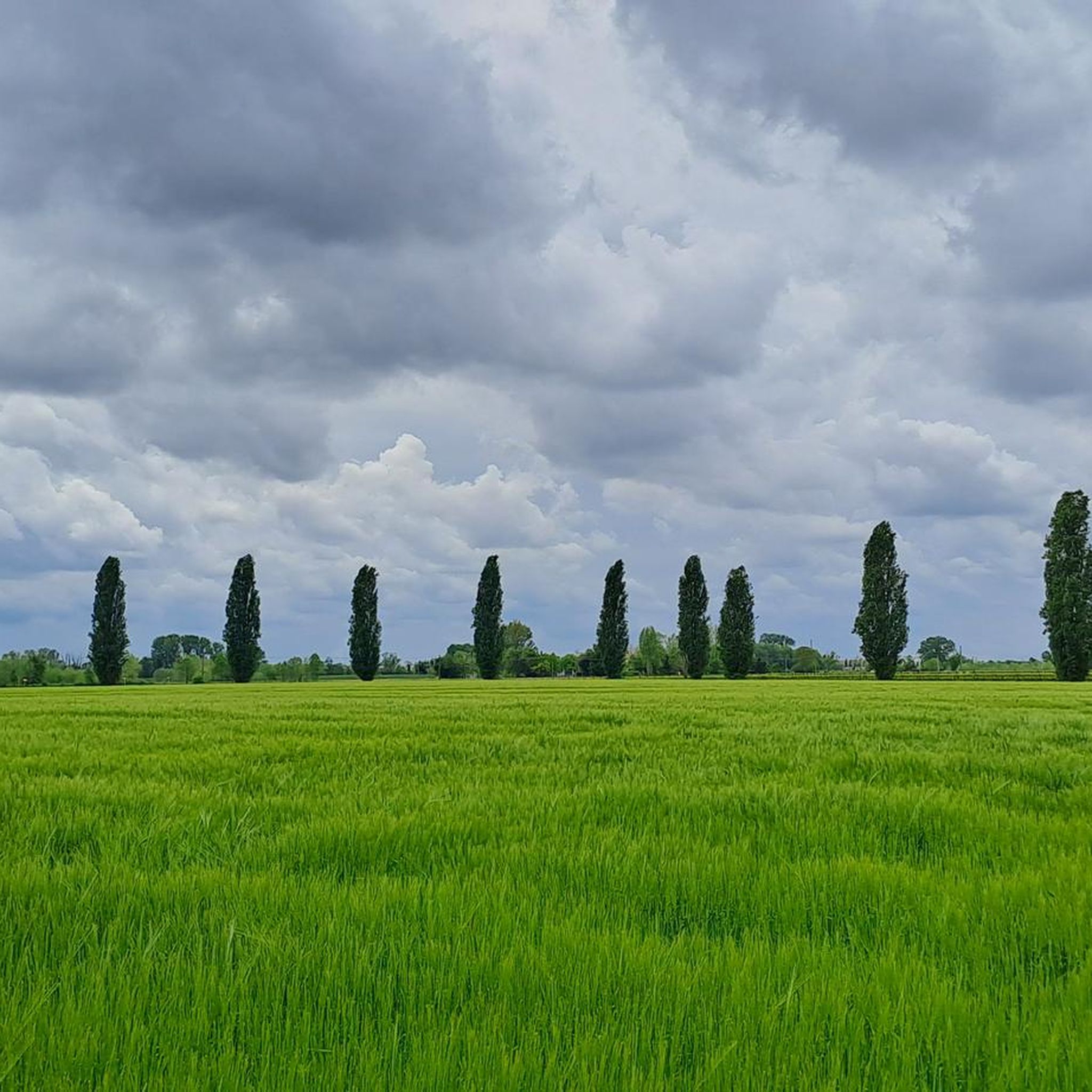
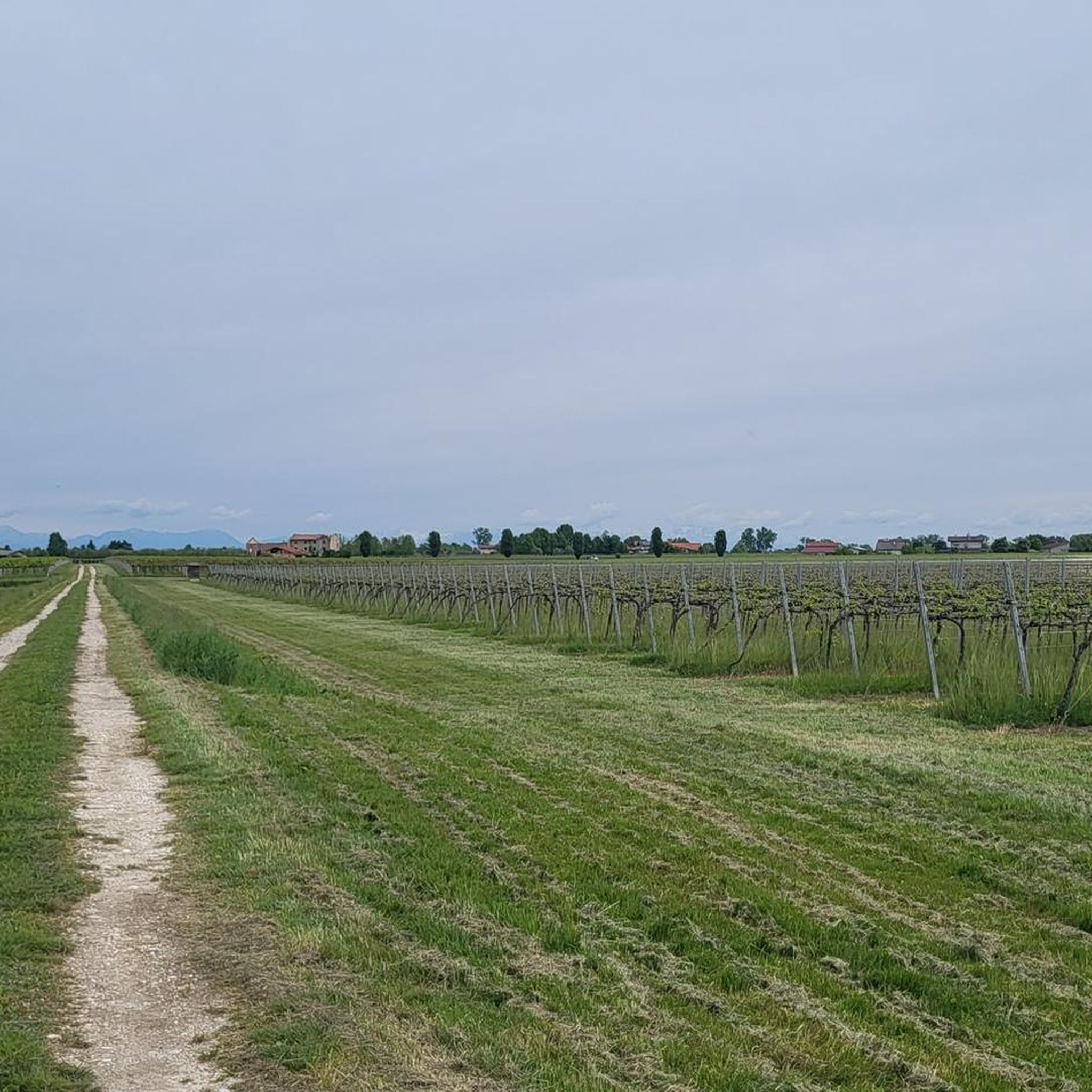
Crossing the meadow, along the poplar grove, you reach the small bridge that allows you to reach Portobuffolè avoiding the last 500m. of busy road, crossing a small bridge and continuing on a dirt road to the entrance of the iron bridge of the town
0
0

The Sanstino territory was characterized in its southern part by large lagoons and marshes until a few decades ago. Until the first half of the 20th century, these environments proved very harmful to humans, in various aspects, as they were a source of diseases, such as malaria, and were not sufficiently productive. Thus, with major land reclamation works, the land was taken from the water to make it cultivable and to obtain products that allowed many families to live. However, the lagoons were also a huge reservoir of biodiversity with many species of animals and plants that were largely destroyed during the land reclamation operations. It is also for this reason that, within the project for the historical reconstruction of the Bandiziol and Prassaccon woods, it was desired to leave a further mark of what the territory and landscape of S. Stino once were, by creating a wetland area, partly similar to the numerous wetlands once present even within the woods, called "bassone". This intervention is not only an operation of "philological" recovery of the pre-reclamation hydraulic system but, above all, presents a significant environmental value as it reconstructs the natural habitat of various bird species. The small lake is located in the eastern part of the Bosco di Bandiziol, covers an area of approximately 10,000 sq m and has a rounded shape with small islands within it. To better reproduce different lake habitats, the small lake has varying depths, from a few centimeters to over 2 meters, thus offering many bird species the opportunity to find a suitable environment to stay. In fact, in the shallower waters and marginal areas, it is possible to see herons, egrets, plovers, mallards, and other surface ducks. In the rest of the lake, there are divers, cormorants, and diving ducks that find food in open water or on deep bottoms. The islands and the winding perimeter shapes were created specifically to allow the avifauna to hide and find refuge, so that it can be disturbed as little as possible by human presence. In fact, the conformation of the banks and the vegetation (reeds, herbaceous and shrubby vegetation) offer all the necessary environments for the rest, feeding, and nesting of birds.
11
0

The Palù del Bandiziol is a wetland formed by a sulfur spring that, at its source, gives off the characteristic smell of rotten eggs. This wetland is of great naturalistic value due to the presence of numerous bird species.
1
0

peace and quiet, a tour for everyone.
0
0
where the Monticano flows into the Livenza. The track is new, just widened and well beaten
0
0
Between Villotta and San Vito al Tagliamento, in the Torrate area, you can visit the Risorgive park. The pure waters that spring from underground feed the "Livenza, Tagliamento acque" aqueduct.
2
0
Bosco Bandiziol, a green lung between San Stino di Livenza and Loncon
0
0
Here we have reached the end of the descent of the Monticano river to the confluence with the Livenza river.
1
0
Frequently Asked Questions
What are some unique natural monuments around Pasiano Di Pordenone?
Beyond the well-known river confluences, you can explore the Laghetti di Coscena and Tafjord. These ten stretches of water, redeveloped from former marshland, are now surrounded by vegetation and are popular with fishermen and nature lovers. Another interesting spot is the Locks on the Noncello River in Seminario Park, which offers access to a naturalistic river environment via a new cycle and pedestrian path.
Are there any significant natural parks or reserves in the broader Friuli Venezia Giulia region accessible from Pasiano Di Pordenone?
Yes, the broader region offers two significant natural areas. The Parco Naturale delle Dolomiti Friulane (Friulian Dolomites Natural Park) provides dramatic mountain scenery, ideal for hiking and mountaineering. Closer to the coast, the Riserva Naturale Regionale delle Foci dello Stella (Foci dello Stella Regional Nature Reserve) is a unique wetland environment perfect for birdwatching and boat excursions.
What kind of natural features can I expect to see around Pasiano Di Pordenone?
The local landscape is characterized by rivers and their confluences, such as the Confluence of the Monticano and Livenza Rivers and the Confluence of the Lia and Monticano Rivers. You'll also find redeveloped lake areas like the Laghetti di Coscena and Tafjord, and the broader region offers everything from Dolomitic peaks to coastal wetlands.
Are there family-friendly natural monuments around Pasiano Di Pordenone?
Many natural monuments in the area are suitable for families. The Confluence of the Monticano and Livenza Rivers offers a peaceful setting for nature observation, while the Laghetti di Coscena and Tafjord are frequented by nature lovers of all ages. The new cycle and pedestrian path at the Locks on the Noncello River in Seminario Park also provides easy access to a natural river environment.
What outdoor activities can I do near these natural monuments?
The region offers various outdoor activities. You can enjoy hiking on trails like the 'Rondover River loop from Villotta di Visinale' or the 'Mausoleum of Villa Varda loop from Maron'. For cycling, options include the 'Meduna River – Beato Marco d'Aviano Bridge loop from Pozzo' or the 'More gravel – Villa Cavazza Querini loop from Pasiano di Pordenone'. You can find more details on these routes in the Hiking around Pasiano Di Pordenone and Cycling around Pasiano Di Pordenone guides.
Are there hiking trails near the natural monuments?
Yes, there are several hiking trails available. For example, you can explore the 'Rondover River loop from Villotta di Visinale' (7.7 km, easy) or the 'Mausoleum of Villa Varda loop from Maron' (10.7 km, moderate). These routes allow you to experience the natural beauty of the area. For more hiking options, refer to the Hiking around Pasiano Di Pordenone guide.
Can I go cycling near the natural monuments?
Absolutely. The area around Pasiano Di Pordenone is well-suited for cycling. You can find easy routes like the 'Meduna River – Beato Marco d'Aviano Bridge loop from Pozzo' (25.2 km) or the 'More gravel – Villa Cavazza Querini loop from Pasiano di Pordenone' (23 km). For a wider selection of cycling routes, check out the Cycling around Pasiano Di Pordenone guide.
What is the best time to visit the natural monuments around Pasiano Di Pordenone?
The best time to visit largely depends on the specific natural monument and activity. Spring and autumn offer pleasant temperatures for hiking and cycling in the riverine and lake areas. For the mountain landscapes of the Friulian Dolomites, summer is ideal for high-altitude trekking, while the Foci dello Stella Reserve is excellent for birdwatching year-round, though boat excursions are more comfortable in warmer months.
Are there any considerations for visiting during winter?
During winter, the lower-lying natural monuments like river confluences and lakes can still be visited, often offering a serene, quiet atmosphere. However, conditions in the Friulian Dolomites Natural Park will be significantly different, with snow and ice making many trails inaccessible or requiring specialized equipment. Always check local weather and trail conditions before planning a winter visit, especially to mountainous areas.
What geological features can be observed in the natural monuments?
The region showcases diverse geological features. In the Friulian Dolomites Natural Park, you can see impressive Dolomitic peaks, part of a UNESCO World Heritage site, and unique phenomena like the 'books of San Daniele' (thin stone layers) at Monte Borgà. The river systems themselves, with their confluences and the redeveloped Laghetti di Coscena and Tafjord, also represent interesting hydrological and landscape formations.
Are the natural monuments around Pasiano Di Pordenone dog-friendly?
Generally, outdoor natural areas are dog-friendly, especially for walks on trails and in open spaces. However, specific rules may apply in protected areas like the Friulian Dolomites Natural Park or the Foci dello Stella Regional Nature Reserve, often requiring dogs to be on a leash to protect wildlife. Always check local regulations or signage at the specific location you plan to visit.
What do visitors enjoy the most about the natural monuments in the area?
Visitors appreciate the peaceful settings and the opportunity for nature observation, as highlighted by the tips for the Confluence of the Monticano and Livenza Rivers, which is described as a place of 'peace and quiet, a tour for everyone.' The redeveloped Laghetti di Coscena and Tafjord are also popular among nature lovers and those seeking tranquility.
Most popular routes around Pasiano Di Pordenone
Most popular attractions around Pasiano Di Pordenone

Get inspired with the komoot mobile app


Explore more
Extend your search for the best caves by checking out these guides of the top ones around Pasiano Di Pordenone:
