The best gravel rides around Pasiano Di Pordenone
4.2
(139)
1,231
riders
86
rides
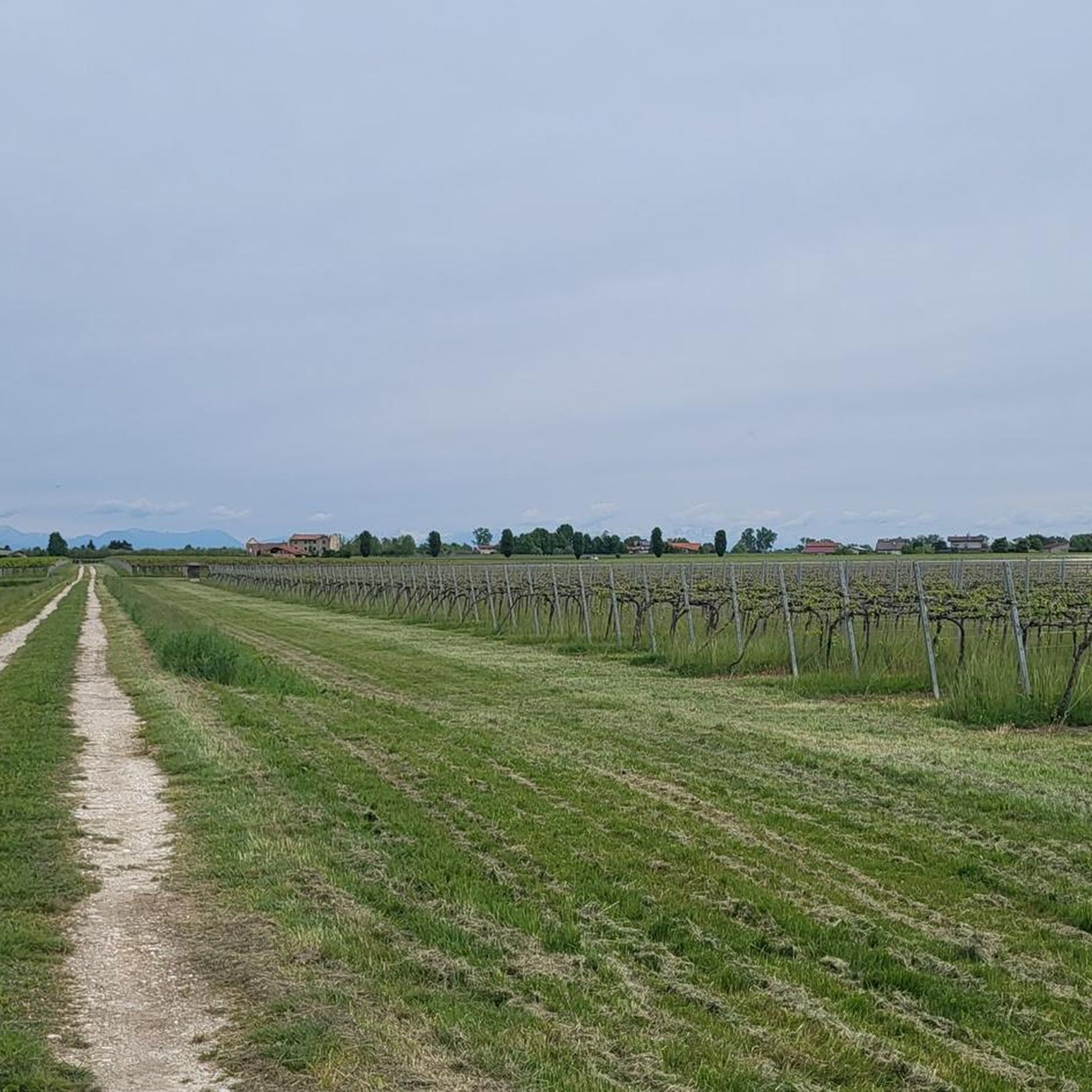
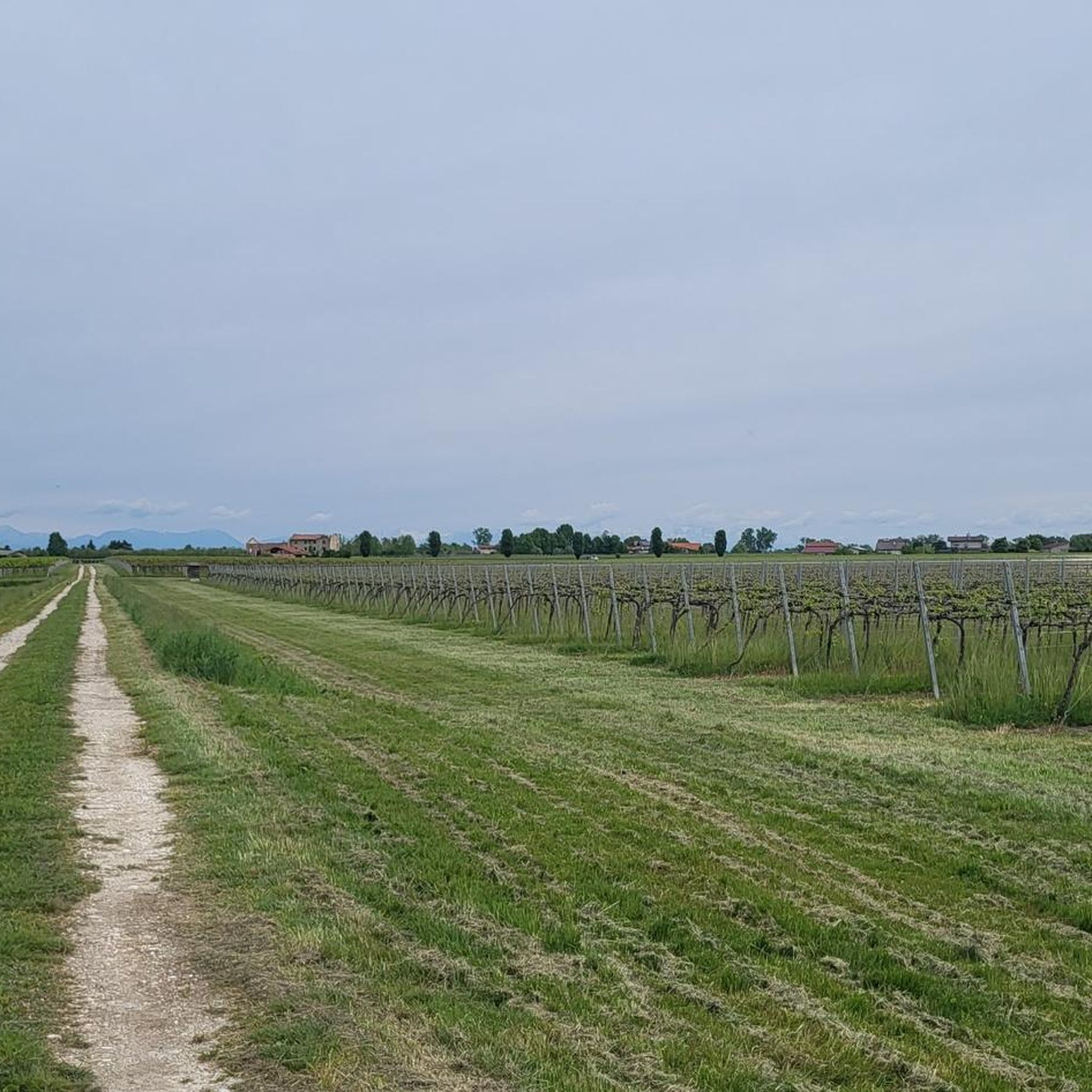
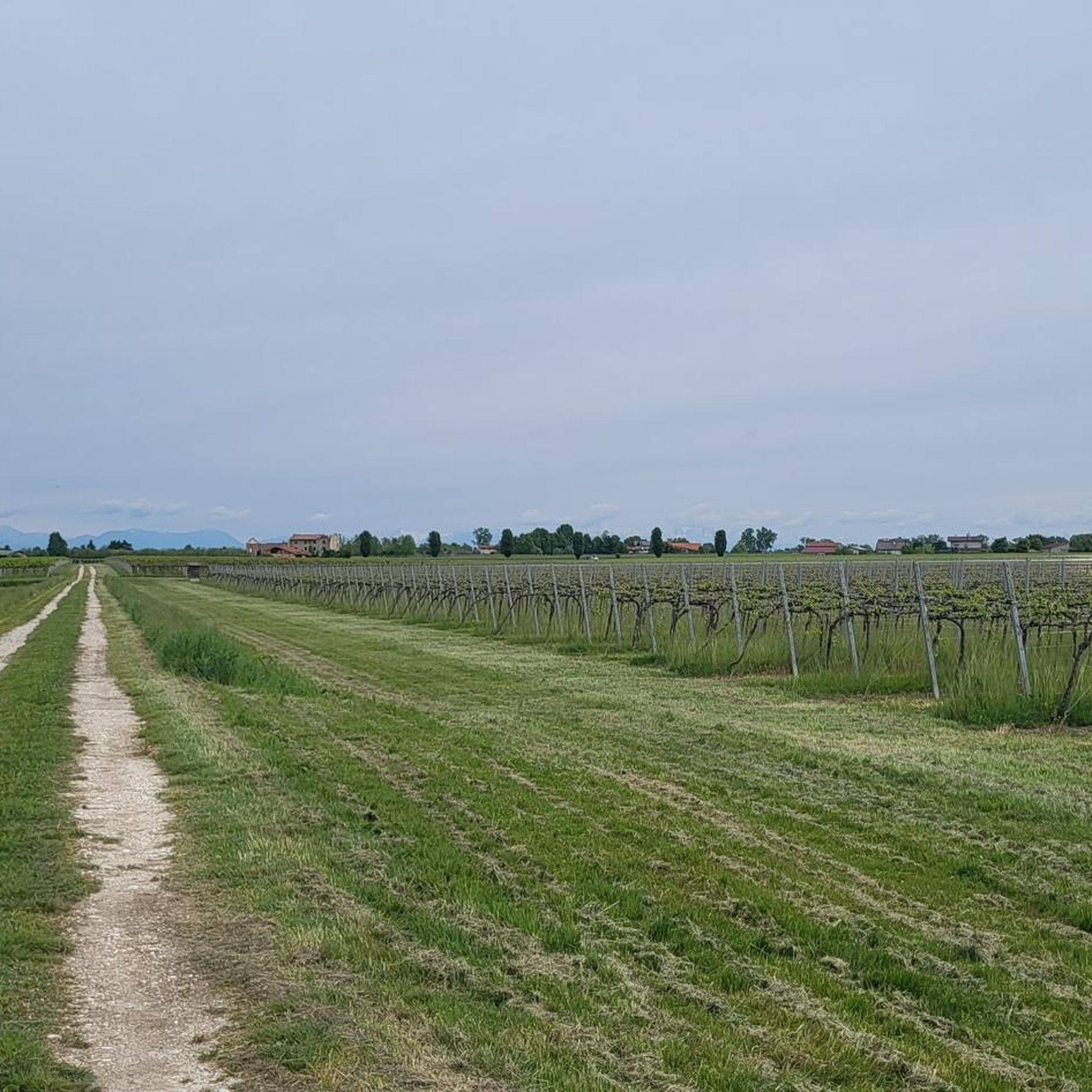
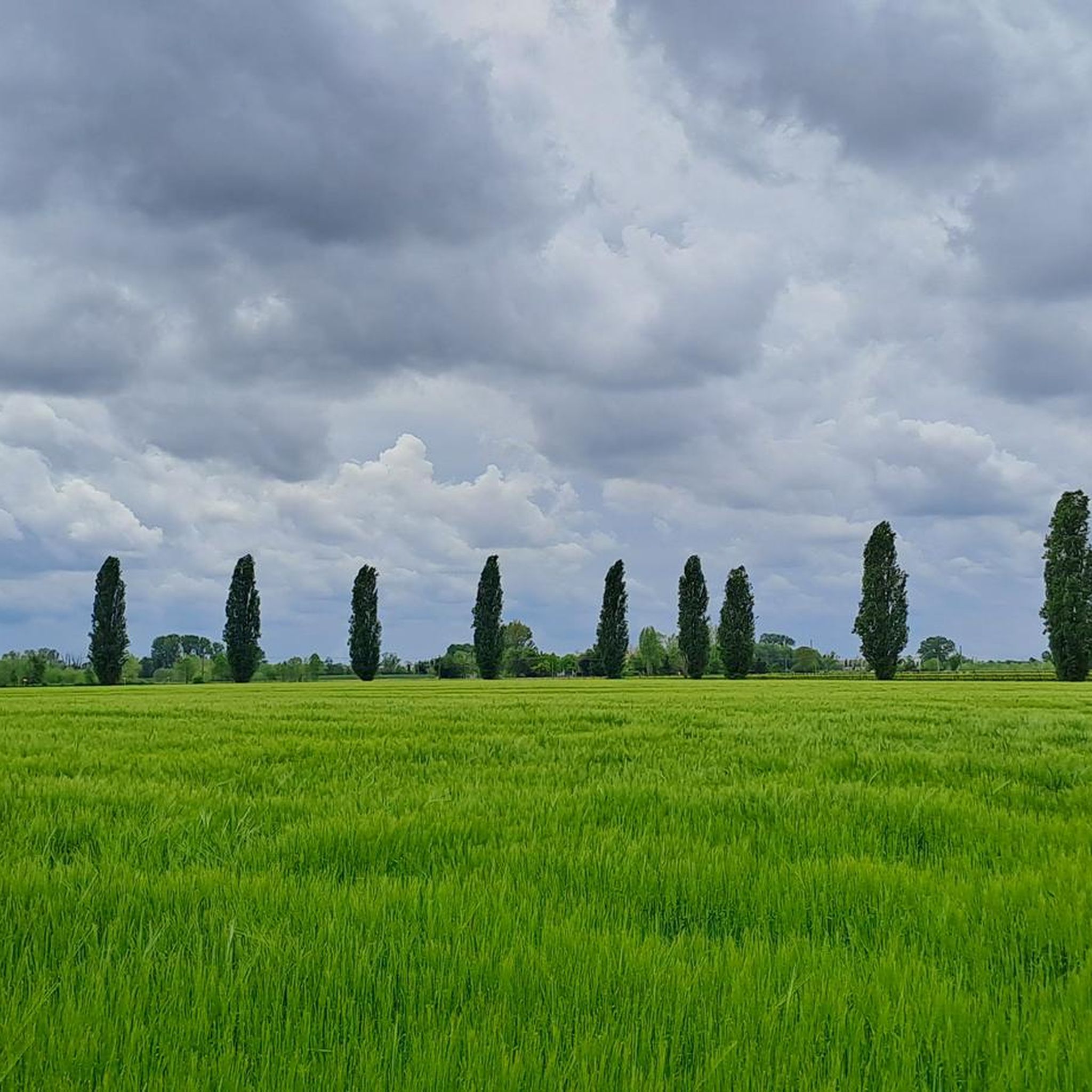
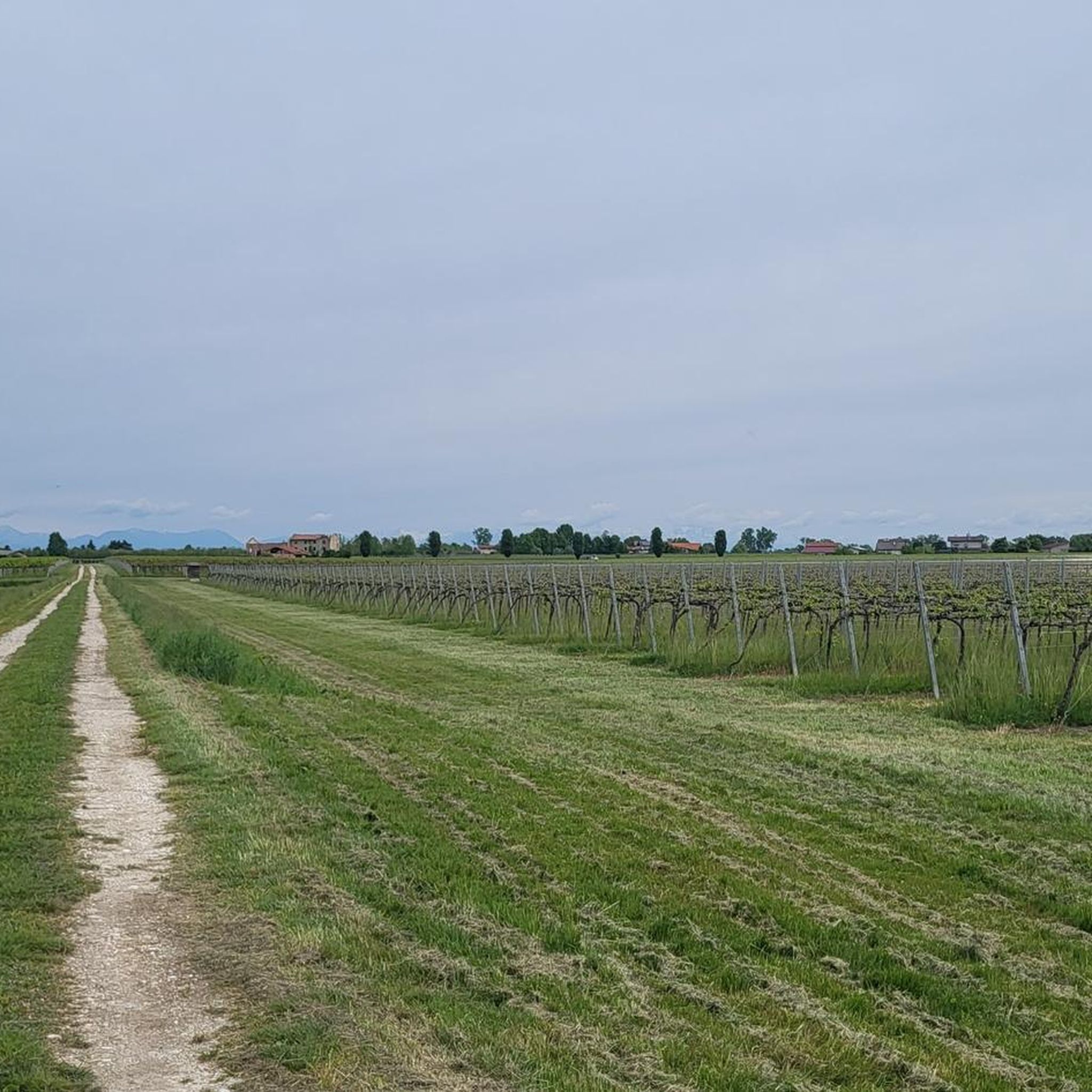
Gravel biking around Pasiano Di Pordenone offers routes through a predominantly flat landscape, characterized by river embankments, agricultural fields, and a network of canals. The region's terrain is shaped by the Livenza River, providing consistent, low-gradient paths suitable for gravel bikes. Elevation changes are minimal, with most routes featuring gentle undulations rather than significant climbs. This area provides a mix of open stretches and paths that may pass through small villages and rural settings.
Best gravel bike trails around Pasiano…
Last updated: May 24, 2026
4.4
(5)
76
riders
72.6km
04:17
140m
140m
Hard gravel ride. Good fitness required. You may need to push your bike for some segments of this route.
4.3
(7)
56
riders
93.5km
05:22
140m
140m
Hard gravel ride. Very good fitness required. Mostly paved surfaces. Suitable for all skill levels.

Sign up for free
4.0
(6)
53
riders
65.1km
03:31
110m
110m
Moderate gravel ride. Good fitness required. Mostly paved surfaces. Suitable for all skill levels.
4.3
(4)
43
riders
Moderate gravel ride. Good fitness required. Mostly paved surfaces. Suitable for all skill levels.
2.0
(1)
25
riders
53.2km
02:54
70m
70m
Moderate gravel ride. Good fitness required. Mostly paved surfaces. Suitable for all skill levels.
Get access to more routes and recommendations from other explorers.
Sign up for free
Already have an account?
Our route recommendations are based on thousands of hikes, rides, and runs completed by other people on komoot.
Start today with a free account
Your next adventure awaits.
Login or Signup
Tips from the Community

The historic center of Portogruaro, defined as the "little Venice of the mainland", develops elegantly along the banks of the Lemene river. The beating heart is Piazza della Repubblica, where the characteristic pillars of the Gothic brick Town Hall and the unusual leaning bell tower of the Cathedral of Sant'Andrea stand out. Strolling under the long medieval and Renaissance arcades, you can admire frescoed palaces in Venetian style that testify to the city's glorious commercial past. One of the most evocative views is offered by the Mulini di Sant'Andrea, located right in the city center, where the water wheels still turn above waters populated by swans. Here, wrought iron bridges and weeping willows create a romantic atmosphere that harmoniously combines monumental architecture with river vitality.
0
0
The center of Motta di Livenza presents itself as a refined blend of Venetian architecture and river vitality. The heart of the town is Piazza Luzzatti, overlooking elegant buildings and arcades that invite strolling. Not far away, the Duomo di San Nicolò stands out with its imposing structure, a guardian of art treasures that testify to the city's glorious past. The connection with the Livenza river is palpable along its banks, where the natural landscape merges with the urban fabric, creating evocative views. Amidst decorated historic buildings and lively commercial activities, the center preserves the typical atmosphere of the mainland cities of the Serenissima, offering a welcoming environment where history, culture, and local traditions meet harmoniously.
0
0
The Ponte di Tezze, which connects the banks of the Livenza river between the provinces of Treviso and Pordenone, represents a fundamental infrastructure for local mobility and history. The current structure, characterized by spans that elegantly reflect on the river's waters, stands at a historically strategic point for trade and movement between the Veneto and Friuli regions. The surrounding area is of considerable landscape value: the banks of the Livenza here offer suggestive natural views, with lush vegetation that changes color with the seasons. The bridge is not just a functional link, but a privileged viewpoint for admiring the slow flow of the river, a symbol of a territory that has managed to integrate modern development with the protection of the river environment.
1
0
The historic center of San Stino di Livenza develops along the banks of the homonymous river, an element that has shaped its identity and economy over the centuries. The heart of the town is dominated by the bulk of the Castello di Passo di Torre, an ancient defensive structure that testifies to the strategic importance of the area as a crossing point between land and water. Strolling through the central streets, you will encounter the Parish Church of Santo Stefano Protomartire, which houses valuable works. The pedestrian area and the squares offer a typical glimpse of the Venetian mainland villages, where civil architecture blends with the riverine nature, creating a serene atmosphere that invites the discovery of local traditions and the history of the eastern Veneto territory.
1
0
The Civic Tower of Portobuffolè, soaring 28 meters high, represents the most iconic symbol of the ancient medieval village of Treviso. The sole survivor of the seven towers that once protected the castle, this brick structure testifies to the strategic and commercial importance the city held under the rule of the Serenissima. On its facade stands the Lion of Saint Mark, a symbol of the connection with Venice, while at its base the courthouse was once located. The tower, which has traversed the centuries preserving its austere charm intact, today dominates the main square and offers a privileged view of the network of alleys and stately buildings that make Portobuffolè one of the most beautiful villages in Italy.
1
0
The Udine-Motta-Oderzo former railway cycle path is an extraordinary example of territorial recovery that transforms industrial memory into a green corridor dedicated to soft mobility. The route, flat and safe, winds through the heart of the Veneto-Friuli countryside, offering total immersion among vineyards and tree-lined rows. Pedaling along the old railway track, it is possible to glimpse old signal boxes and stations that evoke the charm of journeys of yesteryear. This itinerary is not just a link between historic centers, but a sensory experience that invites you to discover the slow rhythm of the rural landscape, ideal for families and cycle tourists seeking peace and authentic beauty.
0
0
The cycle-pedestrian bridge over the Livenza river is a modern infrastructural work that serves as a vital link for sustainable mobility in Motta di Livenza. Characterized by a functional and lightweight design, the bridge allows pedestrians and cyclists to cross the waterway in complete safety, strategically connecting different areas of the urban center and facilitating access to the surrounding natural paths. In addition to its practical utility, the structure offers an unprecedented panoramic view of the river, allowing for close observation of the riparian flora and fauna. It has become a mandatory passage point for those who wish to explore the territory at a slow pace, integrating harmoniously into the river landscape and promoting an active lifestyle in close contact with the environment.
0
0

“Flumen Liquentia ex montibus Opiterginis…” among the rivers mentioned by Pliny is the Livenza, in the feminine form. Almost always, however, in current language it is used as if it were masculine, due to the appellation “river” that precedes it. Regarding the origin of its name, there are two versions: some derive it from livens, from the verb livere (to be livid in color); others from liquens, from the verb liqui (to be liquid, to melt). By the ancients it was always called Liquentia and this is also because its waters teem, clear, cold and silent at the foot of the mountain above the pebbles, as if these and those were liquefying. Sacile's peculiar river is certainly one of the most beautiful waterways encountered in the plains of northern Italy. A means of communication, the ultimate defense of the nascent Veneto Domain, a source of life for its water flow and fish richness, the Livenza has always been cited by Greek and Latin authors.
1
0
Frequently Asked Questions
How many gravel bike trails are available around Pasiano Di Pordenone?
There are nearly 120 gravel bike routes to explore around Pasiano Di Pordenone. These routes offer a diverse range of experiences, from easy rides along river embankments to more challenging excursions through agricultural fields and canal paths.
What is the general difficulty level of gravel biking in Pasiano Di Pordenone?
The gravel bike trails in Pasiano Di Pordenone cater to various skill levels. You'll find 16 easy routes, 61 moderate routes, and 41 difficult routes. The terrain is predominantly flat, characterized by river embankments and agricultural paths, with minimal elevation changes, making it accessible for most riders while still offering challenges for experienced gravel bikers.
Are there any beginner-friendly gravel bike trails in Pasiano Di Pordenone?
Yes, Pasiano Di Pordenone offers 16 easy gravel bike routes suitable for beginners. These trails typically follow flat river embankments and well-maintained paths, providing a gentle introduction to gravel biking in the region. Look for routes with lower distances and minimal elevation gain for a comfortable ride.
What are some challenging gravel bike routes for advanced riders?
For advanced riders seeking a challenge, Pasiano Di Pordenone has 41 difficult routes. An example is the Gate of Sesto al Reghena – Portogruaro loop from Motta di Livenza, which covers over 93 kilometers. Another demanding option is the Tezze Bridge over the Livenza – Canale Brian Cycle Path loop from Gorgo al Monticano, offering a long ride through varied terrain.
Are there any circular gravel bike routes in Pasiano Di Pordenone?
Yes, many gravel bike routes in Pasiano Di Pordenone are designed as loops, allowing you to start and end at the same point. For instance, the Livenza River Embankment – Ponti di Tremeacque loop from Gorgo al Monticano is a popular moderate circular route that takes you through scenic riverine landscapes.
What kind of scenic views can I expect on gravel bike trails in this region?
Gravel bike trails in Pasiano Di Pordenone offer scenic views primarily along the Livenza River and its embankments, as well as expansive agricultural fields. You'll experience the tranquil beauty of the Friulian plain, with open vistas and occasional glimpses of small villages and historic structures. The region's flat topography provides consistent, picturesque landscapes.
What do other gravel bikers say about the routes in Pasiano Di Pordenone?
The gravel biking routes in Pasiano Di Pordenone are highly rated by the komoot community, with an average score of 4.4 stars from nearly 100 reviews. Over 1,000 gravel bikers have explored the area using komoot, often praising the well-maintained river paths, the peaceful rural atmosphere, and the variety of routes suitable for different fitness levels.
What attractions or landmarks can I see near the gravel bike trails?
While gravel biking, you can explore several nearby attractions. Consider visiting the historic Porcia Castle or the serene Laghetto delle Risorgive di Porcia. Other notable points of interest include the Historic Center of Sacile and the impressive Civic Tower of Portobuffolè, offering cultural stops along your ride.
Are there any specific highlights or points of interest directly on the routes?
Yes, some routes pass directly by interesting points. For example, the area around Ponti di Tremeacque is a frequent feature in many routes, and the Ponti di Tremeacque itself is a notable highlight. You might also encounter the Belfiore Mill on some paths, offering a glimpse into local history.
What is the best time of year for gravel biking in Pasiano Di Pordenone?
The best time for gravel biking in Pasiano Di Pordenone is typically during spring and autumn. These seasons offer pleasant temperatures and less rainfall, making for comfortable riding conditions. Summer can be warm, but early mornings or late afternoons are still enjoyable. Winter rides are possible, but be prepared for cooler temperatures and potentially damp conditions on some unpaved sections.
Are there any gravel bike routes that are particularly long for endurance training?
For endurance training, you'll find several long routes. The Ponti di Tremeacque – Livenza River Embankment loop from Motta di Livenza is a challenging 71.6 km ride, while the Prà dei Gai South Entrance – Ponti di Tremeacque loop from Livenza stretches to 76 km, providing ample distance for extended gravel adventures.
Can I find routes that incorporate cycle paths or dedicated bike infrastructure?
While many routes utilize river embankments and agricultural roads, some paths connect to or incorporate dedicated cycle infrastructure. The TV3 GiraMonticano Cycle Path is a notable example in the wider region, and some gravel routes may intersect with or run parallel to such paths, offering smoother sections.
Most popular routes around Pasiano Di Pordenone
Most popular attractions around Pasiano Di Pordenone

Get inspired with the komoot mobile app


Explore more
Browse the best Gravel rides in other regions.
