Top 10 Natural Monuments around Castelnuovo Di Porto
Best natural monuments around Castelnuovo Di Porto offer diverse natural beauty within the Italian landscape. The region features protected areas, ancient Roman quarries, and rupestrian settlements where nature has reclaimed historical sites. These locations provide opportunities for exploration and appreciation of unique geological formations and historical human interaction with the environment. The area is characterized by tuff valleys and the Treja river, creating varied natural settings.
Best natural monuments around Castelnuovo Di Porto
- The most popular natural monuments is Monte…
Last updated: October 14, 2026
Monte Gelato Waterfalls
Highlight • Waterfall
The shady trees …
Translated by Google •
Tip by

Fosso degli Olmetti Waterfall and Etruscan Aqueduct
Highlight • Waterfall
Translated by Google •
Tip by

Sign up now to discover places like this
Get recommendations on the best single tracks, peaks, & plenty of other exciting outdoor places.
Ponte Sodo
Highlight • Cave
Translated by Google •
Tip by

Mola di Formello Waterfall
Highlight • Waterfall
Translated by Google •
Tip by

Gattaceca and Barco Nature Reserve
Highlight • Forest
Translated by Google •
Tip by

Sign up for free to discover even more natural monuments around Castelnuovo Di Porto.
Already have an account?
Start today with a free account
Your next adventure awaits.

Tips from the Community

To reach the shooting point, you must deviate from the main trail and tackle a steep descent on extremely slippery and uneven terrain. In case of bad weather or rain, access is prohibited or absolutely not recommended.
0
0
The Ponte Sodo is an Etruscan hydraulic structure, a tunnel approximately 70 meters long carved into the rock in the Veio Park, which allowed the Valchetta (ancient Cremera) stream to flow during high water, preventing flooding. Today, it is not easily accessible on your own and is often visited on guided excursions organized by the park, although access is restricted in some areas. It can be admired from a path that descends along the stream, but crossing it may require wading into cold water. To reach the photo point, you must deviate from the main path and tackle a steep descent on extremely slippery and uneven terrain. In case of bad weather or rain, access is prohibited or absolutely not recommended.
0
0
what I like after struggling uphill and in narrow paths and closed by trees are open spaces like places where you meet a waterfall like this. It is not for the waterfall itself but it is the whole context where it is placed. My advice? Get to this point then look around and enjoy the "enchanted" place
0
0

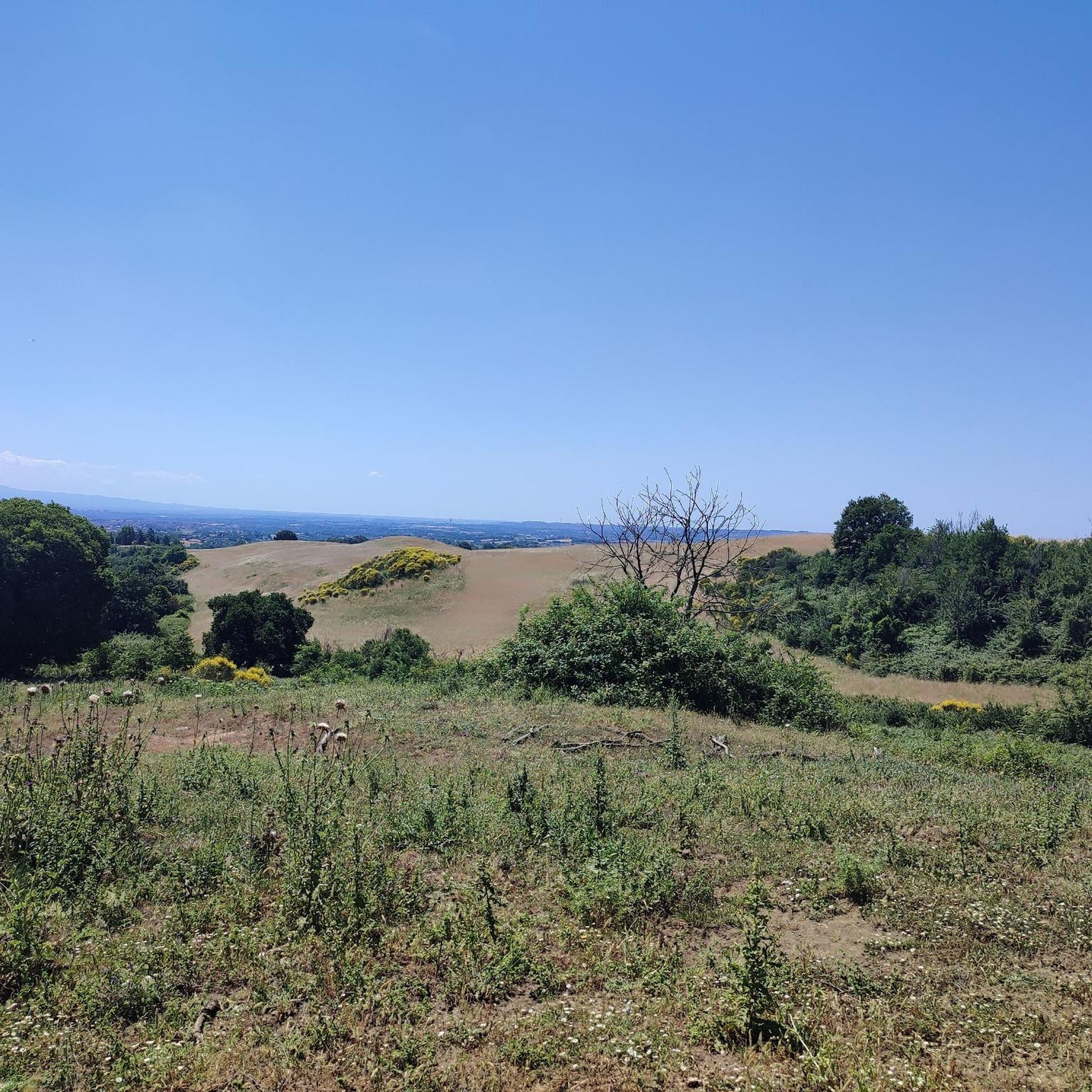
The nature reserve extends over about a thousand hectares between the Tiber Valley and the Cornicolani Mountains, in the Roman Sabina. The landscape is hilly, with pasture areas, crops and fragments of woods, remnants of the original forests. The area is known for its botanical value and for karst phenomena such as caves and sinkholes, including the Pozzo del Merro, one of the deepest in the world. The reserve also preserves historical evidence, from prehistory to the Middle Ages.
1
0

Beautiful waterfalls found on the Via Francigena between Sutri and Campagnano di Roma... it's a shame that their waters are particularly polluted.
1
0

Cascata di Monte Gelato, located in the Parco Regionale Valle del Treja (Treja Valley Regional Park), is a captivating natural wonder in the Lazio region of Italy. It consists of a series of small waterfalls along the Treja River. Some of these falls are natural, while others have been shaped by human intervention. The constant flow of water over layers of volcanic rock has sculpted these picturesque waterfalls for millennia
1
0

they are very suggestive waterfalls a stone's throw from Rome
1
0

Suggestive waterfall deriving from an ancient Etruscan aqueduct, with a side tunnel that can be visited (not recommended for claustrophobics). You can get there from the (private) Selvotta car park. All the landscape around the waterfall is really worth the trip.
0
0
Frequently Asked Questions
What are some of the most popular natural monuments to visit around Castelnuovo di Porto?
Among the most appreciated natural monuments is Monte Gelato Waterfalls, known for its picturesque setting within the Valle del Treja Natural Park and its history as a film location. Visitors also enjoy the Fosso degli Olmetti Waterfall and Etruscan Aqueduct, where you can explore a tunnel behind the falls, and the easily accessible Mola di Formello Waterfall.
Are there natural monuments with historical significance near Castelnuovo di Porto?
Yes, the region is rich in sites where nature and history intertwine. The ancient Roman quarries, known as Le Cave di Castelnuovo di Porto, are a unique blend of natural formation and historical human activity, now reclaimed by nature. Additionally, the Fosso degli Olmetti Waterfall and Etruscan Aqueduct features a tunnel carved into the rock that is part of an ancient Etruscan aqueduct. The Ponte Sodo is another fascinating site, an artificial tunnel dug into tuff, whose origins are debated between Etruscan and Roman times.
What kind of outdoor activities can I do near these natural monuments?
The area around Castelnuovo di Porto offers diverse outdoor activities. You can find numerous hiking trails, such as the moderate 'Monte Calvio – Cistern of Castellaccio loop from Castelnuovo di Porto'. For cycling enthusiasts, there are routes like the 'Ponte della Musica – Galleria Borghese loop from Castelnuovo di Porto'. Mountain biking is also popular, with trails like the 'Monte Gelato Waterfalls – Roman Cistern of Casalaccio loop from Castelnuovo di Porto'. You can explore more options on the hiking guide, cycling guide, and MTB trails guide for the region.
Are there any family-friendly natural monuments in the area?
Absolutely. The Monte Gelato Waterfalls are considered family-friendly, offering a peaceful environment for a relaxing break. The Mola di Formello Waterfall is also noted as easy to reach and safe for visitors, making it suitable for families.
What are the best times of year to visit the natural monuments around Castelnuovo di Porto?
The natural monuments, especially those with waterfalls like Monte Gelato Waterfalls, are particularly suggestive in summer, offering a chance to cool off. Spring and autumn also provide pleasant temperatures for hiking and exploring the reserves, with lush greenery or vibrant fall colors.
Where can I experience diverse flora and fauna in the region?
The Marcigliana Nature Reserve, adjacent to Castelnuovo di Porto, is an excellent spot for experiencing local flora and fauna, ideal for tranquil nature walks. The Gattaceca and Barco Nature Reserve is also known for its botanical value and diverse landscape.
Are there any natural areas with unique geological features?
Yes, the Valle del Sorbo, within the Parco di Veio, is recognized as a 'Site of Community Interest' due to its distinctive tuff valleys, characteristic of the Roman countryside. The Gattaceca and Barco Nature Reserve also features interesting karst phenomena, including caves and sinkholes.
What do visitors particularly enjoy about the natural monuments here?
Visitors frequently highlight the picturesque beauty and peaceful environment, especially at the Monte Gelato Waterfalls. The unique blend of natural landscapes with historical elements, such as the Etruscan aqueducts and Roman quarries, also captivates many. The opportunity to explore tunnels and caves, like those at Fosso degli Olmetti and Ponte Sodo, is also a popular draw.
Are there any ancient cave dwellings or settlements to explore?
Yes, near Castelnuovo di Porto, within the Veio Park, you can find the Belmonte Rupestrian Settlement and Caves. This early medieval village features a vast rock necropolis and caves that served as dwellings, offering a fascinating glimpse into human history integrated with the natural landscape.
How accessible are the natural monuments by public transport from Castelnuovo di Porto?
While some natural monuments like the Monte Gelato Waterfalls are popular and may have some public transport options or be part of routes like the Via Francigena, many natural areas in the region are best accessed by car. It's advisable to check local transport schedules or consider driving for more flexibility.
Are there any hidden gems or less-known natural monuments worth discovering?
While not strictly 'hidden,' the Ponte Sodo is described as 'not easy to find but very charming.' Its historical significance as an ancient tunnel and its integration into a highly suggestive landscape make it a rewarding discovery for those who seek it out.
Can I find accommodation or places to eat near the natural monuments?
The region around Castelnuovo di Porto offers various options for accommodation and dining. While specific cafes or restaurants might not be directly adjacent to every natural monument, you can find establishments in nearby towns and villages. For more information on the area, you might find resources like viaggiando-italia.it or visitcastelnuovodiporto.it helpful for planning your stay.
Most popular routes around Castelnuovo Di Porto
Most popular attractions around Castelnuovo Di Porto

Get inspired with the komoot mobile app


Explore more
Extend your search for the best caves by checking out these guides of the top ones around Castelnuovo Di Porto:
