Top 7 Natural Monuments around Latronico
Natural monuments around Latronico showcase a diverse landscape in Basilicata, Italy. This region features dramatic scenery, including the expansive Pollino National Park and the imposing Monte Alpi massif. Visitors can explore a variety of geological features, from thermal springs and ancient caves to river waterfalls and mountain summits. The area provides opportunities to experience wild nature and unique high-altitude ecosystems.
Best natural monuments around Latronico
- The most popular natural monuments is Peschiera River Waterfall, a waterfall that is created…
Last updated: October 28, 2026
Peschiera River Waterfall
Highlight • Waterfall
Translated by Google •
Tip by

Pollino National Park
Highlight • Natural Monument
Translated by Google •
Tip by

Sign up now to discover places like this
Get recommendations on the best single tracks, peaks, & plenty of other exciting outdoor places.
Monte Santa Croce Summit
Highlight • Summit
Translated by Google •
Tip by

Pizzo Falcone summit
Highlight • Summit
this peak can be reached with a medium-difficulty trek starting from the Favino refuge.
Translated by Google •
Tip by
Monte Raparo Summit
Highlight • Summit
Translated by Google •
Tip by
Sign up for free to discover even more natural monuments around Latronico.
Already have an account?
Start today with a free account
Your next adventure awaits.


Other adventures around Latronico

Tips from the Community

One of the most fascinating peaks of Basilicata: Monte Raparo, starting from the Croce di Raparo Refuge. A walk immersed in the wild beauty of the SIC Monte Raparo, among woods, deep silences and breathtaking views.
0
0

Right along the car road , easy to reach for any leve of fitness and enjoy a peaceful place
1
0

Fairly easy route to reach the summit by bike, incredible 360° panorama.
0
0

From the summit, located at 1764 meters above sea level, you can admire a panorama of the Val d'Agri.
1
1

This small waterfall is created by a leap from the Peschiera river. Here people gather to refresh themselves and spend some time immersed in nature.
1
0
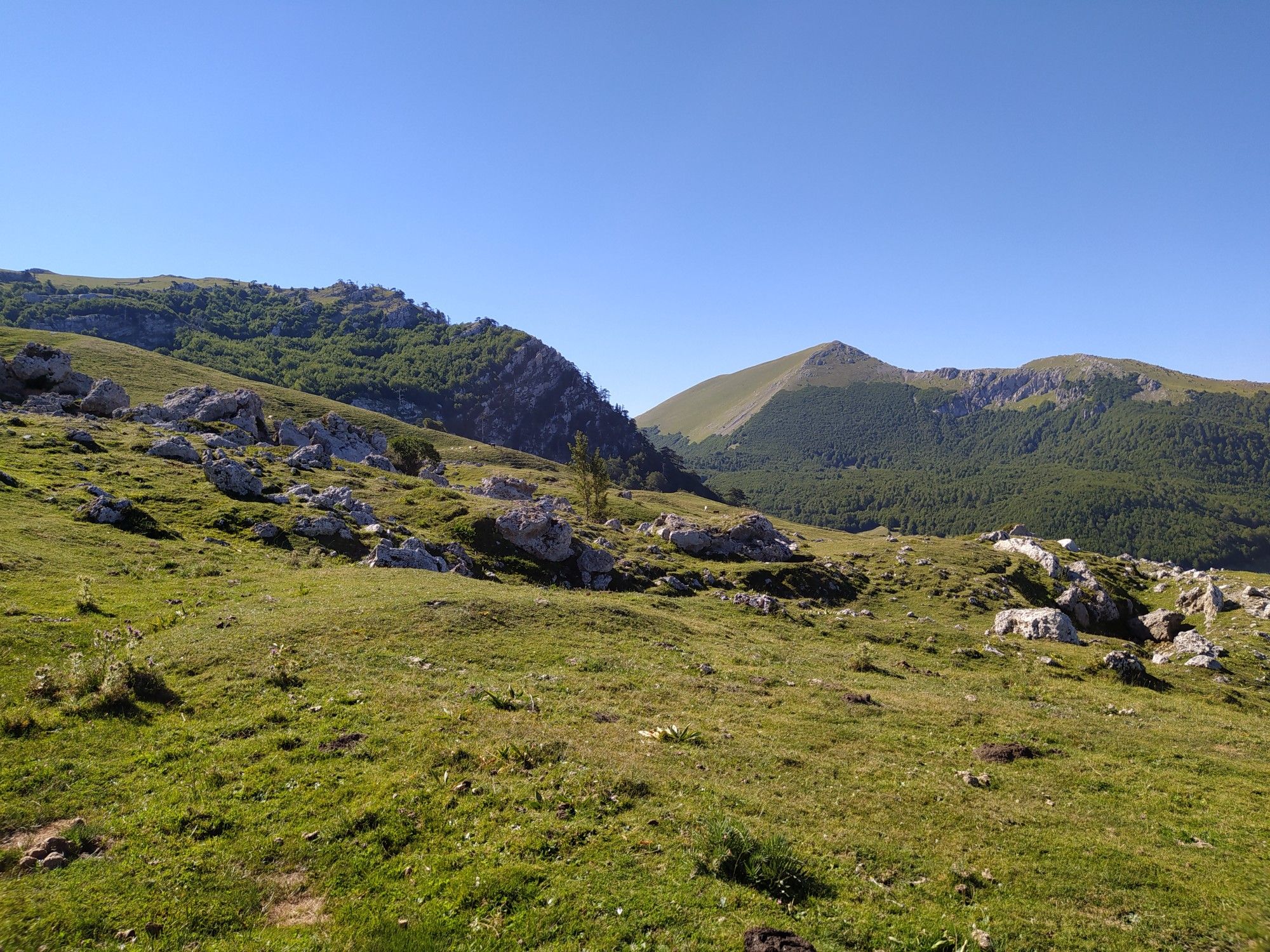
A wonderful "panoramic balcony" on the Pollino National Park. this peak can be reached with a medium-difficulty trek starting from the Favino refuge.
2
0
It is the largest national park in Italy and is located between Calabria and Basilicata. The headquarters of the park is located in the municipality of Rotonda (PZ)
2
0

This small waterfall is created by a leap from the Peschiera river. Here people gather to refresh themselves and spend some time immersed in nature.
7
0
Frequently Asked Questions
What unique geological features can be explored around Latronico?
Latronico is rich in geological wonders. You can explore the ancient Pollino National Park, which features dolomitic rocks, limestone bastions, deep gorges, and karst caves. The Peschiera River Waterfall is a small, accessible waterfall. Additionally, the Grotte di Calda near the thermal springs offer impressive stalactites and stalagmites, while the Monte Alpi massif is known for its unique opalescent marble.
Are there family-friendly natural monuments around Latronico?
Yes, several natural monuments are suitable for families. The Peschiera River Waterfall is easily accessible and offers a peaceful spot for refreshment. Within Pollino National Park, areas like Bosco Magnano are known for cool waters and grassy banks, perfect for family strolls. The Piani di Ruggio plateau also offers serene meadows for picnics.
What kind of views can I expect from the summits around Latronico?
The summits around Latronico offer breathtaking panoramic views. From Monte Santa Croce Summit, you can see Monte Raparo, Monte Sirino, and Serra La Spina. Pizzo Falcone summit is described as a 'panoramic balcony' on the Pollino National Park. Monte Raparo Summit provides a 360° panorama of the Val d'Agri, and the Monte Alpi massif offers extensive views across Basilicata.
What outdoor activities can I do near these natural monuments?
The area around Latronico is ideal for various outdoor activities. You can find numerous hiking trails, including challenging routes like the 'Cima Pizzo Falcone - loop hike' or 'Monte Santa Croce - loop tour' within Hiking around Latronico. For running, there's the 'Monte Alpi Loop Trail' or 'Sentiero Italia: Stage T03' in Running Trails around Latronico. Cycling enthusiasts can explore longer routes like the 'Mercure Spring – Rotonda Historic Center loop' or 'Malboschetto Fountain loop' in Cycling around Latronico.
Are there any historical or cultural sites linked to the natural monuments?
Yes, the natural monuments around Latronico have significant historical and cultural connections. The Terme di Latronico, with its therapeutic thermal waters, has been utilized for health benefits since prehistoric times. Archaeological research in the nearby Grotte di Calda has unearthed artifacts from 8000 to 1300 BC, indicating ancient human activity and a 'cult of healthy waters' linked to the springs.
What is the best time of year to visit the natural monuments around Latronico?
The best time to visit the natural monuments around Latronico generally depends on your preferred activity. For hiking and exploring the higher elevations like the Monte Alpi massif or the summits within Pollino National Park, late spring to early autumn (May to October) offers pleasant weather. The higher peaks can remain snow-capped from November to May. For enjoying the thermal springs, any time of year can be suitable.
What do visitors enjoy most about the natural monuments in Latronico?
Visitors particularly enjoy the diverse scenery and opportunities for immersion in nature. The Peschiera River Waterfall is appreciated for its peaceful atmosphere. The summits like Monte Santa Croce and Pizzo Falcone are loved for their very beautiful and extensive panoramic views. The Pollino National Park is valued for its wild nature and unique high-altitude ecosystems.
Are there thermal springs or waterfalls to visit in Latronico?
Yes, Latronico is well-known for its thermal springs and waterfalls. The Terme di Latronico offers sulphurous pools and therapeutic waters. A highlight is the Cascate di Calda (Calda Waterfalls), described as a 'true oasis of well-being' at the foot of Monte Alpi, surrounded by rich flora. Additionally, the Peschiera River Waterfall provides a refreshing spot.
What are the main features of Pollino National Park near Latronico?
Latronico is situated on the edge of the vast Pollino National Park, Italy's largest national park. It features dramatic and diverse scenery, including famous wind-twisted pines, dolomitic rocks, deep gorges, and karst caves. Notable areas include the serene Piani di Ruggio plateau, the Belvedere del Malvento viewpoint with its 'lunar ridges,' and Bosco Magnano, known for its cool waters and family-friendly paths. The park offers extensive opportunities for hiking and experiencing high-altitude ecosystems.
What is the difficulty level of hiking trails near Latronico's natural monuments?
Hiking trails near Latronico's natural monuments vary in difficulty. Many routes to summits like Monte Santa Croce, Pizzo Falcone, and Monte Raparo are rated as intermediate to difficult. For example, the 'Cima Pizzo Falcone - loop hike' and 'Monte Santa Croce - loop tour' are considered difficult. However, easier paths can be found, such as those around the Peschiera River Waterfall or within specific family-friendly areas of Pollino National Park.
Can I find any hidden natural gems or less crowded trails around Latronico?
While specific 'hidden gems' are often discovered through local exploration, the vastness of Pollino National Park and the Monte Alpi massif offer many opportunities for less crowded experiences. Exploring the ridge walks and beech-shaded climbs of Monte Alpi can lead to serene spots. The Grotte di Calda, while historically significant, might offer a quieter experience compared to more popular hiking routes.
What wildlife and flora can be found in the natural monuments around Latronico?
The natural monuments around Latronico are home to diverse wildlife and flora, particularly within Pollino National Park. The park is known for its unique high-altitude ecosystems and varied landscapes. The area around the Cascate di Calda is surrounded by wild flora, boasting over 200 types of shrubs. Visitors might encounter various bird species, small mammals, and a rich array of plant life characteristic of the Apennine mountains.
Most popular attractions around Latronico

Get inspired with the komoot mobile app


Explore more
Extend your search for the best caves by checking out these guides of the top ones around Latronico:
