Top 5 Natural Monuments in Port-Cros
Best natural monuments in Port-Cros are found within Europe's first Marine National Park, an area celebrated for its pristine natural beauty and protected status. The island features a diverse array of natural monuments, encompassing both terrestrial landscapes and vibrant marine ecosystems. Its car-free status contributes to a tranquil atmosphere, ideal for connecting with nature. Port-Cros is a significant marine and ornithological reserve, safeguarding various animal and plant species.
Best natural monuments in Port-Cros
- The most popular natural monuments is Wolf…
Last updated: October 1, 2026
Wolf Gorge (Port-Cros)
Highlight • Gorge
Translated by Google •
Tip by

Cape des Mèdes
Highlight • Natural Monument
While walking on the paths that lead to …
Translated by Google •
Tip by

Sign up now to discover places like this
Get recommendations on the best single tracks, peaks, & plenty of other exciting outdoor places.
Silver Beach
Highlight • Beach
Translated by Google •
Tip by
View of Port-Cros Bay
Highlight • Viewpoint
Lots of visitors, but you can still find a lot of peace and quiet on this great island ...
Translated by Google •
Tip by

View from Mont Vinaigre
Highlight • Viewpoint
Translated by Google •
Tip by

Start today with a free account
Your next adventure awaits.
Tips from the Community

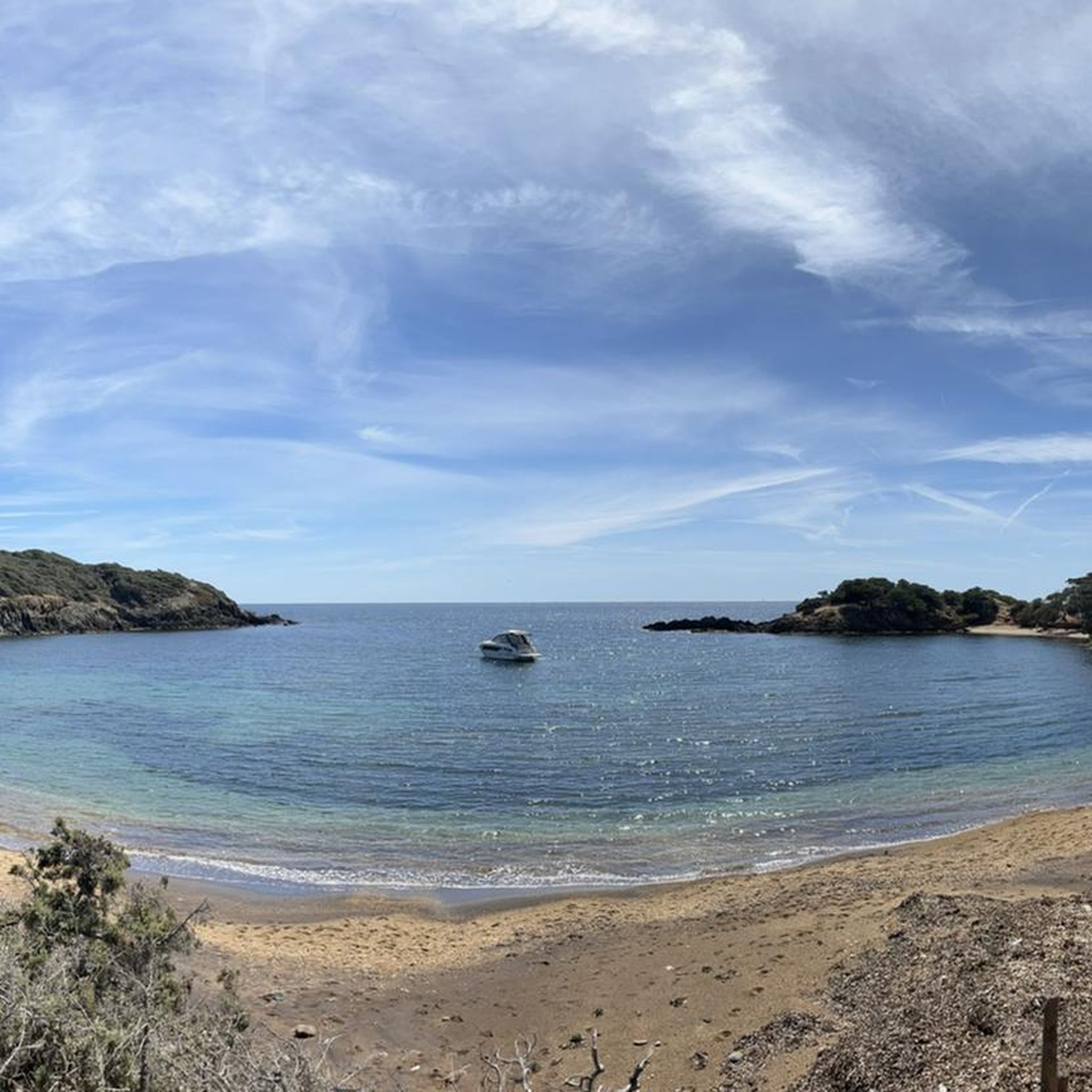
Beautiful bay, very easy to reach from the harbor
1
0
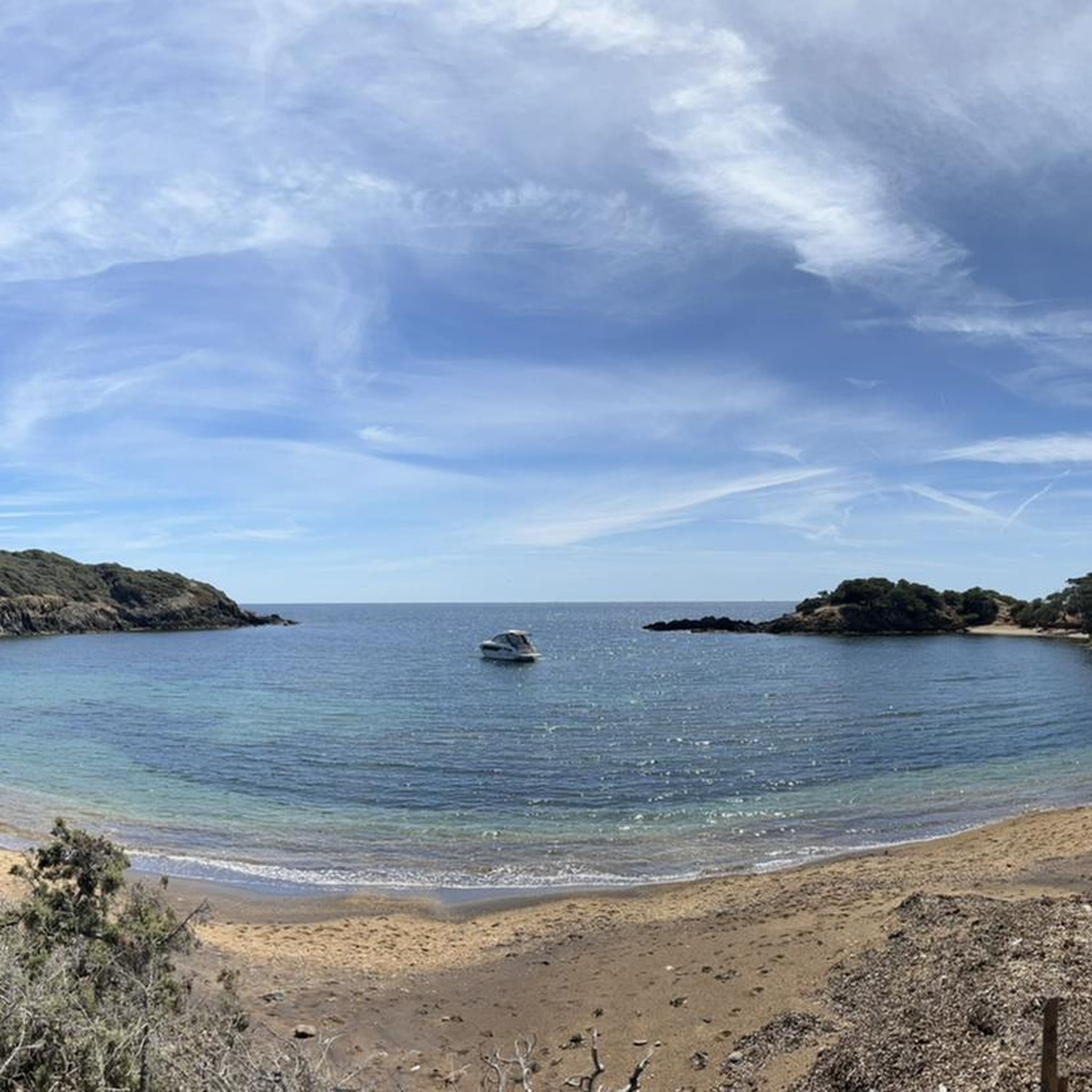
One of the most beautiful beaches. Unfortunately it can get very crowded.
3
0

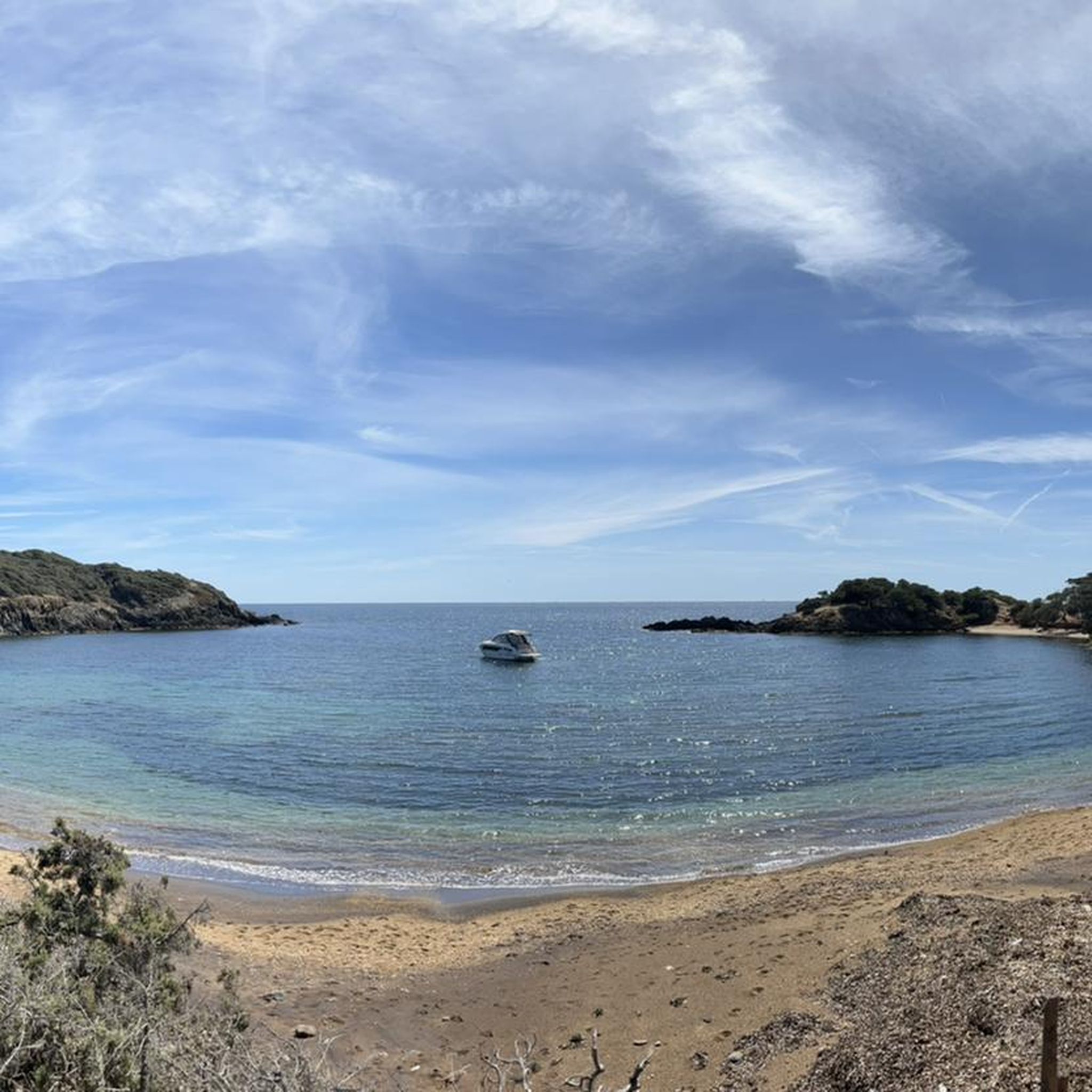
Beautiful sandy beach with nice views of the sea and the boats
5
0

The Cape of Medes is under the good guard of two batteries dating from the 18th century and reassigned by Napoleon I. While walking on the paths that lead to the point, you can admire the rock of the Two Brothers, and the views of the Mediterranean. The cape is a diving spot renowned for its shallow depths thanks to the richness of its fauna and flora.
2
2

The most beautiful bay on Porquerolles for swimming
1
0

Very nice stretch of beach. Don't forget your swimsuit.
0
0

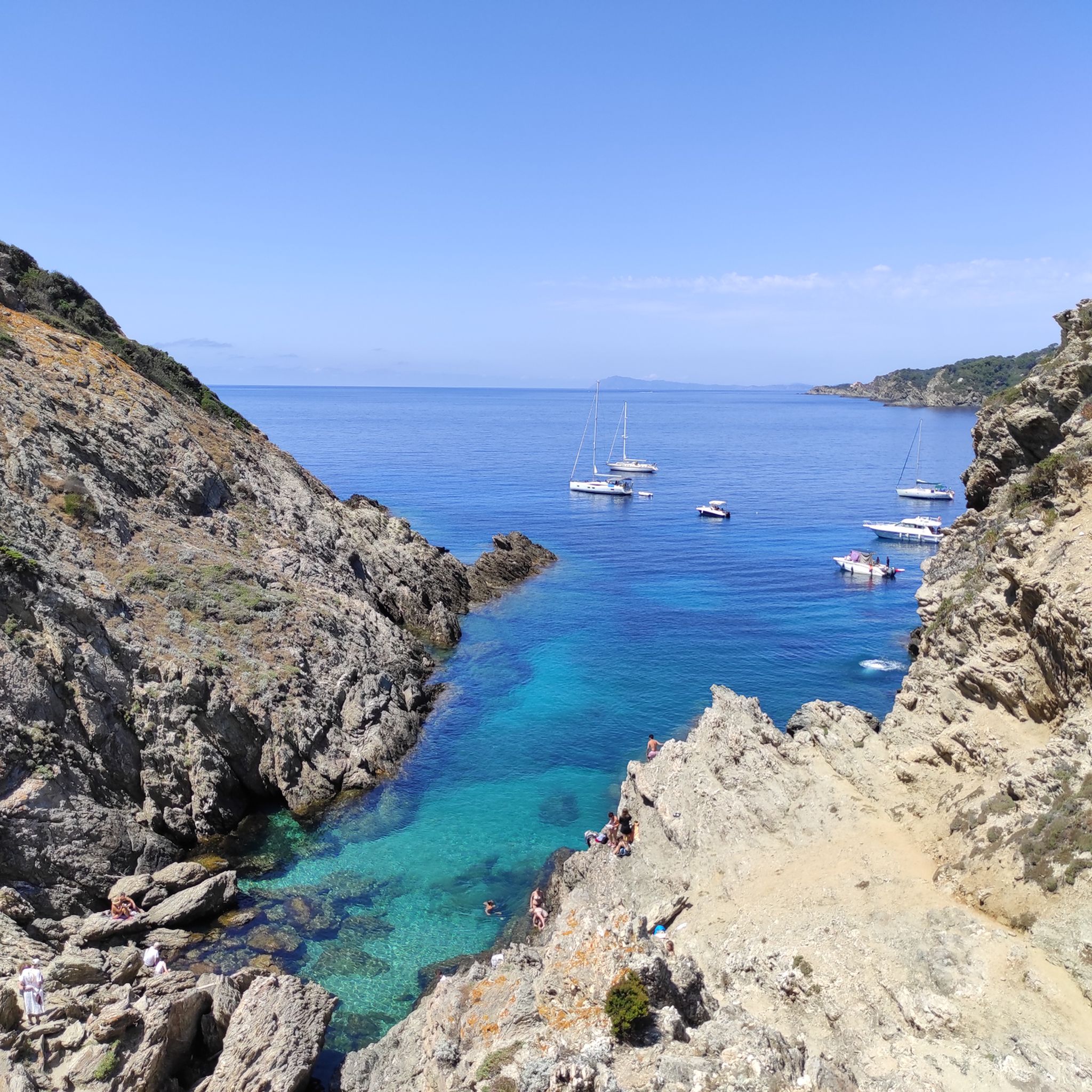
Beautiful and suggestive cove between beautiful cliffs
1
0
Frequently Asked Questions
What are some unique natural features to explore in Port-Cros?
Port-Cros, as Europe's first Marine National Park, offers a diverse range of natural features. You can explore the dramatic Wolf Gorge (Port-Cros) with its crystal-clear waters, or witness the impressive rock formation of Cape des Mèdes extending into the Mediterranean Sea. The island also features numerous coves and beaches, and integral reserves like Gabinière Rock, renowned for their rich marine biodiversity.
Are there family-friendly natural monuments or activities in Port-Cros?
Yes, Port-Cros offers several family-friendly options. The Palud Underwater Trail is an excellent activity for all ages, allowing snorkeling to discover abundant marine life in shallow waters. Additionally, Silver Beach is a beautiful sandy beach that is popular with visitors, offering a pleasant spot for families to relax and enjoy the sea.
What kind of hiking trails can I find near the natural monuments in Port-Cros?
Port-Cros is a car-free island with an extensive network of marked hiking trails. You can find routes like the Circuit des Crêtes, which offers panoramic views of the island and its diverse flora. For specific routes, consider exploring options such as "The island of Port Cros and Mont Vinaigre" or "Port-Cros Beaches – South Beach" which are moderate loops. You can find more details on these and other trails in the Hiking in Port-Cros guide.
Is there an opportunity for underwater exploration in Port-Cros?
Absolutely. Port-Cros is famous for its vibrant marine ecosystems. The Palud Underwater Trail, located off La Palud beach, is a marked snorkeling trail designed for exploring Mediterranean marine flora and fauna. It's accessible to all swimmers with basic gear and offers an educational experience with underwater information buoys. The waters are crystal-clear, teeming with colorful fish.
What is the best time of year to visit Port-Cros for its natural monuments?
The best time to visit Port-Cros for its natural monuments is generally during the spring (April to June) and early autumn (September to October). During these periods, the weather is pleasant for hiking and exploring, and the island is less crowded than in the peak summer months. The marine life is also active, making it ideal for snorkeling and diving.
How can I get to the natural monuments on Port-Cros, and what about transport on the island?
Port-Cros is an island, so access is primarily by ferry from the mainland, typically from Le Lavandou or Hyères. Once on the island, Port-Cros is entirely car-free, enhancing its tranquil atmosphere. All natural monuments and points of interest are accessible via walking paths. There is no public transport on the island itself, so be prepared to explore on foot.
What wildlife can I expect to see around Port-Cros's natural monuments?
Port-Cros is a significant marine and ornithological reserve. In the terrestrial areas, you can spot diverse flora and various bird species. The marine environment is particularly rich; within the Pelagos marine sanctuary, you might encounter dolphins, whales, and turtles. Underwater, snorkeling or diving reveals hundreds of fish species and vibrant marine plant life, especially around spots like Gabinière Rock.
Are there any natural monuments that offer panoramic views?
Yes, Port-Cros has several spots offering breathtaking panoramic views. The View from Mont Vinaigre, at 194 meters above sea level, provides expansive vistas of the island landscape. Another excellent viewpoint is Viewpoint over the îlot de la Gabinière, which offers a worthy stop to appreciate the view of the islet.
What should I bring for a visit to the natural monuments in Port-Cros?
Given the island's car-free nature and focus on outdoor exploration, it's advisable to bring comfortable walking shoes, plenty of water, sun protection (hat, sunscreen), and a swimsuit if you plan to enjoy the beaches or underwater trails. For snorkeling, bring your own fins, mask, and snorkel. Remember to carry out any trash you bring in, as the island is a protected area.
Are there options for advanced hikers looking to explore Port-Cros's natural monuments?
Yes, Port-Cros offers trails that cater to more experienced hikers. The Circuit des Crêtes, for instance, provides a more challenging route with significant elevation changes and stunning coastal views. For specific difficult routes, you can check the Hiking in Port-Cros guide, which lists routes like "View of Bréganconnet Bay – Calanque du Brégançonnet loop" with a 'difficult' grade.
What makes Port-Cros a protected natural area?
Port-Cros holds the distinction of being Europe's first Marine National Park. This protected status is crucial for preserving its pristine natural beauty and diverse ecosystems, both terrestrial and marine. It's also part of the Pelagos marine sanctuary, safeguarding marine mammals like dolphins and whales, and includes integral reserves that are strictly protected sanctuaries for biodiversity.
Can I find beaches or coves among the natural monuments?
Yes, Port-Cros features several small coves and beaches with crystal-clear waters that are considered natural monuments in their own right. These include Plage du Sud, Plage de la Palud, and Plage de Port-Man. They are accessible via scenic paths and offer excellent opportunities for swimming and observing marine life close to shore. Silver Beach is also a popular sandy beach on the island.
Are there any specific regulations or permits needed for visiting natural monuments or hiking in Port-Cros?
As a National Park, Port-Cros has specific regulations to protect its environment. While general hiking does not typically require permits, certain areas, especially the Integral Reserves like Bagaud Island, Rascas Rock, and Gabinière Rock, are strictly off-limits to the public to preserve their ecosystems. Always stay on marked trails and respect signage regarding protected zones. Open fires and smoking are strictly prohibited due to fire risk.
Most popular routes in Port-Cros
Most popular attractions in Port-Cros

Get inspired with the komoot mobile app


Explore more
Extend your search for the best caves by checking out these guides of the top ones in Port-Cros:
