Top 20 Natural Monuments in Dobratsch
Natural monuments in Dobratsch are located within Austria's first nature park in Carinthia, established in 2002. This protected area features diverse landscapes, including woodlands, alpine pastures, and high mountains. It provides a habitat for numerous plant and animal species, showcasing a millennia-old cultural and natural landscape. Visitors can explore varied geological formations and panoramic views across the region.
Best natural monuments in Dobratsch
- The most popular natural monuments is Dobratsch Summit and the Church of Maria am Stein, a…
Last updated: July 25, 2026
Dobratsch Summit and the Church of Maria am Stein
Highlight • Summit
Translated by Google •
Tip by

Jägersteig Trail, Dobratsch Nature Park
Highlight (Segment) • Trail
Translated by Google •
Tip by

Sign up now to discover places like this
Get recommendations on the best single tracks, peaks, & plenty of other exciting outdoor places.
Sign up for free
Römerweg Trail
Highlight (Segment) • Trail
Translated by Google •
Tip by

Hallstatt-era burial mounds in Naturpark Dobratsch
Highlight • Historical Site
Translated by Google •
Tip by

Maibachl Thermal Spring
Highlight • Natural Monument
Translated by Google •
Tip by

Sign up for free to discover even more natural monuments in Dobratsch.
Sign up for free
Already have an account?
Start today with a free account
Your next adventure awaits.
Login or Signup
Popular around Dobratsch
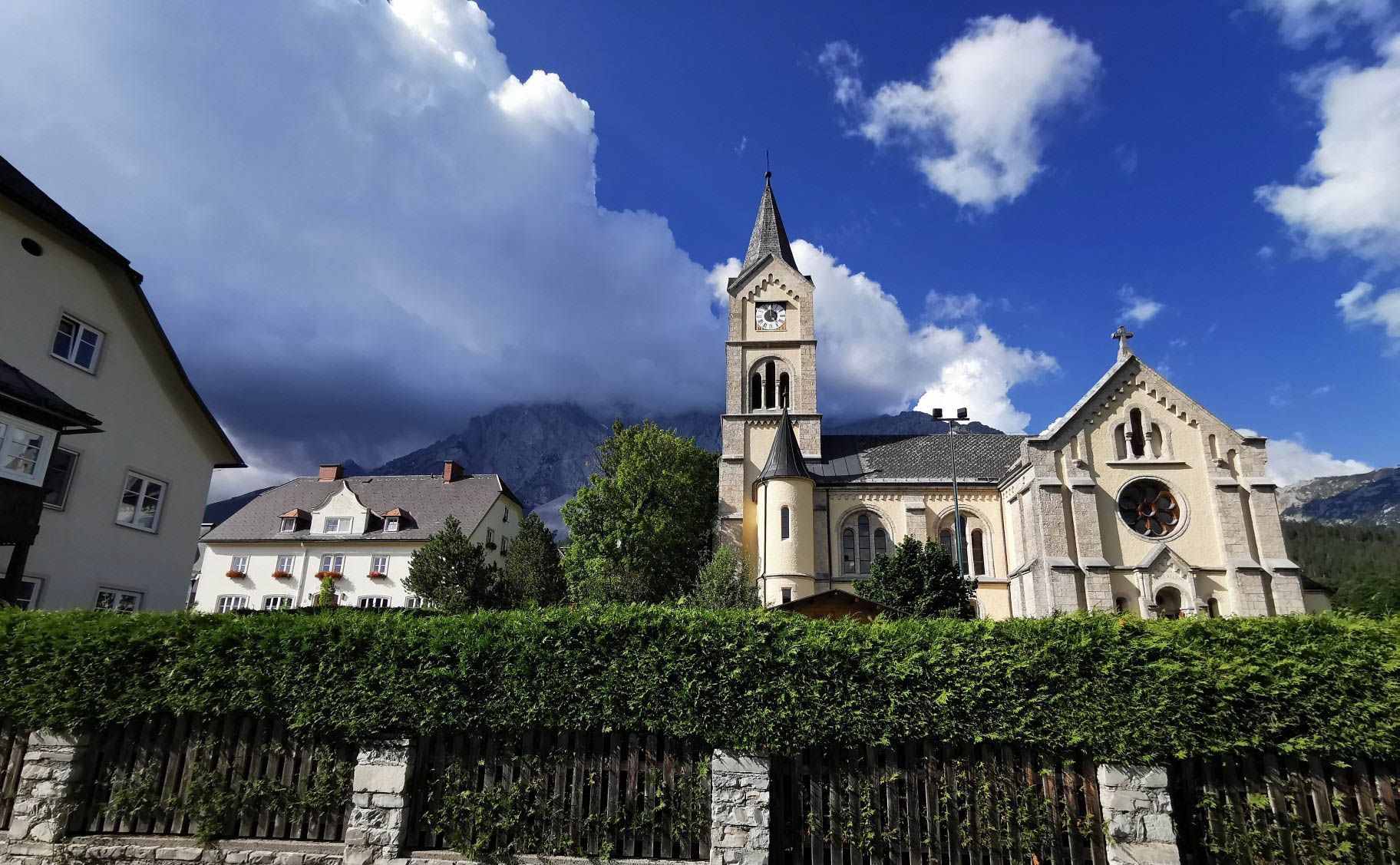
Way of the Book – Hike in the footsteps of the Bible smugglers in Austria
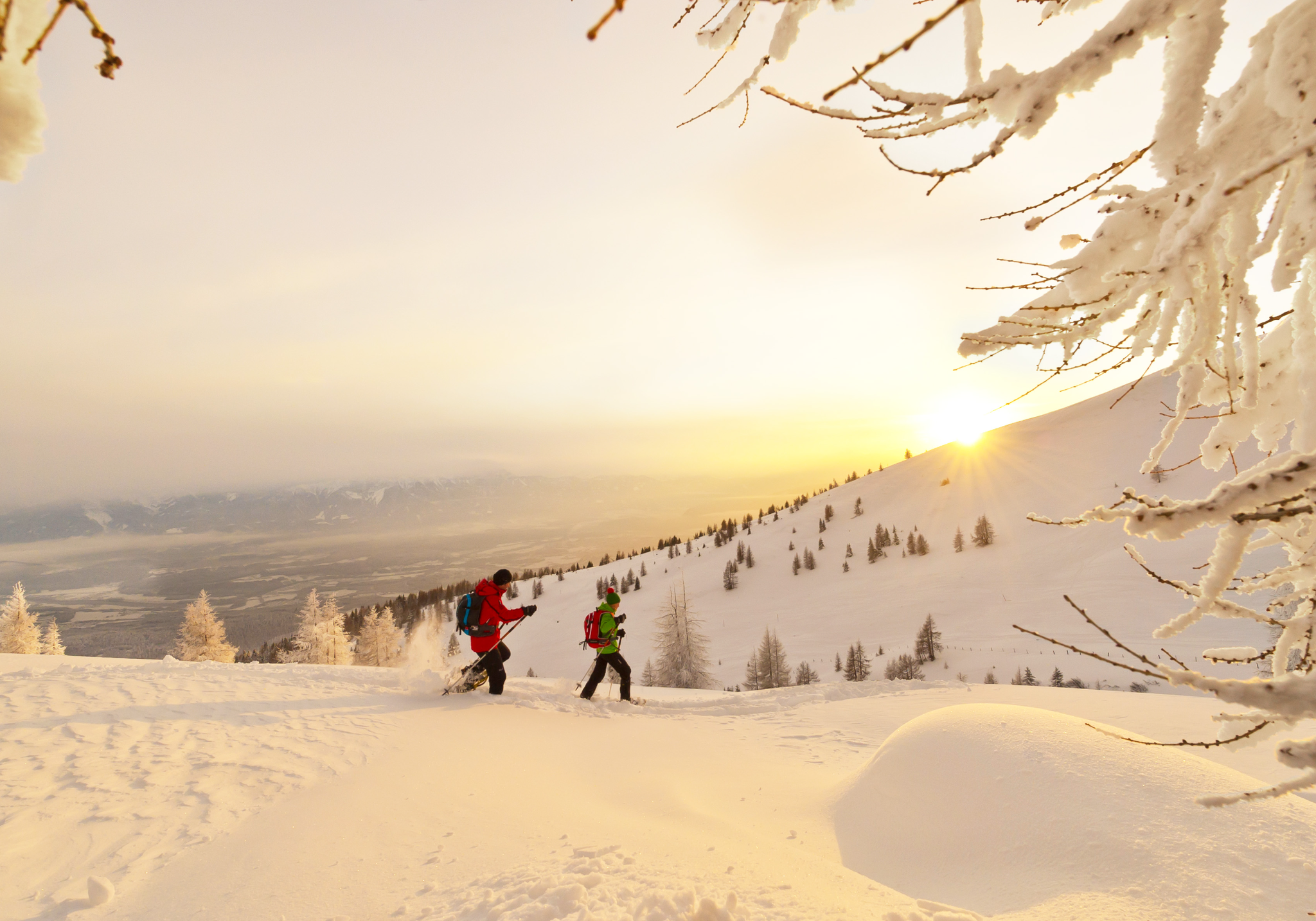
Winter magic around Villach – dreamy cold season hiking trails
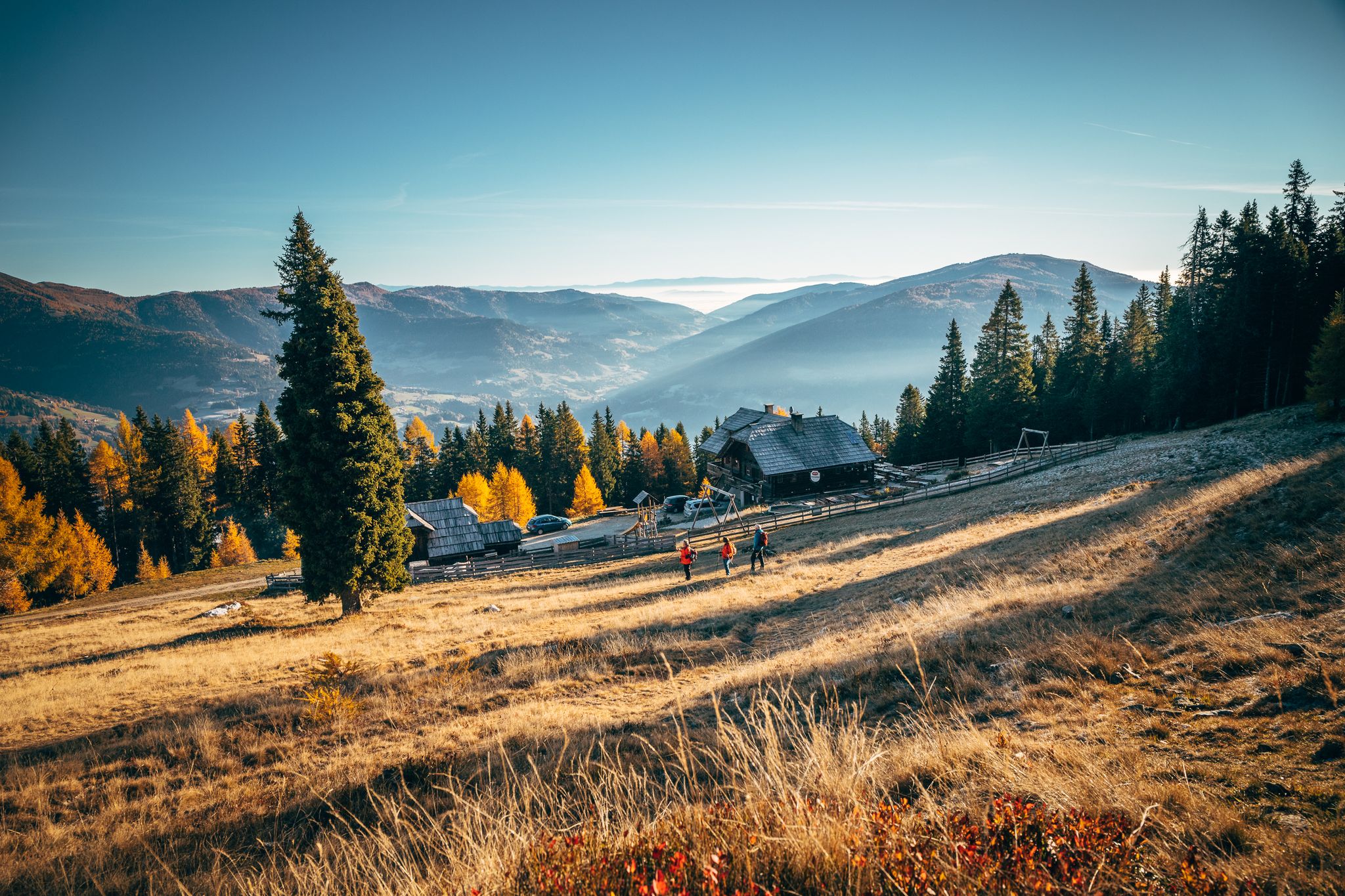
Autumnal mountain hut treks in the Villach region
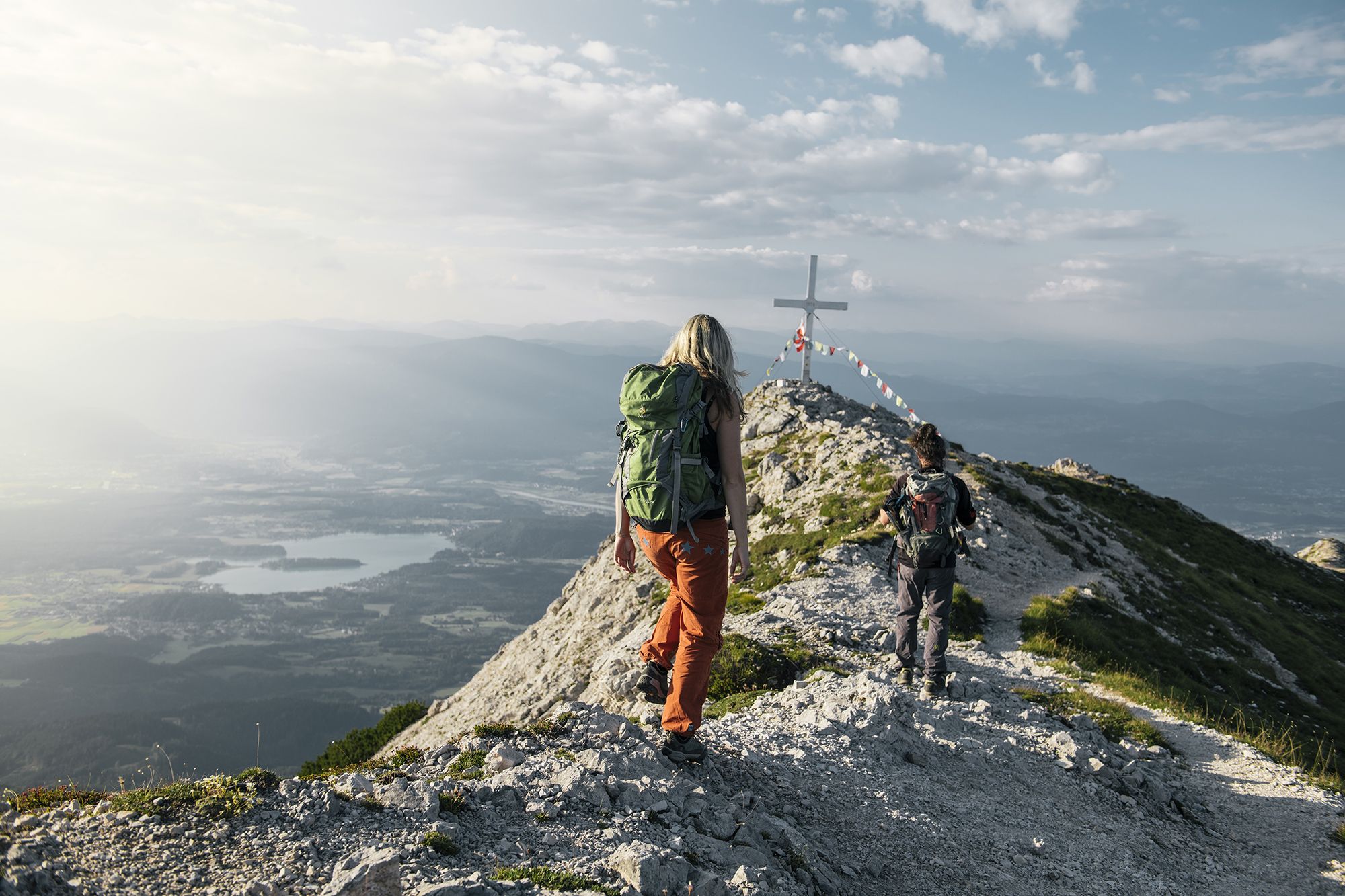
Hike to the most beautiful views around Villach in Austria
Panoramic hikes around the most beautiful lakes of Carinthia
Delightful hiking along the Carinthian Lakes
From the Grossglockner to the sea on the Alpe Adria Trail
Cycling in Dobratsch
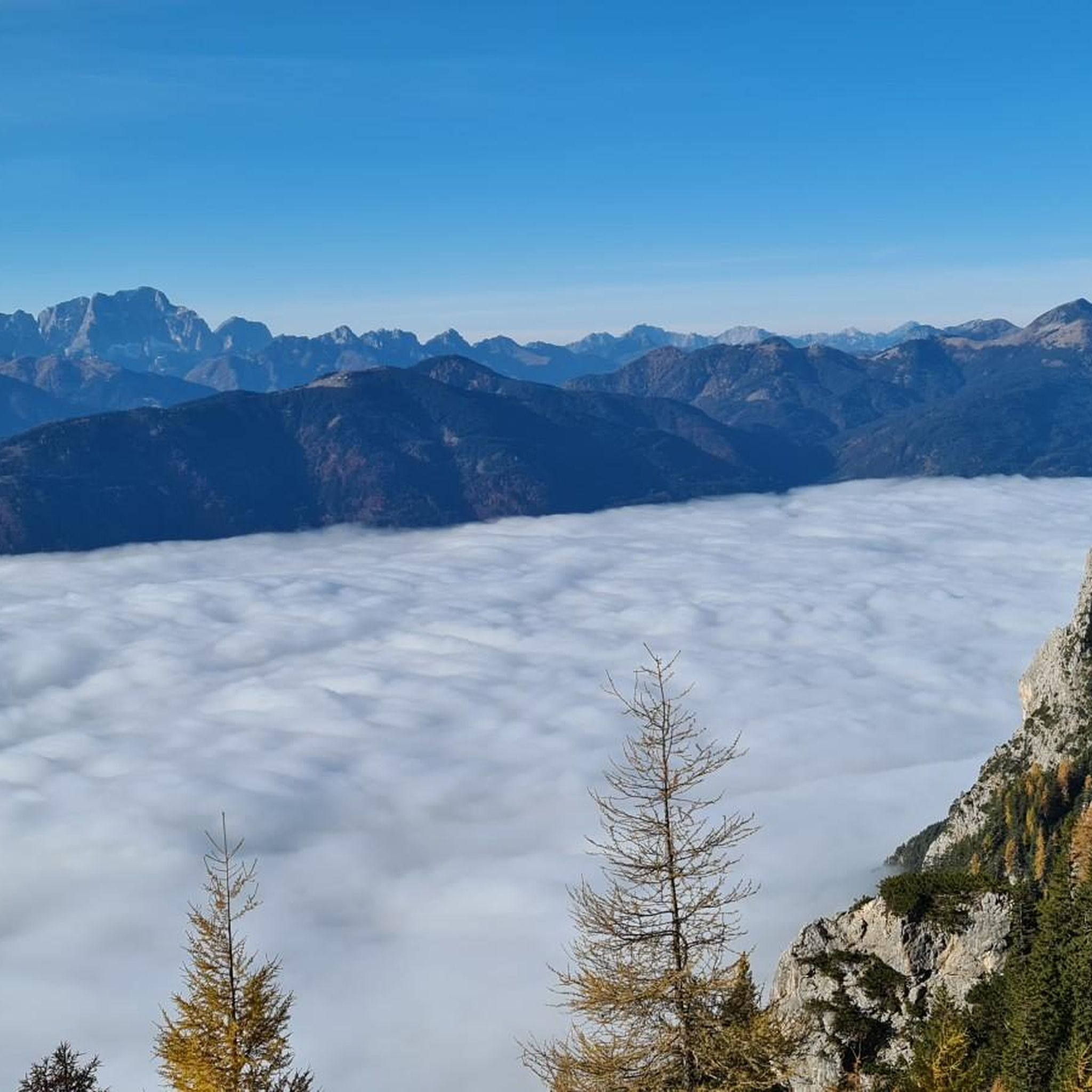
Road Cycling Routes in Dobratsch
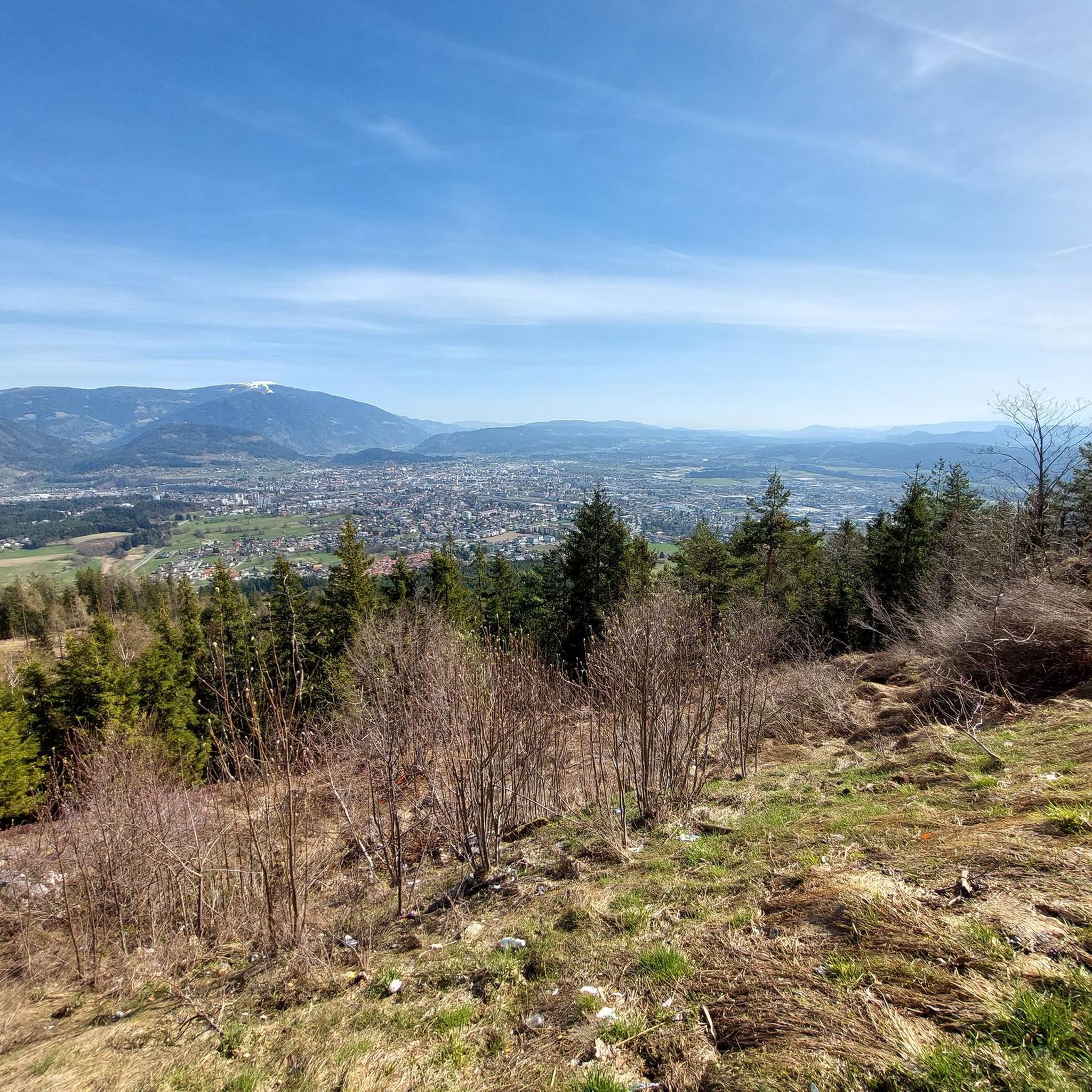
Hiking in Dobratsch
Other adventures in Dobratsch


Tips from the Community

During our visit in early April '26, everything was bone dry, nothing to be done, we have to come again 😉
0
0
Artery: In the Roman Imperial period (from approx. 15 BC) an important road ran here, connecting Aquileia in Italy with Virunum (the capital of the province of Noricum) and further on to the Danube region. Warmbader Römerweg: A visible section is the so-called "Römerweg Warmbad", where the wagon tracks of Roman vehicles, carved into the rock, can still be clearly recognized today.
4
0
On the Napoleonwiese above Warmbad Villach, the remains of burial mounds can still be seen today. They date from approximately 850 to 550 BC. The deceased were cremated, and the ashes, along with grave goods, were filled into urns, deposited in a small burial chamber, and covered with an earth mound. Unfortunately, the graves were already plundered in antiquity. A part of the burial mounds was leveled when the Schießstattwiese was established at the end of the 19th century. In 1871, Felix von Luschan opened what is probably the only undisturbed grave of a respected sword warrior. The sword, probably ritually broken into 5 parts, a knife, a needle, and other grave goods of the "Warrior of Villach" are unfortunately not exhibited in the museum of the city of Villach.
4
0

Perhaps Roman legionaries marched along here
2
0

...a very beautiful trail with wonderful views 🥾👀
2
0
...the grave site is in the immediate vicinity of the city! 🥾👀
2
0
…not only a worthwhile destination in May 👙
1
0

A great natural spectacle with warm water
0
0
Frequently Asked Questions
What are some unique natural monuments to visit in Dobratsch?
Beyond the well-known summit, Dobratsch offers diverse natural monuments. You can explore the impressive Jägersteig Trail with its challenging sections and stunning views of the Gailtaler and Julian Alps. Another unique spot is the Maibachl Thermal Spring, a natural phenomenon where warm water emerges from the ground, though it can sometimes be dry. For a blend of nature and history, visit Tscheltschnigkogel, a summit with archaeological significance and underground cave systems.
Are there family-friendly natural monuments in Dobratsch?
Yes, Dobratsch Nature Park has several family-friendly options. The Genussbrunnen and chapel on the Path of the Book offers a pleasant spot to relax with cool, clear mountain water and a beautiful view. The Tscheltschnigkogel is also considered family-friendly, offering a nice short hike from Warmbad with historical value and great views. Additionally, the Skywalk 'Rote Wand' Viewing Platform is barrier-free, making it accessible for families with prams.
What kind of views can I expect from the natural monuments in Dobratsch?
The natural monuments in Dobratsch offer expansive and spectacular views. From the Dobratsch Summit, you'll experience a gigantic panoramic view, with a disc indicating visible landmarks in all directions. The Jägersteig Trail provides beautiful vistas of the Gailtaler and Julian Alps, extending to the Triglav, Mangart, and Karawanken mountains. Rosstratte also offers panoramic views of the Alpine summits, and the Skywalk 'Rote Wand' provides breathtaking views 400 meters above the ground, overlooking the Schütt landslide area and the Karawanken mountains.
What are the best times to visit the natural monuments in Dobratsch?
The Dobratsch Nature Park is beautiful year-round, but the best time depends on your preferred activities. Spring and summer are ideal for hiking and exploring the Maibachl Thermal Spring when it's active, and for seeing the diverse flora in the Alpengarten. Autumn offers stunning foliage and clear views. Winter transforms the park into a snowy landscape, suitable for winter hiking and other snow activities, though some paths might be more challenging.
Are there any natural monuments with historical or archaeological significance?
Yes, the Tscheltschnigkogel is particularly significant from an archaeological and historical perspective, featuring underground cave systems. It's a mountain on the western edge of Villach with a rich past. Additionally, the region as a whole showcases a millennia-old cultural and natural landscape, with sites like the Educational Geology Path near Rosstratte offering insights into the area's geological history.
What outdoor activities can I do near the natural monuments in Dobratsch?
The Dobratsch region offers a variety of outdoor activities. You can find numerous hiking trails, including easy options like those around Napoleon Meadow, or more challenging routes like the Jägersteig Trail. Cycling is also popular, with routes like the Gailtal Cycle Path. For more detailed information on routes, you can explore guides such as Running Trails in Dobratsch, Easy hikes in Dobratsch, and Cycling in Dobratsch.
Are there accessible paths for visitors with prams or walking aids?
Yes, the Skywalk 'Rote Wand' Viewing Platform is designed to be barrier-free, extending seven meters as a self-supporting metal structure. This makes it suitable for visitors with prams or walking aids, ensuring that everyone can experience the breathtaking views 400 meters above the ground.
What makes the Schütt landslide area a significant natural monument?
The Schütt landslide area, located on the south side of the Dobratsch mountain, is a significant natural monument due to its unique rock formations and untouched natural environment. It's a vital habitat for various species, including bears, and offers a tranquil experience amidst dramatic natural scenery. Its geological history and ecological importance make it a fascinating place to observe nature.
What do visitors enjoy most about the natural monuments in Dobratsch?
Visitors frequently praise the gigantic panoramic views, especially from the Dobratsch Summit, and the beautiful vistas along trails like the Jägersteig Trail. The historical value of sites like Tscheltschnigkogel and the unique experience of the Maibachl Thermal Spring are also highly appreciated. The overall combination of stunning natural beauty, ecological significance, and well-maintained paths contributes to a memorable experience.
Can I learn about the geology of the Dobratsch region?
Yes, the Rosstratte area features an Educational Geology Path where visitors can learn about the region's geological formations. This path provides insights into the unique landscape of Dobratsch, including the dramatic Schütt landslide area, which is a result of past geological events. It's a great way to understand the natural processes that shaped the park.
Are there botanical attractions among the natural monuments?
Yes, the Alpengarten (Alpine Garden) is a significant botanical attraction. Situated at an altitude of 1483 meters, it spans 10,000 square meters and features approximately 800 Alpine plants distributed across three climatic zones. It's a must-visit for nature enthusiasts interested in diverse flora.
Where can I find cool, clear mountain water for refreshment?
The Genussbrunnen, located near a chapel on the Path of the Book, offers wonderfully cool and clear water from the mountain. It's an ideal place to quench your thirst, refill your water bottle, or simply relax and enjoy the surroundings with a view of the Dobratsch.
Most popular routes in Dobratsch
Most popular attractions in Dobratsch

Get inspired with the komoot mobile app


Explore more
Extend your search for the best caves by checking out these guides of the top ones in Dobratsch:
