Top 20 Natural Monuments in Archipiélago De Chinijo
Best natural monuments in Archipiélago De Chinijo are found within a protected Natural Park, recognized as Europe's largest marine reserve. This archipelago, located north of Lanzarote, comprises several volcanic islands and islets, offering unique natural features. Its landscape is characterized by golden sand beaches, volcanic formations, and significant ecological sites. The area is a testament to geological processes and hosts a rich diversity of marine and avian life.
Best natural monuments in Archipiélago De Chinijo
- The most popular natural monuments…
Last updated: May 31, 2026
Famara Cove Beach
Highlight • Beach
Translated by Google •
Tip by

The Gracioseros Trail
Highlight • Trail
Translated by Google •
Tip by

Sign up now to discover places like this
Get recommendations on the best single tracks, peaks, & plenty of other exciting outdoor places.
Sign up for free
Playa de las Conchas
Highlight • Beach
Translated by Google •
Tip by
Playa de Lambra
Highlight • Beach
Translated by Google •
Tip by

Montaña Bermeja
Highlight • Volcano
Translated by Google •
Tip by
Sign up for free to discover even more natural monuments in Archipiélago De Chinijo.
Sign up for free
Already have an account?
Start today with a free account
Your next adventure awaits.
Login or Signup
Popular around Archipiélago De Chinijo
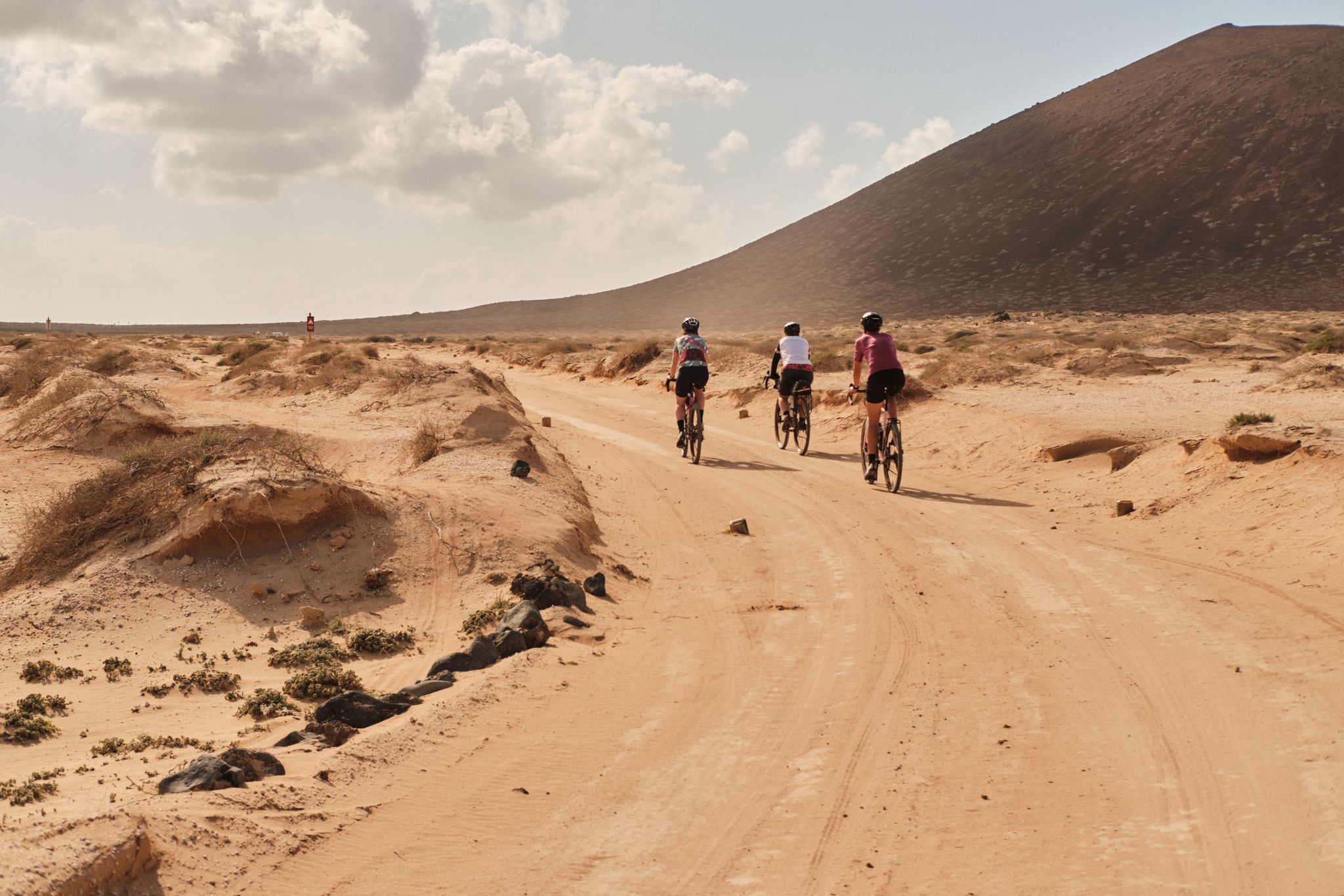
GranGuanche gravel – Komoot women's rally 2023
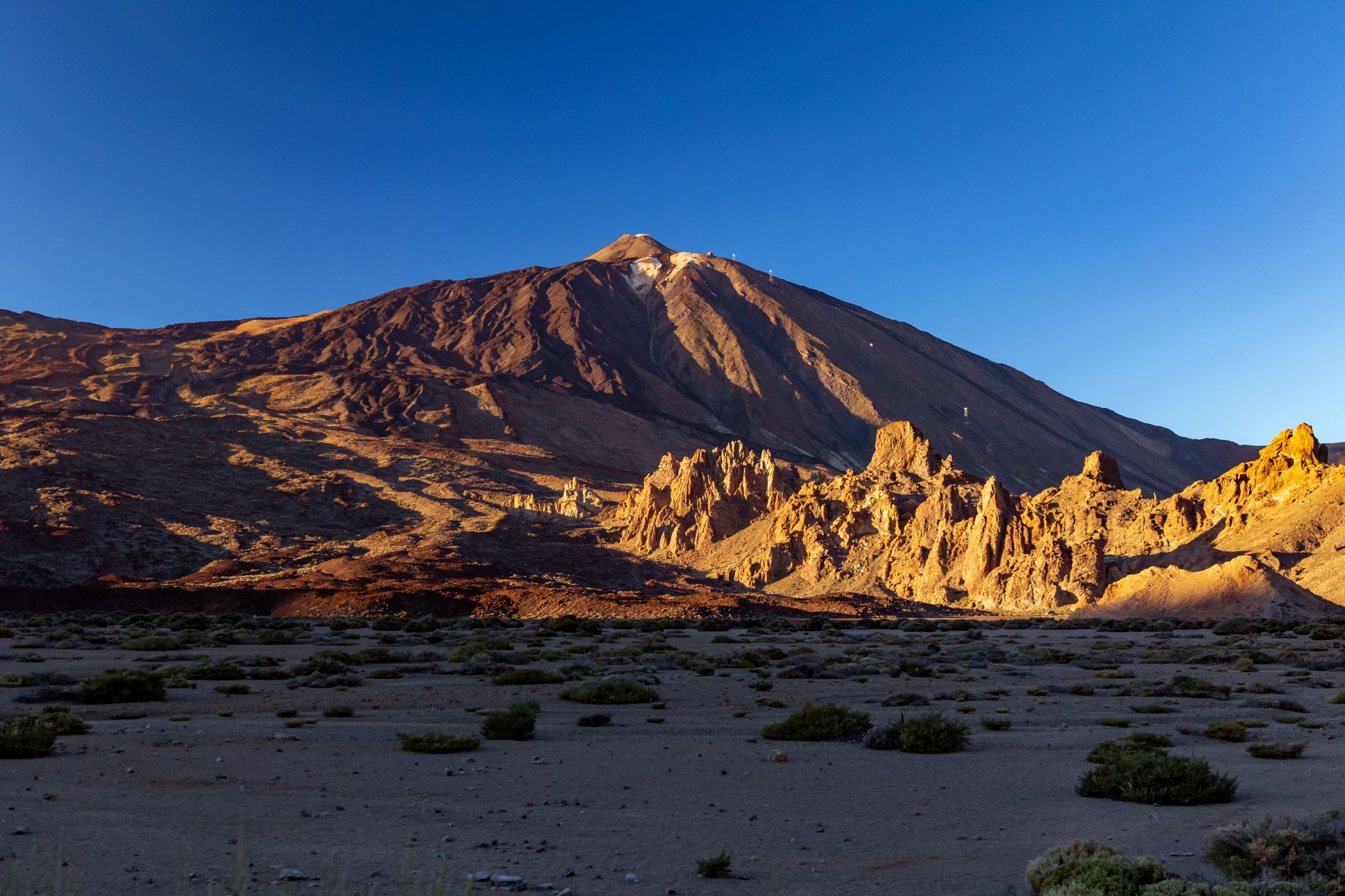
Six fascinating ways to discover the Canary Islands on foot
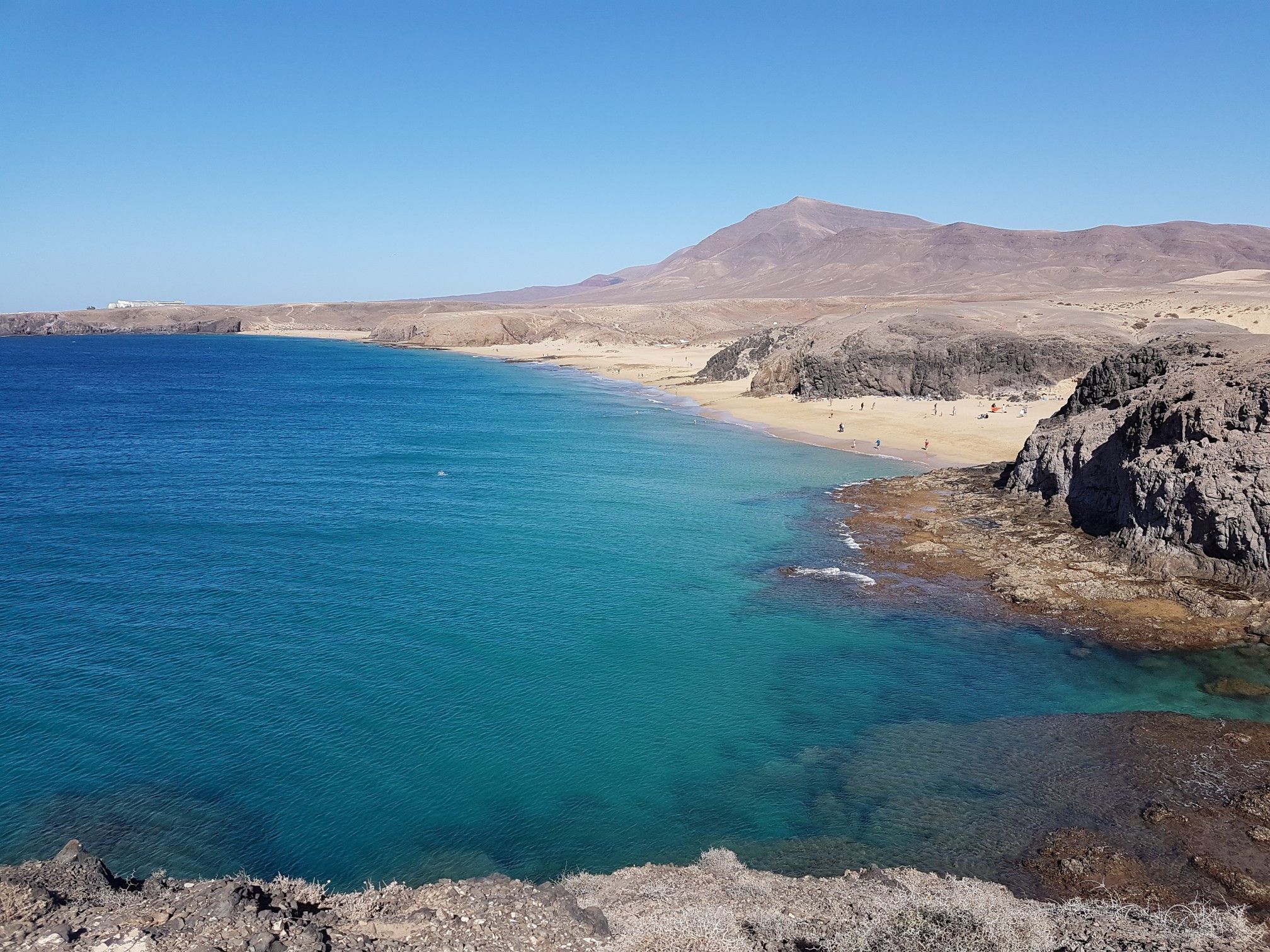
Volcanic and coastal hikes in Lanzarote
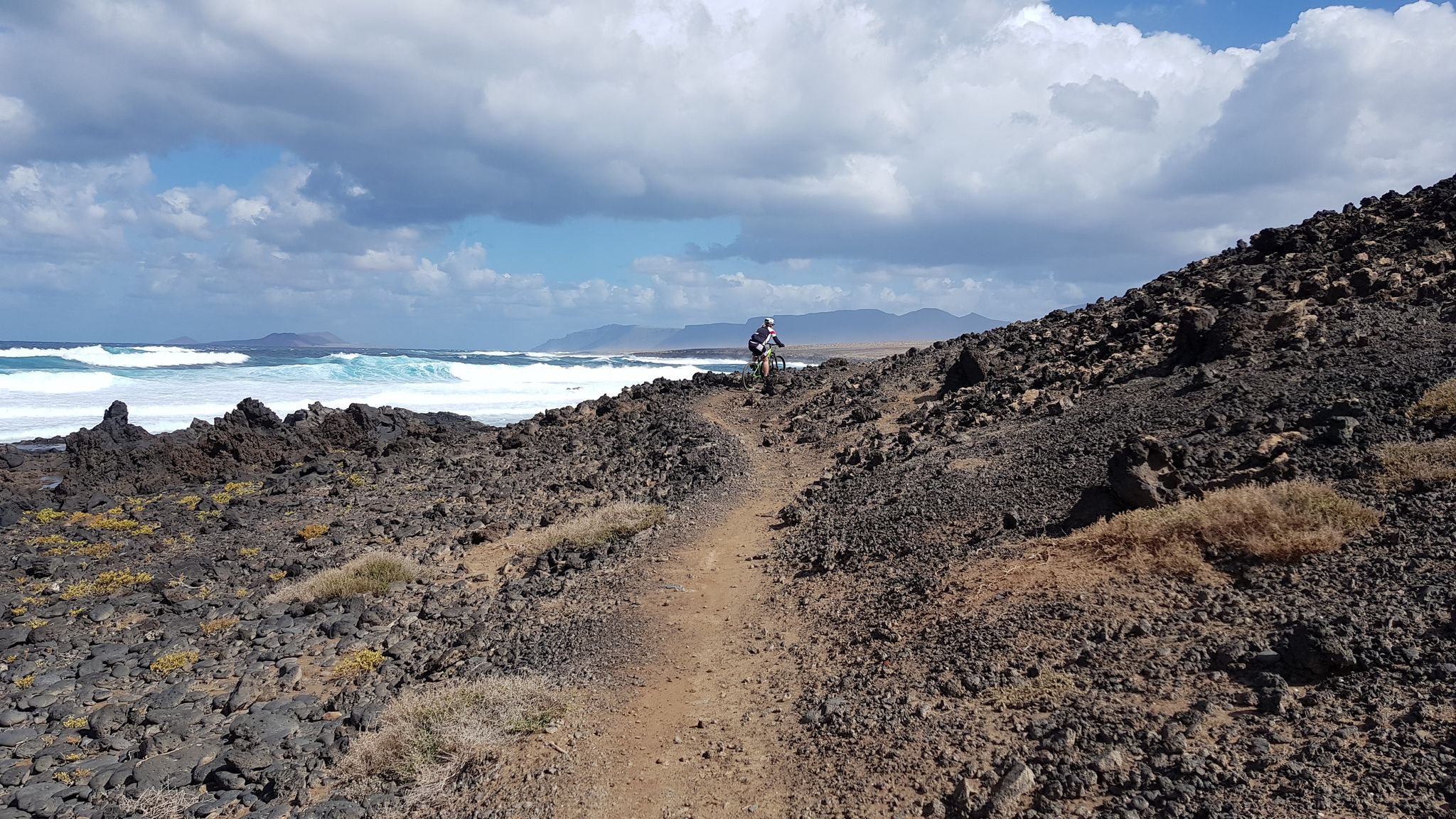
MTB on the island of volcanoes – Pedales de Lava
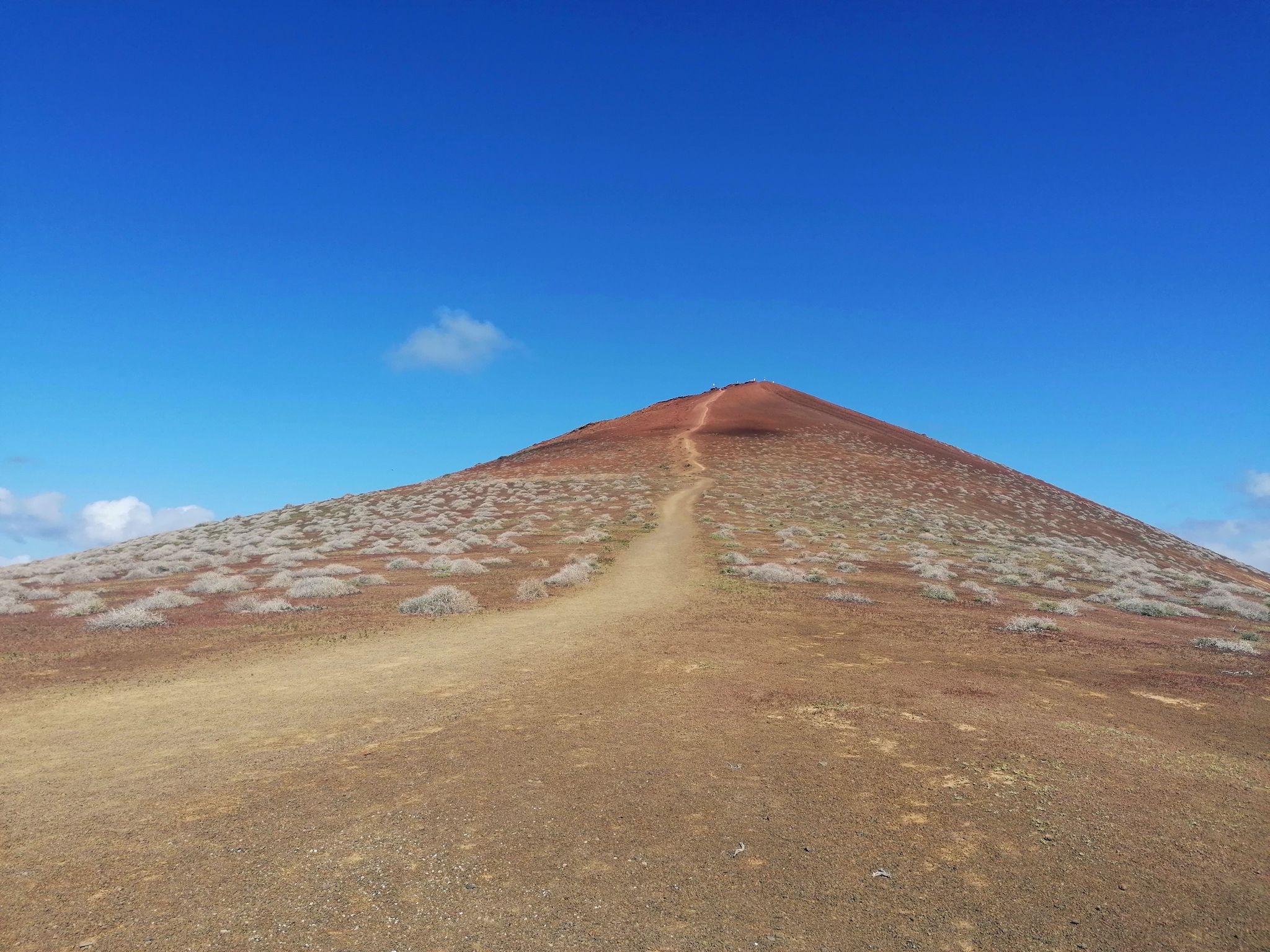
Adventures on the eighth island – hiking in La Graciosa
Las Cumbres Reinas de España — Spanish mountain trail races
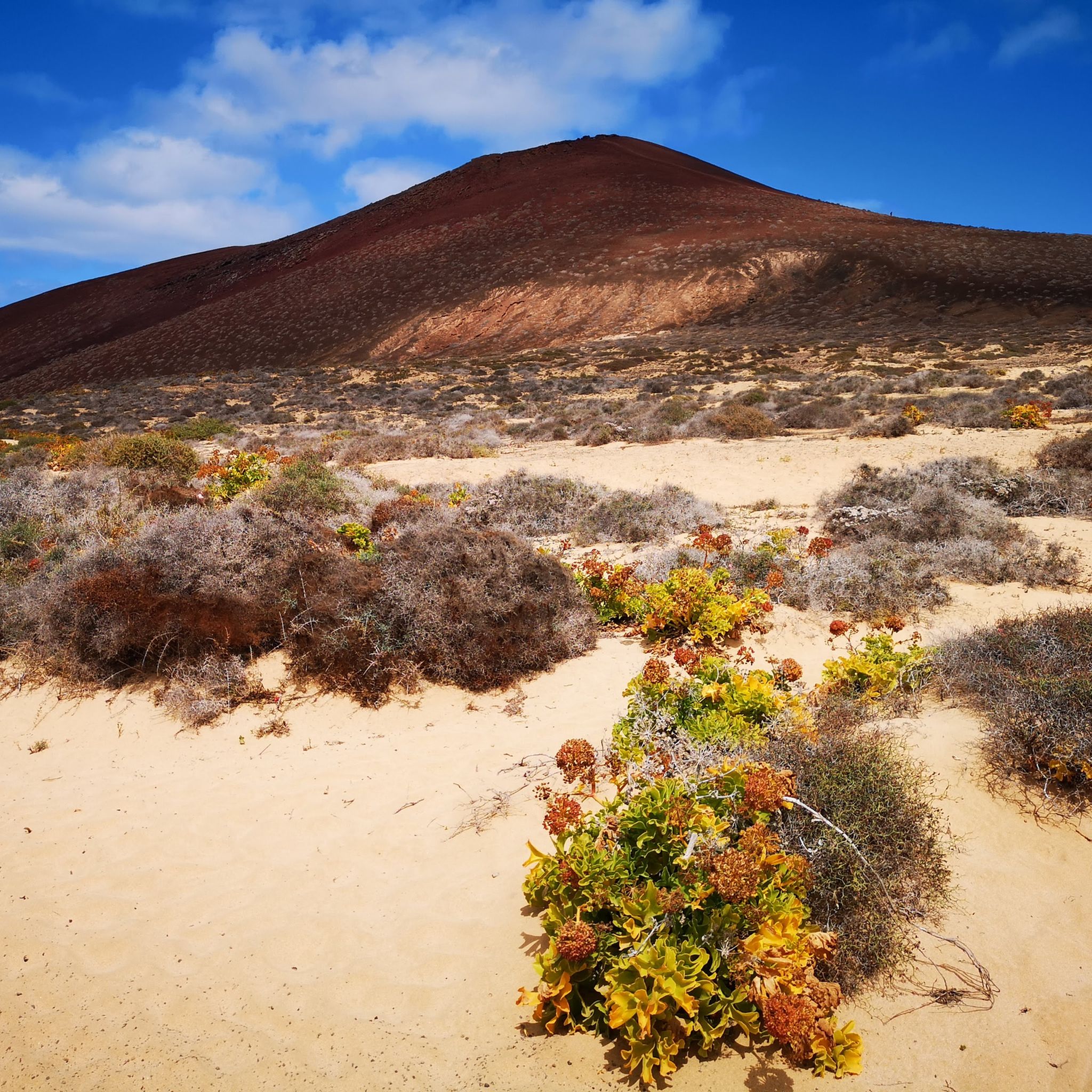
Hiking in Archipiélago De Chinijo
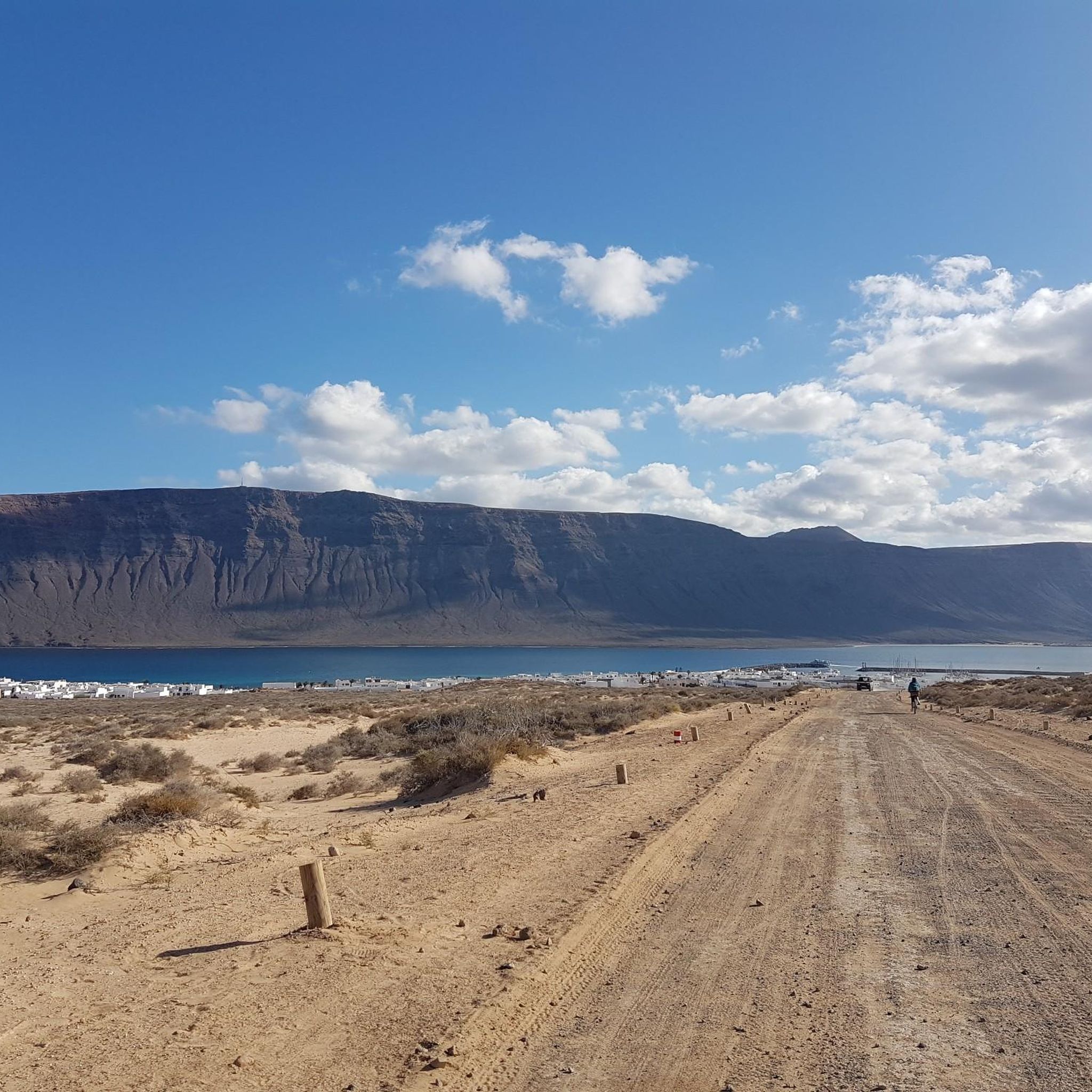
Road Cycling Routes in Archipiélago De Chinijo
Cycling in Archipiélago De Chinijo
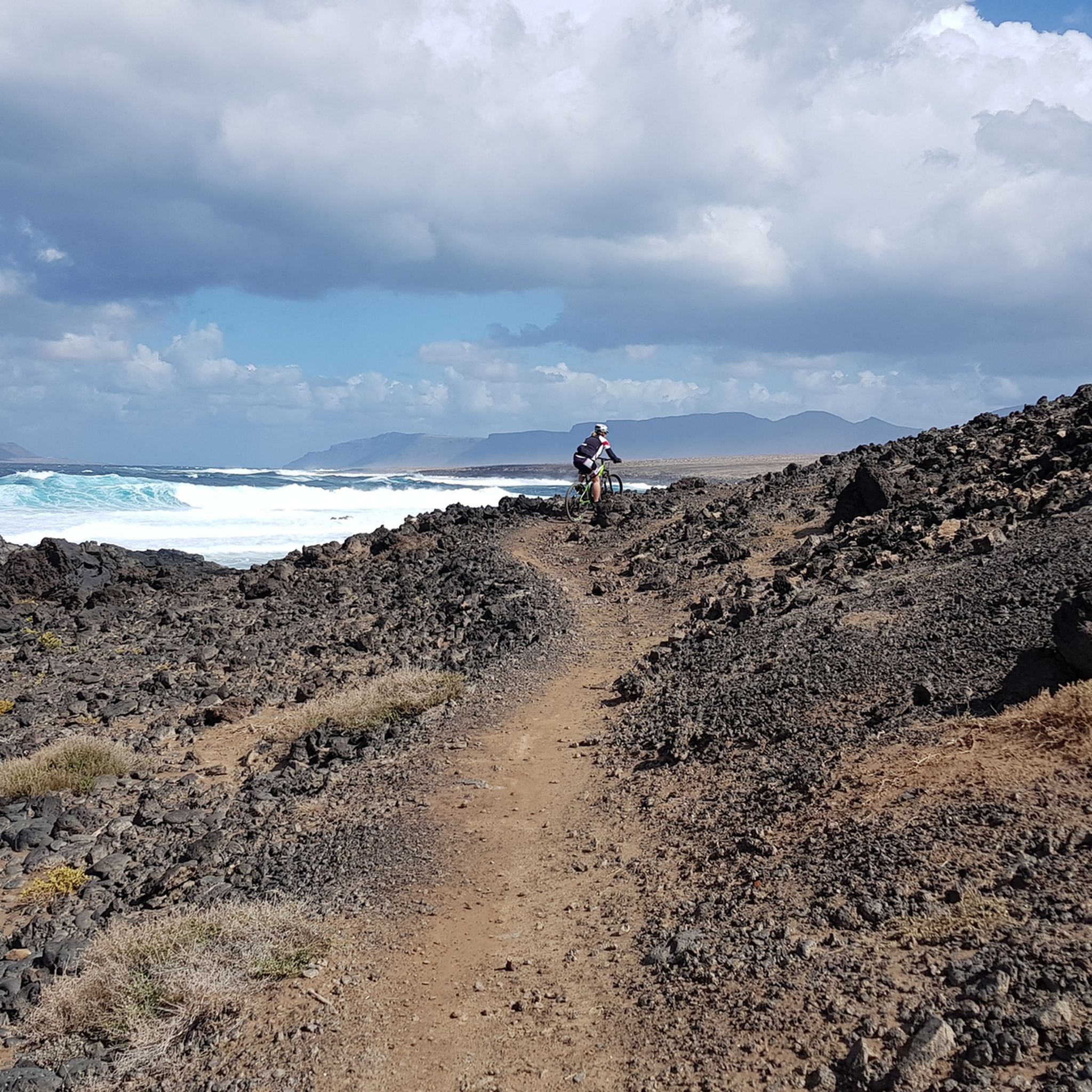
MTB Trails in Archipiélago De Chinijo
Other adventures in Archipiélago De Chinijo


Tips from the Community

very sandy section and better to ride with wider tires
0
0
absolute dream beach and little visited
0
0

Because the weather is always great year-round, this is my 14th trip and I love it, and Playa de las Conchas on La Graciosa is the most beautiful and popular beach in the Canary Islands. That's true, but the walk there from the port is quite strenuous. However, once you know what awaits you, it's all forgotten. My tip if you want to try it: take the first ferry from Orzola (Lanzarote) to La Graciosa at 8:00 AM. You'll arrive there at 8:30 AM. Then go to one of the small supermarkets and get drinks, filled baguettes, etc., put them in your backpack, and off you go, always along the coast. You'll be surprised how peaceful the world can be because, apart from the waves and the wind, you hear nothing else. If that isn't relaxation, I don't know what is. If you also take a towel, you can lie down in one of the numerous bays on the way to Playa de las Conchas and linger for a while, enjoying the scenery, and then continue your walk. You won't be disappointed.
0
0

Be careful: you are not allowed to descend the mountain on the other side.
0
0

Climbing the Mountain is truly unique!
0
0

Be careful, the sea is very very dangerous on this beach...
0
0

Hints: 1. The tour, as it is saved here, started as a hike on La Graziosa (Rother hiking guide, Tour 1). 2. Contrary to what is outlined in the hiking guide, the gpx track runs along the sandy track, which is why I rented a simple MTB for €15. Unfortunately right next to the first rental to the left of the dive base. Their bikes are unfortunately in a deplorable condition. Behind and next to it are a few more bike rental stations - maybe they are better. 3. I would definitely not recommend the tour as a pure hike. 4. A detour to the Montaña Bermeja (152m) above Playa de las Conchas is highly recommended 5. According to the GPS, the MTB tour on the island was about 25 km, 330 m ascent, mixed with some walking. 34km and approx. 250m in altitude are accounted for by the route Orzola - Costa Teguise (racing bike).
0
0

Highest elevation in the north of the island at almost 200 m.
1
0
Frequently Asked Questions
What unique natural features can I explore in Archipiélago Chinijo?
The Archipiélago Chinijo is renowned for its volcanic origins, featuring islands and islets with distinct formations like the Montaña Amarilla Volcano on La Graciosa and the impressive caldera of Alegranza. You'll also find pristine golden sand beaches, such as Playa de las Conchas, and it's home to Europe's largest marine reserve, teeming with diverse marine life.
Which islands make up the Archipiélago Chinijo Natural Park?
The Natural Park encompasses several volcanic islands and islets. The main ones include La Graciosa, Alegranza, Montaña Clara, Roque del Este, and Roque del Oeste (also known as Roque del Infierno). La Graciosa is the only inhabited island, offering a unique blend of natural beauty and tranquil village life.
What kind of wildlife can I expect to see in Archipiélago Chinijo?
The archipelago is a Special Protection Area for Birds (ZEPA) and a crucial breeding ground for numerous seabirds. You can spot species like the White-faced Storm Petrel, Cory's Shearwater, and Little Shearwater, especially around Alegranza, which hosts the world's second-largest colony of Cory's shearwaters. The marine reserve also boasts 234 species of fish and rich marine flora and fauna.
Are there any significant viewpoints to appreciate the archipelago's beauty?
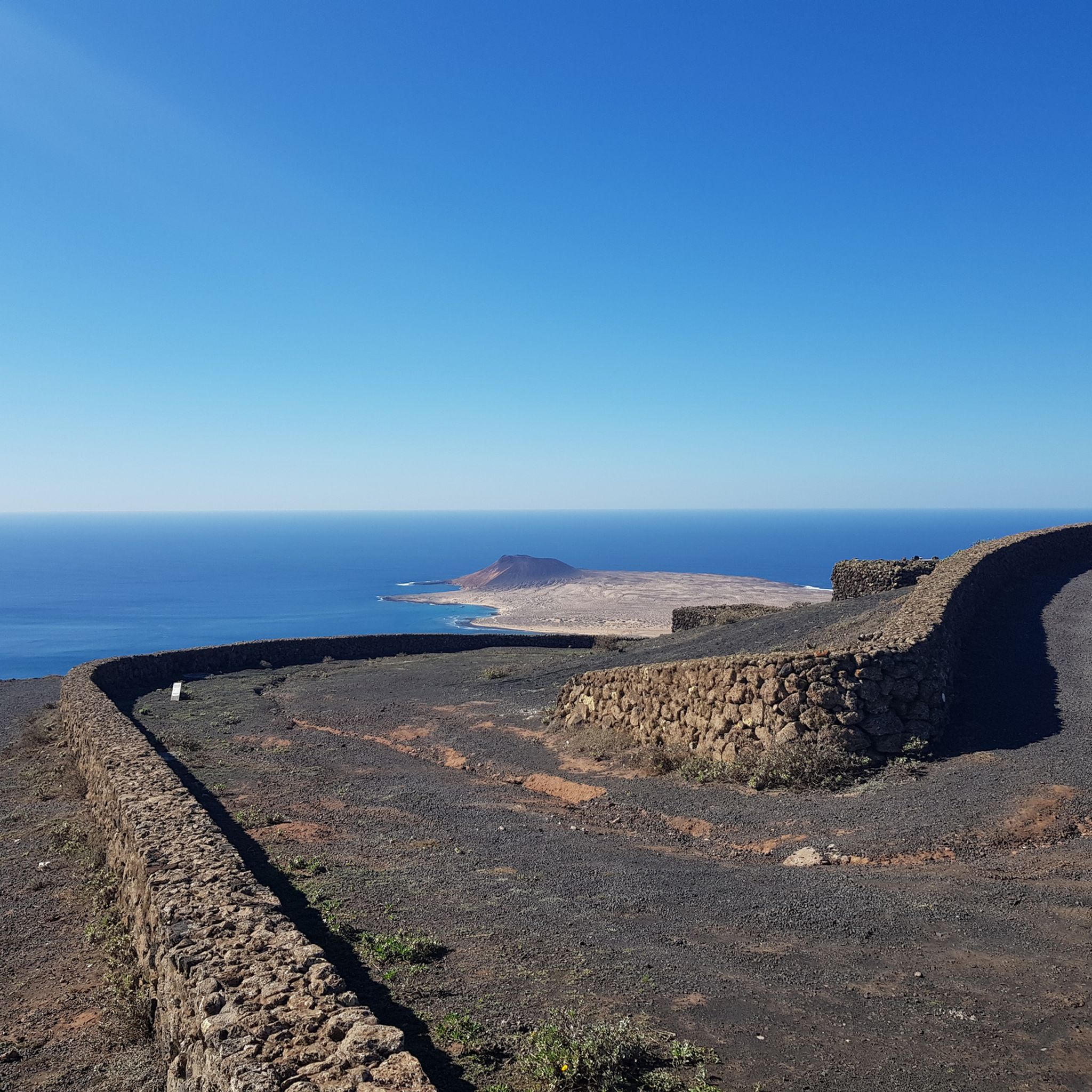
Yes, several spots offer breathtaking views. From Montaña Bermeja on La Graciosa, you can get a 360º panoramic view of the entire island and the rest of the Chinijo archipelago, including Montaña Clara and Alegranza. Additionally, the El Río Viewing Point on Risco de Famara in Lanzarote provides spectacular scenery of the entire Natural Park.
What makes La Graciosa a special natural monument to visit?
La Graciosa is unique as the only inhabited island in the archipelago, offering a peaceful escape. It features stunning white-sand beaches like La Francesa, La Cocina, and Playa de las Conchas, set against volcanic landscapes. Visitors can explore charming villages, enjoy diving in its rich seabed, or walk and bike along its paths for an intimate experience with nature.
What outdoor activities are available near the natural monuments in Archipiélago Chinijo?
The region offers a variety of outdoor activities. You can find numerous running trails, including the challenging La Graciosa Northern Route, as well as easy hikes like the San Juan Beach loop. For cyclists, there are gravel biking routes such as the Famara Cove Beach – Historic Center of Teguise loop. Explore more options on the Running Trails in Archipiélago De Chinijo, Easy hikes in Archipiélago De Chinijo, and Gravel biking in Archipiélago De Chinijo guide pages.
Are there hiking opportunities around the natural monuments?
Yes, there are several hiking opportunities. You can take on the The Gracioseros Trail, which zigzags up a steep hillside to the secluded Playa del Risco. For easier walks, consider routes like the Marked Path to Montaña Bermeja or the Caleta del Sebo loop. More hiking options can be found on the Easy hikes in Archipiélago De Chinijo guide page.
Are there family-friendly natural monuments in Archipiélago Chinijo?
Yes, several natural monuments are considered family-friendly. Famara Cove Beach is a beautiful sandy beach suitable for long walks, and La Graciosa island itself offers a relaxed atmosphere for families to explore its beaches and villages. While some areas are more rugged, many spots provide accessible natural beauty.
What are some of the most beautiful beaches to visit?
The archipelago boasts stunning beaches. Playa de las Conchas on La Graciosa is famous for its clear sand and views of Montaña Clara. Famara Cove Beach, at the foot of Risco de Famara, is another exceptionally beautiful sandy beach. Also, Playa de Lambra stands out with its extensive sand dunes and views of Alegranza and Montaña Clara.
What should I know about visiting the more restricted islets like Alegranza or Montaña Clara?
Alegranza and Montaña Clara are designated Integral Nature Reserves, meaning access is generally restricted to protect their fragile ecosystems and significant bird nesting sites. While unauthorized visitors cannot land, boat trips around the archipelago offer opportunities to observe their dramatic volcanic landscapes and abundant birdlife from the sea. These islets are vital for scientific study and conservation.
What is the best time of year to visit Archipiélago Chinijo for natural monument exploration?
The Canary Islands generally enjoy a mild climate year-round. For exploring natural monuments and outdoor activities, spring (April-May) and autumn (September-October) are often ideal, offering pleasant temperatures and fewer crowds. Summer can be warm, perfect for beach activities, while winter remains mild, suitable for hiking, though winds can be stronger.
What do visitors particularly enjoy about the natural monuments in Archipiélago Chinijo?
Visitors frequently praise the pristine natural beauty, the tranquility, and the sense of disconnection from everyday life, especially on La Graciosa. The dramatic volcanic landscapes, the golden sand beaches, and the rich biodiversity, particularly the seabird colonies, are highly appreciated. Many also enjoy the opportunities for long beach walks and the panoramic views from spots like Montaña Bermeja.
Are there any historical or cultural points of interest related to the natural monuments?
While primarily known for its natural beauty, the region does have historical connections. The area around Famara Cove Beach, for instance, is known to have old aboriginal settlements. On Alegranza, you can find the oldest lighthouse in the Canary Islands. La Graciosa also offers charming villages like Caleta del Sebo and Pedro Barba, where you can immerse yourself in local culture and history.
Most popular routes in Archipiélago De Chinijo
Most popular attractions in Archipiélago De Chinijo

Get inspired with the komoot mobile app


Explore more
Extend your search for the best caves by checking out these guides of the top ones in Archipiélago De Chinijo:
