The best volcano hikes and walks in Archipiélago De Chinijo
4.6
(5517)
26,837
hikers
8
hikes
Volcano hiking trails in Archipiélago De Chinijo are characterized by a unique volcanic landscape, featuring numerous cones and craters. The region, a protected natural area north of Lanzarote, includes islands like La Graciosa, Alegranza, and Montaña Clara, all shaped by their volcanic origins. Hikers can explore diverse terrain, from arid shrubs and sand dunes to dramatic coastlines with black volcanic rocks and white sandy beaches. The Risco de Famara provides panoramic views of the archipelago.
Best volcano hiking trails in…
Last updated: June 2, 2026
4.4
(5)
43
hikers
Moderate hike. Good fitness required. Easily-accessible paths. Suitable for all skill levels.
5.0
(12)
48
hikers
4.84km
01:35
210m
210m
Hard hike. Great for any fitness level. Sure-footedness, sturdy shoes and alpine experience required.

Sign up for free
4.4
(262)
1,774
hikers
3.56km
01:04
110m
110m
Easy hike. Great for any fitness level. Easily-accessible paths. Suitable for all skill levels.
5.0
(1)
7
hikers
Moderate hike. Good fitness required. Easily-accessible paths. Suitable for all skill levels.
5.0
(1)
6
hikers
3.14km
00:57
110m
110m
Easy hike. Great for any fitness level. Easily-accessible paths. Suitable for all skill levels.
Get access to more routes and recommendations from other explorers.
Sign up for free
Already have an account?
Our route recommendations are based on thousands of hikes, rides, and runs completed by other people on komoot.
Start today with a free account
Your next adventure awaits.
Login or Signup
Popular around Archipiélago De Chinijo
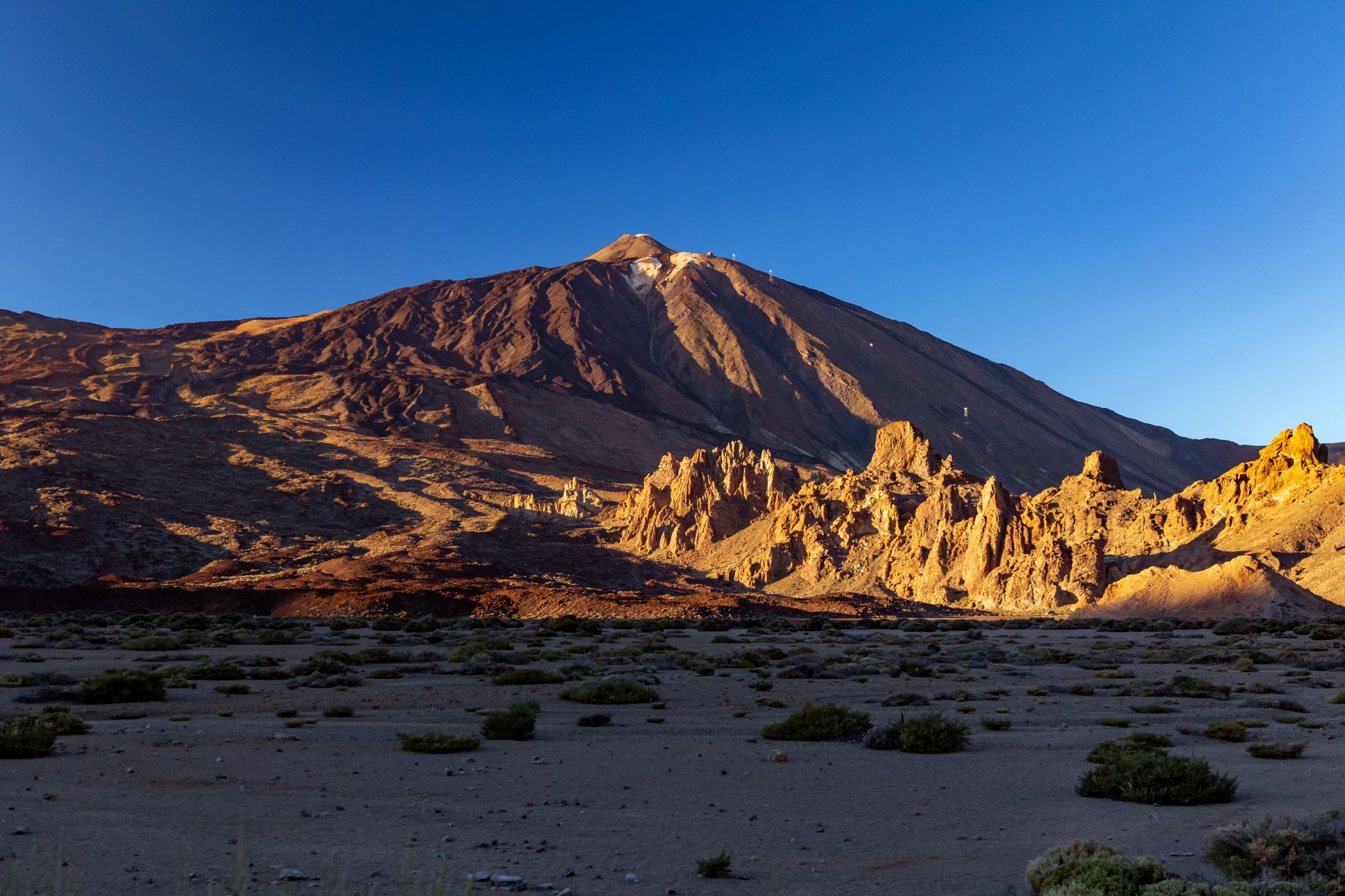
Six fascinating ways to discover the Canary Islands on foot
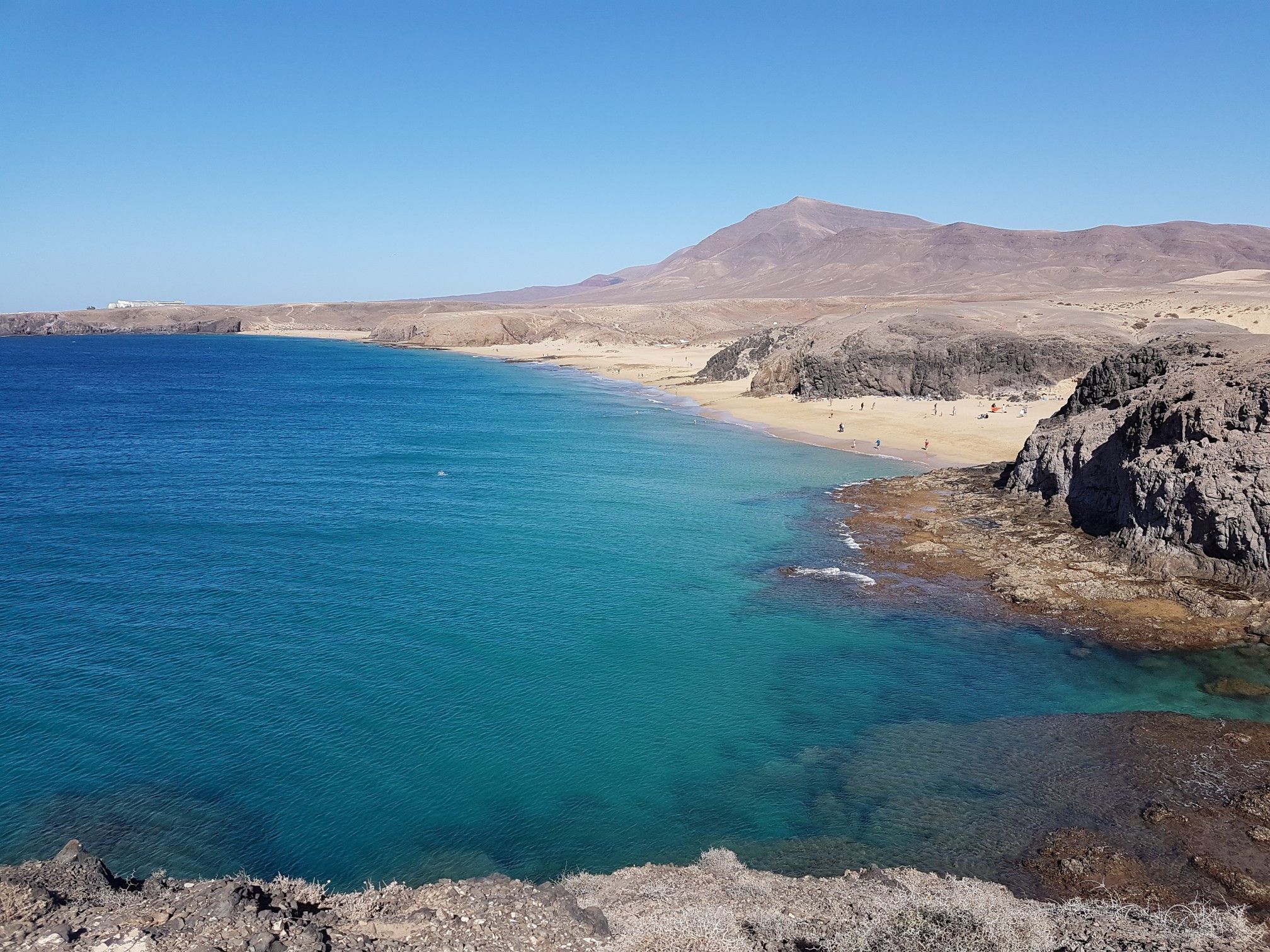
Volcanic and coastal hikes in Lanzarote
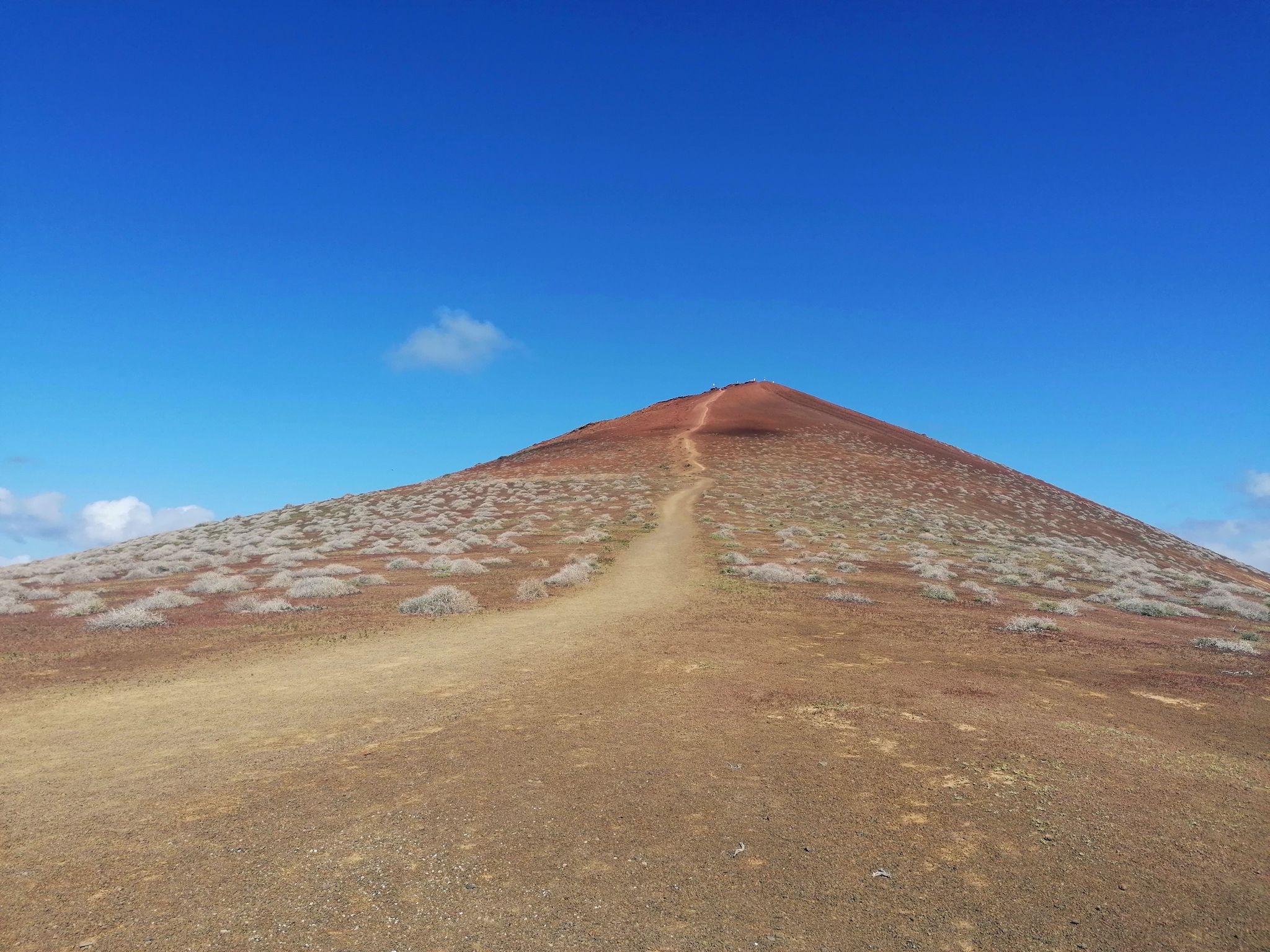
Adventures on the eighth island – hiking in La Graciosa
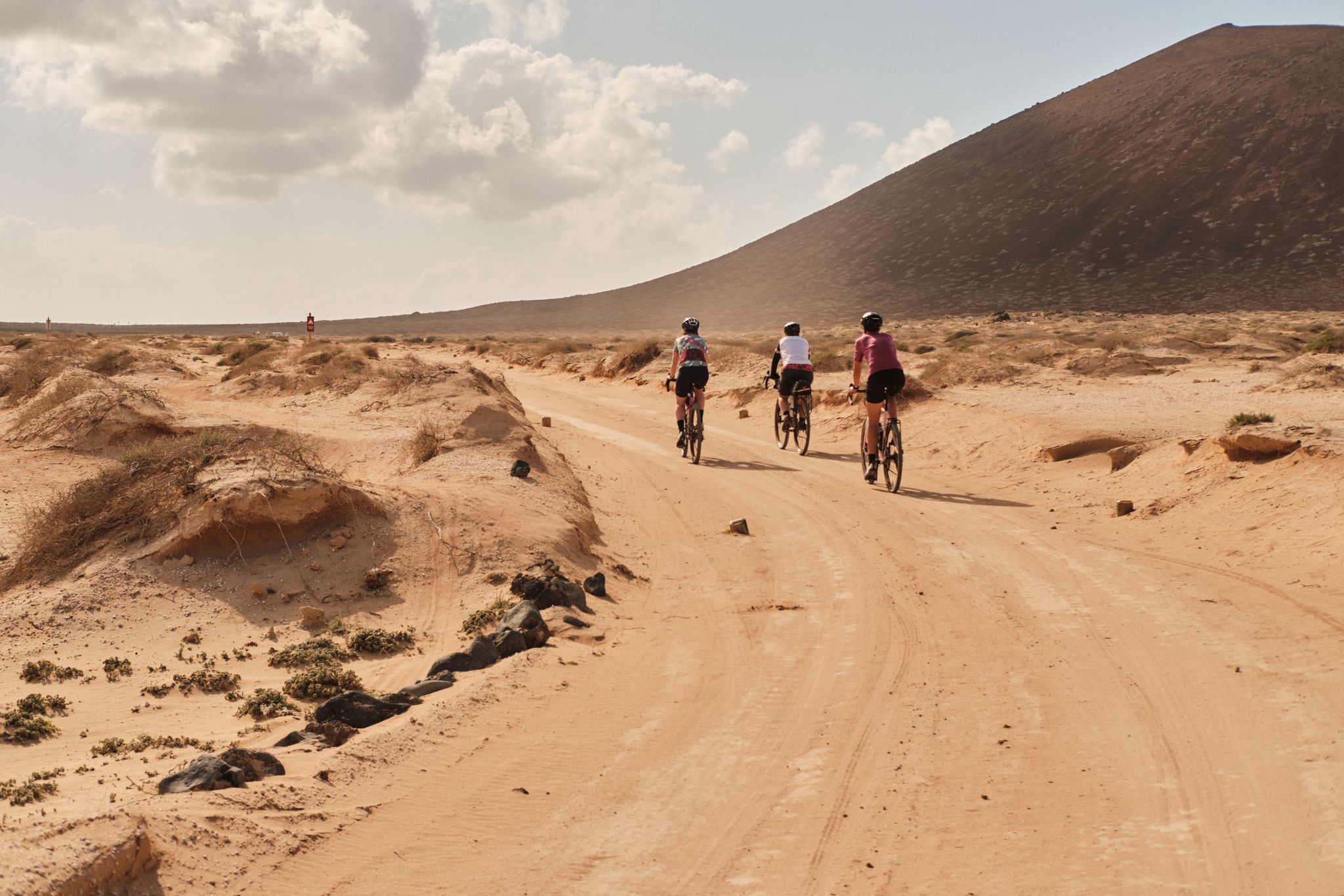
GranGuanche gravel – Komoot women's rally 2023
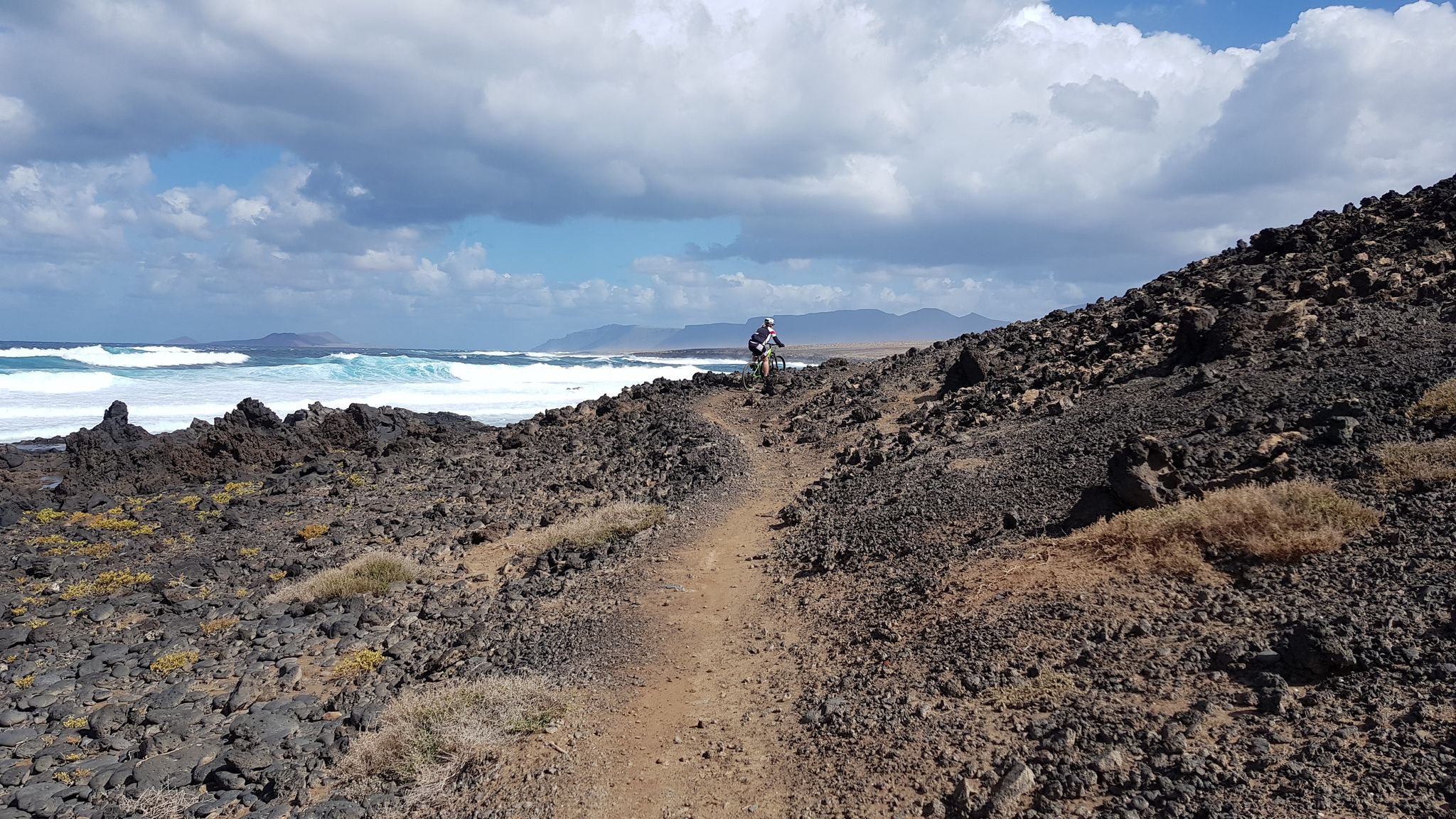
MTB on the island of volcanoes – Pedales de Lava
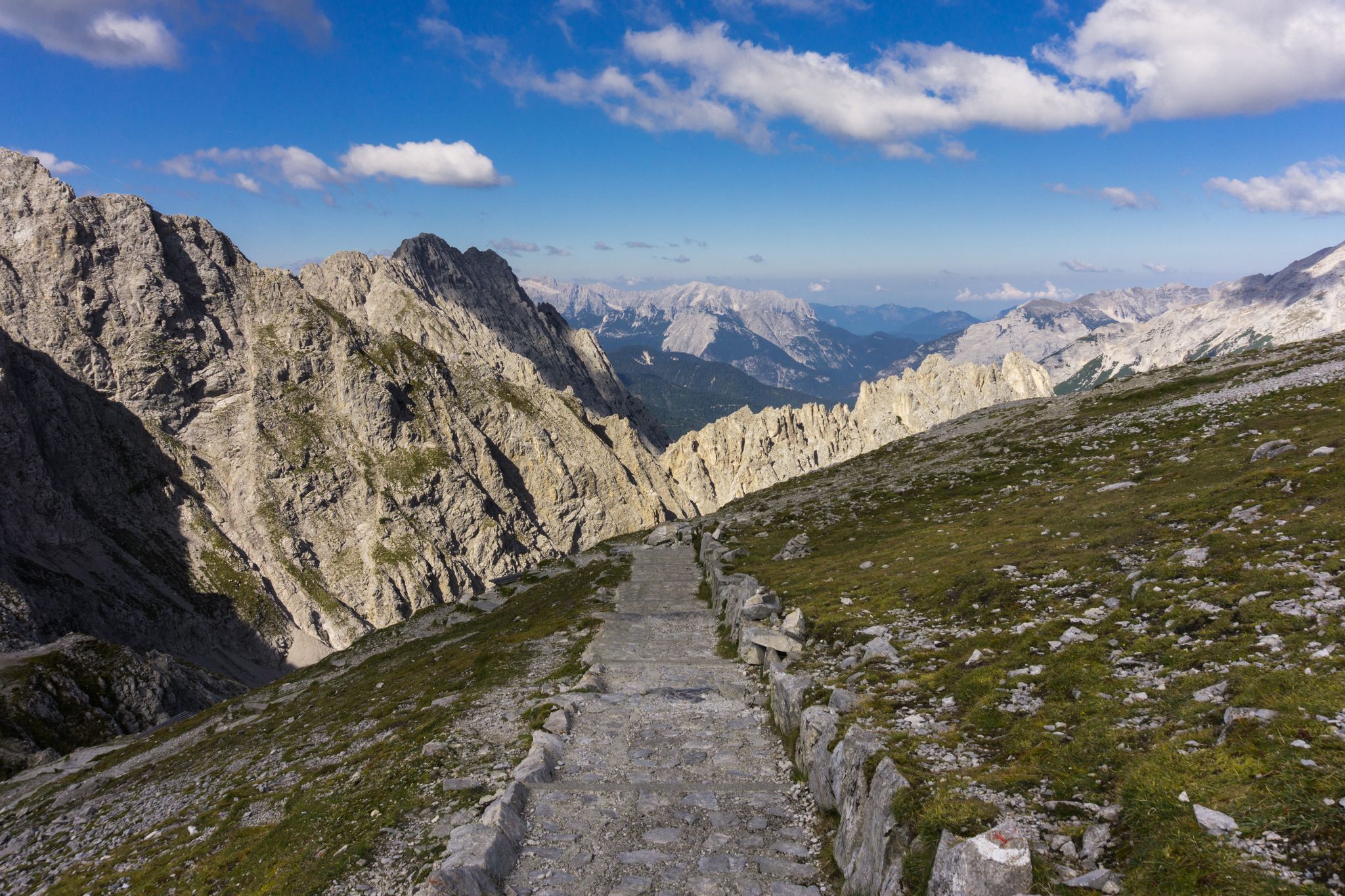
Las Cumbres Reinas de España — Spanish mountain trail races
Other adventures in Archipiélago De Chinijo


Tips from the Community

This hike no longer exists. We tried it from 2 directions. From the church in Ye up to the crater. Shortly after descending from the crater, the path is blocked by several fences and barbed wire. From the bus stop, the path is a dirt track. Everything fine, but when the path is supposed to turn off the dirt track, there is still a hint of the path for a short while, which then disappears. Maybe a rockslide?
0
0

The path is only open as far as the crater rim. The circumnavigation is permanently closed.
0
0

Avoid this loop. The section crosses private land and is almost impassable. A large part of the final section ends on the road, with the risk of being hit by cars! The beginning is very difficult and borderline dangerous. (Nov 2025)
1
0

Nice hike to the top to look into the crater, you can still go down a bit towards the vineyards but there are fences. We went back the same way. Nice climb, nice view. Parked on "parking" (street: C. El tefio) enough space and about 150m from the start. Then to cueva de los Verdes, there you walk in the tunnel that was formed by flowing lava from the volcano "Corona".
0
0

Today it is not possible to go around it, the paths were closed. You can get to the crater.
2
0
in many places it is unclear whether you are on private property. Shortly after turning off the main road, the path is blocked by a chain. On the way back through the vineyards we encountered guard dogs, which luckily were in cages - the thin wire mesh would certainly not have been a barrier. We cannot say whether the view is worth it because the weather was very good/foggy. The view into the crater is impressive. The path along the crater rim is closed (as of December 2024)
0
0

It is no longer possible to continue beyond this point as the landowner has put up a barbed wire fence and locked gate. The walk to the crater edge is well worth the time however.01/12/2024
3
0

The tour of the crater is prohibited, there are clear signs prohibiting passage and you often meet rangers, so avoid venturing alone.
2
1
Frequently Asked Questions
How many volcano hiking trails are available in Archipiélago De Chinijo?
There are over 15 dedicated volcano hiking trails in Archipiélago De Chinijo, ranging from easy strolls to more challenging ascents. Many of these routes offer unique perspectives of the volcanic landscape, including craters and lava fields.
What is the best time of year to hike the volcano trails in Archipiélago De Chinijo?
The Archipiélago De Chinijo, including La Graciosa, enjoys a mild climate year-round. However, the best time for hiking is typically during the cooler months, from autumn to spring (October to May), when temperatures are more comfortable. Summers can be very hot and dry, making early morning or late afternoon hikes preferable.
Are there any family-friendly volcano hikes in the region?
Yes, there are several options suitable for families. For instance, the easy route Path to Volcán de la Corona – Monte Corona Crater loop from Ye offers a gentle introduction to the volcanic landscape. La Graciosa also has relatively flat trails that are enjoyable for all ages, though specific 'family-friendly' designations depend on the children's age and experience.
Can I bring my dog on the volcano hiking trails?
While dogs are generally welcome on many trails, it's crucial to respect the protected status of the Archipiélago De Chinijo Natural Park. On La Graciosa, dogs are usually permitted on trails but must be kept on a leash. Always check local regulations and signage, especially in sensitive ecological areas, to ensure compliance and protect local wildlife.
What kind of natural features can I expect to see on these volcano hikes?
The Archipiélago De Chinijo is defined by its dramatic volcanic origins. You'll encounter impressive volcanic cones and craters like La Caldera de Alegranza and Montaña Amarilla. The landscape features stark contrasts of black volcanic rocks, arid shrubs, and sometimes white sandy beaches. The Risco de Famara on Lanzarote offers panoramic views of the entire archipelago.
Are there any circular volcano hiking routes?
Yes, several trails offer a circular experience, allowing you to start and end at the same point. An example is the moderate Lanzarote Volcanic Vineyards – Church of Yé loop from Monte Corona, which combines volcanic scenery with local vineyards. On La Graciosa, a more challenging circular path explores the northern volcanic terrain and rugged coastline.
What amenities are available near the volcano trails, especially on La Graciosa?
On La Graciosa, the main village of Caleta de Sebo offers essential amenities for hikers, including small shops, restaurants, and cafes. You can find places to refuel and relax after your hike. For trails on Lanzarote, amenities will vary depending on the starting point, with villages like Ye providing some basic services.
Do I need a permit to hike the volcano trails in Archipiélago De Chinijo?
Generally, no specific hiking permits are required for most public trails within the Archipiélago De Chinijo Natural Park. However, as it is a protected area and a UNESCO Biosphere Reserve, visitors are expected to adhere to strict environmental regulations, such as staying on marked paths and not disturbing wildlife. For specific access to smaller, uninhabited islands like Alegranza or Montaña Clara, special permissions might be needed.
What are the typical difficulty levels for volcano hikes in the region?
The difficulty levels vary significantly. You can find easy routes, such as the Path to Volcán de la Corona – Monte Corona Crater loop from Ye, which is suitable for beginners. Many trails are moderate, like the Path to Volcán de la Corona – Lanzarote Volcanic Vineyards loop from Ye, involving some elevation gain. There are also difficult routes, such as Volcán de la Corona from the Iglesia de Ye, which require a good level of fitness due to steeper sections and longer distances.
What do other hikers enjoy most about hiking in Archipiélago De Chinijo?
The komoot community highly rates the hiking experience in Archipiélago De Chinijo, with an average score of 4.6 out of 5 stars. Reviewers often praise the unique volcanic landscapes, the tranquility of La Graciosa, and the stunning coastal views. The sense of being in a pristine natural environment, away from crowds, is frequently highlighted.
Are there any interesting caves or natural monuments to explore near the volcano trails?
Yes, the region offers fascinating geological formations beyond the volcanoes. You can explore various caves, such as Caves of the Archipiélago Chinijo Natural Park, which are located within a small volcanic crater. Additionally, natural monuments like Montaña Bermeja and the scenic The Gracioseros Trail offer further points of interest.
What kind of wildlife can I expect to see on the volcano trails?
The Archipiélago De Chinijo is a Special Protection Area for Birds and a UNESCO Biosphere Reserve, making it a haven for diverse wildlife. While hiking, especially in quieter areas, you might spot various seabirds and raptors, including the White-faced Storm Petrel, Cory's Shearwater, Eleonora's Falcon, and the Egyptian Vulture. The marine reserve also teems with life, though this is best observed through snorkeling or diving.
Most popular routes in Archipiélago De Chinijo
Most popular attractions in Archipiélago De Chinijo

Get inspired with the komoot mobile app


Explore more
Browse the best Hikes in other regions.
