Marítimo-Terrestre De Las Islas Atlánticas De Galicia
Marítimo-Terrestre De Las Islas Atlánticas De Galicia
Top 4 Natural Monuments in Marítimo-Terrestre De Las Islas Atlánticas De Galicia
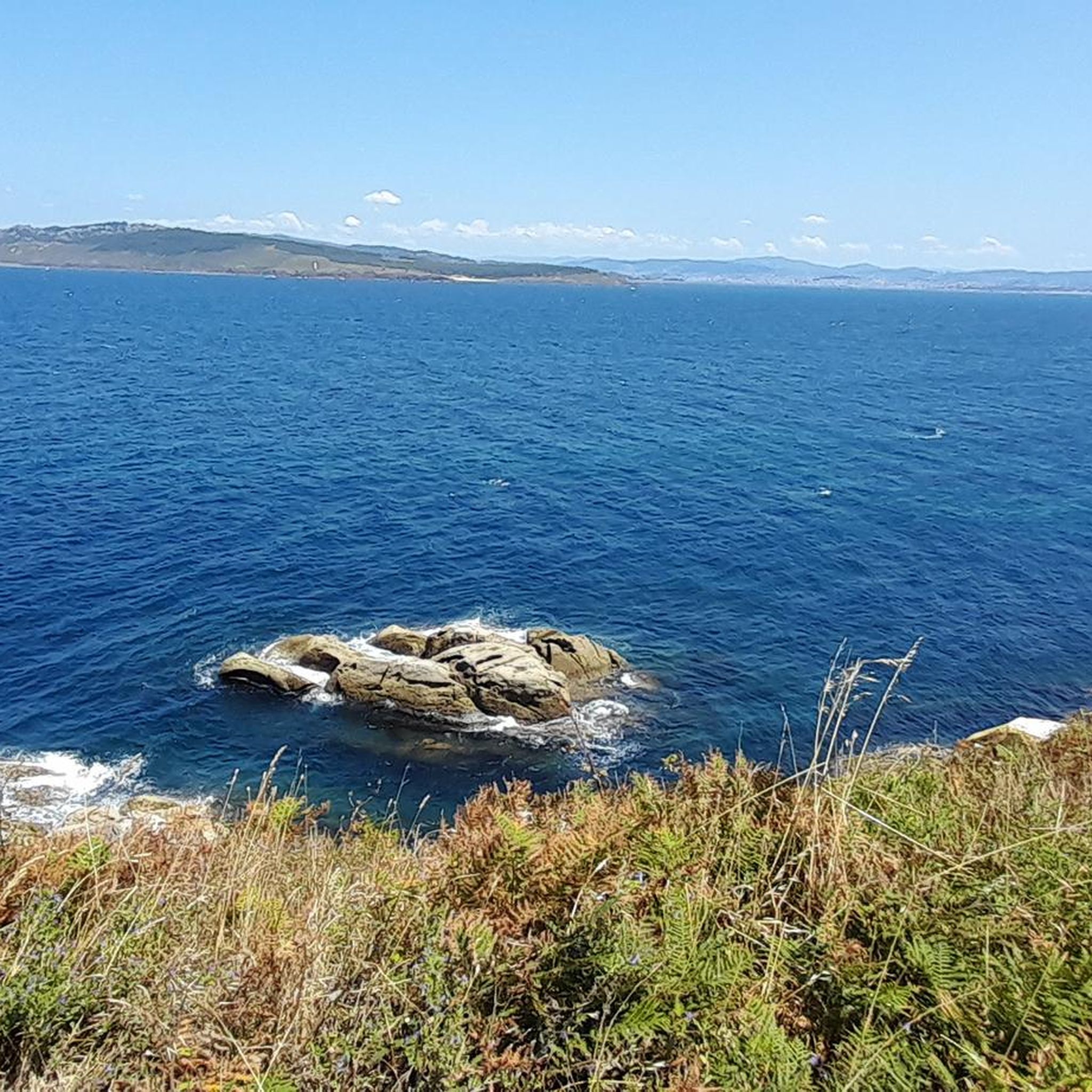
Best natural monuments in Marítimo-Terrestre De Las Islas Atlánticas De Galicia are found within a protected natural area comprising four archipelagos: Cíes, Ons, Sálvora, and Cortegada. This marine-terrestrial park is located in the Rías Baixas, where fresh and saltwater converge. The region is characterized by its granite composition, rich biodiversity, and distinctive geological features. It offers a unique blend of marine and terrestrial ecosystems.
Best natural monuments in Marítimo-Terrestre De Las Islas Atlánticas De Galicia
- The most popular natural monuments…
Last updated: May 31, 2026
Buraco do Inferno
Highlight • Gorge
Translated by Google •
Tip by

Geological Pools on Monte do Príncipe, Cíes Islands
Highlight • Natural Monument
Translated by Google •
Tip by
Sign up now to discover places like this
Get recommendations on the best single tracks, peaks, & plenty of other exciting outdoor places.
Sign up for free
Ferreiriños Cliffs
Highlight • Natural Monument
Translated by Google •
Tip by

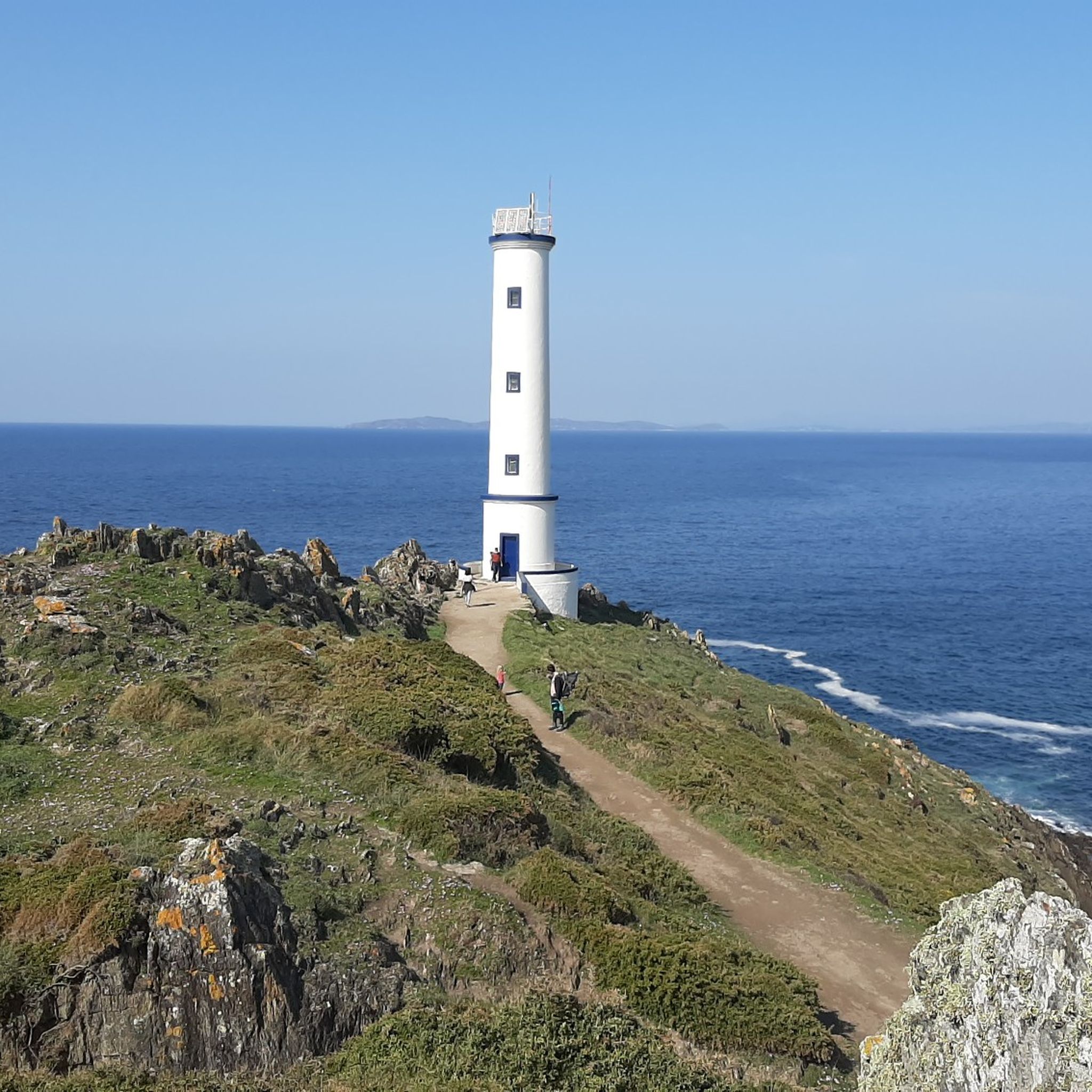
View of Cíes Islands Lighthouse
Highlight • Viewpoint
Translated by Google •
Tip by
View from Punta de Centolo, Ons Island
Highlight • Viewpoint
Translated by Google •
Tip by

Start today with a free account
Your next adventure awaits.
Login or Signup
Popular around Marítimo-Terrestre De Las Islas Atlánticas De Galicia
Hiking in Marítimo-Terrestre De Las Islas Atlánticas De Galicia
Road Cycling Routes in Marítimo-Terrestre De Las Islas Atlánticas De Galicia
Cycling in Marítimo-Terrestre De Las Islas Atlánticas De Galicia
MTB Trails in Marítimo-Terrestre De Las Islas Atlánticas De Galicia
Running Trails in Marítimo-Terrestre De Las Islas Atlánticas De Galicia

Gravel biking in Marítimo-Terrestre De Las Islas Atlánticas De Galicia
Tips from the Community

some great views from upper there
1
0

Good hiking area and at the same time appreciate the sea views.
1
0

Impressive panoarmic views over the island. The path leading to the lighthouse is a beautiful hairpin road, in very good condition to walk
2
0

Very beautiful cliffs and easy access
1
0
Must visit place, the sunset is fantastic
2
0
A must-visit place in the Cíes Islands, the sunset is magnificent
3
0
Galician traditions and legends are deeply rooted in this small Atlantic Island, among the best known is the "Santa Compaña", the orography of the Island helps to promote these legends, without going any further, it is known by all the inhabitants of the Island, and an attraction for the visitor, the Buraco do Inferno, a vertical crack in the form of a well, which connects directly with the sea, with a drop of more than eighty meters through steep walls.
5
0
The Cíes Lighthouse Route is the longest and most popular, and offers some of the most spectacular views of the Vigo estuary.
5
0
Frequently Asked Questions
What unique natural features can I explore in the Marítimo-Terrestre de las Islas Atlánticas de Galicia National Park?
The park is renowned for its diverse natural features, including stunning granite cliffs, pristine beaches like Rodas Beach on the Cíes Islands, and unique geological formations. You can also discover fascinating sea caves, known as "furnas," particularly on Ons Island, with the mythical Buraco do Inferno being a notable example. The islands are remnants of a sunken mountain range, offering a unique blend of marine and terrestrial ecosystems.
Are there any natural monuments suitable for families with children?
Yes, the park offers natural monuments that are enjoyable for families. For instance, the Ferreiriños Cliffs are noted for their beautiful views and easy access, making them suitable for a family outing. The overall tranquil environment and well-marked paths on some islands also contribute to a family-friendly experience.
What kind of hiking experiences can I expect among the natural monuments?
You can find a variety of hiking experiences, from easy strolls to more challenging routes. The Cíes Islands, for example, offer the popular Cíes Lighthouse Route, which is the longest and provides spectacular views of the Vigo estuary from the View of Cíes Islands Lighthouse. Other trails lead to viewpoints like Geological Pools on Monte do Príncipe, offering panoramic vistas. For more detailed hiking options, you can explore running trails in the region.
What is the best time of year to visit the Marítimo-Terrestre de las Islas Atlánticas de Galicia National Park?
The best time to visit is generally during the warmer months, from late spring to early autumn (May to October), when the weather is most favorable for outdoor activities and enjoying the beaches. During this period, ferry services are more frequent, and the chances of clear skies for panoramic views are higher. However, it's a protected area, so always check for specific seasonal restrictions or permit requirements.
What are the most significant natural monuments on Ons Island?
Ons Island is particularly famous for its "furnas," which are natural sea caves carved by the Atlantic waves. The most renowned is the mythical Buraco do Inferno, a vertical crack connecting directly with the sea, steeped in local legends. The island also features formidable cliffs on its western side and offers beautiful views from spots like Punta de Centolo.
Are there any unique botanical natural monuments in the park?
Yes, Cortegada Island is home to a truly unique botanical natural monument: the largest bay tree (laurel) forest in Europe. Some specimens reach up to twelve meters in height, making it a vital "vegetal treasure" and a compelling destination for nature lovers and botanists interested in native flora.
What kind of wildlife can I observe in the Marítimo-Terrestre de las Islas Atlánticas de Galicia National Park?
The park is a significant breeding reserve for seabirds, hosting globally important colonies of species like the yellow-legged gull and the shag, especially on the Cíes Islands and Sálvora Island. The marine waters are rich in biodiversity, including various fish species and octopus, which is a local culinary specialty around Ons Island. The unique ecosystem where fresh and saltwater converge supports an impressive array of marine life, including over 200 species of algae.
What other outdoor activities can I do near these natural monuments besides hiking?
Beyond hiking, the region offers opportunities for various outdoor activities. You can explore road cycling routes or general cycling tours in the surrounding areas. The calm, crystal-clear waters are also ideal for swimming, snorkeling, and kayaking, especially around the pristine beaches of the Cíes Islands.
How do I get to the Marítimo-Terrestre de las Islas Atlánticas de Galicia National Park and its islands?
Access to the islands (Cíes, Ons, Sálvora, and Cortegada) is primarily by ferry from various ports in the Rías Baixas, such as Vigo, Cangas, Baiona, Bueu, and Portonovo. During peak season, services are more frequent. It is essential to book ferry tickets and obtain the necessary permits in advance, especially for the Cíes Islands, as visitor numbers are limited to preserve the natural environment.
Are permits required to visit the natural monuments in the park?
Yes, permits are required to visit some of the islands, particularly the Cíes Islands, due to their status as a protected national park with limited daily visitor capacity. It is crucial to obtain these permits in advance, especially during high season, to ensure your entry. Information on how to secure permits is typically available through the official park website or the ferry operators.
What makes the Cíes Islands a must-visit destination within the park?
The Cíes Islands are often considered the crown jewel of the park, celebrated for their Caribbean-like beauty. They boast Rodas Beach, frequently acclaimed as one of the world's best, with its crystal-clear turquoise waters and fine white sand. The islands also offer dramatic cliffs, significant seabird colonies, and panoramic views from points like Monte Faro, making them exceptionally worth visiting for their pristine natural beauty and diverse ecosystems.
What historical or legendary aspects are associated with the natural monuments?
The islands hold a wealth of local history and legends, adding a cultural dimension to their natural allure. For example, the Buraco do Inferno on Ons Island is steeped in folklore, with legends suggesting it connects directly with the sea and that the voices of the dead can be heard from it on stormy nights. These tales enrich the experience of exploring the park's unique geological formations.
Most popular routes in Marítimo-Terrestre De Las Islas Atlánticas De Galicia
Most popular attractions in Marítimo-Terrestre De Las Islas Atlánticas De Galicia

Get inspired with the komoot mobile app


Explore more
Extend your search for the best caves by checking out these guides of the top ones in Marítimo-Terrestre De Las Islas Atlánticas De Galicia:
