New Forest National Park
New Forest National Park
Top 20 Natural Monuments in New Forest National Park
Best natural monuments in New Forest National Park include ancient woodlands, heathlands, and unique ecological sites. This region features the largest area of lowland heath in southern England, a rare habitat. The landscape is shaped by centuries of human activity and the grazing of free-roaming animals, such as the iconic New Forest ponies. The park is recognized for its nature and conservation, with over 1,000 ancient trees recorded.
Best natural monuments in New Forest National Park
- The most popular natural…
Last updated: May 15, 2026
Dead Trees Marsh, New Forest National Park
Highlight • Natural Monument
Tip by

Hatchet Pond
Highlight • Lake
Tip by

Sign up now to discover places like this
Get recommendations on the best single tracks, peaks, & plenty of other exciting outdoor places.
Sign up for free
Bolderwood Deer Sanctuary
Highlight • Forest
Tip by

Bolton's Bench
Highlight • Viewpoint
Tip by

Hurst Spit
Highlight • Beach
Tip by

Sign up for free to discover even more natural monuments in New Forest National Park.
Sign up for free
Already have an account?
Start today with a free account
Your next adventure awaits.
Login or Signup
Popular around New Forest National Park
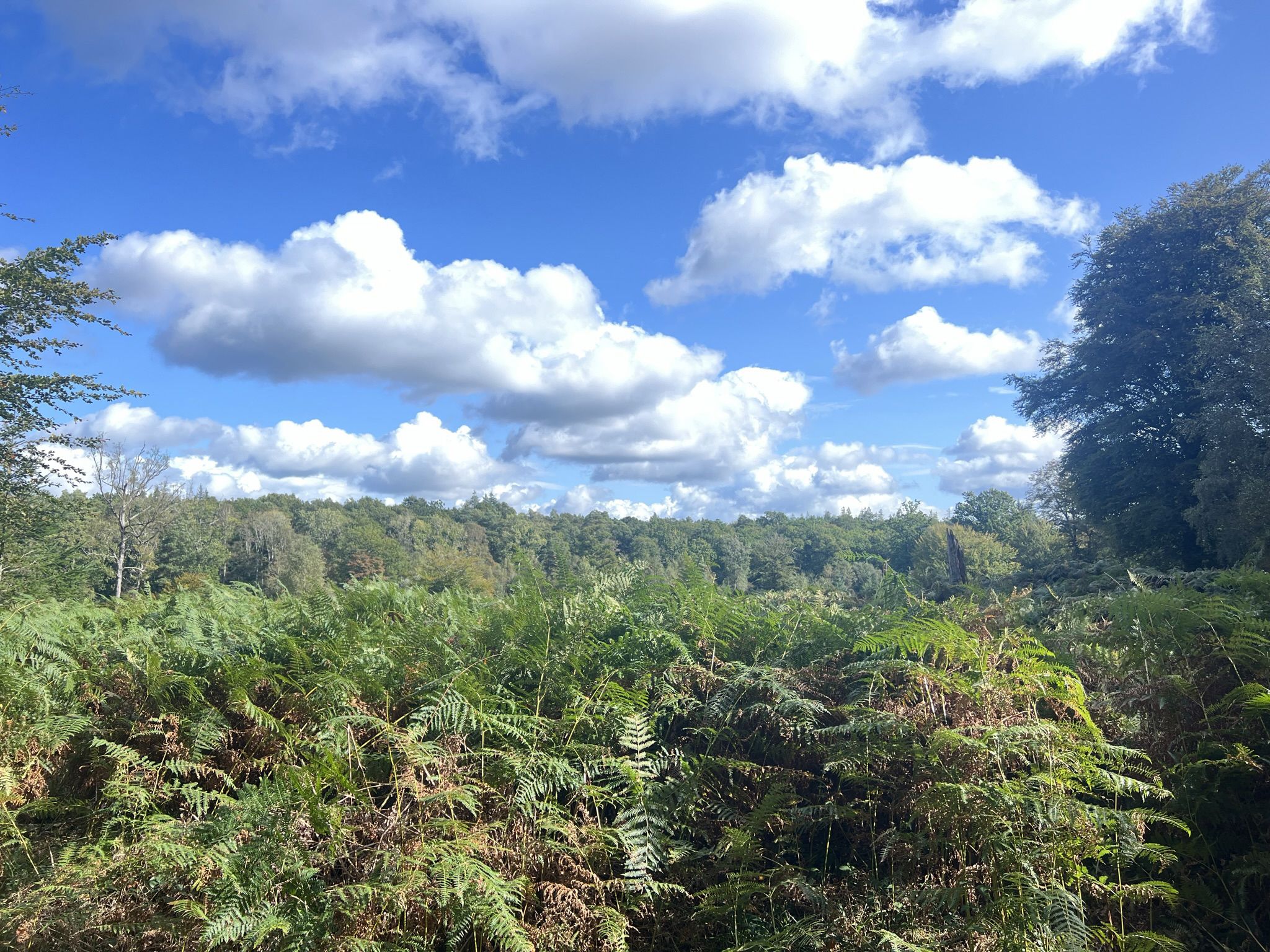
New Forest National Park – A Walk in the Parks
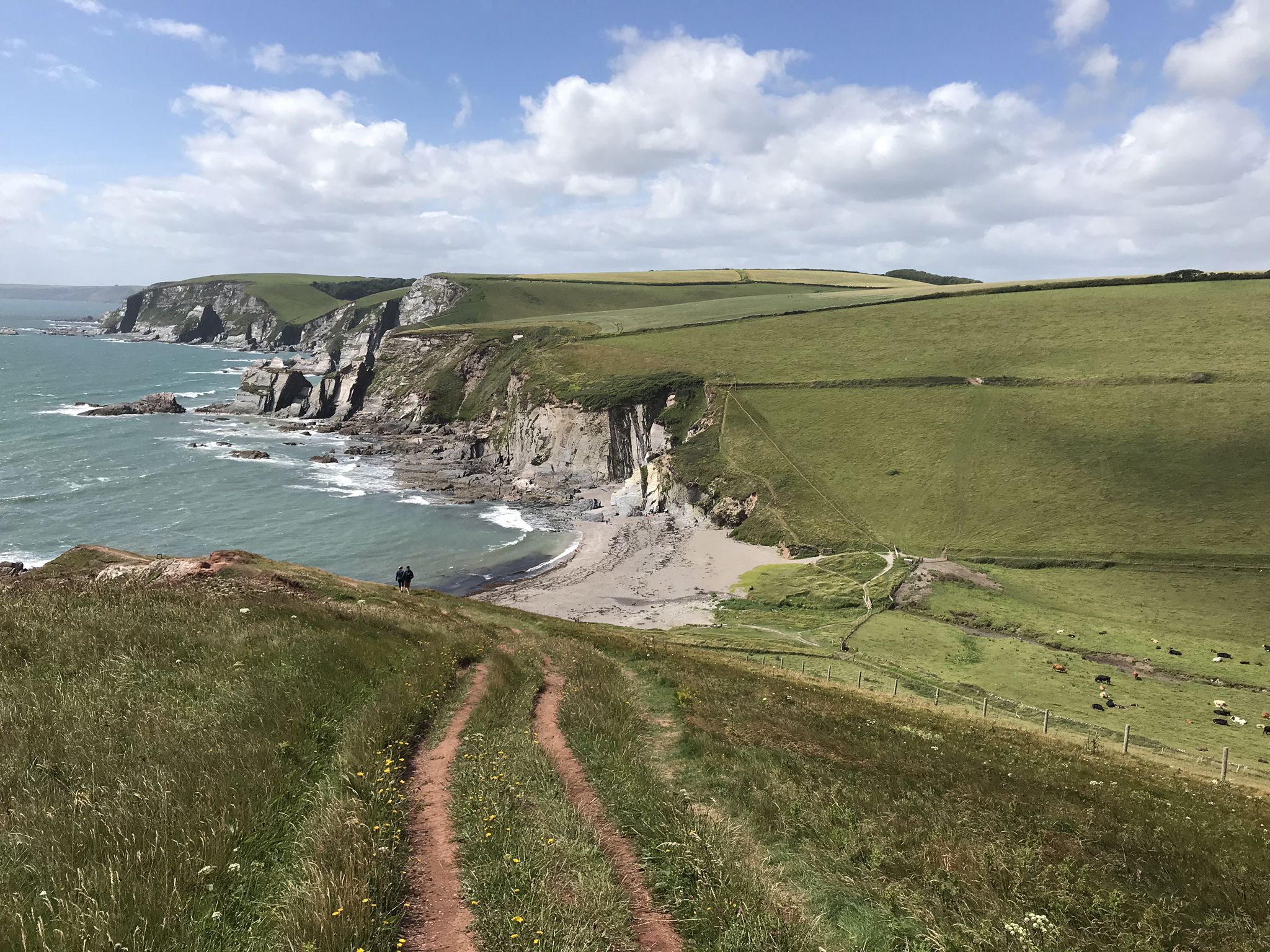
E9 Plymouth to Dover — An epic exploration of England's south coast
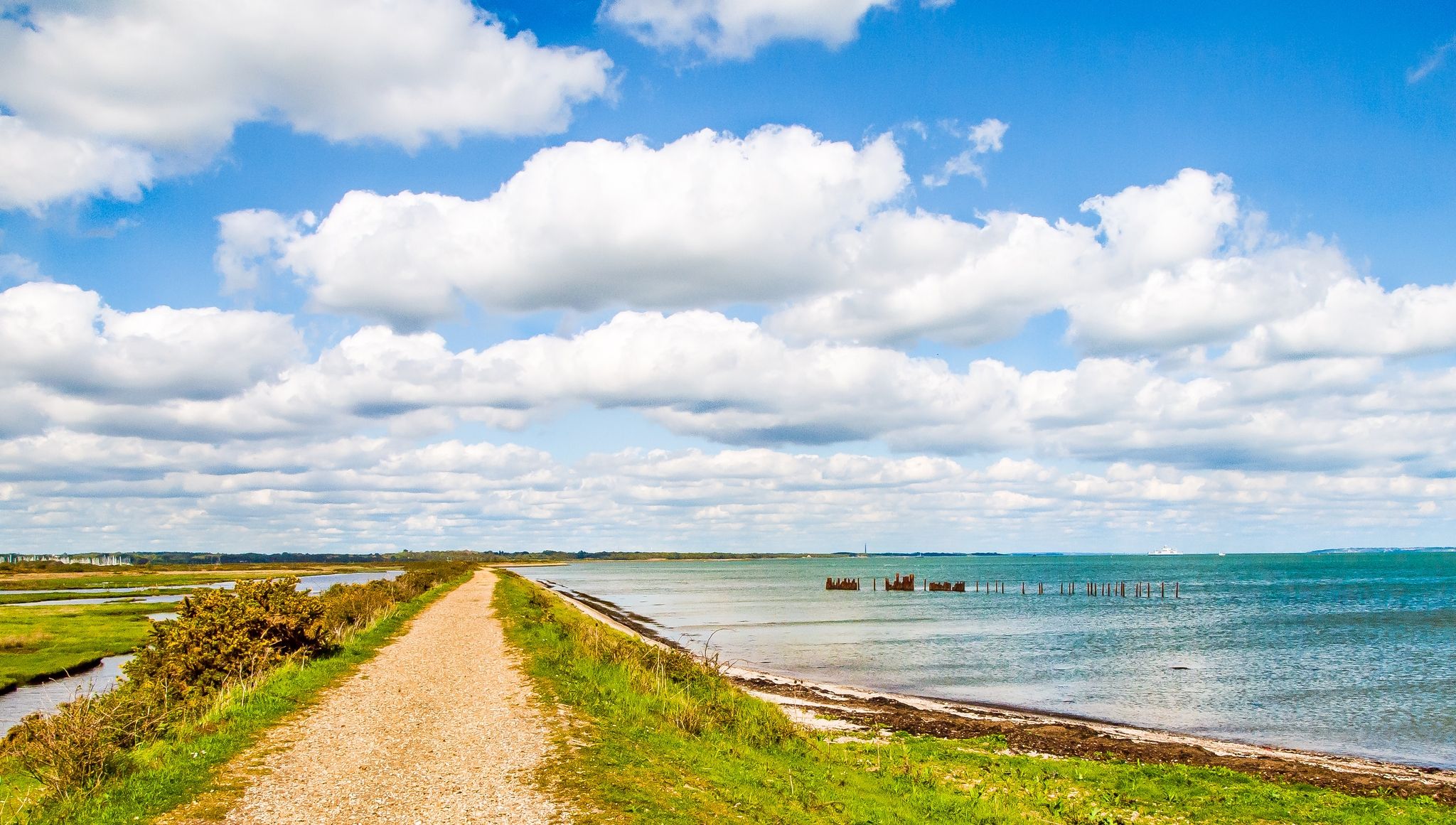
Solent Way — A picturesque hike along the Hampshire coastline
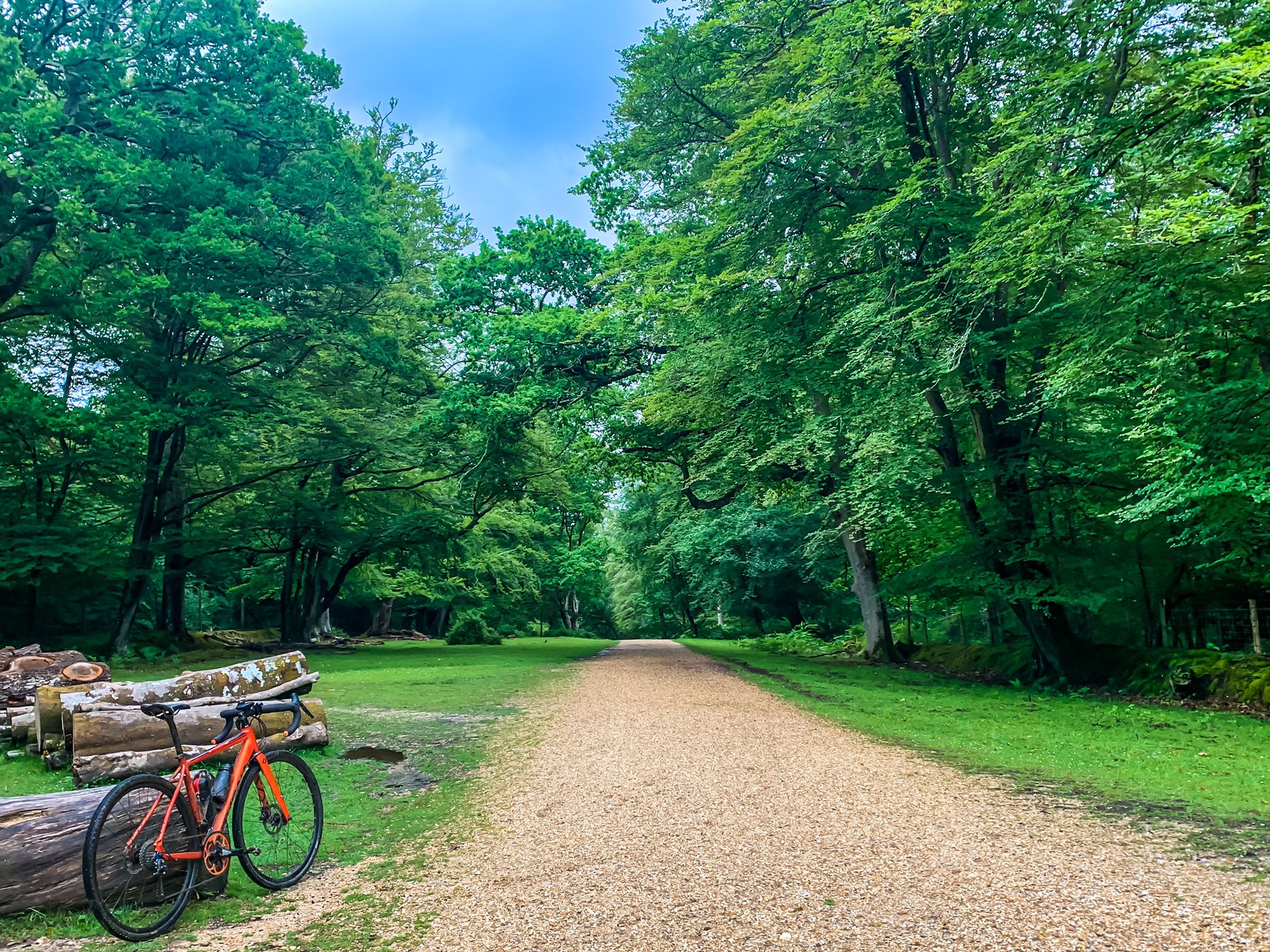
New Forest - The most Beautiful Cycling Routes
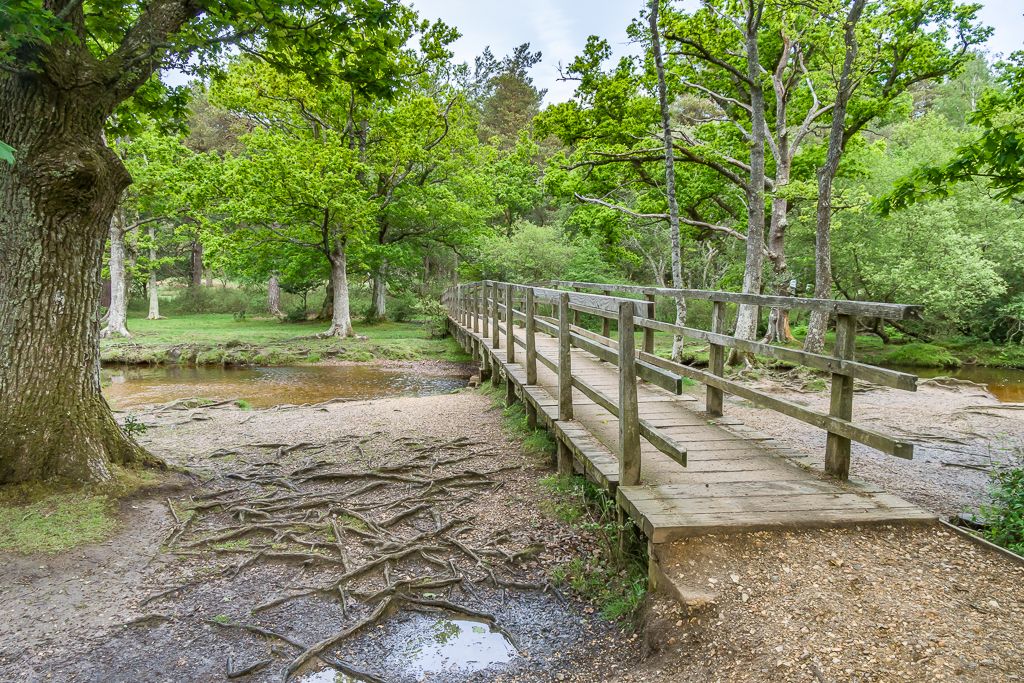
New Forest - All the Accessible Routes
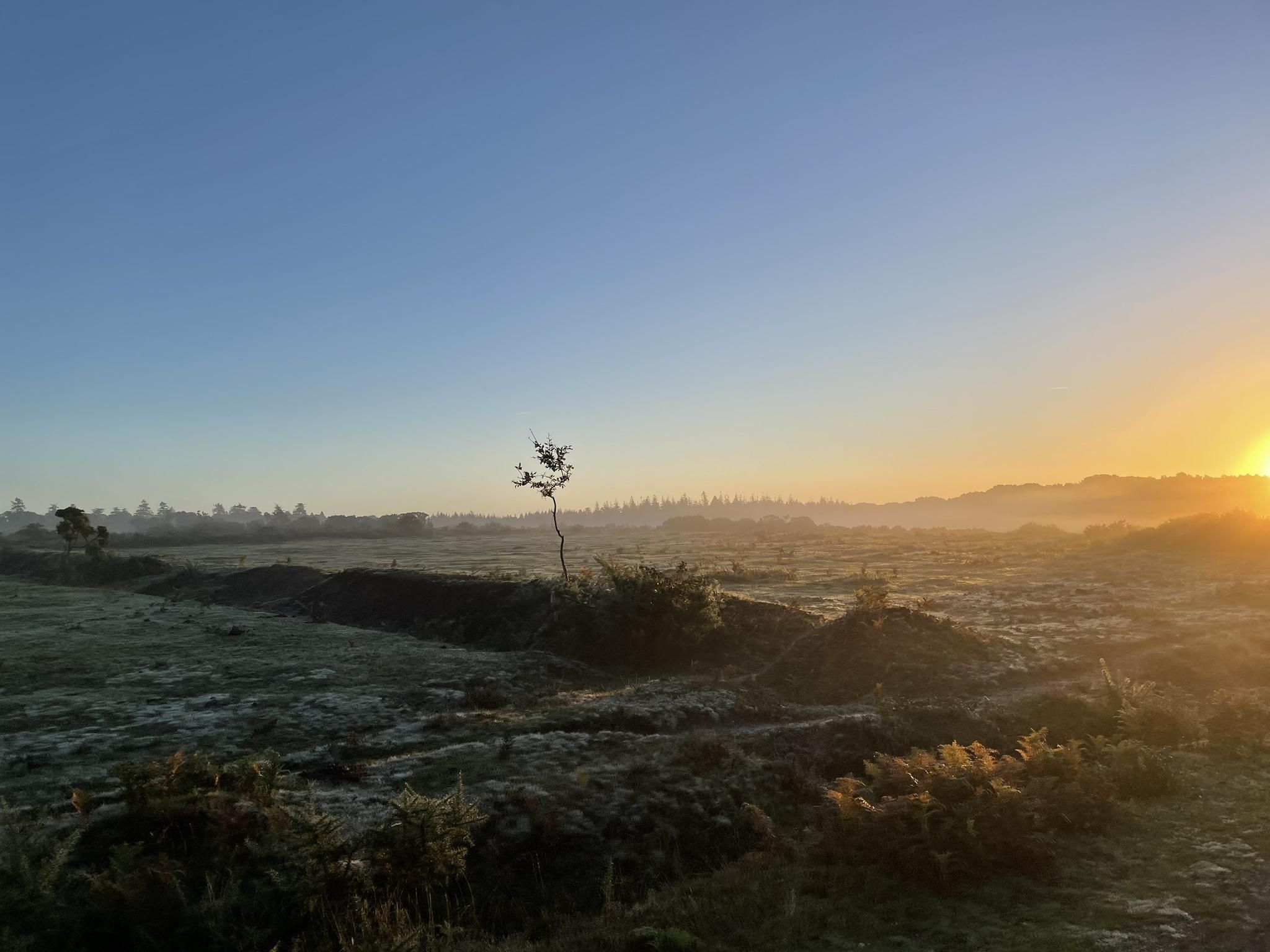
New Forest - Walking in the National Park
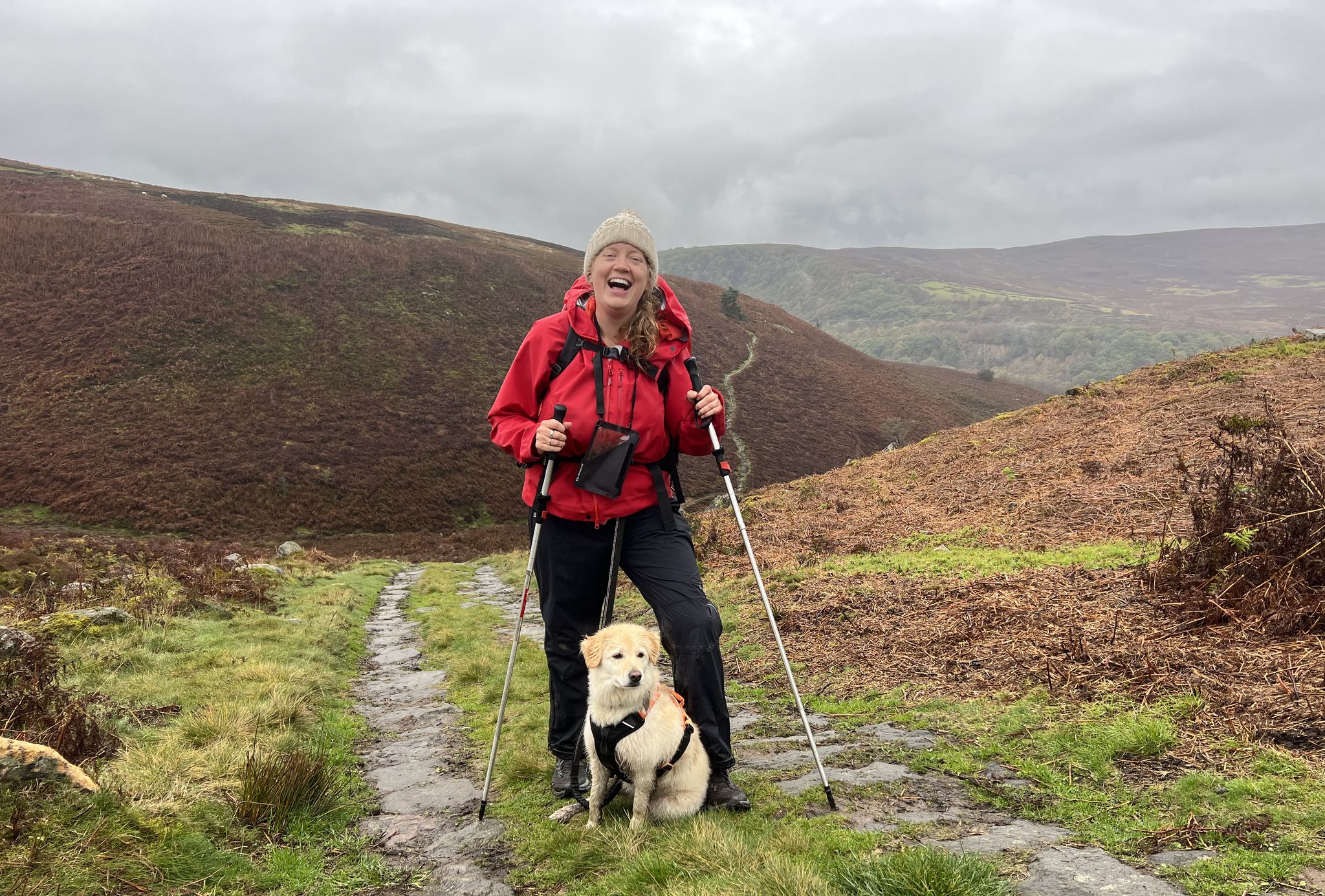
A Walk in the Parks – hikes across all of England’s national parks
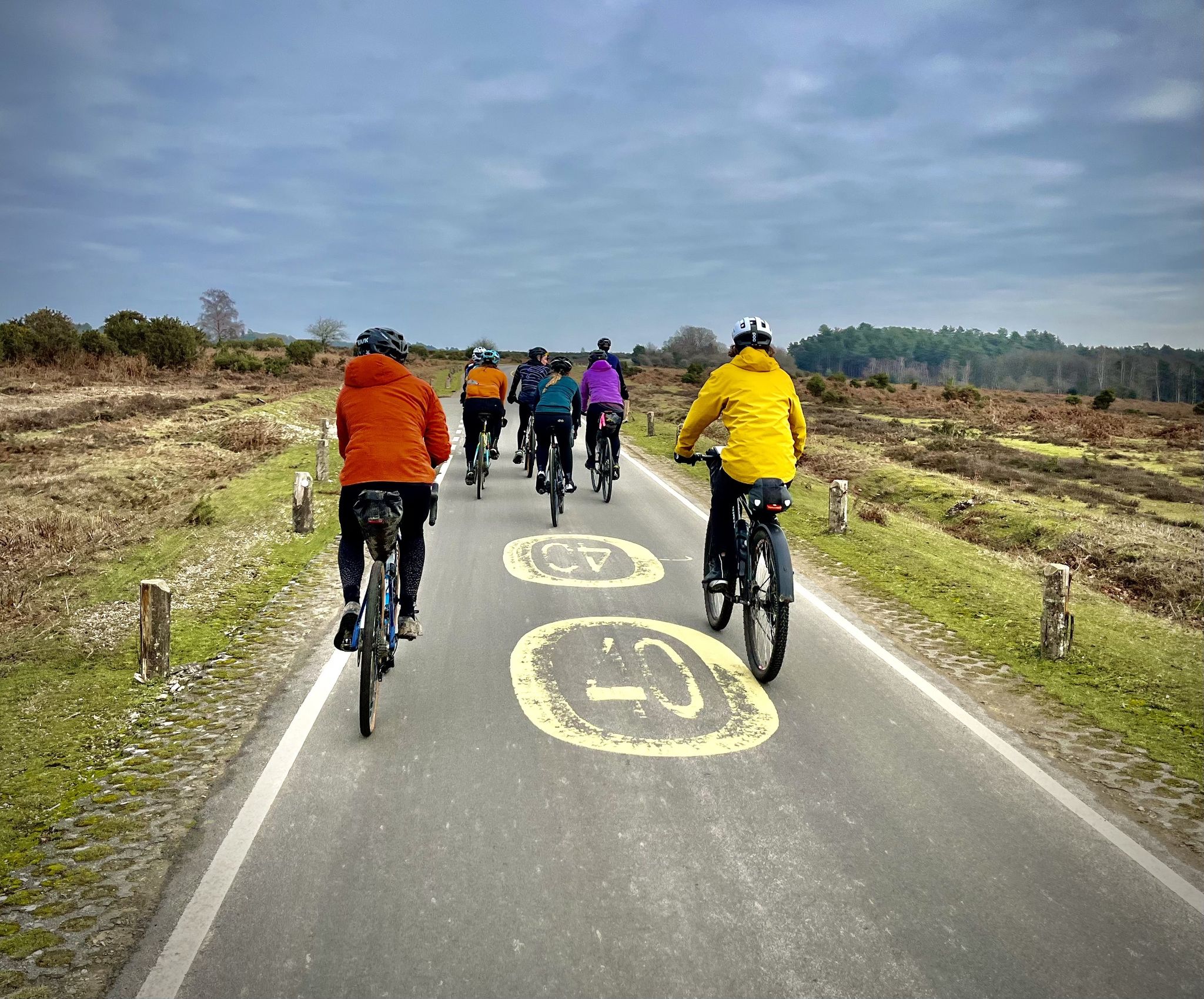
Smooth rolling in the New Forest — 7 scenic road rides
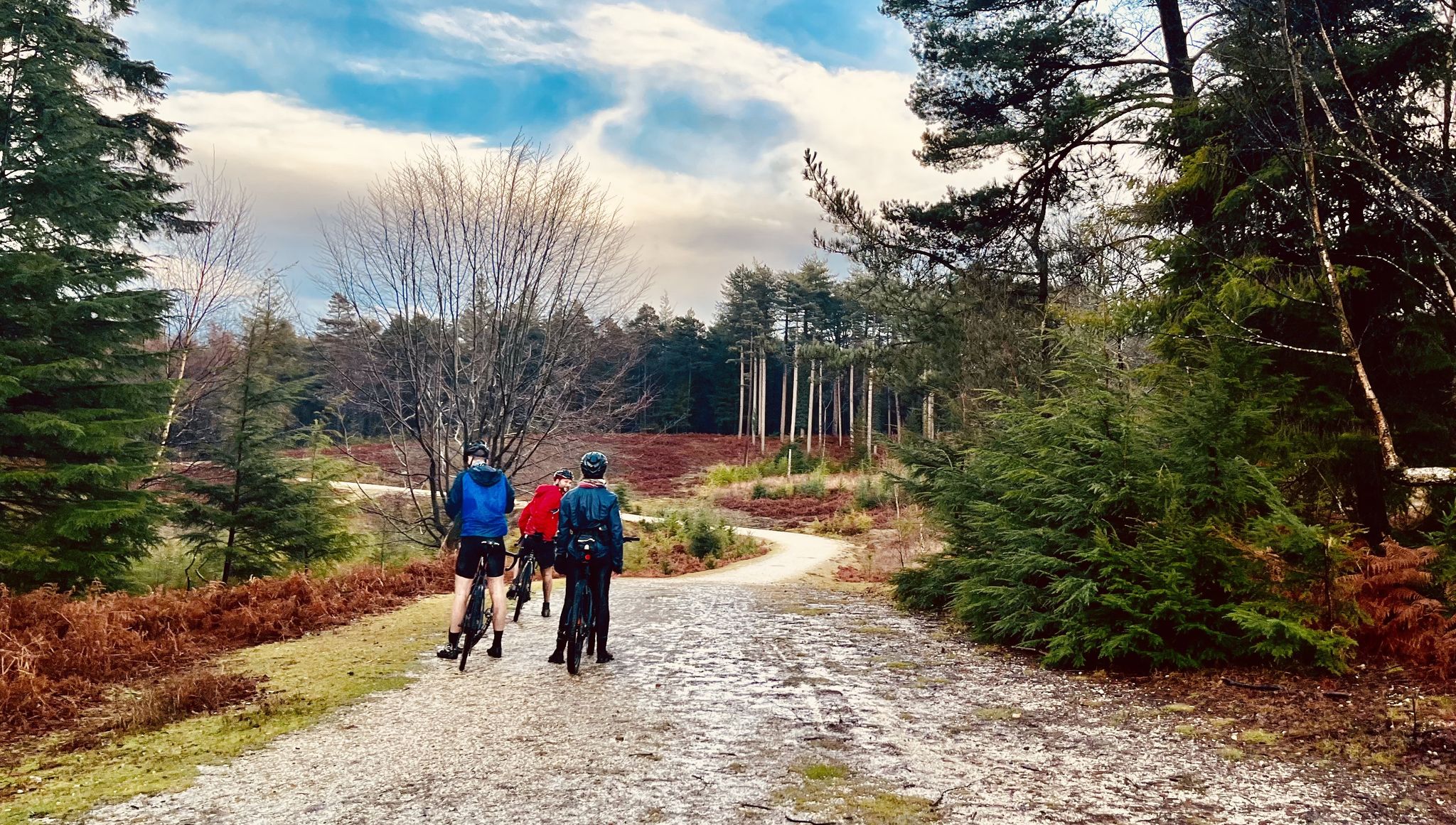
Discover the New Forest trails — 7 magical cycling safaris
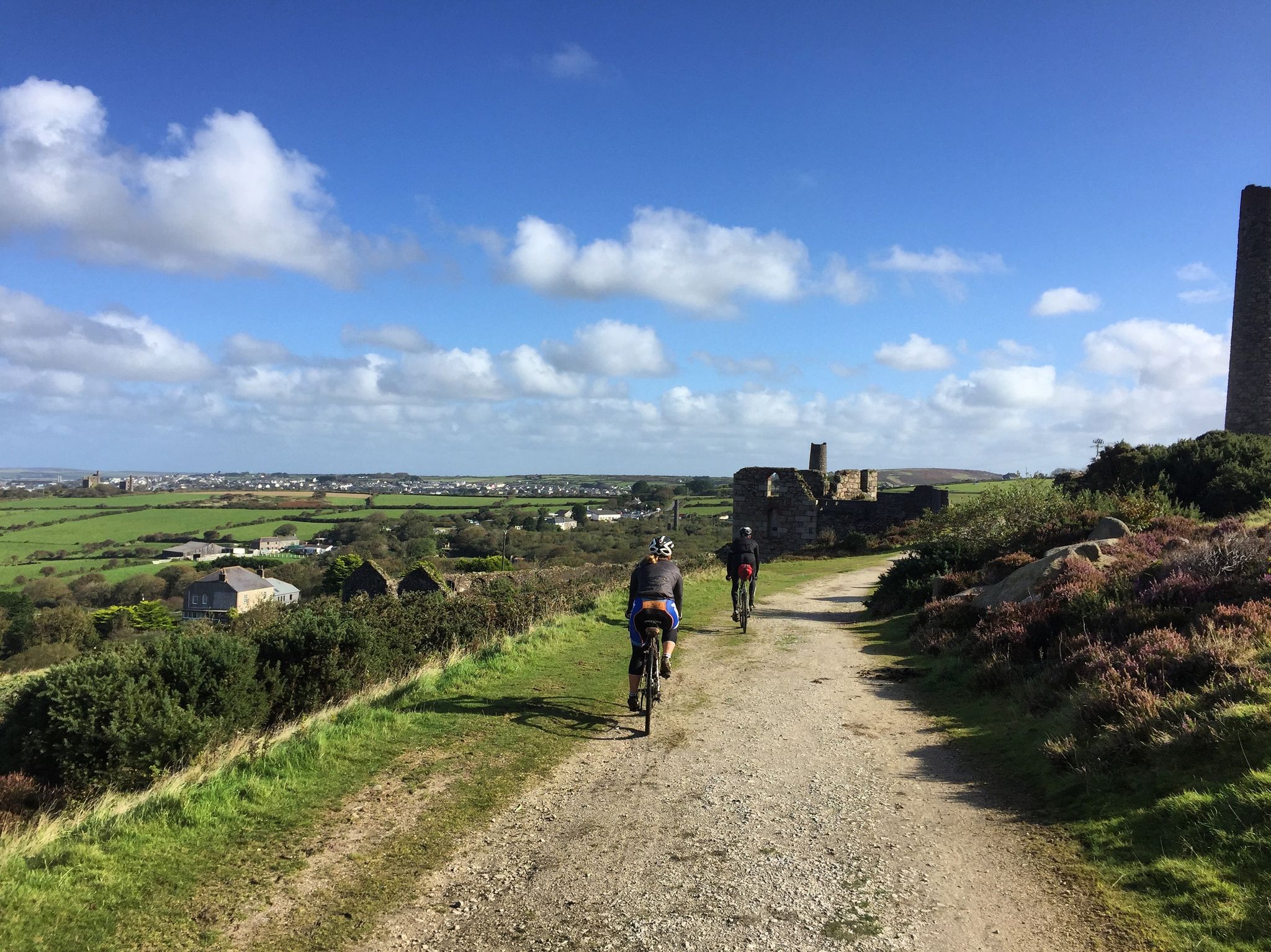
My favourite West Country riding — South-West Gravel Gold
Other adventures in New Forest National Park


Tips from the Community

Bolton's Bench is a well-known natural knoll and landmark situated on the edge of Lyndhurst, the "capital" of the New Forest. A prominent ancient yew tree grows at the top of the hill, which is surrounded by grassy lawns where the New Forest's famous ponies, donkeys, and cattle often graze freely. According to a medieval tale, a dragon that terrorized the nearby village of Bisterne was slain on the site by a knight named Sir Maurice de Berkeley. The dragon's body supposedly became the hill, and the ancient yew trees grew where the knight and his hounds later died.
0
0


An amazing and very charming place that hides some secrets from the past..
2
0
there is a purpose built platform which overlooks a large meadow. The platform is just a short walk from the car park. This is a great place if you're looking to get some great photo opportunities of the natural surroundings of the New Forest as well as the wildlife that surrounds the area. There is also information panels giving you more information about the deer found in the New Forest.
0
0
Also known as Hurst spit, is a hook-shaped shingle spit which extends for 1.4 miles (2.25 km) from the Hampshire shore into the Solent towards the Isle of Wight. The spit forms a barrier which shelters a Site of Special Scientific Interest known as Hurst Castle And Lymington River Estuary. The spit shelters an area of saltmarsh and mudflats known as Keyhaven and Pennington marshes. At the end of the spit is Hurst Castle, an artillery fortress originally built on the orders of King Henry VIII ( not a very nice man at all ), and much enlarged in the 19th century. Hurst Point Lighthouse was built on the end of Hurst Spit in the 1860s.
0
0
Nothing lives in this place. Legend from commoners ( habitants of the new forest ), tell of the death of a young boy here in the early 1800's. His family buried him here and within days the woods around his body decayed and died. Birds won't even sit on the branches. it's a very eerie place.
1
0

The phenomenally beautiful Hurst Beach. Gorgeous views of the sea and lovely views of Milford on Sea. For beach enthusiasts, this is a must!
1
0

Frequently Asked Questions
What are some of the most unique natural monuments to explore in New Forest National Park?
The New Forest National Park offers a variety of unique natural monuments. You can visit Dead Trees Marsh, known for its hauntingly beautiful landscape of jagged, leafless trees and swamp. Another distinctive spot is Bolton's Bench, a natural knoll with ancient yew trees and panoramic views, often grazed by New Forest ponies. For ancient woodlands, the famous Knightwood Oak, believed to be over 500 years old, is a must-see.
Are there family-friendly natural monuments in New Forest National Park?
Yes, several natural monuments are great for families. Bolderwood Deer Sanctuary is very popular, offering a purpose-built viewing platform to observe fallow deer and leisurely walking trails. Hatchet Pond provides a serene setting for picnics and wildlife spotting, often with free-roaming animals nearby. The Blackwater Arboretum, with its Tall Trees Trail, is also excellent for a family stroll among majestic trees.
Where can I observe wildlife in the New Forest National Park's natural monuments?
For excellent wildlife observation, head to Bolderwood Deer Sanctuary, where you can see fallow deer from a dedicated viewing platform. Hatchet Pond is a haven for birdwatchers, with various waterfowl species, and you'll often encounter New Forest ponies, donkeys, and cattle grazing freely around many of the park's natural areas, including Bolton's Bench.
What kind of natural features can I expect to see at these monuments?
The natural monuments in New Forest National Park showcase a diverse range of features. You'll find ancient woodlands with majestic trees like the Knightwood Oak and the impressive redwoods of the Blackwater Arboretum. There are also unique wetlands such as Dead Trees Marsh and picturesque ponds like Hatchet Pond. Coastal features are present at Hurst Spit, a narrow shingle bank extending into the sea.
Are there hiking trails near the natural monuments in New Forest National Park?
Yes, many natural monuments are integrated into or are starting points for excellent hiking trails. For example, the Blackwater Arboretum features the popular Tall Trees Trail, and Bolderwood Deer Sanctuary has various walking routes. You can find numerous hiking options, including easy and moderate trails, throughout the park. Explore more hiking routes in the New Forest National Park by visiting our Hiking in New Forest National Park guide.
What is the best time to visit the natural monuments in New Forest National Park?
The New Forest National Park's natural monuments offer beauty year-round. Spring brings vibrant bluebells to the woodlands and new life to the deer sanctuaries. Summer is ideal for longer walks and picnics, though it can be busier. Autumn transforms the woodlands, especially along Rhinefield Ornamental Drive and Blackwater Arboretum, with stunning foliage. Winter offers a peaceful, often misty, atmosphere, perfect for quiet contemplation at spots like Dead Trees Marsh.
Can I find cycling routes near these natural monuments?
Absolutely. The New Forest is very popular for cycling. Many natural monuments are accessible via or are close to dedicated cycling paths. For instance, the area around Bolderwood Deer Sanctuary and Rhinefield Ornamental Drive offers excellent cycling opportunities. You can discover a wide range of mountain biking trails in the region by checking our MTB Trails in New Forest National Park guide.
Are there any historical or legendary aspects associated with the natural monuments?
Yes, some natural monuments carry historical or legendary significance. Bolton's Bench is not only a natural landmark but also has local legends, including one about a dragon, and commemorates an 18th-century Master Keeper. Hurst Spit is home to Hurst Castle, a fort built by Henry VIII, adding a historical dimension to its natural beauty.
What are some lesser-known or 'hidden gem' natural monuments in the New Forest?
While many natural monuments are well-known, the Knightwood Oak, though famous, can feel like a hidden gem tucked away in the ancient woodlands. Its sheer age and size are awe-inspiring. For a truly unique and atmospheric experience, Dead Trees Marsh offers a hauntingly beautiful landscape that is less conventionally picturesque but highly photogenic and memorable.
Is parking available near the natural monuments?
Yes, most major natural monuments and popular starting points for trails in the New Forest National Park have designated car parks. For example, there is parking available at Bolderwood Deer Sanctuary, Blackwater Arboretum, and near Hatchet Pond. It's always advisable to arrive early during peak seasons to secure a spot.
What makes the New Forest National Park's ancient trees so special?
The New Forest is renowned for its ancient trees, boasting over 1,000 recorded specimens, one of the highest concentrations in Western Europe. These trees, like the famous Knightwood Oak, are living relics, some over 500 years old, and are integral to the park's unique ecosystem and historical landscape. They provide vital habitats for a diverse range of wildlife and contribute significantly to the park's natural beauty.
Most popular routes in New Forest National Park
Most popular attractions in New Forest National Park

Get inspired with the komoot mobile app


Explore more
Extend your search for the best caves by checking out these guides of the top ones in New Forest National Park:
