Top 2 Natural Monuments around Neigembos
Best natural monuments around Neigembos is a 72-hectare nature and forest area situated between the Flemish Ardennes and the Pajottenland. This protected Natura 2000 area is a remnant of the ancient Coal Forest, featuring significant elevation differences ranging from 20 to 90 meters above sea level. Its diverse ecosystems and unique features make it a notable destination for nature exploration. The forest is characterized by a mix of beech, oak, and ash trees, with varied plant growth and habitats supporting…
Last updated: October 1, 2026
Hollow Way in Neigembos
Highlight • Trail
Translated by Google •
Tip by

Highest point of Neigembos
Highlight • Summit
Translated by Google •
Tip by
Sign up now to discover places like this
Get recommendations on the best single tracks, peaks, & plenty of other exciting outdoor places.
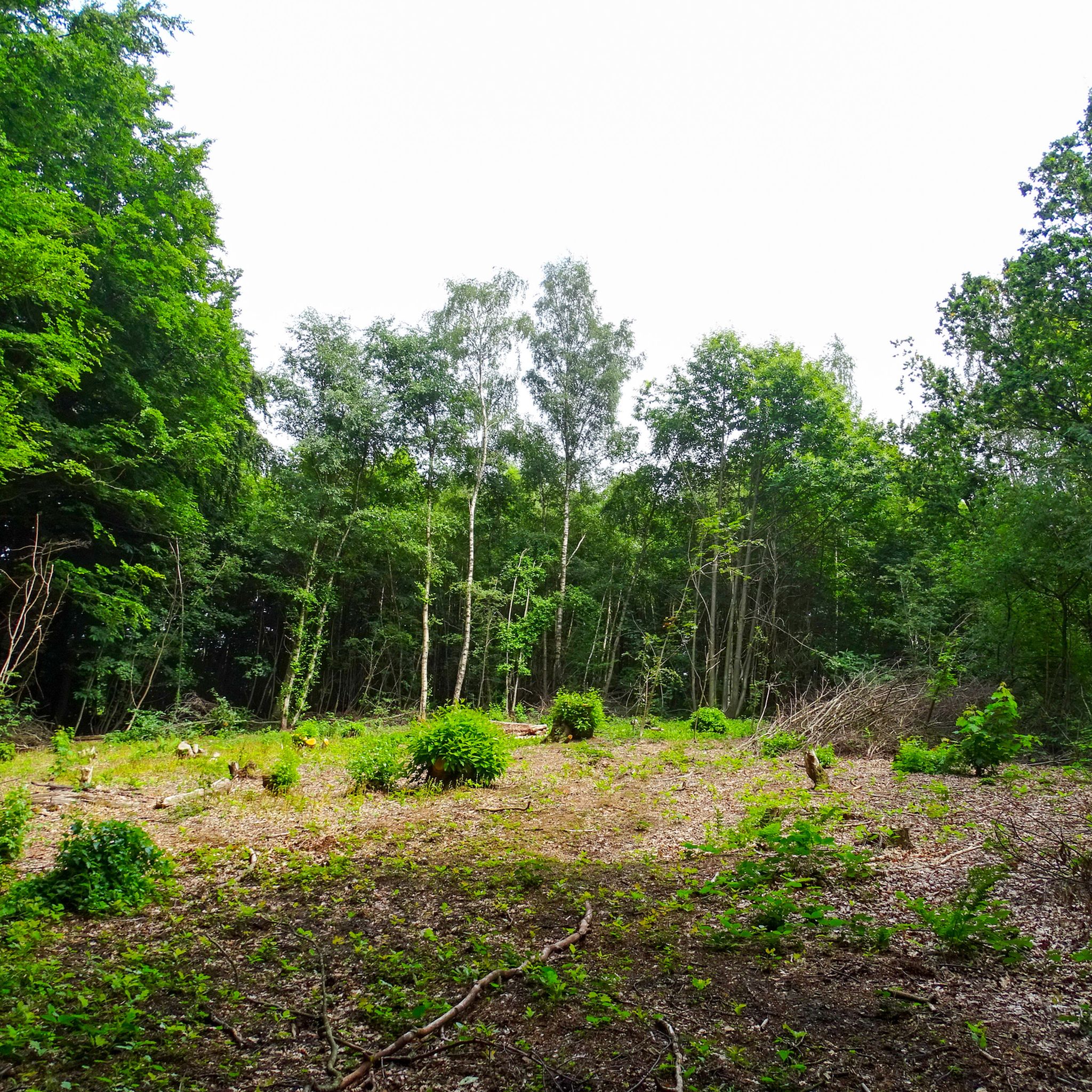
Dead wood is alive
Highlight • Forest
Dead trees are part of the living forest here.
Dead wood is very important for the forest ecosystem. …
Translated by Google •
Tip by

Start today with a free account
Your next adventure awaits.
Tips from the Community

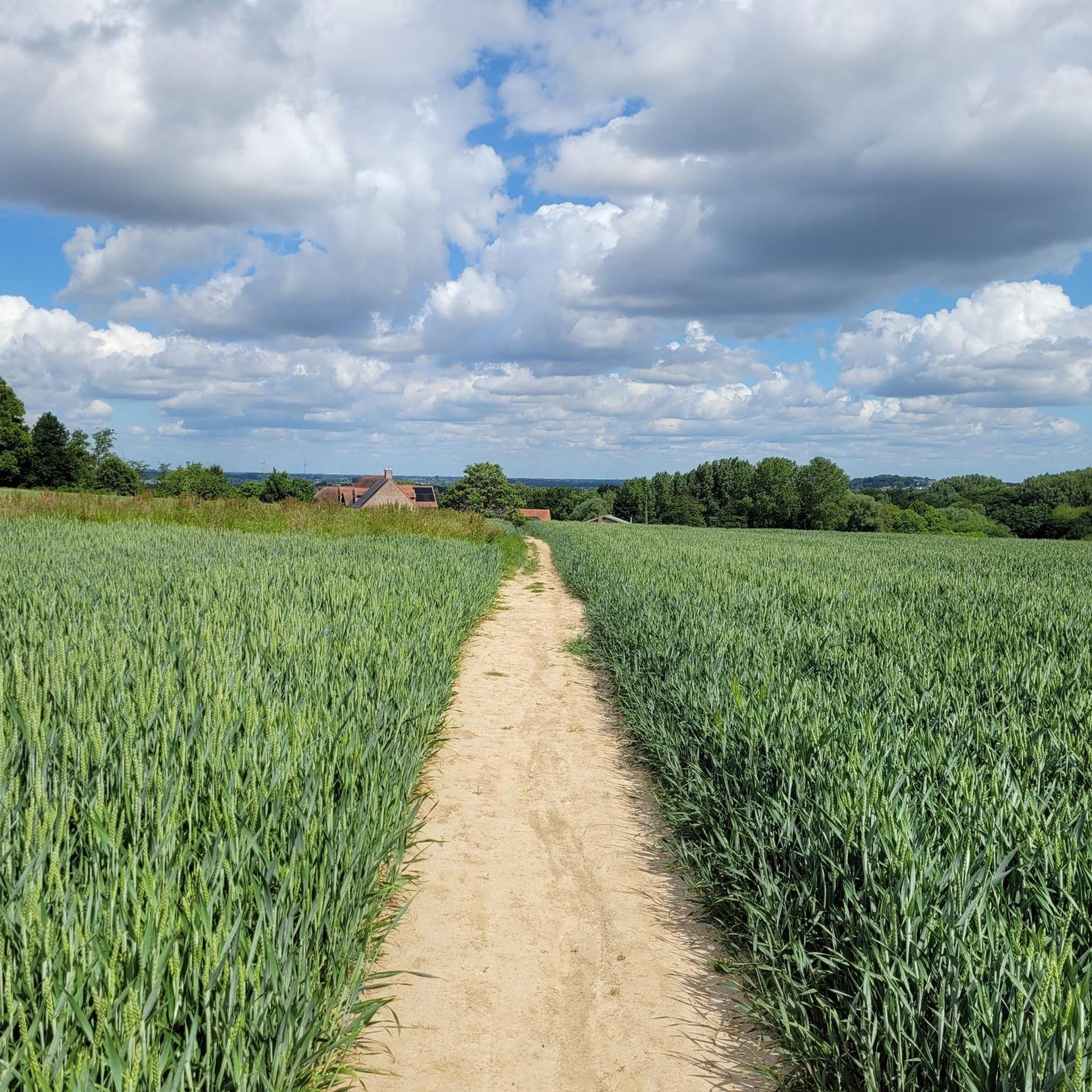
Hollow ways are typical small landscape elements in hilly areas with a loess subsoil. Most hollow ways presumably originated in the Middle Ages. Centuries of use of the same path, on foot or by horse and cart, led to a natural erosion process. Hollow ways therefore carry a piece of history with them and are thus part of our cultural heritage. (Information board on site)
8
0
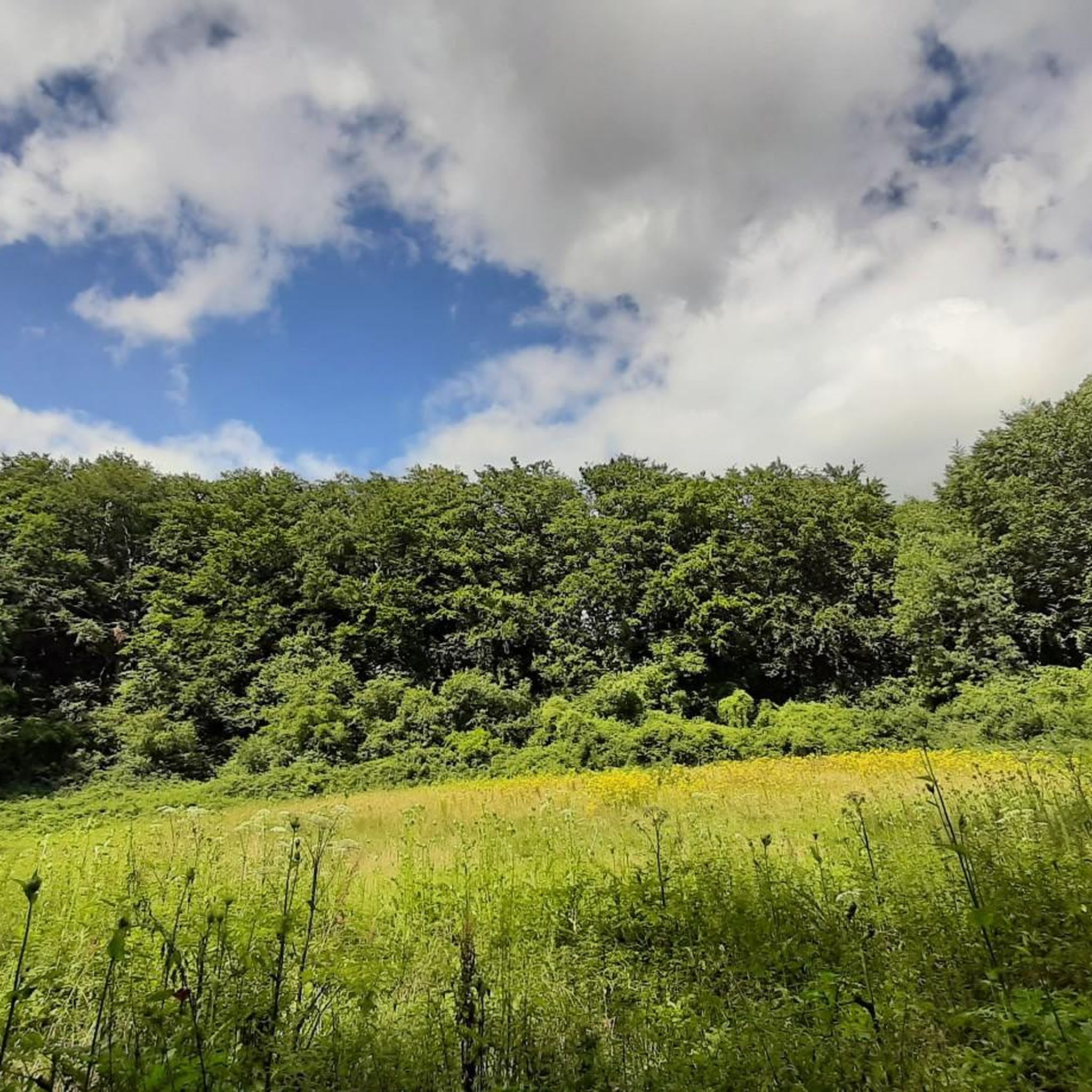
In the Neigembos, nature is allowed to evolve almost spontaneously. The trees can grow old and there is a lot of dead wood. Due to the danger of falling branches, it is important to stay on the paths. There is a rich plant growth: on the more acidic soils you will find mainly bracken, lily of the valley and woodruff. On the more loamy soils, you can enjoy wild hyacinth, wood anemone, wild garlic and yellow dead-nettle in the spring. The western part of the forest reserve, also known as the Vriezenbos, consists of, among other things, a spring forest with typical species such as black alder, common ash, marsh marigold, giant horsetail, bitter cress and the two species of lesser celandine. Enjoy the natural beauty with the help of the three mapped-out walks: the Dikke Beukenwandeling, the Bevingenwandeling and the Groebenwandeling. (Agentschap Natuur en Bos)
9
0
The krasjel pole was placed in March 2022 on the top of the Nellekensberg in the Neigembos. Its creator is Jeroen Van Assche, the designers Joris Bellemans and son Pieter.
16
0
The slightly more than 70 hectare Neigembos once covered almost all of central Belgium, together with the Sonian Forest and the Hallerbos, among others. In this mixed oak and beech forest on the border between the Flemish Ardennes and the Pajottenland you will find height differences from 20 to 90 meters above sea level. A few tough slopes await you here! The deep sunken roads have a distinct microclimate and are a pleasure to walk in. Especially in spring, when the bluebells, bellflowers and wild garlic roll out their colorful carpets. (Routen.be)
17
1
The slightly more than 70 hectare Neigembos once covered almost all of central Belgium, together with the Sonian Forest and the Hallerbos, among others. In this mixed oak and beech forest on the border between the Flemish Ardennes and the Pajottenland you will find height differences from 20 to 90 meters above sea level. A few tough slopes await you here! The deep sunken roads have a distinct microclimate and are a pleasure to walk in. Especially in spring, when the bluebells, bellflowers and wild garlic roll out their colorful carpets. (Routen.be)
12
0

It is certainly worth visiting Neigembos, Berchembos and Hulsbroekbos. Despite the fact that all three are close to each other, they are still different. Beautiful views over the mountain and valley complete the hiking pleasure. Finally, there are also the picturesque desert chapel (15th century) and chapel of Bevingen (12th century)
7
0

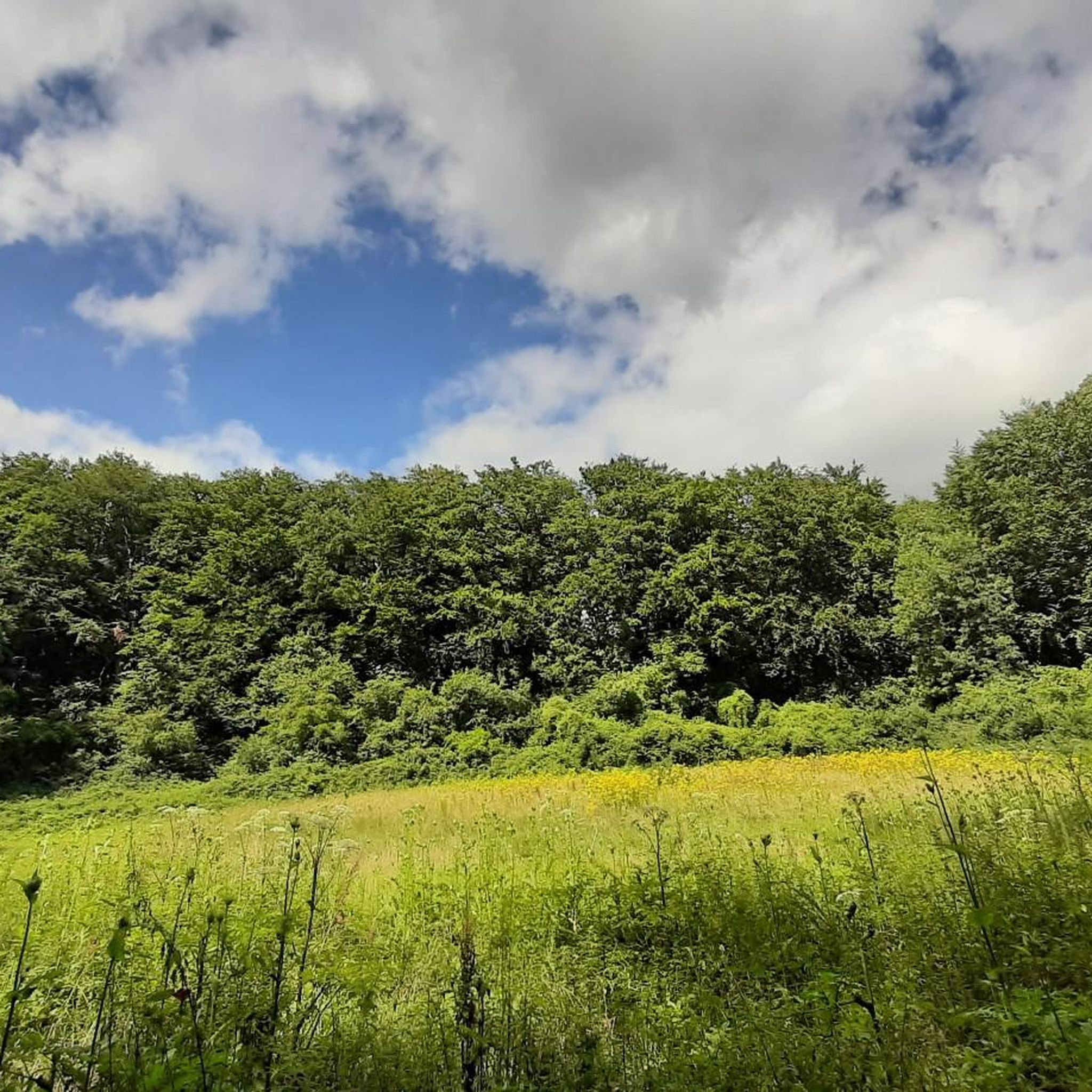
The highest point of Ninove is located in this Neigembos at 89 meters above sea level. This playful marking is a wooden pole in the shape of a burning match that protrudes 1.5 meters above the ground next to the walking path. The word 'krasjel' is engraved in the trunk of the pole, which is Ninovan dialect for matchstick. This symbol refers to the match factories that have long been a major part of the Ninovan industry. On the flame itself, you will find a reference to the highest point.
11
0
Frequently Asked Questions
What are the most distinctive natural monuments to explore in Neigembos?
Neigembos is renowned for its unique natural monuments. You can explore the ancient Hollow Ways in Neigembos, which are deeply eroded paths creating a special microclimate and serving as important habitats. Another highlight is the Highest point of Neigembos, offering panoramic views. Don't miss the majestic Veteran Beech Trees, which are over a hundred years old and survived the First World War.
Are there specific viewpoints or scenic spots in Neigembos?
Yes, the Highest point of Neigembos, also known as Nellekensberg, provides excellent panoramic views of the surrounding landscape. A 'krasjelpaal' was installed here in March 2022 to enhance the visitor experience.
What kind of biodiversity can I expect to see in Neigembos?
Neigembos is a protected Natura 2000 area with rich biodiversity. The forest features beech, oak, and ash trees, and its varied plant life includes wild hyacinths, bellflowers, wild garlic, wood anemones, and yellow archangel, especially vibrant in spring. The area supports diverse fauna such as buzzards, kingfishers, woodpeckers, bats, roe deer, frogs, common toads, and numerous butterflies like orange tips and speckled woods. Look out for areas of Dead wood is alive, which are crucial for the forest ecosystem.
Are there family-friendly activities or natural monuments suitable for children in Neigembos?
Neigembos offers a great natural environment for families. Children can enjoy exploring the unique Hollow Ways and discovering the diverse plant and animal life. The highlight Dead wood is alive encourages a 'detective nose' approach to finding life in decaying wood, which can be an engaging activity for kids.
What is the best time of year to visit Neigembos to see its natural beauty?
Spring is an exceptionally beautiful time to visit Neigembos. The Sunken Lanes and forest floor are adorned with colorful carpets of wild hyacinths, bellflowers, and wild garlic. The mild weather also makes it ideal for hiking and enjoying the vibrant flora.
What are the historical aspects of the natural monuments in Neigembos?
The Hollow Ways are significant historical features, formed over centuries by erosion and continuous use, making them part of the region's cultural heritage. Additionally, the Veteran Beech Trees are over a hundred years old, having survived the extensive clear-cutting during the First World War, standing as living testaments to the forest's past.
Are there marked hiking trails to explore the natural monuments in Neigembos?
Yes, Neigembos offers several marked trails that allow visitors to immerse themselves in its natural beauty and explore its notable features. Popular options include the Dikke Beukenwandeling, Bevingenwandeling, and Groebenwandeling. You can find various hiking routes around the area, including those that pass through the Hollow Way in Neigembos and the Highest point of Neigembos. For more options, check out the Hiking around Neigembos guide.
What other outdoor activities can I do near the natural monuments in Neigembos?
Beyond hiking, the varied terrain around Neigembos is suitable for other outdoor activities. You can find routes for mountain biking and gravel biking. For detailed routes and guides, explore the MTB Trails around Neigembos and Gravel biking around Neigembos guides.
What are the elevation changes like in Neigembos, and how does this affect hiking?
Neigembos features significant elevation differences, ranging from 20 to 90 meters above sea level. This varied topography creates a dynamic and engaging environment for hiking, with some tough slopes. The deep Sunken Lanes also contribute to the unique terrain.
Are dogs allowed on the trails and near the natural monuments in Neigembos?
While specific rules for dogs are not detailed, Neigembos is a popular natural area for walks. It's generally advisable to keep dogs on a leash to protect the sensitive ecosystem and wildlife, especially in a protected Natura 2000 area. Always check local signage for any specific restrictions.
What are 'erosion channels' or 'Groebe' in Neigembos?
Beyond the well-known Sunken Lanes, Neigembos also contains four distinct erosion channels, locally known as 'Groebe'. These were formed approximately 12,000 years ago by meltwater scouring the steep slopes as the climate warmed, creating unique biotopes where rare plants thrive.
Where can I park when visiting the natural monuments in Neigembos?
Visitors often park at the chapel located on the edge of the forest. This is a common starting point for exploring the various trails and natural monuments within Neigembos.
Most popular routes around Neigembos
Most popular attractions around Neigembos

Get inspired with the komoot mobile app


Explore more
Extend your search for the best caves by checking out these guides of the top ones around Neigembos:
