Top 20 Natural Monuments around Burgholz
Natural monuments around Burgholz offer a diverse landscape in Wuppertal, North Rhine-Westphalia, characterized by extensive forest areas. The region's most notable feature is the Arboretum Burgholz, spanning approximately 250 hectares, which hosts over 130 tree species from three continents. This arboretum serves as both a recreational space and a significant site for climate change research, testing the suitability of exotic tree species for forestry. Visitors can explore a variety of natural features, from ancient trees to experimental forest cells, within…
Last updated: September 30, 2026
Giant Sequoias in Burgholz State Forest
Highlight • Forest
Translated by Google •
Tip by

Meersiepenkopf Natural Forest Cell
Highlight • Forest
Translated by Google •
Tip by

Sign up now to discover places like this
Get recommendations on the best single tracks, peaks, & plenty of other exciting outdoor places.
Kaisereiche (1871) in Burgholz
Highlight • Monument
Translated by Google •
Tip by

Wolfgang Kolbe Trail Memorial
Highlight • Monument
Showing Translation
Tip by

Research on deadwood in Burgholz
Highlight • Forest
Translated by Google •
Tip by

Sign up for free to discover even more natural monuments around Burgholz.
Already have an account?
Start today with a free account
Your next adventure awaits.
Popular around Burgholz
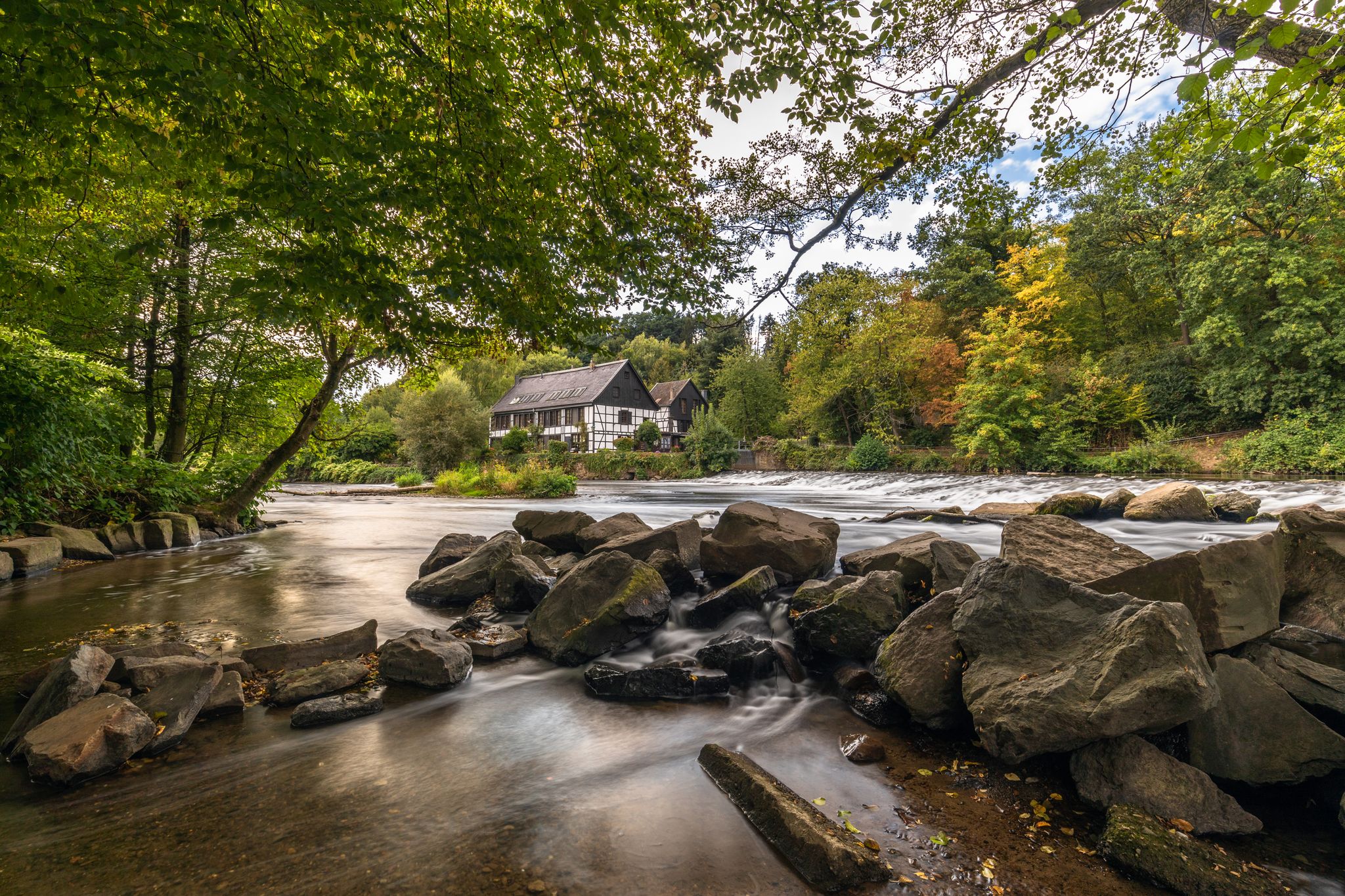
Wupper Trail – On the gentle part through Germany's Bergisches Land
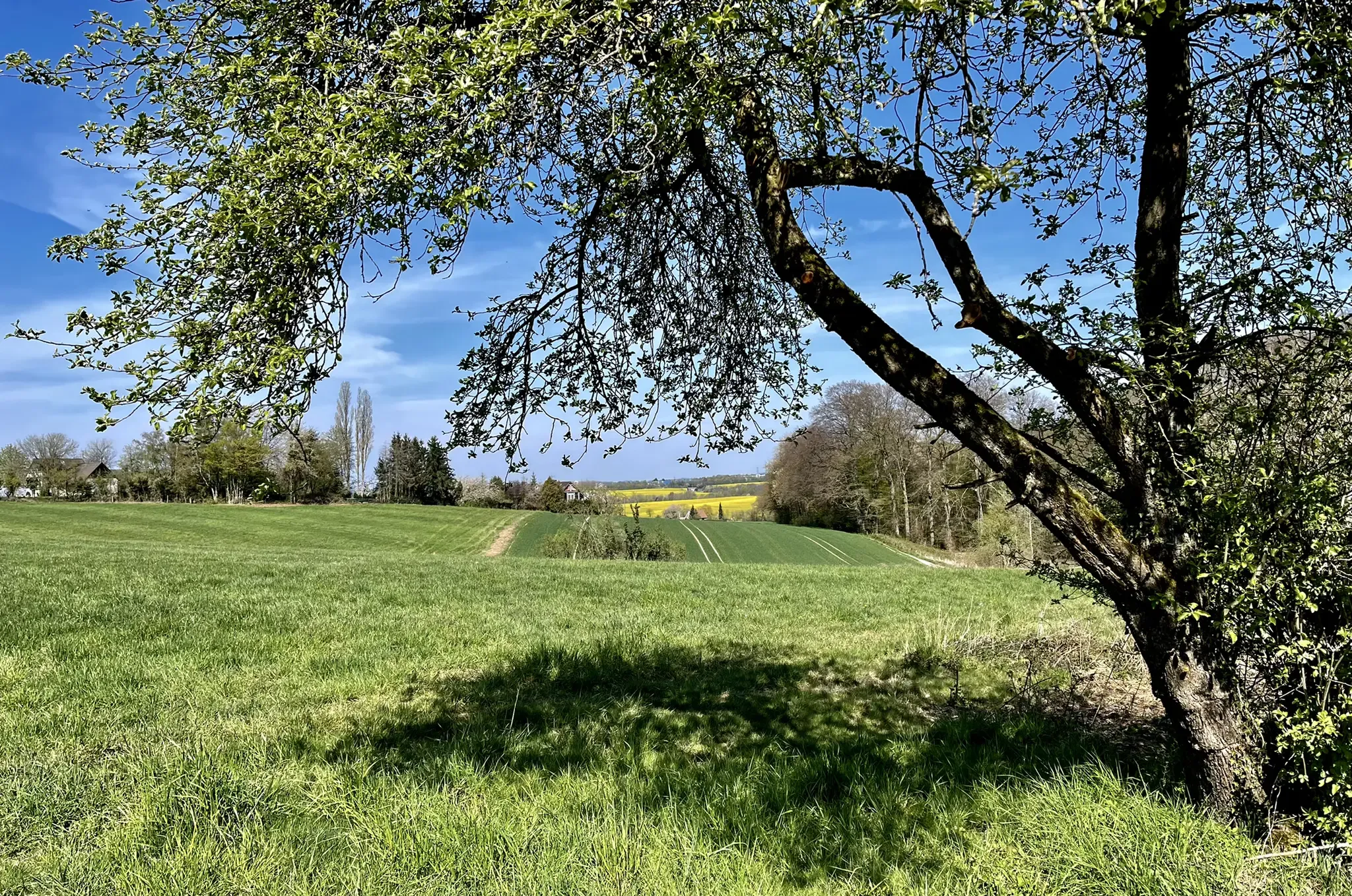
Off into the countryside – discover Wuppertal's forests on foot
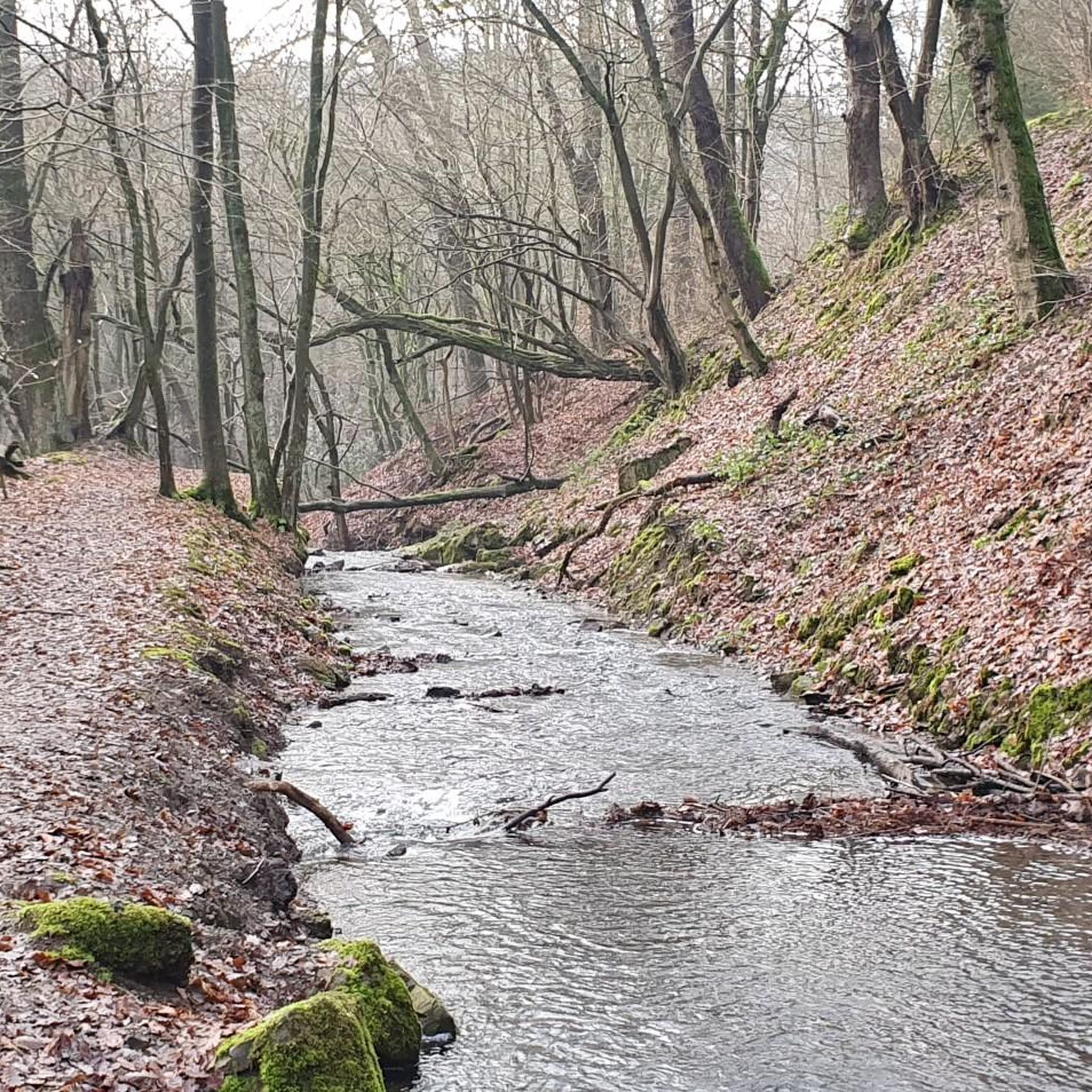
Cycling around Burgholz
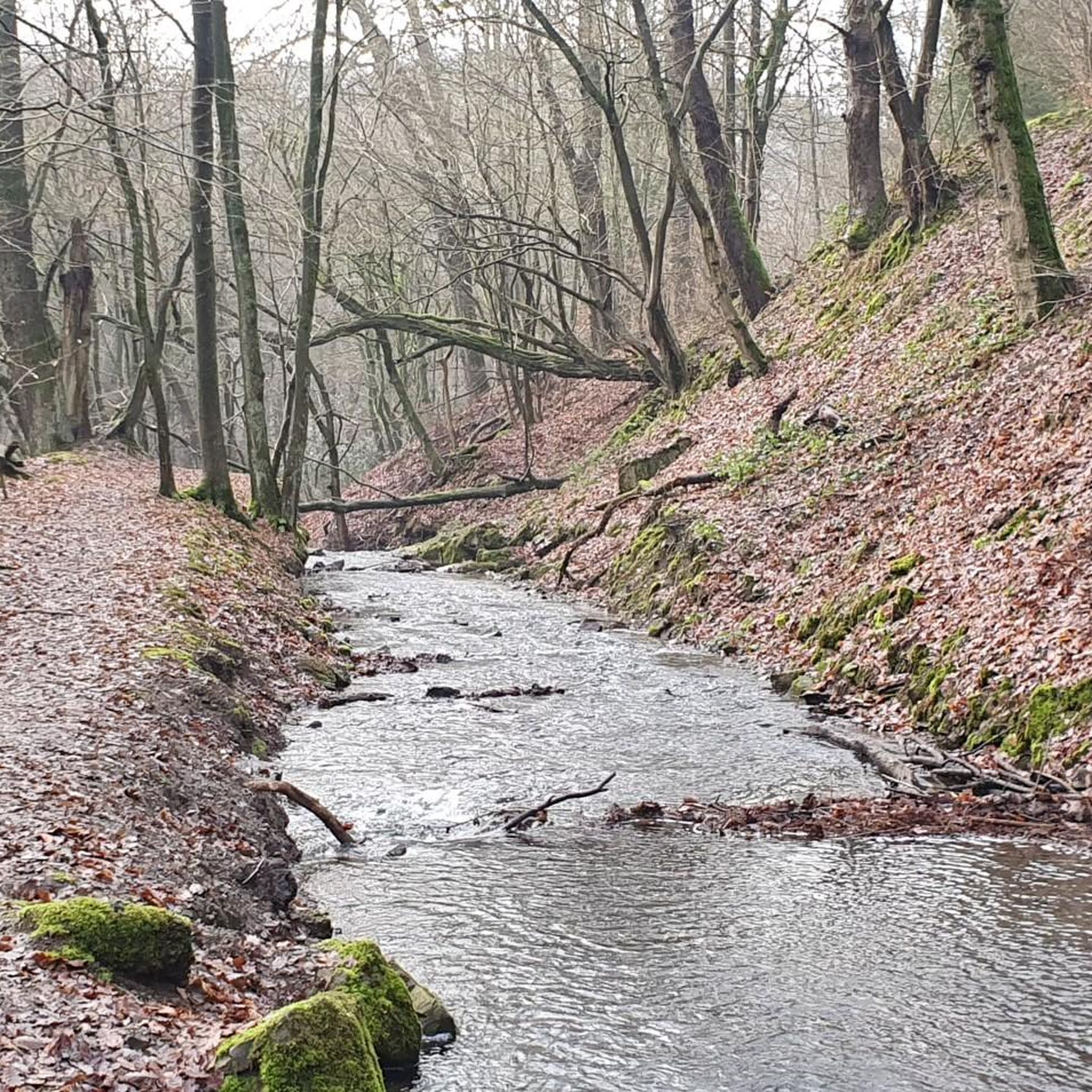
Hiking around Burgholz
Road Cycling Routes around Burgholz
MTB Trails around Burgholz
Running Trails around Burgholz
Gravel biking around Burgholz

Mountain Hikes around Burgholz


Tips from the Community

@ Irma: the diversity of trees did not arise in the natural forest cells, but through the plantings of the chief forester Hogrebe.
0
0
Kolbe founded an ecological collection of the beetles of North Rhine-Westphalia. But in 2008, "his" museum in Wuppertal was dissolved. Now the beetle collection is in Bonn at the Museum König: https://t1p.de/hxjek
3
0

The marking of the Kolbeweg looks like a tick. It was only when I saw the memorial stone with the stag beetle that it gradually dawned on me that it was supposed to represent a beetle. If only they had at least used a stencil with a recognizable beetle! Honoring the researcher might be worth all that effort.
2
0

There is no human intervention whatsoever in the Meersiepenkopf and Steinsieperhöh natural forest cells. The result: In the long run, beeches will displace oaks. The unfortunate thing is that beeches die faster in dry years. Nature cannot predict the climate change that will occur over the next 50 years. But humans can anticipate and establish resilient trees now. Just as they did with the 100 non-native tree species around them.
2
0
The NZW 16 "Meersiepenkopf" is located here. 2 km to the south is the NWZ 15 "Steinsieperhöh". The result of the experiment: without intervention, beeches prevail over oaks. The stupid thing about this is that in years of drought, beeches die more quickly.
2
0

You don't expect these trees and then they stand there and are very impressive.
4
1

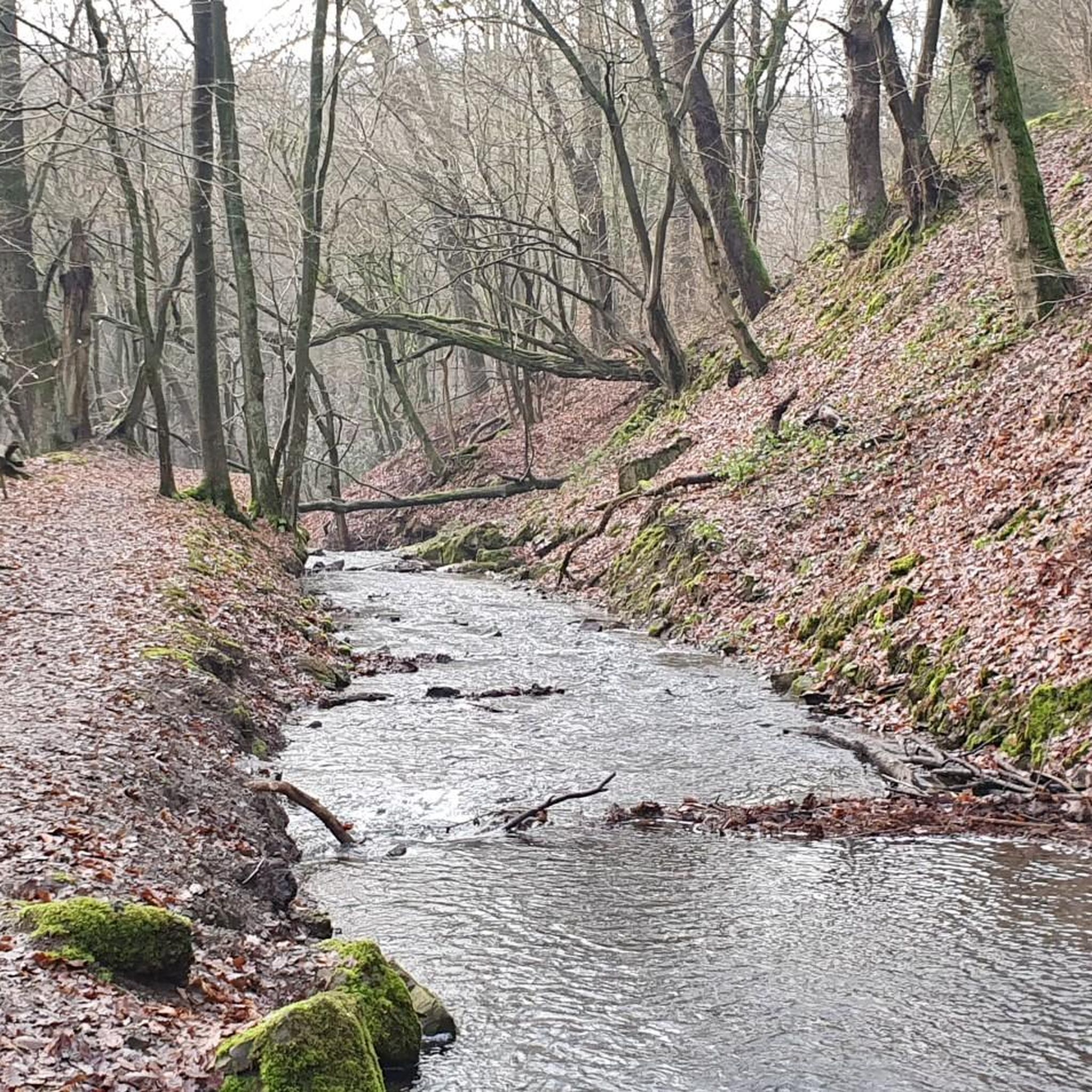
Some people may find such deadwood stocks “untidy”. However, it should be taken into account that the so-called “deadwood” in turn offers a special habitat for insects and other things – and is therefore a valuable part of the ecosystem for the future development of flora and fauna.
2
0
Frequently Asked Questions
What are the main natural attractions to explore in Burgholz?
The primary natural attraction is the extensive Arboretum Burgholz, covering approximately 250 hectares. It features over 130 species of deciduous and coniferous trees from various continents. Within the arboretum, you can also find unique sections like the Giant Sequoias in Burgholz State Forest, where foreign tree species are studied alongside native ones.
Are there family-friendly natural monuments or activities in Burgholz?
Yes, the Arboretum Burgholz is considered family-friendly, offering a great space for exploration. The Zimmerplatz at the Burgholz Arboretum provides a comfortable resting place and viewpoint, suitable for families to relax during their visit.
What kind of hiking trails can I find around the natural monuments in Burgholz?
Burgholz offers a variety of hiking trails, including four marked routes within the Arboretum that guide you through diverse tree plantings. Some trails, particularly those around the Arboretum Burgholz, can involve demanding vertical meters. For more options, you can explore various running trails and general cycling routes in the wider Burgholz area.
Can I learn about climate change research at the Burgholz natural monuments?
Absolutely. The Arboretum Burgholz serves as an important experimental site for studying the impacts of climate change. You can observe how different tree species adapt to changing conditions, including skeletal remains of spruces that succumbed to climate change near thriving exotic trees. The Meersiepenkopf Natural Forest Cell also demonstrates the effects of non-intervention on forest development in changing climates.
Are there any historical natural monuments in the Burgholz area?
Yes, the Kaisereiche (1871) in Burgholz is a significant historical natural monument. This oak was planted in 1871 to commemorate the founding of the German Empire and has served as a popular meeting point and starting point for hikes through Burgholz for generations.
What is the best time of year to visit the natural monuments in Burgholz?
The Arboretum Burgholz is open daily and can be enjoyed year-round. Spring and autumn offer particularly vibrant colors with the diverse tree species. However, the experimental nature of the arboretum, showcasing trees adapting to climate change, makes it an interesting visit in any season.
Are there viewpoints or resting places within the natural monuments?
Yes, the Zimmerplatz at the Burgholz Arboretum is a dedicated viewpoint and hut, offering a pleasant resting place to relax and enjoy the surroundings of the arboretum.
What kind of biodiversity can I expect to see in Burgholz?
The region boasts rich biodiversity, primarily due to the Arboretum Burgholz. It features over 130 species of trees from North America, Asia, and the Mediterranean, alongside native species. This mix creates a unique environment for observing various flora.
Are there opportunities for mountain biking near the natural monuments?
Yes, the Burgholz area is popular for mountain biking. You can find numerous MTB trails around Burgholz, with some routes offering a demanding character through the forest and arboretum. Always ride cautiously and show mutual consideration for other trail users.
How accessible are the natural monuments in Burgholz, and is there parking?
The Arboretum Burgholz is generally accessible free of charge through several hiking car parks. This makes it a convenient destination for individuals, families, and groups. Specific details on public transport access would depend on your starting location within Wuppertal.
What makes the Giant Sequoias in Burgholz State Forest unique?
The Giant Sequoias in Burgholz State Forest are part of a unique arboretum where forest science studies are conducted. Foreign tree species, including sequoia trees, were planted within local woody plants in the early 1970s to study their ecological interlocking and adaptation. Walking among these trees, some planted in the early 1900s, offers a distinct experience.
What do visitors appreciate most about the natural monuments in Burgholz?
Visitors frequently highlight the unique diversity of tree species, the serene escape offered by the natural setting, and the educational value of the arboretum, particularly its role in climate change research. The opportunity for hiking and cycling through varied landscapes is also highly valued by the community.
Most popular routes around Burgholz
Most popular attractions around Burgholz

Get inspired with the komoot mobile app


Explore more
Extend your search for the best caves by checking out these guides of the top ones around Burgholz:
