Top 20 Natural Monuments around Gangolfsberg-Heppberg
Natural monuments around Gangolfsberg-Heppberg are concentrated within the Rhön Biosphere Reserve and Nature Reserve. This region offers insights into the volcanic past of the Rhön mountains, featuring distinct geological formations. The landscape is characterized by mixed deciduous forests, including block-field forests, and rolling hills. The area provides a unique environment for exploring natural features.
Best natural monuments around Gangolfsberg-Heppberg
- The most popular natural monuments is Basalt Prism Wall at Gangolfsberg, a natural monument that features basalt columns formed during…
Last updated: November 25, 2026
Basalt Prism Wall at Gangolfsberg
Highlight • Natural Monument
Translated by Google •
Tip by

Teufelskeller (Devil’s Cellar)
Highlight • Cave
Translated by Google •
Tip by
Sign up now to discover places like this
Get recommendations on the best single tracks, peaks, & plenty of other exciting outdoor places.
Basalt Stone Path to Prismenwand
Highlight • Trail
Translated by Google •
Tip by

Gangolfsberg Nature Trail
Highlight • Trail
Translated by Google •
Tip by

Nature trail and rest area at Gangolfsberg
Highlight • Trail
Translated by Google •
Tip by
Sign up for free to discover even more natural monuments around Gangolfsberg-Heppberg.
Already have an account?
Start today with a free account
Your next adventure awaits.
Popular around Gangolfsberg-Heppberg
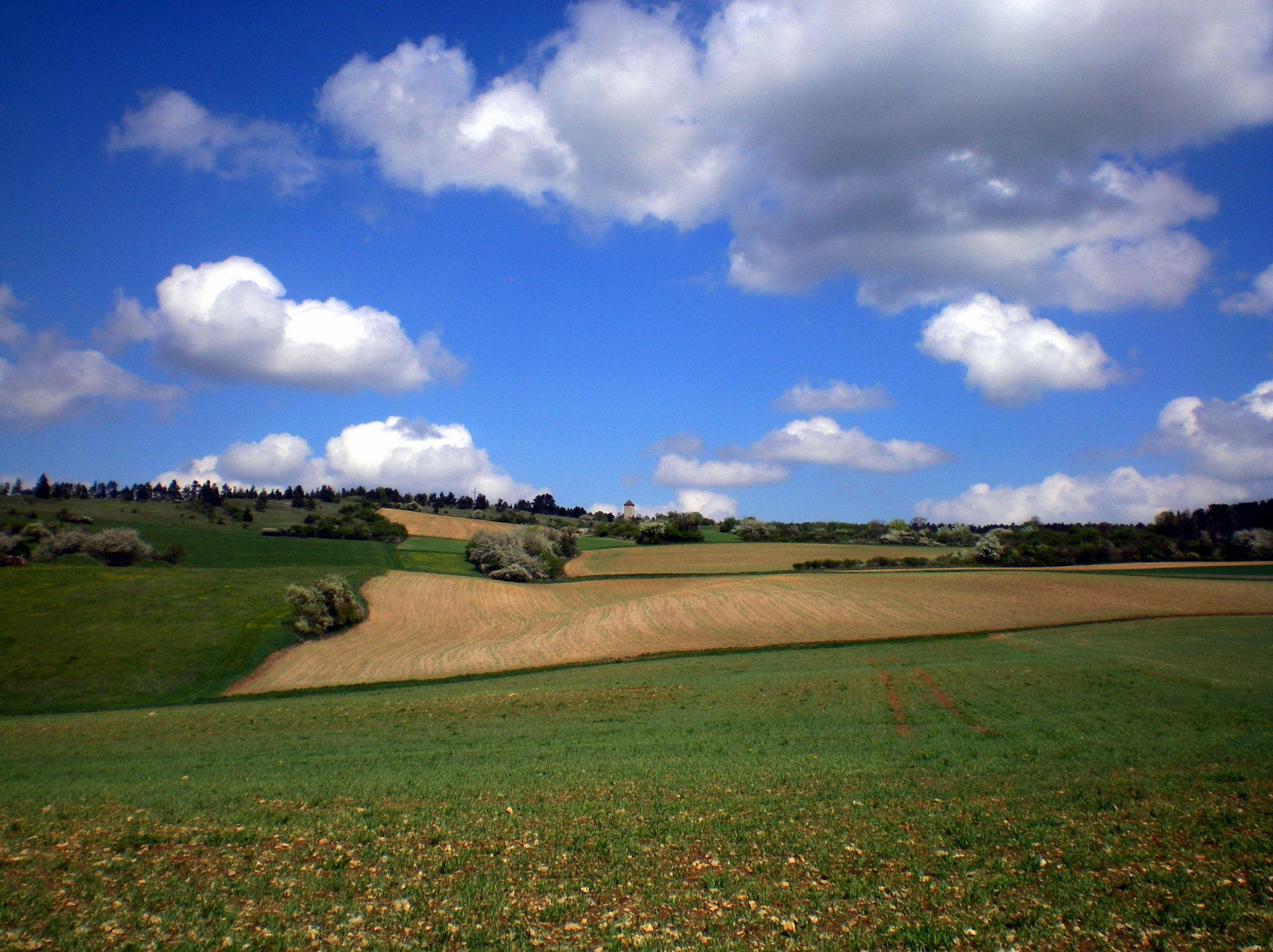
Naturlehrpfade – Natur und Wissen
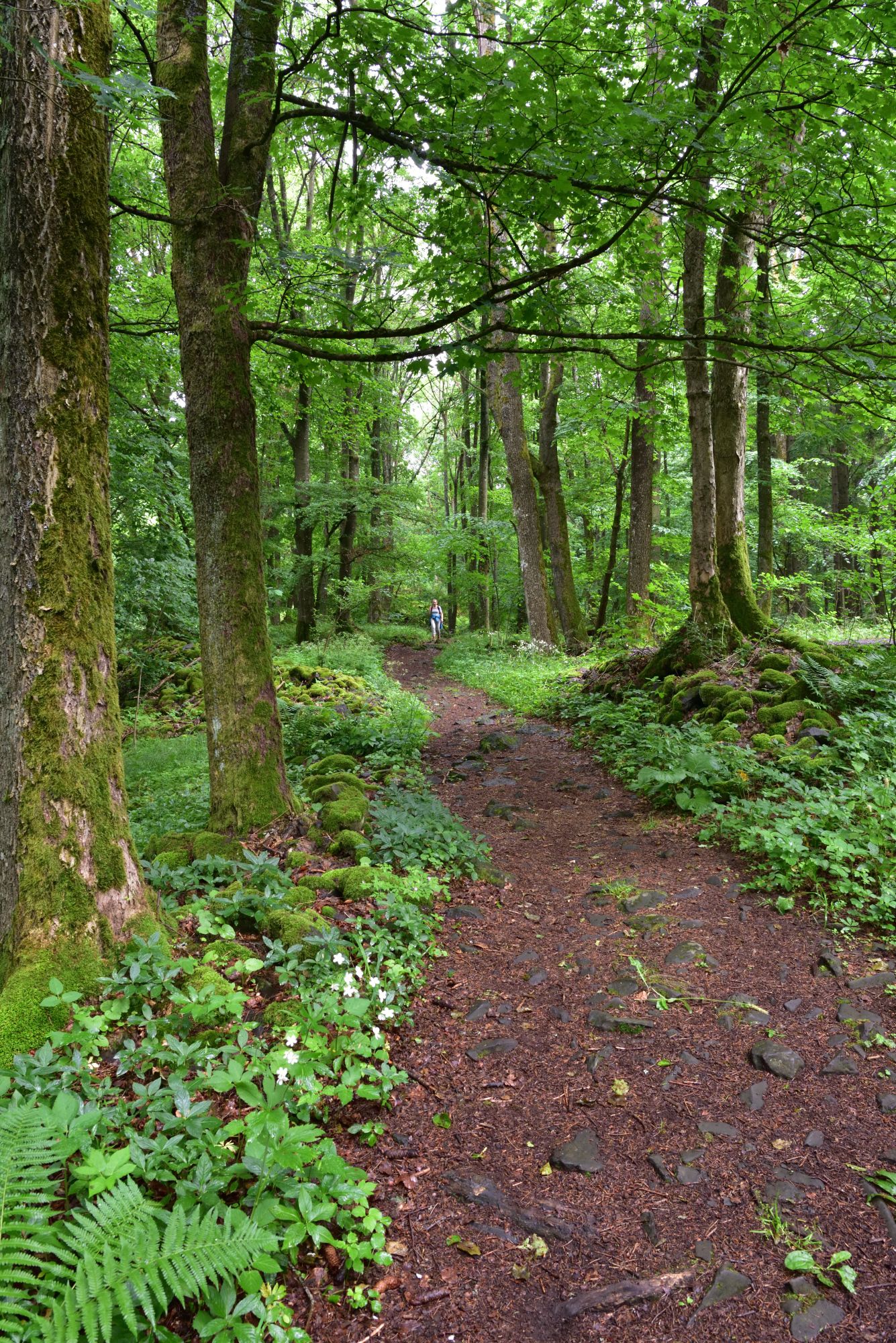
Rundwanderwege um Oberelsbach
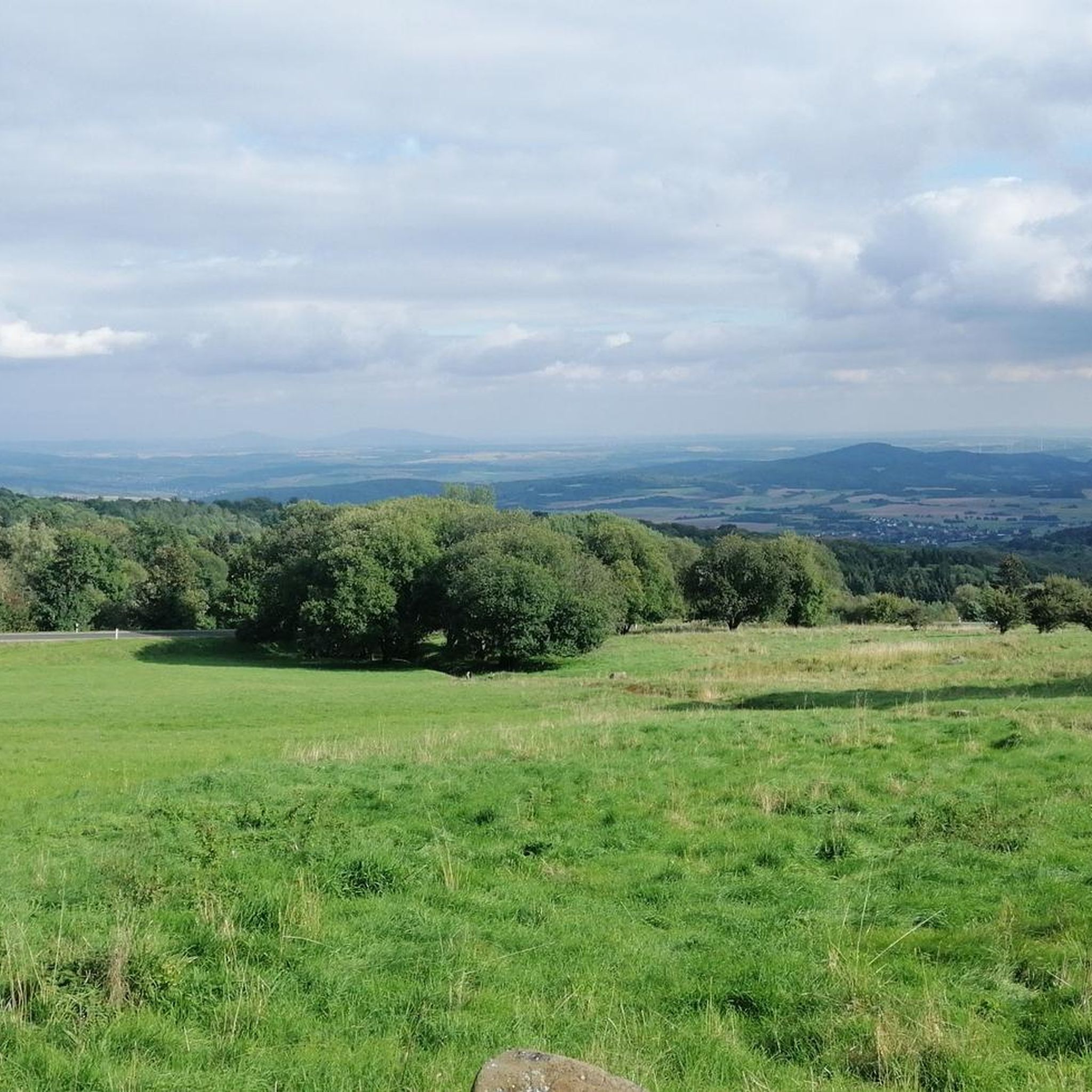
Hiking around Gangolfsberg-Heppberg
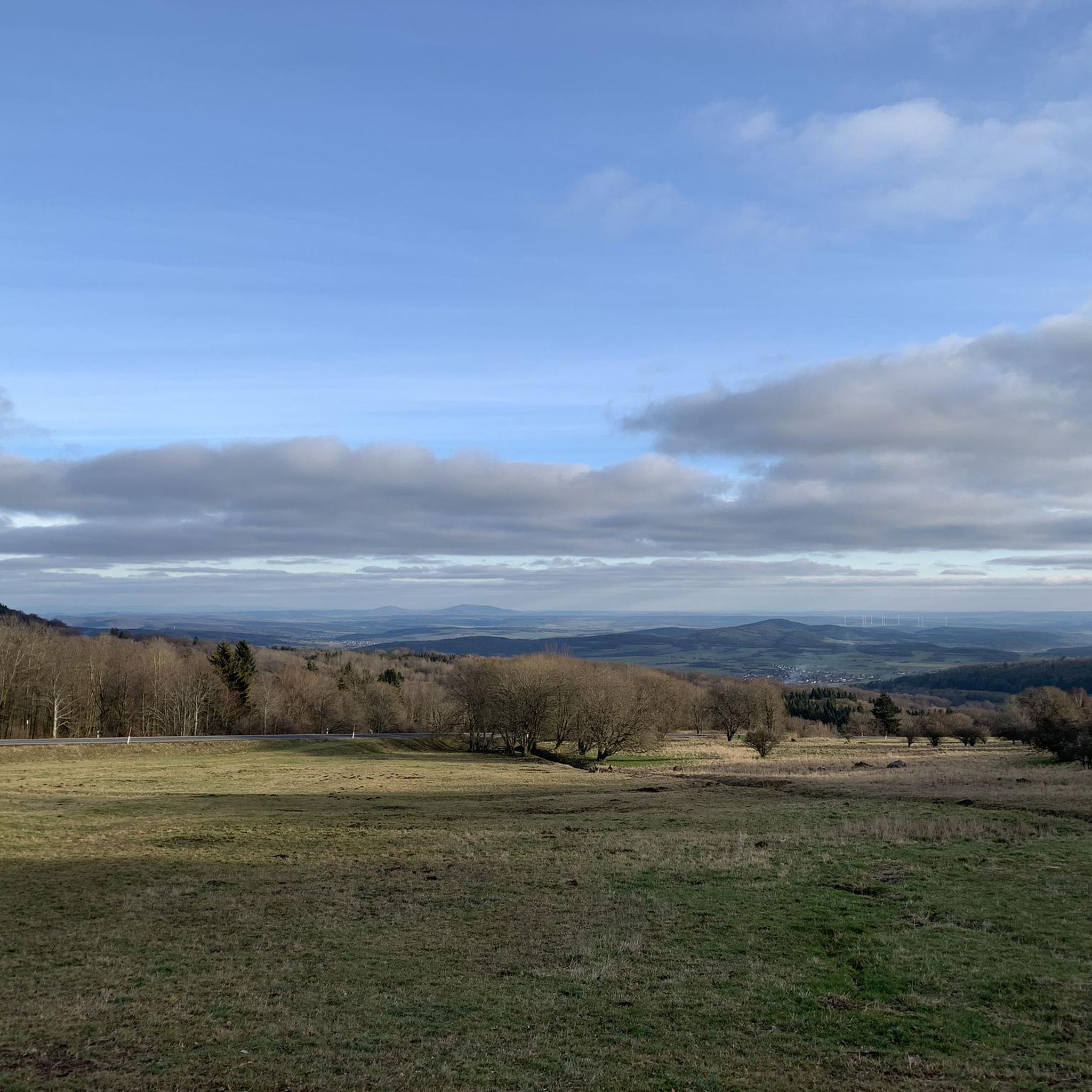
Cycling around Gangolfsberg-Heppberg
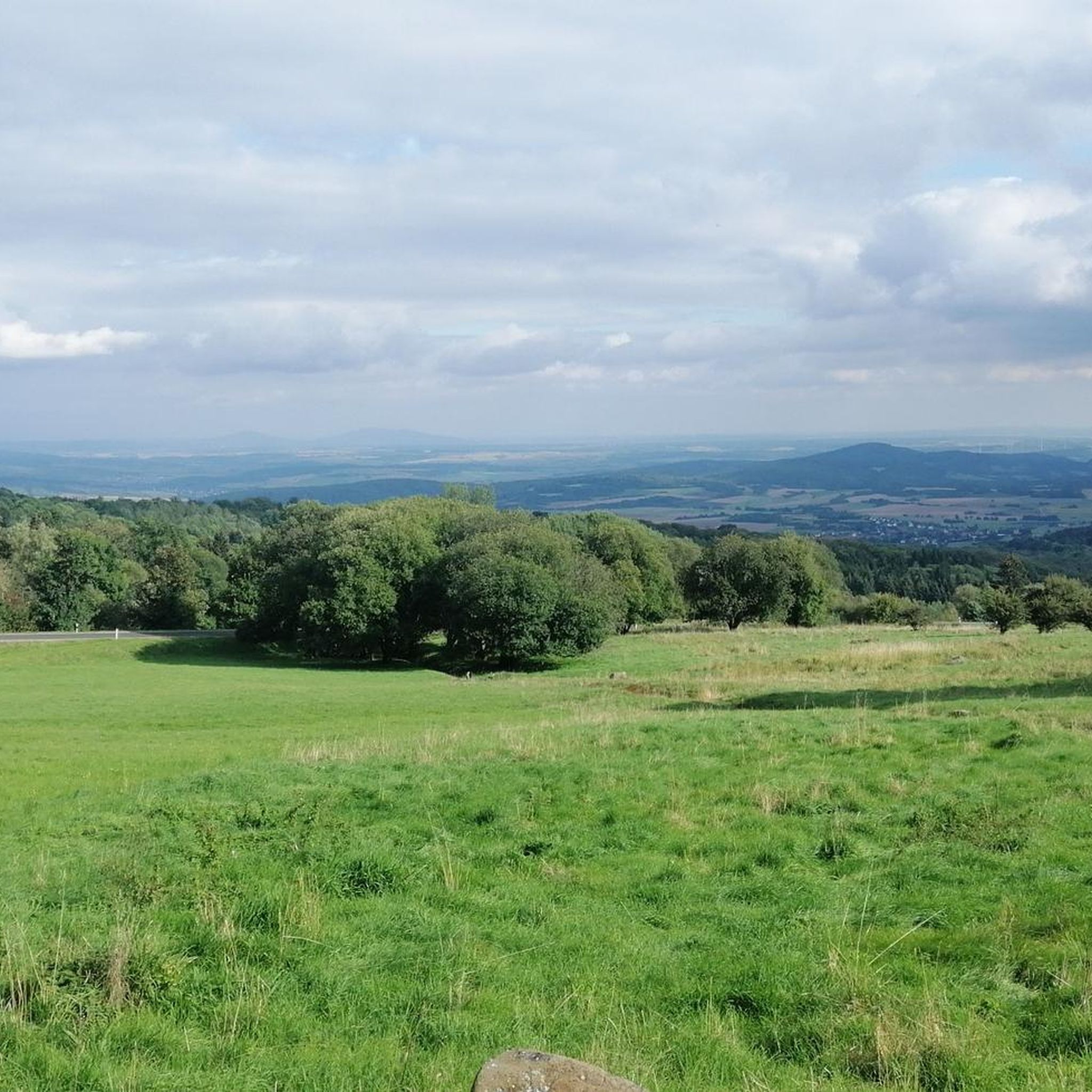
Running Trails around Gangolfsberg-Heppberg
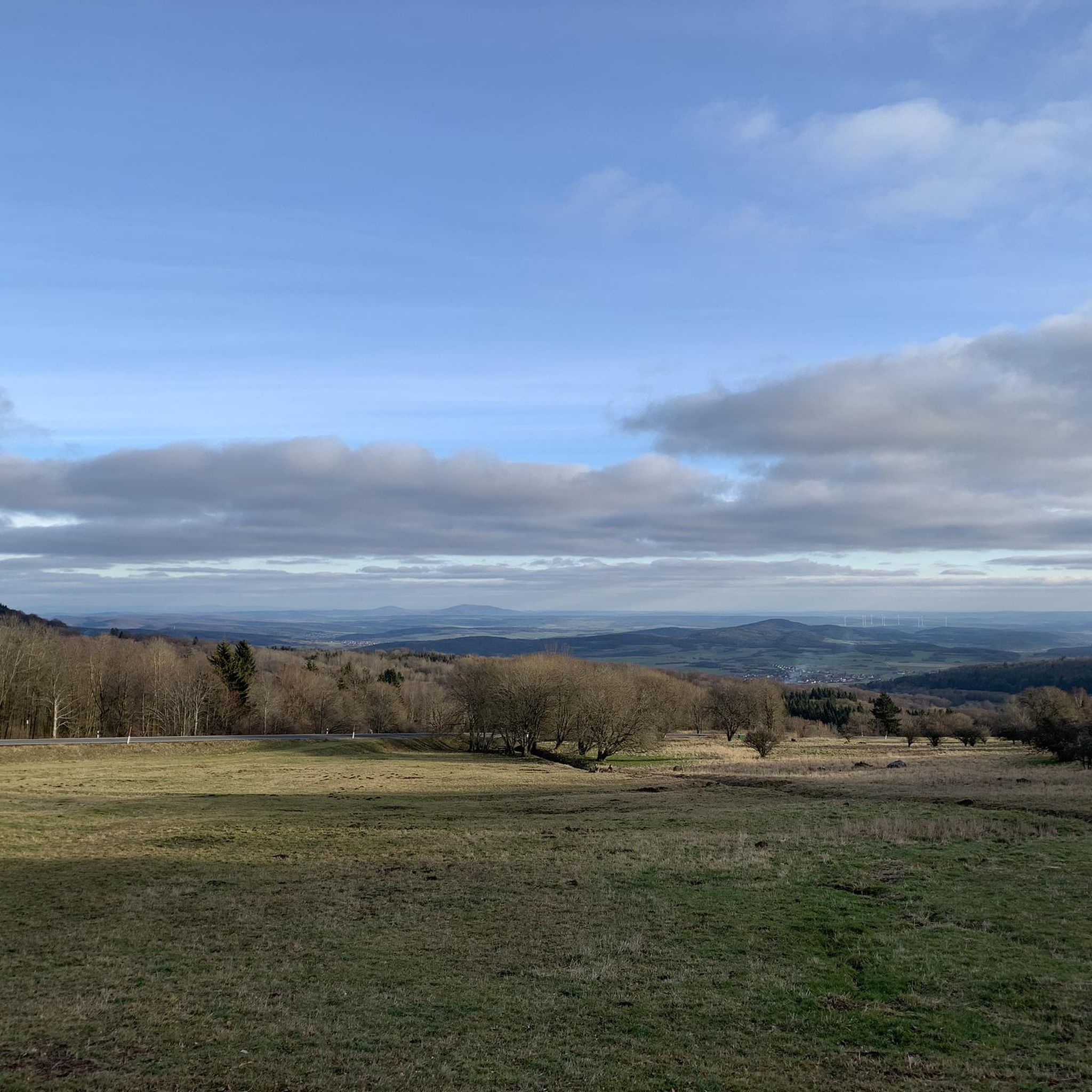
Road Cycling Routes around Gangolfsberg-Heppberg
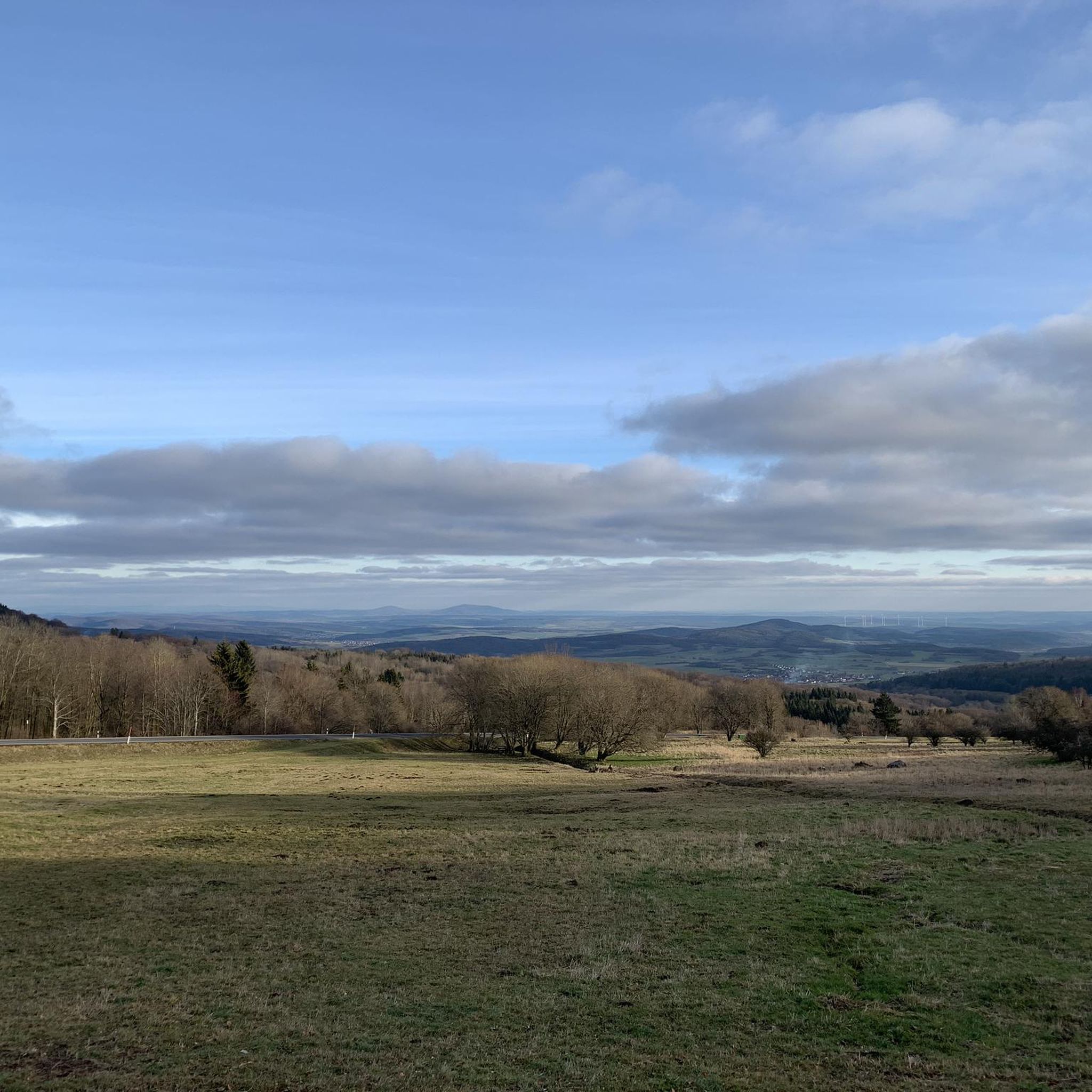
MTB Trails around Gangolfsberg-Heppberg
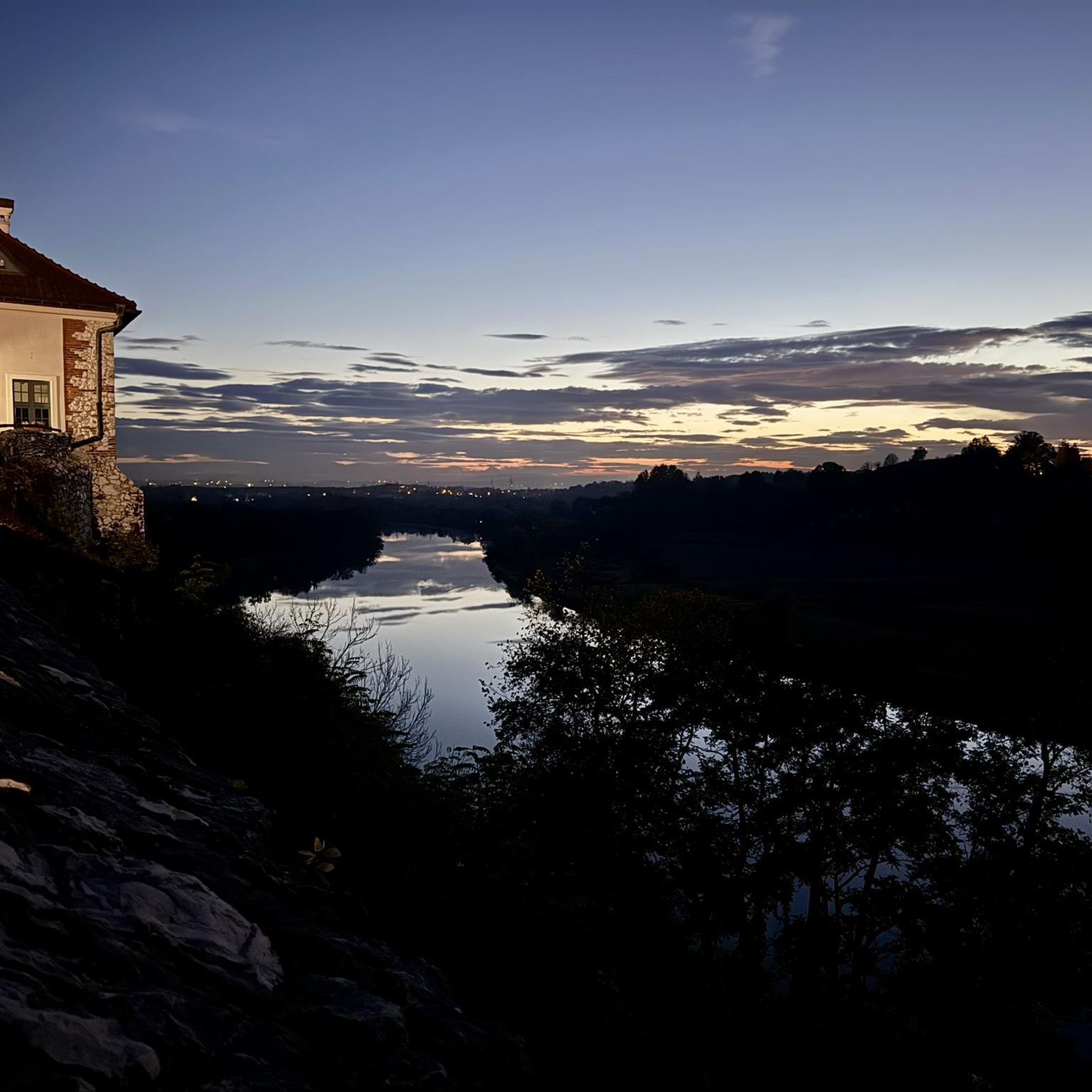
Gravel biking around Gangolfsberg-Heppberg

Mountain Hikes around Gangolfsberg-Heppberg
Other adventures around Gangolfsberg-Heppberg

Tips from the Community

The trail offers an excellent opportunity to discover and understand the diverse nature of the Rhön. The trail leads through dense forests and past fascinating geological formations. Particularly noteworthy is the section from the basalt prism wall, which leads over hill and dale and offers a real adventure for hikers of all ages. There are numerous informative boards along the trail that provide insights into the different types of nature and the unique landscapes of the Rhön, such as raised bogs, mountain meadows and semi-natural forests. These educational boards make the nature trail a valuable educational resource that is both entertaining and educational. The trail is particularly attractive for families with children as it is easy to walk and offers plenty of opportunities to explore and enjoy nature. Local rangers can also be booked for guided tours to gain an even deeper understanding of the flora, fauna and geology of the region. At the top of the Gangolfsberg are the remains of an old rampart, which adds an additional historical context to the natural experience. The view from the summit offers a breathtaking view of the Rhön, which unfolds its own beauty in every season.
4
0

A mighty rock. Legend of the Devil's Cellar: When the Rhön was still pagan, the devil still felt like the master of the area. But then Saint Kilian came to the country, preached Christianity, and many were baptized. This made the devil terribly angry. When work began on building a church in the valley, the devil became so angry that he dragged all the stones that had been brought to build the church up to the Gangolfsberg and joined them together to form a grotto so tightly that no one could separate them. When people noticed this, they drew a cross on every building stone. The devil had to leave it alone. But the stones that he had brought up previously formed the Devil's Church. The devil lived hidden in this Devil's Church, which was actually just a dark cave, and continued to cause mischief on earth. Unsuspecting farmers, berry pickers, and hard-working forest workers had to make his acquaintance. He offered the good people money to win them over to his schemes and to lead them astray. One day, however, someone confided in a priest because he had a bad conscience. That same day, some brave men set out with the priest to drive the devil out of his hiding place with prayers and holy water. And so it happened. The cave smelled of sulphur and when the priest sprayed the holy water, the devil came out of the cave cursing loudly and has not been seen since. That is why the place is still called the Devil's Cellar today and sometimes it is said that it still smells of sulphur today.
2
0

The place is behind the Schweinfurter Haus. However, the path there is no longer the best and has some big holes.
3
0

A slightly different staircase... definitely a challenge when it's wet
9
0

Concentration, good shoes and sure-footedness are required here. Open your eyes and slow down.
4
0

The path lives up to its name, you have to be really careful. Especially when the stones are wet.
5
0

Non-slip shoes with good traction are helpful here.
5
0

This impressive path leads to or from the basalt prism wall - made of basalt prisms 🙃
5
0
Frequently Asked Questions
What unique geological features can I expect to see around Gangolfsberg-Heppberg?
The region is renowned for its volcanic past, showcasing impressive basalt formations. You can witness the Basalt Prism Wall at Gangolfsberg, where basalt columns are uniquely angled, and the Teufelskeller (Devil’s Cellar), a natural cave formed by massive fallen basalt blocks.
Are there any historical or legendary sites among the natural monuments?
Yes, the Teufelskeller (Devil’s Cellar) at Gangolfsberg is steeped in local legend. It's said that the devil himself piled up stones here, creating the grotto after being angered by the spread of Christianity. Visitors can explore this unique cave and its dramatic rock formations.
What kind of hiking trails are available around the natural monuments?
The area offers various trails, including the Gangolfsberg Nature Trail, which provides information on tree species and geological peculiarities. There's also the Basalt Stone Path to Prismenwand, a challenging route leading directly to the basalt columns. The entire Gangolfsberg area is covered with diverse forests, offering a unique hiking experience.
What is the difficulty level of hiking trails in the area?
Trails around the natural monuments range from intermediate to challenging. For instance, the Basalt Stone Path to Prismenwand is considered challenging, especially when wet. The Gangolfsberg Nature Trail is generally intermediate but offers sections that are easy forest paths.
When is the best time of year to visit the natural monuments?
The natural monuments are accessible year-round. However, spring and autumn offer pleasant temperatures for hiking through the mixed deciduous forests, with vibrant foliage in autumn. Summer is also popular, but be prepared for potentially warmer weather. Winter visits can be beautiful, but some paths might be more challenging due to snow or ice.
Are the natural monuments and trails suitable for families with children?
Yes, the Gangolfsberg Nature Trail and the Nature trail and rest area at Gangolfsberg are both considered family-friendly. They offer informative display boards and generally accessible paths, making them suitable for exploring with children.
Can I bring my dog to the natural monuments and on the trails?
Dogs are generally welcome on the trails. However, as the area is part of the Rhön Biosphere Reserve and Nature Reserve, it's important to keep dogs on a leash to protect wildlife and maintain the natural environment. Always follow local signage and regulations.
What outdoor activities can I do near these natural monuments?
Beyond exploring the natural monuments, the wider Gangolfsberg-Heppberg region offers various outdoor activities. You can find numerous mountain hikes, cycling routes, and road cycling routes. Please note that mountain biking is restricted to marked trails within the nature reserve to protect the environment.
How can I get to the natural monuments, and is parking available?
The natural monuments are located within the Rhön Biosphere Reserve. While specific parking details for each monument are not provided, access is generally possible via local roads. Parking facilities are typically available at trailheads or nearby villages. Public transport options might be limited, so checking local bus schedules is advisable.
What do visitors enjoy the most about the natural monuments in this region?
Visitors frequently highlight the impressive geological formations, especially the uniquely angled basalt columns at the Basalt Prism Wall at Gangolfsberg. The informative nature trails, like the Gangolfsberg Nature Trail, are also highly appreciated for providing insights into the area's diverse ecosystem and geological history. The unique atmosphere of the Teufelskeller (Devil’s Cellar) also leaves a lasting impression.
Are there any specific rules or restrictions I should be aware of when visiting?
Yes, as the area is part of the Rhön Biosphere Reserve and Nature Reserve, certain rules apply to protect the environment. Mountain biking is strictly restricted to marked MTB/cycle paths. Visitors are asked to stick to designated trails, avoid disturbing wildlife, and take all litter with them. These measures ensure the preservation of this unique natural habitat.
Most popular routes around Gangolfsberg-Heppberg
Most popular attractions around Gangolfsberg-Heppberg

Get inspired with the komoot mobile app


Explore more
Extend your search for the best caves by checking out these guides of the top ones around Gangolfsberg-Heppberg:
