Easy hikes and walks around Gangolfsberg-Heppberg
4.6
(24484)
89,174
hikers
26
hikes
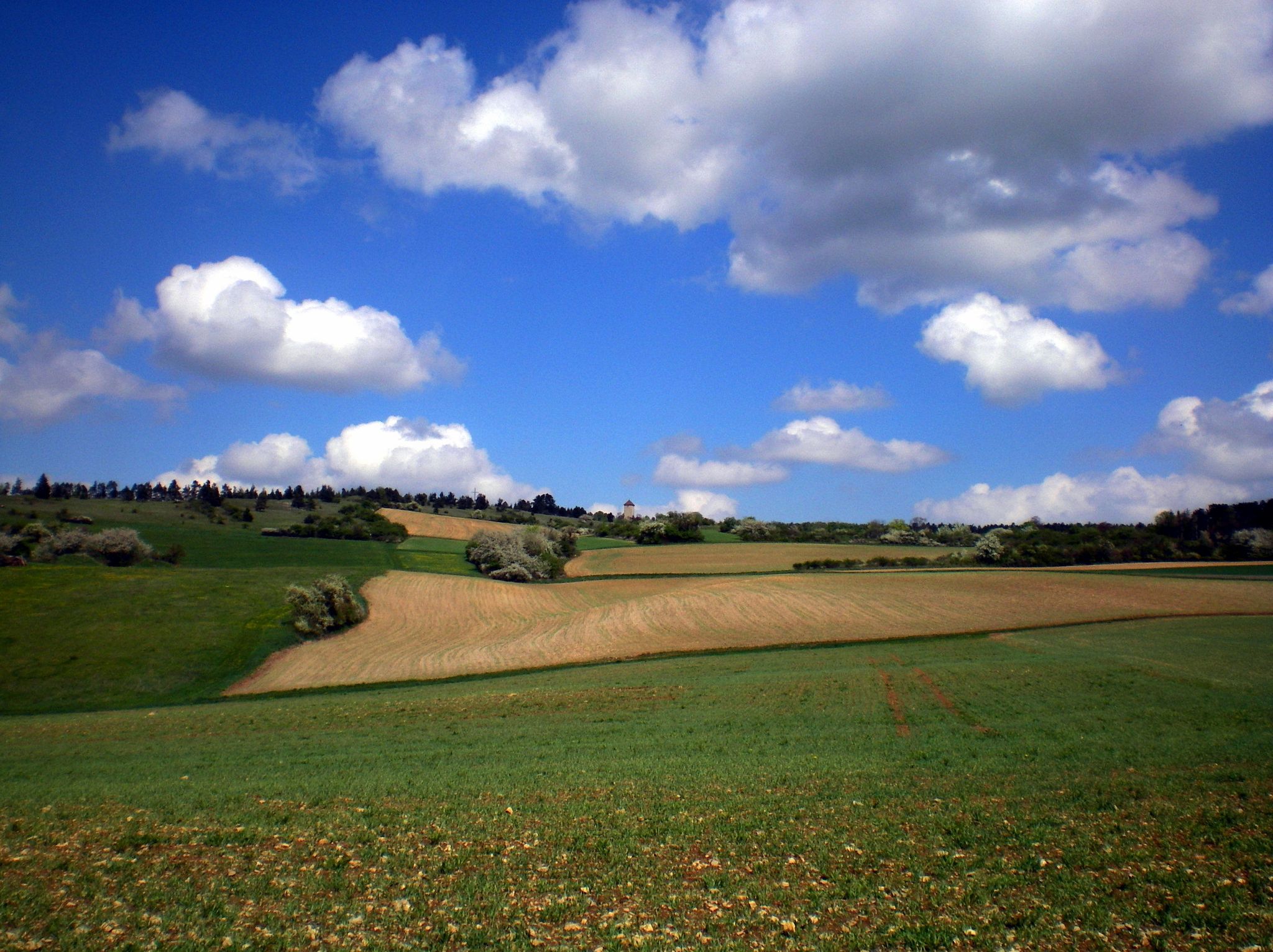
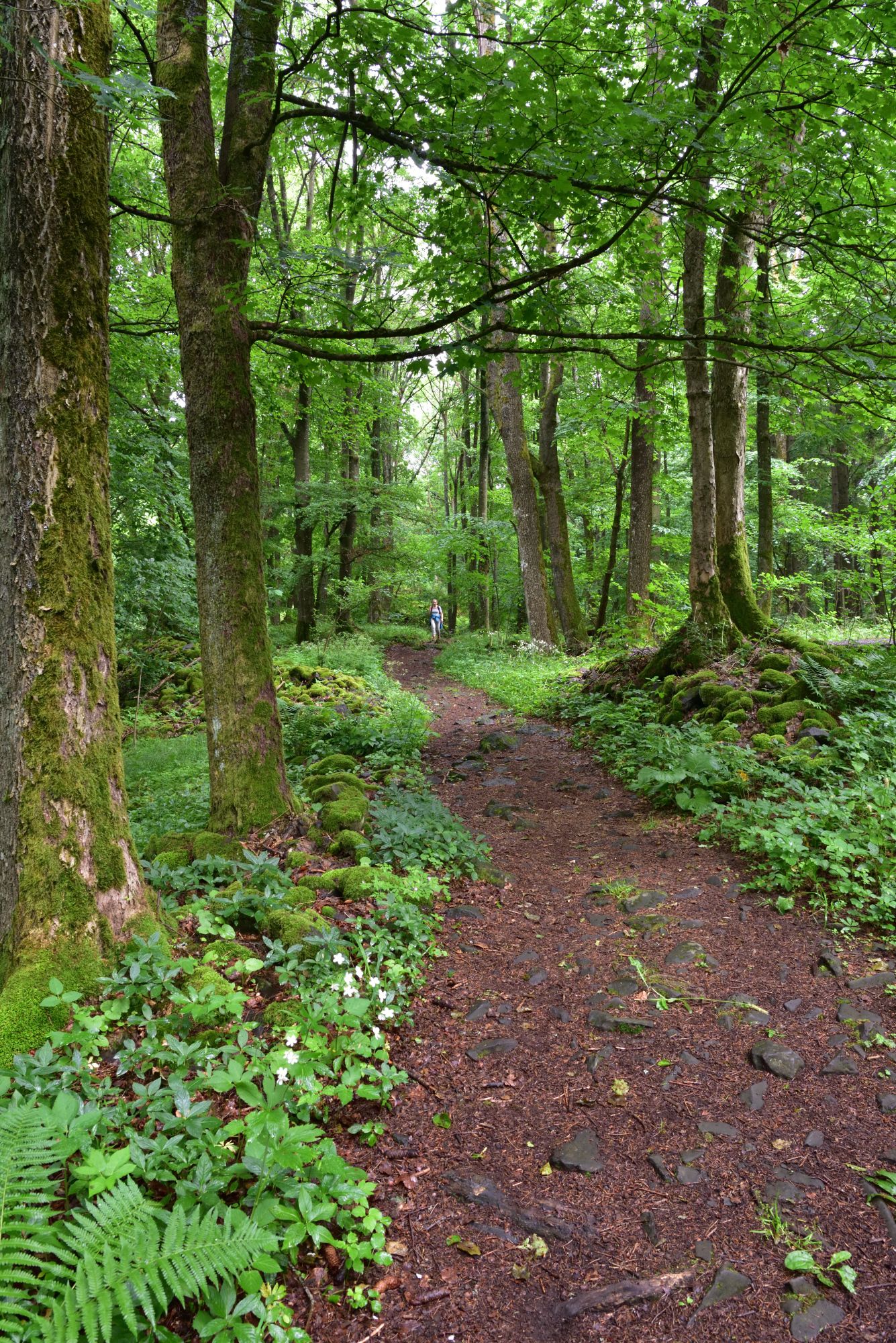
Easy hiking trails around Gangolfsberg-Heppberg traverse a landscape shaped by ancient volcanic activity within the Rhön Biosphere Reserve. The region features unique geological formations, including impressive basalt columns and boulder fields. Hikers will find a mix of gently rolling hills, expansive meadows, and mixed forests, characteristic of the Hochrhön. This diverse terrain provides varied scenery for easy walks.
Best easy hiking trails around Gangolfsberg-Heppberg
- The most popular easy hiking route is Gangolfsberg Nature Trail – nature and knowledge in the…
Last updated: May 8, 2026
4.8
(100)
347
hikers
3.83km
01:11
150m
150m
Easy hike. Great for any fitness level. Easily-accessible paths. Suitable for all skill levels.
4.8
(39)
95
hikers
Easy hike. Great for any fitness level. Easily-accessible paths. Suitable for all skill levels.

Sign up for free
4.7
(21)
64
hikers
Easy hike. Great for any fitness level. Easily-accessible paths. Suitable for all skill levels.
4.8
(10)
42
hikers
4.73km
01:24
150m
150m
Easy hike. Great for any fitness level. Easily-accessible paths. Suitable for all skill levels.
5.0
(6)
29
hikers
Easy hike. Great for any fitness level. Easily-accessible paths. Suitable for all skill levels.
Get access to more routes and recommendations from other explorers.
Sign up for free
Already have an account?
Our route recommendations are based on thousands of hikes, rides, and runs completed by other people on komoot.
Start today with a free account
Your next adventure awaits.
Login or Signup
Popular around Gangolfsberg-Heppberg
Other adventures around Gangolfsberg-Heppberg

Tips from the Community

Already interesting - unfortunately you can't see much of it
0
0
You can see it well...
0
0

...still clearly visible. The basalt block walls have survived the centuries in place
0
0

The mystical origins of the area go back to the 9th century. There is said to have been a Benedictine provost's house there, which was destroyed by angry farmers at Pentecost 1525. It is also said to have been a pilgrimage destination. However, these claims probably referred to the Gangolf Chapel on the summit plateau. The first traces of settlement date back to the 15th century. At that time, a farm is called Wermers. Half of it belonged to the Lords of Bastheim, the other half to the Lords of Heldritt in Helmershausen. From 1671, the University of Würzburg owned the farm. The property included 105 acres of arable land, 78 ½ acres of Rhönfelder, 1 ½ acres of garden and herb land, two houses, stables, barns and outbuildings. In 1821, the building was exchanged for the Bavarian state. In 1900, Baron von Schellerer built a villa next door, which, after changing hands twice, finally became the property of the Schweinfurt branch of the Rhön Club. Originally, a hiking lodge was planned at the Steinernes Haus. The low purchase price changed the plan. The house was inaugurated on July 25, 1922. 1,200 guests from Schweinfurt, a total of 3,000, came to attend. Electric light was installed in 1929. During the Nazi era, the house was used by the Wehrmacht. In 1945, the club took over again. Two years later, the club sold drinks for the first time. Since then, tenants have taken over the catering. From 1965 to 1967, the house was extended and modernized. In 1979, the club bought the Alte Forsthaus, which was also modernized. Various renovations and conversions followed. In 2001, three cisterns with a total capacity of 45,000 liters were built for possible fire fighting. Today, visitors to the Schweinfurter Haus and the Altes Forsthaus can be provided with everything from breakfast to full board by the hosts. (Wikipedia)
0
0

Great geological highlight at Gangolfsberg
0
0
Amazingly well-preserved ramparts from the old days. It's also great that you can see the original route on a map.
0
0

We like to take a break here. A beautiful place in the middle of nature.
0
0
One of the highlights of the Rhön.
0
1
Frequently Asked Questions
How many easy hiking trails are available in Gangolfsberg-Heppberg?
There are 12 easy hiking trails around Gangolfsberg-Heppberg, offering a variety of experiences through the region's unique volcanic landscape.
What kind of natural features can I expect to see on easy hikes in Gangolfsberg-Heppberg?
Easy hikes in Gangolfsberg-Heppberg showcase impressive geological formations. You can see the Basalt Prism Wall at Gangolfsberg, with its striking basalt columns, and explore distinctive basalt boulder fields. The landscape also features gently rolling hills, expansive meadows, and mixed forests, characteristic of the Hochrhön within the Rhön Biosphere Reserve.
Are there any family-friendly easy hikes in Gangolfsberg-Heppberg?
Yes, the region offers several family-friendly options. The Gangolfsberg Nature Trail – nature and knowledge in the Rhön is a great choice, designed to educate visitors about the Rhön's formation history. Another option is the Teufelskeller (Devil’s Cellar) – Gangolfsberg Nature Trail loop from Mühlwiesen im Elsbachtal, which passes by the legendary Teufelskeller stone cave, adding an element of mystery for children.
What are some notable points of interest along the easy hiking trails?
Along the easy trails, you can discover several interesting points. The Basalt Prism Wall at Gangolfsberg is a must-see natural monument. You can also visit the legendary Teufelskeller (Devil’s Cellar) stone cave and the Ruins of the Gangolfskapelle (Milseburg), which provide a historical element to your hike.
Are there any circular easy walks in Gangolfsberg-Heppberg?
Yes, many of the easy trails are circular. For instance, the Boulder fields on Gangolfsberg – Gangolfsberg Nature Trail loop from Mühlwiesen im Elsbachtal is a popular circular route that leads through distinctive basalt boulder fields. Another loop option is the Teufelskeller (Devil’s Cellar) – Gangolfsberg Nature Trail loop from Mühlwiesen im Elsbachtal.
What do other hikers enjoy most about the easy trails in Gangolfsberg-Heppberg?
The easy trails in Gangolfsberg-Heppberg are highly rated by the komoot community, with an average score of 4.7 stars from over 3,400 reviews. Hikers often praise the unique volcanic geology, the well-maintained paths, and the diverse scenery that includes basalt formations, rolling hills, and peaceful forests.
Are there any places to rest or get refreshments along the easy hiking routes?
Yes, for longer easy hikes, you can find welcoming rest stops. The Thüringer Hütte and Schweinfurter Haus are popular mountain huts in the broader region that offer refreshments and a place to relax amidst your journey.
What is the best time of year for easy hikes in Gangolfsberg-Heppberg?
The region's diverse landscapes are enjoyable throughout much of the year. Spring and autumn offer pleasant temperatures and beautiful foliage, while summer provides lush greenery. Even in winter, some trails may be accessible, but it's always advisable to check local conditions.
What should I wear for easy hikes in Gangolfsberg-Heppberg?
For easy hikes, comfortable walking shoes with good grip are recommended, as some paths may involve uneven terrain or basalt boulders. Layered clothing is also advisable to adapt to changing weather conditions, especially in the varied terrain of the Rhön Biosphere Reserve.
Are there any nature trails specifically designed for learning about the area?
Yes, the Gangolfsberg Nature Trail is specifically designed to educate visitors. It features information panels that explain the formation history of the Rhön basalt landscapes, making it an informative and engaging walk.
Can I find trails that offer views of the unique basalt formations?
Absolutely. The Gangolfsberg Nature Trail – nature and knowledge in the Rhön is an excellent choice for this, as it provides insights into the Rhön's geological past and allows you to observe the impressive basalt columns up close. The Boulder fields on Gangolfsberg – Gangolfsberg Nature Trail loop from Mühlwiesen im Elsbachtal also leads through distinctive basalt boulder fields.
Most popular routes around Gangolfsberg-Heppberg
Most popular attractions around Gangolfsberg-Heppberg

Get inspired with the komoot mobile app


Explore more
Browse the best Hikes in other regions.
