Top 15 Natural Monuments around Oosterschelde
Natural monuments around Oosterschelde are part of the largest national park in the Netherlands, primarily a saltwater tidal estuary. This dynamic environment, influenced by the daily ebb and flow of 800 billion liters of seawater, features mudflats, salt marshes, and sandbanks. It supports a diverse ecosystem with over 10,000 species of plants and animals. The area is recognized for its unique biodiversity and significant role in Dutch water management.
Best natural monuments around Oosterschelde
- The most popular natural monument is…
Last updated: May 30, 2026
Oosterschelde National Park
Highlight • Natural Monument
Translated by Google •
Tip by

Schelphoek Observation Tower
Highlight • Viewpoint
Translated by Google •
Tip by

Sign up now to discover places like this
Get recommendations on the best single tracks, peaks, & plenty of other exciting outdoor places.
Sign up for free
Zeeland Bridge
Highlight • Bridge
Translated by Google •
Tip by

Koudekerkse Inlaag
Highlight • Natural
Translated by Google •
Tip by
Levensstrijd Boardwalk in Oosterschelde National Park
Highlight • Trail
Translated by Google •
Tip by

Sign up for free to discover even more natural monuments around Oosterschelde.
Sign up for free
Already have an account?
Start today with a free account
Your next adventure awaits.
Login or Signup

Tips from the Community

🏢 The office of Natuurmonumenten at Levensstrijdweg 1 in Zierikzee is a special building, both in terms of function and design. 📍 Located in the Levensstrijd nature reserve, on the south coast of Schouwen in the Oosterschelde National Park 🌊, it serves as a base for employees and volunteers of Natuurmonumenten 👷♀️🧤. 🌱 It also functions as a starting point for excursions and educational activities, such as: 🐛 OERRR Water bugs search 🦅 The Fat Bird Day 🏗️ The building is constructed from foam concrete, an innovative and sustainable material made from recycled glass ♻️. This material is light, insulating and environmentally friendly 🌍. The design is inspired by a caisson, referring to the hydraulic engineering history of Zeeland ⚙️💧. 🔥 After the fire in 2014, which destroyed the original farm, it was decided to build this new, fire-safe and robust accommodation 🚒. The office offers space for: 💼 Workplaces 🤝 Meetings 🎓 Trainings And it forms a central point for nature management and experience in the area 🌾🌤️. 📫 Address: Levensstrijdweg 1, 4301 SM Zierikzee
0
0

Boardwalks, also called plank paths, are wooden paths that float at a certain height above the ground. They are usually made of wood, but can also be made of plastic and metal. They guide walkers through difficult to reach, swampy or vulnerable areas.
0
0

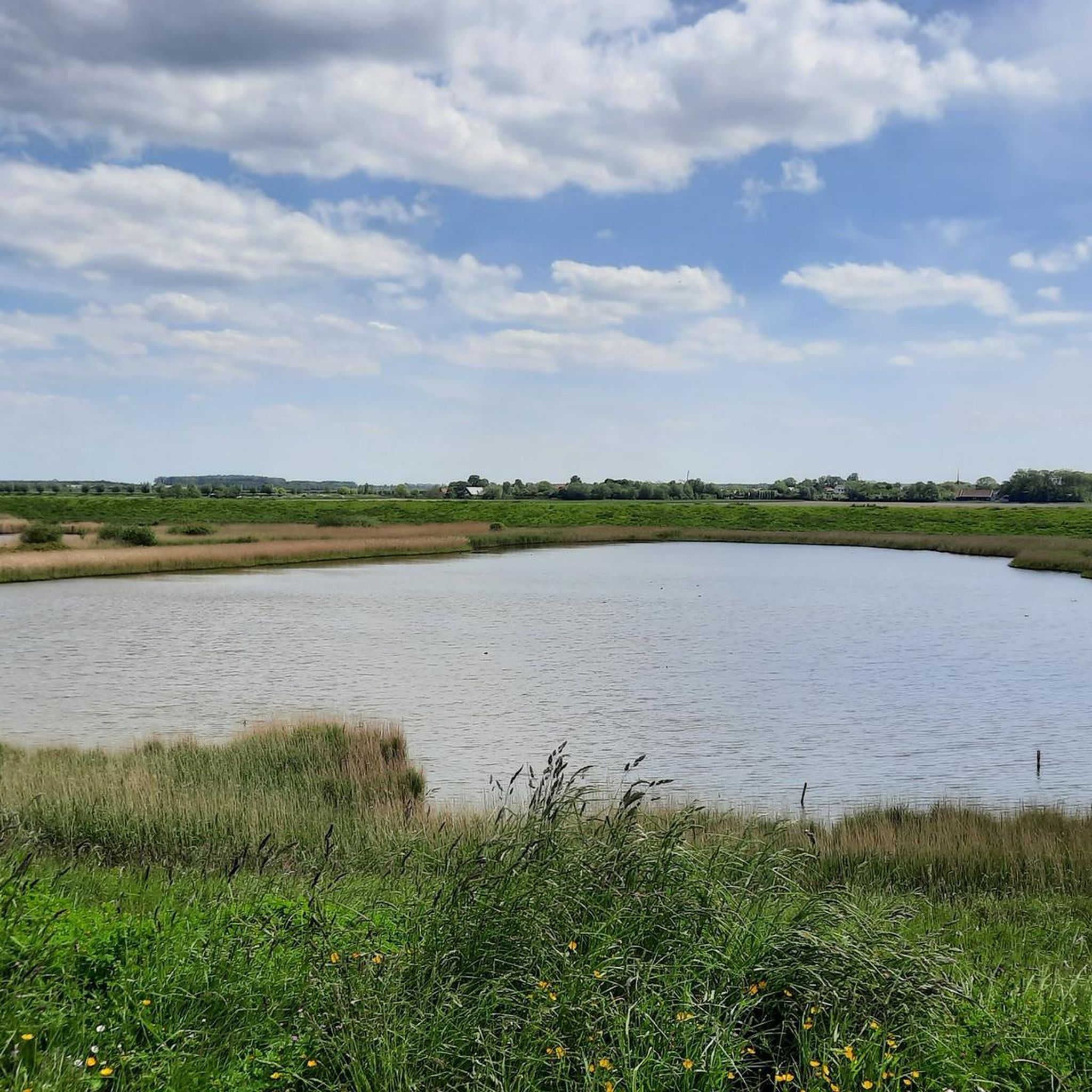
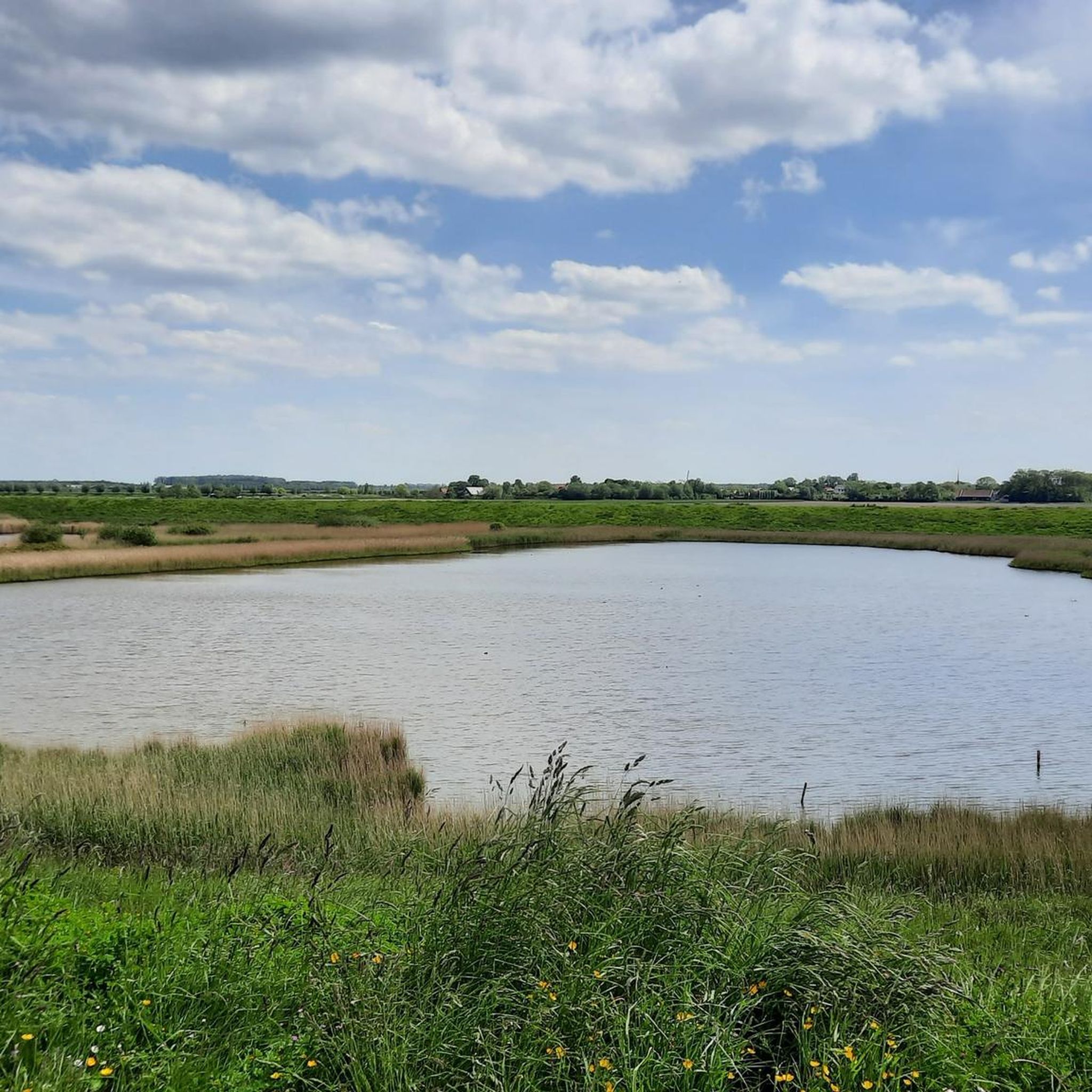
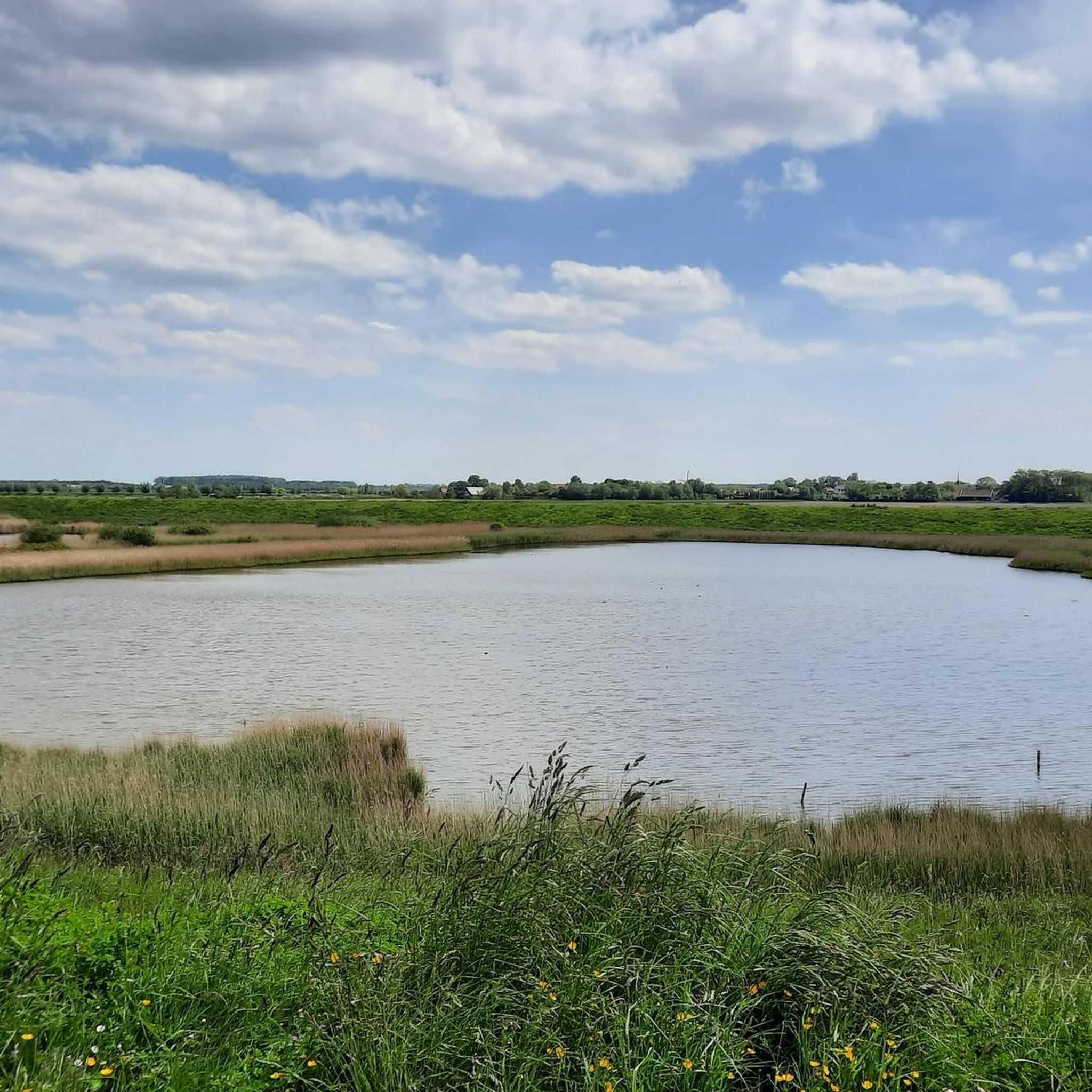
The Koudekerkse Inlaag is an important natural and cultural landscape area near the Plompe Toren on Schouwen-Duiveland, Zeeland. It was created as a buffer zone between the original sea dike and an emergency dike further inland to provide additional protection against storm surges. The area is characterized by so-called 'karren fields' - parallel ditches and earthen embankments created by mining clay for dike reinforcement. Today, the Koudekerkse Inlaag is an important habitat for many species of birds, including waders and birds of prey. Rare plants such as salt marsh herbs and orchids also thrive here, and in autumn the samphire turns red, giving the landscape a special charm. Visitors can enjoy a wide view over the Inlaag, the Oosterschelde and the surrounding fields from the viewing platform of the Plompe Toren.
0
0

Pure nature, accompanied by sheep while cycling
0
0

Great tower in the nature reserve, climbing possible
0
0

The historic landmark on the banks of the Oosterschelde knows how to sell its history to passers-by every day. The Plompe Toren is free to climb and more than worth it. At the top you have a beautiful view of the spacious surroundings and the pleasure craft. In the distance you often see seals lying on the sandbank. The tower is open daily from 9 a.m. to 6 p.m. in the summer. In winter, the tower closes at 5 PM.
5
0
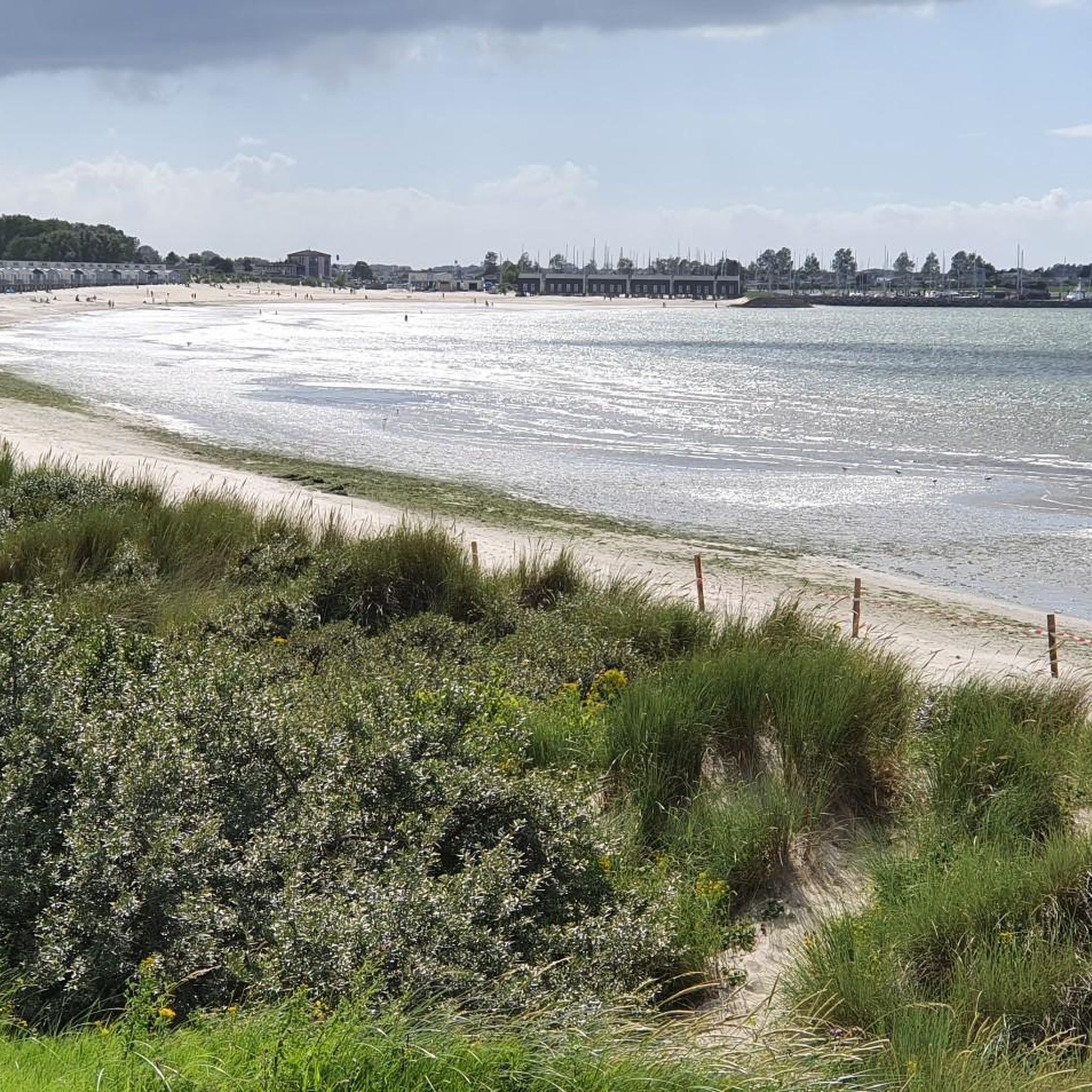
Oosterschelde National Park is openly connected to the North Sea via the storm surge barrier. Twice a day, 800 billion litres of salt water flows in and out of the area. The mudflats and sandbanks that are submerged at high tide, dry up again at low tide. The Oosterschelde is a unique area because of this tidal nature: a dynamic world.
6
0
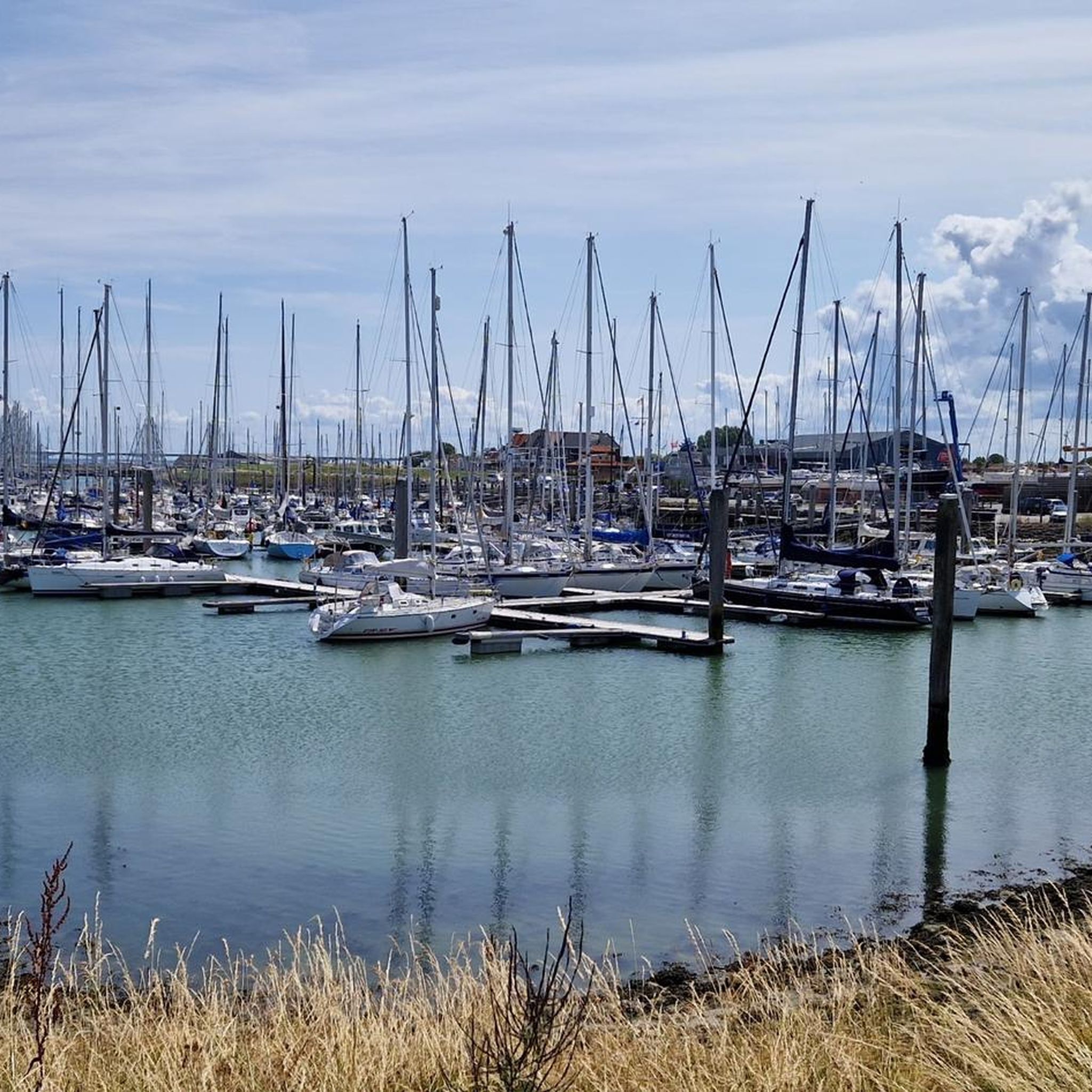
The caissons that lie in the water here were reserves for dyke repair after the flood and for the Delta Works. In the foreground you can see the bird island of Heertje. In the spring several terns and plovers come here to breed. Don't forget your binoculars.
6
0
Frequently Asked Questions
What are the most popular natural monuments to visit in Oosterschelde?
Visitors frequently enjoy the expansive Oosterschelde National Park itself, known for its dynamic tidal nature and rich biodiversity. Another highly appreciated spot is the Schelphoek Observation Tower, which offers panoramic views and historical context of the 1953 flood. The Koudekerkse Inlaag is also popular, especially for birdwatching.
Are there family-friendly natural monuments around Oosterschelde?
Yes, several natural monuments are well-suited for families. The Levensstrijd Boardwalk in Oosterschelde National Park provides an accessible and engaging experience through vulnerable areas. Neeltje Jans, a former work island, has transformed into a nature reserve with an attraction park, offering seal presentations and boat tours, making it a great family destination.
What unique natural features can I observe in Oosterschelde's natural monuments?
The Oosterschelde is characterized by its dynamic tidal saltwater estuary, featuring shifting mudflats, salt marshes, and sandbanks that are exposed at low tide. You can observe a vibrant underwater world, diverse bird species, and seals and porpoises. Areas like Plan Tureluur are specifically designed to showcase extensive mudflats, ponds, and saline grasslands, attracting tens of thousands of birds annually.
What historical significance do the natural monuments in Oosterschelde hold?
The region's natural monuments are deeply intertwined with Dutch water management history. The Schelphoek Observation Tower, for instance, stands near the exact location of a major dike breach during the 1953 North Sea Flood, with old concrete bunkers nearby that once served the Delta Works. The Plompe Toren, a 15th-century church tower, is the sole remnant of a village lost to the Oosterschelde, offering a poignant link to the past.
What is the best time to visit the natural monuments in Oosterschelde for wildlife viewing?
The Oosterschelde is excellent for wildlife viewing year-round, but specific times are better for certain activities. For birdwatching, the spring and autumn migration periods are especially spectacular, particularly at sites like Plan Tureluur. Seals and porpoises can often be spotted during boat tours at low tide. The underwater world is vibrant throughout the warmer months for diving enthusiasts.
Are there opportunities for hiking or walking near the natural monuments?
Yes, the Oosterschelde region offers numerous walking opportunities. You can find trails that wind along creeks and through woods in areas like Creek Area De Schelphoek. The Levensstrijd Boardwalk provides a unique walking experience. For more extensive options, explore the various walking routes available in the region, which you can find in the cycling around Oosterschelde guide (many cycling paths are also suitable for walking).
What cycling routes are available near Oosterschelde's natural monuments?
The Oosterschelde area is very popular for cycling, with routes suitable for various skill levels. You can find easy to difficult road cycling routes, such as the 'Zeeland Wind cycling route' or the 'Zeeland Bridge loop'. For touring bicycles, options like the 'Flood route' or 'Eastern Noord-Beveland Cycle Route' are available. Gravel biking enthusiasts can explore routes like the 'Plompe Tower loop'. Detailed routes can be found in the Road Cycling Routes around Oosterschelde, Cycling around Oosterschelde, and Gravel biking around Oosterschelde guides.
Where can I find the best viewpoints to appreciate the Oosterschelde landscape?
Excellent viewpoints are scattered throughout the region. The Schelphoek Observation Tower offers a great perspective on the surrounding nature and historical sites. The Plompe Toren provides magnificent panoramic views over the Oosterschelde and the Koudekerkse Inlaag. Additionally, observation towers like De Zuidkaap at Plan Tureluur offer superb vistas over the bird-rich mudflats and saline grasslands.
What kind of wildlife can I expect to see at the natural monuments?
The Oosterschelde is home to over 10,000 species of plants and animals. You can expect to see a vast array of migratory birds, including spoonbills, avocets, and kingfishers, especially in areas like Plan Tureluur and Koudekerkse Inlaag. Seals and porpoises are frequently sighted in the waters. The underwater world is rich with cuttlefish, lobsters, seahorses, and colorful flora, making it a renowned diving hotspot.
Are there any hidden natural gems or lesser-known spots worth exploring?
While many areas are well-known, the dynamic nature of the Oosterschelde means there are always new discoveries. The Creek Area De Schelphoek, formed by a dike breach, is a unique reserve with a varied landscape of creeks, mudflats, and woodlands, serving as an important breeding ground for many bird species. Exploring the smaller, less-trafficked paths within the larger National Park can also reveal serene and untouched spots.
What do visitors enjoy most about the natural monuments in Oosterschelde?
Visitors particularly enjoy the pure, dynamic nature and the feeling of a pure holiday. Many appreciate the stunning views of the Oosterschelde, especially from bike paths and observation points. The opportunity to spot diverse wildlife, from seals and porpoises to numerous bird species, is a major draw. The unique combination of natural beauty and insights into Dutch water management also leaves a lasting impression.
Can I bring my dog to the natural monuments in Oosterschelde?
While the Oosterschelde National Park is generally dog-friendly, specific rules may apply to certain natural monuments or protected areas, especially those with sensitive bird breeding grounds. It's always best to check local signage or official park information for each specific location, as dogs may need to be kept on a leash or restricted from certain areas to protect wildlife.
Most popular routes around Oosterschelde
Most popular attractions around Oosterschelde

Get inspired with the komoot mobile app


Explore more
Extend your search for the best caves by checking out these guides of the top ones around Oosterschelde:
