Top 20 Natural Monuments around Mazowiecki Park Krajobrazowy
Best natural monuments around Mazowiecki Park Krajobrazowy offers a diverse landscape of forests, marshes, and dunes southeast of Warsaw. This region provides unique insights into local biodiversity and geological history. The park is home to numerous natural monuments, including ancient trees, expansive peat bogs, and protected river ecosystems. Exploring these sites reveals the natural beauty and ecological significance of the area.
Best natural monuments around Mazowiecki Park Krajobrazowy
- The most popular natural monument is Torfy Lake, a lake that…
Last updated: May 14, 2026
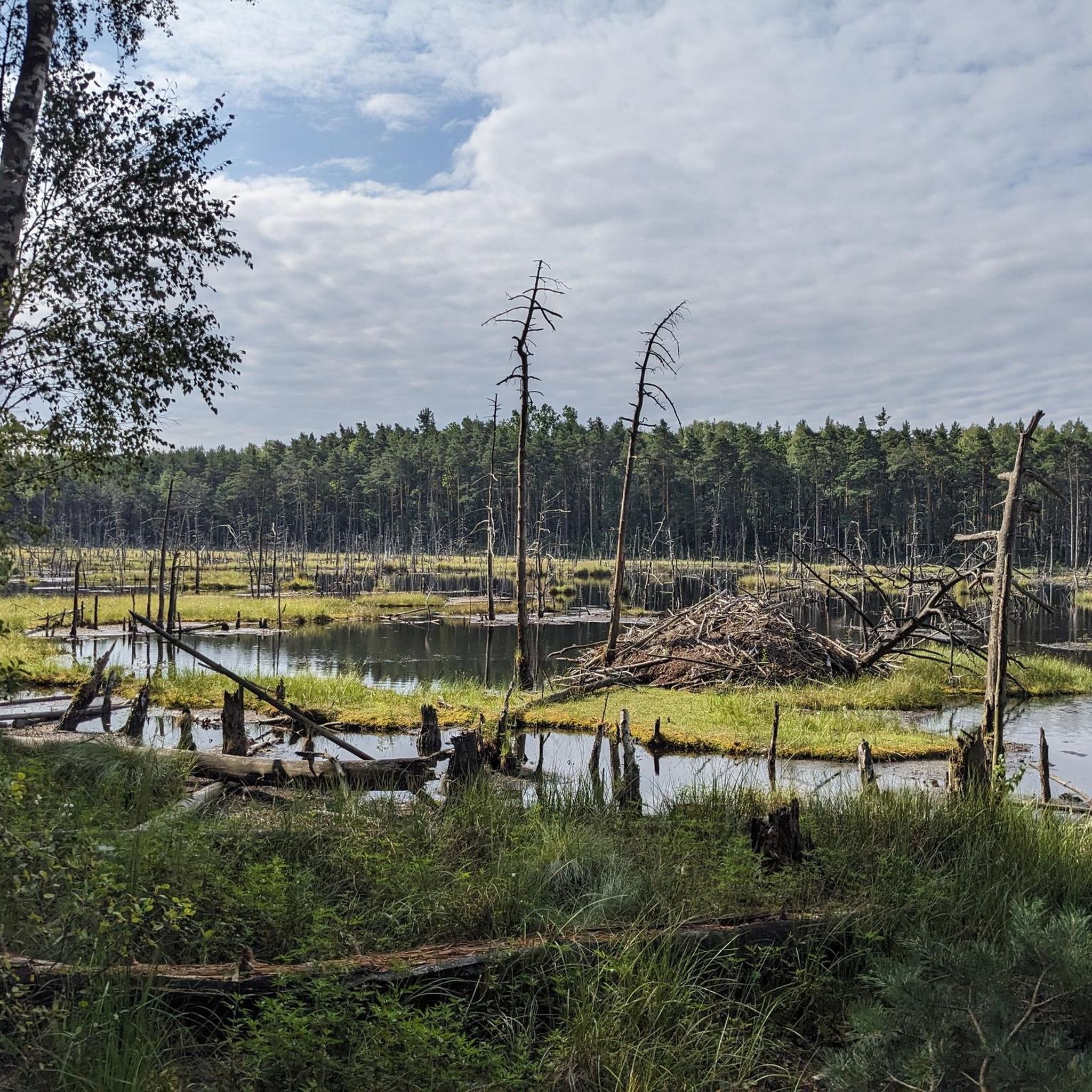
Torfy Lake
Highlight • Lake
Translated by Google •
Tip by

Mazowiecki Bartek (Oak)
Highlight • Natural Monument
Translated by Google •
Tip by

Sign up now to discover places like this
Get recommendations on the best single tracks, peaks, & plenty of other exciting outdoor places.
Sign up for free
Liberator KG939A Memorial on Pilots' Hill
Highlight • Monument
Translated by Google •
Tip by

Black Lake
Highlight • Lake
Showing Translation
Tip by
Bagno Całowanie Boardwalk Entrance
Highlight • Trail
pl.wikipedia.org/wiki/Bagno_Ca%C5%82owanie
Translated by Google •
Tip by
Sign up for free to discover even more natural monuments around Mazowiecki Park Krajobrazowy.
Sign up for free
Already have an account?
Start today with a free account
Your next adventure awaits.
Login or Signup
Popular around Mazowiecki Park Krajobrazowy

Tips from the Community

Great place, I highly recommend it
0
0

The 400-year-old oak is a special attraction. The venerable old man is worth the effort of visiting and hugging. It is a magnificent, stately tree.
0
0

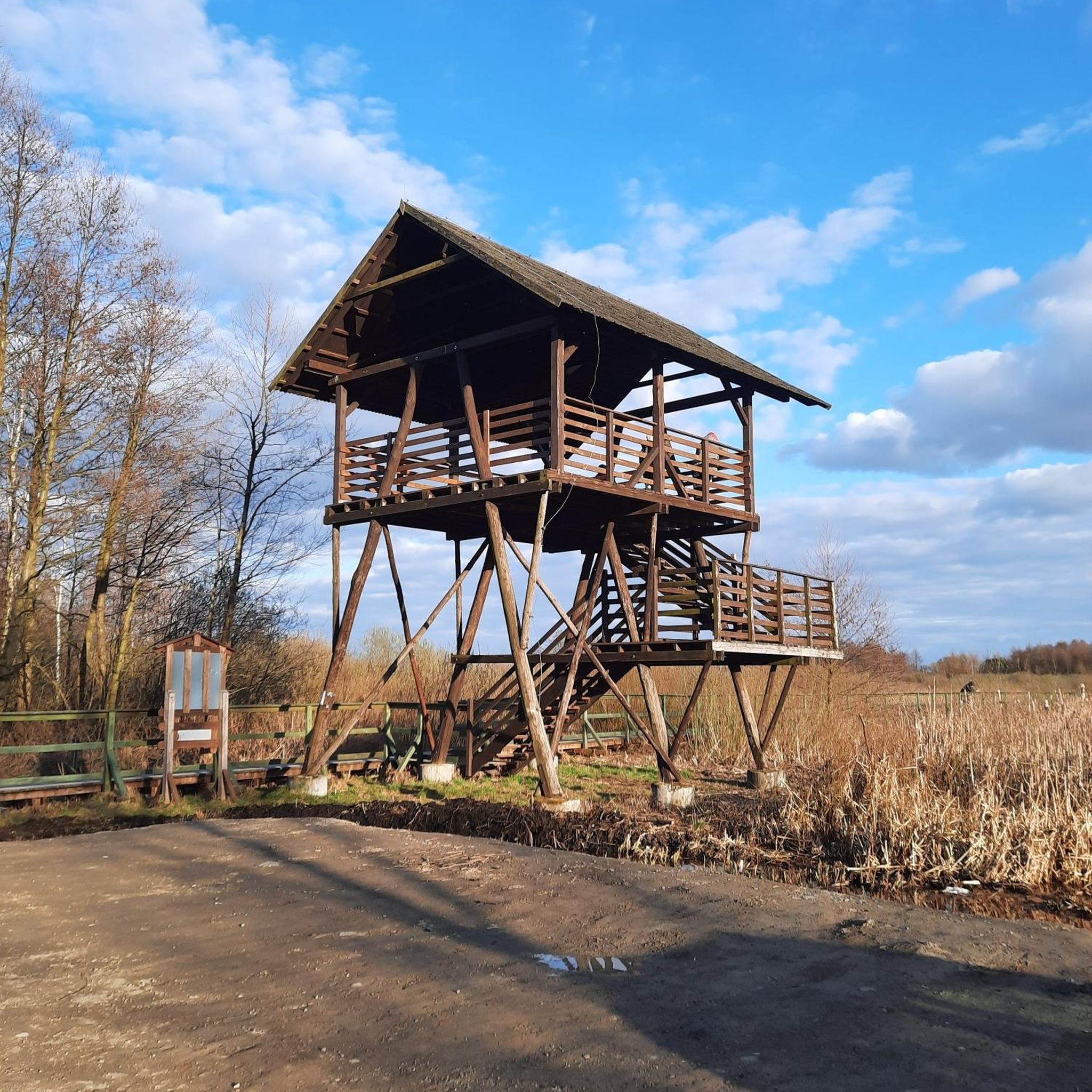
Całowanie Swamp (Podbiel, Masovia) One of the largest peat bogs in Masovia, located within the Masovian Landscape Park. The "13 Muddy Foot" nature trail runs through the bog, leading around the bogs and through a section of dunes. Wooden footbridges with a viewing point lead across the bogs. During periods of hydrological drought, the best time to visit is late autumn and early spring (which is also the period when tourist traffic is lower). Admission to the footbridges and the tower is free.
0
0
A very pleasant spot. Surrounded by a shelter and a fire pit, the pond itself unfortunately dries out in the summer. From here, you can access numerous smaller mountain bike trails. A great place to relax or have a picnic.
0
0
A great place to relax. Surrounded by viewing shelters. Unfortunately, there will be no water in the 2025 season.
0
0


Kissing Swamp - Entrance to the jetties and the "13 Mud Feet" educational trail.
2
0
Footbridge over the kissing swamp. The footbridge has entrances on both sides. One entrance from the fire station, the other entrance through the fields from the main street by the bus stop. https://pl.wikipedia.org/wiki/Bagno_Ca%C5%82owanie
2
0
Frequently Asked Questions
What unique natural features can I explore in Mazowiecki Park Krajobrazowy?
The park is home to diverse ecosystems. You can explore expansive peat bogs like Bagno Całowanie, which features a 4.6 km educational path and a lookout tower for birdwatching. The Świder River and its reserve offer a protected landscape with winding waters and diverse wildlife. Additionally, the Torfy Lake reserve protects a post-peat lake and its surrounding wetlands.
Are there any historical natural monuments in the area?
Yes, the region boasts several historical natural monuments. The Mazovian Bartek Oak, approximately 300 years old, is a monumental pedunculate oak with a massive, twisted trunk. Another significant historical site is the Liberator KG939A Memorial on Pilots' Hill, which commemorates a WWII event on a sand dune, though it's a man-made monument within a natural setting.
What kind of wildlife can I expect to see around the natural monuments?
Mazowiecki Park Krajobrazowy is a haven for wildlife. Bagno Całowanie is a vital refuge for endangered bird species like corncrakes, black storks, and lesser spotted eagles. The Świder River reserve provides a habitat for kingfishers and beavers, and is known for two species of lamprey. The Torfy Forest Lake Reserve also protects local wildlife, including moose and various birds.
Are there family-friendly natural monuments or activities suitable for children?
Many natural monuments in the park are suitable for families. The Torfy Lake is a nice place for a small bicycle trip with children, offering views from a wooden pier. The Bagno Całowanie Boardwalk Entrance provides access to an educational trail with wooden platforms, making it easy for families to explore the peat bog and enjoy birdwatching from a tower.
What are the best walking or hiking opportunities near these natural monuments?
The region offers various walking and hiking opportunities. The Bagno Całowanie features the 4.6 km educational path '13 Błota Stóp'. The Świder River reserve is popular for walks along its picturesque banks. For more structured routes, you can explore the many MTB Trails or Gravel biking routes that often pass by or near these natural sites.
What is the largest and oldest tree in Mazowiecki Park Krajobrazowy?
The largest and oldest natural monument in the park is a small-leaved lime tree, approximately 400 years old, with a circumference of 6.8 meters. It stands near the Majdan stream in the Celestynów commune and is notable for its unique, sprawling trunk structure.
Are there any viewpoints or observation decks available?
Yes, at Bagno Całowanie, there is a lookout tower perfect for birdwatching, especially during spring and autumn migrations. The Torfy Lake also features a wooden pier that offers nice views of the lake and its changing vegetation.
What other outdoor activities can I do in the vicinity of these natural monuments?
Beyond walking and hiking, the area around Mazowiecki Park Krajobrazowy is excellent for cycling. You can find numerous Road Cycling Routes, Gravel biking routes, and MTB Trails that allow you to explore the diverse landscape, including forests, marshes, and dunes.
What is the best time of year to visit the natural monuments in Mazowiecki Park Krajobrazowy?
The natural monuments offer beauty throughout the year. Spring and autumn are particularly good for birdwatching at Bagno Całowanie due to migrations. The changing vegetation at Torfy Lake is visible throughout the year, making it picturesque in any season. Generally, warmer months are ideal for outdoor activities, but winter walks can also be charming.
What do visitors enjoy most about the natural monuments in this region?
Visitors appreciate the tranquility and natural beauty. The Torfy Lake is loved for its peaceful atmosphere and the chance to observe ducks and swans. The Mazovian Bartek Oak is admired as a 'witness to history' and a 'real anthill'. The boardwalk at Bagno Całowanie is popular for its unique access to the peat bog and the views from the tower.
Are there any educational opportunities related to the natural monuments?
Yes, the Torfy Forest Lake Reserve houses the 'Baza Torfy' museum and ecological education center. Located in a century-old wooden building, it features exhibits on the park's fauna and flora, providing educational opportunities to learn about local wildlife like the black stork, moose, and various other birds and mammals.
Is there a specific natural monument that showcases the region's geological history?
The Bagno Całowanie peat bog is a prime example of the region's geological history. It's one of the largest low-moor peat complexes in Mazovia, and archaeological evidence of reindeer hunters from the Ice Age has been found on its dunes, representing some of the oldest traces of settlement in Mazovia.
Most popular routes around Mazowiecki Park Krajobrazowy
Most popular attractions around Mazowiecki Park Krajobrazowy

Get inspired with the komoot mobile app


Explore more
Extend your search for the best caves by checking out these guides of the top ones around Mazowiecki Park Krajobrazowy:
