Réserve Naturelle du Frankenthal-Missheimle
Réserve Naturelle du Frankenthal-Missheimle
Top 8 Natural Monuments around Réserve Naturelle du Frankenthal-Missheimle
Best natural monuments around Réserve Naturelle du Frankenthal-Missheimle are shaped by its glacial past and diverse ecosystems. This reserve, spanning nearly 6 km in the Hautes-Vosges, features a rugged landscape defined by a succession of nine glacial cirques. It is a botanical hotspot, home to subalpine floral species and a variety of fauna. The area offers opportunities for nature appreciation and exploring unique geological features.
Best natural monuments around Réserve Naturelle du Frankenthal-Missheimle
- The most popular natural monuments is Ferme…
Last updated: October 13, 2026
Ferme Auberge du Frankenthal
Highlight • Summit
See also: frankenthal.pagesperso-orange.fr/de_accueil.html
Translated by Google •
Tip by

Viewpoint
Highlight • Viewpoint
The pass road or the view of the valley is worth a break.
Translated by Google •
Tip by
Sign up now to discover places like this
Get recommendations on the best single tracks, peaks, & plenty of other exciting outdoor places.
Waterfall on Sentier des Roches
Highlight • Waterfall
Tip by

Lookout at the Martinswand
Highlight • Viewpoint
Translated by Google •
Tip by

Krappenfels
Highlight • Natural Monument
If you want to go …
Translated by Google •
Tip by
Sign up for free to discover even more natural monuments around Réserve Naturelle du Frankenthal-Missheimle.
Already have an account?
Start today with a free account
Your next adventure awaits.
Popular around Réserve Naturelle du Frankenthal-Missheimle
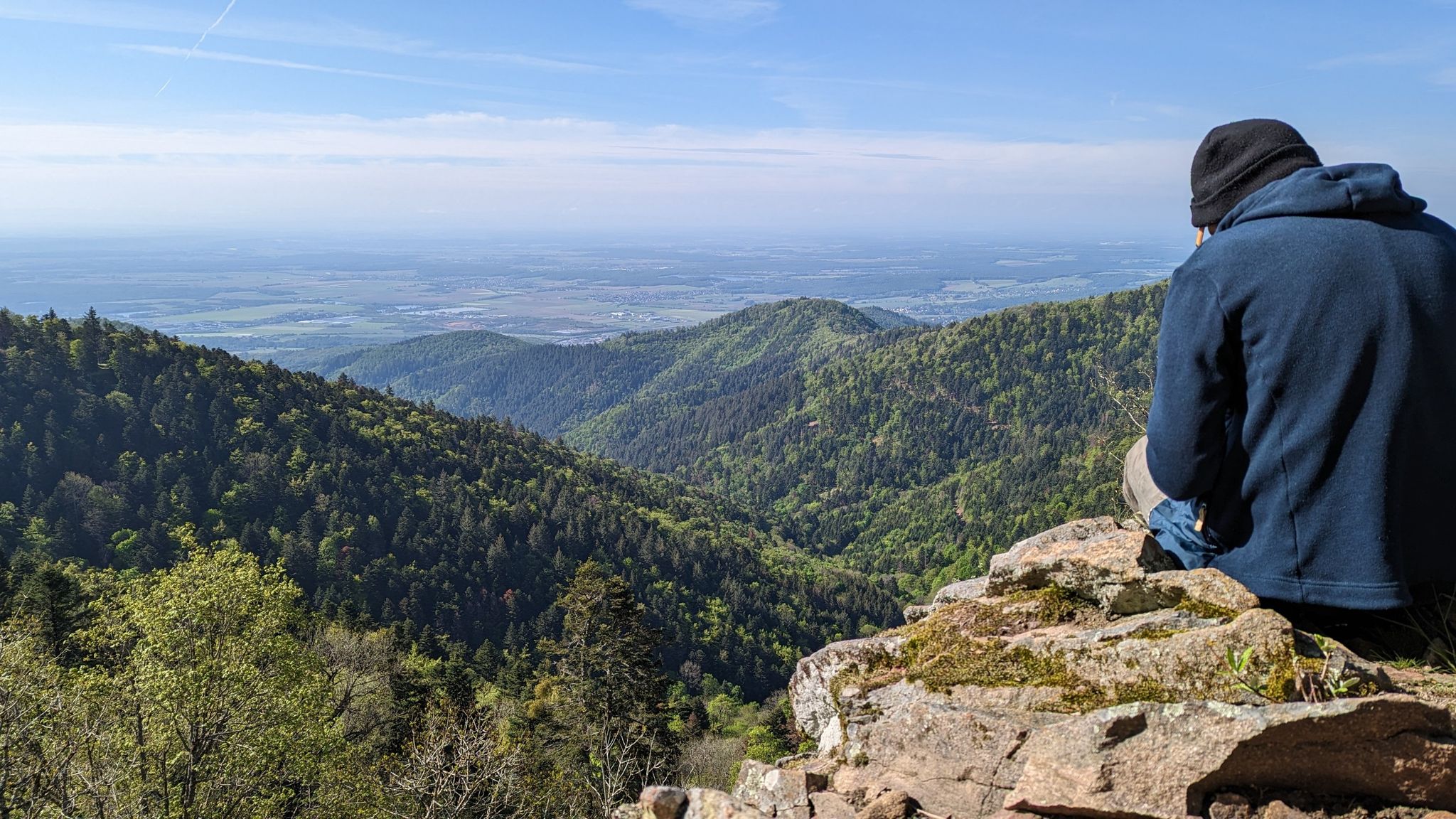
Sentier de l'Europe (GR 5) – Montbéliard to Abreschviller
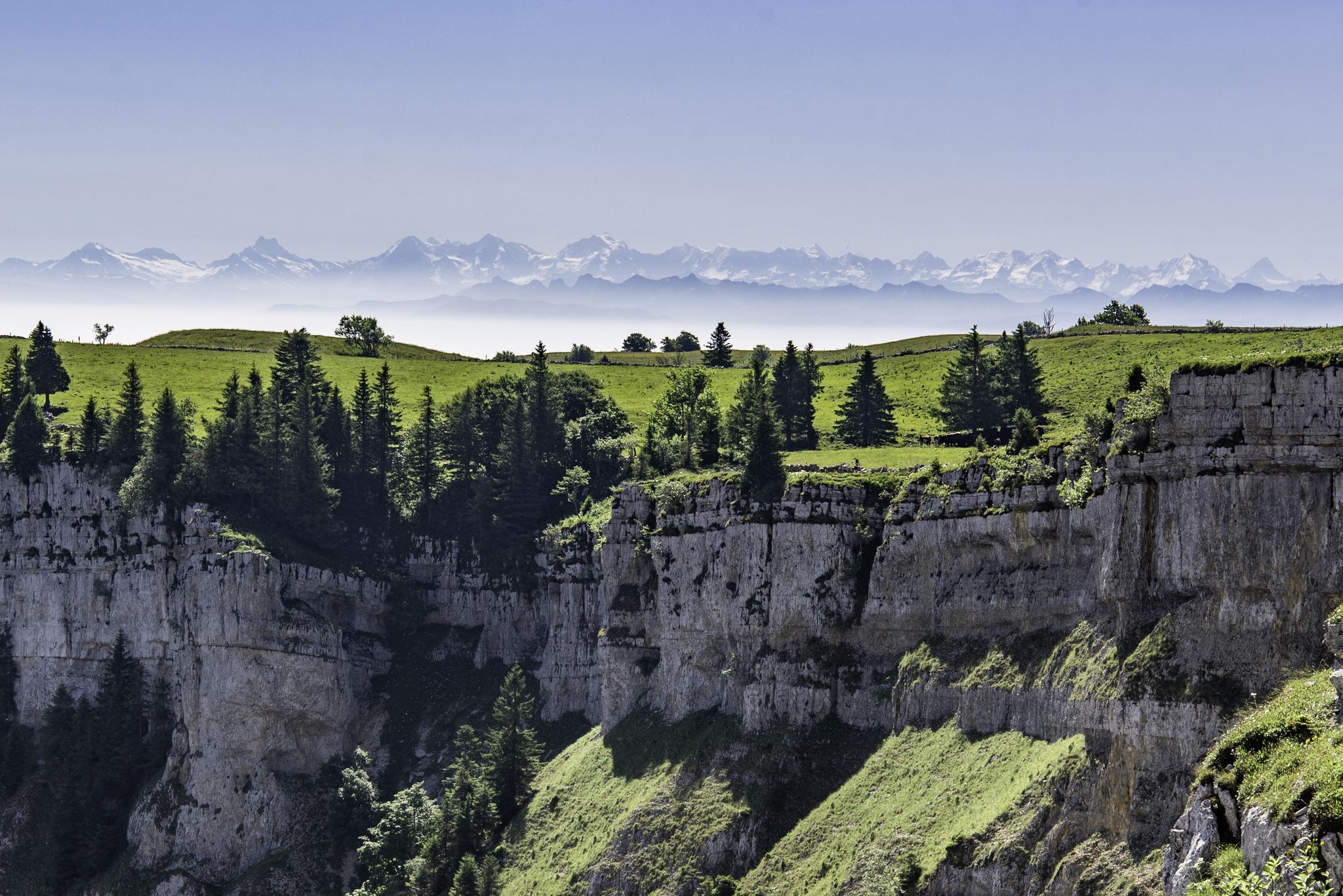
From the Vosges to the Jura mountains – Hexatrek, le Grand Est
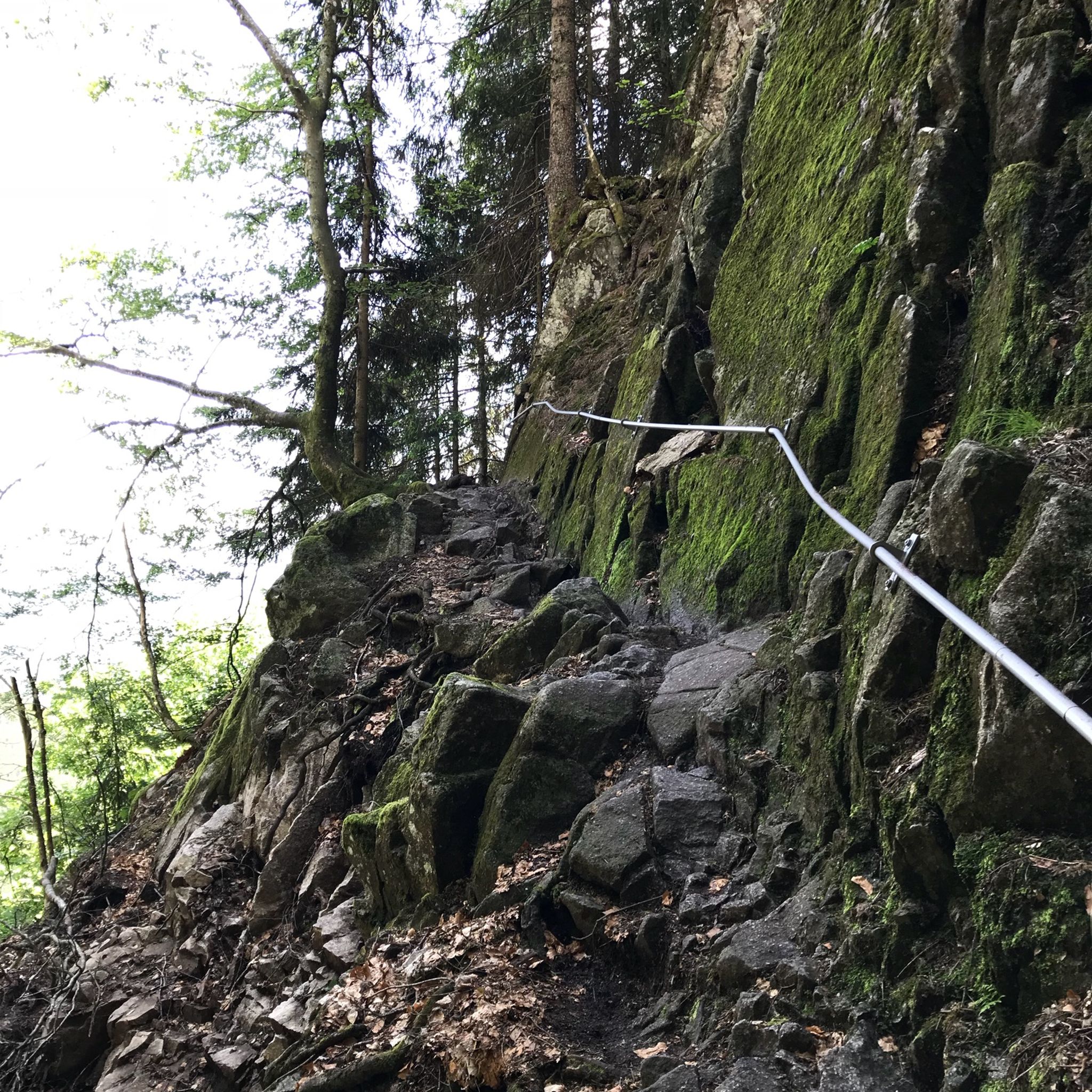
Hiking around Réserve Naturelle du Frankenthal-Missheimle
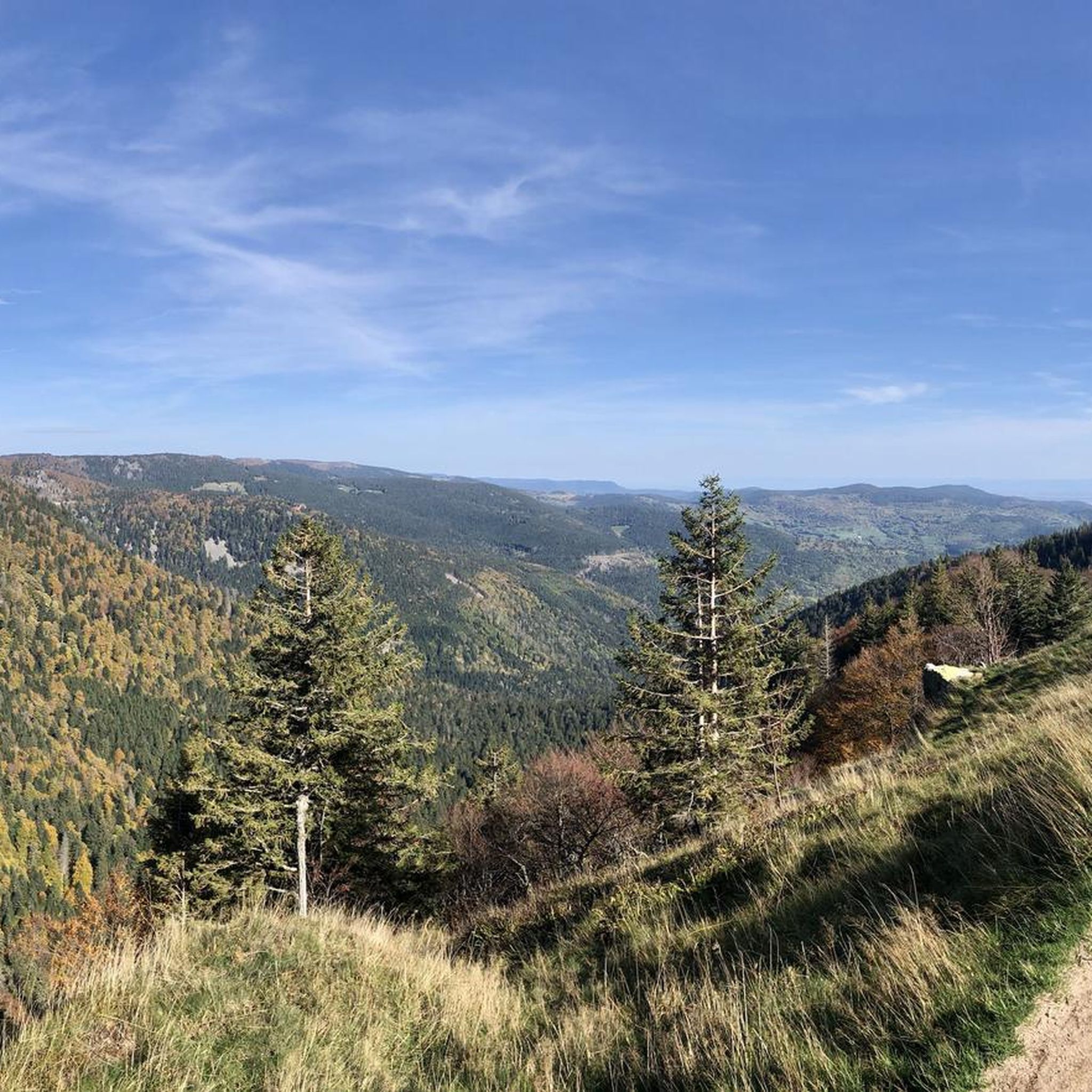
Road Cycling Routes around Réserve Naturelle du Frankenthal-Missheimle
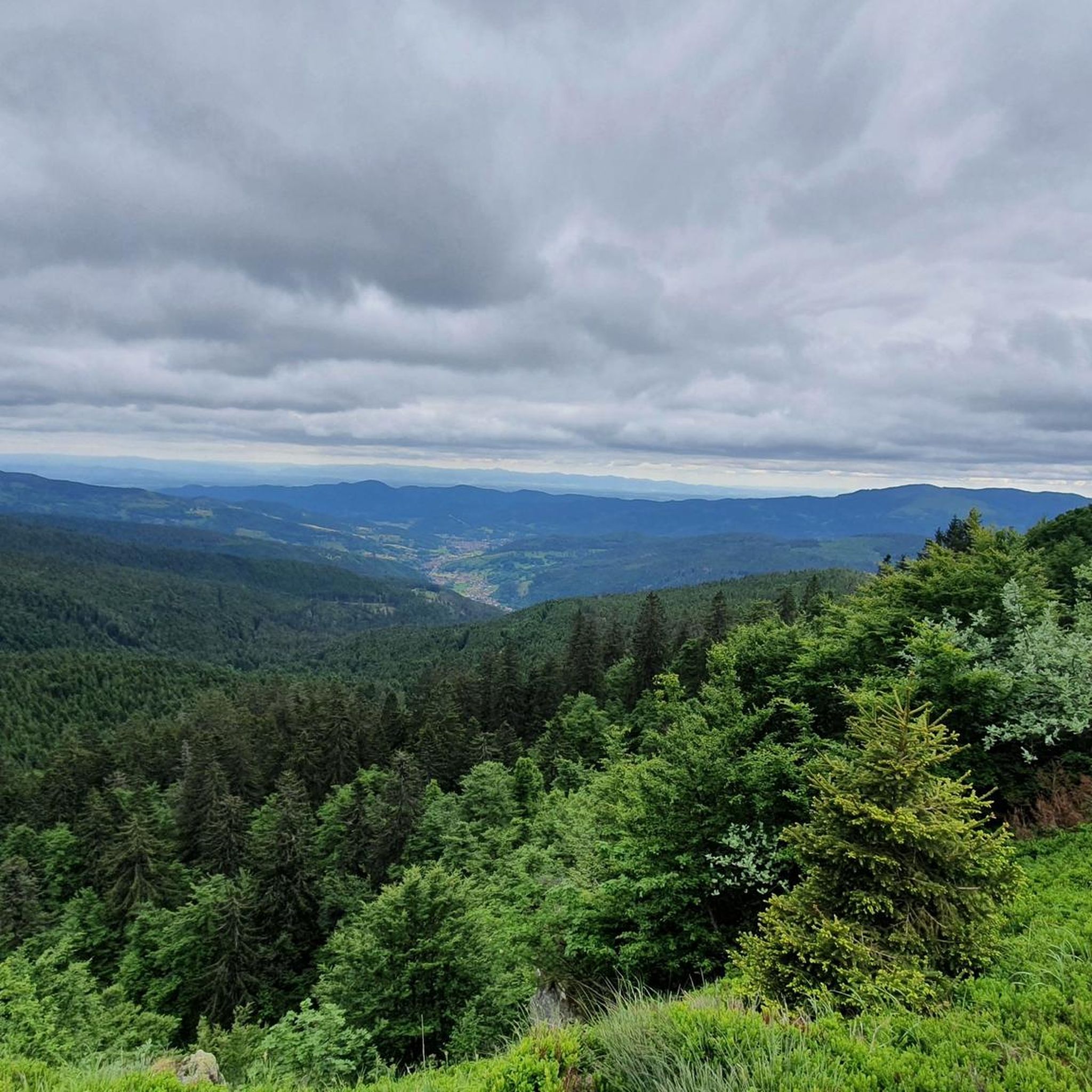
Cycling around Réserve Naturelle du Frankenthal-Missheimle
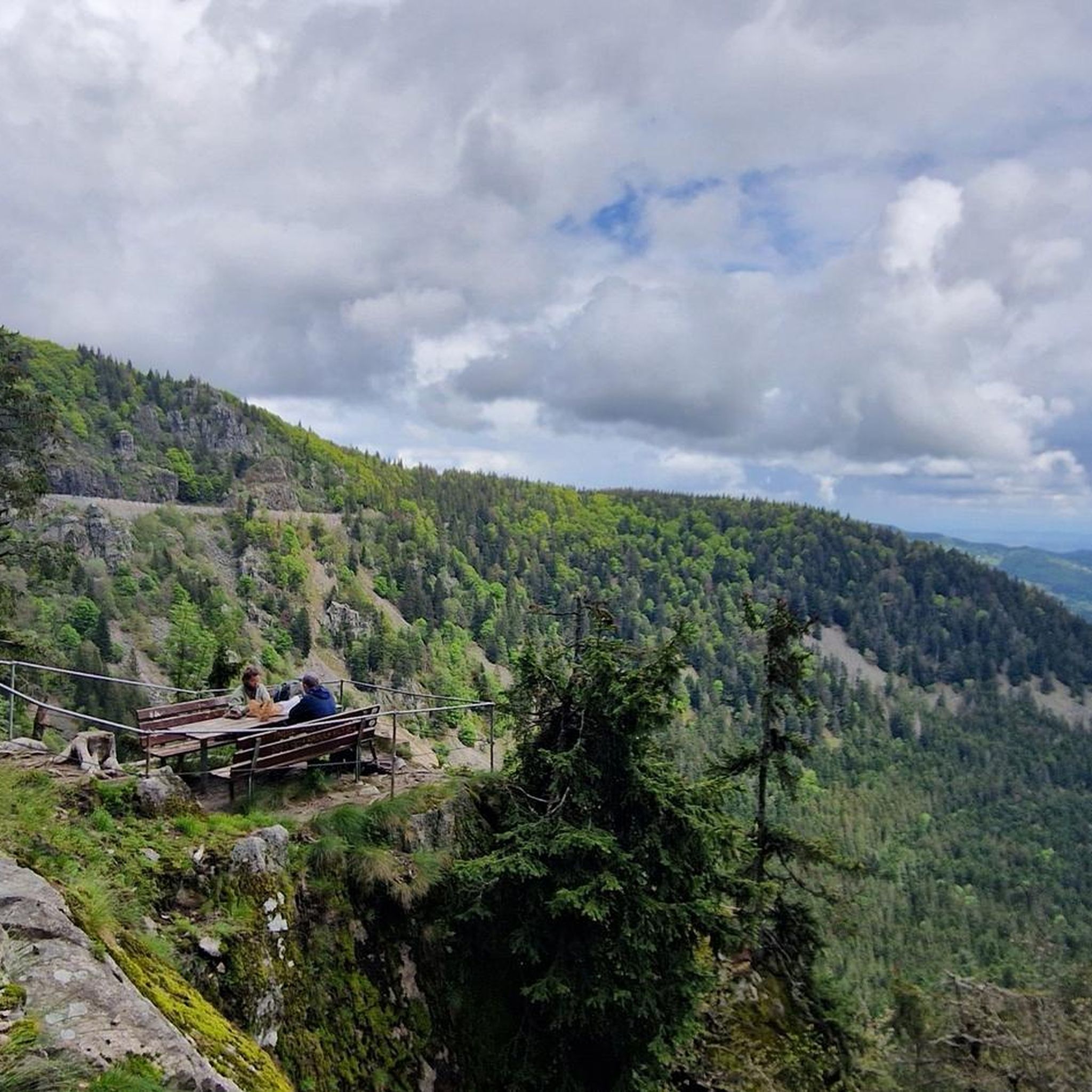
Running Trails around Réserve Naturelle du Frankenthal-Missheimle

Gravel biking around Réserve Naturelle du Frankenthal-Missheimle
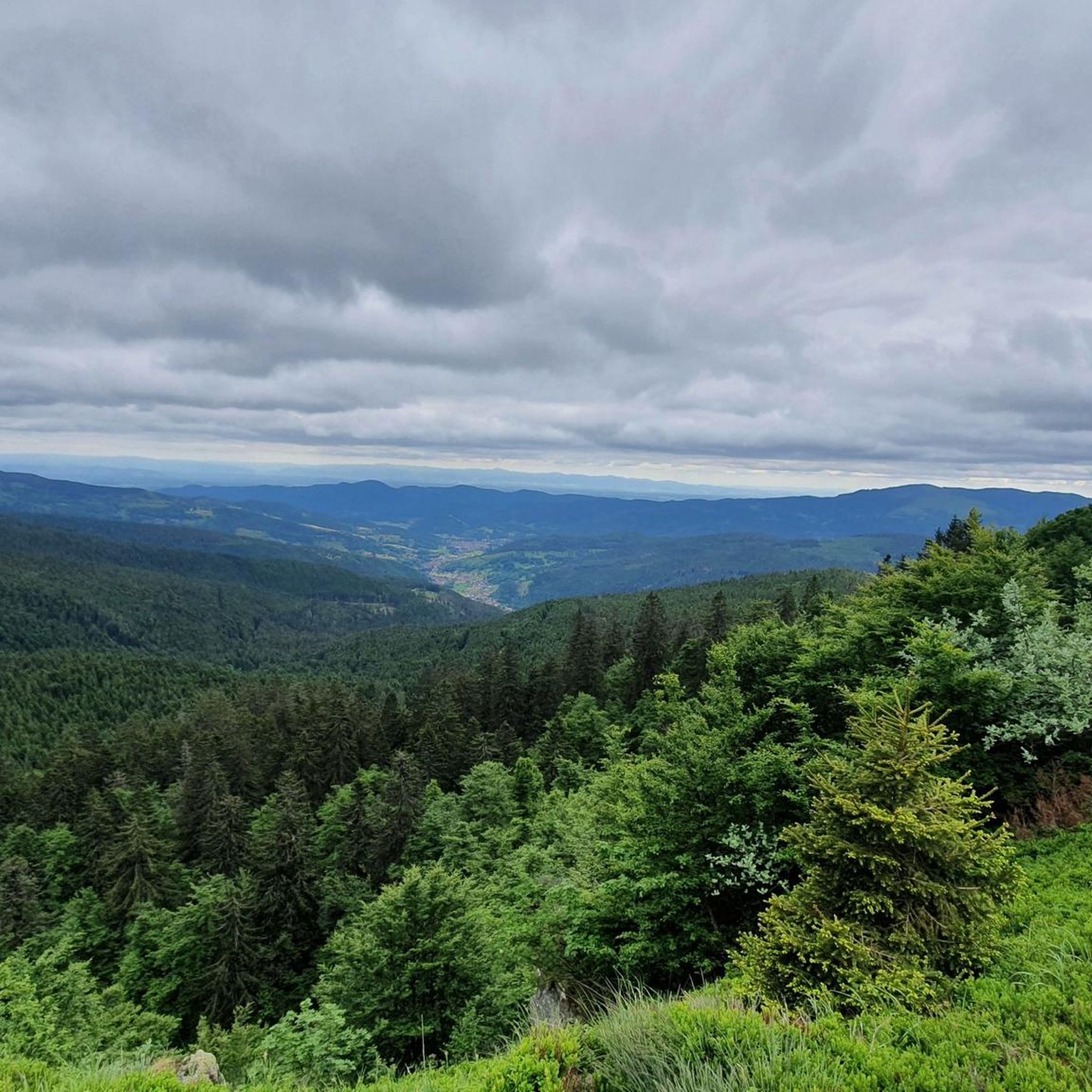
MTB Trails around Réserve Naturelle du Frankenthal-Missheimle
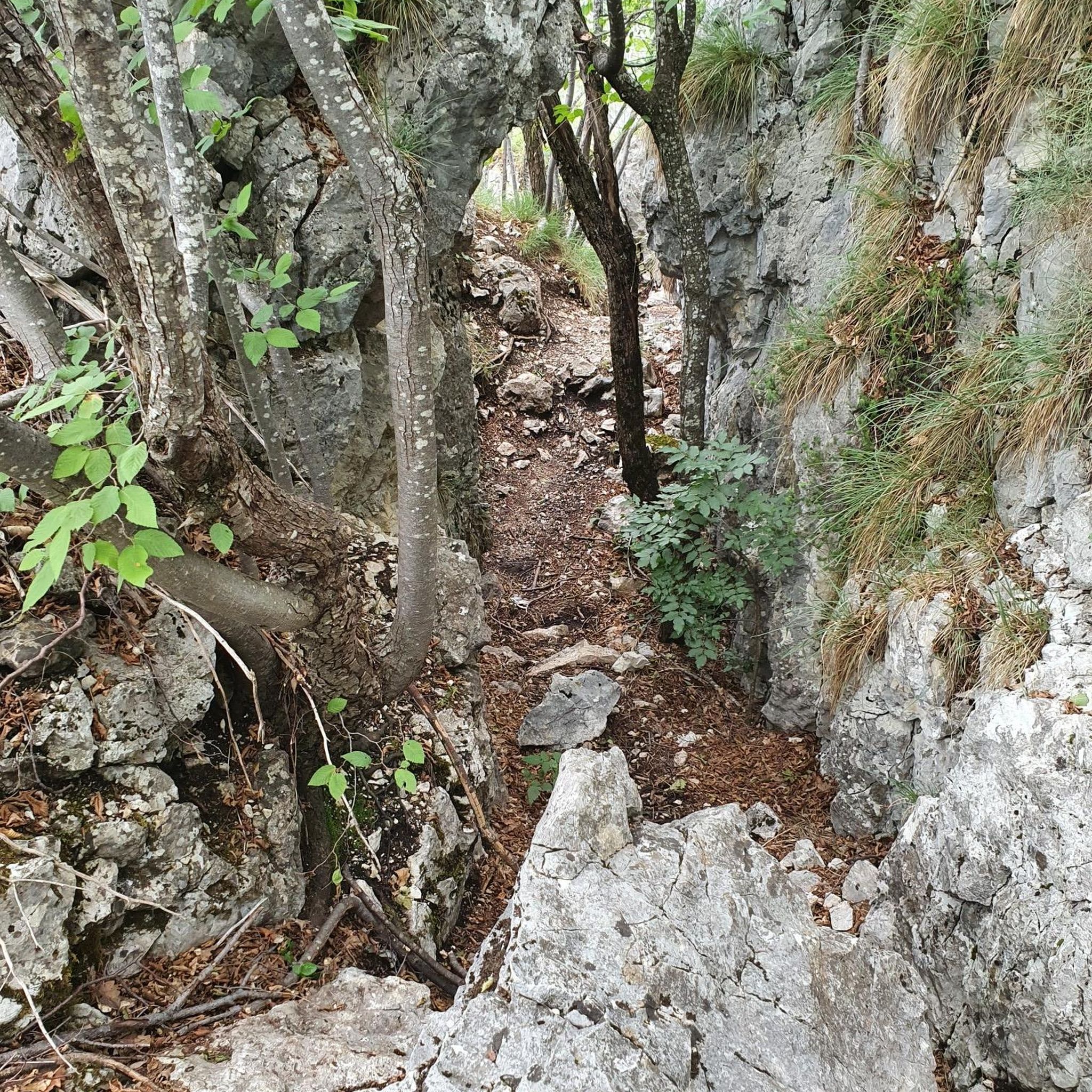
Mountain Hikes around Réserve Naturelle du Frankenthal-Missheimle
Other adventures around Réserve Naturelle du Frankenthal-Missheimle


Tips from the Community

Unfortunately, you can't get to the water from the bridge
5
0
A rock that you simply must see.. it's a bit exposed but hey.. great view from there
7
0

In a word: amazing! Unfortunately, you can't get close enough to drink it. It would be too dangerous.
2
0


Beautiful, small waterfall on the varied Sentier des Roches path.
5
1
A striking rock face can be seen on the path from Col de la Schlucht to Hoheneck or further along the Sentier des Roches. The view is magnificent and there are several inviting spots to rest.
5
0

Kleiner Wasserfall direction am Rock Trail
2
0
Frequently Asked Questions
What are the most notable natural features to explore in the Réserve Naturelle du Frankenthal-Missheimle?
The reserve is renowned for its dramatic landscape shaped by a succession of nine glacial cirques. You can explore unique features like the Waterfall on Sentier des Roches, ancient peat bogs such as Missheimle and Étang Noir which host relict plant species, and impressive rocky escarpments like the Lookout at the Martinswand. The area also features sub-natural spruce forests, subalpine beech forests, and vast 'Chaumes' (high pastures).
Are there any viewpoints offering panoramic vistas of the region?
Yes, the reserve offers several stunning viewpoints. A popular spot is the Viewpoint directly on the Sentier des Roches, providing excellent views over the valley. Another magnificent vantage point is the Lookout at the Martinswand, offering a broad panorama over the Vosges mountains.
What kind of hiking trails can I find around the natural monuments in Réserve Naturelle du Frankenthal-Missheimle?
The area offers a variety of hiking trails, many of which pass by or through these natural monuments. Trails range in difficulty, with some leading to high-altitude features like the Hohneck. For a comprehensive overview of hiking options, you can explore the Hiking around Réserve Naturelle du Frankenthal-Missheimle guide, which includes routes like 'The Hirschsteine rocks via the stairs' and 'Le Tanet Summit loop'.
What is the best time of year to visit the Réserve Naturelle du Frankenthal-Missheimle?
The best time to visit largely depends on your interests. Spring and summer (late May to early October) are ideal for hiking and enjoying the subalpine flora, though snow cornices can persist until summer in the cirques. Autumn offers beautiful fall foliage. Winter provides opportunities for snowshoeing or winter hiking, but conditions can be challenging due to snow and ice, especially in avalanche corridors.
Are there any family-friendly natural monuments or activities in the reserve?
While many trails can be challenging, families can enjoy gentler walks in certain areas. The general natural beauty, including the Waterfall on Sentier des Roches, can be captivating for children. Observing chamois on the high pastures is also a unique experience. Always check trail difficulty and conditions before heading out with family.
What unique flora and fauna can be observed in the Réserve Naturelle du Frankenthal-Missheimle?
The reserve is a botanical hotspot. Its peat bogs preserve relict species from the last ice age, such as cotton grasses, round-leaved sundew, and Andromeda. Rocky escarpments host adapted plants like Parsley Fern, sedums, and stonecrops. Avalanche corridors are rich in subalpine species including Superb Pink and Martagon Lily. Fauna includes rupicolous birds like the Raven and Peregrine Falcon, and chamois can often be seen on the high pastures.
Are there opportunities for other outdoor activities besides hiking near these natural monuments?
Absolutely. Beyond hiking, the region offers excellent opportunities for running and mountain biking. You can find various routes in the Running Trails around Réserve Naturelle du Frankenthal-Missheimle guide and the MTB Trails around Réserve Naturelle du Frankenthal-Missheimle guide. These include challenging routes like the 'Wormspel Combe – The Hohneck Summit loop' for runners and the 'Bockloch Waterfall – Bramont Pass loop' for mountain bikers.
Where can I find food or accommodation near the natural monuments?
For a unique experience, consider visiting the Ferme Auberge du Frankenthal. This farmed alpine hut, located in a beautiful valley, offers local produce and is a great spot for a break. It's typically open from April to October. Other accommodation and dining options can be found in nearby villages surrounding the reserve.
What geological features define the Réserve Naturelle du Frankenthal-Missheimle?
The reserve's geology is primarily defined by its glacial past. It features a succession of nine impressive glacial cirques, which are large, bowl-shaped depressions carved by glaciers. These cirques, along with granite rock faces, scree slopes, and ancient peat bogs, are key geological elements that contribute to the region's rugged and spectacular landscape.
Is the Hohneck mountain part of the natural monuments in this reserve?
Yes, the Hohneck, standing at 1,363 meters, is the highest and most prominent mountain within the Réserve Naturelle du Frankenthal-Missheimle. It contributes significantly to the reserve's dramatic alpine character and offers stunning views, making it a key natural monument and a popular destination for hikers.
What are 'Chaumes' and why are they significant in the reserve?
'Chaumes' refer to the vast summital grasslands and heather moors found in the reserve. These are relict landscapes from the ice age, representing ancient ecological history. They provide unique open habitats and are important for biodiversity, often being a place where chamois can be observed feeding.
Are there any specific natural monuments that are considered 'hidden gems' or less frequented?
While the entire reserve offers a sense of wildness, exploring the less accessible parts of the glacial cirques or seeking out specific peat bogs like Étang Noir might offer a more secluded experience. The Krappenfels, while on a popular path, is part of a larger impressive route that rewards exploration beyond just the main viewpoints.
Most popular routes around Réserve Naturelle du Frankenthal-Missheimle
Most popular attractions around Réserve Naturelle du Frankenthal-Missheimle

Get inspired with the komoot mobile app


Explore more
Extend your search for the best caves by checking out these guides of the top ones around Réserve Naturelle du Frankenthal-Missheimle:
