The best mountain hikes around Réserve Naturelle du Frankenthal-Missheimle
4.7
(74)
279
hikers
38
hikes
Mountaineering around Réserve Naturelle du Frankenthal-Missheimle offers a diverse landscape characterized by rugged mountain passes, prominent rock formations, and high-altitude lakes. The region, part of the Vosges mountains, features challenging ascents and descents through varied terrain. Dense forests often give way to open ridges, providing expansive views. These physical features make the area suitable for experienced mountaineers seeking demanding routes.
Best mountaineering routes around Réserve Naturelle du Frankenthal-Missheimle
- The most popular mountaineering route is Krappenfels – Beautiful view loop from…
Last updated: October 8, 2026
4.9
(8)
43
hikers
7.30km
02:42
280m
280m
Hard mountaineering route. Good fitness required. Sure-footedness, sturdy shoes and alpine experience required.
4.6
(5)
21
hikers
19.5km
07:47
970m
970m
Hard mountaineering route. Very good fitness required. Sure-footedness, sturdy shoes and alpine experience required.

4.9
(8)
14
hikers
14.9km
05:21
550m
550m
Hard mountaineering route. Very good fitness required. Sure-footedness, sturdy shoes and alpine experience required.
5
hikers
9.85km
03:28
510m
510m
Moderate mountaineering route. Good fitness required. Mostly accessible paths. Sure-footedness required.
5.0
(3)
8
hikers
9.98km
03:12
330m
330m
Moderate mountaineering route. Good fitness required. Mostly accessible paths. Sure-footedness required.
Get access to more routes and recommendations from other explorers.
Already have an account?
Our route recommendations are based on thousands of hikes, rides, and runs completed by other people on komoot.
Start today with a free account
Your next adventure awaits.
Popular around Réserve Naturelle du Frankenthal-Missheimle
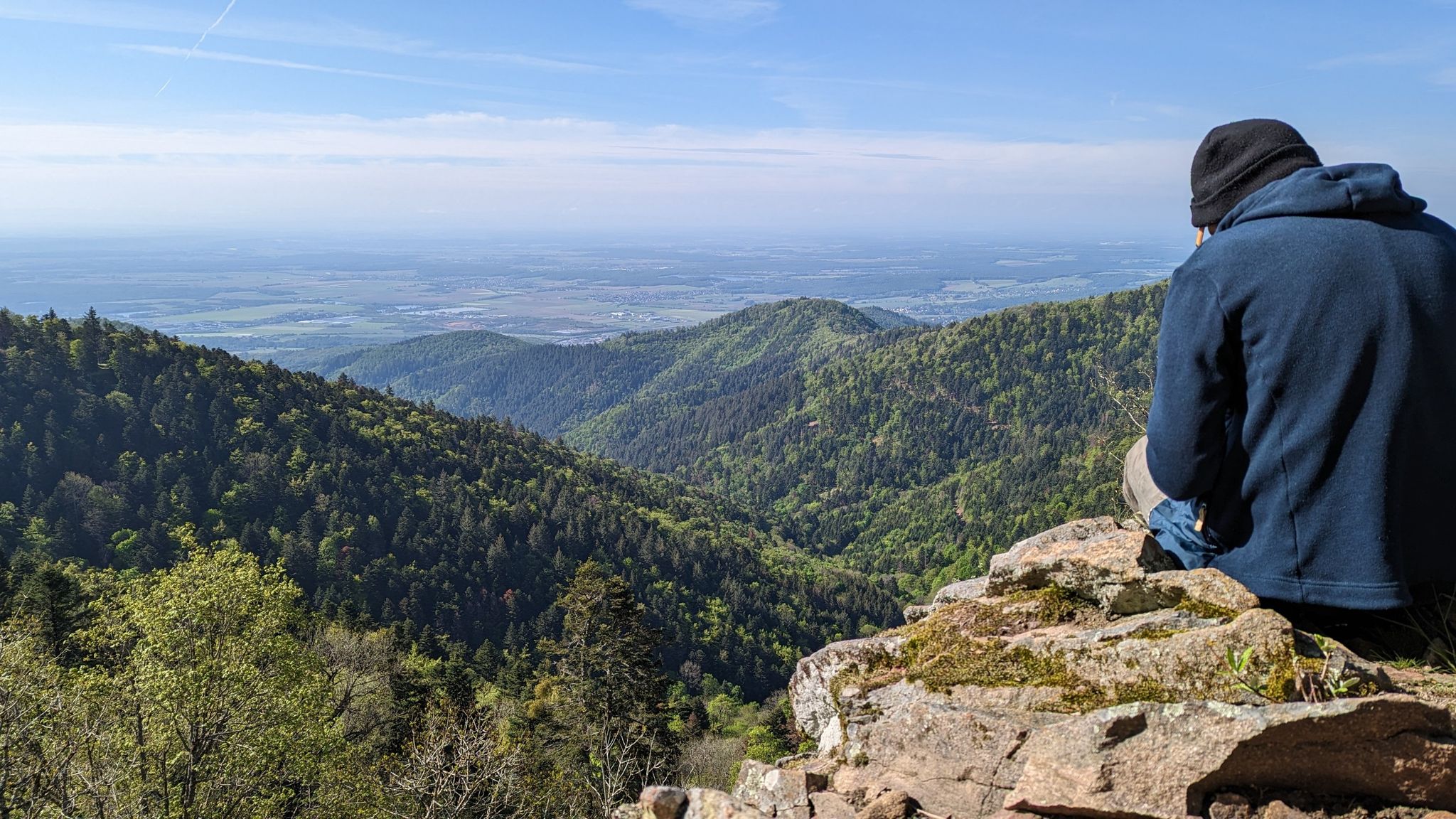
Sentier de l'Europe (GR 5) – Montbéliard to Abreschviller
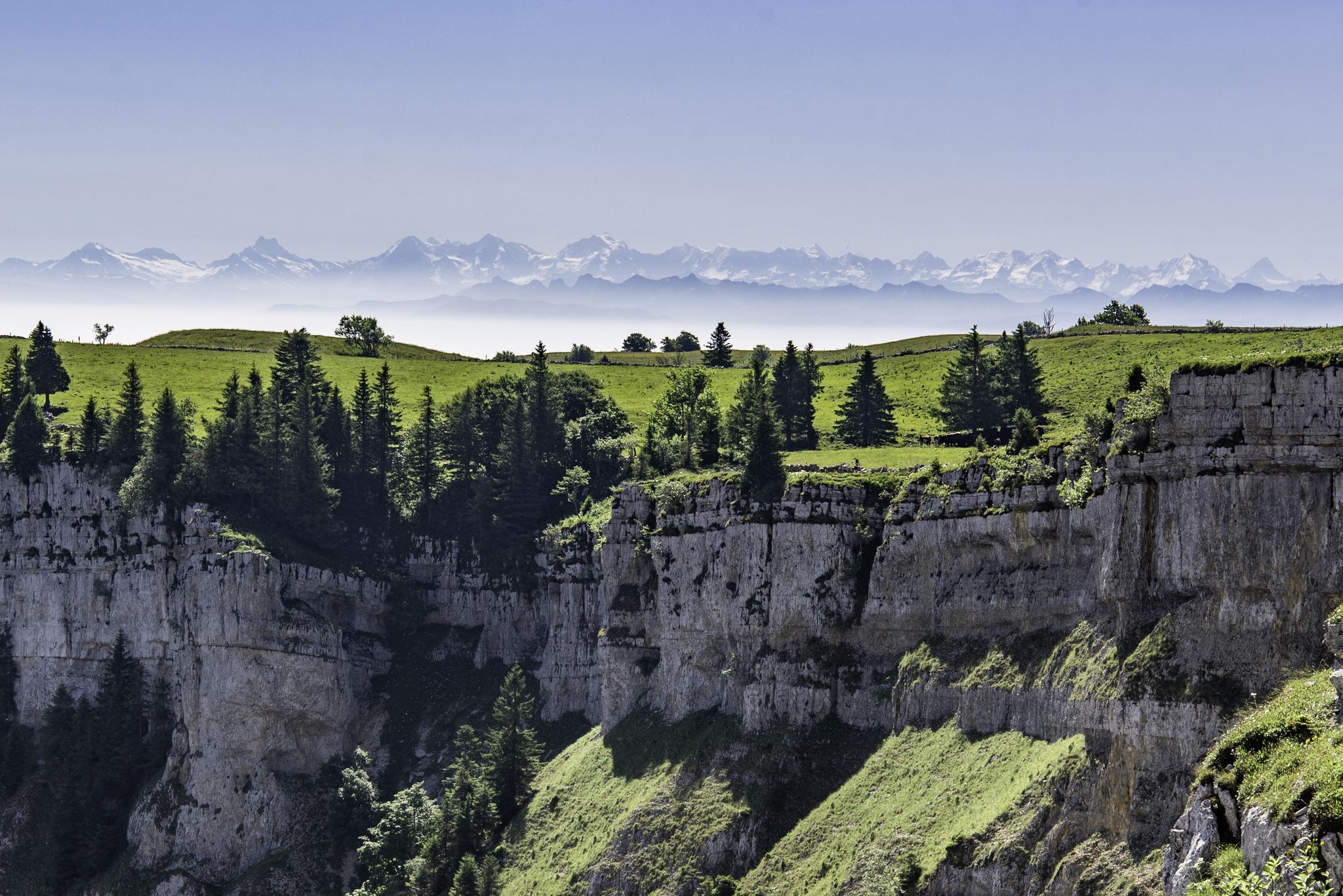
From the Vosges to the Jura mountains – Hexatrek, le Grand Est
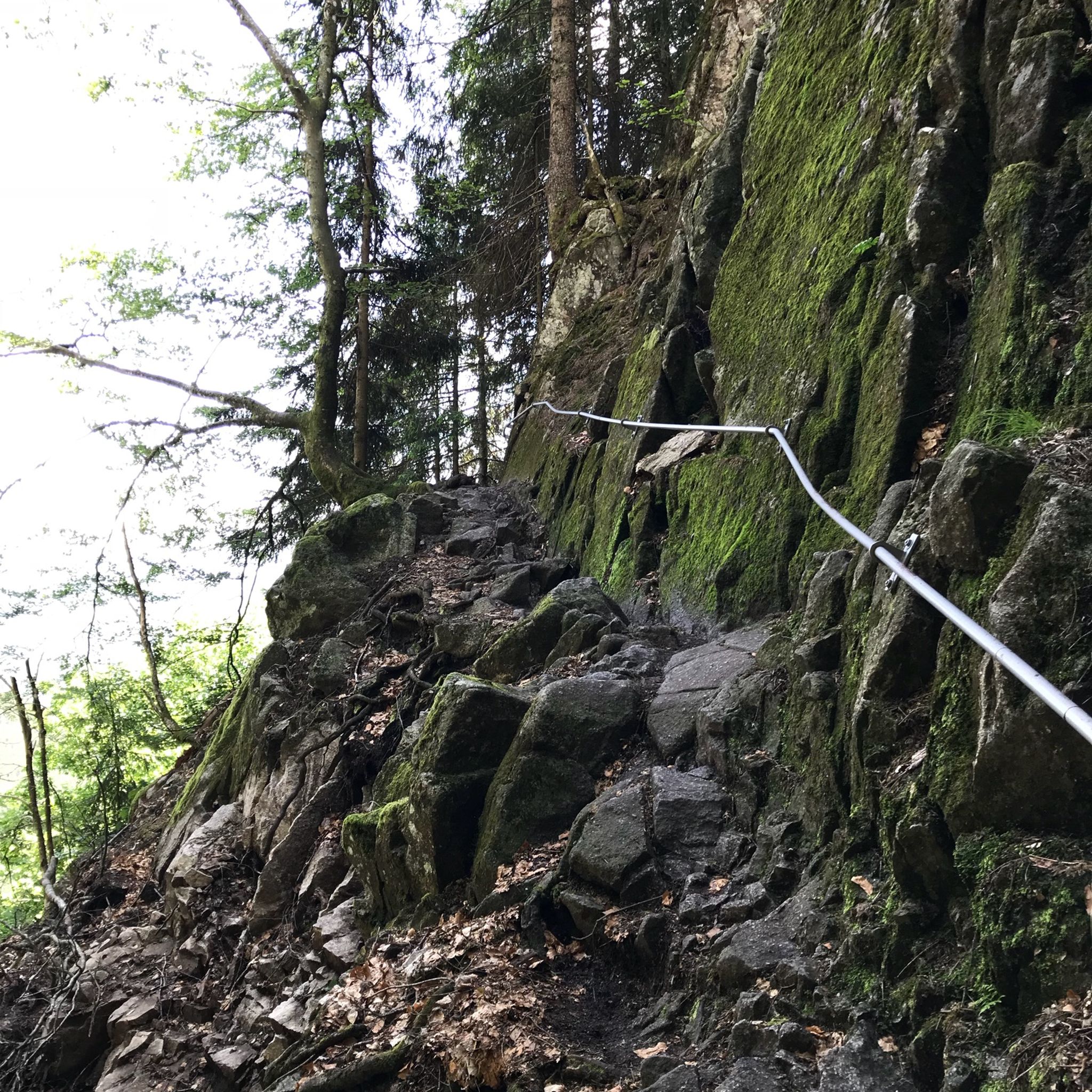
Hiking around Réserve Naturelle du Frankenthal-Missheimle
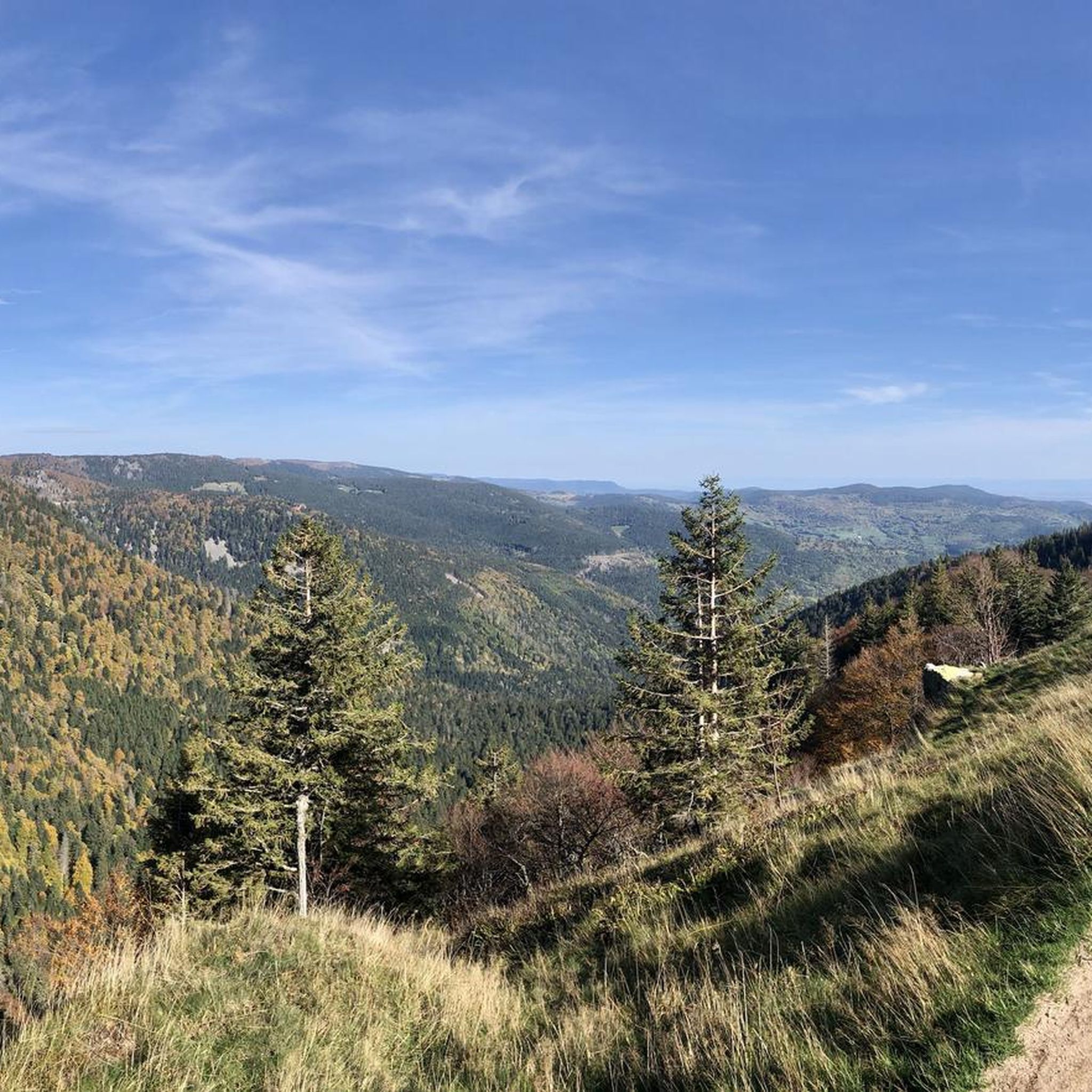
Road Cycling Routes around Réserve Naturelle du Frankenthal-Missheimle
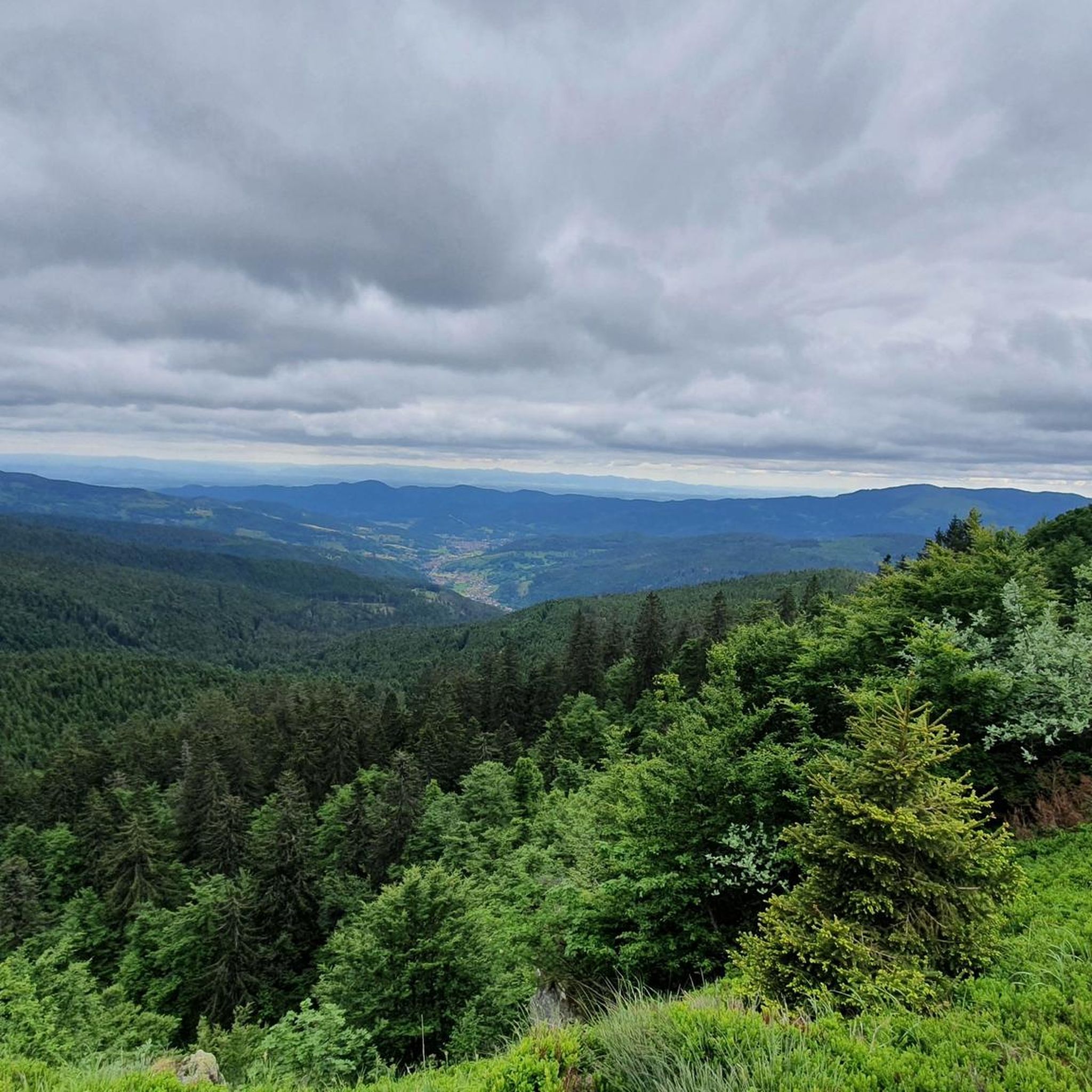
Cycling around Réserve Naturelle du Frankenthal-Missheimle
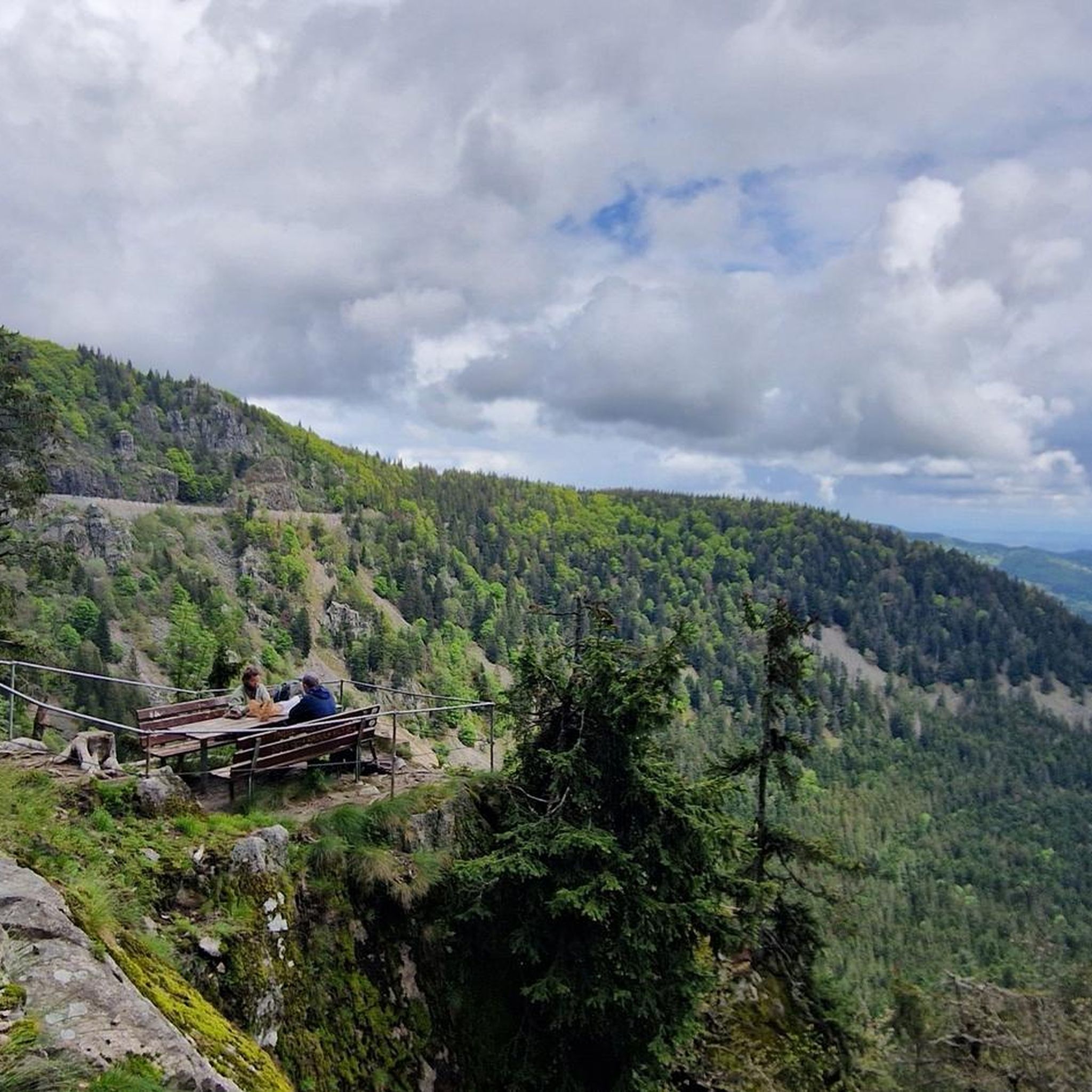
Running Trails around Réserve Naturelle du Frankenthal-Missheimle

Gravel biking around Réserve Naturelle du Frankenthal-Missheimle
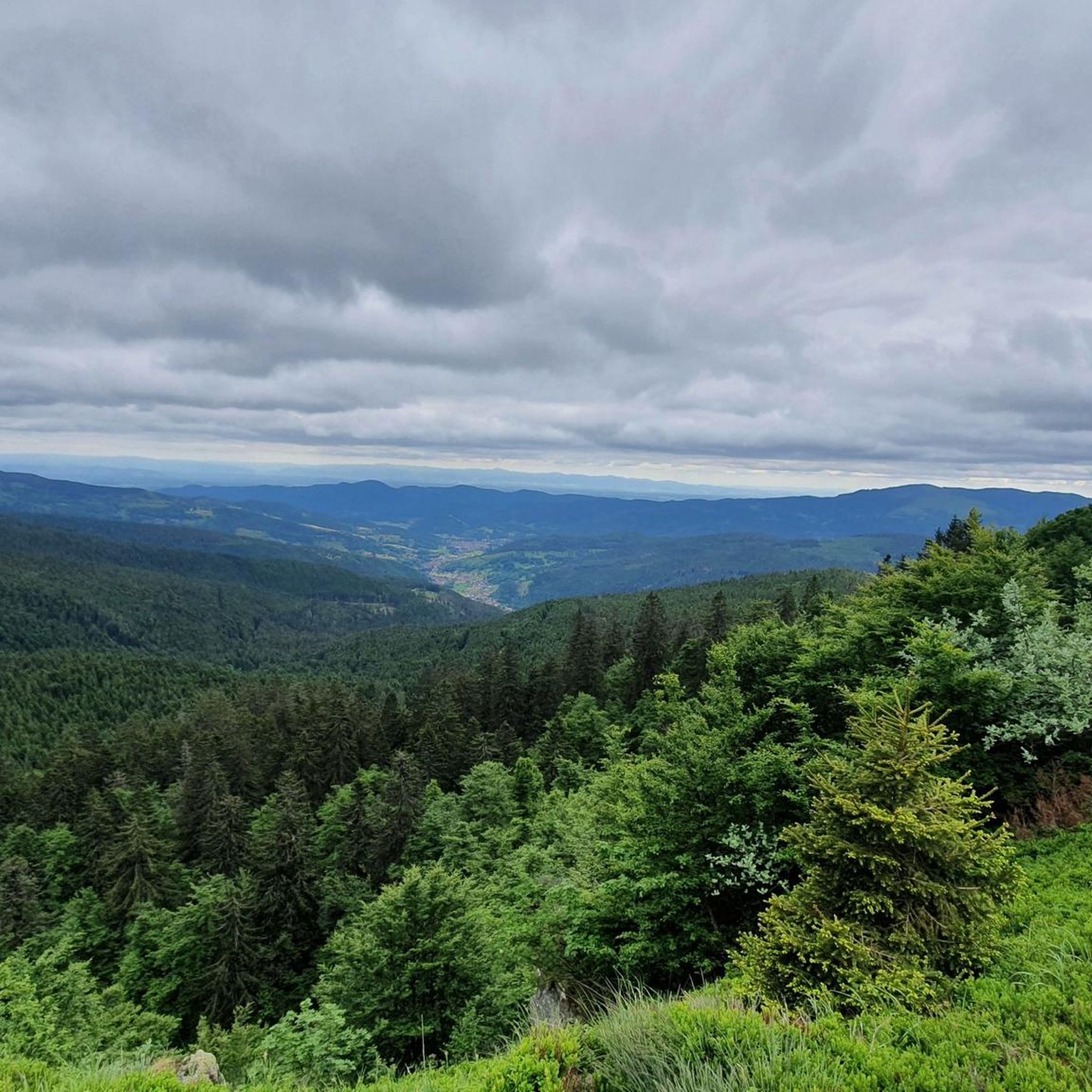
MTB Trails around Réserve Naturelle du Frankenthal-Missheimle
Other adventures around Réserve Naturelle du Frankenthal-Missheimle


Tips from the Community

The Schaeferthalpass (French: Col du Schaeferthal) is an important mountain pass located at an altitude of 1,224 to 1,228 meters in the High Vosges. It connects the ice-age Frankenthal Valley with the glacial cirque of the Schiessrothried lake and forms a central hub for challenging circular hikes.
0
0


It culminates at 1228 meters altitude.
0
0

Awesome views that you have earned as a reward through the Felsenland
3
0
Unfortunately, you can't get to the water from the bridge
5
0
A rock that you simply must see.. it's a bit exposed but hey.. great view from there
7
0
Great descent from the Hohneck through a natural low beech forest.
3
0
Frequently Asked Questions
Are there mountaineering routes suitable for beginners or less experienced hikers in Réserve Naturelle du Frankenthal-Missheimle?
While the region is known for its challenging terrain, there are some routes that offer a more moderate introduction to mountaineering. For example, the Col du Schaeferthal – Col du Falimont loop from Col de la Schlucht is a moderate 9.6 km route with significant elevation gain, providing a good challenge without being overly technical. There are 16 moderate routes in total, offering varied experiences.
What kind of challenges can I expect on the more difficult mountaineering routes?
The difficult routes in Réserve Naturelle du Frankenthal-Missheimle are characterized by rugged mountain passes, prominent rock formations, and demanding ascents and descents. You can expect varied terrain, often moving from dense forests to open ridges. Routes like the Lake Fischboedle – Hohneck loop from Col de la Schlucht, which is 19.5 km long with nearly 1000 meters of elevation gain, will test your endurance and require good physical condition.
Are there circular mountaineering routes in the Réserve Naturelle du Frankenthal-Missheimle?
Yes, many of the mountaineering routes in the region are designed as circular loops, allowing you to start and end at the same point. Examples include the Krappenfels – Beautiful view loop from Col de la Schlucht and the Col de la Schlucht – Hohneck loop from Col de la Schlucht, which offer diverse scenery and return to your starting point.
What natural sights or landmarks can I see along the mountaineering routes?
The routes offer access to several notable natural features. You can discover the impressive Krappenfels rock formation, enjoy panoramic views from various viewpoints, and encounter high-altitude lakes. The area is rich in natural monuments and scenic spots.
Are there any waterfalls to discover on these trails?
Yes, you can find beautiful waterfalls within the reserve. A notable one is the Waterfall on Sentier des Roches, which is a highlight for many visitors. This area, including the Sentier des Roches itself, offers a unique natural experience.
Where can I find the best viewpoints in the Réserve Naturelle du Frankenthal-Missheimle?
The region is dotted with excellent viewpoints offering expansive vistas of the Vosges mountains. The Viewpoint near Krappenfels and the Lookout at the Martinswand are particularly popular for their scenic outlooks. Many routes traverse ridges that provide continuous panoramic views.
Can I bring my dog on the mountaineering trails in Réserve Naturelle du Frankenthal-Missheimle?
Generally, dogs are welcome on trails in the Vosges mountains, but it's always advisable to keep them on a leash, especially in nature reserves like Frankenthal-Missheimle, to protect wildlife and ensure their safety on rugged terrain. Be prepared for varied conditions and carry enough water for both yourself and your dog.
Are there any family-friendly mountaineering options in the reserve?
While many routes are challenging, some shorter, less strenuous sections or nearby trails might be suitable for families with older children who are accustomed to hiking. For younger children, consider exploring the more accessible parts of the reserve or shorter walks around the Col de la Schlucht area, rather than full mountaineering routes.
What is the best time of year for mountaineering in Réserve Naturelle du Frankenthal-Missheimle?
The best time for mountaineering in this region is typically from late spring to early autumn (May to October). During these months, the weather is generally more stable, and trails are clear of snow. Always check local weather forecasts before heading out, as conditions can change rapidly in the mountains.
Are there places to eat or drink near the mountaineering trails?
Yes, you can find options for refreshments. The Ferme Auberge du Frankenthal is a notable spot within the area, offering a chance to experience local cuisine. Other establishments may be found in nearby villages or at popular starting points like Col de la Schlucht.
What do other mountaineers enjoy most about the routes in Réserve Naturelle du Frankenthal-Missheimle?
The area is highly rated by the komoot community, with an average score of 4.7 stars. Reviewers often praise the challenging and diverse terrain, the stunning panoramic views from prominent rock formations like Krappenfels, and the sense of accomplishment from tackling demanding ascents and descents. The natural beauty of the high-altitude lakes and dense forests is also frequently highlighted.
Is winter mountaineering possible in Réserve Naturelle du Frankenthal-Missheimle?
Winter mountaineering is possible but requires significant experience, proper equipment (such as snowshoes or crampons), and an understanding of avalanche risks. Many trails can become snow-covered and icy, making them considerably more difficult and dangerous. It is crucial to check local conditions and weather warnings before attempting any winter ascents.
Most popular routes around Réserve Naturelle du Frankenthal-Missheimle
Most popular attractions around Réserve Naturelle du Frankenthal-Missheimle

Get inspired with the komoot mobile app


Explore more
Browse the best Mountain Hikes & Routes in other regions.
