Réserve naturelle de Ristolas - Mont-Viso
Réserve naturelle de Ristolas - Mont-Viso
Top 4 Mountain Passes around Réserve naturelle de Ristolas - Mont-Viso
Best mountain passes around Réserve naturelle de Ristolas - Mont-Viso are situated in the Hautes-Alpes department of France, bordering Italy. This region is known for its alpine landscape, historical significance, and diverse natural features. The area offers numerous mountain passes, providing access to extensive hiking and cycling routes. Mont Viso, at 3,841 meters, dominates the landscape, making the passes in its vicinity particularly scenic.
Best mountain passes around Réserve naturelle de Ristolas - Mont-Viso
- The most popular mountain passes is…
Last updated: October 13, 2026
Tunnel de la Traversette (Buco di Viso)
Highlight (Segment) • Monument
Translated by Google •
Tip by

Vallanta Pass
Highlight • Mountain Pass
Translated by Google •
Tip by
Sign up now to discover places like this
Get recommendations on the best single tracks, peaks, & plenty of other exciting outdoor places.
Traversette Pass
Highlight • Mountain Pass
Showing Translation
Tip by

Col Sellière
Highlight • Mountain Pass
Translated by Google •
Tip by

Asti Saddle
Highlight • Mountain Pass
Translated by Google •
Tip by

Start today with a free account
Your next adventure awaits.
Popular around Réserve naturelle de Ristolas - Mont-Viso
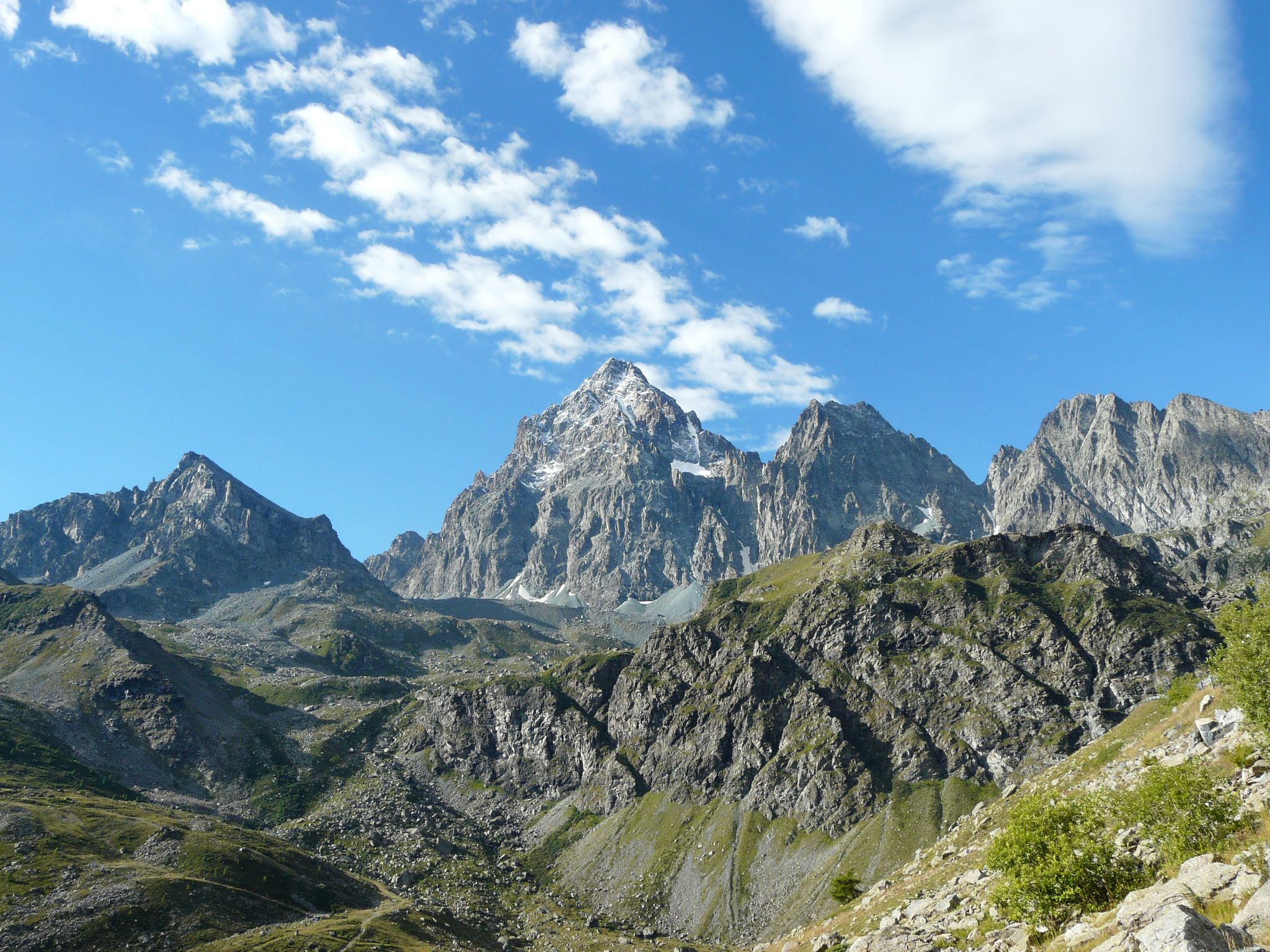
Tour di Viso – Four days around the Stone King from Castello
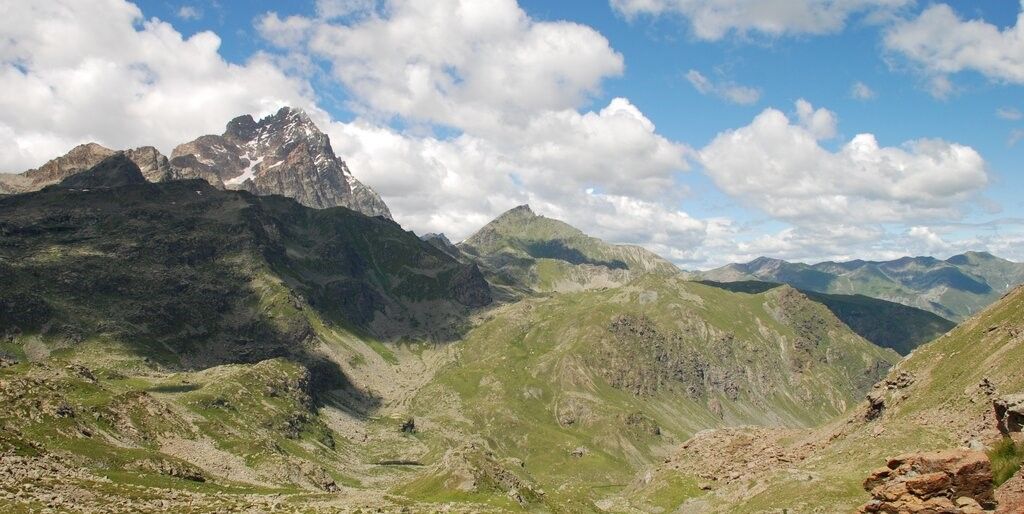
Tour di Viso – Four days around the Stone King from Meire Dacant
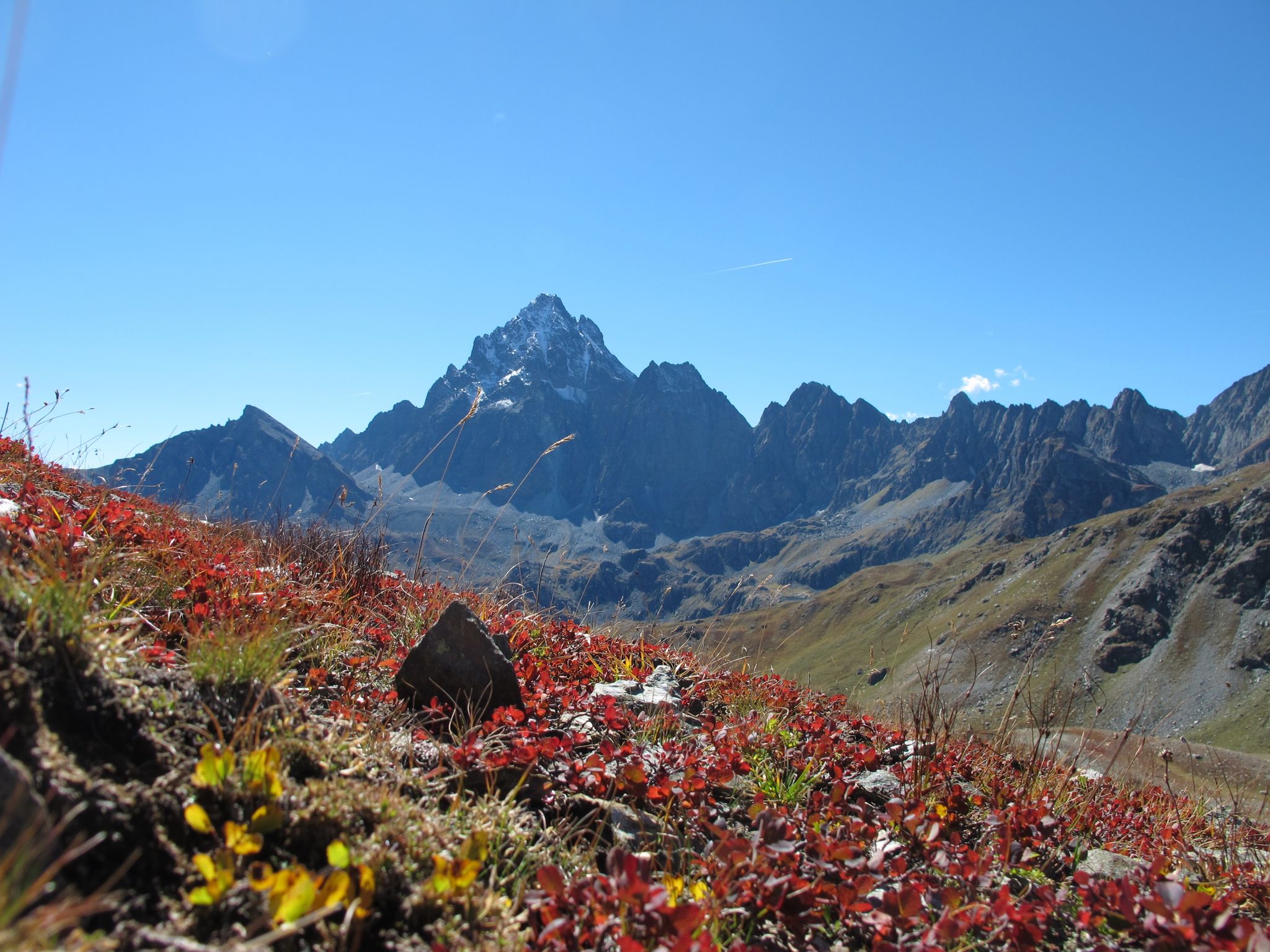
Three days around il Re di Pietra ─ Giro di Viso from Castello
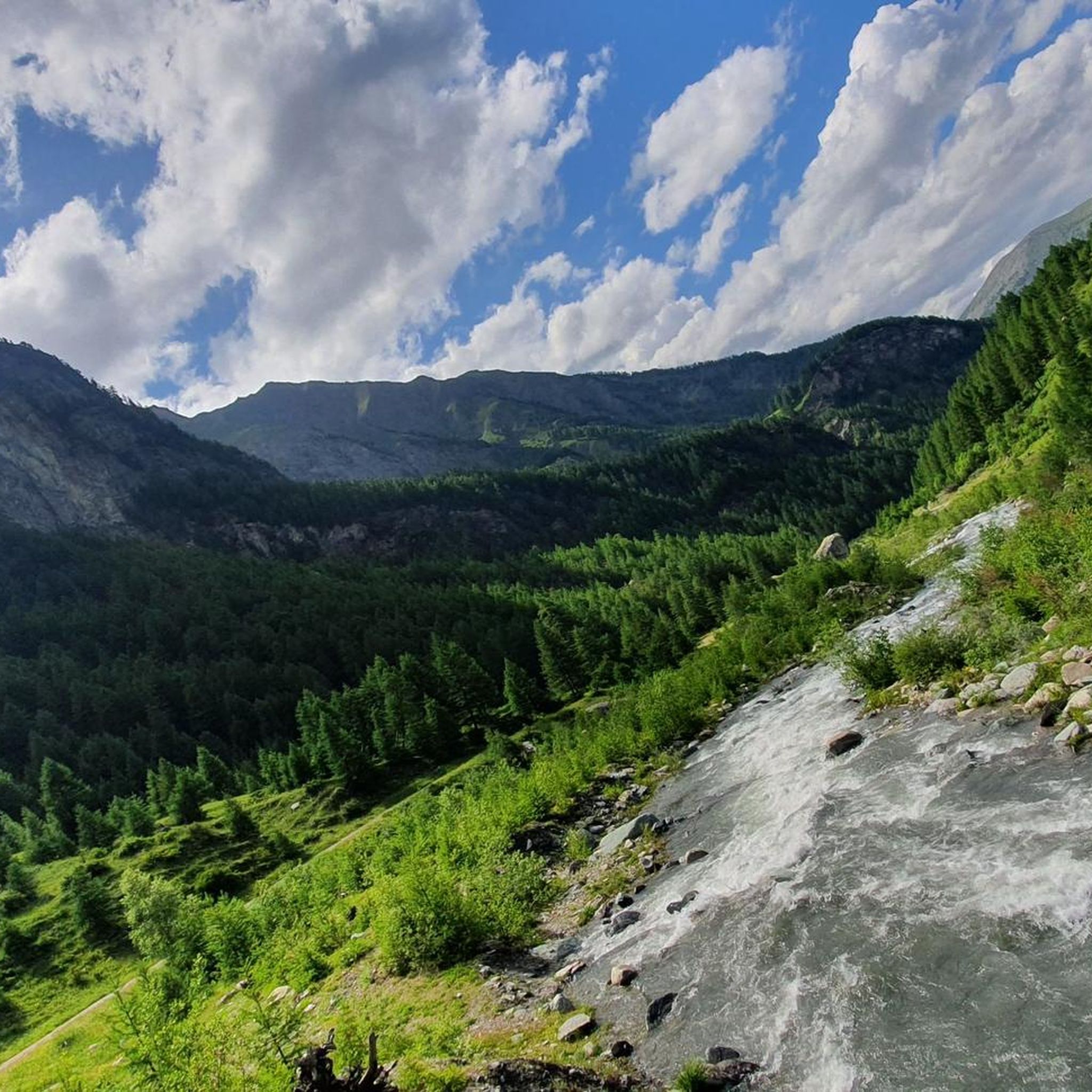
Cycling around Réserve naturelle de Ristolas - Mont-Viso
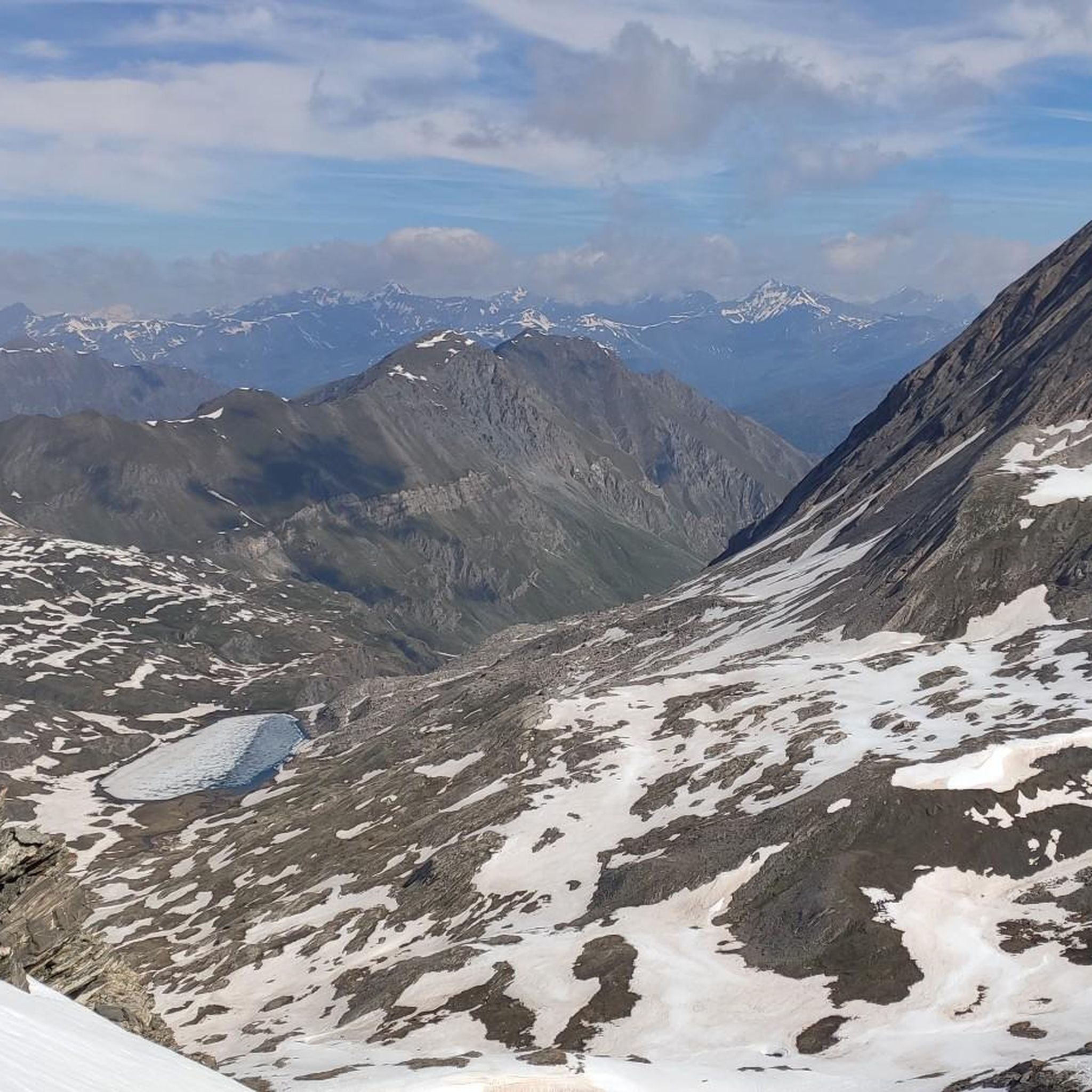
Hiking around Réserve naturelle de Ristolas - Mont-Viso
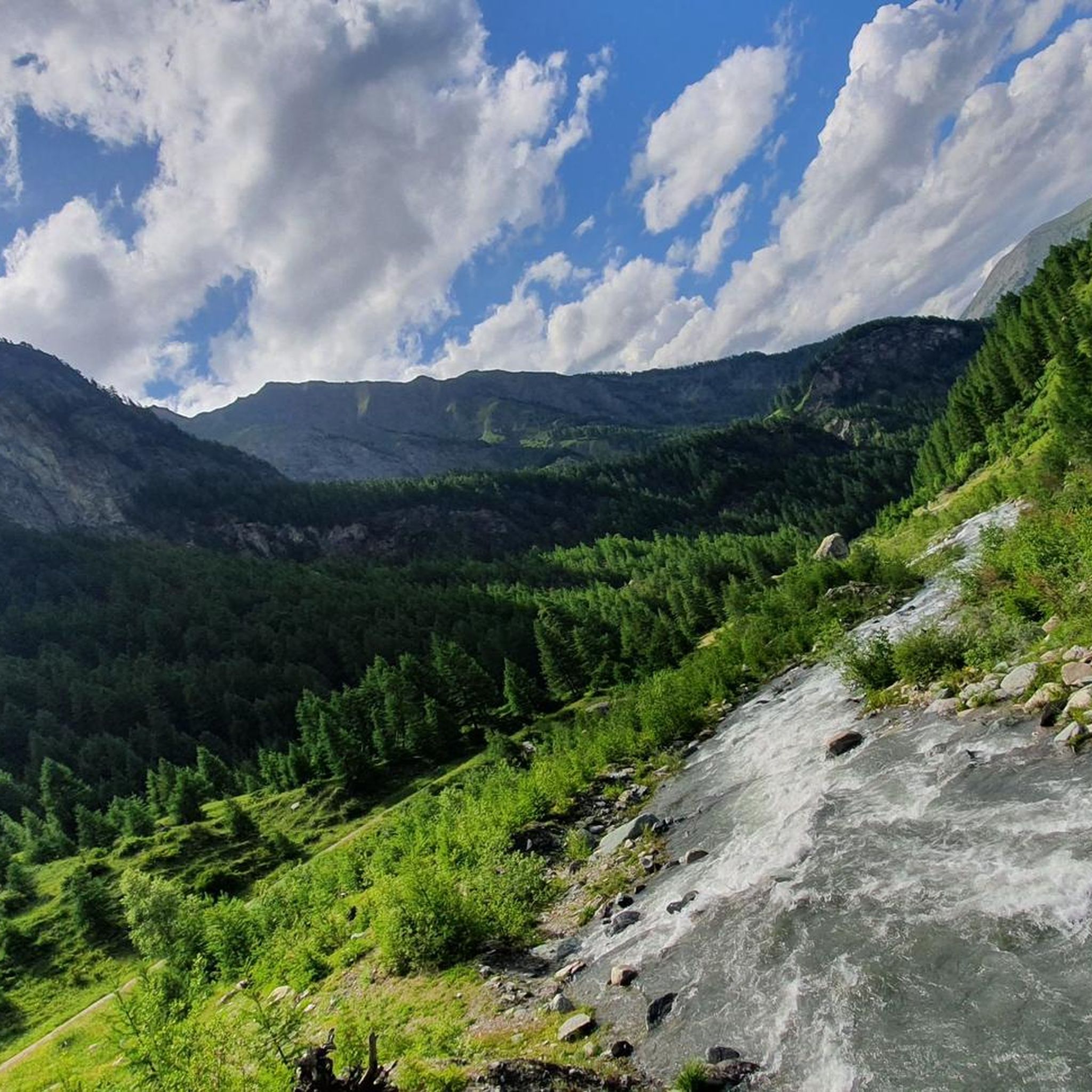
Road Cycling Routes around Réserve naturelle de Ristolas - Mont-Viso
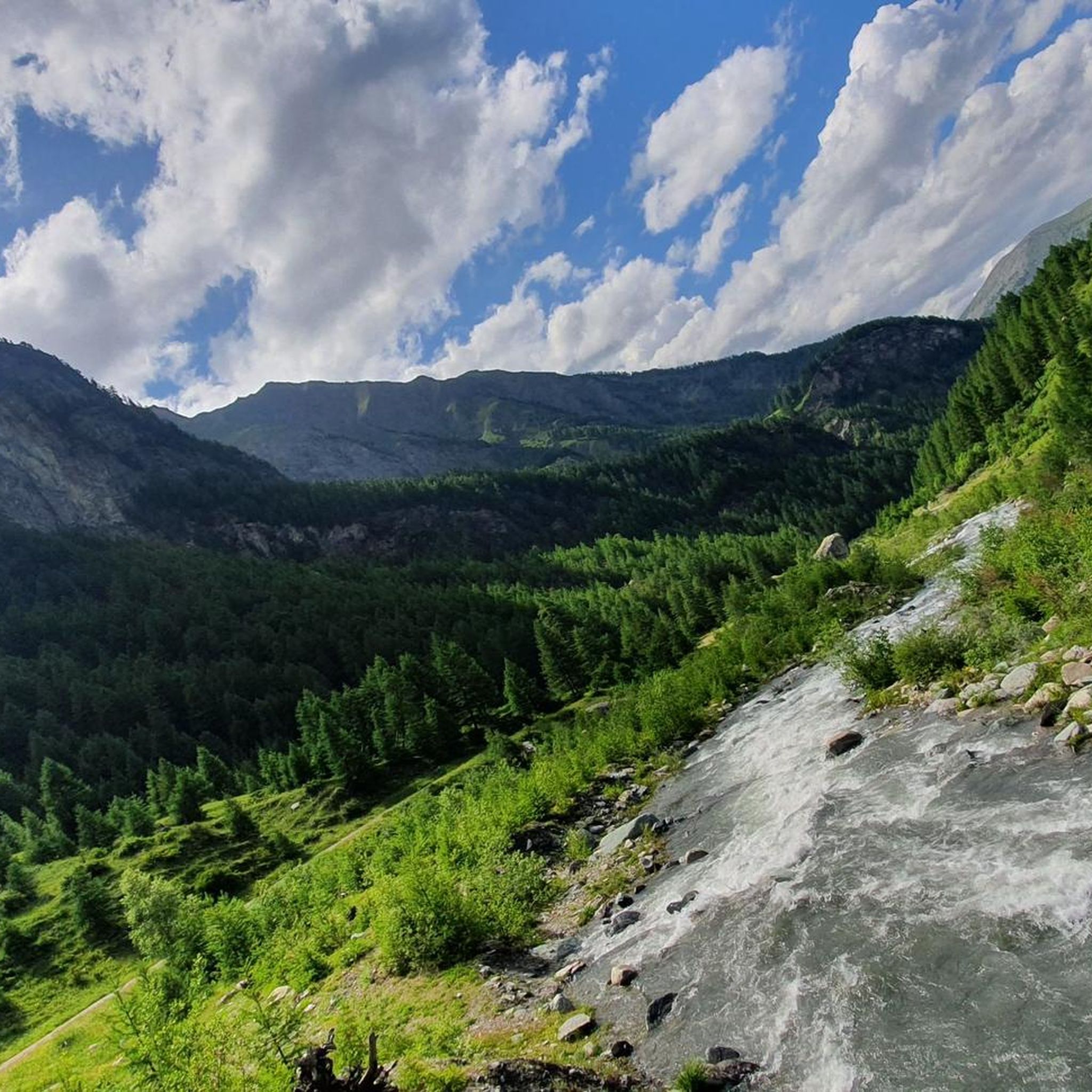
MTB Trails around Réserve naturelle de Ristolas - Mont-Viso
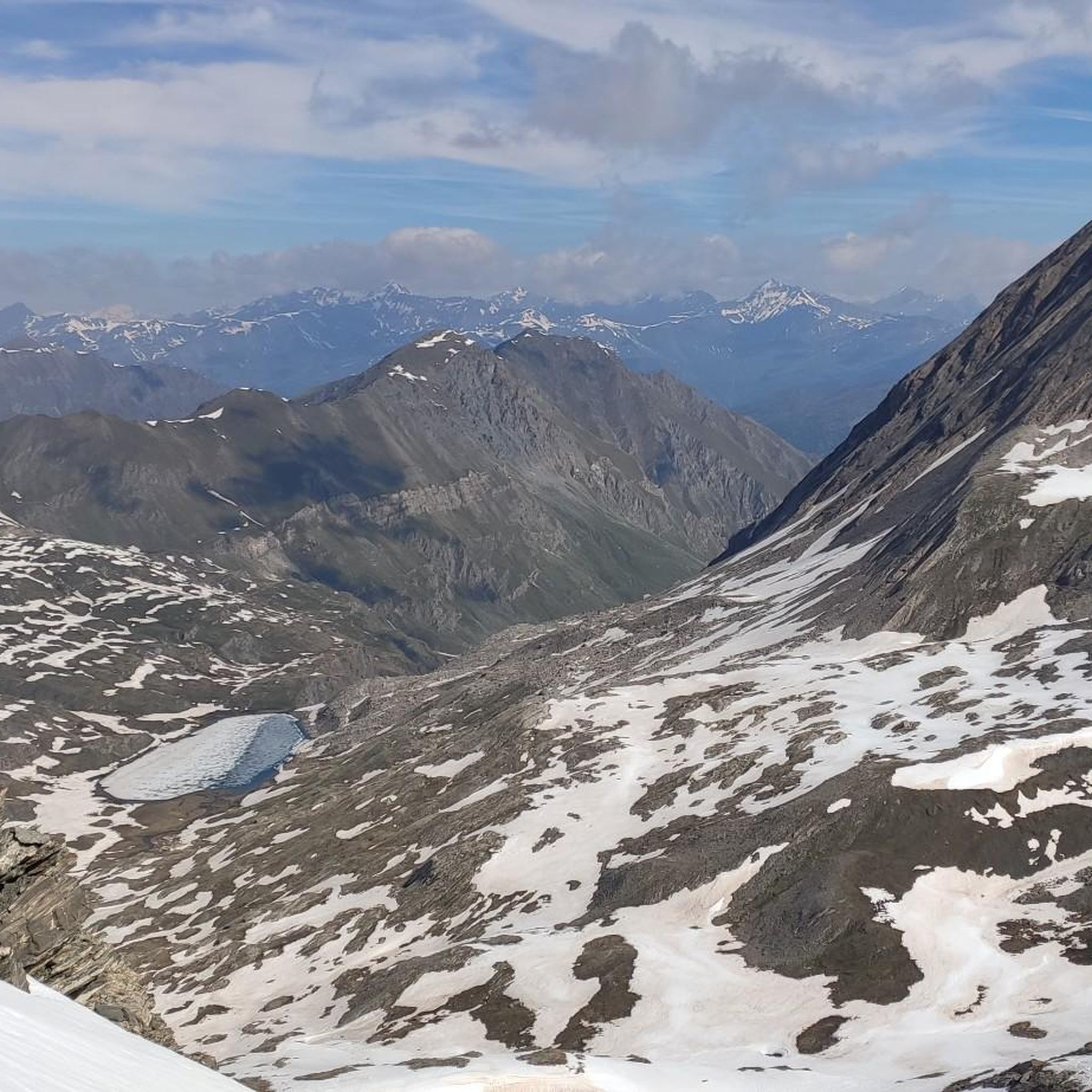
Running Trails around Réserve naturelle de Ristolas - Mont-Viso
Mountain Hikes around Réserve naturelle de Ristolas - Mont-Viso

Gravel biking around Réserve naturelle de Ristolas - Mont-Viso
Other adventures around Réserve naturelle de Ristolas - Mont-Viso

Tips from the Community

Spectacular pass that allows passage from the Guil Valley to the Po Valley; the ascent from France is not particularly difficult from a technical point of view, while the descent into Italy requires great attention as the first section takes place on steep scree. On clear days, from the summit of the pass, it is possible to admire a panorama that reaches as far as Gran Paradiso. This pass, according to the most recent reconstructions, is said to have been crossed by Hannibal with his elephants on the descent towards Rome.
2
0

If you plan to cross the pass as part of an Alpine cross-country bike ride, it's essential to lift and carry your bike over large boulders and rocks. Simply pushing isn't enough. The exit is very steep. An alternative route would be via the Col Agnel road.
0
0

Beautiful hill reachable from Buco di Viso (about 10-15 minutes) with a view of Monviso and France. I recommend the ascent from the Italian side, more exposed and steep, and the descent from the French side, returning to Italy through the tunnel.
1
0

Done in two days it remains less demanding with an overnight stay at the Vallanta refuge
0
0

Be attentive, the ibexes are present and if you are lucky you will even be able to witness a fight of large males who stand on their hindquarters before throwing themselves at their opponent, the sound of the horns hitting each other is impressive.
0
0
The view is magnificent from this pass
0
0

High mountain ski mountaineering trip on very suggestive sceneries. Some sections a little steep uphill, but generally spring snow, skiable at the end of the season
0
0

Tunnel dug into the mountain and renovated on the French side years ago. It is now much more accessible than before it was actually a snow and ice hole (depending on the season). Inside I recommend the phone's flash and headlamp because for a few meters he sees absolutely nothing. The temperature is obviously very very low inside with wind currents.
1
0
Frequently Asked Questions
What historical sites can I explore among the mountain passes?
The region is rich in history. A notable site is the Tunnel de la Traversette (Buco di Viso), an engineering marvel dug between 1479 and 1480 to facilitate trade. It's the first Alpine tunnel, 75 meters long, and accessible to visitors. The nearby Traversette Pass is also historically significant, with some reconstructions suggesting it was crossed by Hannibal.
What are the best passes for panoramic views of Mont Viso?
Many passes offer stunning views of Mont Viso. The Traversette Pass provides exceptional panoramas, including views that can reach as far as Gran Paradiso on clear days. From Vallanta Pass, you can see the impressive northwest face of Monviso, which appears very close.
Are there challenging mountain routes for experienced hikers in the Mont-Viso area?
Yes, the Mont-Viso area offers numerous challenging routes. Passes like Vallanta Pass, Traversette Pass, and Col Sellière are part of extensive trail networks, including sections of the multi-day Tour du Viso trek. The descent from Traversette Pass into Italy, for example, involves steep scree and requires great attention. For more specific routes, explore the Mountain Hikes around Réserve naturelle de Ristolas - Mont-Viso guide.
What natural features can I expect to see around the mountain passes?
The region is characterized by dramatic geological history, with diverse rocks like gabbros, schists, and basaltic lavas. You'll encounter pristine alpine meadows, high-altitude lakes, and a rich biodiversity with around a thousand plant species. Keep an eye out for local wildlife such as marmots, ibex, and bearded vultures, especially in more secluded areas like those accessed via Col Vallante.
What is the best time to visit the mountain passes in Réserve naturelle de Ristolas - Mont-Viso?
The best time to visit for hiking and cycling is typically from late spring to early autumn (June to September) when the passes are generally free of snow and weather conditions are more stable. Some passes, like Col Sellière, can have significant snow on the Italian side until early July. For ski mountaineering, the Asti Saddle is popular in late spring for its spring snow conditions.
Are there opportunities for road cycling or gravel biking near these passes?
Absolutely. The region is very popular with cyclists. Col Agnel, for instance, is the third-highest paved road pass in the Alps and a legendary route for road cyclists. You can find detailed routes in the Road Cycling Routes around Réserve naturelle de Ristolas - Mont-Viso guide. For gravel biking, explore the Gravel biking around Réserve naturelle de Ristolas - Mont-Viso guide, which features routes like the Abriès – LaRocheEcroulée loop.
Which mountain passes mark the border between France and Italy?
Several passes in the region serve as the border between France and Italy. These include Vallanta Pass, Col Sellière, and Col Agnel. These passes offer unique perspectives of both countries' alpine landscapes.
What is unique about the Tunnel de la Traversette?
The Tunnel de la Traversette (Buco di Viso) is unique because it was the first Alpine tunnel ever constructed, completed in 1480. It's a 75-meter passage dug into the rock at 2,882 meters above sea level, originally designed for trade to allow the passage of a man and a mule. It's a testament to medieval alpine engineering.
Are there any passes suitable for ski mountaineering?
Yes, the Asti Saddle is noted for high mountain ski mountaineering. It offers very suggestive sceneries, with some sections being a little steep uphill. It's generally known for spring snow, making it skiable at the end of the season.
What kind of terrain can I expect on the mountain passes?
The terrain varies significantly. While some ascents, like from the French side of Traversette Pass, might not be technically difficult, descents can involve steep scree. Passes like Col Sellière feature rocky points marking the arrival. Many passes are part of extensive trail networks, ranging from well-trodden paths to more rugged, high-alpine environments.
What do visitors enjoy most about the mountain passes in Réserve naturelle de Ristolas - Mont-Viso?
Visitors consistently praise the breathtaking panoramic views, especially of Mont Viso, often dubbed the 'Matterhorn of the Southern Alps.' The historical significance of sites like the Tunnel de la Traversette also adds a unique dimension. The challenging yet rewarding nature of the hikes and the sense of accomplishment from crossing high-altitude passes, often connecting France and Italy, are also highly valued.
Most popular routes around Réserve naturelle de Ristolas - Mont-Viso
Most popular attractions around Réserve naturelle de Ristolas - Mont-Viso

Get inspired with the komoot mobile app


Explore more
See even more epic mountain passes by checking out these guides around Réserve naturelle de Ristolas - Mont-Viso:
