National Park Cabo de Gata-Níjar
National Park Cabo de Gata-Níjar
Top 20 Natural Monuments around National Park Cabo de Gata-Níjar
Best natural monuments around National Park Cabo de Gata-Níjar are shaped by its volcanic origins, creating a diverse range of features. This UNESCO Global Geopark and Biosphere Reserve is the largest protected coastal area in Andalusia and the only region in Europe with a hot desert climate. The park features rugged landscapes with jagged cliffs, volcanic domes, and numerous coves, offering unique conditions for diverse flora and fauna. Its geological and biological value, combined with a low level of urban…
Last updated: October 13, 2026
Los Genoveses Beach
Highlight • Beach
Translated by Google •
Tip by

Views from the Granatilla viewpoint
Highlight • Viewpoint
Translated by Google •
Tip by

Sign up now to discover places like this
Get recommendations on the best single tracks, peaks, & plenty of other exciting outdoor places.
Cabo de Gata Salt Pans
Highlight • Natural Monument
Translated by Google •
Tip by

Collado de la Vela Blanca
Highlight • Mountain Pass
Translated by Google •
Tip by

Mónsul Beach
Highlight • Beach
Translated by Google •
Tip by
Sign up for free to discover even more natural monuments around National Park Cabo de Gata-Níjar.
Already have an account?
Start today with a free account
Your next adventure awaits.
Popular around National Park Cabo de Gata-Níjar

Triathlon 360 – my journey around the world
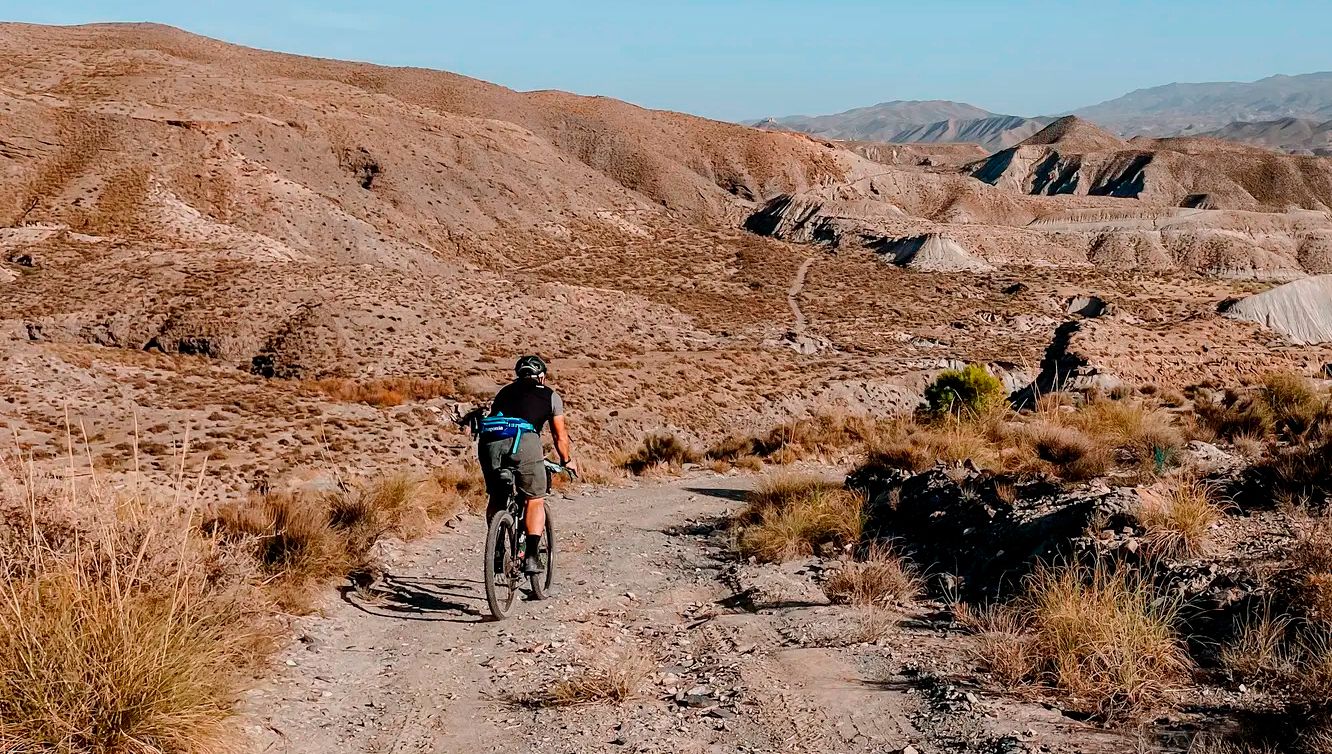
TransAlmería Gravel – Summits, dry riverbeds and deserts
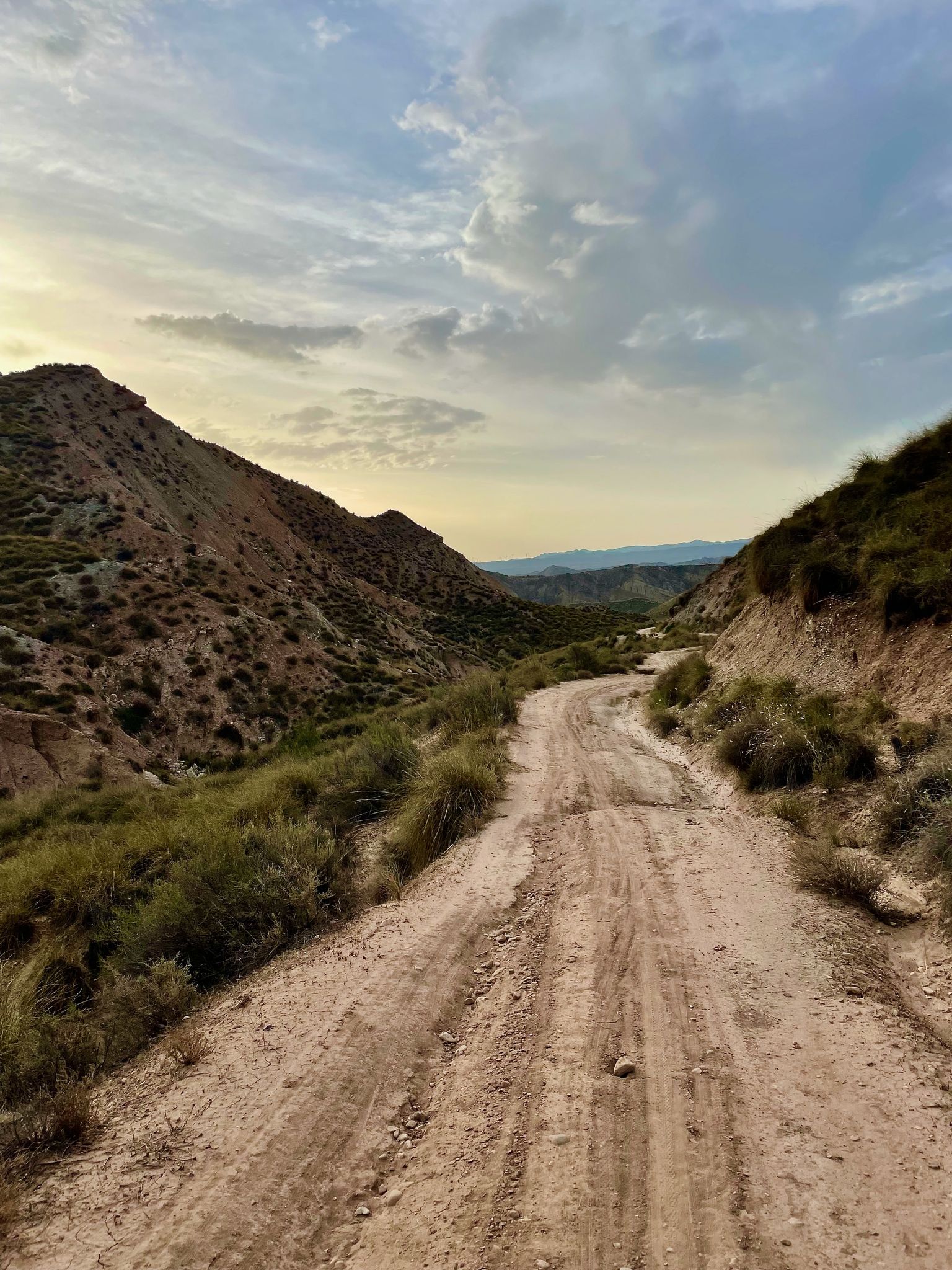
Badlands 2021 — 750km of gravel in the Spanish deserts
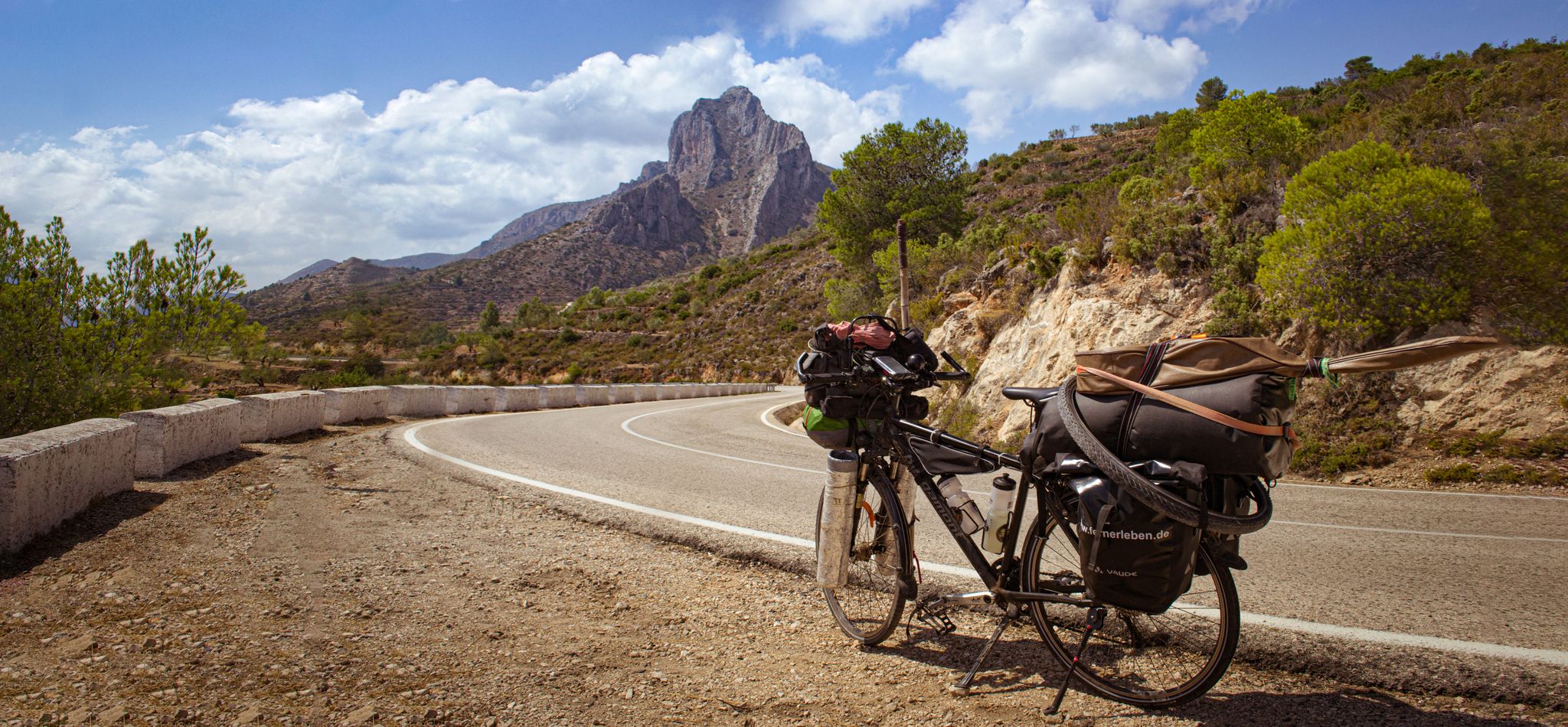
On the road to the sun — bikepacking to southeast Spain
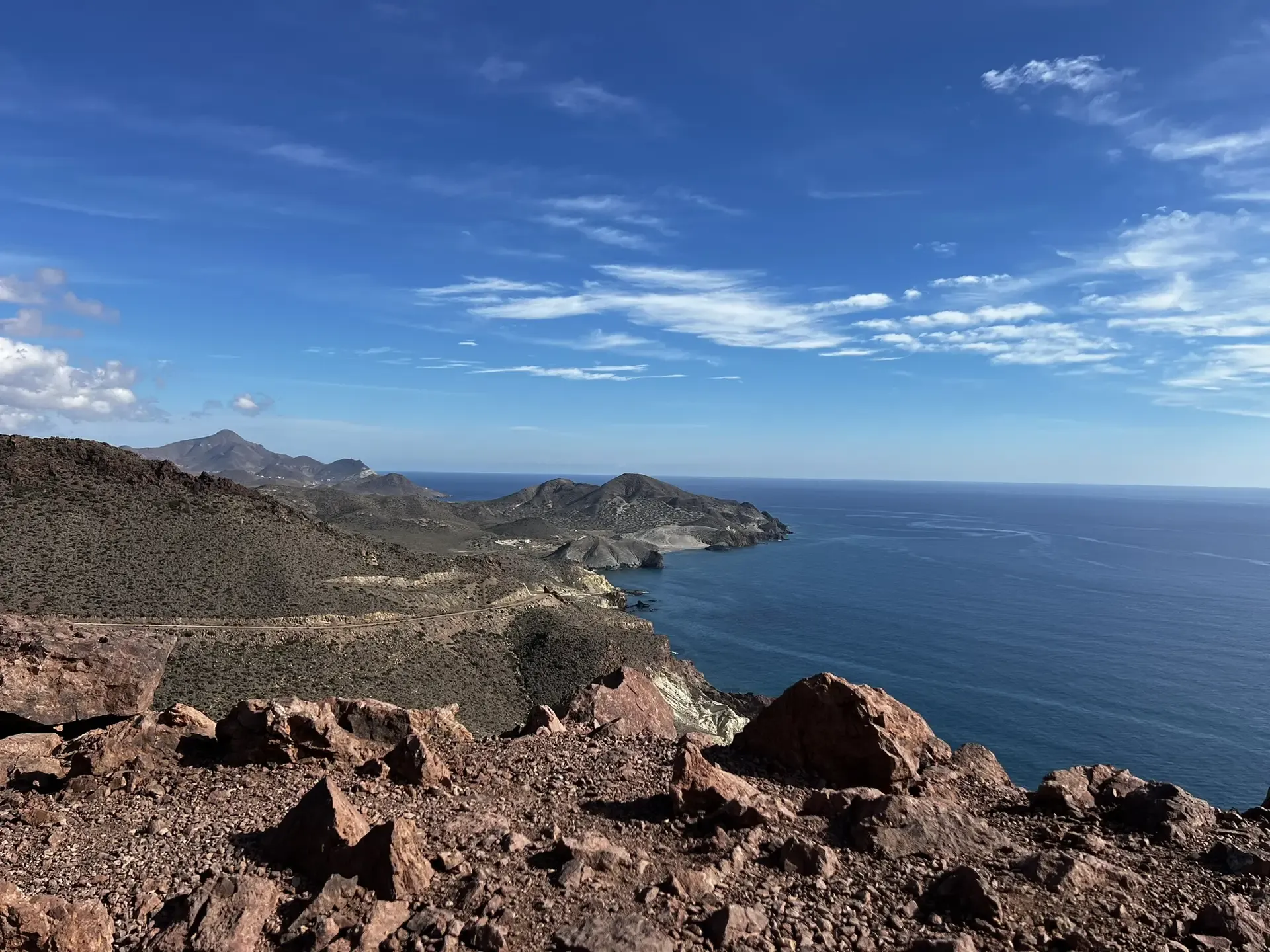
The Wild Side Of Almería — Transalmería By Mountain Bike
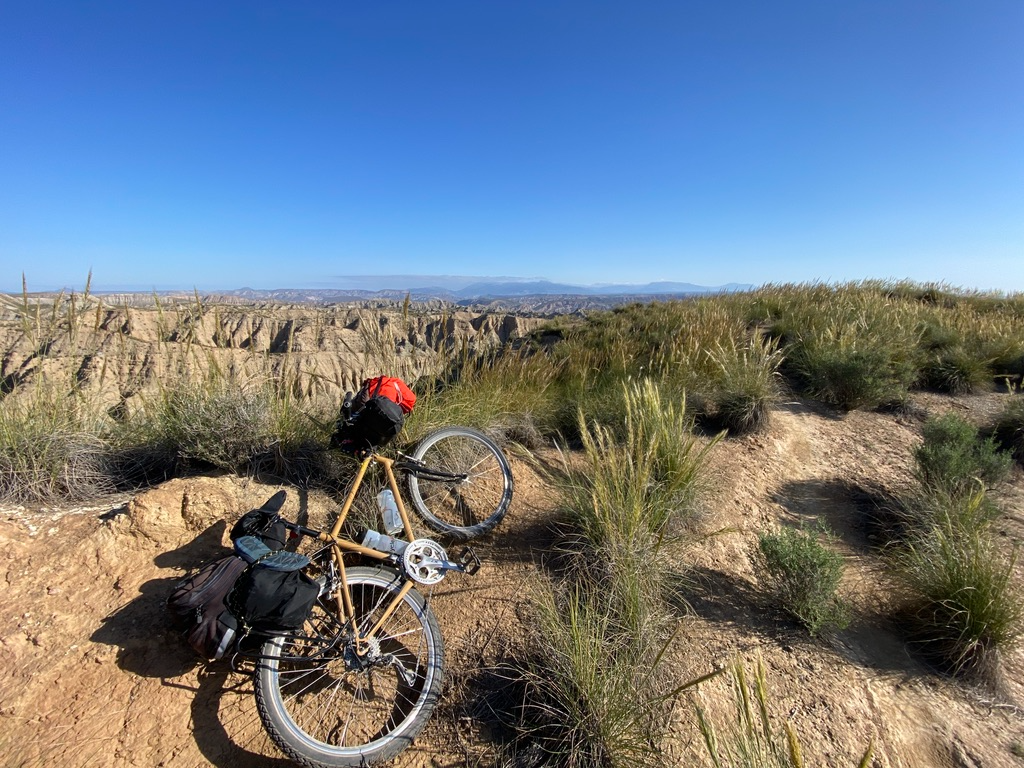
Mountain, Desert and Sea — Andalusian Trilogy
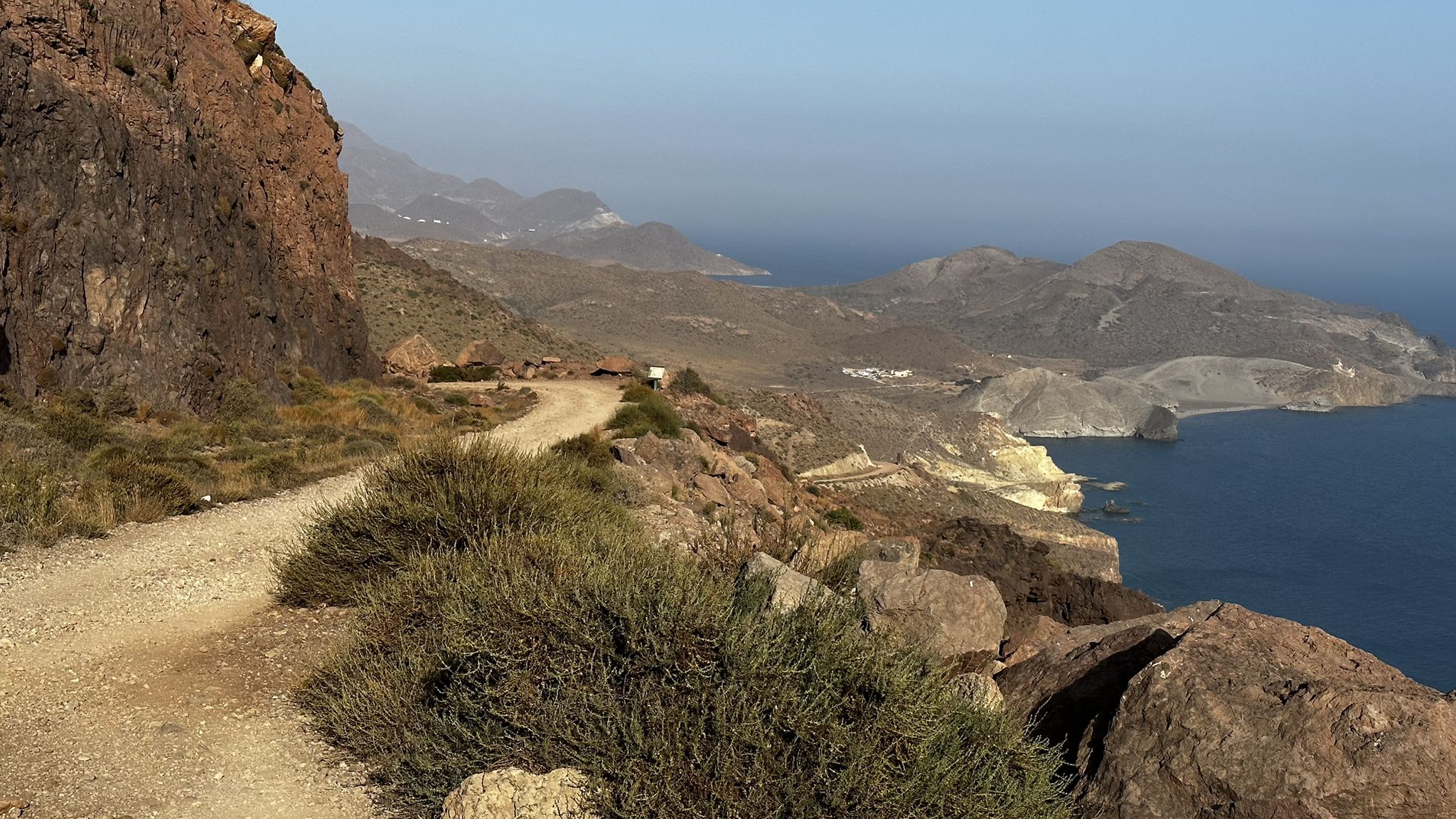
Beaches and desert – TransAlmería by MTB (El Levante)
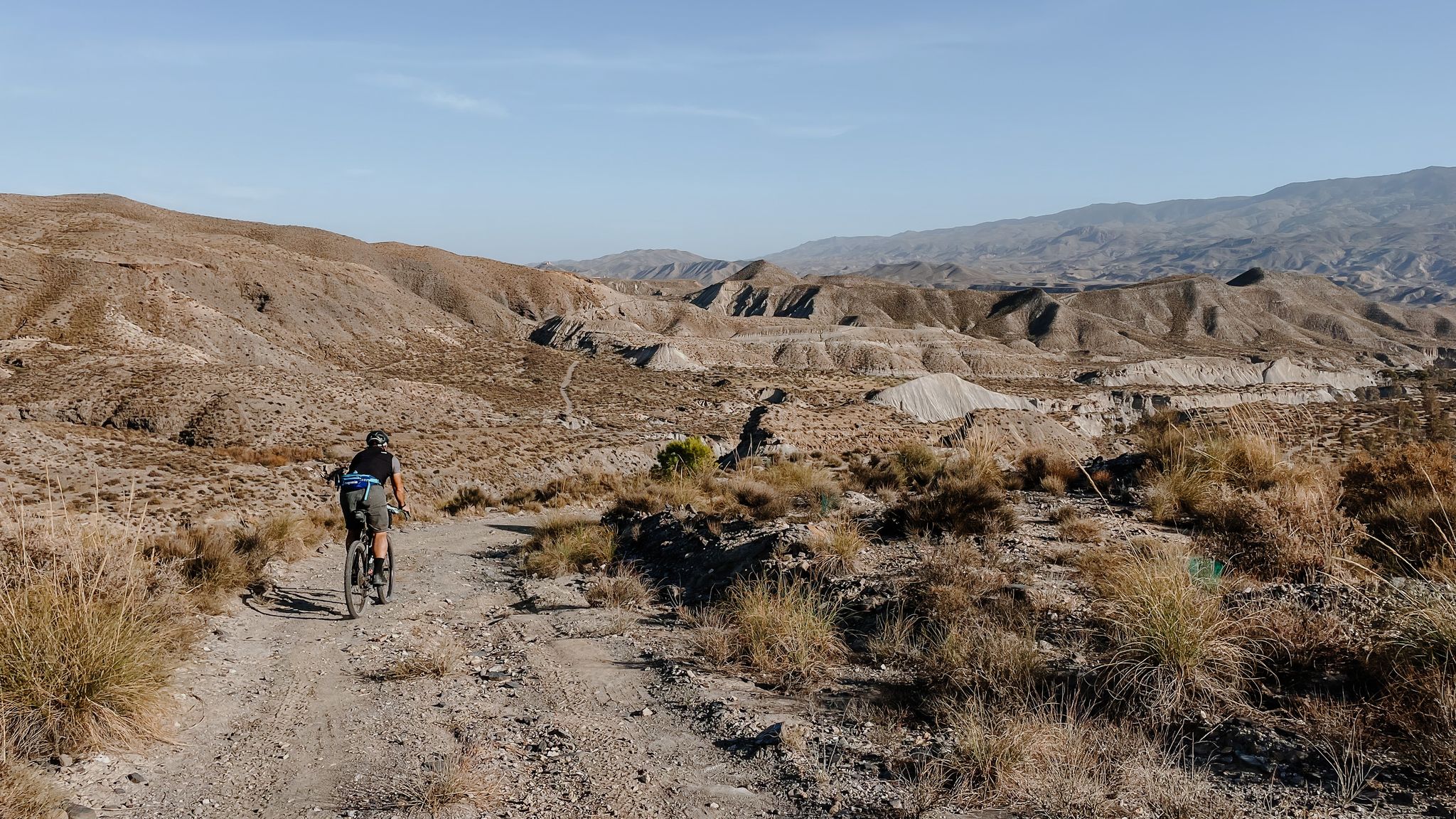
High mountains, desert and sea – an adventure of contrasts in Andalusia
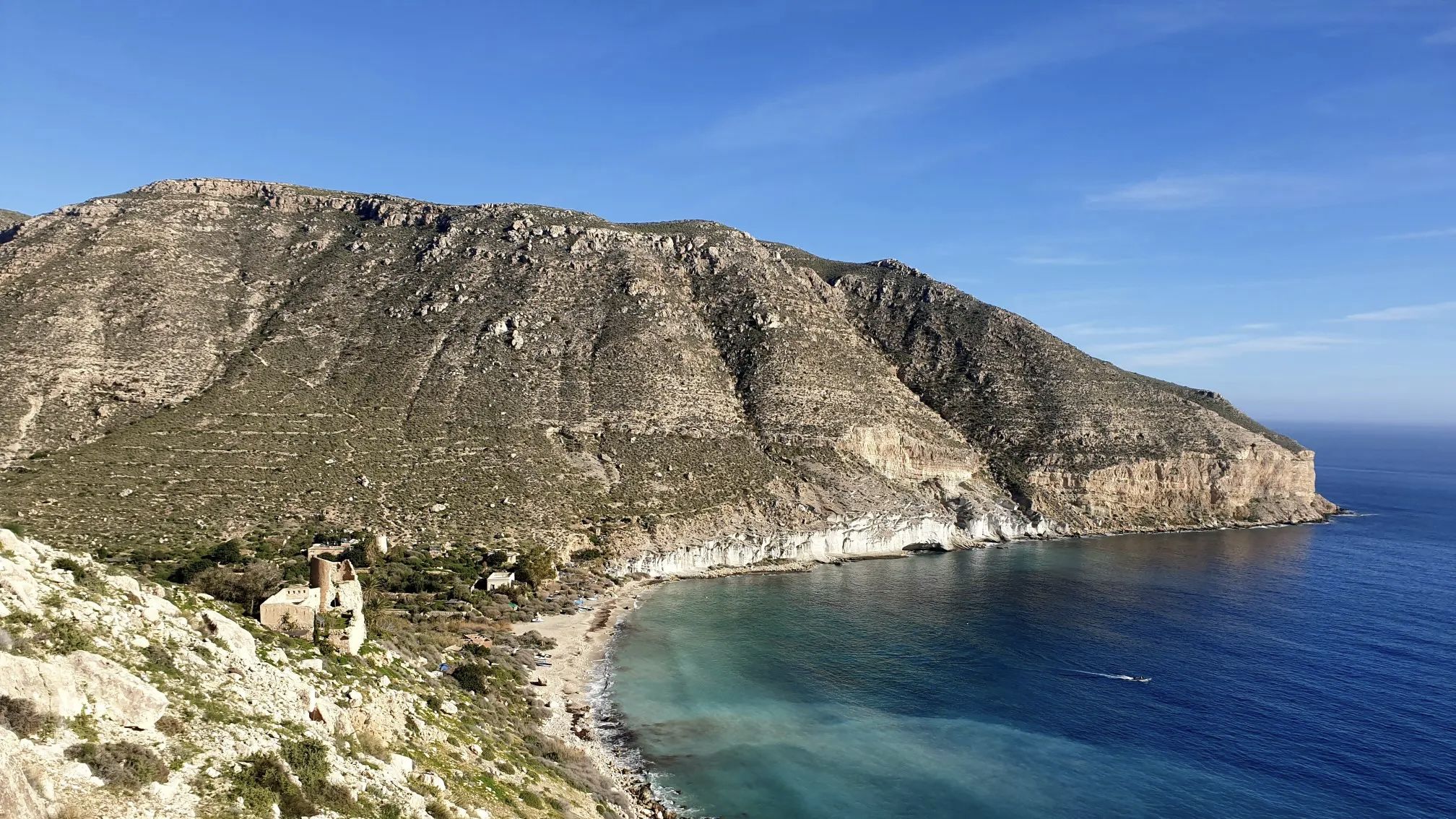
A bike ride that’s like a movie – Natural Park of Cabo de Gata-Níjar
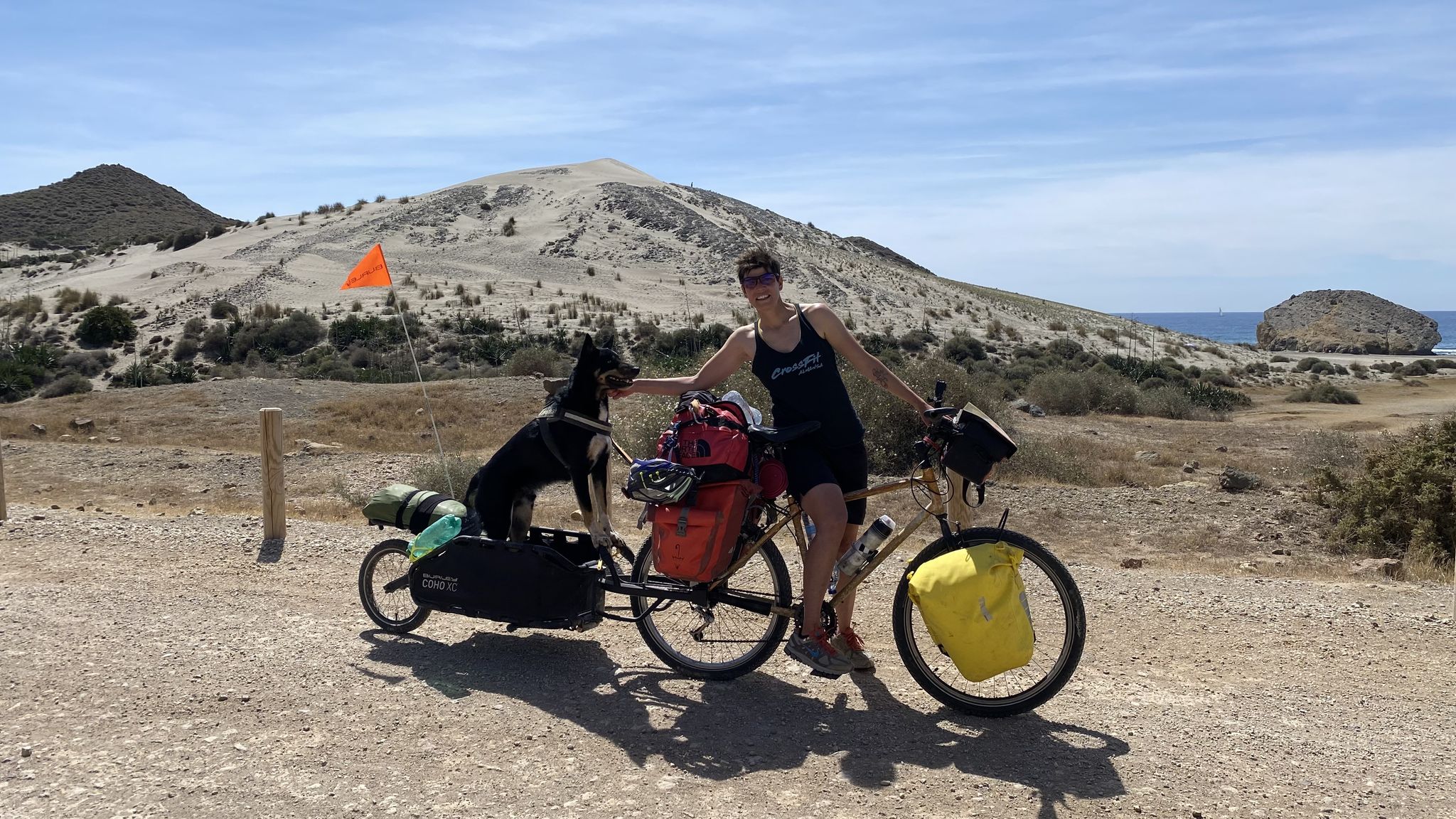
Let’s head south – cycle in Andalusia with me and my dog
Other adventures around National Park Cabo de Gata-Níjar


Tips from the Community

Great views from the Granatilla Pass
0
0

Spectacular views. But the best part was the descent on a well-paved road with some really fun curves.
0
0

An ideal place to enjoy views of the Mediterranean Sea lapping against the cliffs, the coast of the Cabo de Gata–Níjar Natural Park, and closer to home, the Rambla bridge.
1
0

Beautiful sandy beach between the rock walls.
20
1
Great little beach with beautiful rock walls on both sides.
19
2

If you are not on a mountain bike, you will have to push the bike in places
4
0
The Playa de los Genoveses is generally considered the most beautiful in the Cabo de Gata Natural Park
4
0
The Cabo de Gata salt flats are a set of wetlands of natural origin but economically exploited as saltworks. They are part of the Cabo de Gata-Níjar Natural Park on the southeast coast of Spain. Declared a Ramsar Site of International Importance around 1990, this wetland is home to a great diversity of plant and animal species, many of them endemic or threatened with extinction, as well as a resting area for migratory birds. The ancient lagoon, on which the current salt mines are located, is separated from the Mediterranean Sea by a dune barrier 200 to 400 metres wide; there is also a rugged terrain that separates it from the surrounding mountains. It was formed by the flooding of a plain that was below sea level and allowed the infiltration of salt water by simple gravity and wind action. The water came from the boulevards on the western slope of the Cabo de Gata mountains, mainly from Higueras Boulevard and Sabinar Boulevard.
4
0
Frequently Asked Questions
What are some of the most popular natural monuments to visit in National Park Cabo de Gata-Níjar?
Visitors frequently highlight the stunning Sirens' Reef, known for its ancient volcanic chimneys emerging from the sea. Other favorites include Los Genoveses Beach, a beautiful sweeping bay, and Mónsul Beach, famous for its unique volcanic rock formations. The Views from the Granatilla viewpoint also offer spectacular vistas of the park's rugged landscape.
What unique natural features can I expect to see in the Cabo de Gata-Níjar Natural Park?
The park is a testament to its volcanic origins, featuring sharp, craggy rock formations, lava flows, and dramatic cliffs that often lead to secluded coves and white-sand beaches. You'll also find the unique Sirens' Reef, which are ancient volcanic chimneys, and the significant Las Salinas de Cabo de Gata, active salt flats that are crucial for migratory birds.
Are there family-friendly natural monuments to visit in Cabo de Gata-Níjar?
Yes, several natural monuments are ideal for families. Los Genoveses Beach and Mónsul Beach are both categorized as family-friendly, offering beautiful settings for swimming and relaxation. Their golden sands and relatively calm waters make them suitable for visitors of all ages.
What kind of wildlife can I observe at the natural monuments in Cabo de Gata-Níjar?
The park is a haven for wildlife, especially birds. The Las Salinas de Cabo de Gata are a Ramsar site, crucial for migratory species like flamingos, waders, and gulls. The crystal-clear waters around places like Sirens' Reef and Playa de los Muertos also offer opportunities to discover diverse marine life through snorkeling.
Are there any historical or cultural aspects associated with these natural monuments?
Yes, the region has a rich history. The Cabo de Gata lighthouse, near Sirens' Reef, has been a crucial navigational aid since 1863, with historical significance dating back to Greek colonization. The Las Salinas de Cabo de Gata have been in use since ancient Greek times, highlighting their long-standing economic and cultural importance to the area.
What outdoor activities can I do near the natural monuments in Cabo de Gata-Níjar?
The park offers a wide range of outdoor activities. You can enjoy hiking on various trails, from easy walks to more challenging routes. For example, there are easy hikes like the 'Natural Park of Cabo de Gata – Caldera de la Majada Redonda' or moderate hikes such as the 'Morrón de los Genoveses Loop Trail'. Gravel biking is also popular, with routes like the 'Cabo de Gata Lighthouse – Collado de la Vela Blanca loop'. You can find more details on these activities in our guides for easy hikes, general hiking, and gravel biking around the National Park Cabo de Gata-Níjar.
Can I go swimming or snorkeling at the natural monuments?
Absolutely! The park is renowned for its pristine waters. Mónsul Beach, Playa de los Muertos, and Cala de Enmedio are excellent for swimming, snorkeling, and even scuba diving, boasting rich underwater fauna and crystal-clear conditions. The area around Sirens' Reef is also an iconic spot for snorkeling.
What do visitors enjoy most about the natural monuments in Cabo de Gata-Níjar?
Visitors consistently praise the stunning natural beauty and the sense of untouched wilderness. The dramatic volcanic landscapes, the contrast of rugged cliffs with serene beaches like Los Genoveses Beach, and the vibrant marine life are frequently mentioned. The unique geological formations, such as those seen from Granatilla viewpoint, also leave a lasting impression.
What is the best time to visit the natural monuments in Cabo de Gata-Níjar?
Given its hot desert climate, spring (April-May) and autumn (September-October) are generally considered the best times to visit. The temperatures are milder, making it ideal for hiking and exploring. These seasons also coincide with the migration periods, offering excellent opportunities for birdwatching at places like the Las Salinas.
Are there any hidden gems among the natural monuments in Cabo de Gata-Níjar?
For those seeking tranquility and natural beauty away from the crowds, Cala de Enmedio is often considered a hidden gem. Accessible only by foot, this serene cove offers a pristine and secluded experience, perfect for quiet contemplation and enjoying the unspoiled coastline.
What should I wear when visiting the natural monuments in Cabo de Gata-Níjar?
Given the hot desert climate and the nature of outdoor activities, it's advisable to wear light, breathable clothing, a hat, and sunglasses. Sturdy walking shoes are essential for exploring trails and rocky areas. Don't forget your swimwear, sunscreen, and plenty of water, especially during warmer months.
Where can I find refreshments or amenities near the natural monuments?
While the park maintains a low level of urban development to preserve its natural state, you can find amenities in nearby villages such as San José, Agua Amarga, and Las Negras. These villages offer cafes, restaurants, and accommodation options. It's always a good idea to carry water and snacks, especially when venturing to more remote natural monuments.
Most popular routes around National Park Cabo de Gata-Níjar
Most popular attractions around National Park Cabo de Gata-Níjar

Get inspired with the komoot mobile app


Explore more
Extend your search for the best caves by checking out these guides of the top ones around National Park Cabo de Gata-Níjar:
