Top 5 Mountain Passes around Parque Nacional Ordesa y Monte Perdido
Best mountain passes around Parque Nacional Ordesa y Monte Perdido are found within a UNESCO World Heritage site in the Aragonese Pyrenees. This region is characterized by dramatic landscapes, deep canyons, and towering peaks. The park features significant natural formations, including high-altitude traverses and a striking natural gap. Visitors can explore diverse terrain, from valleys to challenging mountain routes, offering varied experiences.
Best mountain passes around Parque Nacional Ordesa y Monte Perdido
- The most popular mountain passes is Roland's Breach…
Last updated: October 13, 2026
Roland's Breach
Highlight • Mountain Pass
If we easily understand the …
Translated by Google •
Tip by

La Escupidera
Highlight (Segment) • Climb
Translated by Google •
Tip by

Sign up now to discover places like this
Get recommendations on the best single tracks, peaks, & plenty of other exciting outdoor places.
Paso de los Sarrios
Highlight • Mountain Pass
Translated by Google •
Tip by
Cuello Arenas
Highlight • Viewpoint
Translated by Google •
Tip by

Añisclo Pass
Highlight • Mountain Pass
Translated by Google •
Tip by

Start today with a free account
Your next adventure awaits.
Popular around Parque Nacional Ordesa y Monte Perdido
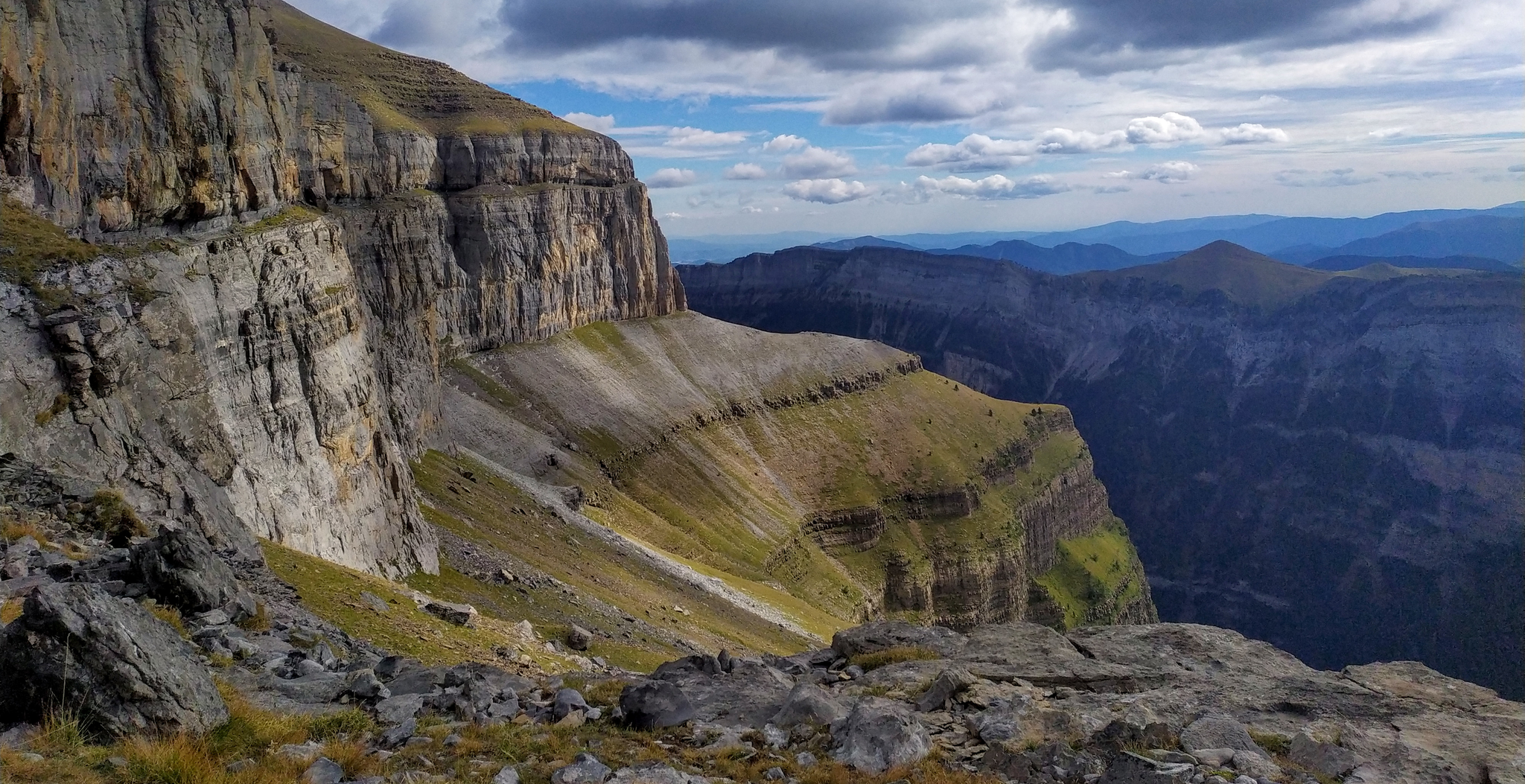
Hike from Gavarnie to Ordesa – A breathtaking loop in the cirques
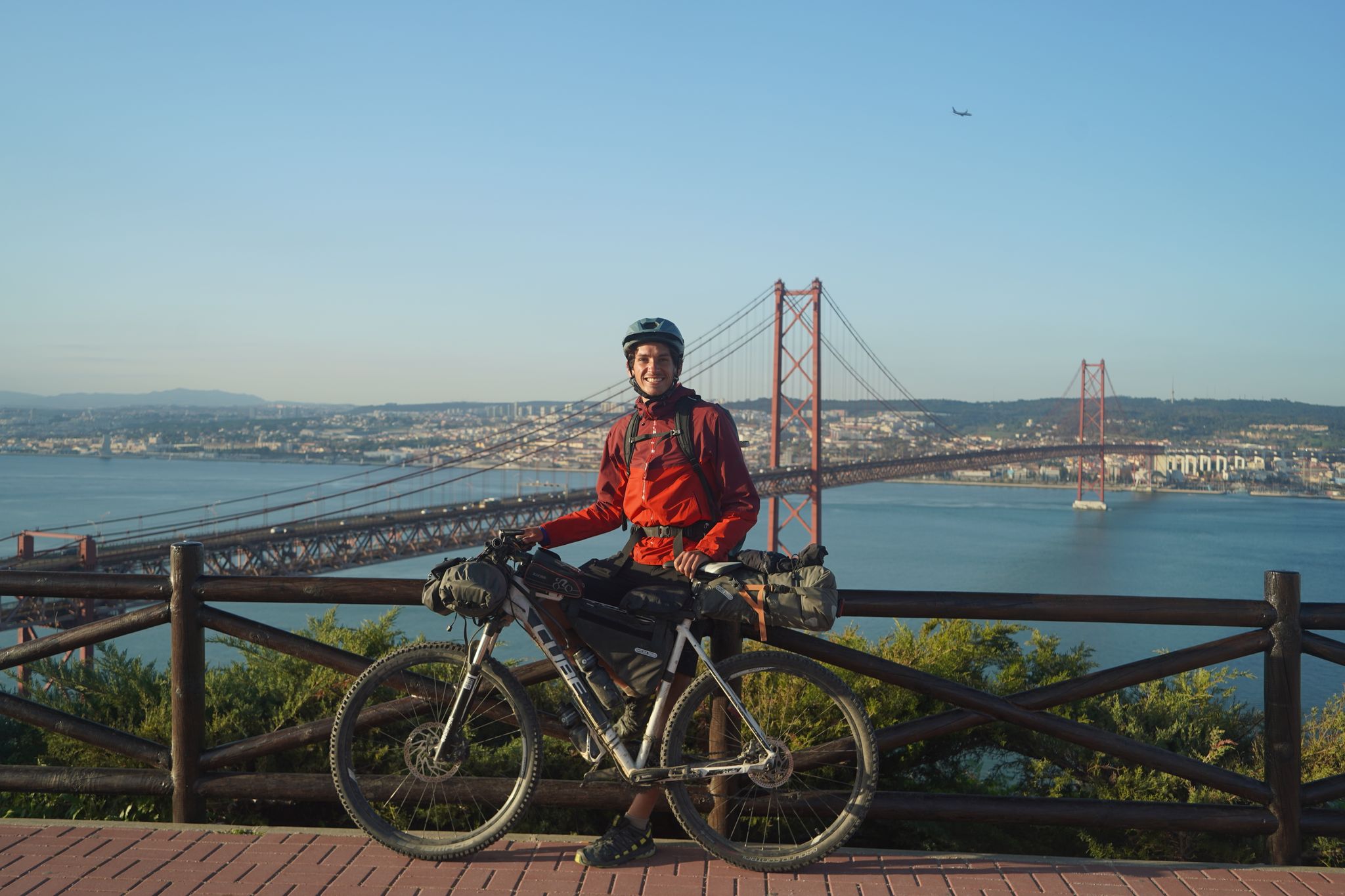
Road to Lisbon – bikepacking the Alps, Pyrenees and Picos de Europa
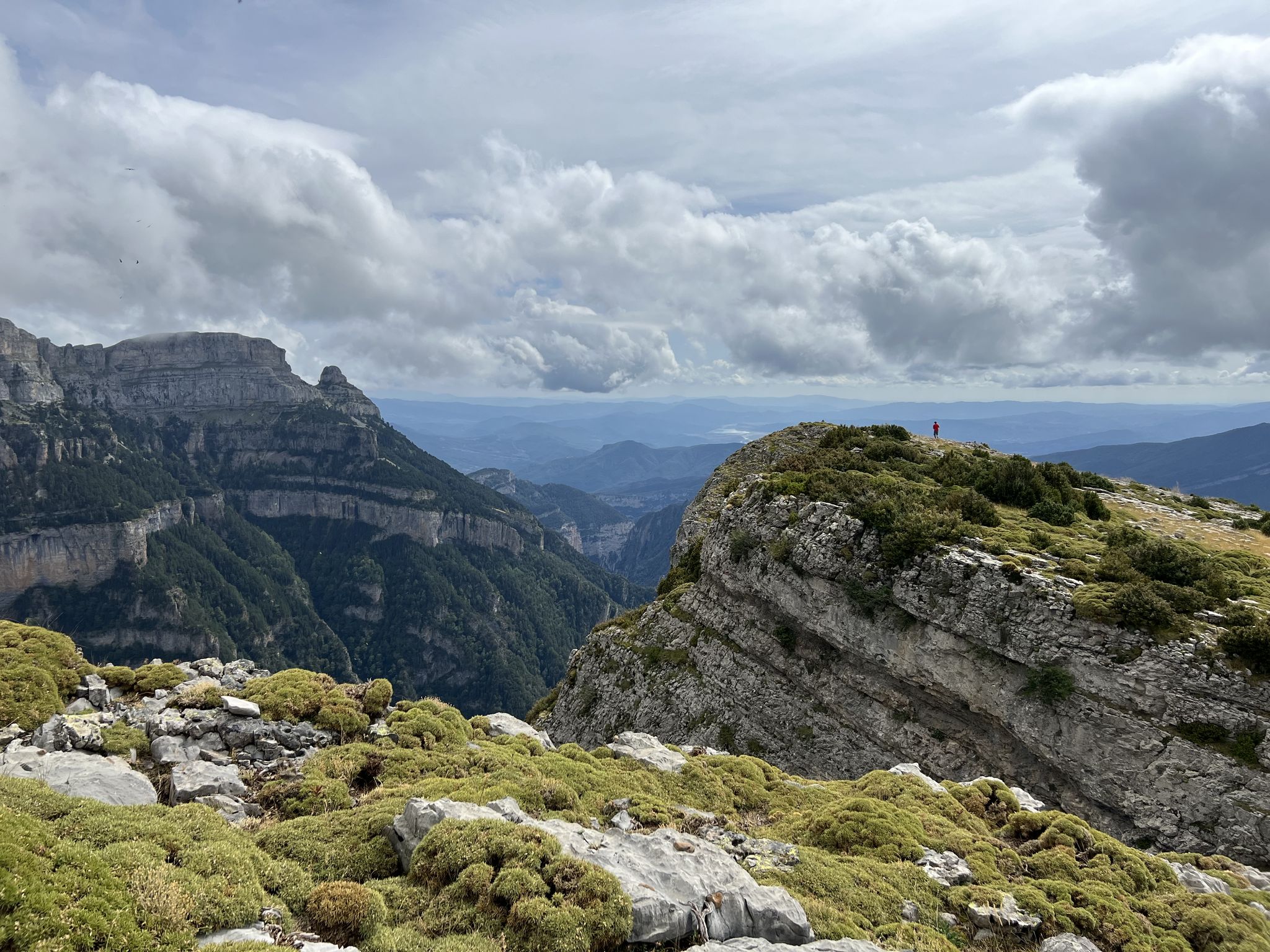
Summit conquests and idyllic mountain lakes – Spanish Pyrenees
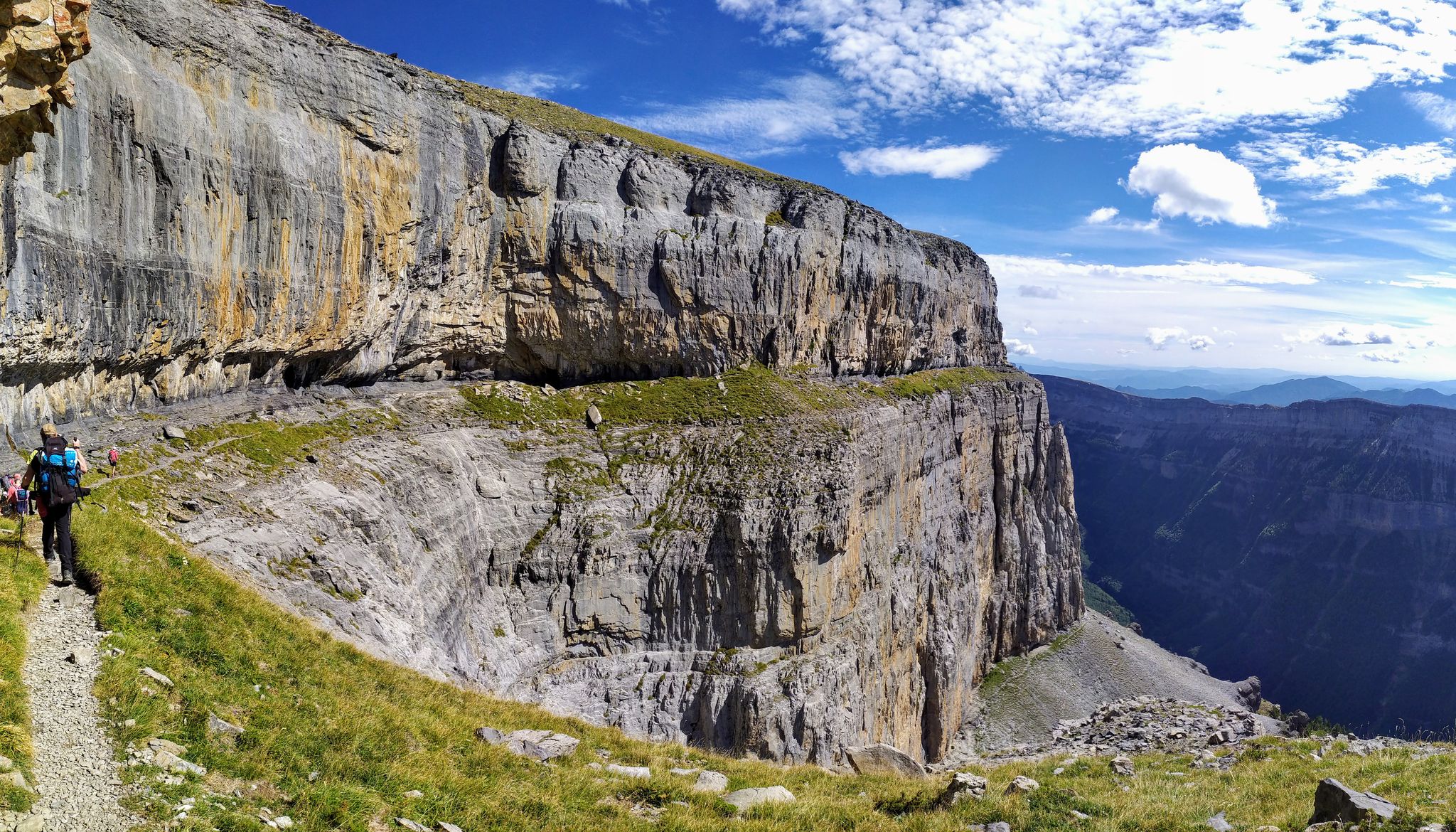
Between Heaven and Earth – Monte Perdido and the Ordesa Valley
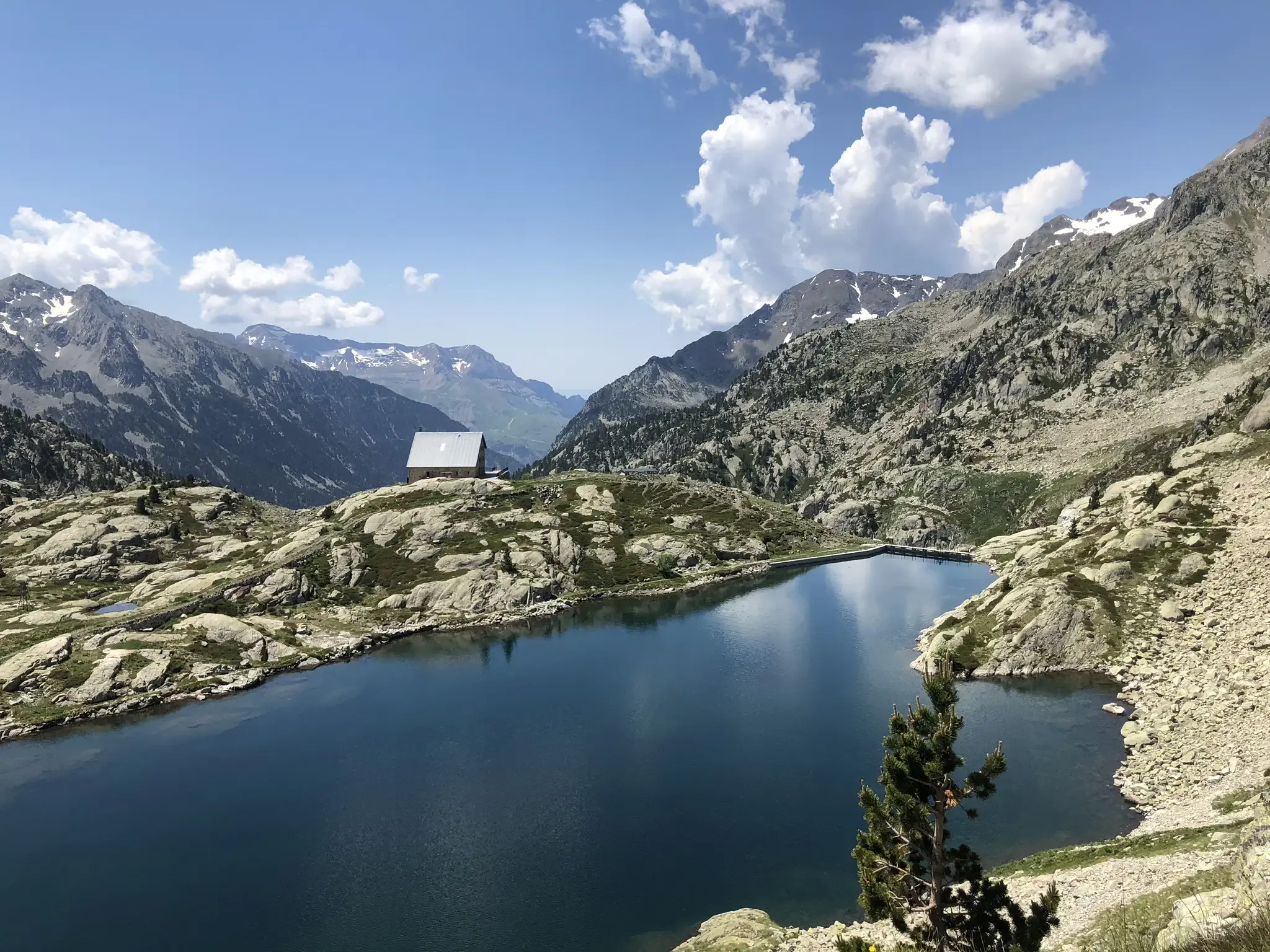
Aragon along the Pyrenean Trail – GR 11
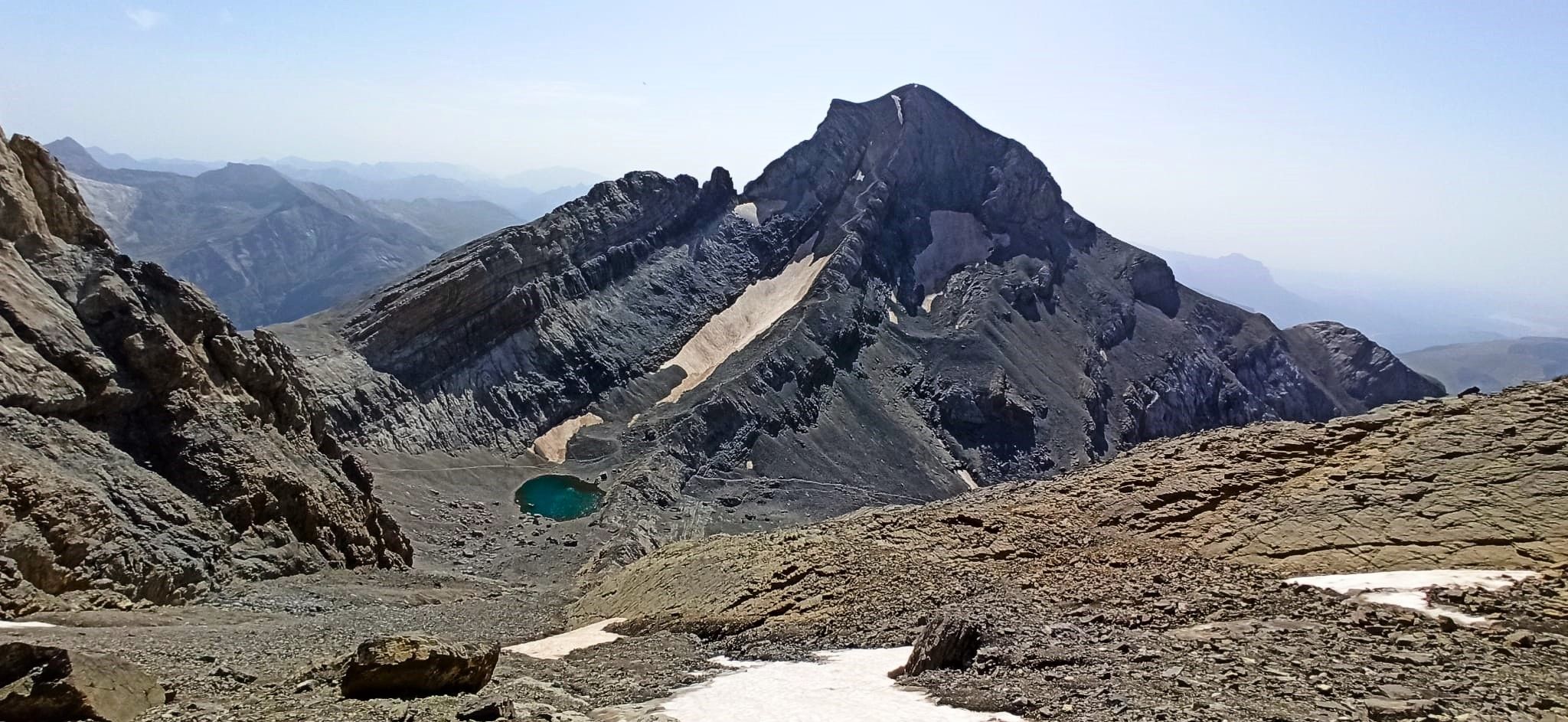
Adventure in the heights — Ordesa and Monte Perdido National Park
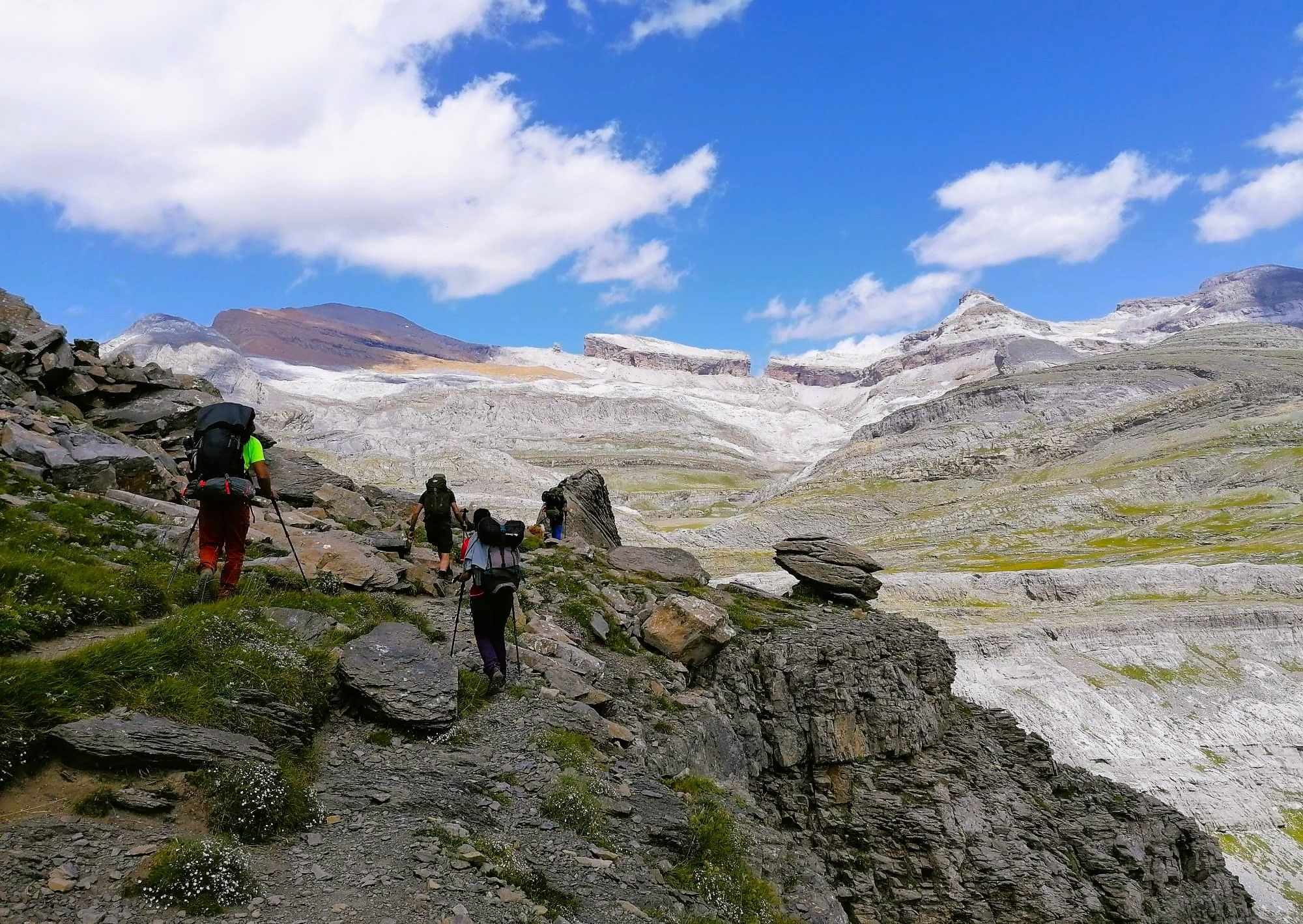
Wilderness — Ordesa y Monte Perdido National Park
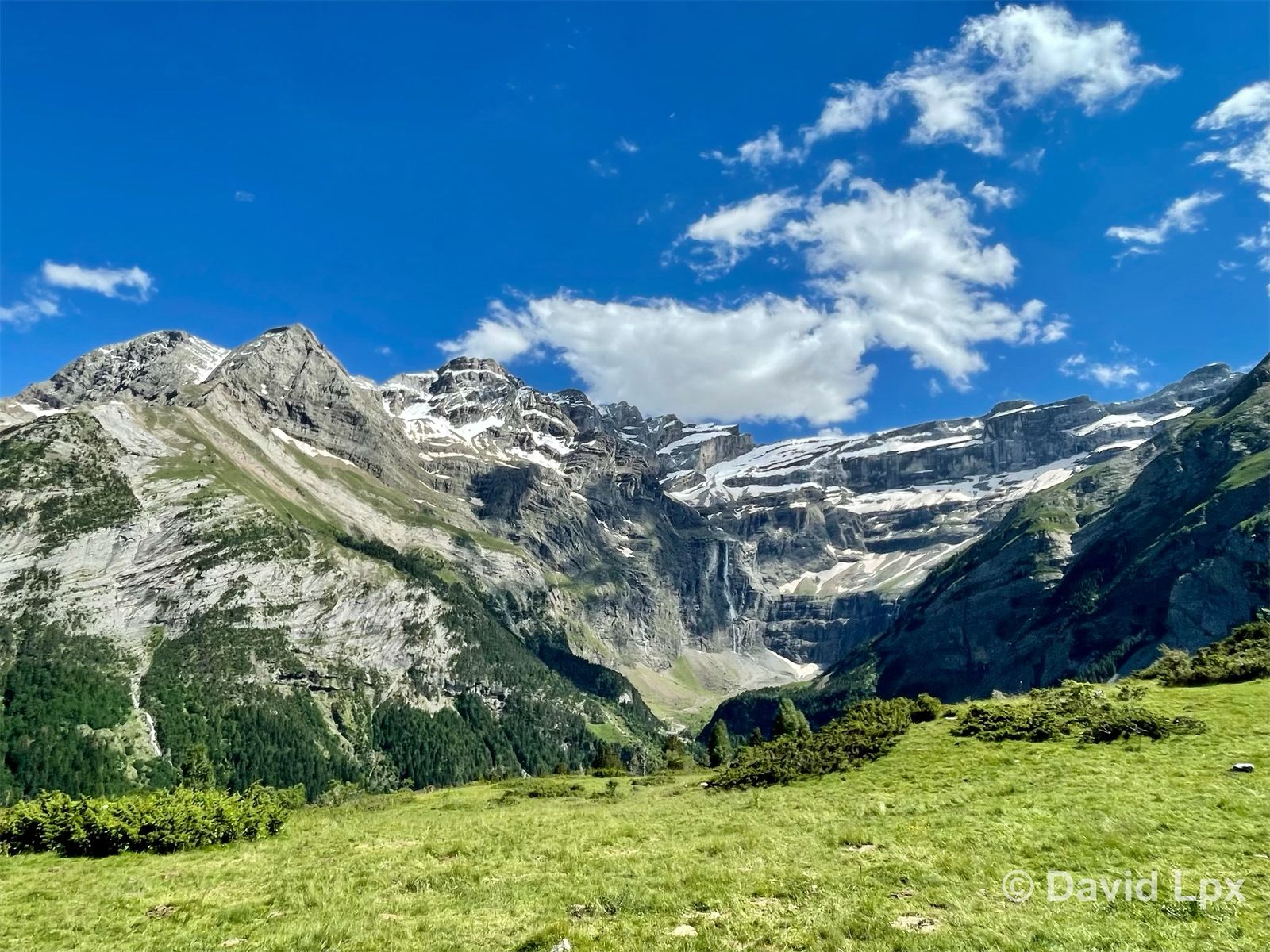
A real balancing act — adventuring in France’s Gavarnie cirques
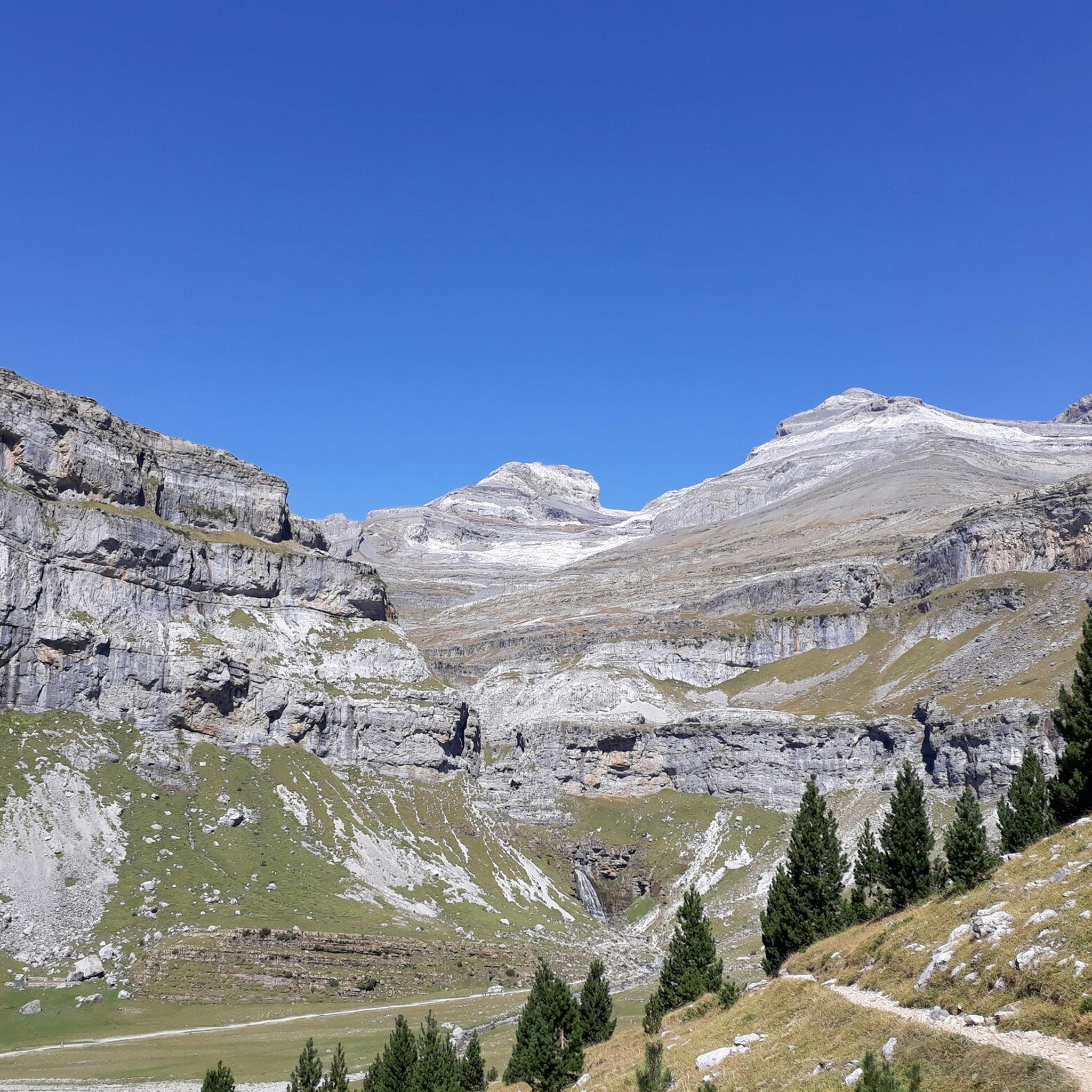
Hiking around Parque Nacional Ordesa y Monte Perdido
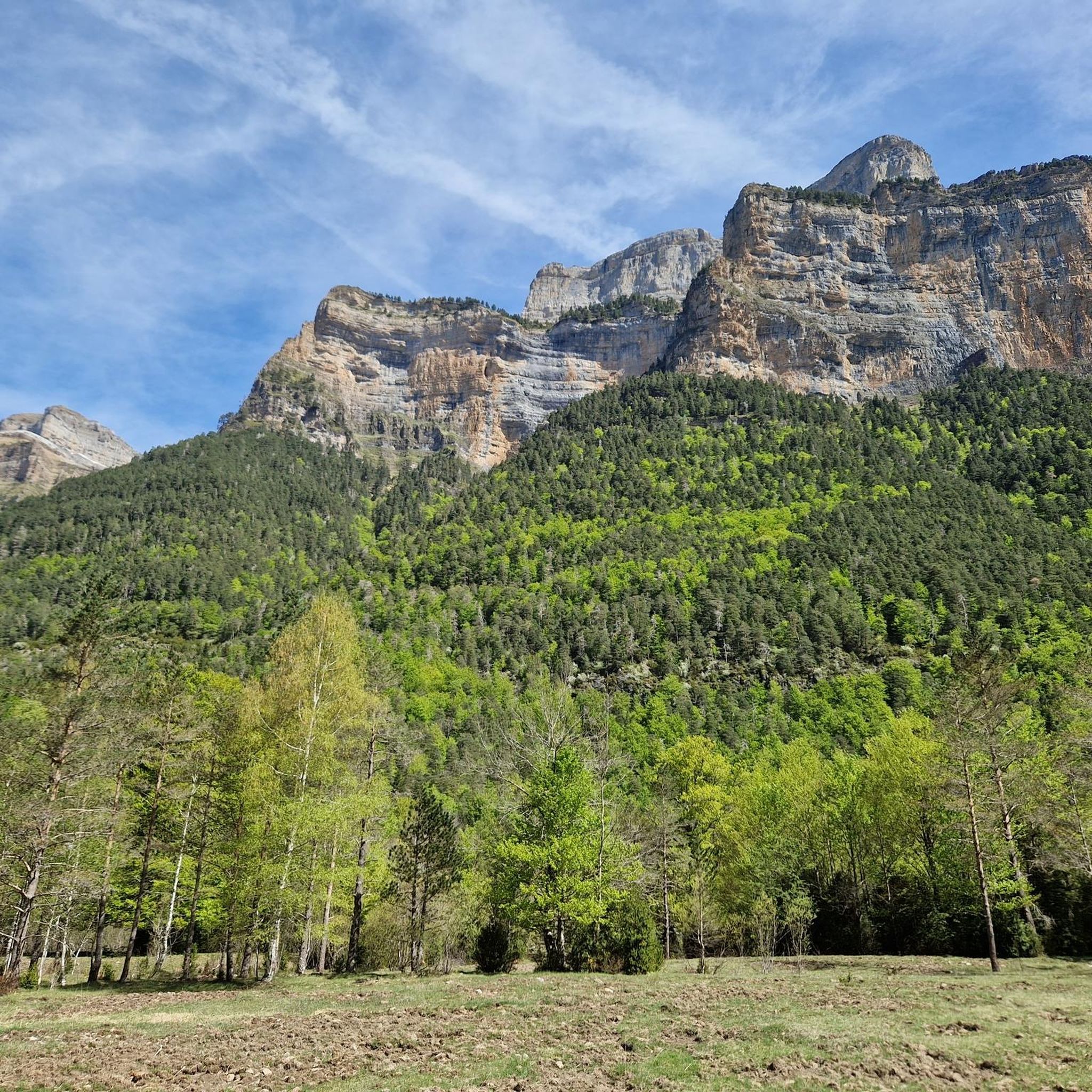
MTB Trails around Parque Nacional Ordesa y Monte Perdido
Other adventures around Parque Nacional Ordesa y Monte Perdido


Tips from the Community

Stays firmly glued to the wall, the chain is not there for nothing.
0
0

Beautiful glacial cirques, interesting morphology. Fragile terrain and subject to erosion.
1
0

The Pas des Isards gives access to the pass of the same name and to many breathtaking routes.
0
0
A fairly easy to access viewpoint which offers a magnificent view of the Gavarnie cirque and Mont Perdu Park.
1
1

Cuello Arenas is at an altitude of 1,900 meters. The Refugi Cuello Arenas stands in the middle of the meadows. It is a particularly beautiful viewpoint in the Parque Nacional de Ordesa y Monte Perdido, from which you can also see the Monte Perdido massif - when clouds are not covering the mountain peaks.
1
0

The Añisclo pass is located at an altitude of 2,453 meters and offers spectacular views of the Añisclo canyon surrounded by large peaks and the Monte Perdido massif. The demanding ascent to the pass is one of the most popular excursions in the Pineta Valley.
0
0

The Escupidera section must be overcome regardless of the itinerary you follow to climb Monte Perdido. When there is snow, only people with a lot of experience in the mountains and who know how to use crampons and ice axes can face this step. Inexperienced people should only do this in summer and when the snow is sure to melt. In the Góriz refuge they report on the state of the land at all times. In the same way, the land without snow is a pedriza with a lot of slope; that is why you have to put all five senses both to go up and down.
3
0
This incredible mountain pass is located at an altitude of more than 2,800 meters and the walls that protect it add another 100 meters. Depending on the point of origin from which you leave, the routes vary in distance and difficulty. The wind blows a lot here: wear a coat, you'll appreciate it!
7
2
Frequently Asked Questions
What are some of the most notable mountain passes and traverses in Parque Nacional Ordesa y Monte Perdido?
The region features several significant formations. Roland's Breach is a striking natural gap, 40 meters wide and 100 meters high, straddling the border between Spain and France. Another iconic route is the Faja de las Flores, a spectacular trail tracing a narrow path along the mountainside, known for its unique geological formation and panoramic views of the Ordesa Valley.
What makes Roland's Breach a unique mountain pass?
Roland's Breach is not a conventional pass but a dramatic natural gap carved into the Monte Perdido massif at 2,804 meters. It offers exceptional panoramic views of the Pyrenees and serves as a classic route to Pico Taillón. Legend says it was created by Charlemagne's nephew, Roland, and it has historical significance as a natural crossing point.
Are there any challenging mountain passes for experienced hikers?
Yes, several passes offer a significant challenge. Paso de los Sarrios is a difficult and technical passage requiring good management of heights, featuring chains as handrails. The Faja de las Flores is also a demanding route with over 1,000 meters of elevation gain and includes metal climbing pegs at both ends, adding a technical element.
What are the geological features of the mountain passes in Ordesa y Monte Perdido?
The region is characterized by dramatic landscapes shaped by erosion. The Faja de las Flores, for example, is an impressive rocky cornice approximately 3 km long and up to 4 meters wide, formed by the unequal erosion of alternating hard and soft materials in the 'arenisca de Marboré'. Roland's Breach is a natural gap formed within the Monte Perdido massif.
What kind of views can I expect from the mountain passes?
The mountain passes offer breathtaking panoramic views. From Roland's Breach, you get exceptional views of the Pyrenees. Paso de los Sarrios provides spectacular views of Roland's Breach and El Taillón. Añisclo Pass offers views of the Añisclo canyon and the Monte Perdido massif, while Cuello Arenas is a beautiful viewpoint for the Monte Perdido massif.
Are there any multi-day hiking opportunities involving these mountain passes?
Yes, the challenging nature and remote locations of some passes lend themselves to multi-day hikes. For instance, accessing Roland's Breach from the Spanish side often involves staying at the Góriz refuge, making it part of a longer trek. The Faja de las Flores is also typically part of a full-day or multi-day itinerary due to its length and difficulty.
What is the best time to visit the mountain passes in Ordesa y Monte Perdido?
The best time to visit is generally during the summer months (June to September) when the weather is more stable and snow has melted from higher altitudes, making routes more accessible. However, some challenging sections like La Escupidera should only be attempted in summer when there is no snow or ice, unless you have extensive mountaineering experience with crampons and ice axes.
What outdoor activities can I do near these mountain passes?
The region offers a variety of outdoor activities. You can explore easy hikes like the 'View of Tozal del Mallo – Birch Forest loop' or 'Beech Forest – Arripas Waterfall loop'. For more challenging experiences, consider mountain hikes such as the 'Cola de Caballo Waterfall – Soaso Steps loop' or the 'Monte Perdido Ice Lake – Monte Perdido loop'. There are also running trails available, including the 'Cola de Caballo Trail'. You can find more details on these activities in the Easy hikes, Mountain Hikes, and Running Trails guides for the area.
What should I know about the flora near the mountain passes?
The Monte Perdido massif, where Roland's Breach is located, is known for its unique flora. It hosts 95 of the approximately 150 plant species capable of surviving above 3,000 meters in the Pyrenees. The Faja de las Flores, despite its name, is believed to be named after the abundance of Edelweiss (flowers of snow) found, especially near Cotatuero.
What do visitors enjoy most about the mountain passes in Parque Nacional Ordesa y Monte Perdido?
Visitors frequently highlight the incredible natural beauty and the challenging yet rewarding experiences. Many appreciate the spectacular views, the unique geological formations like Roland's Breach, and the sense of accomplishment from tackling demanding routes like Paso de los Sarrios. The opportunity to connect with nature in such a dramatic landscape is a major draw.
Is there a particularly challenging section for climbers or experienced mountaineers?
Yes, 'La Escupidera' is a well-known challenging section, especially when there is snow. It requires significant experience in the mountains and the use of crampons and ice axes. Even without snow, it's a steep, loose scree slope that demands full attention. It's advisable to check conditions at the Góriz refuge before attempting it.
Most popular routes around Parque Nacional Ordesa y Monte Perdido
Most popular attractions around Parque Nacional Ordesa y Monte Perdido

Get inspired with the komoot mobile app


Explore more
See even more epic mountain passes by checking out these guides around Parque Nacional Ordesa y Monte Perdido:
