Östliche Chiemgauer Alpen
Östliche Chiemgauer Alpen
Top 20 Natural Monuments around Östliche Chiemgauer Alpen
Best natural monuments around Östliche Chiemgauer Alpen are found in a diverse landscape spanning the German-Austrian border, largely protected as Bavaria's fourth-largest nature reserve. This region features mountain mixed forests, alpine pastures, wild streams, lakes, and high moors. Significant geological formations, including limestones and sandstones, characterize the area. The largely untouched mountain range is also an EU bird sanctuary, supporting various bird species.
Best natural monuments around Östliche Chiemgauer Alpen
- The most popular natural monuments is Weitsee, a lake…
Last updated: May 30, 2026
Weitsee
Highlight • Lake
Translated by Google •
Tip by

Röthelmoos Plateau
Highlight • Viewpoint
Translated by Google •
Tip by

Sign up now to discover places like this
Get recommendations on the best single tracks, peaks, & plenty of other exciting outdoor places.
Sign up for free
Falkensee
Highlight • Lake
Translated by Google •
Tip by

Dürrnbachhorn summit
Highlight • Summit
Translated by Google •
Tip by

Lake Förchensee
Highlight • Lake
Sign up for free to discover even more natural monuments around Östliche Chiemgauer Alpen.
Sign up for free
Already have an account?
Start today with a free account
Your next adventure awaits.
Login or Signup
Popular around Östliche Chiemgauer Alpen
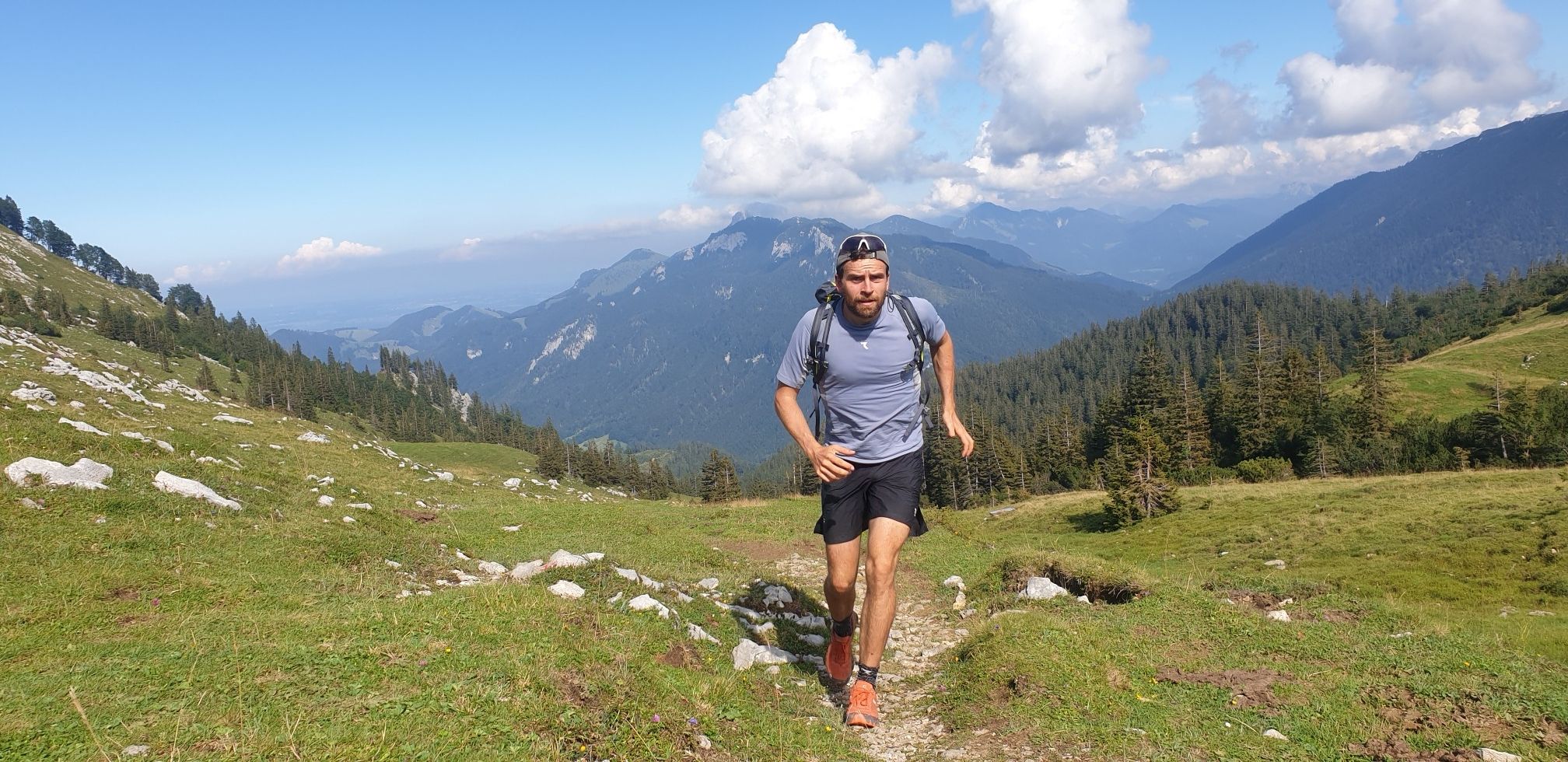
Triathlon around Germany
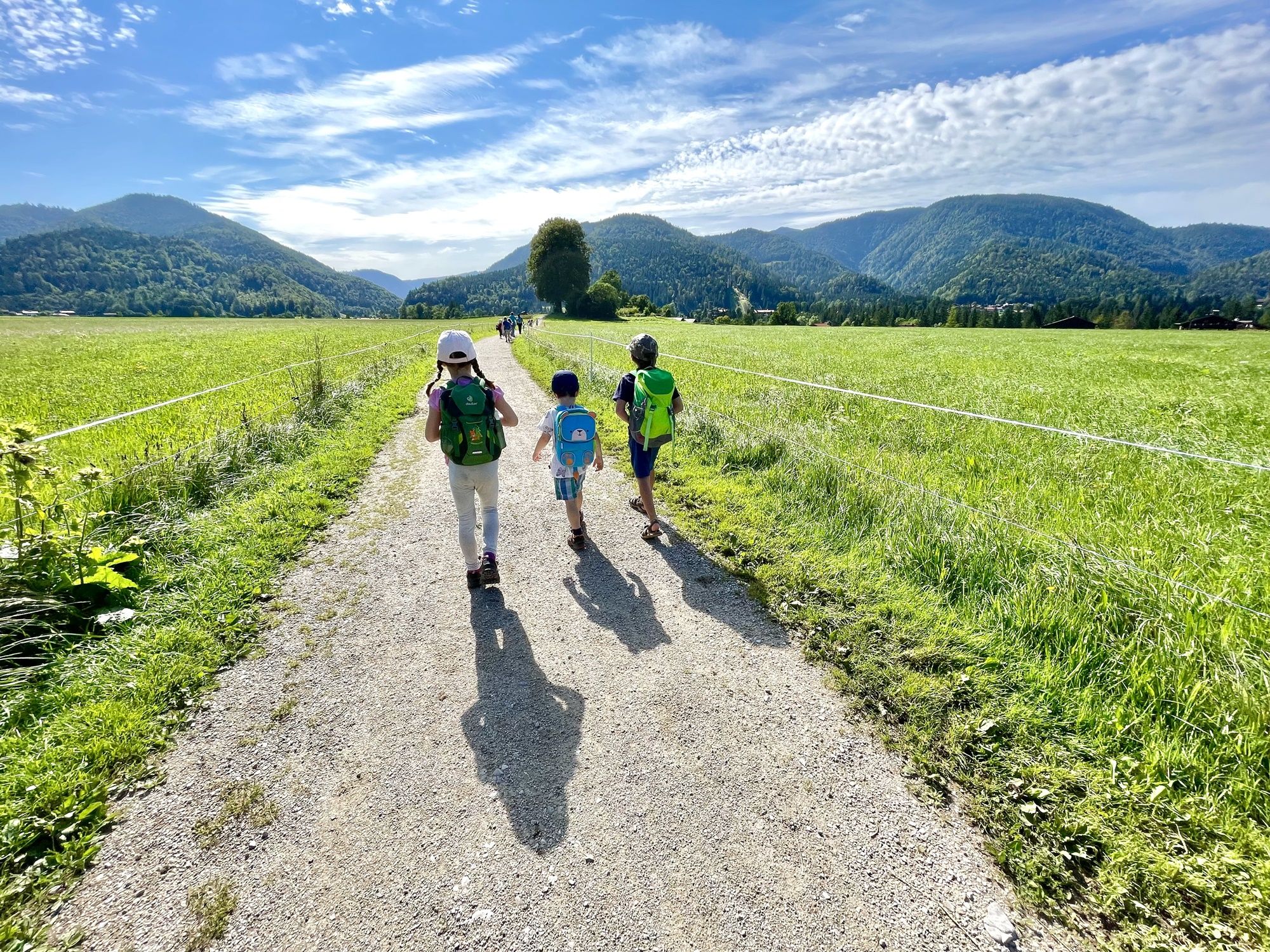
Wandern mit Kindern in Reit im Winkl
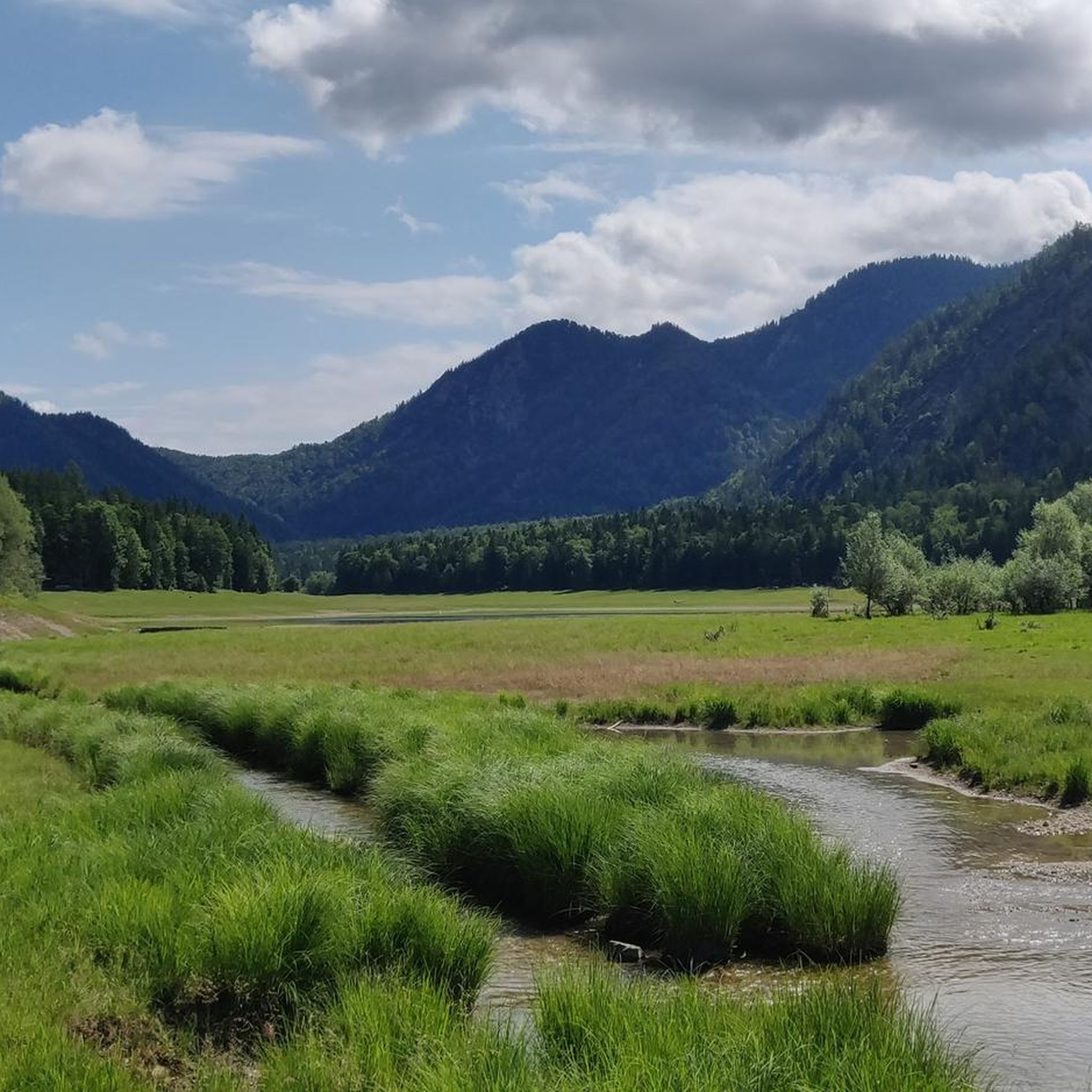
Hiking around Östliche Chiemgauer Alpen

Mountain Hikes around Östliche Chiemgauer Alpen
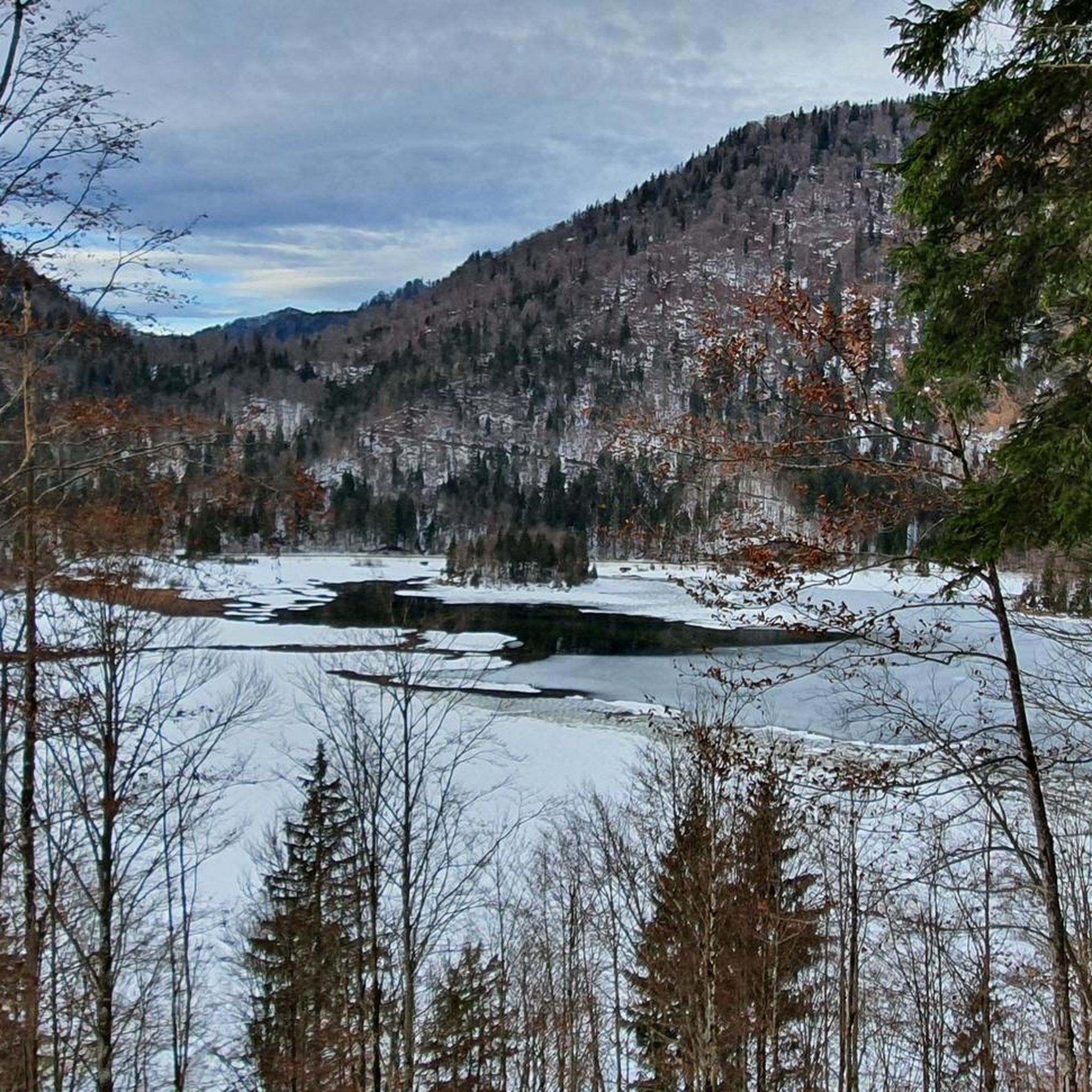
Cycling around Östliche Chiemgauer Alpen
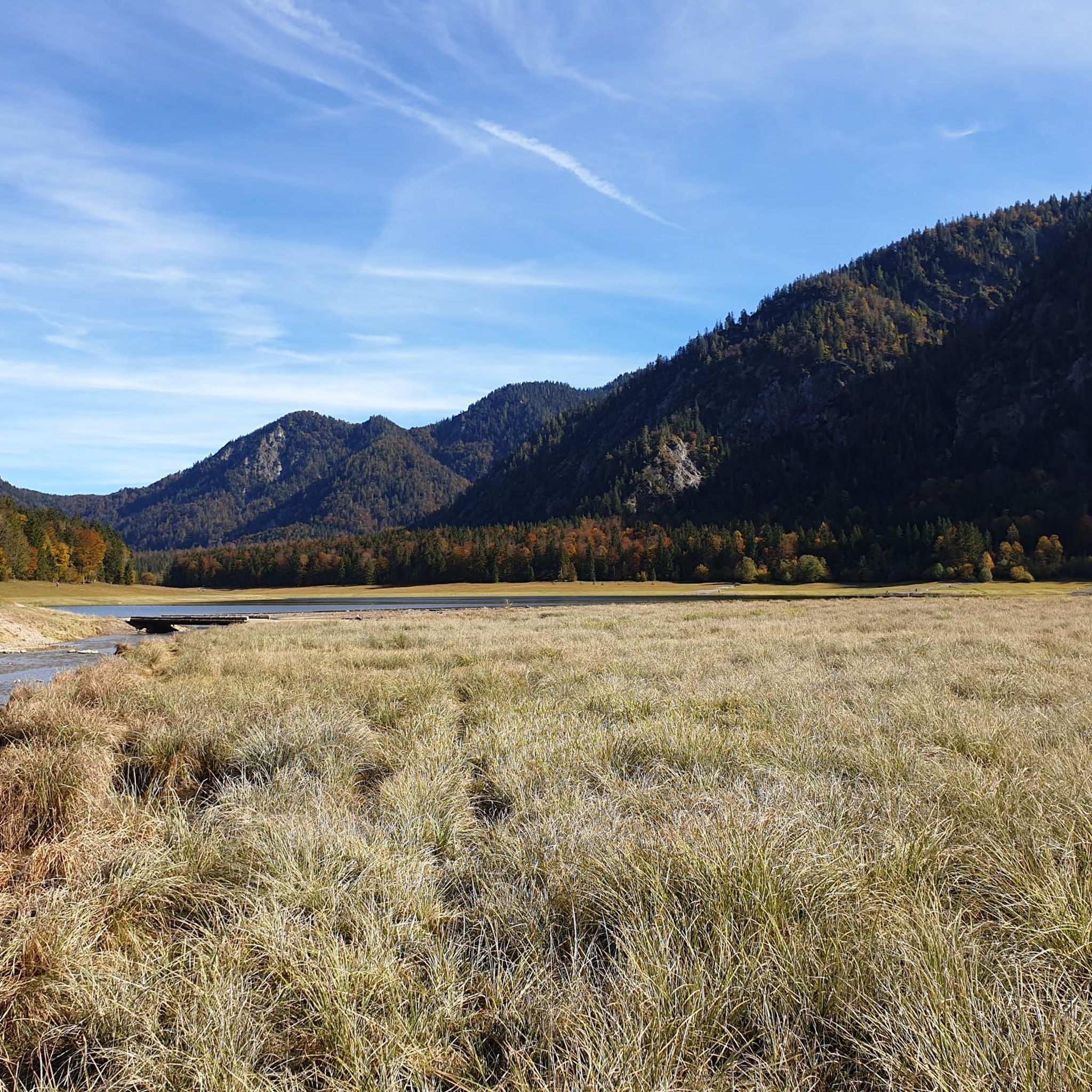
MTB Trails around Östliche Chiemgauer Alpen
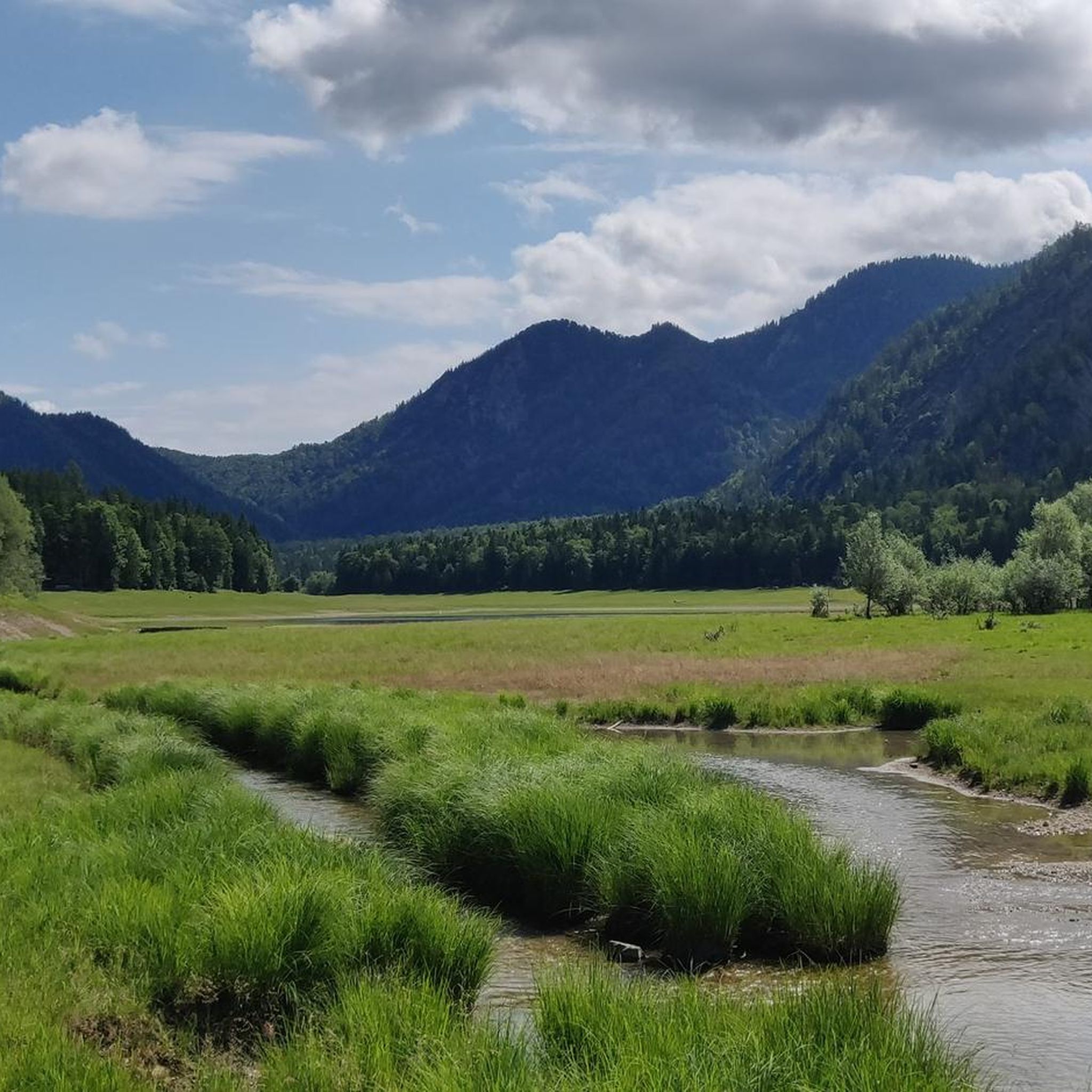
Road Cycling Routes around Östliche Chiemgauer Alpen
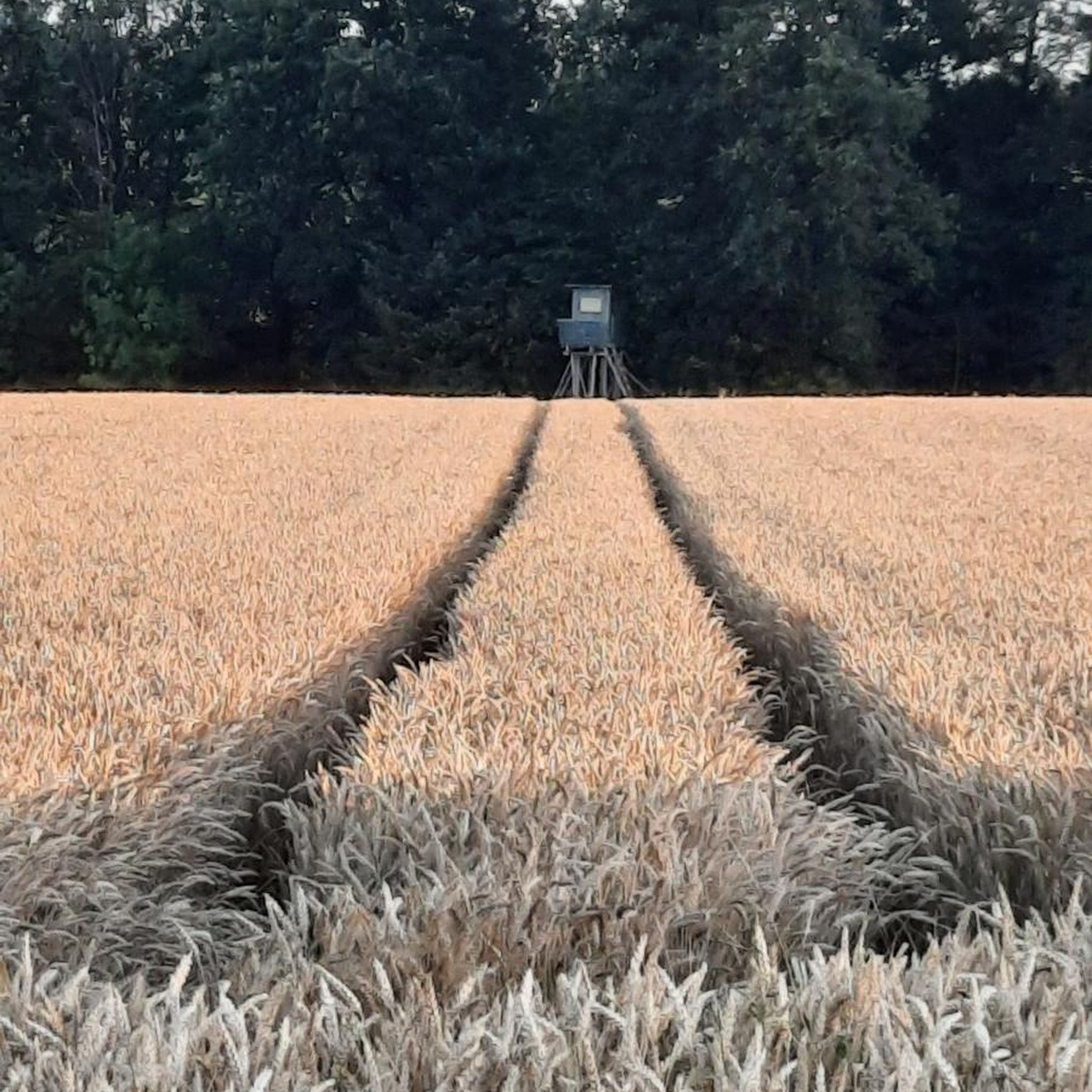
Gravel biking around Östliche Chiemgauer Alpen
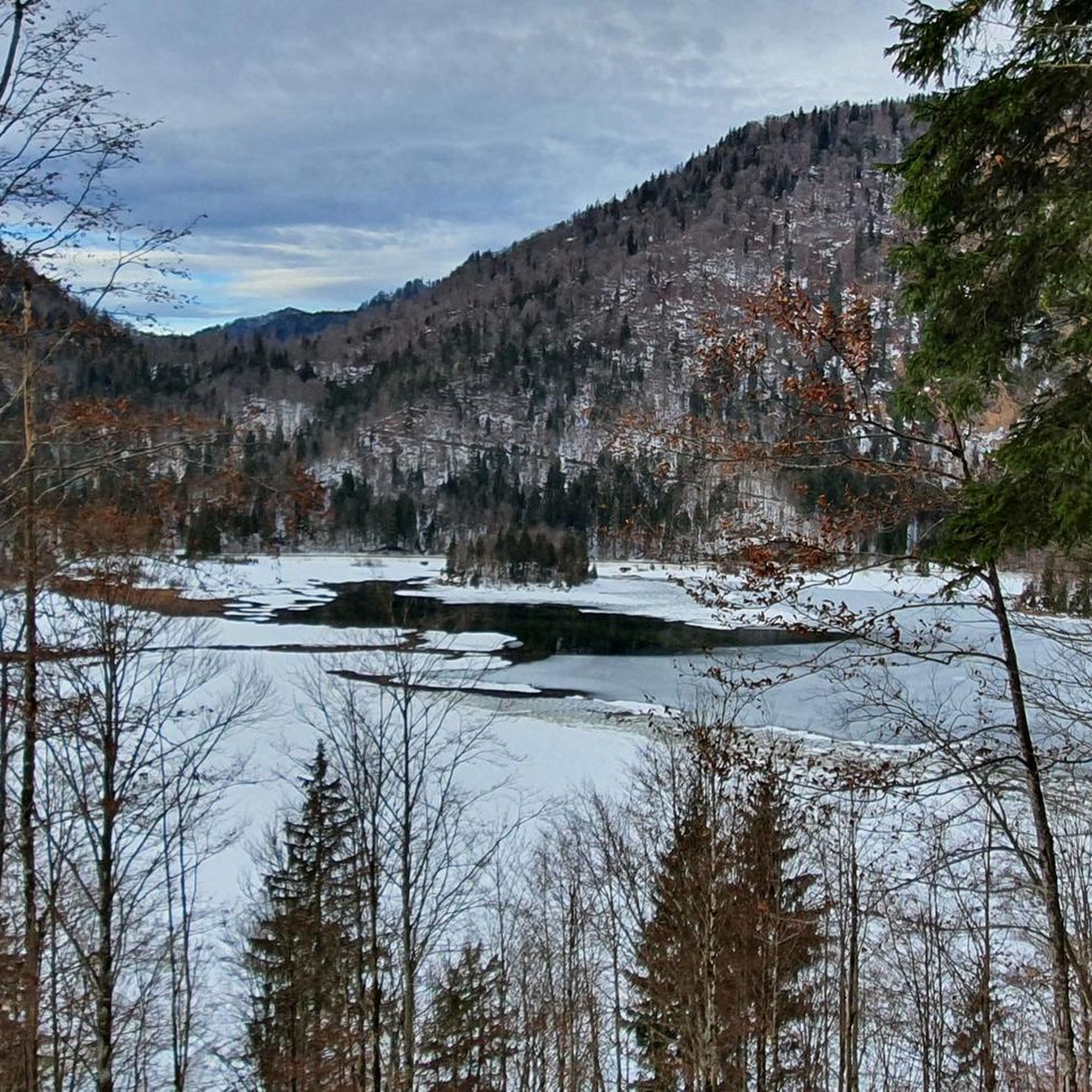
Running Trails around Östliche Chiemgauer Alpen
Other adventures around Östliche Chiemgauer Alpen


Tips from the Community

A typical Alpine lake with crystal clear water
6
0

The view of Lake Förchensee is really fantastic!
5
0
Beautiful, calm lake, with beautiful views of the surrounding mountains.
5
0

The ski tour to the Dürrnbachhorn is planned and signposted by the DAV as a sustainable tour. There is a map with the ascent routes and descent options at the bottom of the parking lot for tourers. The day ticket for parking costs 5,-. Please make sure to avoid the forests along the summit slope on your tour. The game and grouse rest here. The view from the summit is beautiful and extends from Chiemgau over the Berchtesgaden Alps to the Wilder Kaiser and, when the weather is good, the Hohe Tauern.
2
0

The colors of the lake are a feast for the eyes! That's just great!
5
0


Here is the summit of the Dürrnbachhorn. To the east there is a tightrope walk with a wonderful view!
2
0
Frequently Asked Questions
What types of natural monuments can I explore in the Östliche Chiemgauer Alpen region?
The Östliche Chiemgauer Alpen region offers a diverse range of natural monuments, including serene lakes like Weitsee and Falkensee, expansive alpine pastures such as the Röthelmoos Plateau, and impressive mountain summits like Dürrnbachhorn summit. You'll also find high moors, wild streams, and unique geological formations.
Are there any family-friendly natural monuments in the Östliche Chiemgauer Alpen?
Yes, several natural monuments are suitable for families. Weitsee is excellent for swimming and relaxation with ample space. Falkensee and Lake Förchensee are also noted as family-friendly, offering beautiful, calm waters and scenic surroundings.
What is the best time to visit the natural monuments in the Östliche Chiemgauer Alpen?
The best time to visit largely depends on your preferred activities. For hiking and swimming in the lakes, the warmer months from late spring to early autumn (May to October) are ideal. During this period, alpine pastures like Röthelmoos are also managed, offering places for a break. Winter offers a different, tranquil experience, but some trails and areas might be less accessible due to snow.
What kind of outdoor activities can I do near these natural monuments?
The region offers a wide range of outdoor activities. You can enjoy easy hikes, moderate treks, and challenging mountain ascents. There are also opportunities for gravel biking. For example, you can find easy hikes around Weitsee, or explore more challenging routes in the broader Östliche Chiemgauer Alpen hiking guide. Gravel biking routes are also available, such as those mentioned in the Gravel biking around Östliche Chiemgauer Alpen guide.
Are there any dog-friendly trails or areas around the natural monuments?
Many natural areas in the Östliche Chiemgauer Alpen are dog-friendly, including around lakes like Weitsee and Falkensee. However, as this is a nature reserve, it's always recommended to keep dogs on a leash, especially in sensitive areas or near grazing livestock on alpine pastures, to protect wildlife and ensure safety.
What are the geological features of the Östliche Chiemgauer Alpen region?
The Östliche Chiemgauer Alpen are characterized by significant geological formations, primarily composed of Alpine material like limestones and sandstones. The region is home to the 'Chiemgau Layers' (Chiemgau-Schichten), a stratigraphic unit from the Middle Jurassic period, indicating a rich geological history. The Röthelmoos Plateau, for instance, is a registered geotope.
Can I find viewpoints with panoramic scenery among the natural monuments?
Absolutely. The region is rich in viewpoints. Falkensee offers great views and panoramic scenery. The Röthelmoos Plateau is framed by prominent mountains like Hochgern and Hochfelln, providing expansive vistas. For a challenging reward, the Dürrnbachhorn summit offers amazing views of the Chiemgau Alps and Wilder Kaiser.
What is the highest mountain in the Östliche Chiemgauer Alpen?
The highest and most prominent mountain in the Chiemgau Alps, which includes the Östliche Chiemgauer Alpen, is Sonntagshorn. It stands at 1,961 meters (6,433 ft) and straddles the German-Austrian border, offering expansive views of the surrounding alpine terrain.
Are there any historical aspects connected to the natural monuments?
Yes, the Röthelmoos Plateau has a notable historical connection. The Röthelmoosklause (dam) at its northern end was historically used to float timber down to the valley for construction and firewood, particularly for the Traunstein saltworks. This adds a cultural layer to its natural appeal.
What makes the Östliche Chiemgauer Alpen important for nature conservation?
The Östliche Chiemgauer Alpen is largely protected as the 'Naturschutzgebiet Östliche Chiemgauer Alpen,' Bavaria's fourth-largest nature reserve. It's an EU bird sanctuary, protecting species like capercaillie, black grouse, and Eurasian pygmy owl. The region's diverse habitats, including mountain mixed forests, subalpine spruce forests, alpine pastures, and internationally significant high moorlands like Röthelmoos, support a wide array of wildlife and contribute to its ecological value.
How accessible are the natural monuments by public transport or car?
Accessibility varies by monument. Weitsee, for example, is easily accessible with nearby parking and a direct connection to a cycling path. For other areas, especially higher mountain trails, public transport options might be limited, and driving to trailheads with designated parking areas is often the most convenient way to start your exploration.
What are some unique natural features or 'hidden gems' in the region?
Beyond the well-known spots, the region holds unique features. Frillensee, nestled in a beautiful forest at the foot of the Zwiesel mountain, is a moor lake known for its unique flora and tranquil, secluded atmosphere. The extensive high mountain moorlands, such as those found at Röthelmoos, are also ecologically significant and offer a distinct natural experience.
Most popular routes around Östliche Chiemgauer Alpen
Most popular attractions around Östliche Chiemgauer Alpen

Get inspired with the komoot mobile app


Explore more
Extend your search for the best caves by checking out these guides of the top ones around Östliche Chiemgauer Alpen:
