Natural Park Westliche Dümmerniederung
Natural Park Westliche Dümmerniederung
Top 3 Natural Monuments around Natural Park Westliche Dümmerniederung
Best natural monuments around Natural Park Westliche Dümmerniederung are found within a nature reserve spanning approximately 996 hectares, forming part of the larger Dümmer Nature Park. This area is characterized by low moors and wetlands, featuring grasslands, wet meadows, and reed beds. It is recognized as an EU bird sanctuary, making it an important habitat for various bird species. The region's natural features offer insights into wetland ecosystems and the hydrological characteristics of the Dümmer area.
Best natural monuments around…
Last updated: October 13, 2026
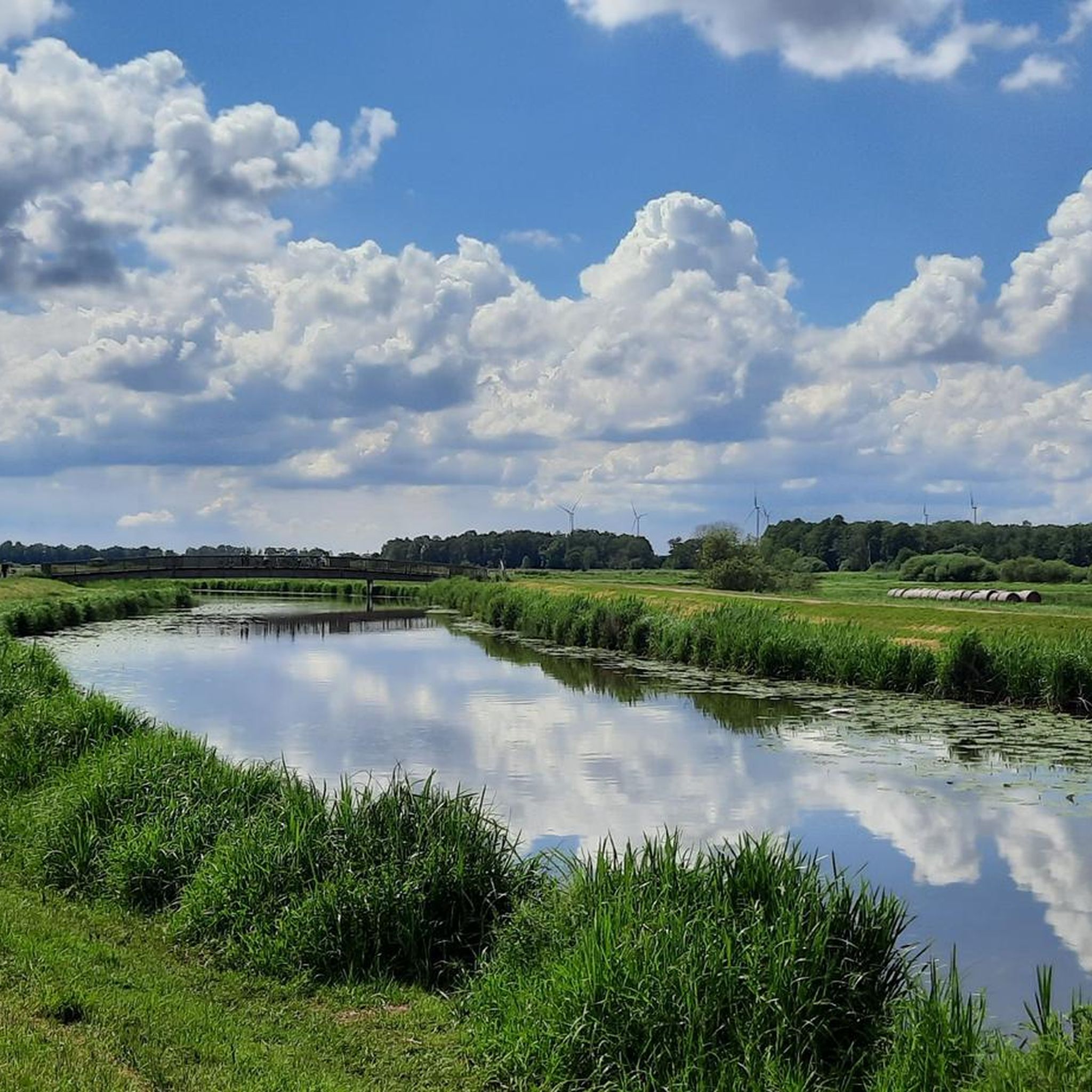
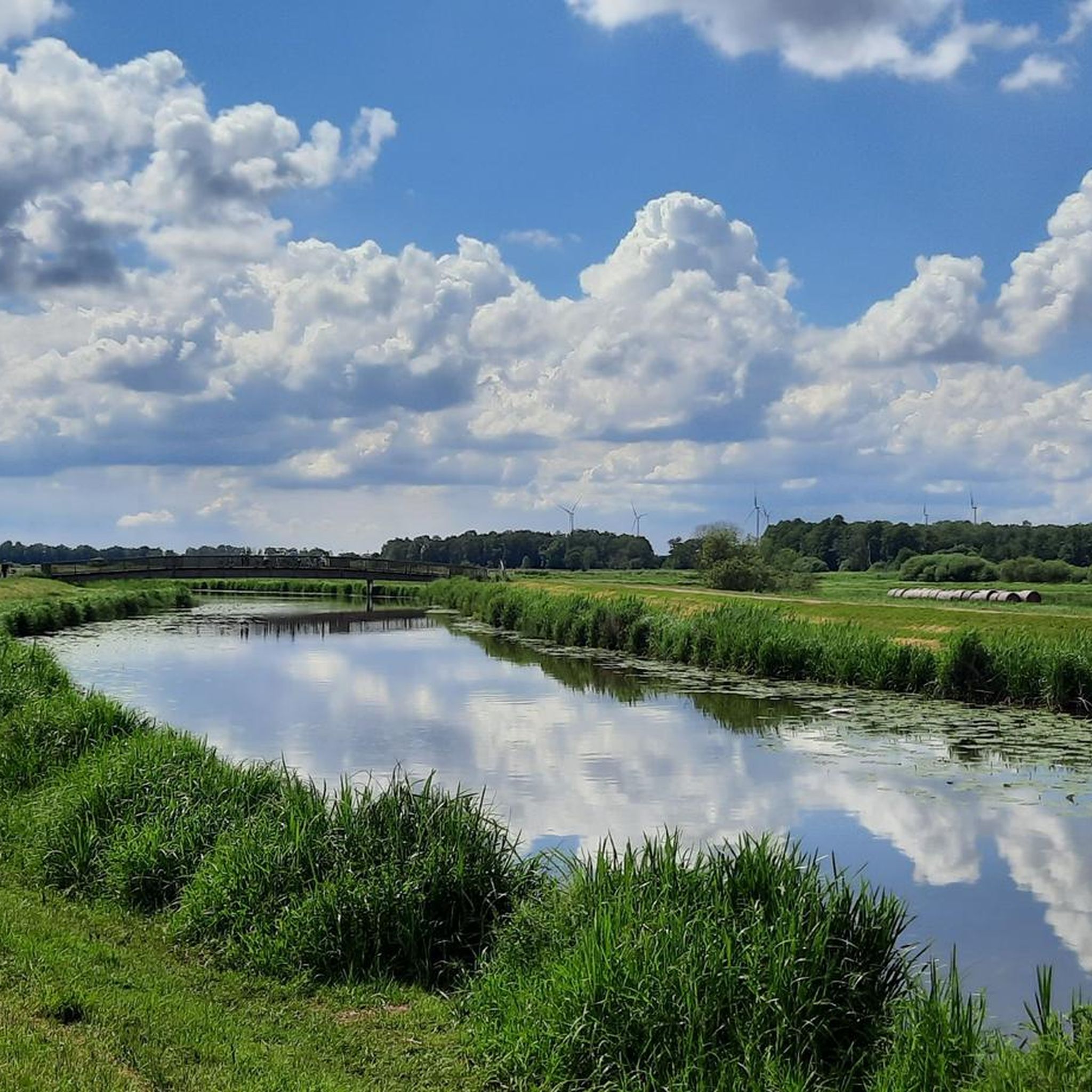
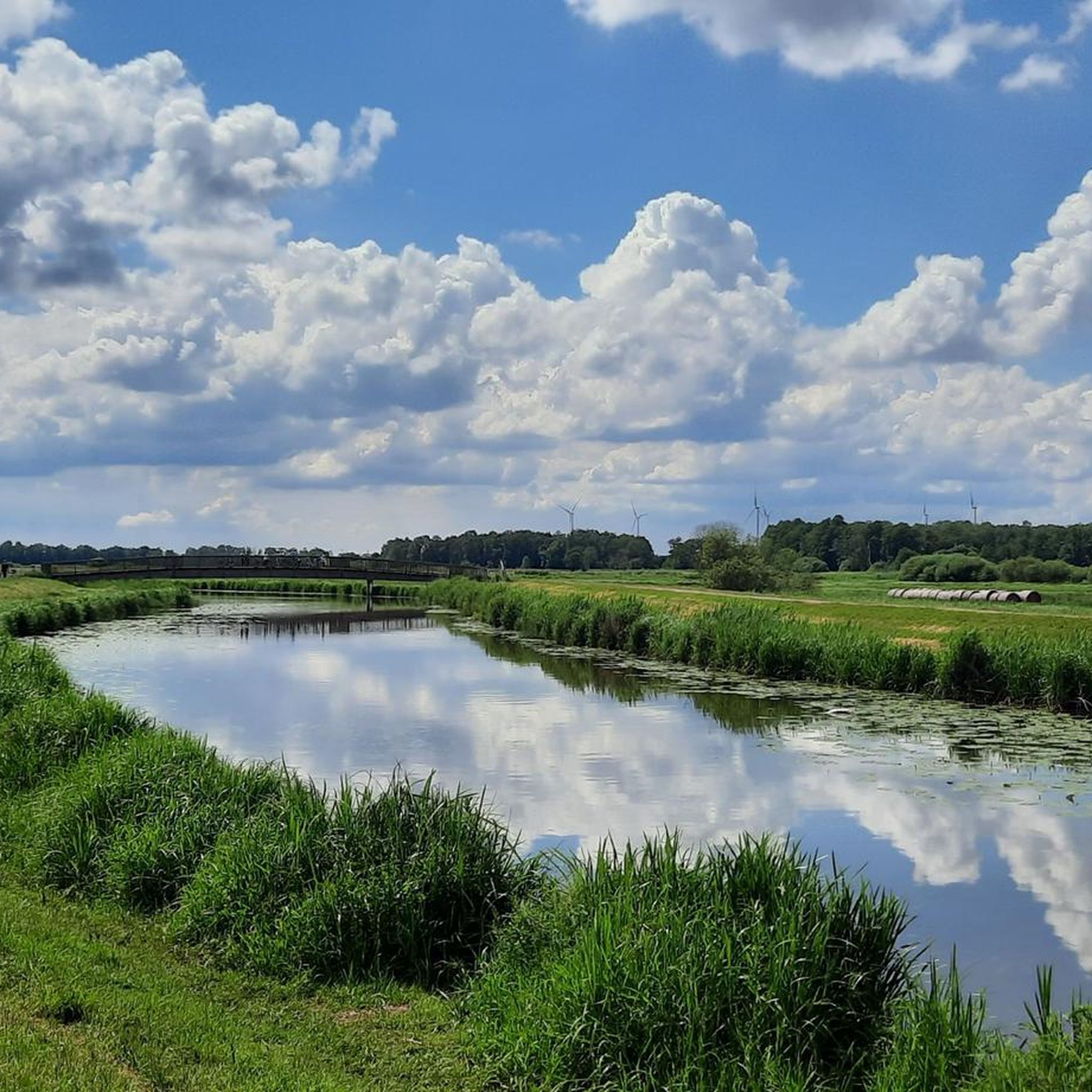
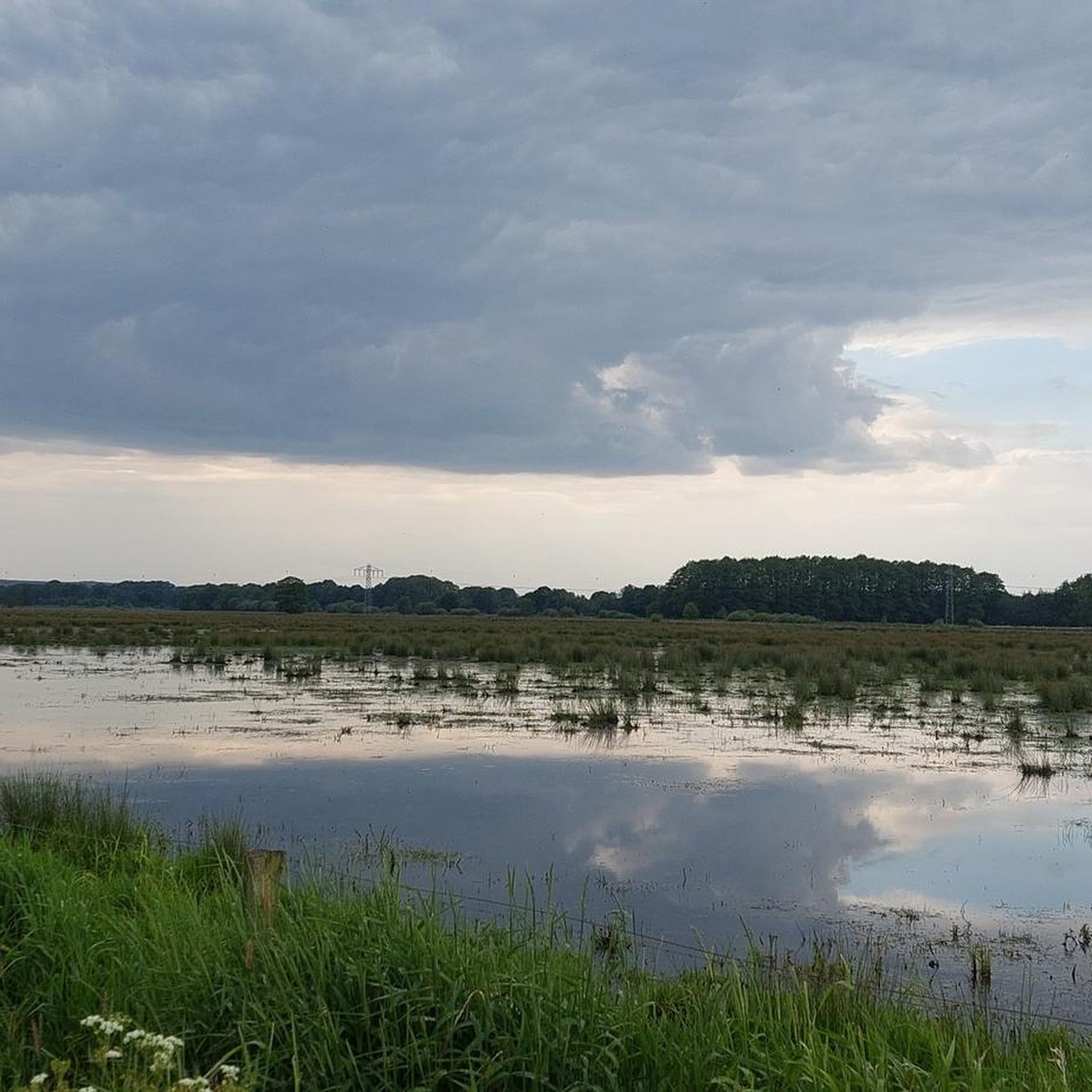
Wet meadows in the Dümmer lowlands
Highlight • Natural
Translated by Google •
Tip by

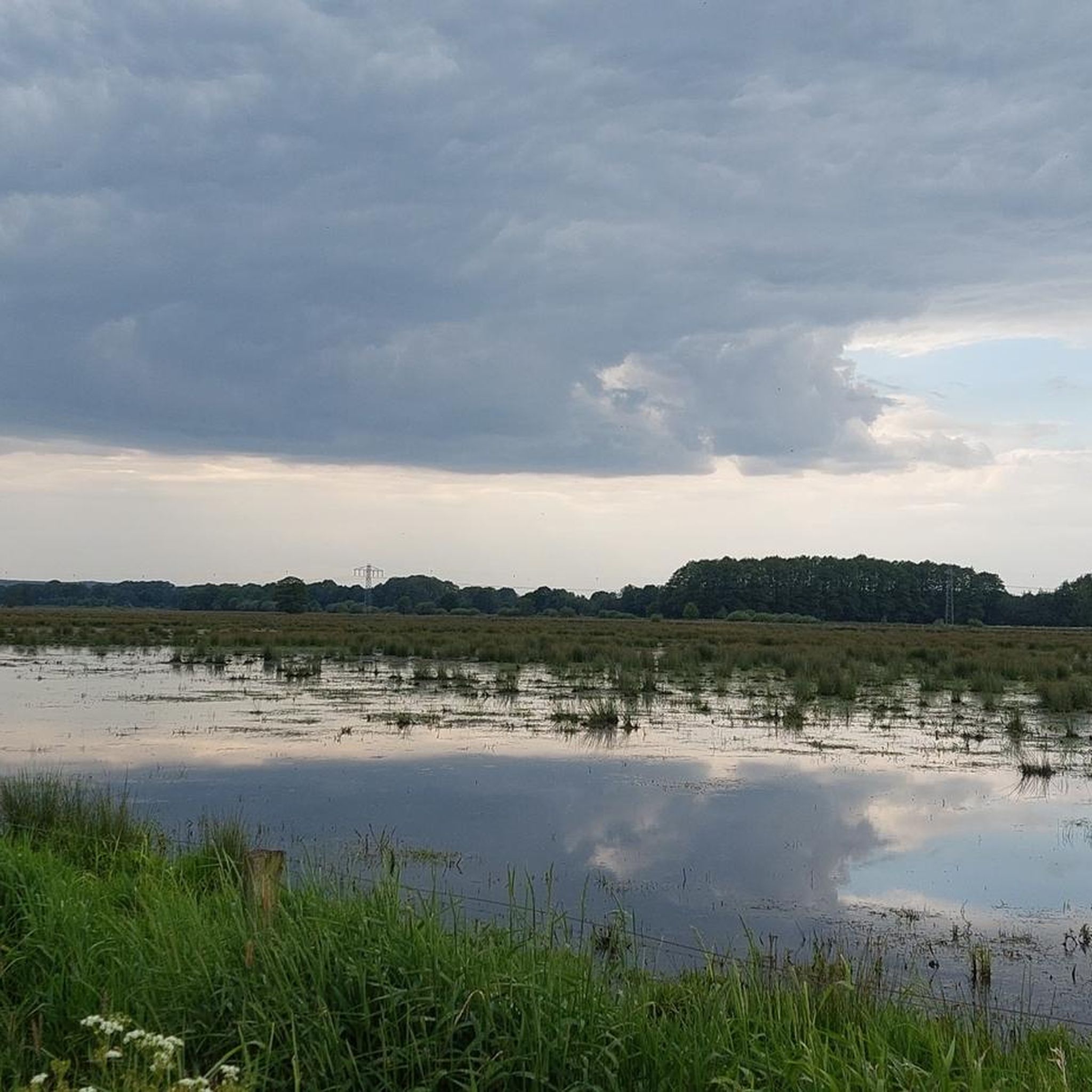
Wetland on the western shore of Lake Dümmer
Highlight • Natural
Translated by Google •
Tip by

Sign up now to discover places like this
Get recommendations on the best single tracks, peaks, & plenty of other exciting outdoor places.
Black Tern Information Board, Dümmer Nature Park
Highlight • Rest Area
Translated by Google •
Tip by

Start today with a free account
Your next adventure awaits.
Popular around Natural Park Westliche Dümmerniederung
Cycling around Natural Park Westliche Dümmerniederung
Hiking around Natural Park Westliche Dümmerniederung
Running Trails around Natural Park Westliche Dümmerniederung
MTB Trails around Natural Park Westliche Dümmerniederung
Road Cycling Routes around Natural Park Westliche Dümmerniederung
Gravel biking around Natural Park Westliche Dümmerniederung
Tips from the Community

Most of the "Ochsenmoor and Dümmer" region is a nature reserve. NABU has installed several information and display boards highlighting this special feature.
0
0

Wet meadows just before Lake Dümmer
0
0
From here on it would become swampy...
0
0

Perfect for bird watching
0
1

An information board about the mourning terns They are among the most elegant fliers in the bird sector.
0
1

Really interesting views and insights into the history of the moors around the Dümmer. There are always signs with interesting information.
0
1

This is where the stupid slowly silts up. A swamp begins to form.
1
1

The landscape on the Dümmer is shaped by the water. The Dummel lowlands are shaped by the flow of the Hunte, which flows through the lake and the surrounding wet meadows. Until the early 1950s, the meadows could only be used extensively for agriculture and were regularly flooded. Therefore, a rich bird and plant world was able to develop here in the near-natural habitat types. After the diking, the living conditions for animals and plants deteriorated. The state of Lower Saxony became active and secured large parts of the Dummel valley for nature conservation. Today the Dümmer with its lowlands has become one of the most important areas in northern Germany for the preservation of endangered species of meadow birds. Agriculture, tourism and water management are coordinated with nature conservation in such a way that this bird paradise is preserved for future generations. Source: http://www.schaeferhof-duemmer.de/htm_seiten/40_natur_duemmer.htm
1
0
Frequently Asked Questions
What unique natural features can I expect to see in the Natural Park Westliche Dümmerniederung?
The Natural Park Westliche Dümmerniederung is characterized by its extensive low moors and wetlands. You'll find diverse habitats such as grasslands, wet meadows, tall herb communities, and reed beds. A notable feature is the Wetland on the western shore of Lake Dümmer, where the lake transitions into swamp, offering insights into the history of the moors. The Osterfeiner Moor, in the northern part, also showcases unique hydrological and botanical characteristics.
Which natural monuments are particularly good for birdwatching?
The entire Westliche Dümmerniederung nature reserve is part of the EU bird sanctuary "Dümmer," making it an excellent spot for birdwatching. The Wet meadows in the Dümmer lowlands are a crucial breeding area for various bird species, including endangered meadow birds. Additionally, the Black Tern Information Board, Dümmer Nature Park provides details about mourning terns and the significance of the region as a bird habitat.
What kind of wildlife can I observe in the Natural Park Westliche Dümmerniederung?
The region is renowned for its abundant birdlife. As an internationally recognized wetland, it hosts many rare and endangered bird species. During autumn and spring, you can observe large flocks of migratory birds, including up to 70,000 cranes, making it the third-largest crane resting area in Europe. The wet meadows are particularly important for meadow birds.
Are there family-friendly natural monuments to visit?
Yes, both the Wet meadows in the Dümmer lowlands and the Black Tern Information Board, Dümmer Nature Park are considered family-friendly. The information board offers an educational experience about local birdlife, while the wet meadows provide opportunities to observe nature and birds in a serene setting.
What is the best time of year to visit the natural monuments in the Natural Park Westliche Dümmerniederung?
The best times to visit are generally spring and autumn, especially if you are interested in birdwatching. These seasons offer the chance to observe large flocks of migratory birds, including cranes, as they rest in the Dümmer region. Ornithologists will find something of interest in all seasons due to the diverse bird species present year-round.
Are there hiking opportunities near the natural monuments?
Yes, there are several hiking opportunities in and around the Natural Park Westliche Dümmerniederung. You can explore trails like the "Olgahafen at Lake Dümmer – Dümmer Lake Loop" or the "Dümmer Lake Loop – Beach at Lake Dümmer." For more detailed routes and options, you can explore the Hiking around Natural Park Westliche Dümmerniederung guide.
Can I go cycling near the natural monuments?
Absolutely. The region offers various cycling routes, including the 18 km long "Dümmer-Deich-Weg" around Dümmer Lake, which provides excellent observation opportunities. You can find routes like the "Fischerstatt Waterway – Schäferhof Café loop" or the "Dammer Berge lookout tower – Damme City Museum loop." Discover more options in the Road Cycling Routes around Natural Park Westliche Dümmerniederung guide.
What are the terrain and difficulty levels of trails around the natural monuments?
The terrain around the natural monuments, particularly in the low moors and wetlands, is generally flat. Trails often follow dikes or paths through meadows. While many routes are easy to moderate, such as the "Dümmer West Viewing Tower – Dümmer Lake Loop" hiking trail, some longer cycling or running routes can be more challenging. Always check individual route details for specific difficulty ratings.
Where can I find information about the unique ecosystems of the Dümmer region?
Information boards are strategically placed throughout the area to educate visitors. The Black Tern Information Board, Dümmer Nature Park is one such example, highlighting the significance of the "Ochsenmoor and Dümmer" region. The Wetland on the western shore of Lake Dümmer also features signs providing insights into the history of the moors.
Is the Natural Park Westliche Dümmerniederung accessible by public transport?
While the region is primarily accessed by car, some local bus services might connect to nearby towns. For specific public transport options to the Natural Park Westliche Dümmerniederung, it's advisable to check local transport schedules or regional tourism websites like nrw-tourism.com for the broader Dümmer Nature Park area.
Are there any specific viewpoints to enjoy the landscape?
Yes, several spots offer great views. The Wetland on the western shore of Lake Dümmer and the Wet meadows in the Dümmer lowlands are both designated viewpoints. Additionally, the Dammer Berge, a moraine ridge to the west, offers scenic hiking opportunities with views extending to the Dümmer Lake from points like Mordkuhlenberg.
Are dogs allowed on trails around the natural monuments?
Generally, dogs are allowed on trails in the Natural Park Westliche Dümmerniederung, but they must be kept on a leash, especially in nature reserve areas, to protect wildlife. Always look for local signage regarding dog regulations, particularly during breeding seasons for birds.
What running trails are available near the natural monuments?
For runners, there are various trails ranging from easy to difficult. You could try the "Hunte Sluice at Dümmer Lake – View of Lake Dümmer loop" or the more challenging "Dümmer West Viewing Tower – Hunte Bridge loop." More running options can be found in the Running Trails around Natural Park Westliche Dümmerniederung guide.
Most popular routes around Natural Park Westliche Dümmerniederung
Most popular attractions around Natural Park Westliche Dümmerniederung

Get inspired with the komoot mobile app


Explore more
Extend your search for the best caves by checking out these guides of the top ones around Natural Park Westliche Dümmerniederung:
