Top 20 Natural Monuments in Bezirk Imst
Best natural monuments in Bezirk Imst offer a diverse range of natural features, from dramatic gorges and geologically significant areas to ancient forests and tranquil lakes. This region in Tyrol, Austria, is characterized by its varied landscapes, including alpine terrain, river valleys, and unique geological formations. These sites provide opportunities to experience raw nature, observe diverse flora and fauna, and explore areas of ecological and historical importance.
Best natural monuments in Bezirk Imst
- The most popular natural monument is Burgstein…
Last updated: November 10, 2026
Rosengarten Gorge
Highlight (Segment) • Gorge
Translated by Google •
Tip by

Stuibenfall Viewing Platform
Highlight • Viewpoint
Translated by Google •
Tip by

Sign up now to discover places like this
Get recommendations on the best single tracks, peaks, & plenty of other exciting outdoor places.
Stuiben Power Bridge
Highlight • Bridge
Translated by Google •
Tip by

Drachensee
Highlight • Lake
Translated by Google •
Tip by

Burgstein Suspension Bridge
Highlight (Segment) • Bridge
Since 2013, there has been an 83m long (valley floor 220 meters) panoramic suspension bridge over the "Maurrinne" between Burgstein and Brand. The entire …
Showing Translation
Tip by

Lake Piburg
Highlight • Lake
Bathing facilities …
Translated by Google •
Tip by

Weller Bridge over the Ötztaler Ache
Highlight • Bridge
Translated by Google •
Tip by
Wetterkreuzkogel Summit
Highlight • Summit
Translated by Google •
Tip by

Gaislachkogel Summit & 007 Elements
Highlight • Summit
Translated by Google •
Tip by

Stuibenfall Waterfall and Via Ferrata
Highlight (Segment) • Waterfall
Translated by Google •
Tip by

Sign up for free to discover even more natural monuments in Bezirk Imst.
Already have an account?
Start today with a free account
Your next adventure awaits.
Popular around Bezirk Imst
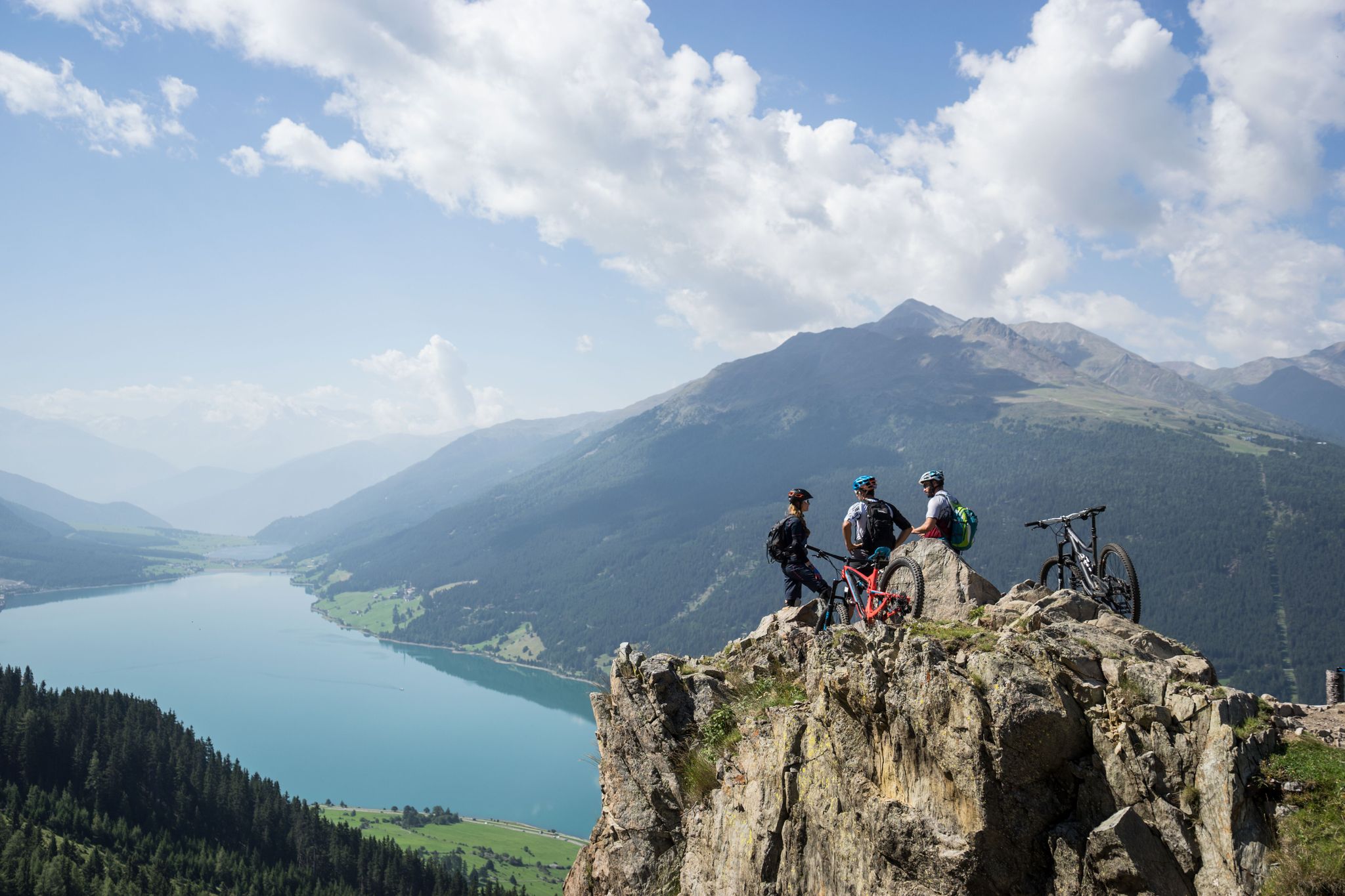
High into the Tyrolean mountain world – mountain biking in Tyrol
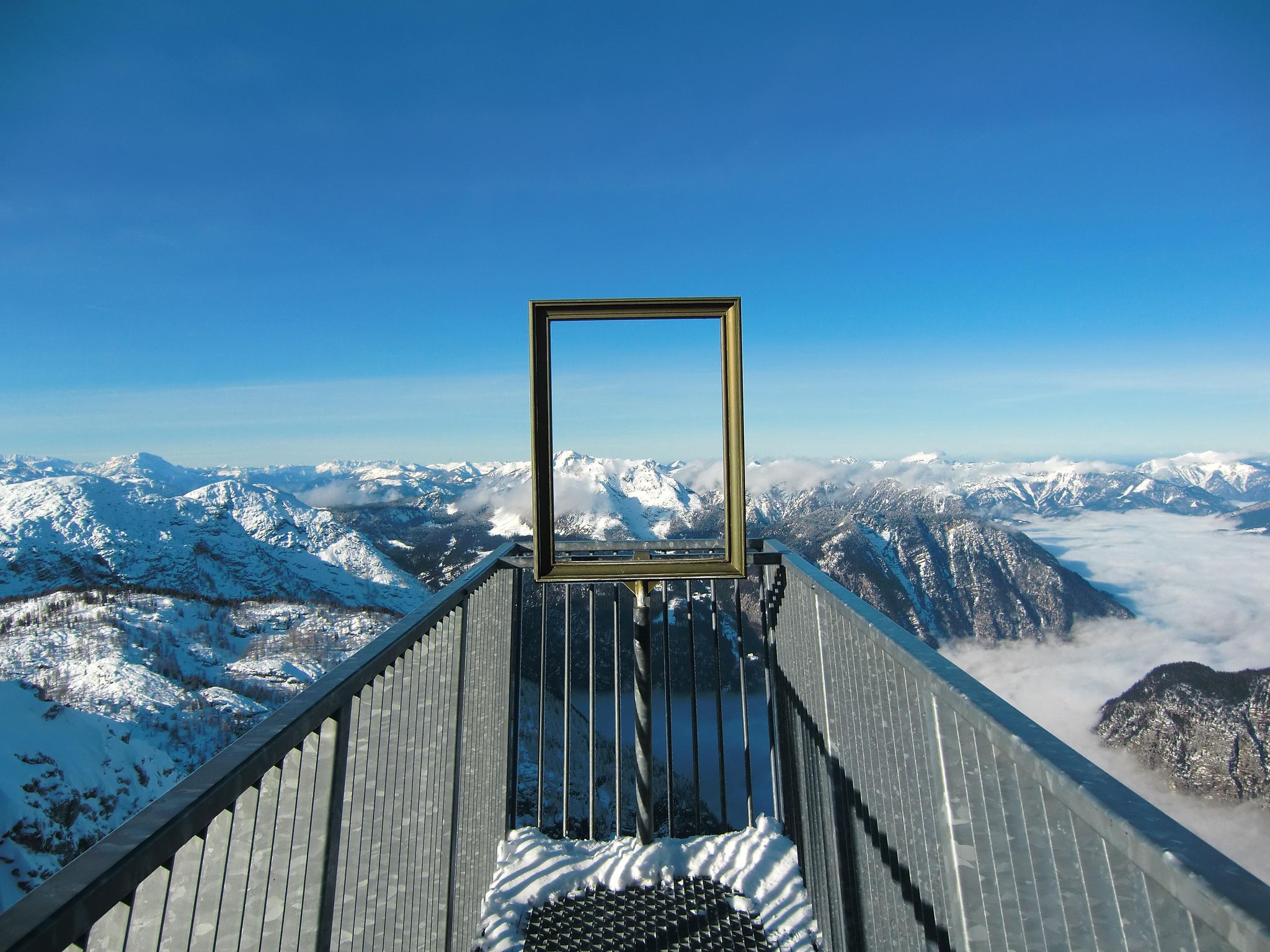
#Winterlove — 14 tips for your winter adventure in Austria
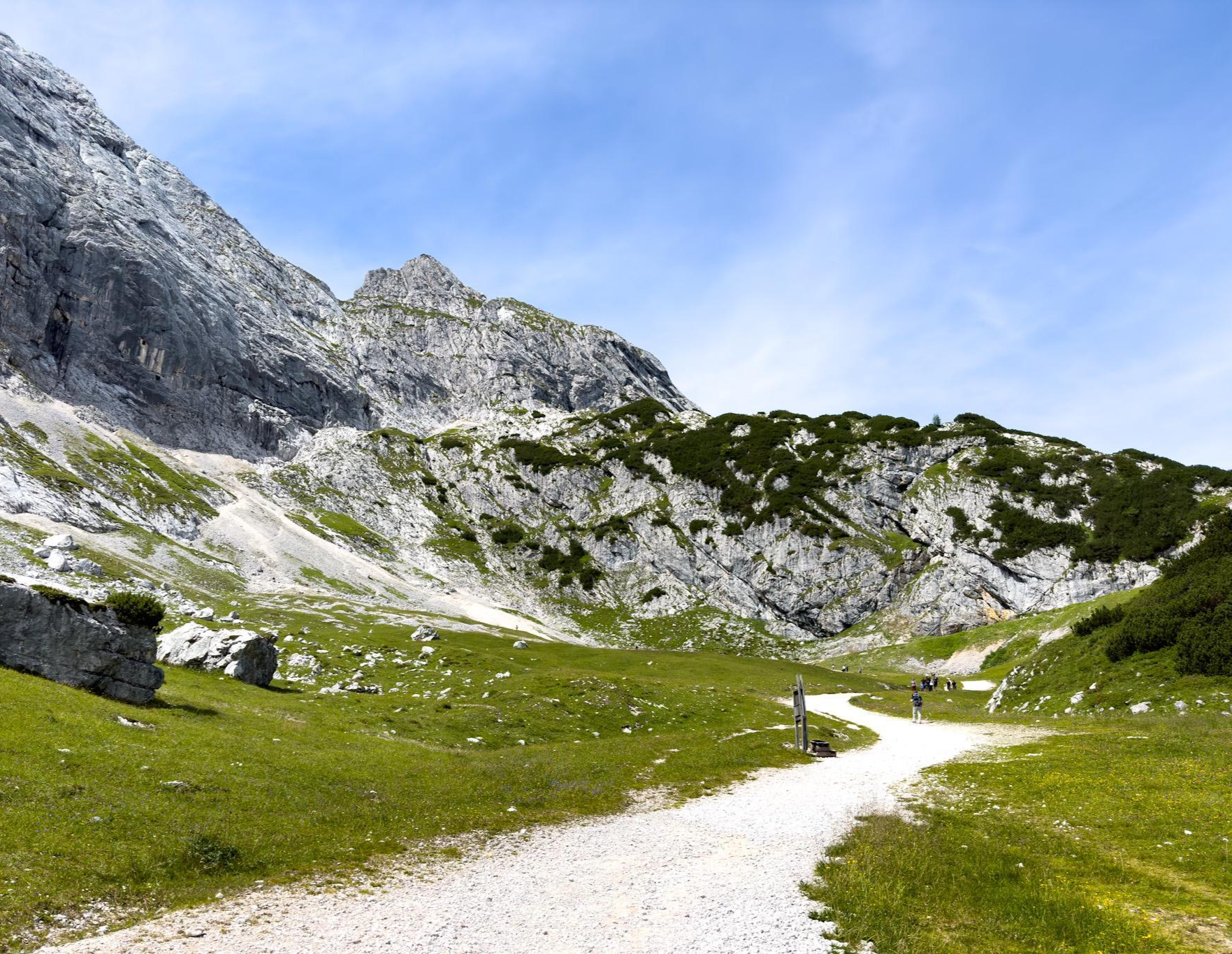
Zugspitz Ultratrail – experience Germany's highest mountain over 3 days
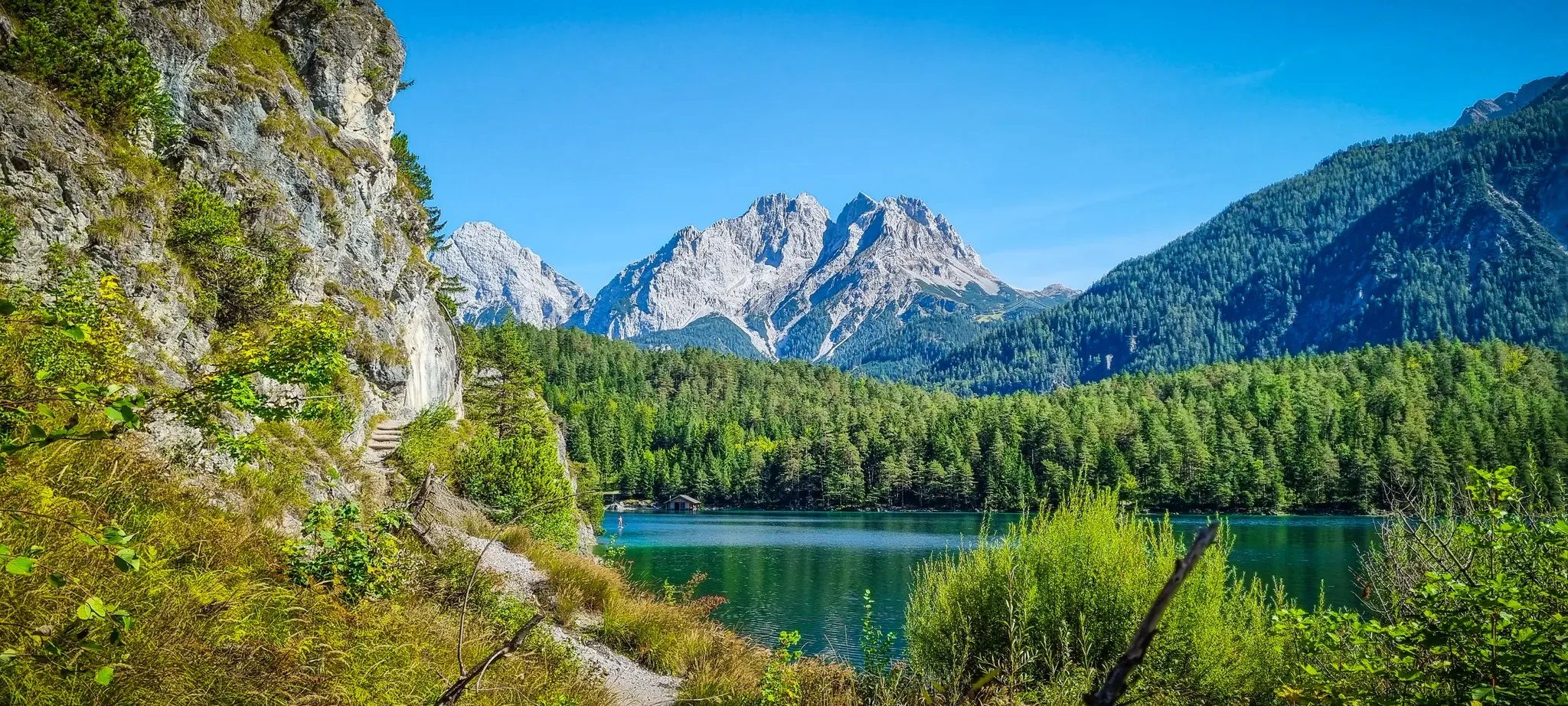
Starkenberg Panorama Trail – Lakes, gorges and noble paths
L1 from Garmisch to Brescia – Far from the classic Alpine crossings
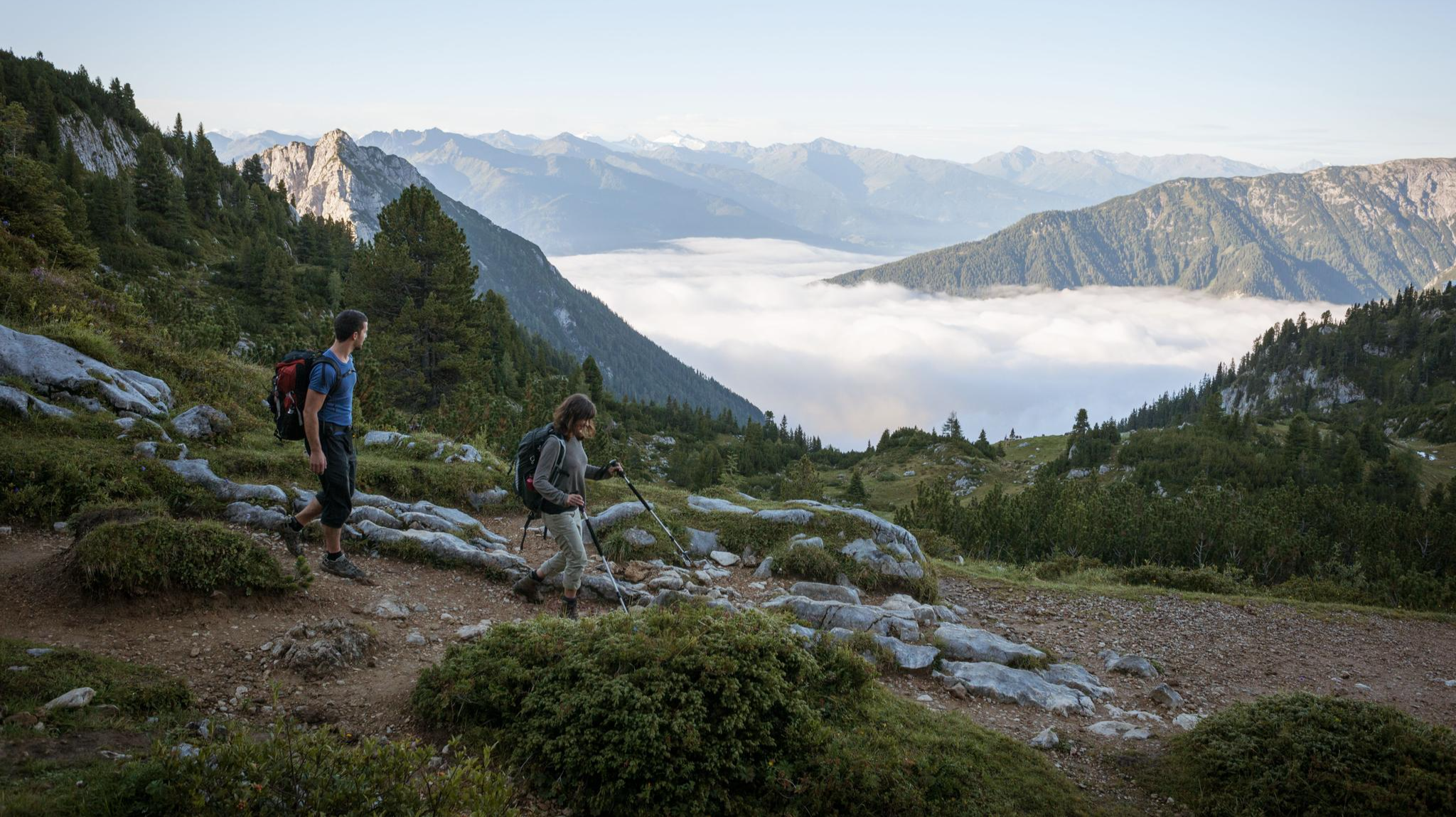
Eagle Walk – Majestic hiking along Tirol's trail
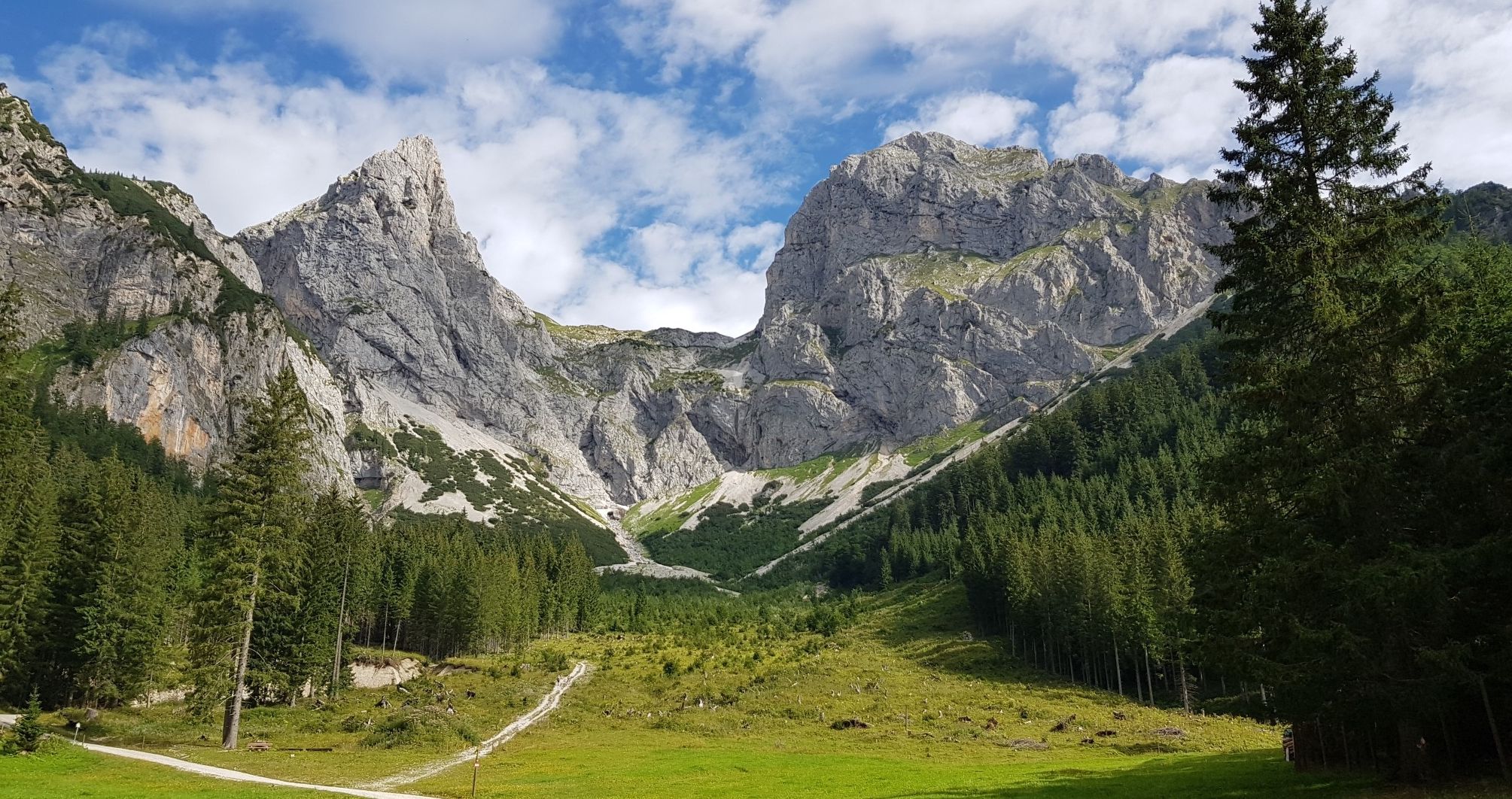
North Alpine Trail 01 – Hike across Austria in 49 days
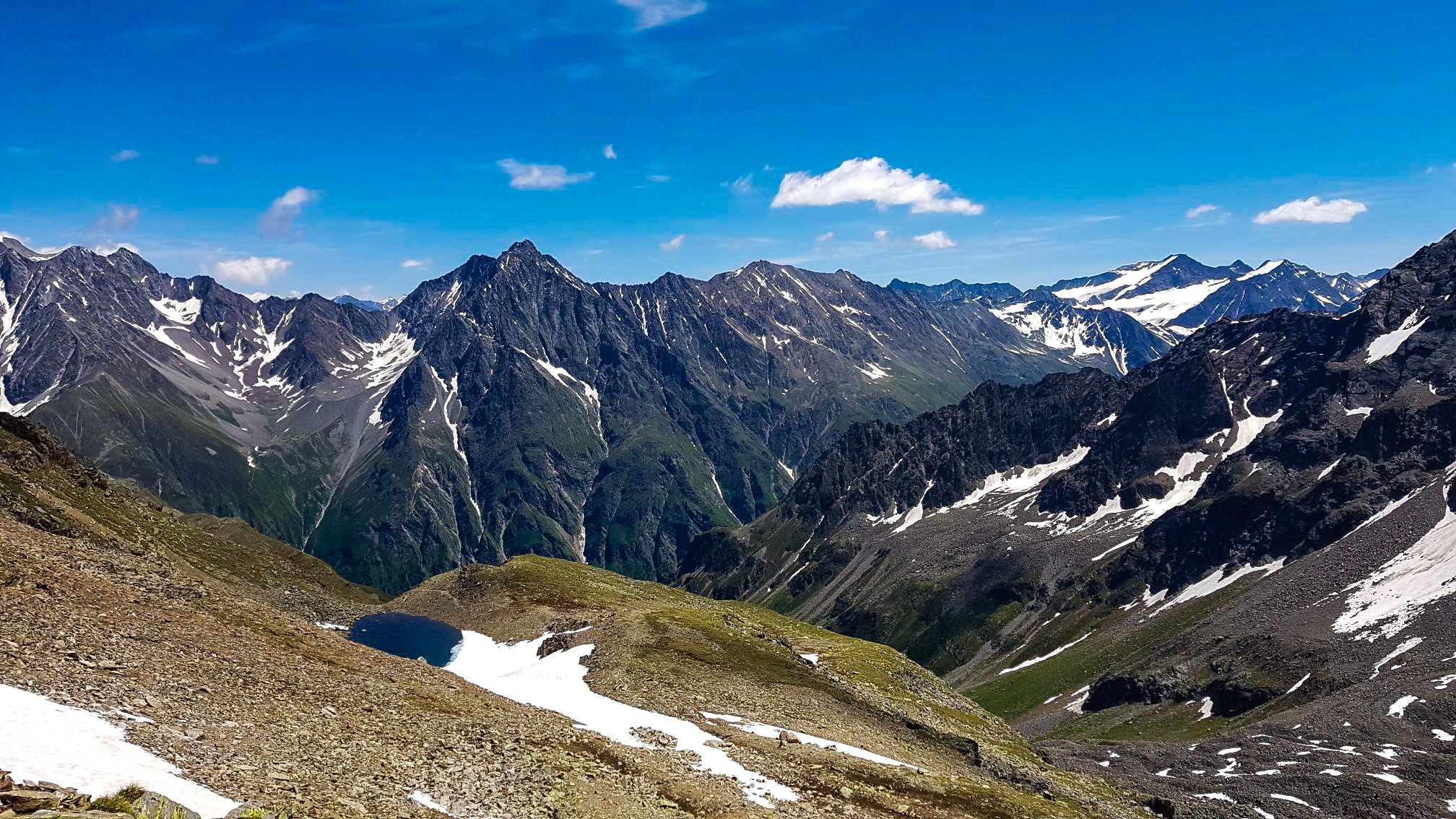
Kaunergrat circular hike in Austria – a dream for experienced mountaineers
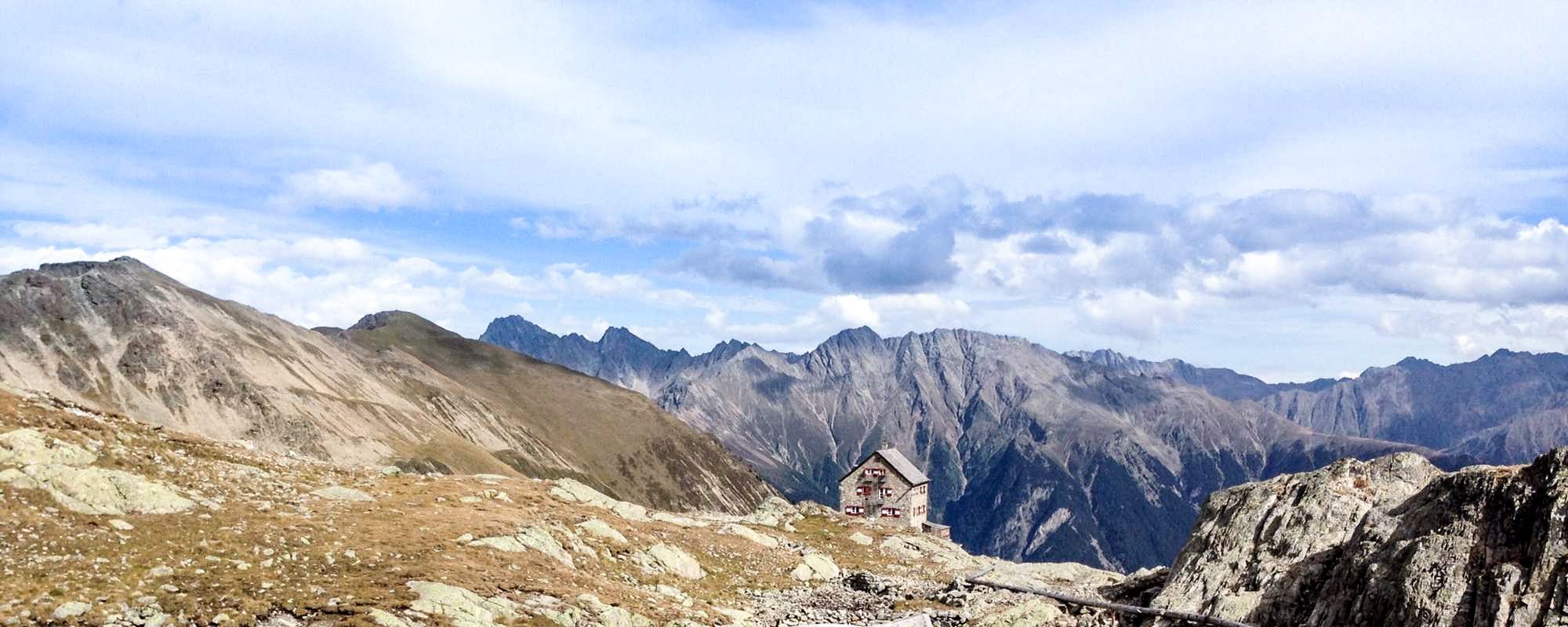
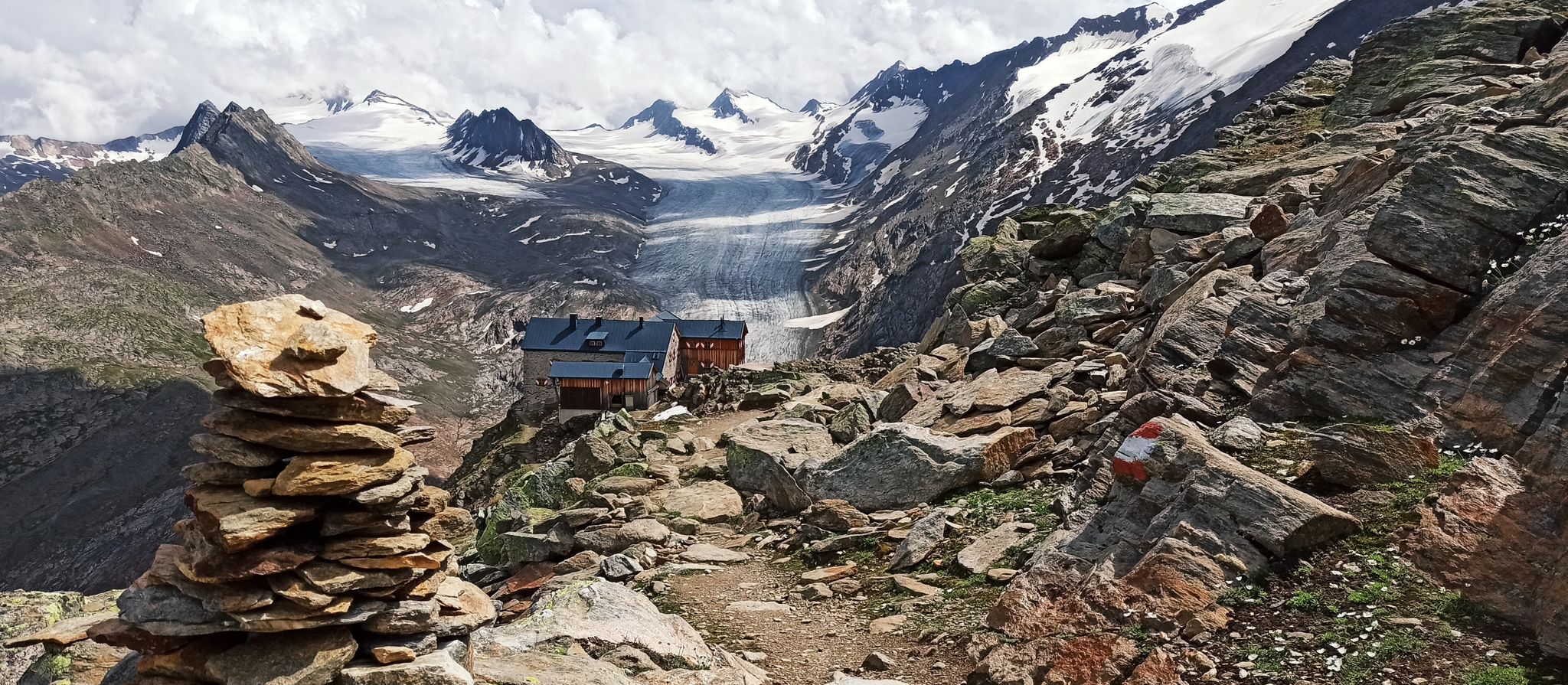
4 romantic huts high above the Ötztal
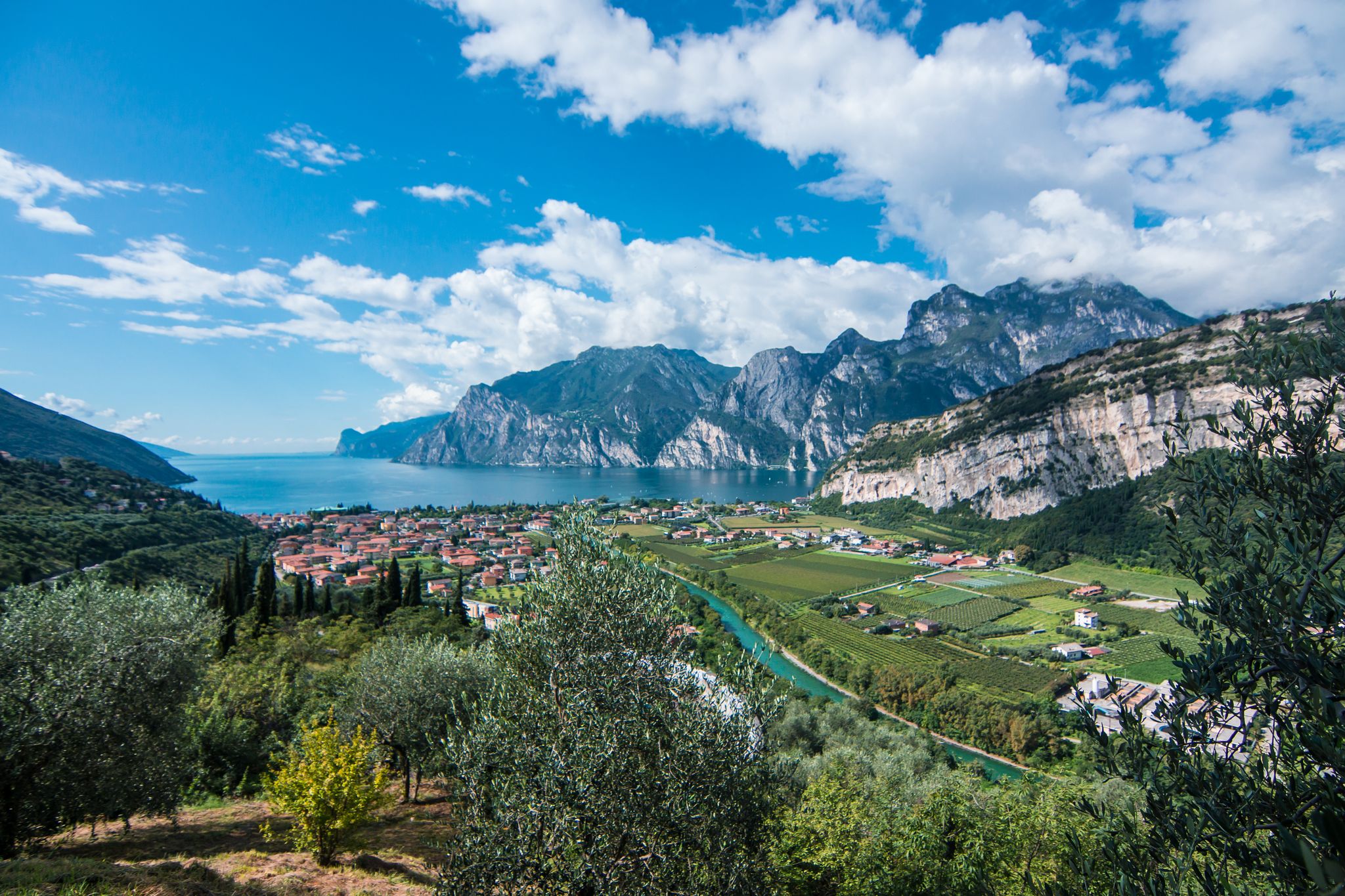
Via Claudia Augusta – Your first transalp
Other adventures in Bezirk Imst


Tips from the Community

The Längenfeld-Burgstein suspension bridge is a spectacular excursion destination in the Ötztal, Tyrol. It spans an impressive 110 meters above the deep valley floor of the Ötztaler Ache and connects the two idyllic sunny plateaus of the mountain villages of Brand and Burgstein. The steel pedestrian bridge is 83 meters long and offers thrill-seekers a breathtaking view down into the depths as well as a magnificent panorama of the Längenfeld valley basin. The bridge was designed to blend harmoniously into the alpine mountain world, while at the same time offering modern thrills: It consists of a robust steel construction with a grating floor. This means that when crossing, you can look directly between your own feet down over 100 meters into the depths. With a width of 1.20 meters, the bridge is dimensioned so that it can also be crossed without problems with strollers or by hikers with dogs (provided the four-legged friends are not bothered by the grating floor). Crossing the suspension bridge is completely free of charge and accessible all year round. The suspension bridge can be perfectly experienced as part of an easy to moderate circular hike, which guarantees fantastic views.
2
0

We took a short hike between two sauna sessions in the Aqua Dome.
2
0


If conditions are right, it's not a too difficult hike from the mountain station.
1
0

Gaislachkogel Summit Cross Summit cross on the 3,056-meter-high Gaislachkogel 100 years of the Innerötztal Section
16
0
Suspension bridge "Maurrinne" since 2013, Längenfeld Since 2013, there has been an 83m long (valley floor 220 meters) panoramic suspension bridge over the "Maurrinne" between Burgstein and Brand. The entire path has also been renovated and widened, so you can comfortably walk to and from Burgstein. From the bridge, you can look out over the wide valley floor of Längenfeld and the Aqua Dome thermal spa. There is also a "dog track": special metal plates have been mounted on the floor of the bridge so that the little four-legged friends do not injure their paws and can cross the suspension bridge without any problems. Text / Source: Marialuise Reindl, Burgstein 63, 6444 Längenfeld https://www.burgstein.at/?id=47&L=1
21
1

Great view over the Ötztal valley
1
0
Schinderbach / Rosengartenschlucht In the middle of Imst is the entrance to one of the most beautiful gorges in Austria and one of the most valuable biotopes in Tyrol. The Schinderbach roars through the 2 km long Rosengarten gorge - a spectacle that can be observed from the path that leads through the gorge. The Rosengartenschlucht is highly valued as one of the most valuable biotopes in Tyrol. It is also a treasure trove, especially for geologists, as millions of years of earth's history are reflected here. The Rosengartenschlucht begins at the Johanneskirche right in the city center of Imst. The gorge, which is bordered by a 100 m high rock wall, becomes increasingly narrower and leads to the Blue Grotto, a small cave in which silver-containing galena was searched for as early as Roman times. From the Blue Grotto you then reach Hoch-Imst and can either hike back to Imst via the Wetterkreuz or continue your tour with the Imster Bergbahnen and the Alpine Coaster Imst. Text / Source: Tirol.Tl https://www.tirol.tl/de/highlights/natur-landschaft/naturschauspiele/rosengartenschlucht/
14
1
Frequently Asked Questions
What unique geological features can I explore in Bezirk Imst?
Bezirk Imst offers several natural monuments with impressive geological formations. The Muttekopf Nature Reserve is notable for its unique sedimentary geology, including Cretaceous deposits and the renowned "Blue Heads" megabreccias. The Rosengarten Gorge also showcases significant geological history with reef limestone from the Triassic period, visible along its paths.
Are there any ancient forests or significant tree monuments in Bezirk Imst?
Yes, Bezirk Imst is home to the Stams Oak Forest, an ancient mixed deciduous forest that has been protected since 1929 and is one of Tyrol's oldest natural monuments. Additionally, the region protects several individual notable trees, such as the "Waldkönig and Waldkönigin" spruces, a linden tree by the "Maria Schnee" church, and a large sequoia, offering serene spots for contemplation.
What are some of the most scenic gorges to visit in Bezirk Imst?
The Rosengarten Gorge near Imst is a true natural wonder, featuring the rushing Schinderbach river, a waterfall, and the vibrant Blaue Grotte (Blue Grotto). The Hachleschlucht (Malchbach gorge) offers an adventurous hike with impressive limestone walls and scenic viewpoints. For white-water enthusiasts, the Imst Gorge (Inn River) is a classic destination for rafting.
Where can I find tranquil lakes for relaxation or swimming in Bezirk Imst?
You can visit Lake Piburg, one of Tyrol's oldest nature reserves and warmest bathing lakes, perfect for swimming and relaxation. The Natursee Hoch-Imst also provides a tranquil escape with crystal-clear waters and lush surroundings, ideal for cooling off on a hot day and spending time with family.
What kind of biodiversity can I expect to see in Bezirk Imst's natural monuments?
The Gurgltal is renowned for its unparalleled diversity of animal and plant species and habitats, including various meadows, wetlands, and ancient terraced landscapes. The Muttekopf Nature Reserve supports a remarkably diverse flora, and ibex can often be spotted. The Milser Au, near the Imst Gorge, is a haven for nature enthusiasts and birdwatchers, with grey alder forests and breeding grounds for rare species like kingfishers and sandpipers.
Are there family-friendly natural monuments suitable for children or prams?
Yes, the Burgstein Suspension Bridge is accessible via pram-friendly paths and even includes a dedicated "dog track." Lake Piburg and the Natursee Hoch-Imst are also excellent choices for families, offering opportunities for swimming and relaxation in beautiful natural settings.
What outdoor activities, like hiking or cycling, can I do near the natural monuments?
Many natural monuments in Bezirk Imst are excellent starting points for outdoor activities. For hiking, the Rosengarten Gorge offers a captivating 1-2 hour hike, and the Muttekopf Nature Reserve is perfect for nature enthusiasts and hikers. You can find various running trails in the region, such as the "Stuibenfall Water Runner Trail," or explore cycling routes like the "Ötztal cycle path." For more options, check out the Running Trails in Bezirk Imst, MTB Trails in Bezirk Imst, and Cycling in Bezirk Imst guides.
What is the best time of year to visit the natural monuments in Bezirk Imst?
The best time to visit largely depends on the specific monument and desired activity. The Rosengarten Gorge is typically open from May to October. Lake Piburg is ideal in summer when its waters warm up to 24 degrees for swimming. Generally, late spring to early autumn (May to October) offers pleasant weather for hiking and exploring most outdoor natural monuments.
Are there any natural monuments that offer impressive panoramic views?
Absolutely. The Burgstein Suspension Bridge provides panoramic views of the Längenfeld valley. The Stuibenfall Viewing Platform offers a unique perspective of Tyrol's largest waterfall. Additionally, the Drachensee provides magnificent views of the lake and Drachenkopf, while the Hochzeiger Summit and Gaislachkogel Summit offer breathtaking alpine panoramas.
Can I bring my dog to the natural monuments in Bezirk Imst?
Yes, some natural monuments are dog-friendly. The Burgstein Suspension Bridge is specifically designed with a "dog track" (special metal plates) so that four-legged friends can cross comfortably without injuring their paws. When visiting other natural areas, it's always advisable to keep dogs on a leash and respect local regulations to protect wildlife and sensitive ecosystems.
Are there any natural monuments with historical significance in Bezirk Imst?
Yes, the Stams Oak Forest is not only an ancient woodland but also historically significant, having been protected since 1929 due to its protective function for the Cistercian Stams Abbey. Additionally, a section of the Alte Römerstraße (Old Roman Road) near Imst is protected as a natural monument, showcasing a fascinating blend of natural growth reclaiming an ancient human pathway that was part of the Via Claudia Augusta.
What are the Sinnesbrunn Moors and what makes them special?
The Sinnesbrunn Moors present an impressively beautiful forest and moorland landscape characterized by sensitive wetlands. This area offers a peaceful environment away from urban traffic and noise, making it perfect for hikers seeking tranquility and connection with nature. Visitors are asked to respect the sensitive wetlands by not entering them or building fires.
Most popular routes in Bezirk Imst
Most popular attractions in Bezirk Imst

Get inspired with the komoot mobile app


Didn’t find what you were looking for?
Find even more amazing natural monuments in Bezirk Imst by checking out the top Highlights region by region:
Explore more
Extend your search for the best caves by checking out these guides of the top ones in Bezirk Imst:
