Top 4 Natural Monuments in the New England Range
Best natural monuments in the New England Range are found within a section of Australia's Eastern Highlands, a large plateau in northeastern New South Wales. This region is characterized by its volcanic escarpments and ancient ecosystems, including parts of the Gondwana Rainforests World Heritage Area. It serves as the source for several major rivers and offers expansive views over forested valleys. The area provides opportunities to explore diverse natural features and geological formations.
Best natural monuments in the New England…
Last updated: May 14, 2026
Granite Arch
Highlight • Natural Monument
Tip by

Eye of the Needle, Mt Norman
Highlight • Natural Monument
Tip by

Sign up now to discover places like this
Get recommendations on the best single tracks, peaks, & plenty of other exciting outdoor places.
Sign up for free
Turtle Rock
Highlight • Natural Monument
Tip by
Bindarri National Park
Highlight • Forest
Tip by
Cathedral Rock Summit
Highlight • Summit
Important: Hiking boots and experience. The ascent is not easy.
Showing Translation
Tip by

Guy Fawkes River State Conservation Area and Mt Hyland Traverse
Highlight • Trail
Tip by

Red Rock Gorge Lookout
Highlight • Viewpoint
Tip by
Start today with a free account
Your next adventure awaits.
Login or Signup

Tips from the Community

Fantastic view. Cathedral Rock. It's worth climbing to the top. Important: Hiking boots and experience. The ascent is not easy.
2
0

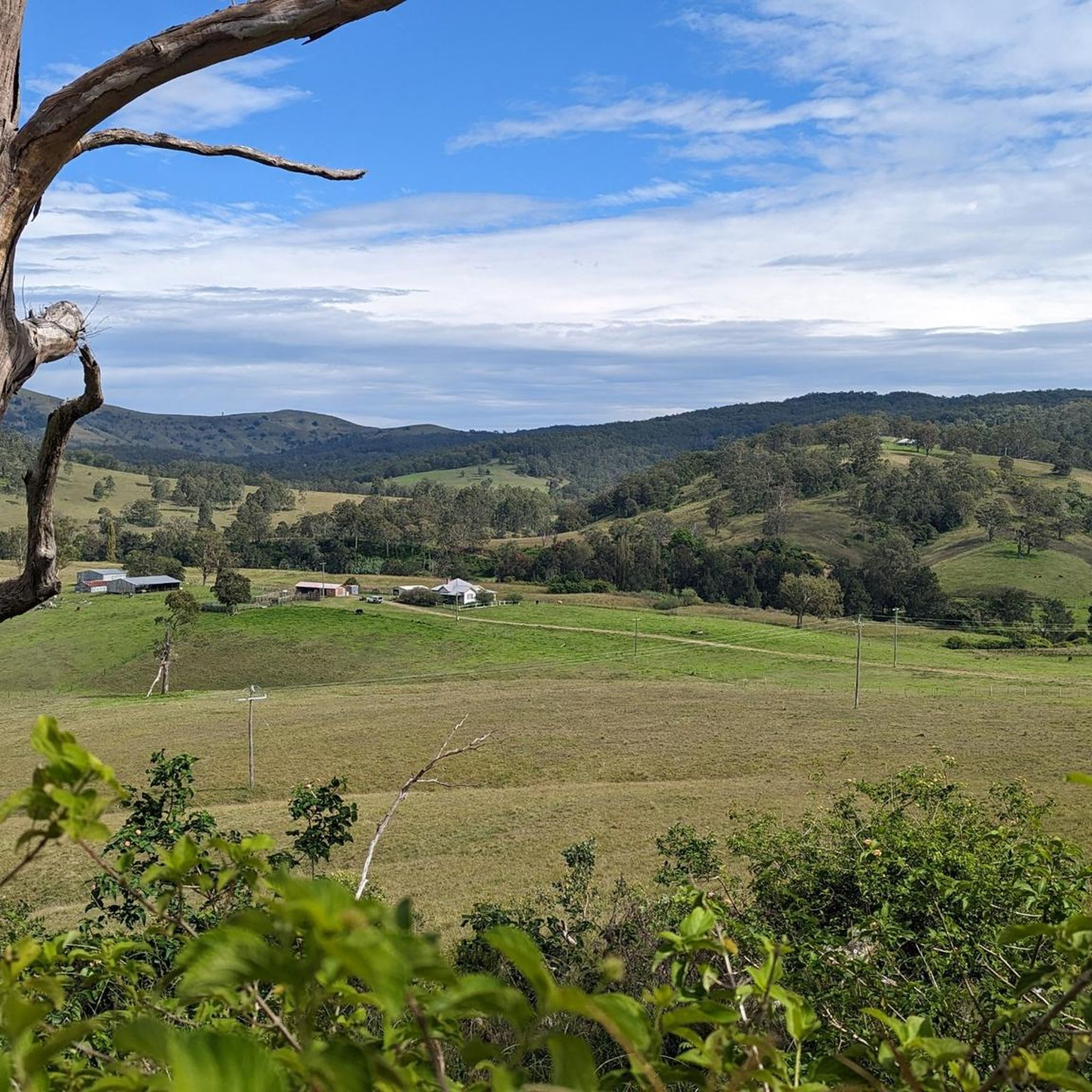
Bindarri National Park protects a rugged, beautiful landscape of rainforest, rivers and forested ranges west of Coffs Harbour on the NSW Mid North Coast. Covering around 7,000 hectares, the park forms part of the Gondwana Rainforests region and supports diverse plant and animal life. There are plenty of walking tracks and lookouts throughout the park, allowing visitors to experience its remote valleys, waterfalls and subtropical forest environments.
0
0
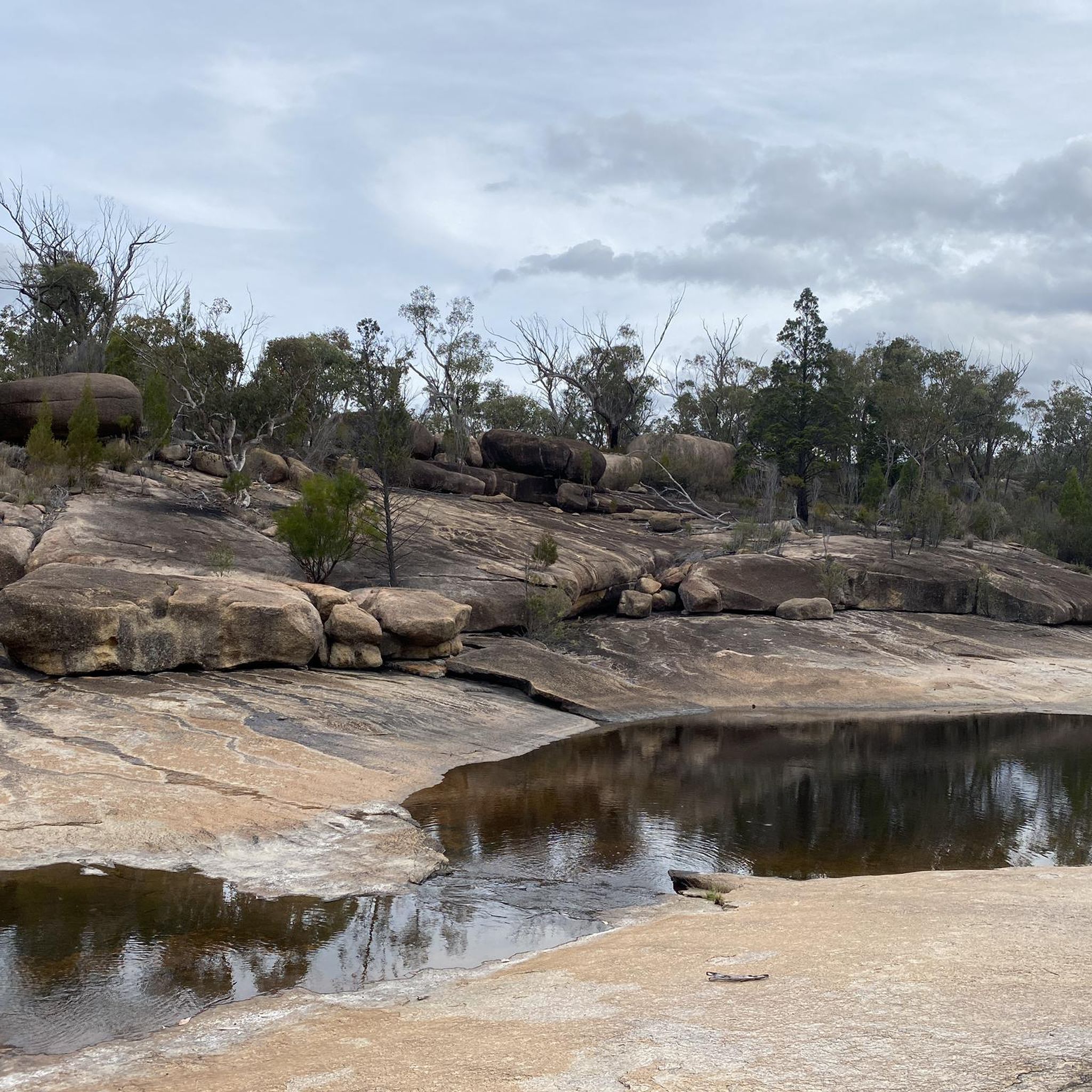
Granite Arch is an impressive natural rock formation created by the weathering of the park’s massive granite outcrops. The arch forms where large granite blocks have eroded and shifted over time, leaving a curved opening beneath the rock. As you pass underneath the formation and look at the surrounding boulders, you get a true appreciation for the scale of the slow geological processes that have shaped the unique granite landscape of Girraween.
0
0

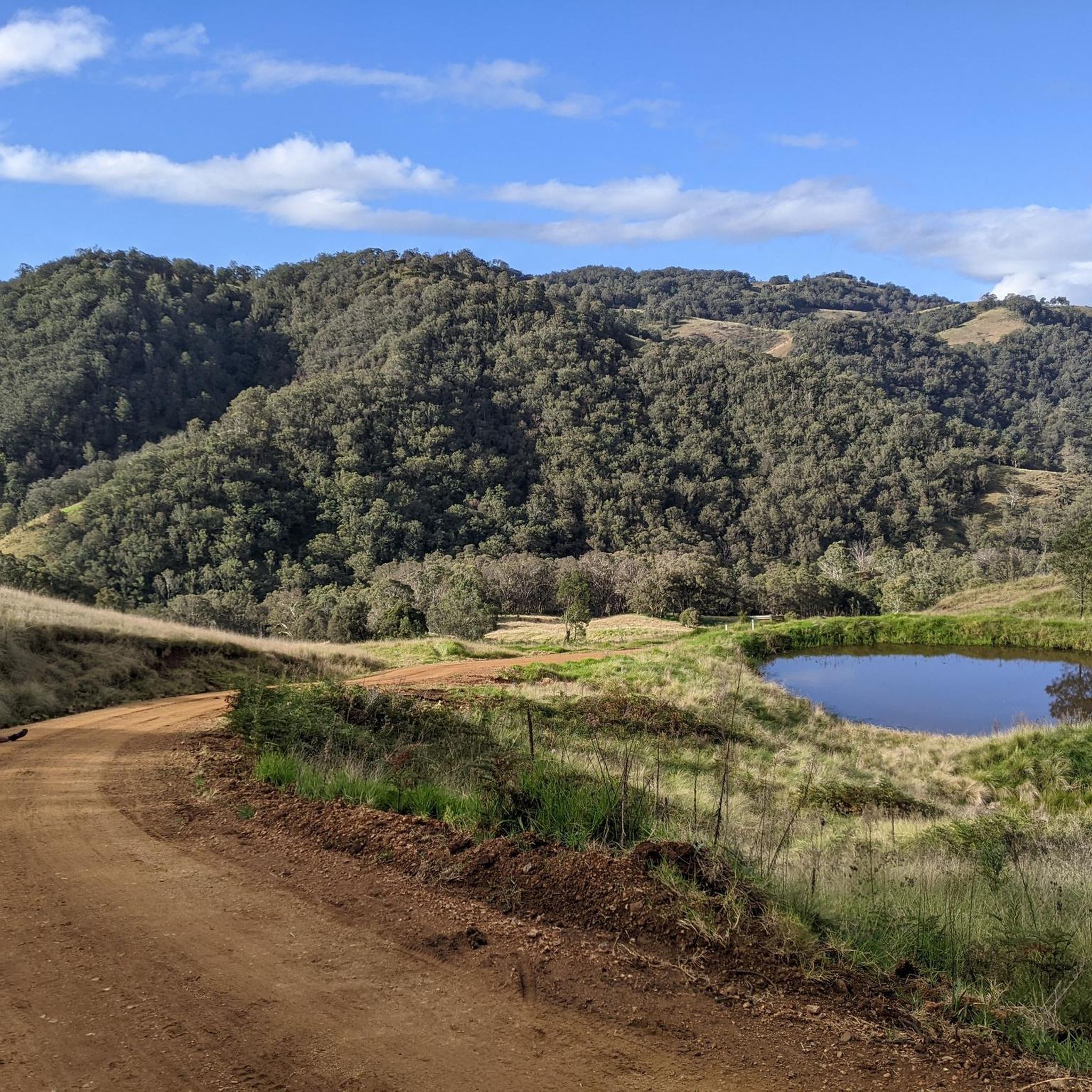
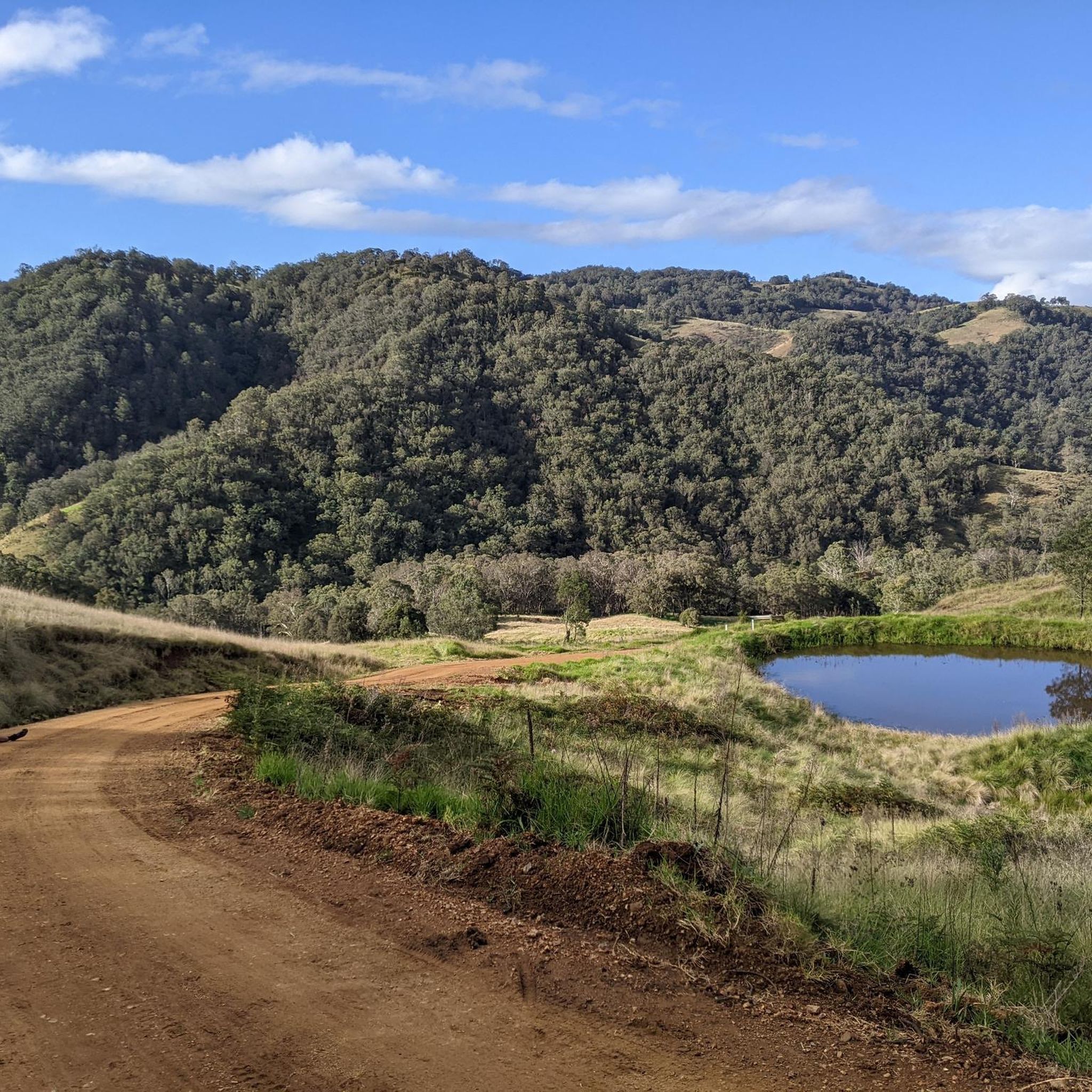
It was presumed it would be downhill from Vista point lookout, but there still was a fare bit of uphill. On balance there was more downhill to Dalmorton campgound.
0
0

Natural stone archway made up of balancing boulders.
0
0

Turtle Rock is the end of the trail of Sphynx Rock and Turtle Rock. A lovely, slightly undulating path with incredible rock boulders along the way. To be enjoyed by anyone.
0
0
Eye of the Needle at Mt Norman. 2 balancing rocks on top of another rock.
0
0
A beautiful view on to Red Rock Gorge with a good explanation of the geology and wildlife on some boards.
0
0
Frequently Asked Questions
What unique geological features can I expect to see in the New England Range?
The New England Range is renowned for its dramatic granite formations. You can explore impressive natural rock formations like Granite Arch, formed by the weathering of massive granite outcrops. Another highlight is the Eye of the Needle, Mt Norman, featuring a huge granite plateau strewn with balancing boulders. The region also showcases ancient ecosystems within the Gondwana Rainforests of Australia World Heritage Area, particularly in New England National Park, which includes remnants of the Ebor Volcano complex.
Are there family-friendly natural monuments to visit in the New England Range?
Yes, several natural monuments offer family-friendly experiences. Turtle Rock provides a lovely, slightly undulating path with incredible rock boulders along the way, suitable for all ages. The Red Rock Gorge Lookout is another accessible viewpoint that families can enjoy.
What kind of hiking trails are available around the natural monuments?
The New England Range offers a variety of hiking trails. New England National Park, for instance, provides options from easy strolls to multi-day hikes through remote wilderness. For those seeking a challenge, the ascent to Cathedral Rock Summit offers fantastic views but requires hiking boots and experience. You can also find numerous waterfall hikes throughout the region.
Can I bring my dog to the natural monuments in the New England Range?
Generally, dogs are not permitted in most national parks and state conservation areas in Australia, including New England National Park, to protect native wildlife. It's always best to check the specific regulations for each natural monument or park you plan to visit before bringing your pet.
When is the best time of year to visit the natural monuments in the New England Range?
The New England Range can be visited year-round, but the best time often depends on your preferred activities. Spring (September-November) brings wildflowers, while autumn (March-May) offers pleasant temperatures and vibrant foliage. Summer (December-February) can be warm, ideal for water activities, and winter (June-August) can be cold, especially at higher elevations, but offers crisp air and clear views. New England National Park is particularly stunning for sunrises and expansive views from Point Lookout.
What other outdoor activities can I do near the natural monuments?
Beyond exploring the natural monuments themselves, the New England Range offers diverse outdoor activities. You can find traffic-free bike rides, various waterfall hikes, and dedicated running trails. The region's diverse landscapes, from forests to plateaus, provide ample opportunities for outdoor adventures.
Where can I find spectacular views and photography spots?
For breathtaking views, Point Lookout in New England National Park is a must-see, offering expansive vistas over forested valleys all the way to the coast. Cathedral Rock Summit also provides fantastic panoramic views. Many of the granite formations, like Granite Arch and the boulders at Eye of the Needle, Mt Norman, are excellent subjects for photography, especially with the interplay of light and shadow.
What wildlife might I encounter in the New England Range's natural monuments?
The diverse habitats of the New England Range support a rich array of animal life. In areas like New England National Park, you might spot kangaroos, wallabies, gliders, possums, and over 100 bird species, including the superb lyrebird known for its resonating call and mimicry.
Is there accommodation or dining options near the natural monuments?
New England National Park offers accommodation and camping options for extended stays. For dining and additional accommodation, you'll typically find more choices in nearby towns such as Armidale, which is about 45 miles east of New England National Park. It's advisable to plan ahead, especially during peak seasons.
How accessible are the natural monuments, and what about parking?
Accessibility varies by specific monument. Major parks like New England National Park generally have well-maintained roads and designated parking areas at trailheads and viewpoints. Some natural monuments, like Guy Fawkes River State Conservation Area, might involve more remote access. Always check the specific park or monument's official website for detailed access and parking information before your visit.
What makes New England National Park a significant natural monument?
New England National Park is a significant natural monument because it is part of the Gondwana Rainforests of Australia World Heritage Area. It preserves ancient ecosystems dating back 80 million years, featuring a rich flora including ancient Antarctic Beech trees. The park's landscape is characterized by a precipitous volcanic escarpment and offers spectacular views from Point Lookout, making it a prime example of the region's natural heritage. You can learn more about its significance on Wikipedia or the NSW National Parks website.
Most popular routes in the New England Range
Most popular attractions in the New England Range

Get inspired with the komoot mobile app


Explore more
Extend your search for the best caves by checking out these guides of the top ones in the New England Range:
