Top 17 Natural Monuments in the Yanartas Mountains
Best natural monuments in the Yanartas Mountains include the unique Eternal Flames of Chimaera, a site where natural gas vents have burned continuously for millennia. This region, part of the Mount Olympos area in Antalya Province, Turkey, is characterized by its geological features and rich mythological history. The landscape offers a blend of natural wonders, from perpetual fires to canyons and mountain summits, providing diverse outdoor exploration opportunities.
Best natural monuments in the Yanartas Mountains
- The most popular natural monuments…
Last updated: November 9, 2026
Chimera (Yanartaş) — Eternal Flames
Highlight • Natural Monument
Translated by Google •
Tip by

Göynük Canyon
Highlight (Segment) • Canyon
Tip by

Sign up now to discover places like this
Get recommendations on the best single tracks, peaks, & plenty of other exciting outdoor places.
Gelidonya (Taşlıkburnu) Lighthouse
Highlight • Monument
Translated by Google •
Tip by

Yanartaş (Chimaera)
Highlight • Natural Monument
Translated by Google •
Tip by

Ancient City of Phaselis
Highlight • Historical Site
Translated by Google •
Tip by
Mount Tahtalı
Highlight • Summit
Showing Translation
Tip by

Rock Arch at Çıralı Beach
Highlight • Natural Monument
Showing Translation
Tip by

Chimera (Yanartaş) — Upper Flames
Highlight • Natural Monument
Showing Translation
Tip by
Ruins at Yanartaş (Chimera)
Highlight • Historical Site
Showing Translation
Tip by
Rocky Cliff Overlooking the Mediterranean Sea
Highlight • Viewpoint
Translated by Google •
Tip by

Sign up for free to discover even more natural monuments in the Yanartas Mountains.
Already have an account?
Start today with a free account
Your next adventure awaits.
Tips from the Community

The Gelidonya Lighthouse – one of the beacons in the Mediterranean – is located at Cape Taşlık (Taşlık Burnu) in the Kumluca district. It is the highest lighthouse on the Turkish coast; its location is 227 meters above sea level and about 3 kilometers inland. Since the lighthouse, built on rugged rocks and difficult to access, could not be connected to the power grid, it had to be wound up by hand for a long time to function. Since 2017, the facility has been powered by solar energy with 220-volt electricity. In the area near the lighthouse, you can also camp. However, be sure to bring enough water and food and be prepared to see scorpions and snakes.
1
0
Directly below the fires are the remains of the Temple of Hephaestus, the Greek god who was associated with fire through his role as the blacksmith of the gods. Hephaestus was the main deity of the city of Olympos in Roman times. Some inscriptions and ruins of the temple can still be seen today. In the Byzantine period, after the advent of Christianity, a basilica was built over the temple.
1
0
Chimaira (Ancient Greek: Χίμαιρα Chímaira (f. sg.), Latinized: Chimaera) or Turkish: Yanartaş ('burning stone') is a site in Lycia, Asia Minor, known since antiquity, where a rare, millennia-old natural phenomenon can still be observed today. Flames erupt from the rocky ground of a mountainside in two separate areas at several points – the 'eternal fires of the fire-breathing Chimaira,' which gave the place its ancient name. There are two fire fields about one kilometer apart, of which usually only the lower one is visited. It can be reached from Çıralı in about 30 minutes uphill. An entrance fee is charged. The path to the upper fire field from Ulupınar is free of charge, but more arduous. https://de.wikipedia.org/wiki/Chimaira_(Lykien)
1
0
Chimaira (Ancient Greek Χίμαιρα Chímaira (f. sg.), Latinized Chimaera) or Turkish Yanartaş ("burning stone") is a place in Lycia, Asia Minor, known since antiquity, where a rare, millennia-old natural phenomenon can still be observed today. Flames erupt from the rocky ground of a mountainside in two separate areas at several points – the "eternal fires of the fire-breathing Chimaira," which gave the place its ancient name. There are two fire fields about a kilometer apart, of which usually only the lower fire field is visited. You can reach it from Çıralı in about 30 minutes uphill. An entrance fee is charged. The path to the upper fire field from Ulupınar is free of charge, but more arduous.
1
0
Chimaira (Ancient Greek Χίμαιρα Chímaira (f. sg.), Latinized Chimaera) or Turkish Yanartaş ("burning stone") is a place in Lycia, Asia Minor, known since antiquity, where a rare, millennia-old natural phenomenon can still be observed today. Flames erupt from the rocky ground of a mountainside in several places across two separate areas – the "eternal fires of the fire-breathing Chimaira," which gave the place its ancient name. There are two fire fields about one kilometer apart, of which usually only the lower one is visited. It can be reached from Çıralı in about 30 minutes uphill. An entrance fee is charged. The path to the upper fire field from Ulupınar is free of charge, but more arduous. https://de.wikipedia.org/wiki/Chimaira_(Lykien)
1
0
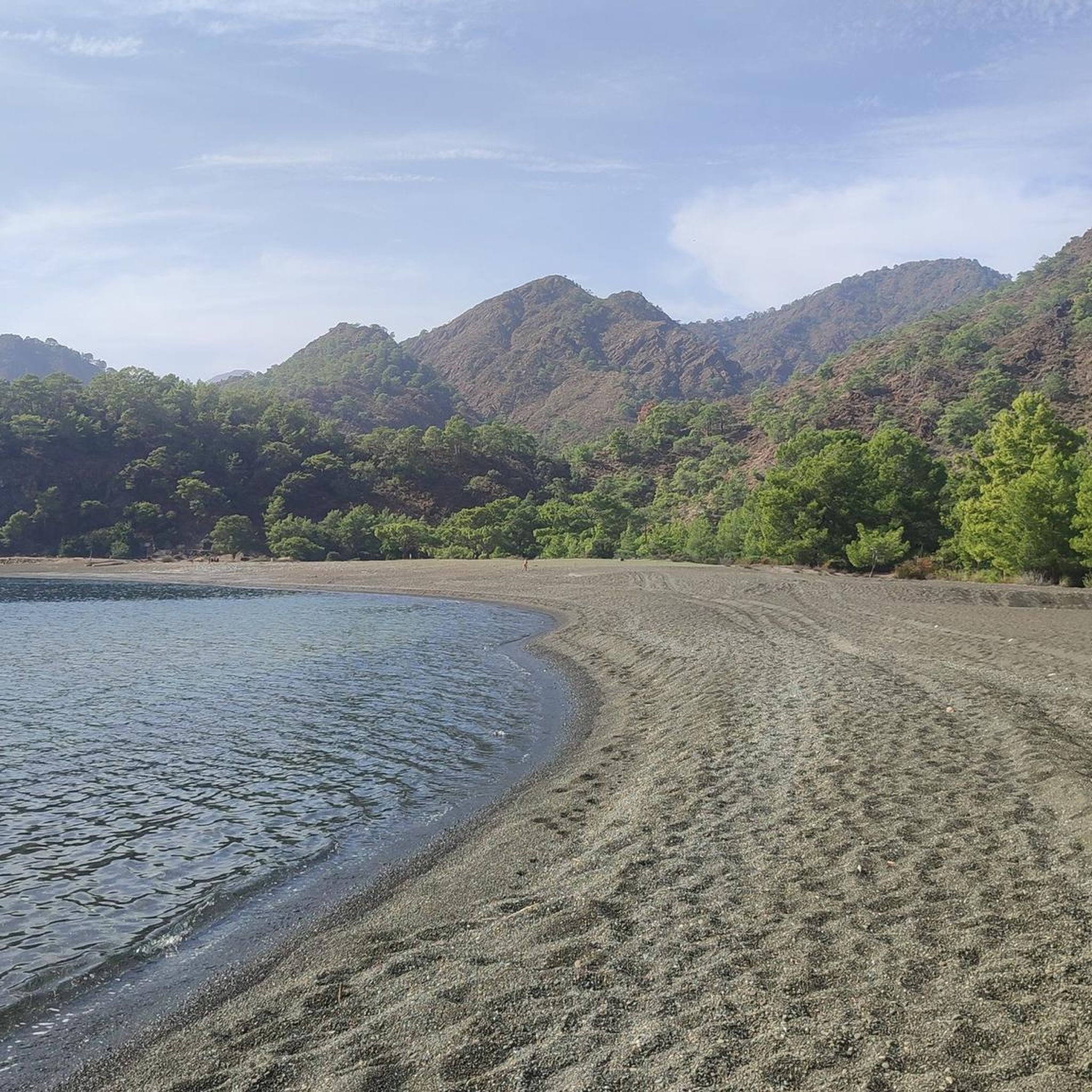
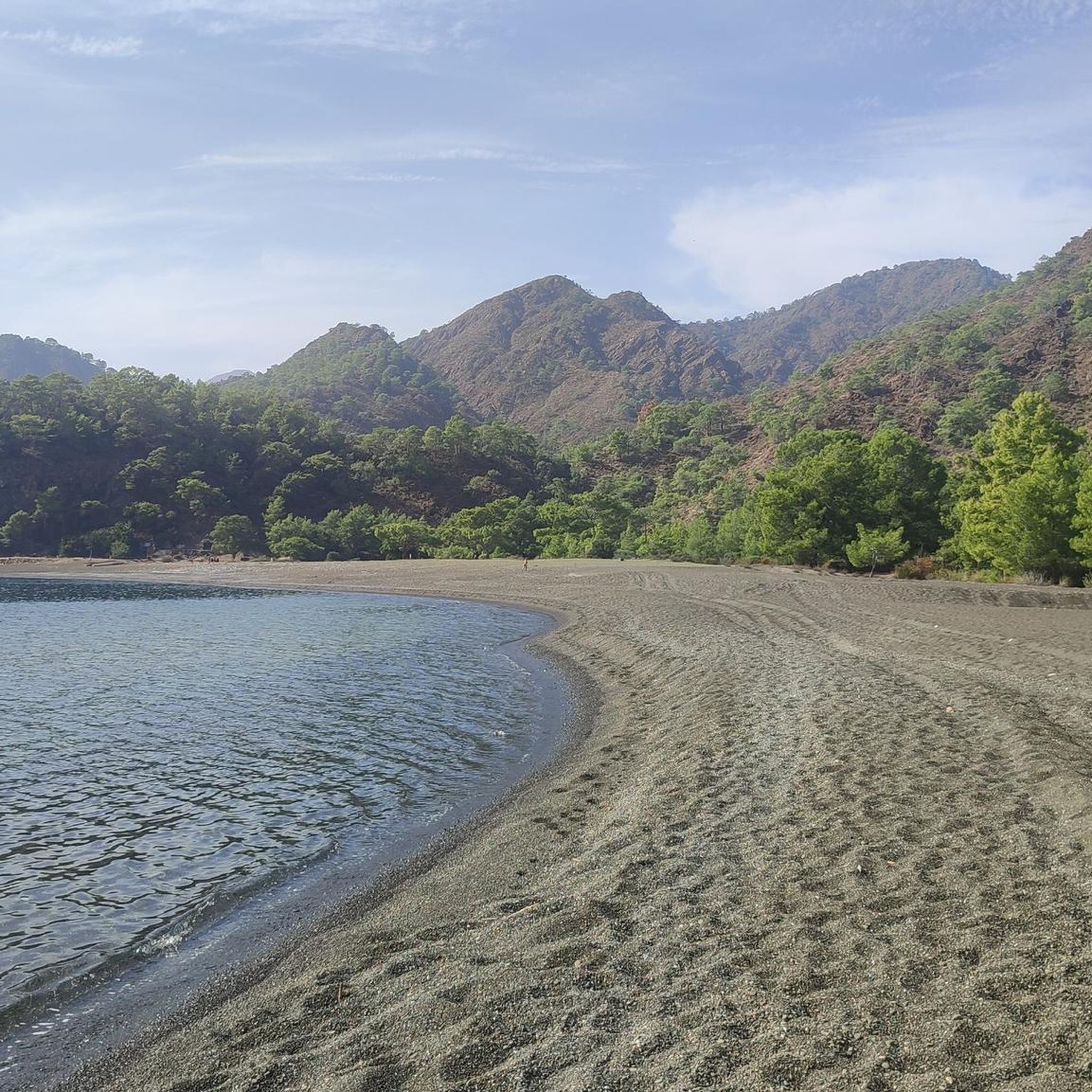
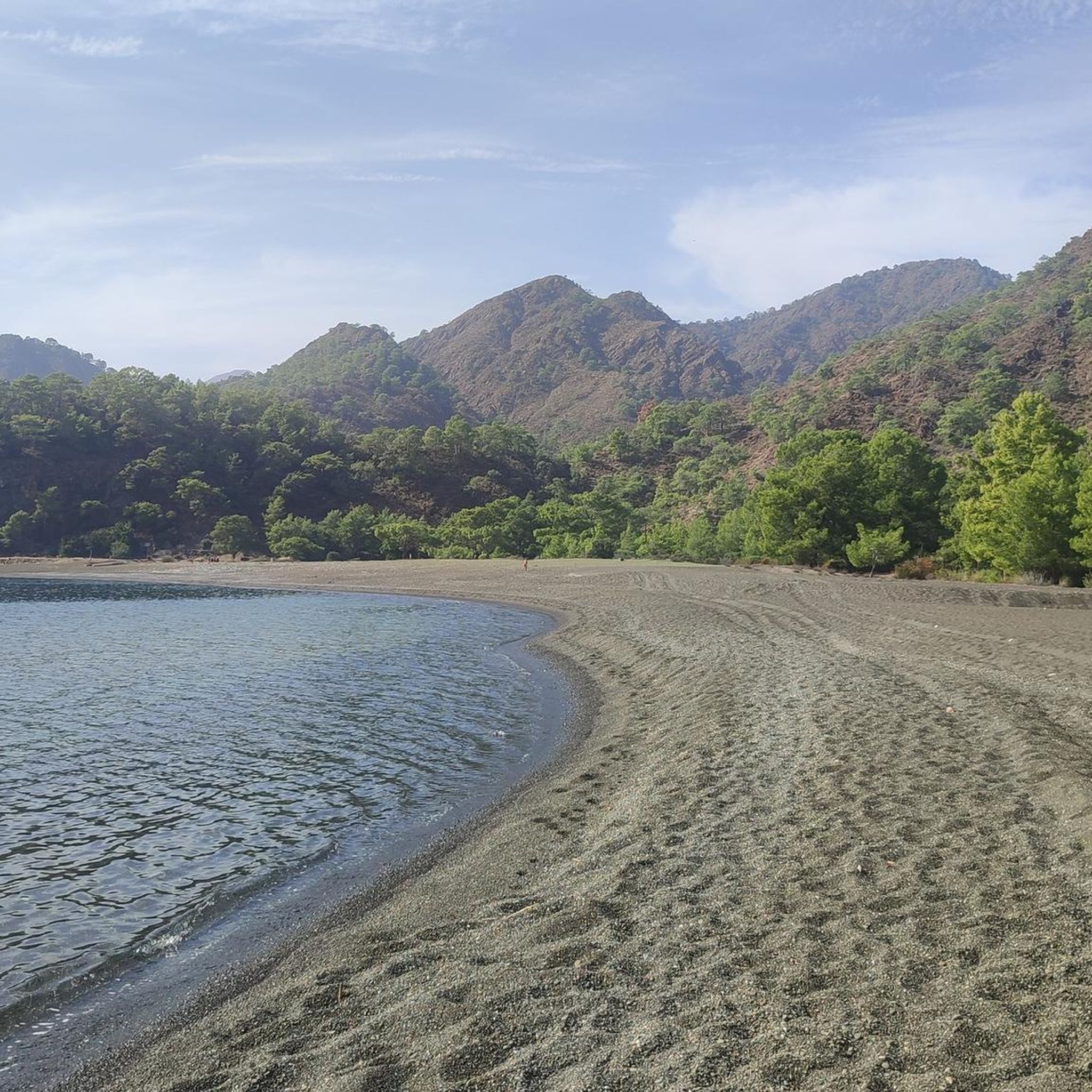
On the beach of Çıralı there is a rock passage that is now about two meters high and can be easily bypassed via the beach. The explorer Francis Beaufort describes this passage as the "only path leading into the adjacent valley" and gives it the local name Deliktaş (in English hole stone). Above the passage there are still remains of embedded roof tiles, which suggest a larger roofing. Due to silting, the passage is now about 20 m away from the water, although after occasional winter storms the waterline can reach the rock, so that it is then actually the only access from the beach again. Therefore, it is also to be expected that the actual path through the rock lies significantly deeper than the current silting suggests. https://de.wikipedia.org/wiki/Olympos_(Lykien)
1
0

The climb or ride up here is definitely worth it. You are guaranteed a great all-round view, provided you are not in the clouds.
6
0
The ruins are worth seeing.
0
0
Frequently Asked Questions
What makes the natural monuments in the Yanartas Mountains unique?
The Yanartas Mountains are home to extraordinary natural phenomena, most notably the Eternal Flames of Chimaera (Yanartaş). These perpetual fires, fueled by natural gas vents, have burned continuously for millennia and are considered the world's largest deposit of non-volcanic and non-animal origin methane gas. The region also features deep canyons like Göynük Canyon and prominent mountain summits such as Mount Tahtalı, offering a diverse blend of geological wonders.
What is the mythological significance of the Eternal Flames (Chimaera)?
The site of the Eternal Flames, also known as Chimaera, is deeply rooted in Greek mythology. It is widely believed to be the ancient Mount Chimaera where the hero Bellerophontes, riding Pegasus, defeated the fire-breathing monster Chimera. Legend says he buried the monster deep within the mountain, and its fiery breath still escapes as the eternal flames. These sacred flames are even said to be the origin of the Olympic torch.
What are some must-see natural monuments in the Yanartas Mountains beyond the Eternal Flames?
Beyond the famous Eternal Flames, you should explore Göynük Canyon, located within the Beydağları Coastal National Park, which offers stunning views, waterfalls, and ponds. Another highlight is Mount Tahtalı, the highest peak in Olimpos-Beydağları Milli Park, providing outstanding panoramic vistas of the Turkish Riviera. Don't miss the Turquoise Pool in Olimpos Beydağları National Park for its serene beauty.
Are there family-friendly natural monuments or activities in the Yanartas Mountains?
Yes, several natural monuments are suitable for families. Göynük Canyon offers a great hike through the gorge with varied views and opportunities for canyoning. Olympos Beach is another family-friendly spot, perfect for relaxing by the sea. The Turquoise Pool in Olimpos Beydağları National Park is also a pleasant natural attraction for families to visit.
What is the best time of year to visit the natural monuments in the Yanartas Mountains?
The late afternoon or evening is particularly recommended for visiting the Eternal Flames (Yanartaş), as the glowing fires against the night sky create a captivating and mystical experience. Generally, spring and autumn offer pleasant temperatures for hiking and exploring the region's natural monuments, avoiding the intense heat of summer.
What kind of hiking trails can I find near the natural monuments?
The Yanartas Mountains offer a variety of hiking trails. For example, near Yanartaş (Chimaera), there are easy loop trails like the 'Ruins at Yanartaş (Chimera) – Chimera (Yanartaş) loop from Information Chimaera' (1.95 km). Near Göynük Canyon, you can find easy routes such as the 'Göynük Canyon – View of Göynük Canyon loop from Göynük' (5.1 km). For more options, you can explore the Easy hikes in the Yanartas Mountains guide or the broader Hiking in the Yanartas Mountains guide.
What should I wear and bring when visiting the Eternal Flames (Yanartaş)?
When visiting the Eternal Flames, it's essential to wear sturdy shoes, as the path can be rocky and steep. If you plan to visit in the evening, a flashlight is crucial for the descent. Don't forget to bring water, especially during the ascent. Drinks are also available at a kiosk near the entrance.
Are there any historical sites near the natural monuments?
Yes, the region is rich in history. Directly below the Eternal Flames are the ruins of the Temple of Hephaistos, the Greek god associated with fire. Additionally, the Ancient City of Phaselis is a significant historical site nearby, offering an open-air museum experience with ancient ruins and beautiful beaches. The Gelidonya (Taşlıkburnu) Lighthouse is another historical landmark, offering stunning views along the Lycian Way.
What outdoor activities can I do near these natural monuments?
Besides hiking, the Yanartas Mountains offer various outdoor activities. Göynük Canyon is popular for canyoning tours. For cyclists, there are road cycling routes available, ranging from moderate to difficult. You can find more details in the Road Cycling Routes in the Yanartas Mountains guide.
What do visitors enjoy most about the natural monuments in the Yanartas Mountains?
Visitors particularly appreciate the unique natural phenomena, such as the Eternal Flames, which offer a mystical experience, especially at night. The combination of geological wonders, rich mythological history, and scenic hikes through pine woods with Mediterranean Sea views is a major draw. The diverse landscapes, from deep canyons to high mountain summits like Mount Tahtalı, also receive high praise from the komoot community.
Are there any viewpoints offering panoramic views of the region?
Absolutely. Mount Tahtalı provides an outstanding view from its summit, offering panoramic vistas of the Turkish Riviera. Another excellent spot is the View from Tünek Tepe, which also features a restaurant. Additionally, the Rocky Cliff Overlooking the Mediterranean Sea offers beautiful coastal views.
Most popular routes in the Yanartas Mountains
Most popular attractions in the Yanartas Mountains

Get inspired with the komoot mobile app


Explore more
Extend your search for the best caves by checking out these guides of the top ones in the Yanartas Mountains:
