Top 20 Natural Monuments in Côtes-d'Armor
Natural monuments in Côtes-d'Armor feature a diverse landscape of dramatic coastlines, unique geological formations, and natural reserves. This region in Brittany, France, offers numerous opportunities for exploring its natural features. The area is characterized by its coastal paths and varied terrain, providing a range of outdoor experiences.
Best natural monuments in Côtes-d'Armor
- The most popular natural monuments is Along the pink granite coast, a natural monument known for its distinctive pink granite rocks. This area is considered a walking…
Last updated: September 29, 2026
Along the pink granite coast
Highlight • Monument
Translated by Google •
Tip by

Mean Ruz Lighthouse
Highlight • Monument
Translated by Google •
Tip by

Sign up now to discover places like this
Get recommendations on the best single tracks, peaks, & plenty of other exciting outdoor places.
Pink Granite Coast
Highlight (Segment) • Natural Monument
Translated by Google •
Tip by

Pink Granite Coast
Highlight • Natural Monument
Translated by Google •
Tip by
Cape Fréhel
Highlight • Viewpoint
Translated by Google •
Tip by

The Plougrescant Chasm
Highlight • Natural Monument
Translated by Google •
Tip by

La Fauconnière Bird Reserve
Highlight • Natural Monument
It's an important nature reserve with many seabirds such as gannets, guillemots, gulls, and cormorants – ideal for birdwatching.
Translated by Google •
Tip by

Pointe des Quatre Vents (Cap d’Erquy)
Highlight • Viewpoint
Translated by Google •
Tip by

Pointe de Plouha
Highlight • Viewpoint
Translated by Google •
Tip by

Beauport Abbey
Highlight • Monument
Translated by Google •
Tip by

Sign up for free to discover even more natural monuments in Côtes-d'Armor.
Already have an account?
Start today with a free account
Your next adventure awaits.
Popular around Côtes-d'Armor
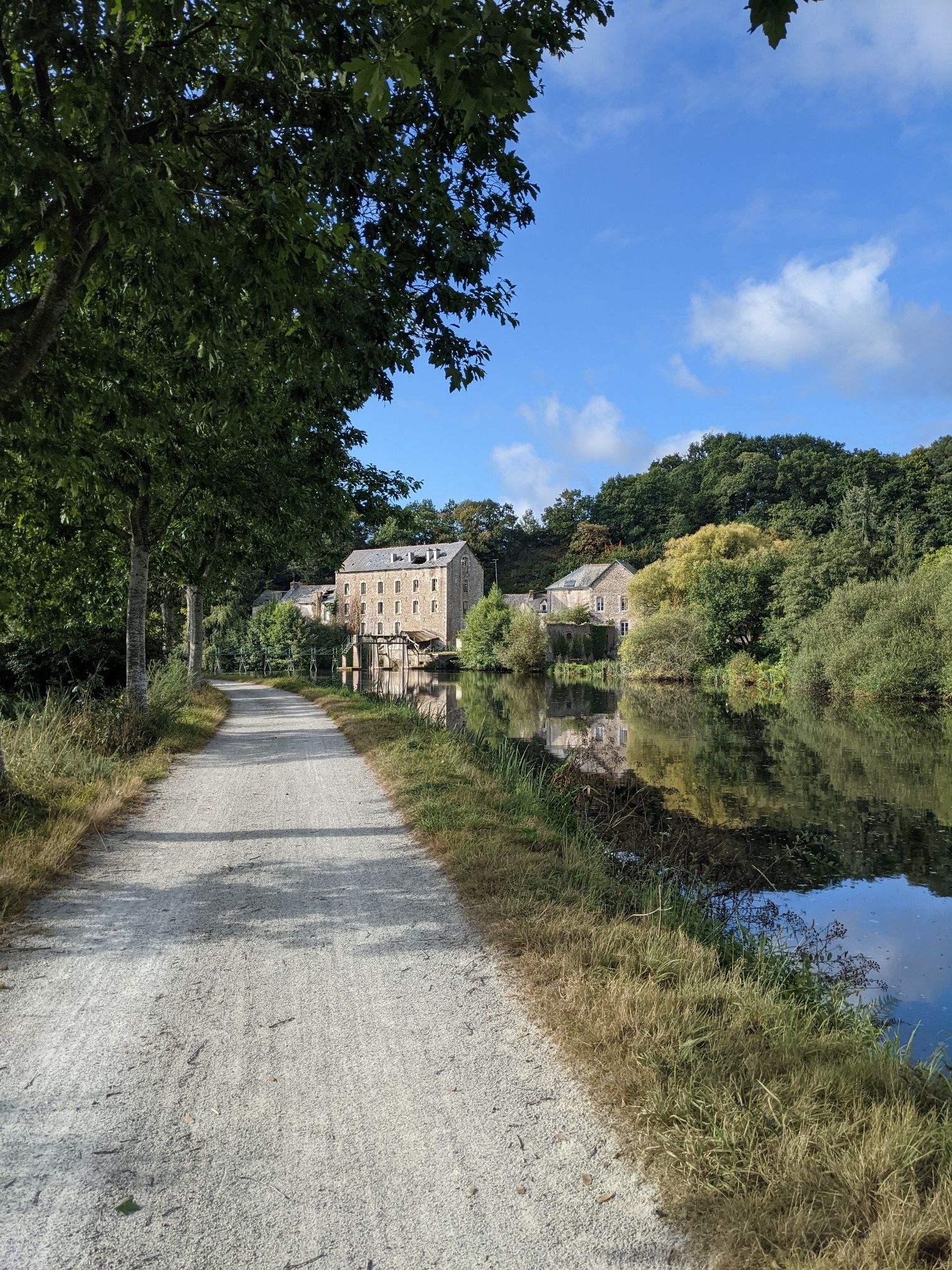
Nantes-Brest Canal – Cycling along Brittany's towpaths
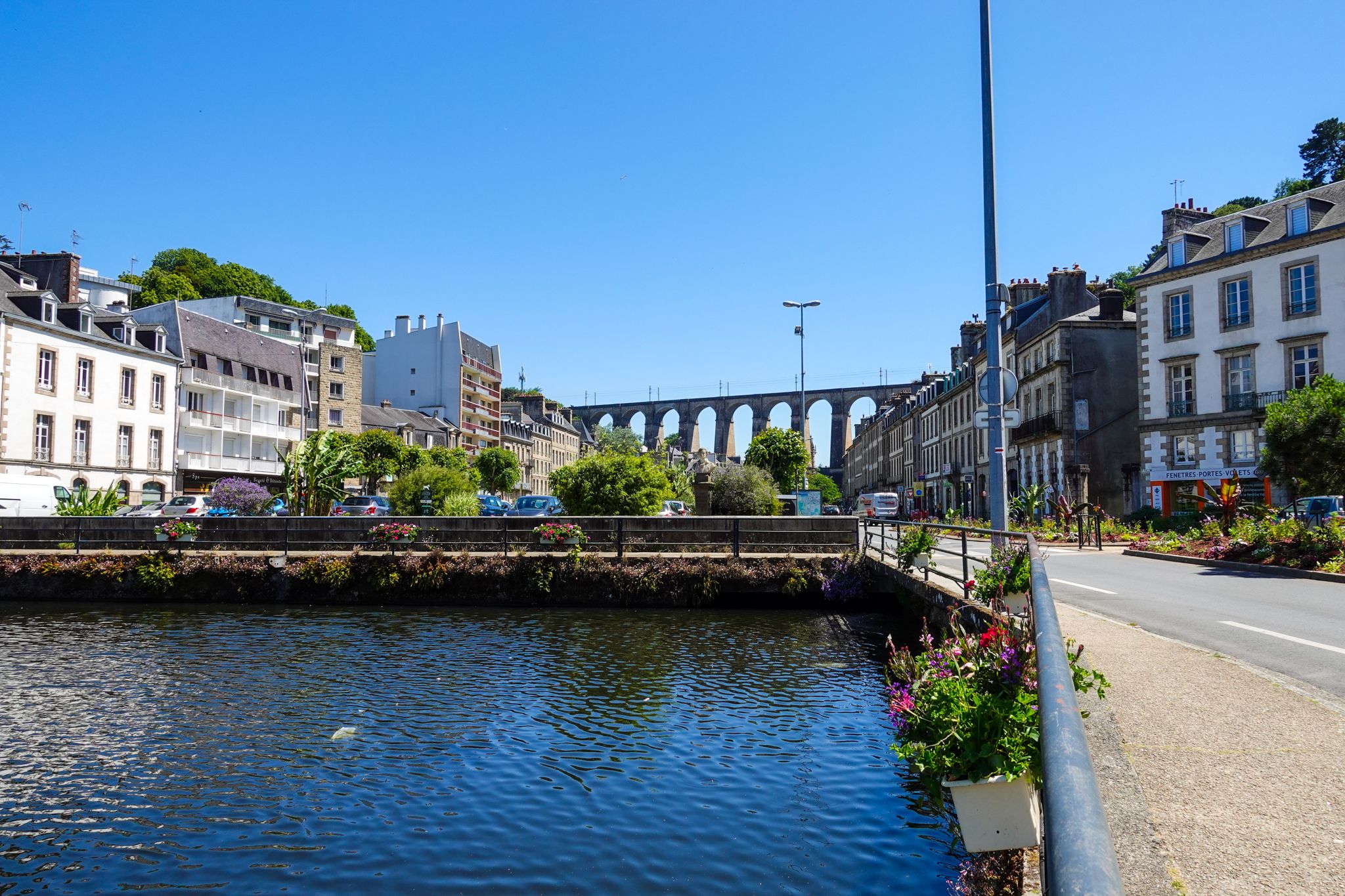
EuroVelos 1 and 4 — Cycle-touring a week in Brittany
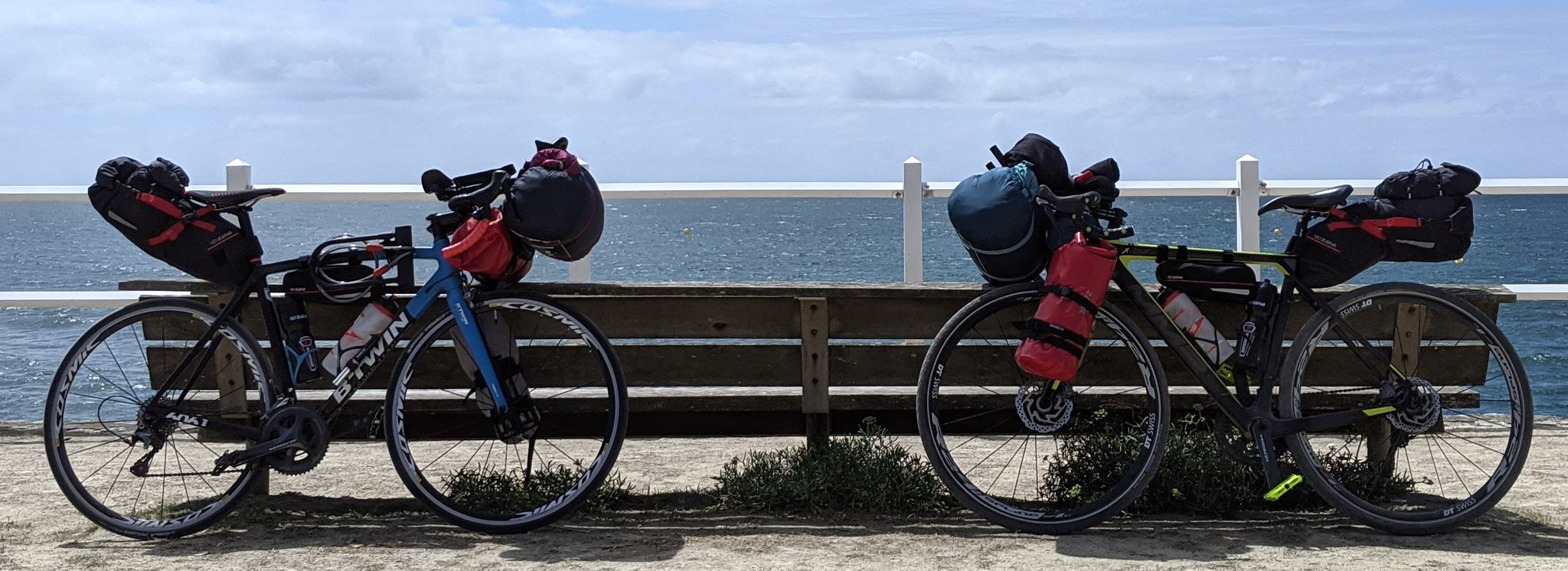
La Vélodyssée — From north to south via the ocean
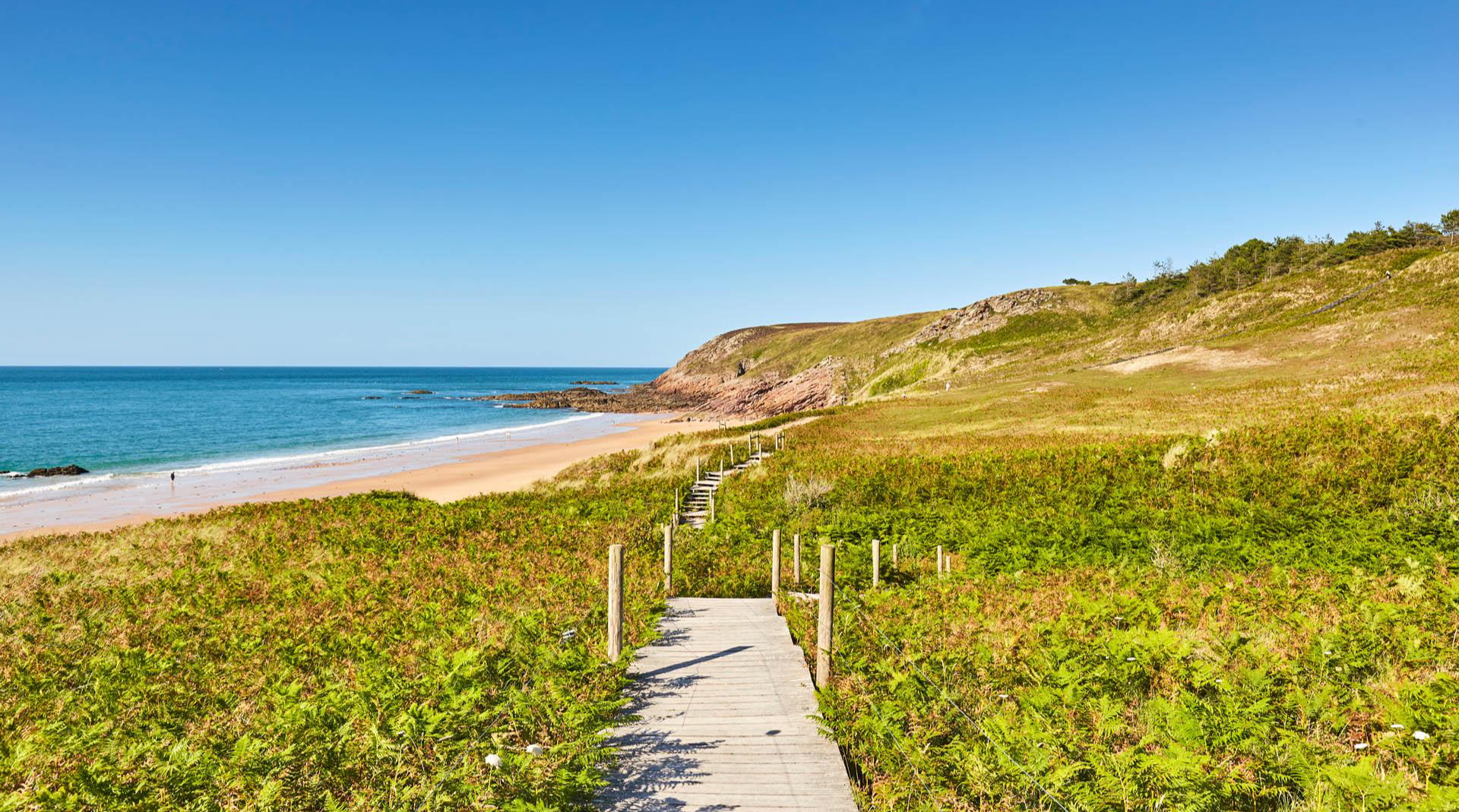
Cap d’Erquy Val-André on foot – sea, nature and Breton heritage
10 of the most beautiful walks in Brittany
7 gravel routes to discover in Brittany
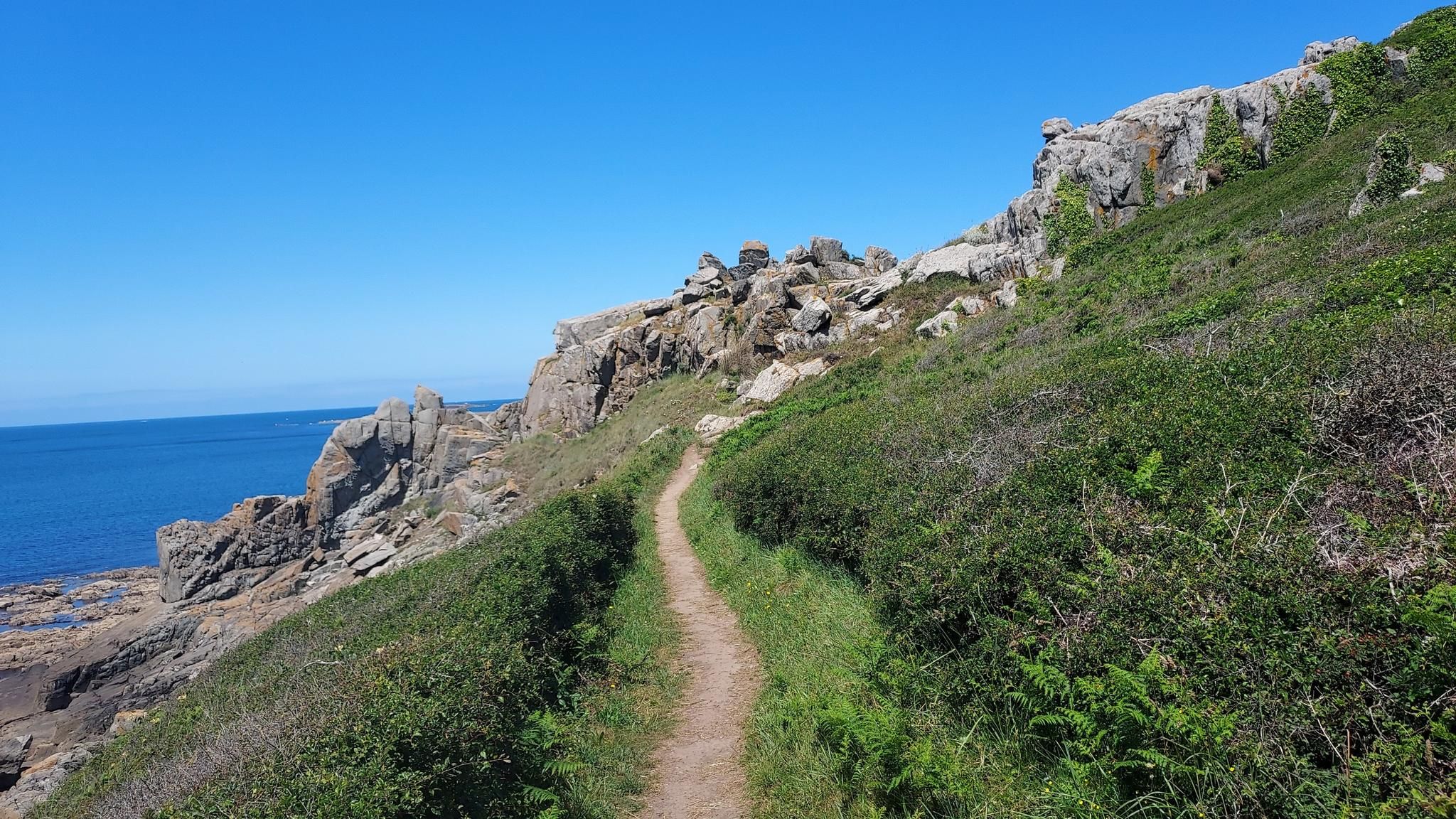
The Customs Officers’ Path – GR 34 between Erquy and Saint-Malo
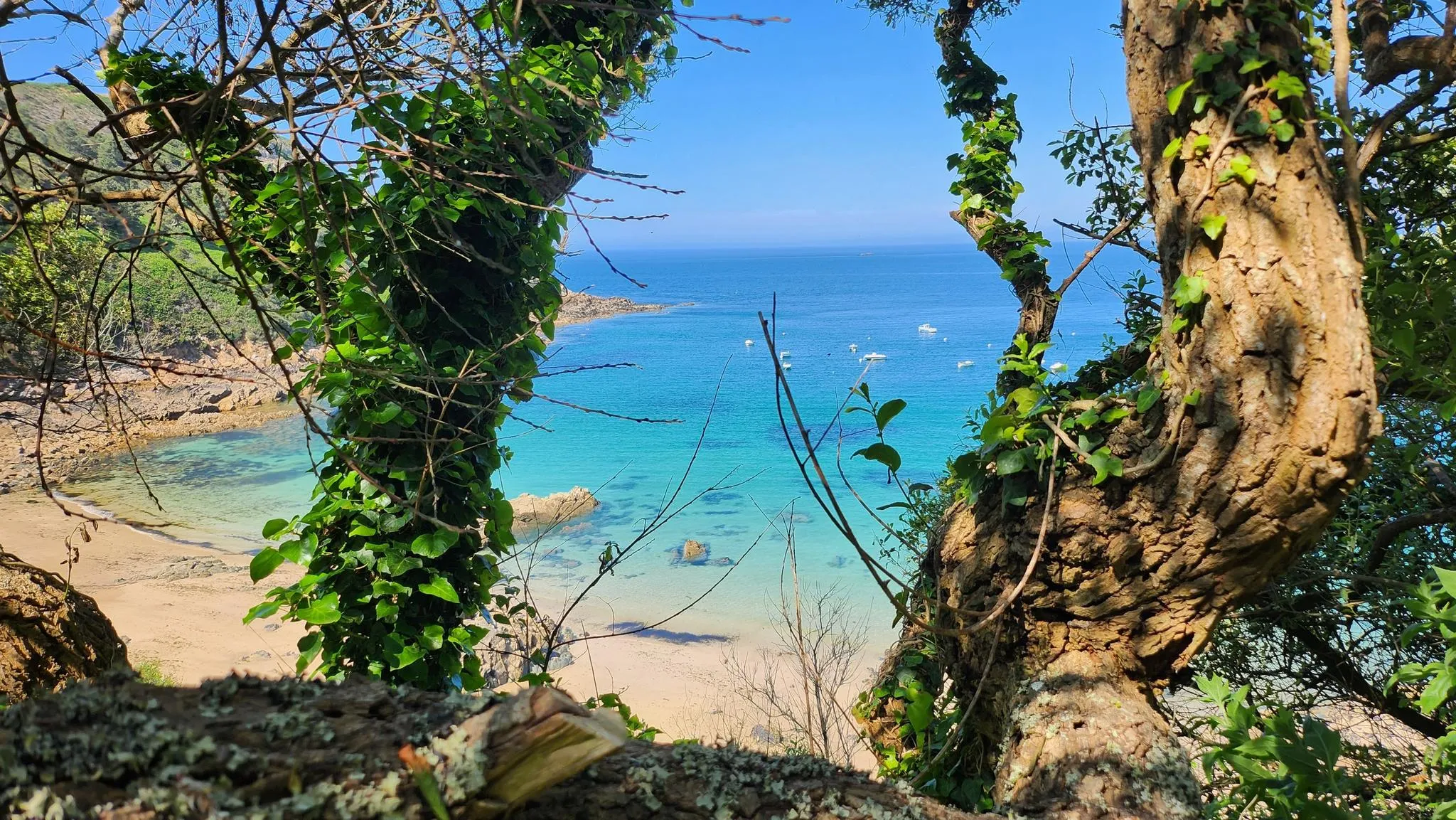
The Customs Officers' Path – GR 34 between Paimpol and Erquy
Customs Officers’ Path – GR 34 between Lannion and Paimpol
The Customs Officers’ path – GR 34 in Brittany between Morlaix and Lannion
Other adventures in Côtes-d'Armor


Tips from the Community

Very impressive. A great photo opportunity in a beautiful landscape.
0
0

Ploumanac’h is a small fishing village on the northern coast of Brittany, the so-called Côte de Granit Rose, the pink granite coast. The formerly independent village now belongs to the municipality of Perros-Guirec.
1
0

Pointe des Quatre Vents is a small, distinctive headland west of Erquy. As its name—"Headland of the Four Winds"—suggests, it is particularly windswept and open, giving the coastline a rugged, pristine appearance.
16
0
The Phare de Mean Ruz, also known as the Ploumanac'h Lighthouse, is one of the most famous landmarks of Brittany's Pink Granite Coast. The original tower was built in 1860, but was destroyed during World War II and rebuilt in 1946 in its original form. Since 1948, it has once again emitted its signature flashing red light across the sea, visible for up to 11 nautical miles. At approximately 15 meters high, the lighthouse marks the entrance to Ploumanac'h Bay. Unfortunately, access to the lighthouse is closed to the public.
2
0
The Ploumanac'h Lighthouse (Phare de Mean Ruz) is nestled among the striking pink granite cliffs. Built in 1946 from pink granite, it serves to ensure navigation by marking dangerous coves and cliffs. At approximately 15 meters high, the square tower is a popular photo subject and a typical stop for hikers on the historic Sentier des Douaniers (Customs Officers' Trail). Other nearby attractions include the Château du Diable and the Petite Baie de Ploumanac'h.
1
0
Particularly impressive is the coast at Ploumanac'h, a picturesque town known for its bizarre rock formations. Here, granite cliffs rise from the ground in sometimes bizarre shapes, offering spectacular views of the sea. One highlight is the Ploumanac'h lighthouse, perched on a rock and a popular photo opportunity.
1
0
Cap Fréhel is one of the most spectacular coastal landscapes in Brittany. The cliffs, up to 70 metres high, made of pink sandstone, the vast heathlands, and the numerous seabirds make the headland a special natural experience. In addition to the current lighthouse, the historic Vauban tower from 1702 recalls the long history of coastal surveillance and maritime safety.
13
0
Perched high on the pink granite cliffs above the Emerald Coast, Cap Fréhel offers sweeping views extending all the way to the islands of Jersey. Surrounded by the colorful Lande de Fréhel and important bird sanctuaries such as La Fauconnière, nature, history, and the sea combine here in a striking way. The nearby lighthouse and Fort La Latte complete the unique coastal panorama.
28
0
Frequently Asked Questions
What are some of the most striking natural features to explore in Côtes-d'Armor?
Côtes-d'Armor is renowned for its dramatic coastlines and unique geological formations. A prime example is the Pink Granite Coast, famous for its ancient, weather-beaten pink granite rocks with fantastical shapes. You can also discover the impressive Plougrescant Chasm, where marine erosion has carved a chasm between massive granite blocks, creating a dramatic 'lunar landscape'.
Are there good hiking opportunities around the natural monuments in Côtes-d'Armor?
Absolutely, Côtes-d'Armor offers excellent hiking. The Pink Granite Coast is considered a walking paradise. For breathtaking cliff structures and views, consider the trail between Cap Fréhel and Fort La Latte. You can find more hiking options in the region, including easy walks and waterfall hikes, by exploring the easy hikes guide and waterfall hikes guide for Côtes-d'Armor.
Which natural monuments are particularly suitable for families with children?
Many natural monuments in Côtes-d'Armor are family-friendly. The Mean Ruz Lighthouse, set amidst rugged granite rocks, is a popular spot. The Pointe des Quatre Vents (Cap d’Erquy) offers a wild point accessible by path, perfect for exploring. Additionally, the La Fauconnière Bird Reserve is a great place for children to observe diverse bird species.
What is the best time of year to visit the natural monuments in Côtes-d'Armor?
The Côtes-d'Armor region is beautiful year-round, but the spring and summer months (May to September) generally offer the most pleasant weather for exploring, with milder temperatures and longer daylight hours. This is ideal for coastal walks and enjoying the vibrant flora, especially on places like Île de Bréhat, known as the 'Island of Flowers'.
Are there any historical or cultural sites integrated with the natural monuments?
Yes, the region beautifully blends natural beauty with historical significance. The trail from Cap Fréhel leads to the medieval Fort La Latte, offering a combination of natural landscapes and historical heritage. You can also visit Beauport Abbey, a man-made monument with religious and historical significance, or the Sainte-Anne des Rochers Chapel, nestled in a natural setting.
Where can I experience dramatic coastal views in Côtes-d'Armor?
For extraordinary, breathtaking coastal views, Cap Fréhel is highly recommended, especially at sunset. The Pointe de Plouha boasts the largest cliffs in Brittany, offering splendid views overlooking the Channel. The Pointe du Chevet also provides stunning vistas of the coast and beaches.
Are there opportunities for wildlife spotting at these natural sites?
Yes, Côtes-d'Armor is excellent for wildlife enthusiasts. The La Fauconnière Bird Reserve is a significant ornithological reserve. The Sept-Îles Archipelago, located off the Pink Granite Coast, is another major ornithological reserve, providing a sanctuary for approximately thirty species of birds. The Sillon de Talbert, a unique geological spit, also functions as an ornithological reserve.
What kind of unique geological formations can I expect to see?
The region is famous for its unique geology. The Pink Granite Coast features ancient pink granite rocks, polished by wind and sea into fantastical shapes. The Plougrescant Chasm showcases the powerful force of marine erosion carving chasms between massive granite blocks. Additionally, the Sillon de Talbert is a rare 3-kilometer-long natural spit made of sand and pebbles extending into the sea.
Are there any easy walks suitable for all fitness levels?
Yes, there are several easy walks. The easy hikes guide for Côtes-d'Armor lists routes like the Tour of Île Renote and the Ploumanac'h Customs Trail, which are generally suitable for all fitness levels and offer beautiful scenery without significant difficulty.
What other outdoor activities can I do near the natural monuments?
Beyond hiking, Côtes-d'Armor offers diverse outdoor activities. Lake Guerlédan, the largest lake in Brittany, is a tranquil oasis perfect for kayaking, climbing, and water skiing. You can also find numerous mountain biking opportunities, with routes like the 'View from Cap Fréhel' loop, detailed in the MTB Trails in Côtes-d'Armor guide.
What do visitors typically enjoy most about the natural monuments in Côtes-d'Armor?
Visitors frequently praise the breathtaking views and the unique natural beauty. Many highlight the spectacular panoramic views along the Pink Granite Coast and the dramatic landscapes of Cap Fréhel. The wild, pristine appearance of the coastline and the opportunity for invigorating walks are also highly appreciated.
Most popular routes in Côtes-d'Armor
Most popular attractions in Côtes-d'Armor

Get inspired with the komoot mobile app


Didn’t find what you were looking for?
Find even more amazing natural monuments in Côtes-d'Armor by checking out the top Highlights region by region:
Explore more
Extend your search for the best caves by checking out these guides of the top ones in Côtes-d'Armor:
