Top 20 Natural Monuments in Lisbon
Best natural monuments in Lisbon encompass a diverse range of geological formations, unique ecosystems, and paleontological sites. The region features striking natural beauty where forested hills meet the Atlantic Ocean with dramatic limestone cliffs. These protected areas offer opportunities to explore varied landscapes, from coastal features to mountain ranges.
Best natural monuments in Lisbon
- The most popular natural monuments is Ursa Beach, a beach with huge rock formations. It is a secluded golden sand beach accessible via a steep…
Last updated: May 14, 2026
Pena Palace
Highlight • Castle
Translated by Google •
Tip by

Castle of the Moors
Highlight • Castle
Translated by Google •
Tip by
Sign up now to discover places like this
Get recommendations on the best single tracks, peaks, & plenty of other exciting outdoor places.
Sign up for free
Cabo da Roca — Westernmost point of mainland Europe
Highlight • Viewpoint
Until the 14th century, Europeans thought it was the end of the world.
The highlight of Cabo da …
Translated by Google •
Tip by

Ursa Beach
Highlight • Beach
Translated by Google •
Tip by
Monument to the Overseas Combatants 🏛️ Belém
Highlight • Monument
Translated by Google •
Tip by
Eduardo VII Park Viewpoint
Highlight • Viewpoint
Translated by Google •
Tip by

Pena Park
Highlight • Forest
Translated by Google •
Tip by
Boca do Inferno (Hell's Mouth)
Highlight • Gorge
Translated by Google •
Tip by

Peninha Sanctuary
Highlight • Religious Site
Translated by Google •
Tip by

Mula River Dam
Highlight • Lake
Translated by Google •
Tip by
Sign up for free to discover even more natural monuments in Lisbon.
Sign up for free
Already have an account?
Start today with a free account
Your next adventure awaits.
Login or Signup
Popular around Lisbon

Triathlon 360 – my journey around the world
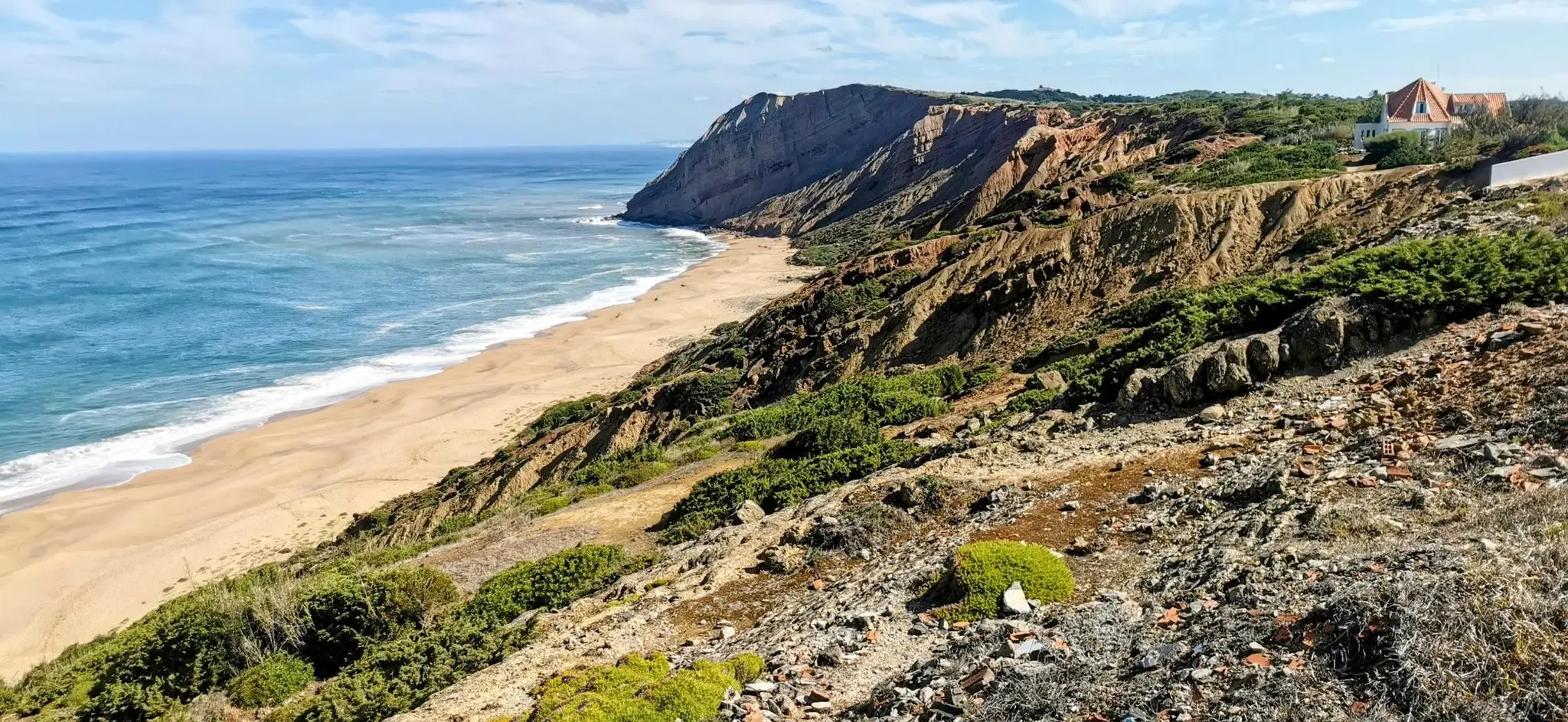
EuroVelo 1 Portugal – Cycle the Atlantic Coast
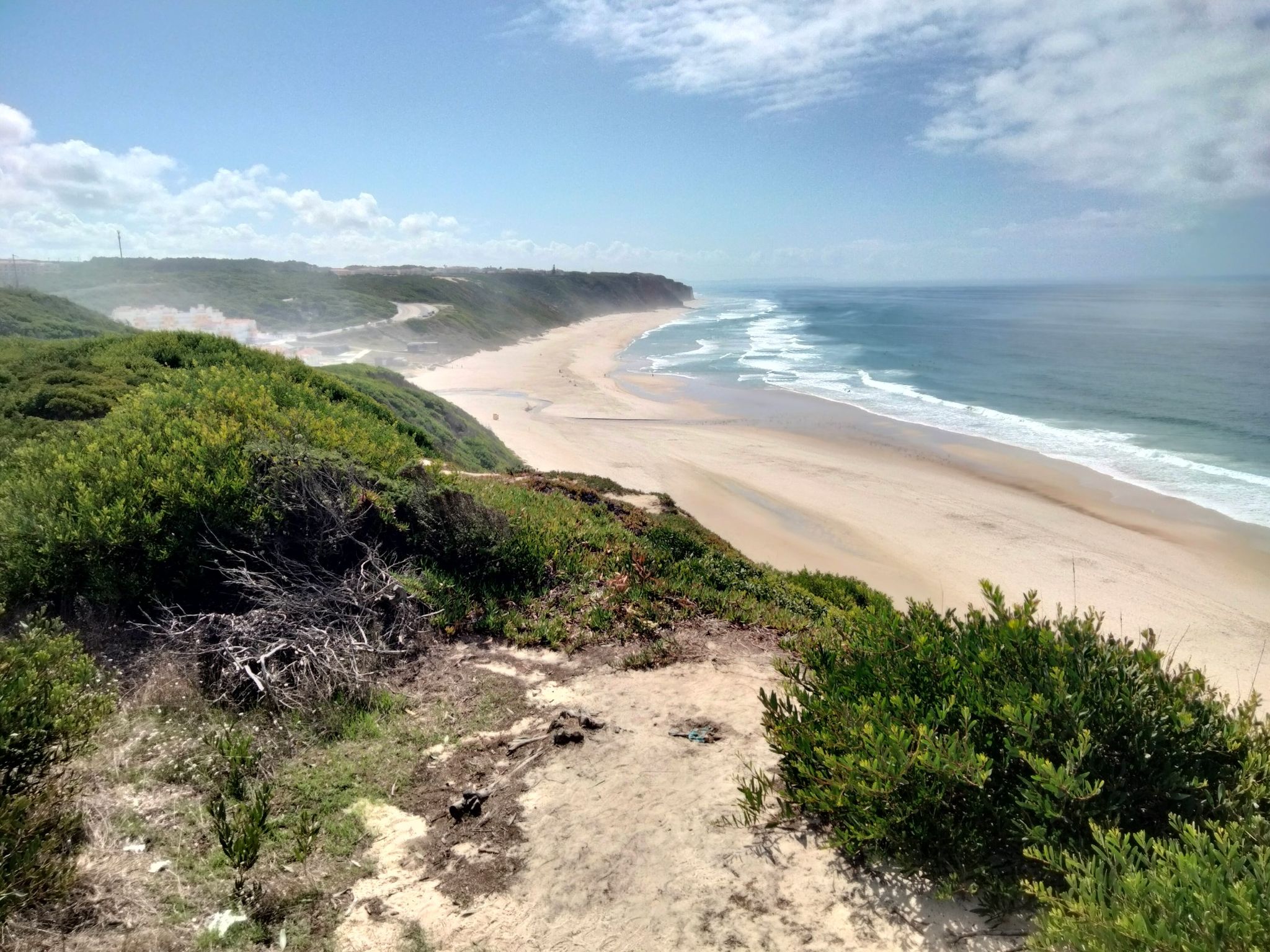
Portugal's Atlantic coast (north) – from Caminha to Lisbon
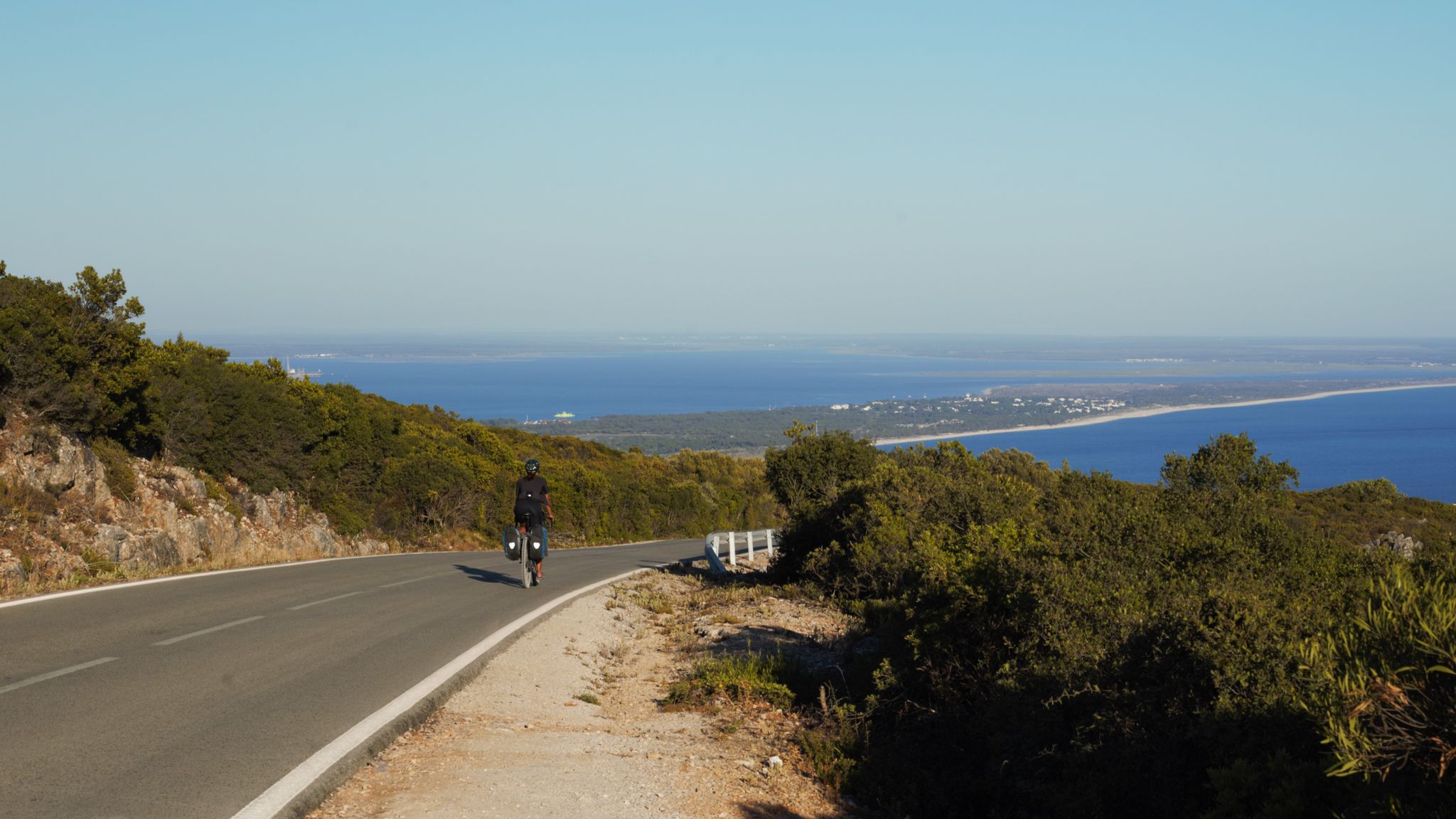
The breaking waves – cycle along the Atlantic coast of Portugal

Around the World in 80 Days
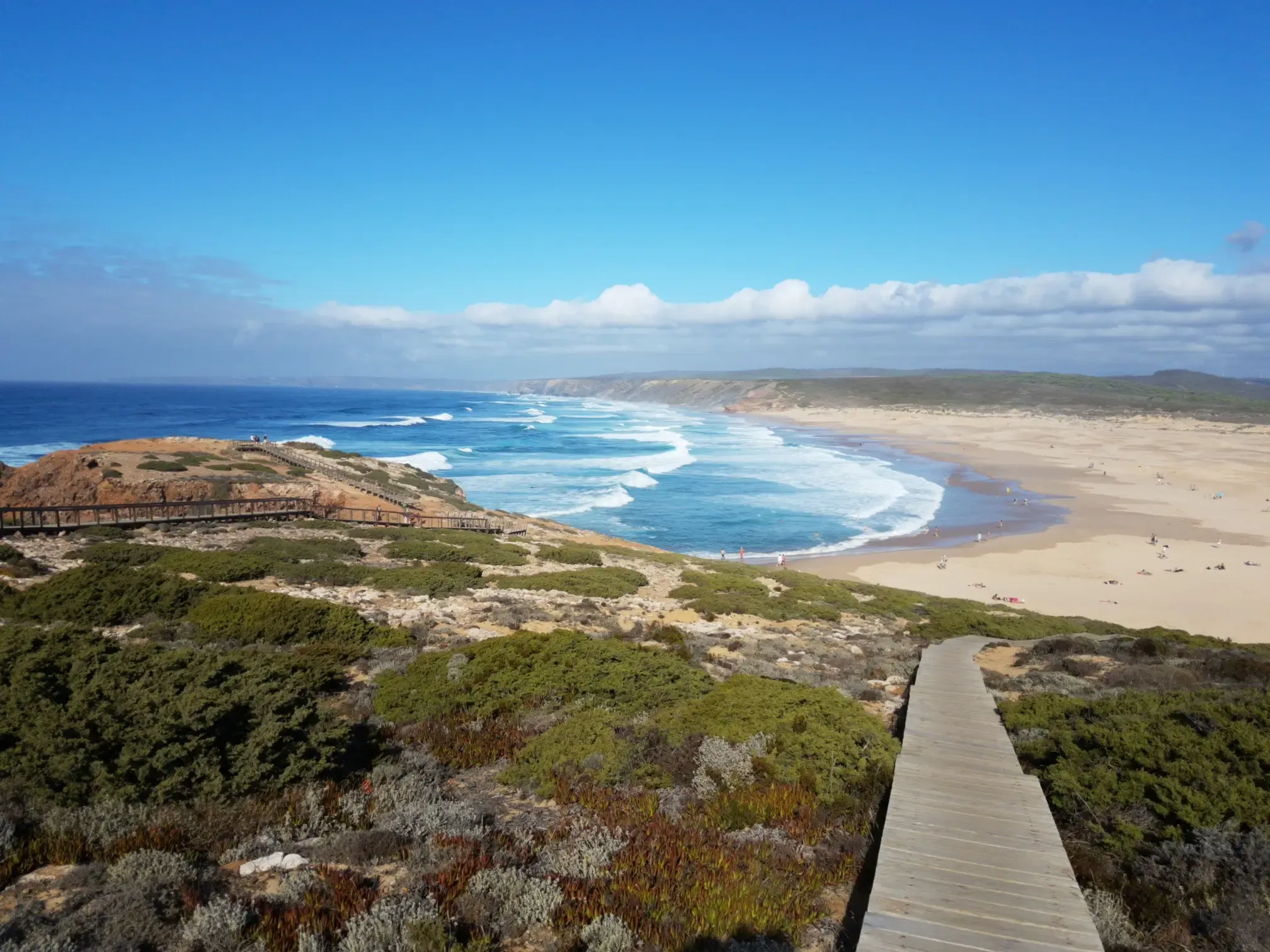
Lisbon to Santo António – The Atlantic Coast of Portugal (south)
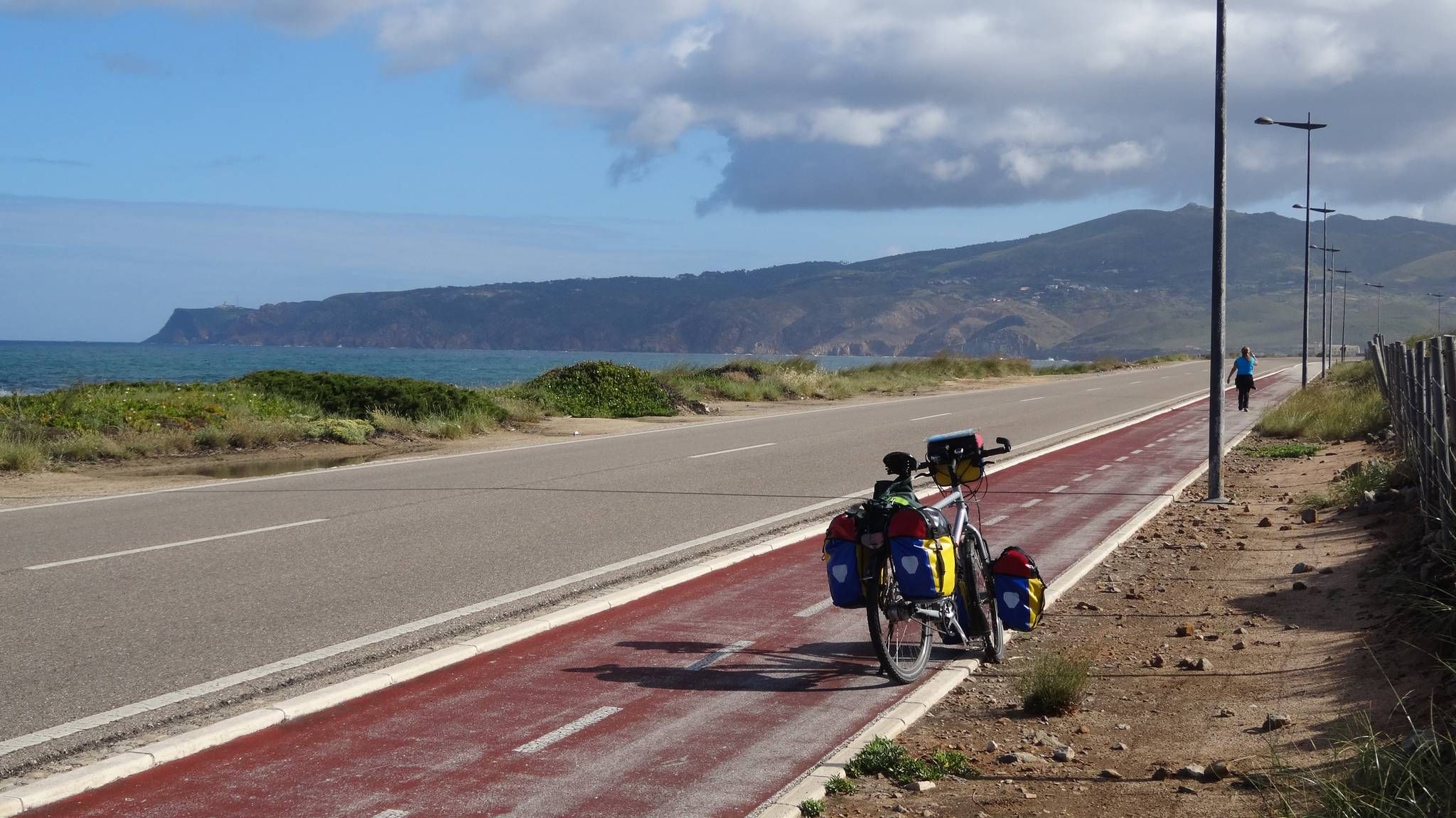
Bike Touring along Portugal's Atlantic Coast from Lisbon to Porto
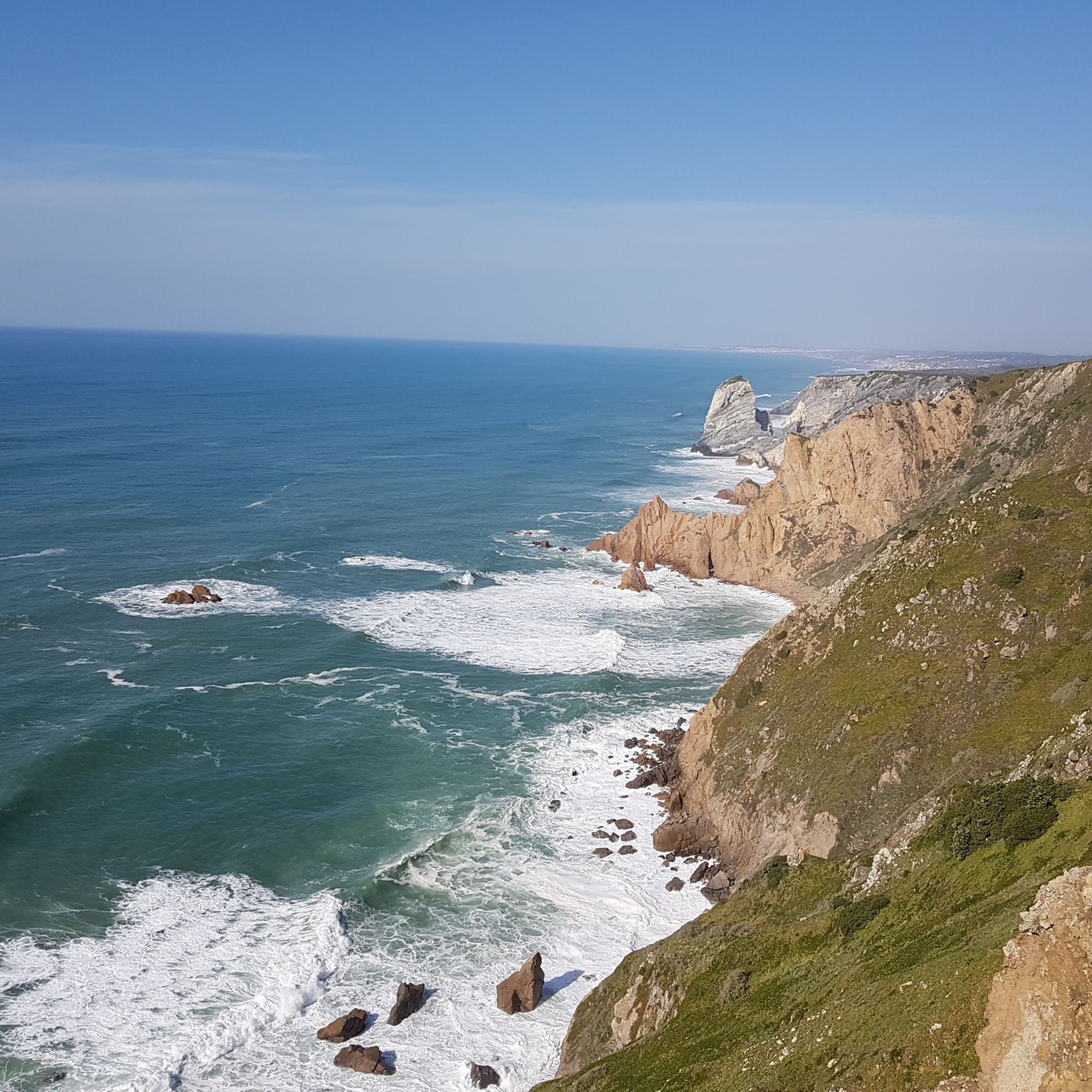
Hiking in Lisbon
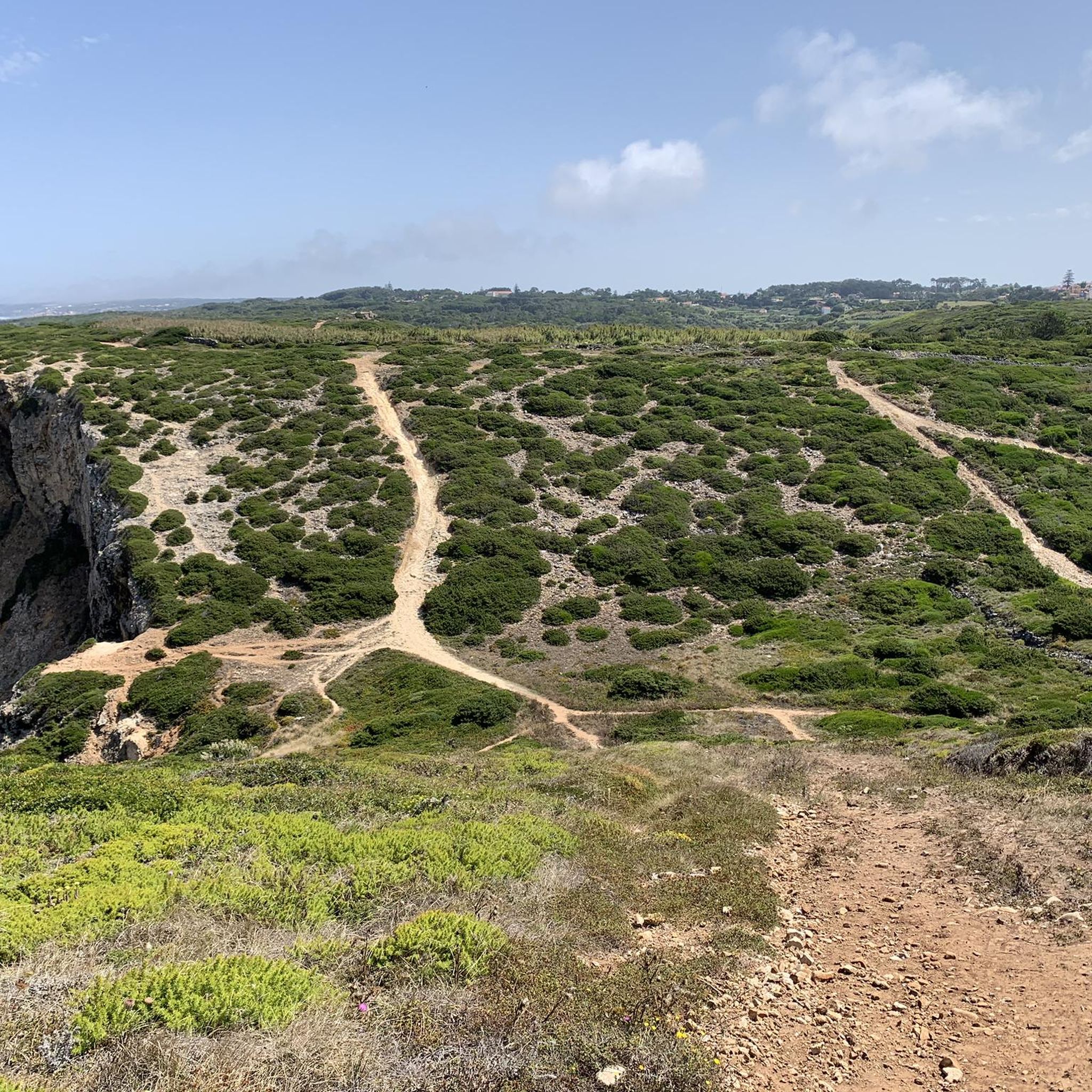
Running Trails in Lisbon
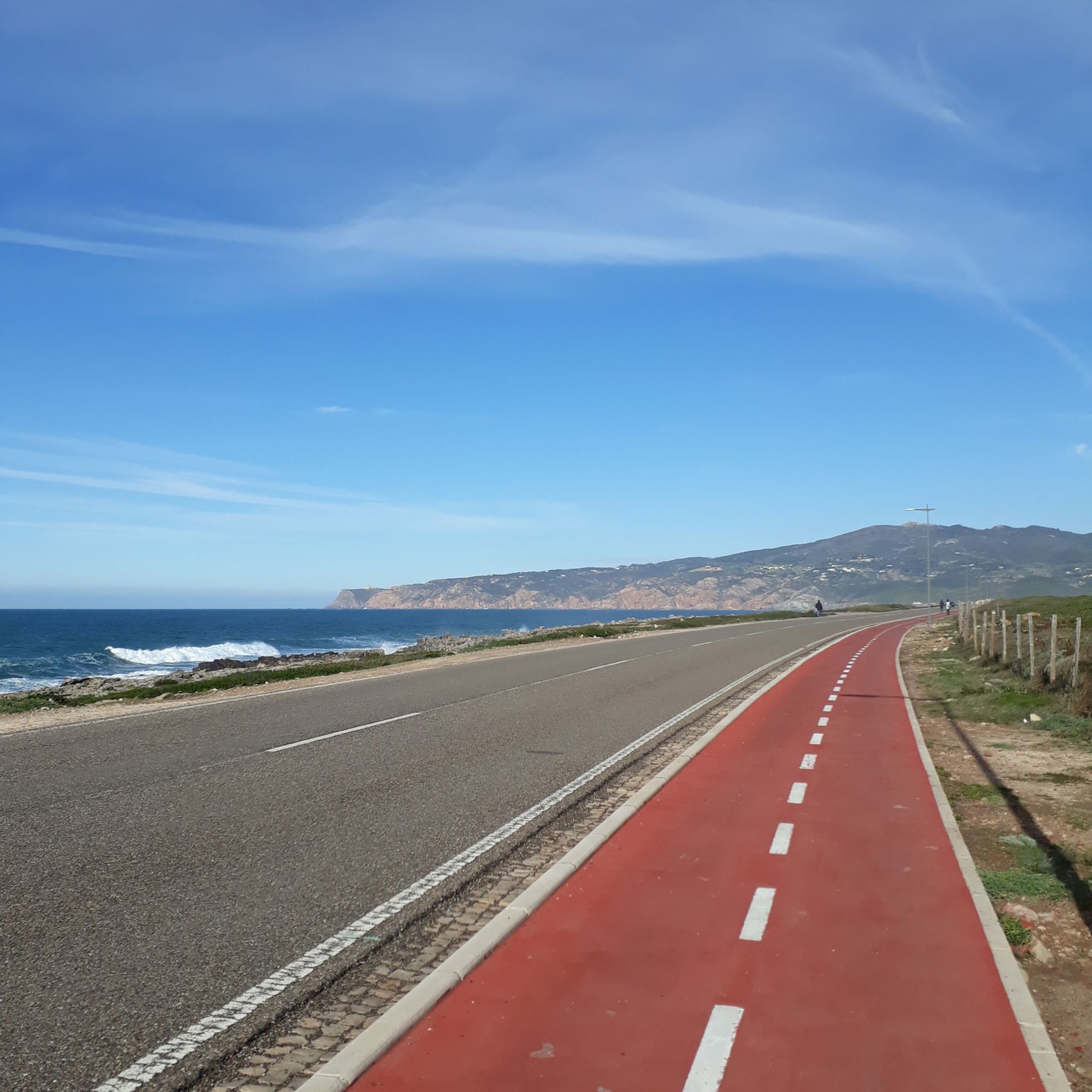
Cycling in Lisbon
Other adventures in Lisbon


Tips from the Community

The Höllenschlund lives up to its name during storms/bad weather and lashing waves. But even in 'normal weather', this is simply a wonderfully scenic spot.
0
0

Place of interest in Cascais visited by all tourists! Generally, in spring and summer, the sea is calm and Boca do Inferno has little movement. But if you get to see it in autumn or winter after a storm, the mouth roars and has an inexplicable energy 🌊
0
0

Located in the Belem district, it was inaugurated in 1994 to honor the Portuguese soldiers (10,000) who fought and died in the colonial wars.
2
0

Eduardo VII Park stretches like a large green ribbon up the hill, offering plenty of space to breathe with its lawns and paths. From the top, you have a stunning view across Avenida da Liberdade all the way down to the Tagus River. Perfect for a quiet break, a picnic, or a relaxing stroll in nature right in the heart of Lisbon.
4
1
Pena Park surrounds the palace like a vast, romantic garden filled with exotic plants, winding paths, and hidden viewpoints. Among ferns, camellias, towering trees, and tranquil ponds, a fairytale atmosphere is created that perfectly complements the palace's architecture. It's a sprawling natural and cultural experience where you can wander for hours, constantly discovering new and enchanting corners.
3
0

The view of Pena Palace and Sintra from the Castelo dos Mouros is one of the most spectacular in the entire region. Walking along the castle walls, you'll discover a landscape that blends history, architecture, and nature in perfect harmony.
7
0

Great view of Boca do Inferno and the mighty power of the Atlantic
0
1
The Monument to Overseas Combatants is a solemn tribute to the Portuguese soldiers who lost their lives during the Portuguese Colonial War (also known as the Overseas War), which took place between 1961 and 1974 in Africa.
21
0
Frequently Asked Questions
What unique geological features can I explore among Lisbon's natural monuments?
Lisbon's natural monuments offer a diverse range of geological wonders. You can witness dramatic limestone cliffs where the Serra da Arrábida meets the Atlantic Ocean, or explore the fascinating rock formations at Ursa Beach. Another remarkable site is the Boca do Inferno (Hell’s Mouth) Rock Arch, a natural arch carved by the sea near Cascais.
Are there any natural monuments near Lisbon known for prehistoric discoveries?
Yes, the region is home to significant paleontological sites. The Monumento Natural da Pedra da Mua, located on the cliffs of Cabo Espichel, is renowned for its well-preserved dinosaur footprints from the Late Jurassic period. Another important site is the Monumento Natural de Carenque in Sintra, which preserves a 120-meter-long trackway with hundreds of dinosaur footprints from the Late Cretaceous period.
Which natural monuments offer the best panoramic views around Lisbon?
For breathtaking panoramic views, consider visiting Cabo da Roca — Westernmost point of mainland Europe, known for its wild landscape and cliffs overlooking the Atlantic. The Peninha Sanctuary, situated in the Sintra Mountains, also offers spectacular vistas of the coastline and inland areas from its 448-meter altitude. Additionally, the Serra de Montejunto Protected Landscape provides the highest natural viewpoint of Estremadura.
What kind of outdoor activities can I do near Lisbon's natural monuments?
The natural monuments in and around Lisbon are excellent for various outdoor activities. You can find numerous trekking paths and scenic drives within the Arrábida Natural Park, perfect for hiking, mountain biking, and birdwatching. For specific routes, explore options like the 'Praia da Adraga, Cabo da Roca e Praia da Ursa — circular route' for hiking or the 'Penha Longa-Sintra Cycling Ruta' for cycling. You can find more details on these and other routes in the Hiking in Lisbon and Cycling in Lisbon guides.
Are there family-friendly natural monuments in Lisbon?
Many natural monuments in Lisbon are suitable for families. Cabo da Roca is considered family-friendly, offering impressive views and a café. The Mula River Dam is another family-friendly spot, providing a serene environment. Additionally, the Cresmina Beach offers a pleasant beach experience for all ages.
Which natural monuments in Lisbon have historical significance?
Beyond their natural beauty, some sites hold historical importance. The Castle of the Moors in Sintra is a prime example, an ancient castle integrated into a natural setting, offering panoramic views and preserving elements from its medieval history. The Peninha Sanctuary also features a baroque chapel and palace ruins, adding a historical layer to its natural splendor.
What kind of marine life or coastal features can I expect to see?
The coastal natural monuments offer rich marine and coastal experiences. The Arrábida Natural Park's coastal waters are home to diverse marine flora and fauna, including a resident pod of dolphins. You can also find picturesque beaches like Galapinhos and Portinho da Arrábida within the park. The dramatic cliffs at Cabo da Roca and the unique rock formations at Ursa Beach showcase the powerful interaction between land and sea.
Are there any natural monuments that are easily accessible for visitors?
While many natural monuments involve some walking or hiking, some offer easier access. The Eduardo VII Park Viewpoint is wheelchair accessible, providing great views within the city. Cabo da Roca is also relatively accessible, with public transport connections to Sintra and Cascais, and a café near the lighthouse.
What makes the Serra de Montejunto Protected Landscape unique?
The Serra de Montejunto Protected Landscape, north of Lisbon, is unique as the highest natural viewpoint of Estremadura, reaching 666 meters. It's part of the Estremenho Limestone Massif, rich in caves and prehistoric fossils. It's particularly notable for its colony of Miniopterus schreibersi bats and unique flora like Arabis sadina and Narcissus calcicola, offering a tranquil escape with rich biodiversity.
What do visitors enjoy most about the natural monuments in Lisbon?
Visitors frequently praise the spectacular views and the wild, impressive landscapes. For instance, the tour along the walls of the Castle of the Moors is described as 'simply spectacular and extremely impressive' with 'fantastic panoramic views.' The magic and beauty of places like Cabo da Roca are also highly appreciated, despite being popular tourist spots.
Can I find natural monuments that are also good for birdwatching?
Yes, the Arrábida Natural Park is an excellent location for birdwatching, thanks to its diverse ecosystems including lush forests and coastal areas. The Serra de Montejunto Protected Landscape also offers opportunities to observe diverse fauna, including a significant bat colony, making it another interesting spot for wildlife enthusiasts.
Most popular routes in Lisbon
Most popular attractions in Lisbon

Get inspired with the komoot mobile app


Didn’t find what you were looking for?
Find even more amazing natural monuments in Lisbon by checking out the top Highlights region by region:
Explore more
Extend your search for the best caves by checking out these guides of the top ones in Lisbon:
